

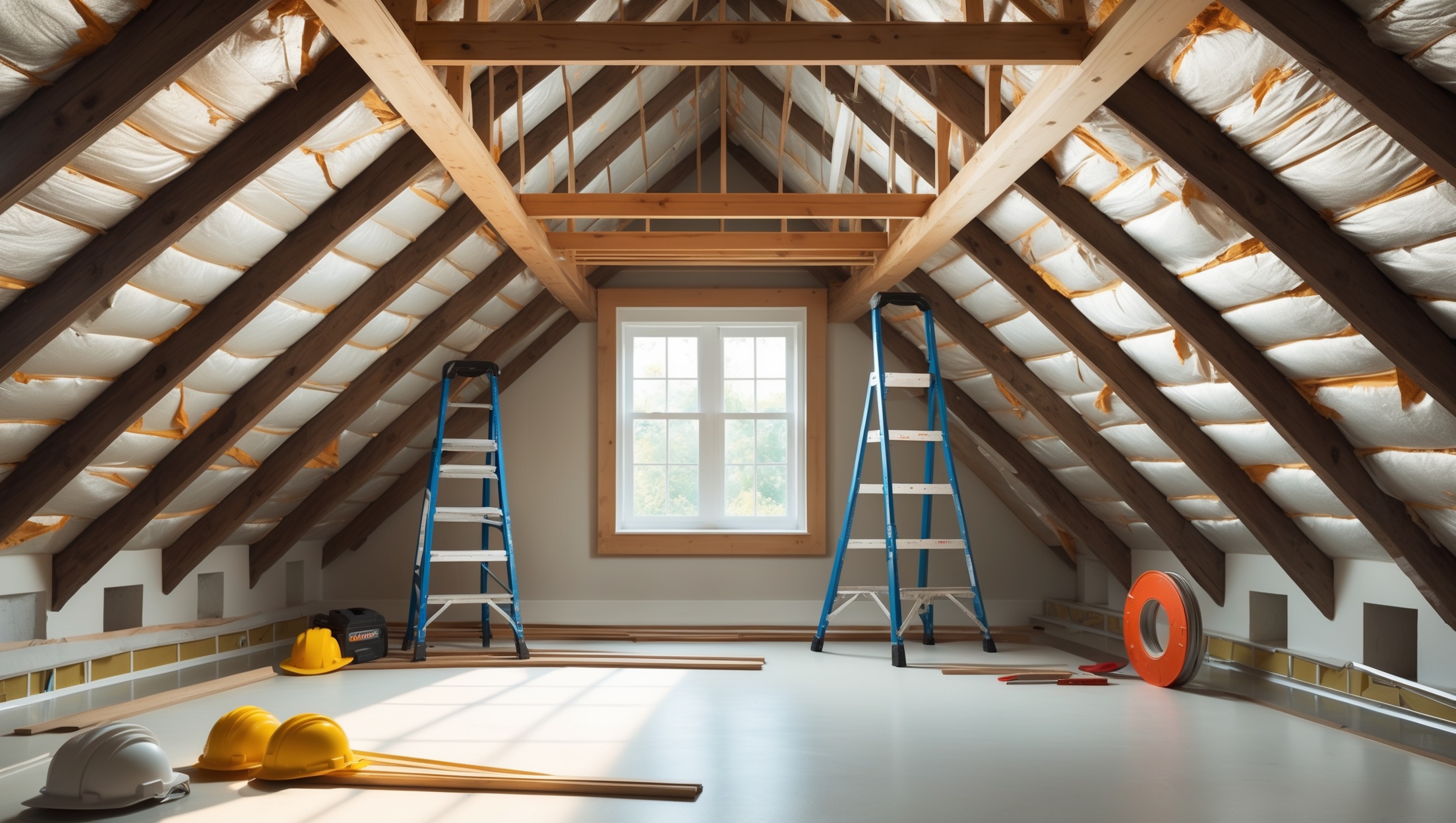
Introduction: Why Attic Renovation Safety is Non-Negotiable
Attic renovations offer homeowners an exciting opportunity to maximize living space and increase property value. Whether you’re envisioning a cozy loft, a secluded home office, or extra storage, transforming your attic is a smart investment. Yet, attics are uniquely complex environments—often harboring hidden hazards that can lead to costly mistakes, structural damage, or even serious injury. Before swinging a hammer or unrolling insulation, prioritizing safety is crucial. From electrical wiring and insulation concerns to ventilation shortfalls and fire risks, attics demand a thorough, systematic approach. This detailed safety checklist will walk you through every critical step—from the initial assessment to the finishing touches—ensuring your attic upgrade is not only beautiful but secure, healthy, and code-compliant. Approaching your project with diligence will protect your investment, your family’s well-being, and your peace of mind.
Section 1: Pre-Renovation Assessment
1.1 Structural Integrity Check
Before any work begins, confirm that your attic’s framing and floor joists can support the intended load. Consult a licensed structural engineer if you plan to add heavy features, such as bathrooms or built-in cabinetry. Look for:
- Signs of sagging or cracked beams
- Water staining or rot on joists and rafters
- Insect or rodent damage
- Previous amateur modifications
Document any issues and address them before proceeding.
1.2 Moisture and Mold Screening
Attics are prone to moisture intrusion from roof leaks, inadequate ventilation, or condensation. Use a moisture meter to check wood framing and insulation. Look for visible mold, water stains, and musty odors. If you find mold, bring in a remediation specialist—DIY removal can spread spores and pose health risks.
1.3 Asbestos and Lead Paint Considerations
Homes built before 1980 may contain asbestos in insulation, vermiculite, or old ductwork, and lead-based paint on rafters or window frames. Disturbing these materials can be hazardous. Hire a certified abatement contractor for sampling and removal. Never cut, sand, or disturb suspect materials yourself.
Section 2: Electrical Safety Essentials
2.1 Inspecting Existing Wiring
Many attics have outdated or damaged wiring—knob-and-tube, aluminum, or spliced connections—that can become fire hazards. Hire a licensed electrician to:
- Evaluate the age and type of wiring
- Check for exposed wires, improper junctions, or overloaded circuits
- Plan for new outlets, lighting, and code-compliant upgrades
Never run extension cords as permanent wiring or attempt amateur installations.
2.2 Planning for Code Compliance
Electrical codes require GFCI (ground fault circuit interrupter) protection in certain areas, minimum outlet spacing, and correct wire gauge. All new work must be permitted and inspected. Discuss your renovation plans with your electrician to ensure future access and safety.
Section 3: Insulation and Ventilation Hazards
3.1 Safe Removal and Installation of Insulation
Old insulation (especially loose-fill or batt) can harbor dust, mold, rodent droppings, and irritants. When removing or adding insulation:
- Wear gloves, goggles, and an N95 respirator
- Seal off the attic from living areas with plastic sheeting
- Bag and dispose of old insulation per local regulations
- Install new insulation according to R-value recommendations for your climate (check local codes)
3.2 Ensuring Adequate Ventilation
Proper airflow prevents moisture buildup and attic overheating. Common types include soffit vents, ridge vents, and gable vents. Check for:
- Blocked or missing vents
- Signs of condensation or frost on underside of roof decking
- Improperly vented bathroom fans or dryer ducts terminating in the attic
Install or upgrade ventilation systems as needed to maintain healthy air quality and prolong roof life.
Section 4: Fire Safety in Attic Renovations
4.1 Identifying Fire Risks
Attics often contain flammable materials (old insulation, debris, stored items) and electrical hazards. Reduce risks by:
- Removing old insulation and debris near electrical fixtures
- Ensuring new insulation has the correct fire rating
- Installing smoke alarms with interconnected wiring
- Using only IC-rated recessed lighting fixtures (safe in contact with insulation)
Consult your local fire department for additional attic-specific recommendations.
4.2 Creating Egress and Emergency Access
Building codes typically require at least one operable window or skylight large enough for emergency exit. Confirm that your design includes a compliant egress and an accessible path for first responders.
Section 5: Safe Demolition and Construction Practices
5.1 Personal Protective Equipment (PPE)
Always wear:
- Hard hat for overhead hazards
- Gloves to prevent splinters and cuts
- Safety goggles for dust and debris
- Sturdy, non-slip footwear
- Hearing protection when using power tools
5.2 Safe Use of Ladders and Scaffolding
Falls are a leading cause of renovation injuries. Follow these ladder and scaffold basics:
- Ensure ladders are rated for your weight and placed on stable ground
- Maintain three points of contact when ascending/descending
- Never overreach—move the ladder instead
- Use guardrails on scaffolding and keep platforms clear of debris
5.3 Dust, Debris, and Air Quality Control
Even minor demolition can generate significant airborne dust. Protect yourself and your home by:
- Sealing HVAC vents and doors to contain dust
- Running a HEPA air purifier during and after work
- Wet-mopping surfaces daily
- Disposing of debris in sturdy, sealed bags
Section 6: Compliance, Permits, and Inspections
6.1 Navigating Local Building Codes
Major upgrades—structural, electrical, plumbing, or HVAC—almost always require permits. Research your local requirements and submit detailed plans for approval. Key code considerations include:
- Minimum ceiling height
- Staircase and railing standards
- Insulation R-values
- Fire separation from the rest of the house
Skipping permits can lead to fines, forced demolition, or insurance issues if problems arise.
6.2 Scheduling Inspections
Inspections are typically required at several stages: framing, electrical rough-in, insulation, and final completion. Coordinate with your contractor and local officials to avoid delays. Keep records and sign-offs for your files and future resale.
Section 7: Post-Renovation Safety Review
7.1 Final Walkthrough and Checklist
Before moving furniture or using the new space, complete a thorough review:
- Test all smoke and carbon monoxide alarms
- Check that windows and egress points open freely
- Inspect outlets, lighting, and HVAC for proper function
- Look for any exposed nails, sharp edges, or unfinished surfaces
- Review documentation for all permits and inspections
7.2 Ongoing Maintenance Tips
Even after renovation, attics require regular care:
- Inspect for leaks or moisture every season
- Test alarms and replace batteries annually
- Keep storage away from electrical panels and vents
- Monitor for pest activity and seal any new openings
Conclusion: Protect Your Investment and Your Health
Attic renovations can transform your home—adding usable square footage and boosting resale value. But every successful project begins and ends with a commitment to safety. By following this comprehensive checklist, you’ll identify and address the unique hazards lurking overhead, from structural concerns and air quality to electrical risks and fire prevention. Never skip the pre-renovation assessment, and always consult professionals for structural, electrical, and hazardous material questions. Securing permits and passing inspections isn’t just about compliance—it’s about ensuring your finished attic is safe for your family for years to come. Finally, treat post-renovation maintenance as an essential part of attic ownership. With vigilance and care, your attic can become one of the most comfortable, functional, and secure spaces in your home. Prioritizing safety now protects not only your investment but the wellbeing of everyone under your roof. Start your attic project with confidence—and let safety lead the way.