

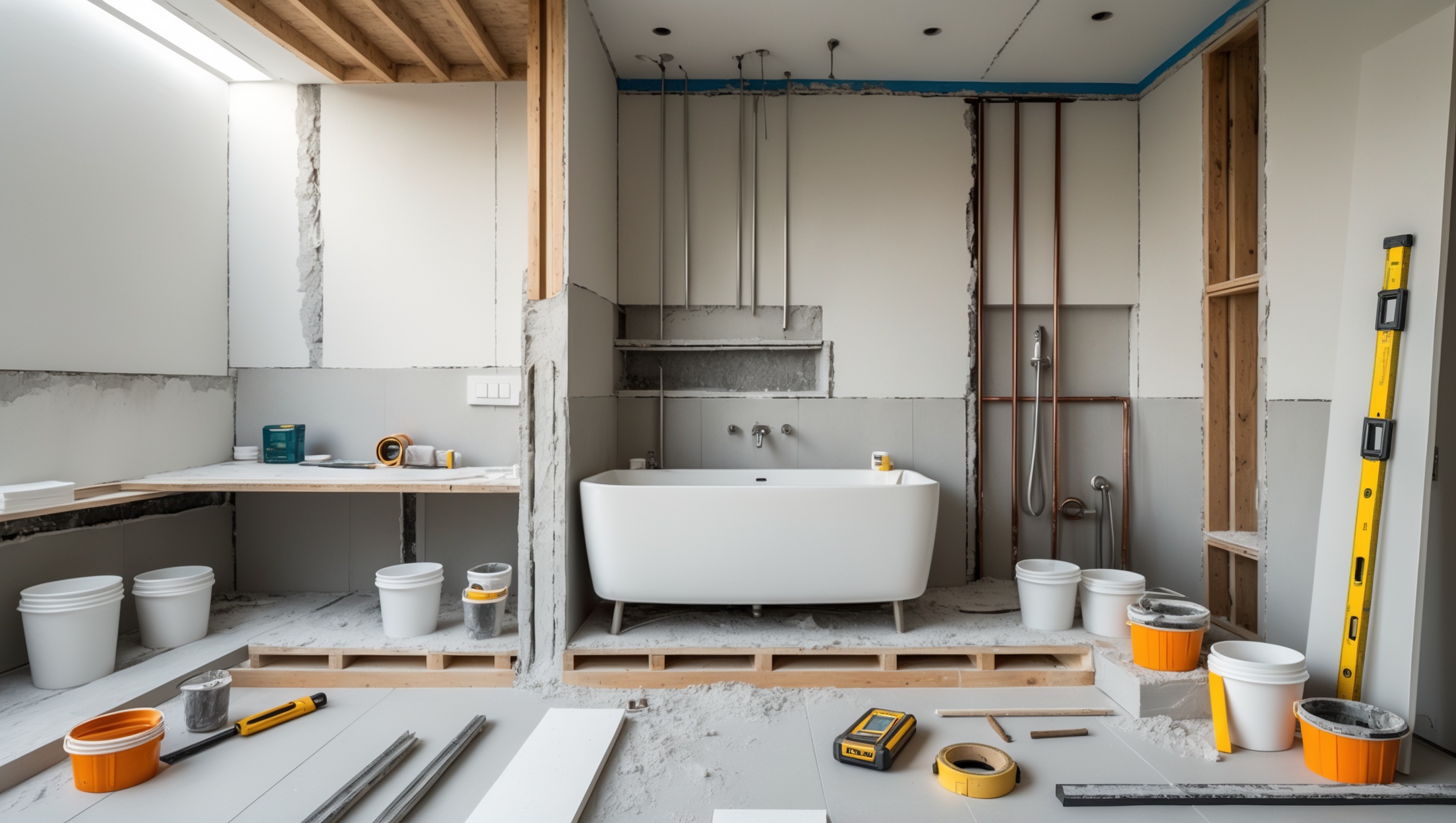
Introduction: Why Permits Matter in Bathroom Remodels
Bathroom remodels are one of the most popular home improvement projects, offering both aesthetic upgrades and functional improvements. However, many homeowners overlook a critical aspect: permits and compliance. Failing to secure proper permits can lead to work stoppages, fines, difficulty selling your home, and even forced demolition of unapproved work. Navigating the permitting process may seem daunting, but understanding the common pitfalls—and how to avoid them—can save you significant time, money, and stress. This comprehensive guide demystifies the permit process for bathroom remodels, breaking down the steps, highlighting frequent mistakes, and providing actionable strategies to ensure your project is both legal and successful.
Understanding Bathroom Remodel Permits: What’s Required?
Why Permits Are Needed
Permits serve as a safeguard, ensuring that any changes to your home meet local building codes and safety standards. For bathroom remodels, permits typically cover plumbing, electrical, structural, and sometimes even ventilation work. They protect not just your investment but also the safety of your family and future occupants.
Types of Work That Usually Require Permits
- Plumbing: Moving water supply or drain lines, installing new fixtures, or adding a new bathroom requires a permit.
- Electrical: Adding outlets, lighting, or rewiring circuits needs inspection and approval.
- Structural: Moving or removing walls, enlarging windows, or any change affecting the structure.
- HVAC: Adding or relocating vents or exhaust fans.
Work That Might Not Require Permits
- Cosmetic updates (painting, replacing faucets, re-tiling without moving plumbing)
- Fixture swaps that don’t alter wiring or plumbing
Always check with your local building department, as requirements can vary significantly by jurisdiction.
Common Permit Pitfalls in Bathroom Remodels
1. Assuming Permits Aren’t Needed for Small Jobs
Many homeowners believe that small-scale bathroom updates don’t require permits. While painting or swapping a showerhead typically doesn’t, installing a new shower or moving plumbing almost always does. Even enlarging a bathroom window for natural light may trigger both structural and energy code reviews. Overlooking these requirements can halt your project or lead to expensive corrections later.
2. Relying on Contractors Without Verifying Permits
Some contractors may assure you that they “handle permits,” but not all actually file the necessary paperwork. As the property owner, you’re ultimately responsible for compliance. Always ask for copies of permit applications and approvals before work begins. If your contractor suggests skipping permits to save time or money, it’s a red flag—unpermitted work can void insurance or complicate future home sales.
3. Misunderstanding Permit Scope
Permits are not one-size-fits-all. For instance, a plumbing permit won’t cover new electrical outlets. If your remodel includes multiple trades (plumbing, electrical, structural), you’ll likely need separate permits or a combination permit. Failing to secure the correct type or number of permits can delay inspections and final approval.
4. Skipping Required Inspections
Permits typically require one or more inspections at various project stages—rough plumbing, rough electric, insulation, and final finish. Some homeowners skip inspections to speed up the process or because the contractor “forgot.” Skipping inspections can result in failed final inspections or even orders to open up finished walls for review, undoing days or weeks of work.
5. Overlooking HOA or Historical District Rules
If you live in a community with a Homeowners Association (HOA) or a historical district, you may need additional approvals beyond municipal permits. HOAs can have strict rules about materials, layouts, or even visible exterior changes (like bathroom windows or venting). Missing these steps can mean costly do-overs or fines.
Step-by-Step Permit Process for Bathroom Remodels
1. Research Local Requirements
Start by visiting your city or county building department website. Look for bathroom remodeling guidelines or call for clarification on specific aspects of your project. Some municipalities offer permit checklists or FAQ documents.
2. Prepare Detailed Plans
Most permit applications require at least a basic floorplan showing existing and proposed layouts, locations of plumbing and electrical fixtures, and any structural changes. For larger or complex remodels, professional drawings may be needed.
3. Complete Permit Applications
Fill out all necessary forms, which may include:
- Building permit application
- Plumbing and electrical permit applications
- Supporting documents (plans, HOA approval, historical review if applicable)
4. Submit Applications and Pay Fees
Submit your applications in person or online, depending on your jurisdiction. Be prepared to pay permit fees, which can range from $100 to several hundred dollars, depending on the scope and location.
5. Schedule Inspections
Once permits are issued, the work can begin. Inspections are required at various stages. Typical inspection points include:
- Rough-in inspection (before walls are closed)
- Final inspection (after all work is complete)
Some municipalities now offer virtual inspections via video call—check if this option is available for added convenience.
6. Close Out Permits
After passing all required inspections, the building department will formally close your permits. Keep a copy of all permits and inspection reports for your records. You may need these documents when selling your home or for insurance claims.
Cost Breakdown: Permits and Associated Expenses
Permit Fees
Permit costs vary by location and project scope. Here’s an estimated breakdown for a typical bathroom remodel:
- Plumbing permit: $50–$250
- Electrical permit: $50–$200
- Building/structural permit: $100–$300
- Plan check or review fee: $50–$150
- Total typical permit costs: $250–$900
Costs are higher in large cities or for complex remodels. If your project requires plan review by a structural engineer or architect, expect additional fees.
Indirect Costs
- Time spent preparing documents and meeting inspectors
- Possible delays waiting for permit approval
- Additional costs if unpermitted work must be demolished or brought up to code
How Skipping Permits Can Cost You
Fines and Penalties
If unpermitted work is discovered—during an inspection, by an appraiser, or even a neighbor’s complaint—you may be fined and required to halt construction. Fines can range from several hundred to thousands of dollars, depending on the violation and municipality.
Insurance Voids
Most homeowner insurance policies exclude coverage for damages resulting from unpermitted renovations. If a plumbing leak from your remodel causes a flood, your insurer may deny your claim if they discover the work was unapproved.
Complications During Resale
Unpermitted work is a red flag for buyers and can derail real estate transactions. You may be required to open up walls, provide as-built drawings, or even remove improvements entirely—at your expense—before a sale can close.
Best Practices for a Smooth Permit Process
Work With Licensed Professionals
Hire contractors who are licensed and experienced in working with local permit offices. Ask for references from recent bathroom remodels and verify license status online. Licensed pros are more likely to follow proper procedures and pass inspections on the first try.
Maintain Open Communication
Stay in close contact with both your contractor and your permit office. If you’re unsure about any aspect of the process, ask questions early. Most building departments are willing to clarify requirements for homeowners.
Document Everything
Keep a binder or digital folder with:
- Permit applications and approvals
- Inspection reports
- Change orders or scope modifications
- Photos of work at key stages
This documentation will be invaluable if questions arise later or when selling your home.
Understand Inspection Schedules
Plan your remodel timeline around required inspections. Missing an inspection can mean delays or having to redo finished work. Ask for a written inspection schedule from your contractor and confirm each inspection with the permit office.
Special Considerations: Older Homes and DIY Remodels
Remodeling in Older Homes
Older homes may have outdated wiring, plumbing, or even hidden structural issues. Permits help ensure that any upgrades bring your bathroom up to modern safety standards. Be prepared for inspectors to require upgrades to GFCI outlets, venting, or pipe materials.
DIY Homeowner Permits
Many municipalities allow homeowners to pull their own permits for DIY remodels. However, you’ll be held to the same code standards as professionals. Prepare to show detailed plans and be present for all inspections. If the work is outside your expertise, consider hiring a licensed contractor for critical tasks like plumbing and electrical.
Frequently Asked Questions
- How long does it take to get a bathroom remodel permit?
Small projects may be approved within days, while complex remodels or those requiring plan review can take several weeks. - Can I start demolition before my permit is approved?
It’s risky—some municipalities permit minor demolition, but most require permits before any work begins. Check local rules to avoid fines. - What happens if my project fails inspection?
You’ll receive a correction notice outlining what needs to be fixed. Complete the corrections, then schedule a re-inspection. - Do I need a permit for just replacing a toilet or vanity?
If you’re not moving plumbing or altering electrical, usually not. Always check specific local requirements.
Conclusion: Make Permits Your Project Ally
Securing the right permits for your bathroom remodel is more than just a bureaucratic hurdle—it’s a vital step in protecting your investment, your safety, and your future peace of mind. While the process can initially seem complex, understanding the requirements, anticipating common pitfalls, and following a clear step-by-step approach will keep your project on track. Remember, reputable contractors will always support proper permitting, and your local building department is a resource, not an adversary.
Approaching the permit process with diligence ensures that code-compliant work adds value not only to your home but also to your confidence as a homeowner. You avoid costly legal issues, insurance headaches, and inspection delays, and you guarantee that your beautifully remodeled bathroom stands the test of time—both functionally and financially. Treat permits not as a nuisance, but as a foundational element of any successful home improvement project, and your remodel will proceed smoothly from the first sketch to the final coat of paint.