

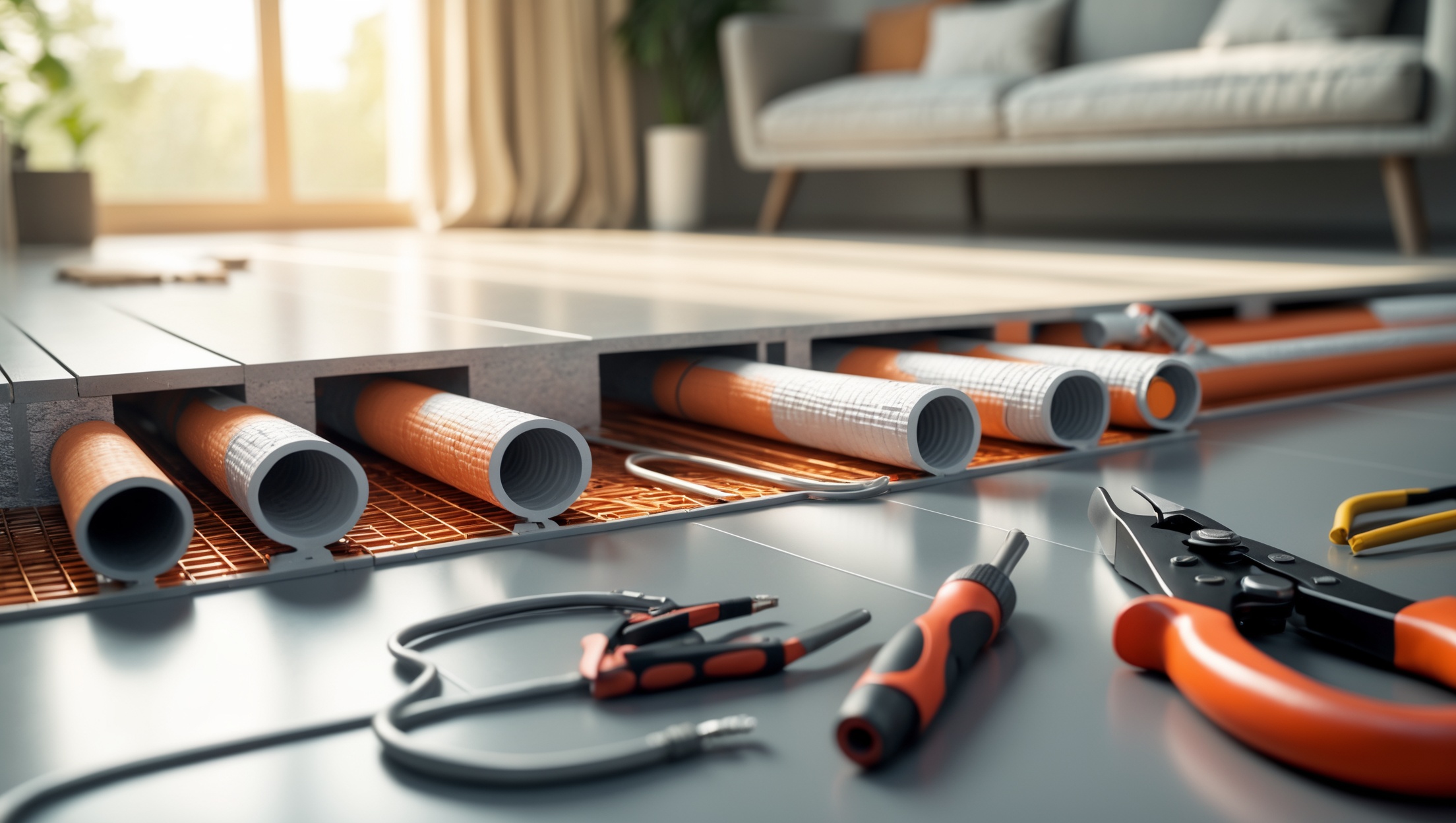
Introduction: Why Radiant Floor Heating Maintenance Matters
Radiant floor heating systems are celebrated for their efficiency, comfort, and ability to provide consistent warmth throughout your living spaces. Unlike traditional forced-air heating, radiant floor systems operate quietly and distribute heat evenly, eliminating cold spots and reducing airborne allergens. However, achieving these benefits requires more than just a well-installed system—it demands regular, informed maintenance. Neglecting upkeep can result in inefficiencies, higher energy bills, and even costly repairs or system failures down the line. In this comprehensive guide, you’ll learn practical, actionable maintenance best practices for both hydronic (water-based) and electric radiant floor heating systems. We’ll cover everything from routine inspections and seasonal checklists to troubleshooting common issues and knowing when to call a professional. Whether you’re a new homeowner or a seasoned DIY enthusiast, these insights will help you extend the lifespan of your radiant floor heating and ensure reliable, energy-efficient performance year after year.
Types of Radiant Floor Heating Systems: A Quick Overview
Hydronic Radiant Floor Heating
Hydronic systems circulate warm water through a network of pipes embedded beneath the floor. They’re especially popular in large installations or whole-home applications due to their energy efficiency and ability to integrate with various heat sources, such as boilers or solar water heaters.
- Typically require more complex maintenance due to pumps, valves, and boilers.
- Offer lower operating costs for larger areas.
Electric Radiant Floor Heating
Electric systems use resistance cables or mats installed under the flooring to generate heat. They are generally easier to install and maintain, making them ideal for single rooms or small spaces like bathrooms and kitchens.
- Fewer moving parts and lower maintenance needs.
- Higher operating costs for large areas, but lower upfront complexity.
Routine Maintenance: What Every Homeowner Should Do
Monthly and Seasonal Visual Inspections
Regular visual checks can help you catch small issues before they escalate. Here’s what to look for:
- Surface Hot Spots or Cold Spots: Walk barefoot on the heated floors to identify uneven heating, which may indicate a wiring or plumbing issue.
- Moisture or Leaks: For hydronic systems, check for any signs of water stains, dampness, or leaks around manifolds, pumps, or boilers.
- Thermostat Functionality: Confirm that the thermostat is responding accurately and maintaining the set temperature.
Annual System Assessment
Once a year, perform a more thorough review:
- Hydronic Systems:
- Inspect the pressure gauge; pressure drops may indicate leaks.
- Check the expansion tank for proper function.
- Listen for unusual noises from pumps or boilers.
- Electric Systems:
- Test heating elements using a multimeter (resistance check) if accessible.
- Verify all connections at the thermostat and control unit are secure.
Seasonal Checklist: Preparing for Heating and Downtime
Pre-Heating Season (Fall)
- Gradually increase the system temperature over several days to avoid thermal shock, especially for hydronic systems.
- Bleed air from hydronic lines to ensure even water flow and prevent cold spots.
- Test all thermostats for responsiveness and recalibrate if necessary.
- Inspect insulation around pipes and manifolds; replace if degraded.
- Clean dust and debris from control panels and accessible components.
Post-Heating Season (Spring)
- Turn off or lower the system to summer mode to conserve energy.
- Inspect for leaks or corrosion, particularly in hydronic systems, as temperature cycling can stress fittings and seals.
- Schedule boiler or heat source servicing if needed.
- Document any issues encountered during the season for future reference.
Maintenance Tools and Equipment: What You Need
- Infrared Thermometer: Quickly assess floor surface temperatures to identify uneven heating.
- Multimeter: Useful for checking continuity and resistance in electric systems.
- Bleed Key or Screwdriver: For bleeding air from hydronic system manifolds.
- Pressure Gauge: For monitoring hydronic system pressure.
- Insulation Tape and Pipe Wrap: For minor insulation repairs.
- Drain Pan and Towels: For managing minor leaks during maintenance.
- Lubricant (if specified by manufacturer): For pump maintenance in hydronic systems.
Troubleshooting Common Issues
Uneven Heating or Cold Spots
For hydronic systems, uneven heating often results from trapped air or sediment buildup. Bleed the system and flush lines if necessary. For electric systems, check for broken heating cables or faulty connections using a multimeter.
System Not Turning On
Check the thermostat settings and circuit breakers. For hydronic systems, ensure the boiler or water heater is functioning. For electric systems, inspect fuses and connections at the control module.
Unusual Noises
Hydronic pumps or boilers making banging or gurgling sounds may indicate trapped air or failing components. Address immediately to prevent damage.
Leaking Water
Any sign of water leakage in hydronic systems should be addressed promptly. Shut off the water supply and call a professional if you cannot locate and repair the source safely.
Hydronic System Maintenance: In-Depth Best Practices
Water Quality Management
Mineral buildup can restrict flow and reduce efficiency. Test water quality annually and consider installing a water treatment system or inhibitor recommended by your system’s manufacturer.
Boiler and Pump Servicing
- Schedule professional boiler maintenance annually to inspect burners, heat exchangers, and safety controls.
- Lubricate and inspect circulation pumps as specified by your equipment manual.
Manifold and Valve Checks
- Inspect manifolds for leaks or corrosion.
- Operate all zone valves to prevent sticking from disuse.
Electric System Maintenance: In-Depth Best Practices
Thermostat and Control Panel Verification
Annually test all controls for accuracy and recalibrate if necessary. Clean dust from control panels and check for signs of wear or overheating.
Heating Element Testing
If accessible, use a multimeter to verify the continuity of heating mats or cables. A significant change in resistance may indicate damage.
Floor Covering Considerations
Never place insulating rugs or heavy furniture over heated areas, as this can trap heat and cause system damage. Check with flooring manufacturers for compatibility with radiant heating.
Long-Term Strategies for Maximizing Efficiency and System Lifespan
Maintain Proper Room Insulation
Well-insulated floors, walls, and ceilings reduce heat demand and allow your radiant floor system to operate more efficiently. Periodically inspect and upgrade insulation as needed.
Monitor Energy Consumption
Track your energy or fuel usage each season. Unexplained increases can signal system inefficiencies or faults needing attention.
Keep Maintenance Records
Document all inspections, repairs, and professional servicing. Detailed records help with troubleshooting and may be required to maintain manufacturer warranties.
When to Call a Professional
- Persistent leaks, corrosion, or pressure loss in hydronic systems.
- Electrical shorts, tripped breakers, or visible damage in electric systems.
- Unusual noises from the pump, boiler, or control modules that don’t resolve with routine maintenance.
- Major repairs involving system disassembly or opening finished flooring.
Annual professional inspections can often identify issues before they result in costly breakdowns. If in doubt, err on the side of caution and consult a licensed technician.
Conclusion: Consistent Care for Lasting Comfort
Radiant floor heating is one of the most comfortable and efficient ways to heat a home, but it’s not a set-and-forget system. The relatively hidden nature of these installations makes proactive maintenance crucial. By following the best practices outlined above—routine inspections, seasonal checklists, proper use of tools, and prompt troubleshooting—you can prevent most common issues, maximize energy efficiency, and avoid expensive repairs. Hydronic systems, in particular, benefit from diligent water quality management and regular professional servicing, while electric systems reward attentive monitoring of thermostats and heating elements. Remember, minor attention now can save you from major headaches later. Ultimately, a well-maintained radiant floor heating system translates into lasting comfort, lower operating costs, and peace of mind throughout the coldest months. Make these maintenance steps part of your annual home care routine, and your home will thank you with reliable, cozy warmth for years to come.
For hydronic radiant floor systems, what are some specific signs that the pumps or valves might be starting to fail, and how often should these components be inspected to prevent potential system downtime?
For hydronic radiant floor systems, signs that pumps or valves may be failing include unusual noises like grinding or humming, noticeable leaks, drops in water pressure, or rooms not heating evenly. You might also notice the pump running but not circulating water properly. To prevent downtime, it’s a good idea to inspect pumps and valves at least once a year, preferably before the heating season begins.
You mention that hydronic systems typically require more complex maintenance because of components like pumps, valves, and boilers. Could you elaborate on what a typical seasonal checklist looks like for a homeowner maintaining a hydronic radiant floor system?
A typical seasonal checklist for a hydronic radiant floor system includes: checking the boiler for leaks or unusual noises, inspecting and cleaning pumps and valves, ensuring water pressure is within the recommended range, bleeding air from the system, verifying thermostat operation, and examining visible piping for any signs of corrosion or leaks. It’s also a good idea to check for proper antifreeze levels if your system uses it, and to schedule a professional inspection annually for more extensive checks.
If our radiant floor heating starts showing cold spots in certain areas, what are the first troubleshooting steps you’d suggest before calling a professional? Your article mentioned common issues, but I’d love a quick breakdown for business owners trying to minimize downtime.
If you notice cold spots, first check that your thermostat is set correctly and that the system is powered on. Inspect for any visible leaks or blockages in the system. Make sure all valves are open and circulating pumps are running. Bleed air from the system if you suspect trapped air in the lines. These steps may resolve simple issues and help you determine if professional help is needed.
I have a hydronic radiant floor system in my small business, and I’m wondering what kind of seasonal maintenance checklist you’d recommend for commercial properties specifically, as opposed to residential homes?
For a commercial hydronic radiant floor system, seasonal maintenance is especially important due to heavier use. Key tasks include: inspecting pumps and valves for leaks, checking pressure and temperature gauges, ensuring thermostats and control systems function properly, flushing the system to remove sediment, examining insulation on pipes, and testing water quality for corrosion inhibitors. Schedule professional inspections annually, and keep detailed records for warranty and safety compliance.
Could you provide some guidance on how often homeowners should perform routine inspections or maintenance checks for each type of radiant floor system, especially as the seasons change? I want to avoid missing annual or seasonal maintenance that could lead to system failures.
For hydronic (water-based) radiant floor systems, check for leaks, inspect the boiler, and test thermostat controls at least once a year, ideally before the colder months. For electric radiant floor systems, inspect wiring connections and test the thermostat annually as well. It’s helpful to do a quick visual inspection at the start of each season to spot any early issues. Regularly maintaining these schedules can help prevent unexpected system failures.
If I’m thinking about installing electric radiant floor heating in just my bathroom, how much ongoing maintenance should I expect? The article mentions these systems have fewer moving parts, so does that mean they are mostly maintenance free?
You’re correct that electric radiant floor heating systems have fewer moving parts, which generally means less ongoing maintenance compared to other heating options. Once installed properly, they mostly require occasional checks to ensure the thermostat and controller are working, and to watch for any unexpected cold spots in the floor. Routine maintenance is minimal, making them a low-hassle choice for a bathroom.