

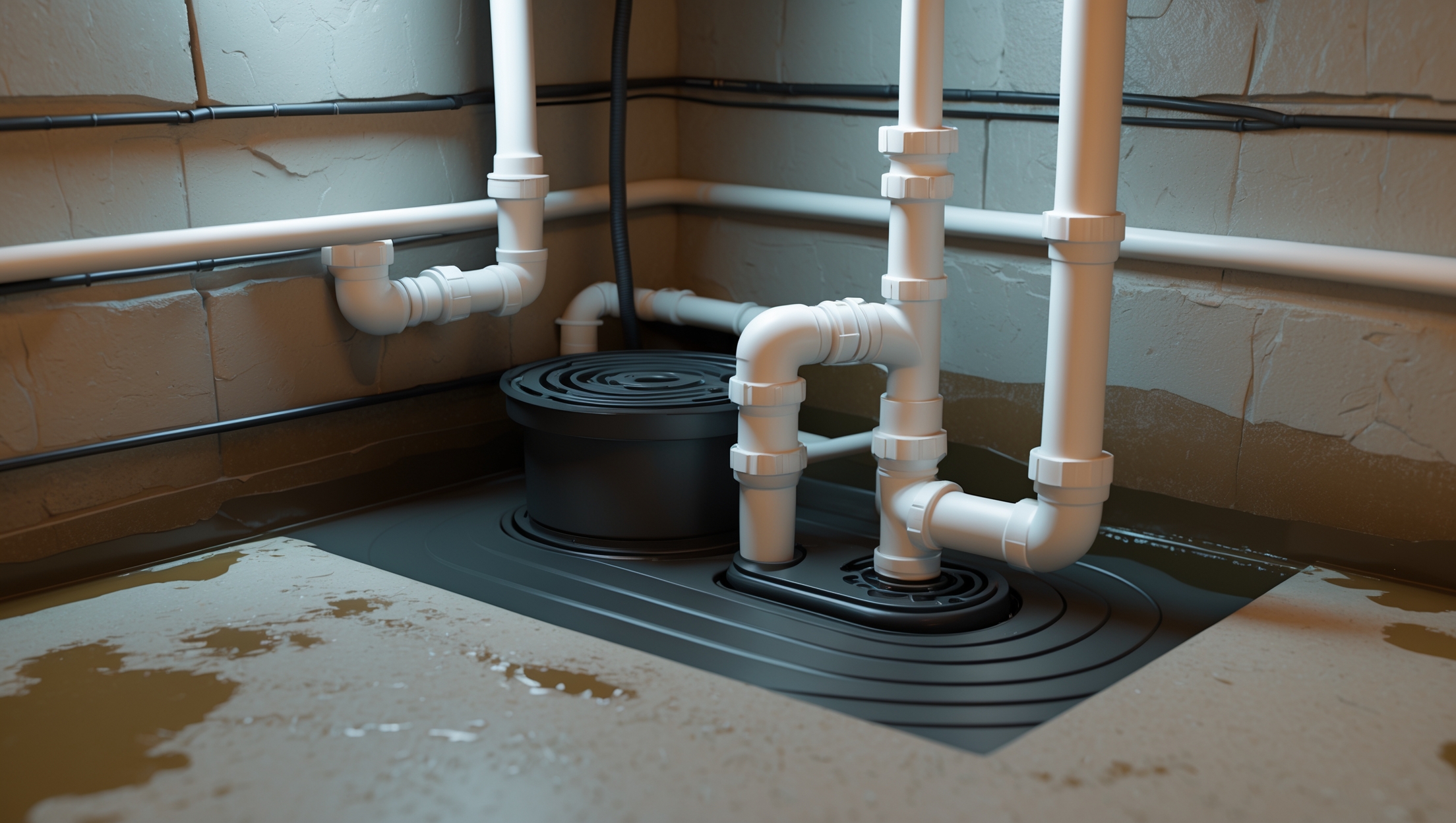
Introduction: Why Every Home Needs a Reliable Sump Pump System
Water intrusion in basements and crawl spaces is a persistent concern for homeowners, especially in areas prone to heavy rainfalls or rising groundwater. A properly installed and well-maintained sump pump system can be the difference between a dry, usable basement and costly water damage or mold issues. Yet, many people underestimate the complexity of sump pump systems and make critical errors during setup and maintenance. In this comprehensive guide, we’ll walk you through everything you need to know about sump pumps—from selecting the right type for your home, step-by-step installation, essential maintenance routines, and the most common mistakes homeowners make (and how to avoid them). Whether you’re a first-time homeowner or looking to upgrade your existing system, this article will help ensure your basement remains dry and your investment protected for years to come.
Understanding the Role of a Sump Pump in Home Protection
What Is a Sump Pump and How Does It Work?
A sump pump is an electric-powered device designed to remove accumulated water from a sump basin, typically located in the lowest part of a basement or crawl space. When water fills the pit—whether from rain, groundwater, or plumbing leaks—the pump activates and channels the water safely away from the home’s foundation, usually to a storm drain or dry well. This process helps prevent flooding, foundation erosion, and the growth of mold or mildew.
Types of Sump Pumps
- Submersible Pumps: Installed inside the sump basin and designed to operate underwater. They’re quieter, more powerful, and suitable for homes with frequent flooding.
- Pedestal Pumps: The motor sits above the basin while the pump base is submerged. Easier to maintain but noisier and less powerful, best for smaller water volumes.
- Water-powered Backup Pumps: Use municipal water pressure to operate, ideal as a backup during power outages but generally less efficient than electric models.
Step-by-Step Sump Pump Setup Tutorial
1. Assessing Your Basement or Crawl Space
Before purchasing a sump pump, inspect your basement for signs of moisture, existing drainage issues, and determine the lowest point where water collects. Check for cracks in the foundation and map out any utility lines or pipes to avoid during installation.
2. Choosing the Right Sump Pump and Basin
- Capacity: For most homes, a 1/3 or 1/2 horsepower pump is sufficient. Larger homes or those in flood-prone areas may require more powerful units.
- Material: Prefer cast iron for durability over plastic components, especially for the pump housing.
- Basin Size: Standard basins are 18 inches in diameter and 22–30 inches deep. Ensure it meets local code requirements.
- Check Valve: Essential to prevent pumped water from flowing back into the pit.
3. Digging and Placing the Sump Basin
- Mark the installation area at the lowest point of the floor.
- Use a jackhammer or rotary hammer to break the concrete slab in a circle slightly larger than the basin.
- Dig down to the required depth, removing soil and debris.
- Place the basin, ensuring the top is flush with the concrete floor. Fill in around the basin with gravel for drainage.
- Patch the concrete around the basin’s rim to seal it in place.
4. Installing the Sump Pump
- Set the pump into the empty basin, attaching the appropriate discharge pipe (usually 1 1/2 inches PVC).
- Install the check valve above the pump on the discharge line.
- Route the discharge line up and out of the house, ideally at least 10–20 feet from the foundation.
- Seal the penetration where the discharge pipe exits the house to prevent air and water leaks.
- Plug the pump into a dedicated GFCI outlet for safety.
5. Testing the System
- Pour water into the basin to ensure the float switch activates the pump.
- Check for leaks or backflow at all pipe joints and the check valve.
- Verify that the discharge line directs water away from the foundation and does not drain into public sewer lines (against code in many areas).
Common Sump Pump Installation Mistakes (and How to Avoid Them)
1. Incorrect Sump Basin Placement
Placing the basin away from the natural low point can result in poor water collection. Always identify where water pools during heavy rain and install the basin at that spot for maximum effectiveness.
2. Inadequate Discharge Line Length and Slope
Discharging water too close to the foundation allows it to seep back into the basement. Extend the discharge line well away from the house and ensure it has a continuous downward slope to prevent freezing or clogging.
3. No Check Valve or Improper Installation
Without a check valve, pumped water can flow backward into the basin, causing the pump to cycle repeatedly or burn out. Install the check valve vertically, following the manufacturer’s flow direction arrow.
4. Plugging Into Non-GFCI Outlets
Basements are moist environments; plugging a sump pump into a standard outlet increases the risk of electric shock. Always use a GFCI-protected outlet and never use extension cords.
5. Neglecting Backup Power Solutions
If your power goes out during a storm, your sump pump won’t function. Install a battery backup system or water-powered backup pump for continuous protection.
Routine Sump Pump Maintenance Best Practices
Monthly Checks
- Test the pump by pouring water into the basin to ensure it turns on and evacuates water quickly.
- Inspect the power cord and outlet for fraying or corrosion.
- Check the discharge line outside for blockages or signs of animal nesting.
Quarterly Tasks
- Clean the basin, removing sediment, dirt, and any debris that could block the pump intake.
- Examine the float switch for smooth operation. Sticking floats are a common failure point.
- Listen for unusual noises during operation—grinding or rattling can signal wear or damage.
Annual Maintenance
- Disconnect the pump and inspect for corrosion, rust, or mineral buildup.
- Lubricate moving parts if recommended by the manufacturer.
- Test your backup power supply, replacing batteries as needed.
- If you have a water-powered backup, confirm adequate water pressure and check for leaks.
Essential Tools and Equipment for DIY Sump Pump Care
- Wet/dry vacuum (for cleaning basin and accidental spills)
- Utility knife (for trimming basin liner or discharge pipe)
- Pipe wrench and channel locks (for tightening fittings)
- PVC cutter or hacksaw (for discharge line installation)
- Level and measuring tape (to ensure correct placement and slope)
- Personal protective equipment: gloves, safety glasses, dust mask
- Battery tester (for backup systems)
Compliance, Permits, and Insurance Considerations
Permitting and Local Codes
Many municipalities require permits for sump pump installation, especially if new plumbing or electrical circuits are involved. Check with your local building department before starting work. Pay particular attention to discharge regulations; some areas prohibit diverting sump pump water into the sanitary sewer, requiring it to drain onto your property or into a dedicated storm system.
Insurance Implications
Some homeowner insurance policies exclude damage from groundwater or sump pump failure unless you add specific endorsements. Notify your insurer after installing or upgrading a sump pump, and ask about coverage for pump failure, backup, or overflow. Proper documentation and photos of your system can streamline any future claims.
When to Call a Professional
While many homeowners can tackle sump pump installation or replacement, certain scenarios warrant professional help:
- Persistent flooding despite an operational pump (may indicate grading or drainage issues)
- Complicated plumbing or electrical work outside your expertise
- Basement finishing projects requiring code inspections
- Unusual odors, noises, or signs of mold growth
Hiring a licensed contractor can ensure code compliance, warranty protection, and peace of mind.
Conclusion: Protecting Your Home with Proactive Sump Pump Care
Basement flooding is a homeowner’s nightmare, but with the right sump pump system and a commitment to routine maintenance, you can greatly reduce your risk. Understanding the mechanics of sump pumps, selecting the proper equipment, and avoiding common installation errors are crucial steps to safeguarding your home. Regularly testing and maintaining your system keeps it running smoothly and gives you confidence during stormy weather. Don’t forget to consult local codes and your insurance provider to ensure you’re fully protected. If you’re ever unsure, don’t hesitate to consult a qualified professional. By taking these proactive measures, you’ll enjoy a dry, safe, and usable basement for years to come—no matter what Mother Nature throws at you.
Could you explain more about maintenance routines for sump pumps? I don’t want to make any of those critical errors you mentioned, so I’d like a clear list of what needs to be checked and how often, especially for a first-time homeowner.
Absolutely, regular maintenance is key to keeping your sump pump reliable. Each season, check that the pump is upright and unobstructed. Pour water into the pit to ensure it activates and drains properly. Clean the pump inlet screen every 3–4 months to prevent clogs, and inspect the power cord and backup battery (if you have one) each time you check the pump. Once a year, remove and clean the entire pump and pit. This routine helps avoid most common mistakes and keeps your system working efficiently.
If I have a smaller basement that doesn’t flood often, is a pedestal pump really sufficient, or would it be worth investing a bit more in a submersible pump for extra peace of mind?
For a smaller basement with infrequent flooding, a pedestal pump is usually sufficient since they’re affordable and easy to maintain. However, if you’re concerned about potential heavy storms or want quieter operation and better handling of debris, a submersible pump could be worth the extra investment for added peace of mind. Consider your risk tolerance, noise preferences, and budget when deciding.
I noticed you briefly touched on water-powered backup pumps. Are these usually recommended only in areas with reliable municipal water pressure, and are there any potential drawbacks compared to battery backups I should be aware of?
Water-powered backup pumps do work best in homes with steady municipal water pressure, as they rely on it to function. One drawback is that they can use a significant amount of water during operation, which might lead to higher water bills. Compared to battery backups, water-powered units can’t be used in homes with well water and may have lower pumping capacity. Battery backups, while needing periodic battery replacement, don’t depend on your home’s water supply.
You mentioned water-powered backup pumps as an option during power outages, but how reliable are these compared to battery backups, especially during prolonged storms when municipal water pressure might drop? Is there a situation where one is clearly better than the other?
Water-powered backup pumps work well if your municipal water supply maintains good pressure during outages, but their performance can drop if water pressure falls, which sometimes happens during major storms. Battery backups don’t rely on water pressure, making them more reliable for extended outages or in areas prone to water service interruptions. If you live somewhere with potential water supply issues during storms, a battery backup is generally safer.
The article talks about water-powered backup pumps as an option during power outages. How do these compare in cost and reliability to a traditional battery backup in areas with occasional outages?
Water-powered backup pumps generally have lower long-term maintenance costs since they don’t rely on batteries that need replacement, but their initial installation can be more expensive and requires a reliable municipal water supply. Battery backups are less costly upfront and work anywhere, but batteries need replacement every few years. In areas with only occasional outages, a battery backup is usually sufficient and more cost-effective, but water-powered options offer extra peace of mind if battery maintenance might be neglected.
How often should the maintenance routines outlined in the article be performed, especially in older basements with a history of minor leaks? Is a yearly inspection enough, or should I be checking things more regularly during rainy seasons?
For older basements with a history of leaks, it’s wise to go beyond a yearly inspection. While annual checks are a minimum, you should inspect your sump pump every few months, especially before and during rainy seasons. This includes testing the pump, clearing debris, and checking the discharge line. Regular maintenance helps ensure everything works when you need it most.
When deciding between a submersible and a pedestal sump pump, what factors should someone in an older house with occasional basement water issues focus on, especially when considering noise and maintenance needs?
For older homes with occasional basement water issues, consider that submersible pumps are typically quieter since they’re underwater during operation, making them a good choice if noise is a concern. Pedestal pumps are noisier but easier to access for maintenance since the motor sits above the sump pit. Also, check the pit size—submersibles need a wider pit. Your choice should balance quiet operation, ease of maintenance, and your basement setup.
I’m interested in the maintenance part you touched on—are there specific routine checks you recommend for preventing issues in commercial spaces, especially where the sump pump isn’t easily accessible?
In commercial spaces where sump pumps are hard to reach, it’s important to schedule regular checks with maintenance staff or a professional. Key steps include testing the float switch, inspecting for debris around the pump and pit, confirming the discharge line is clear, and checking backup power sources. Setting up remote alarms or monitoring systems can also help alert you to issues before they become serious.
I saw you mentioned both submersible and pedestal sump pumps—if our basement only occasionally gets water after really heavy storms, is it overkill to go with a submersible model, or would a pedestal pump be enough for peace of mind?
For a basement that only sees water during rare, heavy storms, a pedestal sump pump should provide reliable protection and peace of mind. Pedestal pumps are generally less expensive, easier to maintain, and more than adequate for occasional use. A submersible model is often chosen for frequent flooding or quieter operation, but for your situation, a pedestal pump is likely a practical and cost-effective choice.
Does the sump pump installation process usually require any changes to my home’s drainage system, or is it mostly about connecting the pump to the existing basin? I’m worried about messing something up that could cause flooding.
In most cases, installing a sump pump involves placing the pump in an existing sump basin and connecting it to discharge pipes that direct water away from your home. Major changes to your home’s drainage system are often unnecessary unless the current setup is inadequate. However, it’s important to ensure your discharge lines are clear and direct water well away from your foundation to prevent flooding. If you have concerns about your drainage system, consulting a professional is a good idea.
If mold and mildew prevention is a big concern, are there any extra steps beyond regular sump pump maintenance that I should consider to keep my basement air healthy?
Absolutely, to further prevent mold and mildew, consider using a dehumidifier to keep humidity levels below 60%, since damp air encourages mold growth. Make sure your basement is well-ventilated and check for leaks or water intrusion from windows and walls. Insulate cold water pipes to prevent condensation. Periodically clean and inspect any drains, and avoid storing cardboard or fabric directly on the basement floor.
The article mentions that improper installation is a common mistake with sump pump systems. Could you clarify what specific installation errors homeowners most frequently make, and how these mistakes might impact the long-term effectiveness of the pump?
Homeowners often make mistakes like installing the sump pump on dirt or gravel instead of a solid base, failing to use a check valve on the discharge pipe, or not providing proper drainage away from the foundation. These errors can lead to clogs, pump cycling issues, or even water backing up into the basement, all of which reduce the sump pump’s effectiveness over time.
After installation, how often should I be running basic checks or calling in a professional for a thorough inspection, especially if my basement has never flooded but I want to avoid any first-time surprises?
For peace of mind, test your sump pump every few months by pouring water into the pit to confirm it starts and drains properly. Clean the pit and inlet screen at least once a year. Even if your basement has never flooded, it’s wise to have a professional inspect the system annually to catch any potential issues before they become problems.
The article mentioned that water-powered backup pumps are less efficient than electric ones. Can you elaborate on what kind of maintenance these backup systems require, and are there any drawbacks to relying solely on a water-powered model during extended power outages?
Water-powered backup sump pumps need regular inspection for mineral buildup in the water line, checking that the float switch moves freely, and ensuring the shutoff valve is working correctly. One main drawback is that they use large amounts of municipal water to operate, which can get costly and is limited if water service is interrupted during an emergency. They also remove water more slowly than electric pumps, so during long outages with heavy rainfall, they may struggle to keep up.
For homes with persistent water issues in the basement, what are some of the most common setup mistakes people make when they try to install the sump pump themselves?
One of the most common mistakes is placing the sump pit in the wrong spot, which can leave areas of the basement unprotected. People also sometimes use a pit that’s too small, causing the pump to cycle too often and wear out faster. Incorrectly sloping the drainage pipe, failing to install a check valve, or not sealing the pit lid are also frequent errors that can lead to ongoing water problems.
How would you recommend deciding between a submersible sump pump and a pedestal model if my basement only floods occasionally but tends to be noisy? Are there maintenance differences I should weigh when choosing?
Since your basement only floods occasionally and noise is a concern, a submersible sump pump might be the better fit. Submersible models are generally quieter because the pump sits underwater, muffling sound. Pedestal pumps are noisier since the motor is above the pit. For maintenance, pedestal pumps are easier to access and service, but submersibles need less frequent maintenance overall. If minimizing noise is your priority, go with a submersible, but be prepared for slightly more effort when maintenance is needed.
If someone is on a tight budget, what are the most cost-effective sump pump options or features to prioritize for basic protection against flooding without overspending?
For basic flood protection on a tight budget, prioritize a reliable pedestal sump pump, as these are generally less expensive than submersible models and easier to maintain. Look for a pump with a durable motor, adequate horsepower (around 1/3 HP for most homes), and a float switch. Avoid extra features like Wi-Fi monitoring or backup batteries if cost is your main concern, but do ensure the pump has a good warranty and basic overload protection.
I’m curious about the backup options you discussed—are water-powered backup pumps actually reliable during power outages, or do most people recommend getting a battery backup system instead? What are the main tradeoffs?
Water-powered backup pumps can be reliable during power outages, provided you have sufficient water pressure and your home is connected to a municipal water supply. However, they may not be suitable if water pressure is low or you’re on a well. Battery backup systems work independently of water supply but need periodic battery replacement. The main tradeoff is ongoing battery maintenance versus dependence on household water pressure.
If my basement rarely floods but I want to be prepared, what kind of maintenance schedule would you suggest to keep a sump pump system reliable, especially if it doesn’t run very often? Are there maintenance mistakes that less-used systems are especially prone to?
For a sump pump that doesn’t run often, test it every few months by pouring water into the pit to make sure it activates and drains properly. Clean the pit and pump inlet screen at least twice a year, and check the power source and backup battery if you have one. A common mistake with rarely used systems is letting the pump sit unused for long periods, which can cause seals or moving parts to seize up. Regular, light testing and cleaning help keep everything in working order.
You mention submersible and pedestal sump pumps, but I’m wondering how someone should decide between the two for an older home that sometimes gets minor flooding but isn’t in a severe flood zone. What specific factors should I be looking at?
For an older home with occasional minor flooding, consider a submersible pump for its quieter operation and ability to handle debris, which can be helpful if your sump pit collects sediment. Pedestal pumps are easier to service and often last longer, but they’re noisier and less effective with debris. Check your pit size—submersibles need a wider pit. Also think about how easy maintenance access will be in your basement and your noise tolerance.
I’m curious about maintenance routines—what are the most essential tasks you recommend for someone who’s not very handy, and how often should each be done to prevent costly mistakes?
For basic sump pump maintenance, check that the pump is upright and clear of debris every three months. Test it by pouring a bucket of water into the pit to ensure it turns on. Also, inspect the power cord for any damage and confirm it’s plugged into a working outlet. Once a year, clean the pump inlet screen gently. These simple tasks go a long way in preventing issues, even if you’re not very handy.
With kids and a busy schedule, I sometimes forget about regular home maintenance. What are the most essential sump pump maintenance tasks I absolutely shouldn’t skip, and how often should I be doing them to avoid sudden failures or flooding?
To keep your sump pump reliable, be sure to check it every 3–4 months. Test the pump by pouring water into the pit to make sure it activates, clean the pump inlet screen to prevent clogs, and inspect the power cord for damage. Once a year, unplug the pump and clean both the pit and the pump itself. These tasks take just a few minutes and can help you avoid unexpected flooding.
When installing a new sump pump system, what is a reasonable budget range for both parts and professional installation? I want to avoid common mistakes, but I’m unsure what costs to anticipate if I want a reliable setup from the start.
For a reliable sump pump system, you can expect to spend between $800 and $2,000 total, including both parts and professional installation. The pump itself typically costs $100 to $400, while labor and materials make up the rest. Investing in professional installation helps you avoid mistakes like improper drainage or faulty check valve placement, ensuring your system works efficiently from day one.
I noticed you mentioned water-powered backup pumps as an option during power outages. How do these compare to battery backup systems in terms of long-term cost and maintenance for homeowners in areas with frequent storms?
Water-powered backup pumps generally have a higher upfront installation cost but require less ongoing maintenance than battery backup systems. They don’t need batteries replaced and can run as long as you have water pressure, making them reliable during extended outages. Battery backups cost less initially but need periodic battery replacements and more frequent checks, especially in areas with frequent storms. Over time, water-powered systems often prove more cost-effective and less hands-on for homeowners, provided municipal water pressure is consistently reliable.
Could you explain more about the pros and cons of water-powered backup sump pumps? I noticed you mentioned they are ideal during power outages but less efficient overall, so I’m wondering how reliable they are for long-term use versus battery backups.
Water-powered backup sump pumps are highly reliable during power outages, as they don’t depend on electricity or batteries. They’re low-maintenance and can run indefinitely as long as there’s sufficient municipal water pressure. However, they’re less efficient at pumping water compared to battery backups and might not keep up with severe flooding. Battery backups can handle higher volumes but require battery replacement every few years. For long-term use, water-powered units are durable but may not suit homes with low water pressure or a well water supply.
If my home already has some signs of mold in the basement, should I address those issues before setting up a new sump pump, or can the system help resolve mold problems on its own over time?
It’s important to address existing mold issues before or alongside installing a new sump pump. While a sump pump helps prevent future moisture problems that can cause mold, it won’t remove mold that’s already present. Clean up the visible mold first, repair any water damage, and then set up your sump pump to help keep the area dry and prevent mold from coming back.
I noticed the article talks about water-powered backup pumps as a solution during power outages. How do these compare to battery backup systems in terms of reliability and long-term maintenance needs, especially in regions with occasional power failures?
Water-powered backup pumps can be more reliable than battery backups during prolonged outages, as they don’t rely on stored power but instead use your home’s water supply pressure. If you have occasional power failures, a water-powered unit won’t need battery replacement or charging, making maintenance easier over time. However, they require municipal water and may not pump as much water per minute as a battery backup. Battery systems work even if your water supply is interrupted but need periodic battery checks and eventual replacement.
I noticed the section about proper maintenance routines, but I’m curious—what are some early warning signs that a sump pump might be struggling before an actual failure or flood happens? Are there specific noises or performance issues homeowners should listen for during routine checks?
Absolutely, there are a few early warning signs that your sump pump might be having trouble. Listen for unusual noises like grinding, rattling, or excessive vibration, which could indicate debris or mechanical problems. If the pump runs constantly or only cycles briefly without moving much water, that’s another red flag. You might also notice delayed or weak water discharge from the drain pipe. Regularly checking for these issues can help you catch problems before they lead to flooding.
After installing a sump pump, what would be the best regular maintenance routine for someone in the Midwest where we get a lot of spring rain but pretty dry winters?
In the Midwest, check your sump pump at least every three months, especially before spring. Pour water into the pit to make sure it turns on and pumps out properly. Clean the pit of debris, inspect the discharge pipe for clogs or freezing, and test the backup power supply. During dry winters, a quick check every few months is still wise to ensure everything is ready for wetter months.
As a business owner with a small retail shop in an older building, I’m curious about sump pump maintenance routines. How often should I check or service the system to avoid unexpected breakdowns, especially during rainy months when my basement storage is most at risk?
For your retail shop, it’s wise to inspect your sump pump at least every 3 months, and monthly during rainy seasons. Check that the pump is free of debris, test the float switch, and ensure the discharge line is clear. Schedule a professional maintenance visit once a year to catch issues early and reduce the risk of breakdowns during heavy rains.
With regular maintenance routines in mind, how often should I be checking or cleaning my sump pump system to avoid problems, and are there simple signs I can watch for that suggest something is going wrong before it fails?
You should check and clean your sump pump system about every three to four months. Look for simple warning signs like odd noises, the pump running constantly or not turning on, water not draining from the pit, or any visible rust or debris buildup. Regularly testing by pouring water into the pit helps ensure it’s working before a real storm hits.
I read that water-powered backup pumps are useful during power outages, but you also mention they’re less efficient than electric options. Do you think it’s worth installing one as a backup if I’m on a tight budget, or are there other reliable alternatives?
Water-powered backup pumps can be a good option if you’re concerned about losing power, especially since they don’t require batteries or electricity. However, they do use more water and might not pump as quickly as battery backups. If you’re on a tight budget, a water-powered pump is often more affordable upfront than a battery system, but consider your local water costs and usage limits. If you have reliable municipal water and moderate flood risk, it’s a practical alternative to battery backups.
Could you go into more detail about the differences between submersible and pedestal sump pumps? I’m trying to decide which type would be better for an older home that occasionally gets mild basement flooding, but I’m also concerned about noise and ongoing maintenance.
Submersible sump pumps sit fully underwater in the sump pit, making them quieter and generally more powerful, which is helpful for homes with more water. They require less frequent maintenance but can be harder to access for repairs. Pedestal pumps have the motor above the pit, making them noisier but easier to service and typically less expensive. For an older home with mild flooding and noise concerns, a submersible pump is usually the better balance of quiet operation and reliability.
The article talks about water-powered backup pumps as an option for when the power goes out. How reliable are these compared to battery backups, especially during prolonged storms or outages?
Water-powered backup pumps can be very reliable as long as your municipal water supply maintains pressure during an outage. Unlike battery backups, they won’t run out over time as long as water is available. However, if your home relies on well water or if city water pressure drops in severe storms, a battery backup may be more dependable. Each system has pros and cons, so consider your local conditions before choosing.
You brought up water-powered backup pumps as an option during power outages. How feasible is this type for an older building with outdated plumbing, and are there any particular installation challenges I should be aware of before committing to one?
Water-powered backup pumps can work well during power outages, but installing one in an older building with outdated plumbing may present challenges. These pumps require a reliable municipal water supply and sufficient water pressure, which older pipes might not handle efficiently. You may need to update some plumbing to prevent leaks or pressure issues. Also, check your municipality’s regulations, as some areas restrict these systems due to water usage concerns. Consulting a licensed plumber before installation is a smart step.
I noticed the article talks about submersible and pedestal sump pumps. For a business location that sometimes needs quieter operation but still reliable flood protection, which type would you recommend, or is it worth installing both for added security?
For a business setting where quieter operation is important, a submersible sump pump is generally the better choice, as it runs more quietly than a pedestal pump and offers reliable flood protection. Installing both types for redundancy can add extra security, but most businesses find a high-quality submersible pump sufficient unless the area is especially prone to heavy flooding or has critical equipment at risk.
When it comes to maintenance routines, what are some signs that my sump pump system might be close to failure, especially if I haven’t had flooding issues yet? Also, how often should I be testing or inspecting the system to avoid surprises?
Some warning signs your sump pump might be nearing failure include strange noises, vibrating during operation, running too frequently or not turning off, visible rust, or water pooling around the pit. Even if you haven’t experienced flooding, it’s wise to test your sump pump by pouring water into the pit every three months and inspect it for debris or worn parts at least twice a year. Regular checks will help you catch problems before they cause water damage.
Could you go into more detail about the most common mistakes people make with sump pump setup or maintenance? I want to avoid costly errors but am not sure what to watch out for, especially as a new homeowner.
Absolutely, some of the most common mistakes include failing to test your sump pump regularly, not having a backup power source, and installing the pump in a dirty or debris-filled pit. Also, many people neglect to direct the discharge pipe far enough from the foundation, causing water to flow back toward the house. Regularly cleaning the pit and checking the float switch can help prevent unexpected problems.
You explain that improper maintenance is a common issue, but could you elaborate on what a typical maintenance routine should look like throughout the year? Are there seasonal checks or tasks that should never be skipped?
A yearly sump pump maintenance routine should include checking the pump every few months, especially before the rainy season. In spring, test the pump by pouring water into the pit to ensure it turns on. Clean the pit of debris, inspect the discharge line for clogs or freezing (especially in winter), and check the float switch for smooth operation. Always make sure the power source and backup system are working properly. Skipping these checks can lead to failures when you need the pump most.
For maintenance, you mention routines to keep the sump pump working properly, but could you give some guidance on how often a business should test and clean their pump, and what warning signs to look for that might mean it’s failing?
For a business, it’s best to test your sump pump at least once a month by pouring water into the pit to check if it activates. Cleaning should be done every 3–4 months, removing any debris from the pit and checking the intake grate. Warning signs of failure include unusual noises, frequent cycling, visible rust, or the pump running without water in the pit. Regular maintenance helps catch these issues before they lead to bigger problems.
You mentioned common mistakes homeowners make with sump pump setup. Could you explain what the most overlooked maintenance step is, especially for people who are super busy and might forget about regular checks?
One of the most overlooked maintenance steps is testing the sump pump periodically to ensure it actually turns on when needed. Busy homeowners often forget this simple check. Just pour a bucket of water into the sump pit every few months—if the pump activates and removes the water, it’s working properly. Setting a recurring calendar reminder can help you remember this quick, essential task.
We have young kids and a busy schedule, so I’m a little worried about missing regular sump pump maintenance. What’s the most common maintenance mistake that could lead to unexpected water damage, and is there a simple routine you’d recommend for families who don’t have a lot of time?
The most common mistake is neglecting to check if the sump pump is working and if the pit is clear of debris, which can block the float and cause failure during heavy rain. For busy families, a quick monthly check works well: pour a bucket of water into the pit to make sure the pump turns on, and glance for any visible debris. Also, inspect the power cord and outlet. This simple routine takes just a few minutes and can prevent most issues.
I noticed you mentioned water-powered backup pumps for sump systems. As a small business owner with a storefront basement, do you have any tips for making sure the backup activates reliably during a power outage, and is it suitable for commercial spaces?
Water-powered backup sump pumps can be reliable during power outages as long as your municipal water supply is uninterrupted. To ensure dependable activation, have the system professionally installed with a dedicated water line and regularly test the float switch and valve. These pumps can be suitable for small commercial spaces, but check local codes and your water supply capacity first, as some areas restrict their use. Regular maintenance and periodic testing are especially important in commercial settings to prevent basement flooding.
When considering a water-powered backup sump pump, how do you determine if your municipal water pressure is sufficient for reliable operation? Are there guidelines or a minimum PSI needed for these systems to work effectively in an emergency?
Water-powered backup sump pumps typically require a minimum municipal water pressure of 40 to 60 PSI to operate effectively. To ensure your system will work in an emergency, check your home’s water pressure with a pressure gauge (available at hardware stores) at an outdoor spigot. Compare your reading to the manufacturer’s recommendations, as requirements can vary slightly by model. If your pressure is below the minimum, a water-powered pump may not be reliable in your situation.
Since the article highlights the risks of water intrusion and mentions backup options, can you provide more guidance on how to decide between a battery backup system and a water-powered backup, especially for homeowners on a tight budget?
Choosing between a battery backup and a water-powered backup depends on your home’s needs and local resources. Battery backups are reliable but need periodic battery replacement and tend to cost more upfront. Water-powered backups are often less expensive but require adequate water pressure and may not be suitable if you’re on a well system. For those on a tight budget and with access to municipal water, a water-powered system might be more economical, while battery backups suit areas with unreliable water supply.
How often should a sump pump be tested to make sure it’s working correctly? I worry about forgetting the maintenance routines since our schedules are hectic and we travel sometimes.
It’s best to test your sump pump at least every three to four months, and especially before heavy rain seasons. Consider setting reminders on your phone or calendar to stay on track. If you’re away often, you might look into a battery backup system or smart sump pump alarms that notify you remotely if there’s an issue.
You talked about avoiding common mistakes when setting up a sump pump system. What are some signs that a sump pump was installed incorrectly, and how soon do those problems usually show up after installation?
Signs of incorrect sump pump installation can include persistent water in the pit, frequent cycling on and off, excessive noise, or vibrations. You might also notice water pooling around your basement or crawlspace. Such issues often appear within days or weeks after installation, especially during heavy rain or when the pump is tested. Promptly addressing these signs helps prevent water damage and pump failure.
You mention water-powered backup pumps as an option during power outages. Are there any risks or downsides to using those compared to battery-powered backups, especially when it comes to reliability or water bills?
Water-powered backup pumps can be reliable during power outages, since they don’t depend on electricity or batteries. However, they use a significant amount of water from your home’s supply, which can increase your water bills. In areas with water restrictions or low pressure, their effectiveness may be limited. Also, if your water supply is interrupted during a storm, the pump won’t work, unlike a battery-powered backup.
You mention both submersible and pedestal pumps, but could you elaborate on how a homeowner would determine which style fits their basement setup best? Are there specific warning signs that a current setup might be mismatched for the volume of water their home typically handles?
Submersible pumps are usually better for basements with frequent or heavy water intrusion, as they handle larger volumes quietly and are installed below water, saving space. Pedestal pumps are more affordable and easier to service, but suit lighter, occasional water problems. If your pump runs constantly, can’t keep up during storms, or you notice water pooling even with the pump on, it could signal your current setup is mismatched for your water volume. Assessing your basement’s typical flooding and consulting a professional can help you choose the best fit.
I noticed you touched on water-powered backup pumps for power outages. How does the long-term reliability of a water-powered backup compare to battery backups, especially in areas with frequent storms or municipal water restrictions?
Water-powered backup pumps can be very reliable since they don’t rely on electricity or batteries, but their performance depends on consistent municipal water pressure. In areas with frequent storms and power outages, they’re useful if you have an unrestricted water supply. However, if your area has water use restrictions or potential supply interruptions during storms, a battery backup may be more dependable, provided you maintain the battery. Each system has trade-offs, so your area’s water policies and storm patterns should guide your choice.
You mention that submersible pumps are quieter and more powerful than pedestal pumps, but also that they operate underwater. Are there any extra maintenance concerns or potential failure points for submersible pumps compared to pedestal models due to their constant water exposure?
Yes, submersible pumps do have extra maintenance considerations because they’re always underwater. The main points of concern are the watertight seals and electrical components—if seals wear out or get damaged, water can reach the motor and cause failure. It’s important to regularly inspect the pump for leaks, check the power cord for wear, and make sure the pump housing stays free of debris or corrosion.
As someone trying to manage costs for my business, I’m curious about the recommended maintenance routine for a sump pump. How frequently should the pump and basin be inspected or serviced to avoid expensive repairs down the line?
For a business setting, it’s wise to inspect your sump pump and basin every three to four months. At each check, ensure the pump is free of debris, the float switch moves properly, and the discharge line isn’t blocked. A thorough cleaning and professional servicing should be done at least once a year to catch any issues early and help avoid costly repairs.
You mentioned water-powered backup pumps as an option during power outages. How reliable are those compared to battery backups, and are there any concerns with increased water bills if they end up running often during a storm?
Water-powered backup pumps are very reliable as long as your home has municipal water pressure during a power outage, but they do use a significant amount of water—often requiring many gallons to remove just one gallon from the sump. This can increase your water bill if the pump runs frequently during storms. Battery backups don’t affect your water bill, but their runtime is limited by battery capacity and age.
After reading the step-by-step installation part, I’m wondering about typical costs involved for someone doing this on their own. Could you give a rough estimate on what to budget for a basic but reliable sump pump setup, including any essential maintenance supplies?
For a DIY sump pump setup, you can expect to spend around $150 to $350 for a reliable basic sump pump, plus $50 to $100 for a sump basin and necessary piping. Essential maintenance supplies like a backup battery (if needed), check valve, and cleaning materials might add another $50 to $150. Overall, budgeting $250 to $600 should cover most basic installations and ongoing maintenance items.
You mentioned that a sump pump should channel water away from the home’s foundation. How far should the discharge line extend from the house to really protect against foundation erosion, and are there any common mistakes people make running that line?
The discharge line should extend at least 10 to 20 feet away from your home’s foundation to prevent water from seeping back and causing erosion. Make sure the line slopes downward so water doesn’t pool near the house. A common mistake is letting the pipe end too close to the foundation or on a flat area, which can cause water to flow back or freeze in winter.
You mention water-powered backup pumps that work during power outages, but how reliable are these compared to battery-powered backups? I’m concerned about efficiency and water usage, especially if municipal water service is temporarily interrupted.
Water-powered backup pumps are reliable as long as municipal water is available, but if your water service is interrupted during an outage, they won’t function. Battery-powered backups don’t rely on water supply and will keep working as long as the battery holds a charge, though they need regular maintenance and eventually battery replacement. In terms of efficiency, battery backups can usually handle more water more quickly, while water-powered systems use a significant amount of municipal water to operate.
Can you explain a bit more about water-powered backup pumps? If my home loses power during storms, are those really reliable, or would I be better off investing in a battery backup for peace of mind?
Water-powered backup pumps use your home’s water pressure to move sump water when the main pump fails, so they don’t need electricity or batteries. They’re reliable if you have strong municipal water pressure but won’t work with well water. Battery backups work independently of your water supply and can be more consistent during power outages. For most homeowners, a battery backup offers better peace of mind, especially if your water supply could be disrupted during storms.
Regarding sump pump installation, are there any building code requirements or permits I should be aware of in the US before starting the setup? I want to be sure I’m following the correct procedures for my area.
Yes, most areas in the US have local building codes that govern sump pump installation, and a permit is often required before starting work. These codes may cover electrical connections, discharge line placement, and backflow prevention. It’s best to check with your city or county’s building department to learn about specific requirements and to secure any necessary permits. Following local codes ensures safety and helps you avoid future issues with home inspections or insurance.
You covered choosing the right type of sump pump, but I’m wondering if there are any common signs early on that my current pump is about to fail. Are there certain noises, smells, or other warnings I should look out for before it completely stops working?
Absolutely, there are some early warning signs that your sump pump may be failing. Listen for unusual noises like grinding, rattling, or excessive vibration, which could indicate motor or impeller issues. A musty smell or moldy odor around the pump can signal stagnant water or leaks. Also, if the pump runs constantly or doesn’t activate during heavy rain, those are red flags. Routine checks can help catch these issues before a complete breakdown.
If water intrusion is mainly coming from occasional plumbing leaks rather than rain or groundwater, would a standard sump pump setup still be effective, or are there specific installation adjustments you should make to handle that kind of source?
A standard sump pump can remove water from plumbing leaks, but it’s important to ensure that water from those leaks reaches the sump pit. If leaks occur far from the sump, consider adding floor drains or sloping the floor toward the pump. Also, identifying and fixing plumbing leaks is crucial, since sump pumps are best as a backup rather than the primary solution for plumbing issues.
I’m curious about the maintenance routines mentioned for submersible and pedestal pumps. As a small business owner managing a few rental properties, is there a recommended maintenance schedule or checklist I could share with tenants to help prevent common sump pump issues?
For your rental properties, it’s wise to provide tenants with a simple sump pump maintenance checklist. Recommend checking the pump every 3-4 months: ensure the outlet pipe is clear, the power cord is plugged in, and the pump is upright. Have them pour a bucket of water into the pit to verify automatic activation and discharge. Remind tenants to keep the pit free of debris and to notify you immediately of any unusual noises or if the pump doesn’t activate.
The article mentions both submersible and pedestal sump pumps. For someone living in an area with occasional, but not frequent, basement flooding, which type tends to be more cost-effective in the long run when you factor in maintenance and lifespan?
For areas with only occasional basement flooding, a pedestal sump pump is usually more cost-effective over time. Pedestal pumps generally last longer—often up to 25 years—and are easier and cheaper to maintain because the motor is above the pit. While submersible pumps are quieter and less obtrusive, they tend to have shorter lifespans and can be more expensive to repair or replace.
With young kids and a hectic schedule, I often forget about routine home maintenance. How often should I really be checking and maintaining my sump pump to avoid unexpected issues, and are there any quick checks you recommend for busy families?
You should aim to check your sump pump at least twice a year—ideally in early spring and before heavy rainy seasons. For busy families, a quick monthly check can help: make sure the pump is plugged in, pour a bucket of water into the pit to see if it switches on, and clear away any debris. These simple steps can catch most issues before they become big problems.
Could you explain how often maintenance should be performed on each type of sump pump? The article highlights the importance of upkeep, but I’m not sure what a realistic maintenance schedule looks like for homeowners.
For pedestal sump pumps, it’s best to inspect and clean them every 3 to 4 months since their motors are exposed and may gather dust. For submersible sump pumps, aim for maintenance at least twice a year, focusing on clearing debris and checking the float switch. Regardless of the type, always test your system before the rainy season and after major storms to ensure reliable operation.
The article talks about water intrusion in basements, but what about crawl spaces that are pretty shallow? Are there special considerations or installation mistakes to watch out for when setting up a sump pump in a crawl space versus a full basement?
Crawl spaces do present some unique challenges compared to basements. Since they’re shallower, it’s important to use a sump pit that’s not too deep to avoid hitting the ground water table or creating instability. Make sure the pump is accessible for maintenance and that the discharge line is protected from freezing. Sealing the crawl space and ensuring proper grading outside will also help prevent water issues.
If someone installs a sump pump system and still finds water pooling around the foundation, does that suggest a setup mistake or could there be another issue with drainage? What’s the best troubleshooting step to start with in that scenario?
Water pooling around the foundation after installing a sump pump could indicate a setup issue, like improper pump placement or discharge line problems, but it may also point to inadequate exterior drainage. The best starting point is to check that the sump pump is working correctly and that the discharge pipe is carrying water far enough away from the house. If the pump works as intended, inspect gutters and grading to ensure water is directed away from the foundation.
When you mention that submersible pumps are better for homes with frequent flooding, how do you determine if a pedestal pump might still be enough? Are there guidelines for matching pump type to the amount of water a particular basement tends to see?
Pedestal pumps can handle lighter or occasional water problems, so if your basement only gets minor seepage or rarely floods, a pedestal model may be sufficient. Generally, if you experience large volumes of water or frequent heavy flooding, a submersible pump is preferred due to its higher capacity. Evaluate your past flooding history, the pump’s gallons per hour (GPH) rating, and consider talking to a professional if you’re unsure—matching the pump’s capacity to your worst-case water entry is key.
We recently bought an older home and I’m worried about making mistakes during the sump pump installation. Besides the common errors you listed, are there warning signs I should watch for after setup that might indicate something wasn’t installed right, especially before the rainy season?
After installing your sump pump, watch for signs like unusual noises, frequent cycling on and off, water remaining in the pit, or musty smells in the basement. These could point to improper installation or issues with the pump or discharge line. Also, if you see water pooling near the foundation or notice the pump failing to activate during heavy rain, have a professional inspect the system before the rainy season.
What are some common warning signs that a sump pump might be installed incorrectly, and how soon after installation should homeowners typically test their systems to avoid potential water damage?
Incorrect sump pump installation can show up as loud or unusual noises, constant running, vibrations, or water remaining in the pit. You might also notice frequent cycling on and off, or the pump not turning on when water rises. Homeowners should test their sump pump immediately after installation by pouring water into the pit to ensure proper activation and drainage, and then retest it every few months to catch any issues early.
If I already have a sump basin in my basement but want to upgrade to a submersible pump, are there specific measurements or compatibility issues I should watch for during installation?
Yes, there are a few key compatibility points to check. Make sure your basin is deep and wide enough for the submersible pump—most require at least an 18-inch diameter and 22-inch depth. Also, check that the discharge pipe size matches your new pump, and that your electrical outlet is safely positioned and grounded. Always review the pump manufacturer’s installation specs before proceeding.
For homes that experience power outages during storms, do you recommend a water-powered backup pump over a battery backup? Are there situations where one is clearly better than the other in terms of long-term reliability or maintenance needs?
Both water-powered and battery backup sump pumps have pros and cons. Water-powered backups are low-maintenance and last as long as your water supply is reliable, but they require sufficient water pressure and may not work in homes with wells or low pressure. Battery backups work anywhere but need periodic battery replacement and maintenance. For long-term reliability, water-powered units excel if your municipal water supply is dependable, while battery backups offer flexibility where water pressure is an issue. Your home’s water source and your willingness to do battery upkeep are key factors in choosing the best option.
If a homeowner notices their sump pump turning on too frequently even in dry weather, what troubleshooting steps should they take before considering a replacement? I’m curious if this could indicate improper installation or another common mistake.
If a sump pump is running too often during dry weather, first check the float switch—it may be stuck or set too low. Inspect the pit for excess water from sources like a leaking plumbing line. Ensure the check valve is working and not letting water flow back. Also, see if the discharge pipe is routed properly and not recirculating water into the pit. These issues are frequently linked to installation errors or maintenance needs and might be resolved without replacing the pump.
You talked about water-powered backup pumps being useful during power outages but less efficient. Are there specific situations or climates where a water-powered backup is actually the best choice, or should most homeowners stick with electric systems and battery backups?
Water-powered backup pumps are particularly useful in areas where power outages are frequent and battery backups may not last through long emergencies, especially if municipal water pressure is reliable. They’re also helpful if you prefer a low-maintenance solution, since they don’t require battery replacement. However, if you live in a region with high water costs, drought concerns, or private well systems, electric or battery backups are usually better choices.
What’s the recommended frequency for routine sump pump maintenance to prevent mold or mildew growth in the basin? Also, are there certain warning signs or noises homeowners should watch for to catch issues before they escalate into major repairs?
It’s best to perform routine sump pump maintenance every three to four months to help prevent mold or mildew growth in the basin. Cleaning the basin, checking for debris, and ensuring the pump is running smoothly are important steps. Keep an ear out for unusual noises like grinding, rattling, or continuous running, and look for warning signs such as water pooling, slow drainage, or musty odors, which can signal issues that need attention before they become major repairs.
I saw you talked about water-powered backup pumps being ideal during power outages, but less efficient overall. If I live in an area with frequent blackouts, should I go for a water-powered backup, or are there better backup options for sump pumps in those situations?
If your area experiences frequent blackouts, a water-powered backup sump pump can be a practical solution since it doesn’t need electricity. However, they do use quite a bit of water and may not match the pumping power of battery backups. If your home has reliable water pressure and you’re not on a well system, water-powered backups are dependable. Still, a high-capacity battery backup or even a generator might be worth considering for more powerful and efficient protection.
When choosing between a submersible and a pedestal sump pump, how big of a difference does the noise level actually make in a finished basement? I’m wondering if the maintenance advantages of a pedestal pump could outweigh the noise factor for someone who uses their basement regularly.
Noise level can be quite noticeable in a finished basement, especially if you spend a lot of time there. Submersible pumps are much quieter because they’re submerged and insulated by water, while pedestal pumps are louder and can be disruptive. Although pedestal pumps are easier to maintain, most people who use their basement regularly prefer the quieter operation of a submersible pump to avoid ongoing noise issues.
When choosing a sump pump, what are the key factors that determine the right size for a home? For someone setting up a system for the first time, are there specific calculations or guidelines to ensure the pump can handle heavy rainfall or unexpected water intrusion?
Choosing the right size sump pump depends on factors like the area of your basement, the amount of water you expect to handle, and the vertical distance water must be pumped (known as ‘head height’). A common guideline is to estimate the gallons per minute (GPM) your pump should handle during peak conditions: multiply your basement’s square footage by the expected rainfall per hour, then divide by 60. Also, consider a pump with extra capacity for unexpected surges. Consulting with a local expert can help tailor the choice to your specific conditions.
I’m a first-time homeowner and still a bit confused about whether a submersible or pedestal sump pump would be better for a basement that only gets occasional water. How do I know which one is the right fit for my situation?
For a basement that only gets occasional water, a pedestal sump pump can be a practical and budget-friendly choice. Pedestal pumps are easier to maintain and work well for lighter, infrequent flooding. However, if noise is a concern or if you want a pump that sits entirely underwater and out of the way, a submersible pump is quieter and more discreet. Consider how often you expect to use it and your preference for noise and maintenance before deciding.
I’m new to sump pumps and noticed you mentioned both pedestal and submersible types. Is there a specific scenario or basement setup where one works significantly better than the other? I’m trying to decide which would be best for a basement that only gets occasional water.
For basements that only get occasional water, a pedestal sump pump is often a practical choice because it’s less expensive, easier to maintain, and lasts longer since the motor stays above the sump pit. However, if your basement is finished or you want a quieter option, a submersible pump is better since it sits in the pit and is less noisy. Consider how much space you have in the sump pit and whether noise or frequent heavy use is a factor.
The article mentions maintenance routines—could you give more details on how often I should be checking or cleaning each part of the sump pump system? I want to make sure I don’t miss anything important, especially since it’s my first time.
For a first-time sump pump owner, it’s wise to check the pump every three to four months. Clean the pump inlet screen and pit at least twice a year, ideally in spring and fall. Test the pump by pouring water into the pit to make sure it activates. Inspect the discharge pipe and float switch during your checks, and yearly, unplug and remove the pump to clean it more thoroughly. This routine will help prevent most common issues.
You talk about the importance of routine maintenance for sump pump systems, but what are the most common signs that a pump is starting to fail? Is there any way to test if it’s still working properly before heavy rain hits?
Some common signs a sump pump may be failing include unusual noises, vibrations, running but not pumping water, frequent cycling, or visible rust and debris. To test your pump before a storm, pour a bucket of water into the sump pit. The pump should start automatically and remove the water quickly. If it struggles or doesn’t turn on, it likely needs attention.
You mentioned water-powered backup pumps for power outages. If my municipal water pressure is inconsistent, would a battery backup system be more reliable, or are there other backup options I should consider to keep the basement protected?
If your municipal water pressure is inconsistent, a battery backup sump pump system is usually more reliable during power outages, as it doesn’t depend on water pressure. You might also consider a combination system that uses both battery and water power, or even a standby generator to ensure your primary pump keeps running. Regularly test whichever backup you choose to make sure it’s ready when needed.
If my basement has never flooded but I live in an area with occasional heavy rain, is it necessary to invest in a high-powered submersible pump, or would a pedestal pump be sufficient for preventive protection?
Since your basement hasn’t flooded before and you only face occasional heavy rain, a pedestal pump should generally offer adequate preventive protection. Pedestal pumps are reliable for moderate water removal and are easier to maintain. A high-powered submersible pump is usually reserved for areas prone to frequent or severe flooding. Just make sure your chosen pump is rated for the potential water volume in your area.
If my house loses power often during storms, would a water-powered backup sump pump be reliable enough, or should I consider a battery backup system instead? I’m curious about the pros and cons between those two backup options, especially for older homes.
A battery backup sump pump works well during power outages but will only last as long as the battery’s charge, needing regular maintenance and replacement every few years. Water-powered backup pumps don’t rely on electricity or batteries and can run indefinitely during an outage, but they require strong municipal water pressure and aren’t suited for homes with well water. For older homes, water-powered systems may demand plumbing adjustments. Consider your water source, household plumbing, and how long outages typically last when deciding.
With young kids in the house, I’m always concerned about power outages during storms. The article mentions water-powered backup pumps, but are they reliable enough on their own, or should I also be looking into a battery backup system for extra peace of mind?
Water-powered backup pumps can be reliable as long as your municipal water supply remains pressurized during outages. However, some homes experience reduced water pressure in severe storms. For maximum peace of mind, especially with young kids, combining a water-powered backup with a battery backup system provides extra protection. This way, if one system fails or is overwhelmed, the other offers support.
The guide mentions water-powered backup pumps as an option during power outages. How reliable are these compared to battery backup systems in areas where power outages may last for several days?
Water-powered backup pumps can be quite reliable if your home has a consistent municipal water supply, even during power outages. Unlike battery systems, they don’t depend on stored energy, so they can run as long as your water supply remains steady. However, their pumping capacity is usually lower than a battery backup, and they won’t work if your water service is interrupted. For areas with prolonged outages, consider your local water reliability and possibly use both systems together for stronger protection.
In the section about maintenance routines, do you recommend any specific schedule or checklist for inspecting and cleaning a sump pump system, especially for homeowners in regions with heavy rainfall?
For homeowners in areas with heavy rainfall, it’s wise to inspect your sump pump system every three months. Key tasks include checking the pump for debris, ensuring the discharge line is clear, testing the float switch, and verifying power sources. Before the rainy season, a more thorough cleaning of the pit and pump is recommended. This regular schedule helps catch issues early and keeps your system in top condition.
As someone who runs a small business out of my basement, I’m curious about your recommended maintenance schedule for sump pumps. How often should a routine inspection be done to catch any issues before they lead to expensive water damage?
For a basement business, it’s wise to inspect your sump pump at least every three months. Check for debris in the pit, test the float switch, and listen for any unusual noises. During rainy seasons or if your area is prone to flooding, consider monthly checks. An annual professional servicing is also recommended to ensure your system stays reliable.
The article notes that submersible pumps are quieter and more powerful, while pedestal pumps are easier to maintain. How difficult is it for the average homeowner to maintain a submersible pump compared to a pedestal one? Is one style better for homes with kids?
Submersible pumps are harder for most homeowners to maintain because they sit at the bottom of the sump pit and require more effort to access, often needing you to disconnect and remove the entire unit. Pedestal pumps are easier to check and service since their motor stays above the pit. For homes with kids, submersible pumps are often a safer choice because all moving parts are sealed and below water, reducing exposure to children.
If my basement has never flooded before but I want to be proactive, is it better to go with a basic pedestal pump for occasional use, or would you recommend a more robust submersible system from the start to avoid potential mistakes?
If your basement has never flooded and you expect only occasional use, a basic pedestal pump can be an economical choice and is easy to maintain. However, a submersible system is quieter, can handle larger volumes, and is generally more reliable during heavy storms. For peace of mind and better long-term protection, starting with a quality submersible pump is often the safer option, especially if you want to avoid future upgrades or mistakes.
We have a finished basement and two kids who play down there all the time, so I’m really concerned about mold. How often should I be checking or maintaining our sump pump to avoid hidden issues like mold growth?
Since your basement is finished and regularly used, it’s wise to check your sump pump at least every three months. Inspect it more often during rainy seasons. Also, test the pump by pouring water into the pit to ensure it activates properly. Clean the pit and check for any debris or blockages, and consider an annual professional inspection for peace of mind and extra mold protection.
If there’s a power outage during a big storm, what are the pros and cons of using a water-powered backup pump compared to a battery backup? I’m nervous about having something fail when I really need it, but I’m also trying to keep costs manageable.
A water-powered backup pump works as long as your home has municipal water supply, and it doesn’t rely on electricity or batteries, which makes it reliable during power outages. However, it uses a lot of water and won’t work if you have a well or lose water pressure. Battery backups don’t use your water supply and are easier to install, but batteries require maintenance and eventual replacement. Water-powered pumps often have lower long-term costs, but installation can be more expensive upfront. Consider your home’s water source and your comfort with battery maintenance when deciding.
I’m trying to decide between a submersible sump pump and a pedestal model for my shop’s small storage basement. Can you share more about how noise and maintenance issues might affect daily operations in a commercial setting?
In a commercial setting like your shop’s storage basement, noise and maintenance are key considerations. Submersible sump pumps tend to run more quietly, since they operate underwater, making them less disruptive to daily operations. Pedestal pumps are typically louder, as the motor sits above the pit. Maintenance is easier with pedestal models, as their motors are more accessible for quick servicing, but they’re also more exposed to dust and damage. Weigh the need for quiet operation against how often you’ll be able to access and service the pump.
Could you share more about the maintenance routines you recommend for sump pumps? I saw that improper maintenance is a common mistake, but I’m unclear about what specific regular tasks a homeowner should be doing and how often.
Regular maintenance is crucial for reliable sump pump performance. Homeowners should test the pump every few months by pouring water into the pit to ensure it activates. Clean the sump pit and pump inlet screen annually to prevent clogs. Also, check the power cord, backup battery (if you have one), and float switch at least once a year. Inspect discharge lines for blockages and make sure they are clear, especially before the rainy season.
You mentioned both submersible and pedestal pumps—how do I know which one is best for a finished basement where my kids play? Is there a big difference in noise or reliability between the two?
For a finished basement where kids play, a submersible pump is usually better. Submersibles sit below the water in the sump pit, making them much quieter during operation. Pedestal pumps are louder because their motors are above the pit. Both types are reliable if maintained, but submersibles are less prone to accidental bumps or tampering—important in an area where children play.
The article mentions water-powered backup pumps for power outages. Are those actually reliable for homes with pretty frequent storms and power loss, or is it better to invest in a battery backup instead? I’d like to cover all my bases but not waste money if one works much better than the other.
Water-powered backup pumps are reliable if your home has consistent municipal water pressure, but their pumping capacity is usually lower than battery backups. They’re maintenance-free and won’t run out of charge, but if you have frequent, heavy storms, a high-capacity battery backup might keep up better during intense rainfall. If you want full coverage, some homeowners install both systems for maximum protection, but if you must choose one, a battery backup usually offers stronger performance in high-demand situations.
When deciding between a submersible sump pump and a pedestal model, how do you determine which is more appropriate for a basement that only gets minor water intrusion during heavy rain? I am curious about potential noise and maintenance trade-offs as well.
For a basement with only minor water intrusion, a pedestal sump pump is often sufficient. Pedestal pumps are typically less expensive, easier to maintain, and have a longer lifespan since the motor stays above water. However, they are noisier than submersible models. If noise is a primary concern or the pump will run often, a submersible model is quieter and handles debris better, but it’s slightly harder to service and usually costs more.
If there’s a power outage during a big storm, would a water-powered backup pump be strong enough to handle heavy rain in a commercial property, or is it mainly intended for residential use? Any advice on choosing the right backup system for a business location?
Water-powered backup pumps are generally designed for residential use and may not provide the capacity needed for commercial properties, especially during heavy storms. For business locations, consider a battery-powered backup pump with higher horsepower or even a generator-powered primary pump to handle greater water volume. It’s also a good idea to consult a professional who can assess your building’s specific needs and recommend a system with adequate capacity.
I noticed you referenced water-powered backup pumps as an option during power outages. How do their maintenance requirements compare to regular electric sump pumps, and is it practical to install both types together for extra protection?
Water-powered backup pumps generally need less maintenance than electric sump pumps since they have fewer moving parts and don’t rely on batteries or electricity. However, it’s important to check for mineral buildup and leaks regularly, as these can impact performance. Installing both an electric sump pump and a water-powered backup is very practical and gives you extra protection: if one fails, the other can help prevent basement flooding.
I’m curious about the maintenance routines you mentioned. How often should I be checking or servicing my sump pump to make sure it’s always ready in case of heavy rain, and are there signs I should watch out for that suggest it’s starting to fail?
You should inspect your sump pump at least every three to four months and test it before each rainy season. Check that it powers on, clear any debris from the pit, and make sure the float moves freely. Signs of trouble include unusual noises, frequent cycling, or the pump failing to turn on. If you notice any of these, it’s a good idea to have it serviced.
The article mentions that submersible pumps are more suitable for homes with frequent flooding, while pedestal pumps are better for smaller water volumes. Could you clarify what specific factors or measurements I should consider to determine which type is best for my basement?
To choose between a submersible and a pedestal pump, look at these factors: the typical volume of water entering your basement, the size of your sump pit, and the frequency of flooding. For frequent or heavy flooding, a submersible pump is better because it handles larger volumes and runs more quietly. For occasional, lighter water issues, a pedestal pump is usually sufficient and easier to service.
If I want to upgrade my current sump pump system to prevent water damage during extended power outages, what steps should I take to add a reliable backup option, and how much downtime should I expect during the installation?
To upgrade for better protection during power outages, consider installing either a battery backup sump pump or a water-powered backup pump, depending on your water supply setup. The installation process usually takes a few hours and there may be short periods when your primary pump is disconnected, but most professionals can minimize downtime to less than half a day. Scheduling the work for a dry weather day further reduces risk during installation.
In the setup process you outline, are there any common mistakes people make when connecting the discharge line to a storm drain or dry well? I heard improper installation can lead to water coming back toward the foundation.
Yes, improper connection of the discharge line is a common issue. If the line isn’t sloped away from the house or lacks a check valve, water can flow back toward the foundation, increasing the risk of flooding. Also, make sure the discharge point is far enough from your home and not blocked or frozen during colder months. Using a backflow preventer and checking for clogs regularly can help avoid these problems.
You brought up the importance of essential maintenance routines for sump pump systems. Could you elaborate on what a typical yearly maintenance checklist looks like, and are there any components that homeowners often overlook during regular inspections?
A typical yearly sump pump maintenance checklist includes cleaning the pump and pit, checking the power source, testing the float switch, and ensuring the discharge line is clear. Homeowners often overlook testing the backup power system (like a battery backup) and inspecting the check valve for blockages or wear. It’s also important to make sure the pit cover is secure and free of debris.
The article mentions choosing between submersible and pedestal sump pumps. For a basement that only floods during heavy rain a couple of times a year, is it better to go with the quieter submersible option or would a pedestal pump be sufficient and easier to maintain?
For a basement that only floods occasionally, a pedestal sump pump can be a practical and cost-effective choice. Pedestal pumps are generally easier to access and maintain since the motor sits above the pit. However, if noise is a major concern and you prefer something quieter and less visible, a submersible pump could be worth considering despite slightly higher costs and more involved maintenance.
The article talks a lot about preventing mistakes during setup and maintenance. As someone with no experience, what’s one common mistake beginners usually make right at installation, and is it something I can fix later if I mess up?
One common mistake beginners make during sump pump installation is not ensuring the pump sits level at the bottom of the pit. If the pump is tilted, it may not operate correctly or could even get damaged. Fortunately, this is fixable—just turn off and unplug the pump, reposition it so it’s level, and test it again before regular use.
I’m curious about the maintenance routines you recommend for sump pumps. As someone who has limited time outside business hours, what would be the most critical maintenance steps to schedule quarterly to avoid the most common issues you described?
To keep things simple and effective, focus on these key quarterly steps: check that the pump is plugged in and powered, pour water into the sump pit to test if the pump activates and drains properly, inspect and clean the pump inlet screen to remove debris, and make sure the discharge pipe is clear and directing water away from your foundation. These actions will help prevent clogs, power failures, and backup issues.
The article talks about water-powered backup pumps being useful during power outages, but less efficient. Are there scenarios where getting both an electric and a water-powered pump makes sense, or would that be overkill for a typical basement?
Having both an electric sump pump and a water-powered backup can be a smart choice for homeowners who want extra protection, especially in areas prone to frequent storms or power outages. While it might seem like overkill for some, this setup ensures your basement stays protected even if the power goes out and the main pump fails. For typical basements in low-risk areas, just an electric pump with battery backup might be enough.
Could you go into more detail about essential maintenance routines for sump pump systems? Specifically, what are the most common maintenance tasks homeowners tend to overlook that might later lead to pump failure or basement flooding?
A few critical maintenance tasks are often missed by homeowners. Regularly testing the sump pump by pouring water into the pit is crucial to ensure it’s working. Cleaning the pump inlet screen and pit helps prevent clogs. Many people forget to check the discharge pipe for blockages or freezes outside. Inspecting the float switch to make sure it moves freely, and confirming the backup power source is ready, are also important steps that prevent failures and flooding.
I’m curious about maintenance routines. Besides cleaning the sump basin and checking for debris, are there less obvious tasks homeowners tend to forget that could cause the system to fail when it’s needed most? Any particular tips for monitoring the discharge line during winter?
In addition to cleaning the basin, homeowners often overlook testing the float switch regularly and making sure the backup power source works, especially before storm seasons. Lubricating the pump bearings—if your model requires it—can also extend lifespan. For the discharge line in winter, ensure it’s free of obstructions and slopes away from the house to prevent freezing. Installing a discharge line cover or using a freeze guard attachment can help keep water flowing during very cold weather.
When choosing between a submersible and a pedestal sump pump, is there a big difference in installation difficulty or long-term maintenance costs? I have a fairly large basement that sometimes gets water, and I want to avoid making a costly mistake upfront.
Submersible sump pumps are generally harder to install because they sit inside the sump pit, often requiring a wider pit and more effort to position. Pedestal pumps are easier to install and access since the motor is above the pit. However, submersibles tend to be quieter, handle more water, and are better for larger basements with frequent water issues. Maintenance for submersibles can be slightly higher due to in-pit placement, but pedestal pumps may need repairs sooner since their motors are exposed. For a large, sometimes-wet basement, a submersible model is often worth the extra initial effort and cost.
You mention water-powered backup pumps as an option during power outages, but I’m on a municipal water supply with metered billing. Are there concerns about high water usage costs or limitations I should be aware of with that kind of backup system?
Yes, with water-powered backup pumps, each gallon pumped out can use up to 2 or 3 gallons of municipal water. On a metered supply, this could increase your water bill during extended use. Also, if your water service is interrupted during an outage, these pumps won’t work. Consider these factors and compare them to battery backup options for your situation.
As a small business owner with a basement office, I’m trying to decide between a submersible and a pedestal sump pump. The article mentions submersibles are more powerful but cost more. Are there specific scenarios where a pedestal pump would still do the job reliably for light but occasional flooding?
A pedestal sump pump can be a good, reliable choice for basements like yours if flooding is light and only happens occasionally. Pedestal pumps are less expensive, easier to maintain, and last longer, but they aren’t as powerful or quiet as submersible ones. If your basement doesn’t experience heavy or frequent water intrusion, a pedestal pump should be sufficient for your needs.