

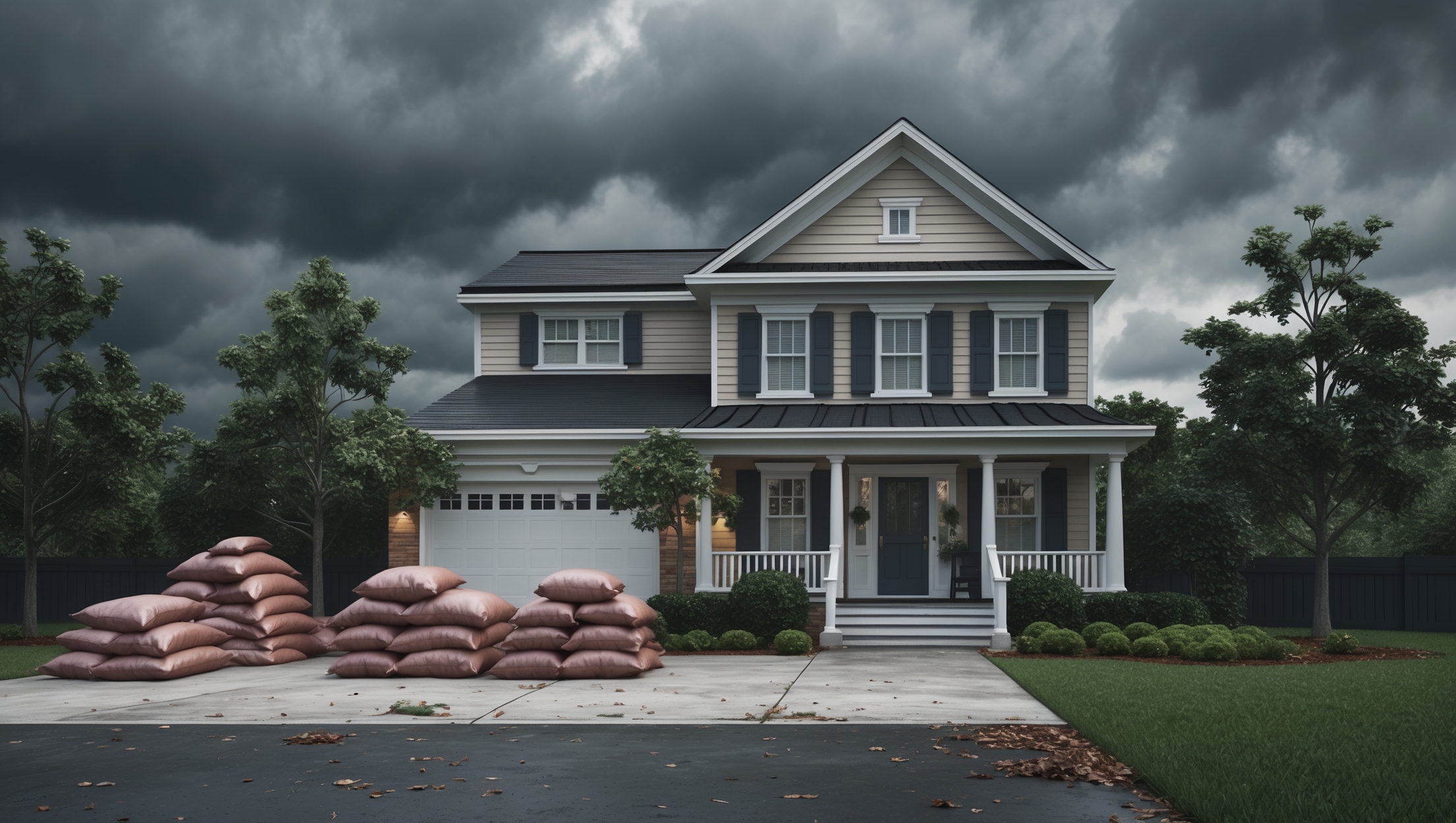
Introduction: Why Storm-Readiness Matters for Every Homeowner
Severe weather events are on the rise nationwide, bringing everything from torrential rains and flooding to high winds, hail, and snow. No matter where you live, being proactive about storm preparation is no longer optional—it’s essential for protecting your investment, ensuring your family’s safety, and minimizing costly damage. While many homeowners take basic precautions, few follow a comprehensive seasonal checklist designed to address the evolving risks storms pose throughout the year. In this guide, you’ll find an expert-curated, step-by-step approach to storm-ready home maintenance. We’ll cover practical actions to take before each season hits, how to assess and reinforce vulnerable areas, and maintenance routines that can make all the difference when severe weather is on the horizon. Whether you’re a new homeowner or looking to update your home protection strategy, this checklist will help you safeguard your property with confidence.
Understanding Your Local Storm Risks
Researching Regional Weather Patterns
Before you can effectively prepare your home for storms, you need to understand which weather events are most likely in your location. Is your area prone to hurricanes, tornadoes, hail, blizzards, or flash floods? Check recent local weather history, consult your municipality’s emergency management office, and review FEMA’s hazard maps for your region. Knowing your risks determines the specific preparations you’ll need to prioritize each season.
Assessing Your Home’s Vulnerabilities
Walk around your property and take note of features that could be at risk during a storm. Common vulnerabilities include:
- Old or damaged roofing and gutters
- Unsecured outdoor structures (sheds, gazebos, playsets)
- Large trees or branches near the home
- Basement or ground-level windows prone to water intrusion
- Poor drainage or grading around foundations
- Loose fencing or poorly anchored equipment
Document these areas as you move through the following seasonal checklist.
Spring Storm Preparation Checklist
Roof and Gutter Inspection
Spring storms often bring heavy rain and wind. Inspect your roof for missing or damaged shingles, cracked flashing, or signs of leaks. Clear all debris from gutters and downspouts, ensuring water flows freely away from your foundation. Consider installing gutter guards if you have heavy tree cover.
Landscaping and Tree Maintenance
Trim back overhanging limbs and remove dead or weak branches that could break in a storm. Ensure trees are healthy and stable—consult an arborist for large or questionable trees. Secure outdoor furniture, grills, and play equipment to prevent them from becoming airborne hazards.
Foundation and Drainage Check
Inspect the grading around your home to make sure water drains away from the foundation. Fill any visible cracks in foundation walls or basement windows with waterproof sealant. Test sump pumps and backup power sources to confirm they’re operational before spring rains arrive.
Summer Storm Preparation Checklist
Window and Door Reinforcement
Thunderstorms and high winds are common in summer. Check all windows and exterior doors for secure seals. Install or test storm shutters, or keep pre-cut plywood panels on hand. Upgrade to impact-resistant glass where possible, especially in hurricane-prone regions.
Backup Power and Emergency Supplies
Power outages are frequent during summer storms. Test your generator and stock up on fuel, storing it safely away from living areas. Assemble a kit with flashlights, batteries, bottled water, non-perishable food, medications, and a battery-powered radio. Store important documents in waterproof containers.
Outdoor Equipment and Drainage
Clear yard drains and check that stormwater can move away from your property efficiently. Anchor or store away trampolines, patio umbrellas, and other lightweight items that could become projectiles. Check fencing for stability and reinforce as needed.
Fall Storm Preparation Checklist
Gutter Cleaning and Roof Maintenance
Leaves and debris can clog gutters and downspouts, increasing the risk of water damage during autumn rains. Clean gutters thoroughly, and re-inspect your roof for any summer storm damage. Schedule professional repairs if you spot problem areas.
Chimney and Fireplace Preparation
If you have a fireplace or wood stove, schedule a chimney inspection and cleaning to prevent fire hazards during colder months. Ensure chimney caps are intact to prevent rain and debris entry.
Weatherproofing and Insulation
Check the caulking and weatherstripping around windows and doors to keep out drafts and moisture. Install or repair window well covers. Consider adding insulation to attics and crawl spaces if you anticipate winter storms.
Winter Storm Preparation Checklist
Heating Systems and Pipe Protection
Have your furnace or boiler serviced before the coldest months. Insulate exposed water pipes, especially those in unheated areas, to prevent freezing and bursting. Learn how to shut off your water supply in case of emergency.
Snow and Ice Management
Stock up on salt, sand, and snow removal equipment. Mark driveway and walkway edges to help guide snow plows. Keep roof rakes handy to safely remove heavy snow loads and prevent ice dams.
Emergency Heat and Power Outages
Test backup heat sources like wood stoves or safe space heaters. Ensure your generator is winterized and ready for use. Know the location of your main electrical panel and gas shutoff in case you need to turn utilities off quickly.
Year-Round Storm Readiness: Maintenance Best Practices
Routine Inspections
Set calendar reminders to walk your property each season, checking for new vulnerabilities. Keep a maintenance log documenting repairs, upgrades, and recurring issues.
Homeowner’s Insurance Review
Contact your insurance provider annually to review your policy and confirm adequate coverage for storm-related damage, including wind, flood, and hail. Consider supplemental flood insurance if you’re in a high-risk area, even if it’s not required by your lender.
Emergency Communication Plan
Ensure every family member knows your emergency plan: where to shelter during different types of storms, how to reach each other if separated, and which important numbers to call. Keep emergency contacts and supply checklists in an easily accessible location.
Advanced Storm Preparation Upgrades
Impact-Resistant Roofing
If your roof is nearing the end of its lifespan, consider upgrading to impact-resistant shingles or metal roofing. These materials offer superior protection against hail and wind-driven debris.
Sump Pump with Battery Backup
Install a battery backup for your sump pump to ensure continued operation during power outages. Water-powered backup pumps are also an option if you have municipal water supply.
Flood Barriers and Smart Technology
For homes in flood-prone areas, install deployable flood barriers for doors, garages, and basement windows. Consider smart leak detectors, sump pump alarms, and weather alert systems that notify you of threats via your smartphone.
What to Do When a Storm Is Imminent
- Move vehicles inside garages or away from trees and power lines.
- Secure or store loose outdoor objects.
- Close and latch all windows, doors, and storm shutters.
- Charge cell phones and backup batteries.
- Check your emergency kit and relocate to your designated safe area if needed.
After the Storm: Inspection and Recovery
Property Assessment
Once it’s safe, inspect your property for damage. Document everything with photos and notes for insurance claims. Prioritize urgent repairs to prevent further problems, such as covering broken windows or tarping damaged roofs.
Utilities and Safety Checks
Look for downed power lines, gas leaks, or standing water before re-entering your home. If you suspect damage to electrical or gas systems, contact your utility provider or a licensed professional before restoring service.
Debris Removal and Long-Term Repairs
Begin cleanup as soon as possible, but be cautious of hidden hazards like nails, broken glass, or contaminated water. Hire licensed contractors for major repairs, and consult your insurance adjuster before making permanent changes.
Conclusion: Building Resilience for the Future
Becoming truly storm-ready isn’t a one-time effort—it’s an ongoing commitment to seasonal maintenance, proactive upgrades, and informed planning. By following this comprehensive checklist, you dramatically reduce the risk of costly damage, ensure your family’s safety, and add lasting value to your home. Remember, every region faces unique threats, so tailor these recommendations to your local climate and property needs. Regularly update your preparedness plan as your home or family changes, and involve all household members in storm drills and maintenance tasks. Ultimately, peace of mind comes not from hoping for the best, but from knowing you’ve done everything possible to weather any storm. Start today by assessing your home’s current vulnerabilities, setting up your seasonal reminders, and making storm-readiness an integral part of your home improvement strategy.
You mention checking for old or damaged roofing and gutters as part of assessing vulnerabilities. How can I tell if my roof or gutters need professional repair versus just a basic cleaning or DIY fix before storm season?
Look for warning signs like missing, cracked, or curled shingles, sagging roof sections, and leaks inside your attic or ceiling stains—these often require professional repair. For gutters, if they’re pulling away from the house, have rust holes, or water overflows even after cleaning, it’s best to call a pro. Minor debris or clogged gutters, however, can usually be handled with a thorough DIY cleaning.
How often should I be doing these storm-ready maintenance routines throughout the year? For example, do you suggest following the full checklist every season, or just before the main storm season in my region?
It’s best to go through the full storm-ready checklist at least once a year before your region’s main storm season. However, some tasks like clearing gutters, checking drainage, and inspecting the roof should be done each season, since debris and weather can cause issues year-round. Regular checks will help you catch small problems early and keep your home better protected.
When walking around the property to check for vulnerabilities, how often should this inspection be done throughout the year to keep up with seasonal changes, and are there checklist templates available specifically for small business properties as opposed to residential homes?
It’s best to walk around your property at least once per season, especially before and after severe weather periods, to spot new risks or damage. For small business properties, look for checklists designed for commercial spaces, which include items like signage security, outdoor lighting, and storage areas. These differ from residential checklists by focusing more on business-specific vulnerabilities and compliance issues.
You mention checking FEMA hazard maps and local emergency management info to understand weather risks. Is there a suggested timeframe for how often we should review and update our storm-preparation checklist based on changing regional weather patterns or new business assets?
It’s a good idea to review and update your storm-preparation checklist at least once a year, ideally before your area’s peak storm season. However, if your region experiences rapid weather pattern changes or you add new assets to your property, check for updates more frequently—every six months is a safe bet. Always update immediately if FEMA hazard maps or local guidance change.
If my area is mainly at risk for high winds and hail rather than flooding, which maintenance routines should be prioritized from your list? I want to make sure I’m focusing on what makes the biggest difference for my specific situation.
For areas prone to high winds and hail, prioritize securing your roof by checking for loose or damaged shingles and making necessary repairs. Reinforce windows with storm shutters or impact-resistant glass, and make sure gutters and downspouts are firmly attached. Trim trees and remove weak branches to prevent wind damage. Store outdoor furniture and items that could become projectiles.
How often do you recommend homeowners walk around their property to reassess vulnerabilities like loose fencing or damaged gutters, especially in areas with frequent storms? Is this something that should be done every season or more frequently?
In areas with frequent storms, it’s wise to walk around your property and check for vulnerabilities such as loose fencing or damaged gutters at least once a month, especially during storm season. After any significant weather event, do a quick reassessment to catch new issues early. Seasonal checks are a minimum, but more frequent inspections help prevent small problems from becoming bigger ones.
I know the article mentions checking recent local weather history and FEMA hazard maps, but how often should I revisit this research to make sure my storm preparations stay up to date? Do weather risks really change much from year to year?
It’s wise to review local weather history and FEMA hazard maps at least once a year, ideally before the main storm season in your area. While some risks stay consistent, weather patterns and hazard assessments can shift due to new data or climate changes, so an annual check helps your preparations stay current and effective.
When researching regional weather patterns as suggested, what’s the best way to figure out if my area is more at risk for flash flooding or high winds? Should I prioritize certain preparations over others if both are possible?
To determine if your area is more at risk for flash flooding or high winds, check local government websites, FEMA flood maps, and your area’s historical weather records. You can also talk to neighbors or local emergency services for insights. If both risks exist, it’s best to prepare for both, but prioritize flood-proofing if you’re near bodies of water or in low-lying areas, and focus on wind-resistant measures if your region frequently experiences storms or hurricanes.
When you mention reviewing FEMA’s hazard maps to understand local storm risks, is there a particular section or type of data on those maps that homeowners should focus on to determine which seasonal preparations to prioritize?
Homeowners should pay close attention to flood zones, hurricane risk areas, and wind hazard data on FEMA’s maps. Focus especially on whether your home falls within special flood hazard areas (SFHAs) or zones labeled with high risk, as these can guide you in prioritizing preparations such as reinforcing roofs, securing windows, or improving drainage around your property.
You mention walking around the property to assess vulnerabilities like old roofing and basement windows. Is there a particular order these checks should be done in, or a printable checklist to make sure I don’t miss something important during each season?
It’s best to follow a logical path around your property, starting from the roof and working your way down. Begin with the roof, gutters, and attic, then check exterior walls, windows, and doors. Move to the basement and finally inspect outdoor areas like fences and drains. Creating a seasonal checklist can help—try listing items under categories such as roof, windows, basement, and yard, then check them off as you go each season.
The article mentions consulting FEMA’s hazard maps to understand local storm risks. For someone moving to a new area, what are some practical tips for interpreting those maps and translating that info into actual home upgrades or changes?
When looking at FEMA’s hazard maps, focus on your home’s location relative to flood zones, wind risk areas, and evacuation routes. If your new area is in a high-risk flood zone, consider elevating utilities and using flood-resistant materials. For wind-prone zones, reinforce roofs and windows. Always match upgrades to the specific hazards your map highlights, and consult local building codes or professionals for tailored advice.
What are some cost-effective steps a homeowner can take to reinforce old or damaged gutters before replacing them completely? I want to minimize water damage this season but full replacement might not fit my budget right now.
To reinforce old or damaged gutters temporarily, start by clearing out leaves and debris so water can flow freely. Use gutter sealant to patch small holes or leaks from the inside. For sagging sections, add extra gutter hangers or brackets to secure them. You can also use waterproof tape on seams and joints for extra support. These fixes can help reduce water overflow and potential damage until you’re ready for a full replacement.
Do you have any recommendations for cost-effective ways to secure outdoor structures like sheds or playsets that might not already be anchored? I’d like to reinforce mine without a major renovation.
You can secure sheds or playsets by using ground anchors or auger-style anchors, which twist into the soil and attach to the structure with straps or cables. These are affordable, require minimal tools, and don’t involve major renovations. For extra stability, check all connections and tighten bolts or screws. Adding sandbags at the base can also help in a pinch during storm warnings.
Could you share a rough estimate of how much time or budget I should set aside to address the most common vulnerabilities listed, like reinforcing windows or securing outdoor structures, especially if I’m a first-time homeowner?
For a first-time homeowner, budgeting both time and money is wise. Reinforcing windows with storm shutters or impact-resistant film might take a weekend and cost $200 to $800, depending on materials and DIY versus professional installation. Securing outdoor structures, like anchoring sheds or furniture, could take a few hours and cost $50 to $300, depending on what you need. Plan for 1-2 weekends and around $300 to $1,000 for the most common updates.
When checking for poorly anchored outdoor equipment or loose fencing as part of the seasonal checklist, is there a recommended way to secure these items that works for most severe storms, or does it completely depend on the type of weather common in my area?
Securing outdoor equipment and fencing generally depends on local weather risks, but some methods work well in most cases. Use heavy-duty anchors or ground stakes for furniture and playsets, and check that fencing posts are firmly set in concrete. For areas prone to high winds, consider removable items you can store indoors. Always tailor your approach slightly based on whether your region faces hurricanes, tornadoes, or heavy snow.
Could you give more examples of what kind of maintenance routines I should follow each season? Like, are there specific things I need to check for in winter versus summer, or is the checklist pretty much the same all year?
The maintenance routines do change with each season. In winter, you should check for ice dams on your roof, ensure pipes are insulated, and clear snow from walkways. In summer, focus on cleaning gutters, inspecting your air conditioning, and checking for pest entry points. Spring is great for inspecting your roof and foundation for damage, while fall is ideal for sealing gaps and cleaning chimneys. Adjust your checklist to match each season’s unique weather challenges.
When walking around my property to assess vulnerabilities, how do I tell if my gutters or roofing are actually at risk or just showing normal wear? Are there warning signs that mean I need to prioritize repairs immediately before storm season?
When checking your gutters, look for sagging sections, rusty spots, or water marks on the siding, which suggest leaks or blockages. For roofing, missing or curled shingles, visible cracks, or granules collecting in gutters are warning signs. If you spot any of these, it’s best to prioritize repairs before storm season, since they can make your home more vulnerable to water damage or wind. Normal wear usually doesn’t include these issues, so if you see them, act promptly.
If my business property is in a high-risk flood zone, how often should I be walking the perimeter to check for drainage or grading problems? Is this something I can do myself after heavy rains, or should I be hiring a professional for regular inspections?
For a business property in a high-risk flood zone, it’s wise to walk the perimeter and check for drainage or grading issues after every heavy rain, as well as at least once each season. Many issues like pooling water or blocked drains can be identified and addressed on your own. However, it’s a good idea to schedule a professional inspection annually or if you notice persistent problems you can’t resolve yourself.
What would you recommend as the most cost-effective way to reinforce loose outdoor structures like playsets or sheds? Are there particular materials or quick fixes that work best without requiring a full replacement?
To reinforce loose outdoor structures like playsets or sheds without a full replacement, try using galvanized steel brackets or hurricane ties at key joints—they’re affordable and very effective. Replace or add lag bolts where hardware is missing or loose. For quick fixes, anchoring the base with ground stakes or concrete footings helps keep things secure during storms.
I noticed you listed outdoor sheds and playsets as potential risks. What’s the best way to secure these on a budget, especially if I’m worried about strong winds or even tornadoes in my area?
Securing outdoor sheds and playsets can be cost-effective. For sheds, use ground anchors or auger-style tie-downs that screw into the soil and attach to the shed’s frame. For playsets, add heavy-duty ground stakes at each corner. If a storm is forecast, remove loose parts and store lightweight items indoors. Regularly check fasteners and connections to ensure everything stays secure.
If a property has several large trees close to the house, what should homeowners include on their seasonal maintenance checklist to minimize storm damage risk? Is professional tree assessment necessary every year, or only after certain weather events?
For homes with large trees nearby, the checklist should include inspecting trees for dead or overhanging branches, checking for signs of disease or root damage, and clearing debris from gutters and roofs. Annual professional tree assessments are recommended to catch issues early, but it’s especially important to call an arborist after severe storms, high winds, or if you notice visible damage or leaning. Regular monitoring combined with expert advice helps ensure safety and minimize storm damage risk.
When you mention researching regional weather patterns, what are some reliable ways for a homeowner to stay updated on changing risks during the year, especially as climate conditions shift? Are there specific tools or alerts you recommend beyond FEMA hazard maps?
Along with FEMA hazard maps, many homeowners benefit from using the National Weather Service and NOAA updates, which provide real-time alerts and forecasts. You can also sign up for local emergency alert systems or download weather apps with customizable warnings. Some states and counties have their own alert services too. Staying in touch with your local emergency management office can also help you stay aware of changing risks specific to your area.
Could you provide more details on how to actually assess if my outdoor structures, like sheds or playsets, are properly secured for storms? I’m not sure what to look for or if there are affordable ways to reinforce them myself.
To assess if your outdoor structures are storm-ready, check that all anchors or tie-downs are firmly attached to the ground and that hardware (like bolts and screws) is tight and rust-free. Make sure roofs and doors are secure and not loose. For affordable reinforcement, you can add ground anchors, use heavy-duty straps, or reinforce joints with metal brackets—all available at most hardware stores. Regularly inspect for rot or damage, especially at connection points.
I’m in an area that can get both heavy spring rains and winter snow—do you have suggestions for storm prep tasks or materials that work well for homes exposed to a mix of weather risks rather than just one type?
For homes facing both heavy rain and snow, focus on all-weather sealing for windows and doors, roof inspections for loose shingles, and ensuring gutters and downspouts are clear year-round. Use water-resistant caulking and consider adding gutter guards. Have sandbags and snow shovels handy, and check your sump pump. Insulate exposed pipes to prevent freezing, and make sure drainage slopes away from your foundation to handle any runoff from both rain and melting snow.
For assessing vulnerable areas like old roofing and drainage, do you recommend hiring a professional for an initial inspection, or are there signs I can safely look for myself before calling someone in? I want to make sure I don’t miss anything important.
You can start by checking for visible warning signs like cracked or missing shingles, sagging roof sections, clogged gutters, water stains in your attic, or damp areas near foundation walls. These issues are usually safe to spot yourself. However, for a thorough assessment—especially with older roofs or complicated drainage—it’s wise to have a professional inspection, as they can catch hidden problems you might miss.
You mention assessing vulnerabilities like poor drainage and unsecured outdoor structures—how often should this walkthrough be done each year, and is there an ideal time or season to make these checks?
It’s best to do a thorough vulnerability walkthrough at least twice a year—once in early spring and again in late summer or early fall. These times help you prepare for seasonal storms like spring rains or autumn hurricanes. You should also check after any major weather events to catch new issues before the next storm.
How should homeowners prioritize the checklist if their property has multiple vulnerabilities, like old roofing and poor drainage, but they are limited on time or budget before the next storm season?
When time or budget is tight, focus first on issues that most impact safety and your home’s structural integrity. Repair or reinforce old roofing to help prevent leaks and major damage during storms. Next, address drainage problems to reduce the risk of flooding and foundation issues. Smaller tasks, like securing loose items or trimming branches, can follow if you have extra time. Prioritizing in this order ensures your efforts have the most protective impact.
For homeowners in areas with both tornado and flash flood risks, how would you recommend prioritizing preparations? For example, should reinforcing the roof or improving basement drainage come first if you have limited time or budget?
If you have limited time or budget, it’s best to prioritize improvements based on which threat poses a more immediate risk to your home’s safety. Generally, reinforcing the roof is critical for tornado-prone areas, as structural integrity is vital for survival. However, if your basement is prone to flooding, improving drainage may prevent costly water damage and mold. Assess your home’s vulnerabilities and local weather patterns to decide, but protecting against life-threatening structural damage usually comes first.
If my area is mainly at risk for hurricanes but also sees the occasional tornado, how should I prioritize which vulnerabilities—like old roofing versus unsecured outdoor structures—I address first each season?
Since hurricanes are your main threat but tornadoes are still possible, focus first on vulnerabilities that impact both, like securing or replacing old roofing. Strong roofs help against high winds from either event. Next, address unsecured outdoor structures, as these can become dangerous debris in both hurricanes and tornadoes. Each season, start with the roof, then secure or store outdoor items before storms arrive.
When assessing my home’s vulnerabilities as suggested, how can I determine whether my current drainage system is adequate, especially if I’ve never experienced flooding but want to get ahead of any potential issues?
To evaluate your drainage system, check that gutters and downspouts are clear of debris and direct water at least 5–10 feet away from your foundation. After heavy rain, walk around your home to see if water pools near the house or flows away properly. Look for signs of soil erosion or water stains on the foundation. If unsure, consider having a professional assess your system for peace of mind.
When inspecting our property for unsecured outdoor structures and equipment, is there a recommended checklist or frequency for business owners who operate in areas that see both summer storms and winter snow? I’d like to make sure we are not missing anything between seasons.
For businesses in regions with both summer storms and winter snow, it’s wise to inspect outdoor structures and equipment at least twice a year, ideally before each major season. Your checklist should include securing or anchoring sheds, signage, fencing, outdoor furniture, and equipment. Regularly check for loose bolts, rust, or weakened materials and remove debris that could become hazardous. After any significant weather event, perform a quick post-storm inspection to catch potential new issues early.
I’m curious about researching regional weather patterns. If my area experiences both tornadoes and heavy snow, how do I prioritize which home vulnerabilities to address first? Is there a way to balance preparations for different types of storms on a limited budget?
Balancing preparations for both tornadoes and heavy snow can be challenging, especially on a budget. Focus first on vulnerabilities that impact safety, like reinforcing your roof and securing windows, since these help with both wind and heavy snow. Next, make sure you have a safe shelter for tornadoes and that your heating works in case of snowstorms. Prioritize repairs that serve dual purposes wherever possible to get the most value from your budget.
For renters or people who can’t make big changes to their homes, are there any effective storm-readiness steps from your checklist that don’t require major modifications or a large budget?
Absolutely, there are several storm-readiness steps renters can take without major changes or big expenses. You can assemble an emergency kit with water, non-perishable food, flashlights, and batteries. Secure loose items on balconies or patios, close and lock windows, and keep important documents in a waterproof bag. It’s also smart to have a list of emergency contacts and your building’s evacuation plan handy. These actions help improve safety without needing to alter your home.
As a small business owner with a commercial property, do you have any advice on adapting this residential storm checklist for buildings like mine? Are there unique vulnerabilities or steps I should keep in mind beyond what you listed here for homes?
For commercial properties, in addition to the residential checklist, you should focus on securing signage, awnings, and outdoor equipment that could become hazards in strong winds. Check your roof and drainage systems more often, as flat roofs are common and more prone to pooling. Review your building’s emergency lighting, backup power sources, and evacuation routes to ensure they meet safety codes. Also, back up business data and review your insurance coverage for storm-related damages.
You mention checking FEMA hazard maps and local emergency resources to determine storm risks, but how often should homeowners revisit that info? Do weather patterns change enough year to year that I might need to update my approach frequently?
It’s a good idea to review FEMA hazard maps and local emergency resources at least once a year, ideally before storm season begins. While major weather risks usually stay the same, local updates, new flood zones, or changes in emergency plans can happen. If you notice unusual weather trends or development in your area, check more often to ensure you’re prepared.
As a business owner, I’m concerned about the drainage around my building’s foundation since you mentioned poor grading as a vulnerability. Are there specific low-cost steps I can take to improve drainage before the rainy season hits, or should I always involve a professional for this?
You can take some low-cost steps to improve drainage yourself. Ensure gutters and downspouts are clear and direct water at least 5-10 feet away from the foundation. Add soil to slope ground away from the building for better runoff. Also, check for pooling and fill in low spots. For larger issues or persistent water problems, consulting a professional is recommended.
As a business owner with several outdoor structures on my property, I’m curious how often you recommend inspecting sheds and playsets for vulnerabilities, especially with unpredictable storm patterns becoming more common. Should this be part of every seasonal checklist, or is an annual review enough?
For outdoor structures like sheds and playsets, it’s wise to include them in every seasonal checklist, not just an annual review. Regular inspections help you catch issues like loose fasteners, shifting foundations, or weather damage before storms hit. With unpredictable weather patterns, checking these structures at the start of each season helps ensure they’re secure and reduces the risk of storm-related damage or safety hazards.
For properties with poor drainage around the foundation, what are some practical and budget-friendly first steps to mitigate water intrusion risks before investing in larger improvements? Is redirecting gutters often effective enough, or are more extensive measures usually needed?
Redirecting gutters and ensuring downspouts extend at least 6 feet from the foundation is often a very effective and affordable first step to manage water flow. Adding splash blocks or flexible extensions can help too. Grading the soil so it slopes away from the house is another practical, low-cost measure. These steps can make a noticeable difference, though persistent issues may require further drainage solutions later on.
When inspecting outdoor structures like sheds or fencing, what are the most common mistakes small business owners make that leave them vulnerable to storm damage, and how can I avoid them during my seasonal maintenance checks?
One common mistake is overlooking loose panels or fasteners on sheds and fences, which can easily fail in high winds. Business owners often neglect to check for rot or rust at the base of wooden or metal structures, weakening them. To avoid these issues, inspect all joints, supports, and hardware each season, tighten or replace as needed, and treat any exposed wood or metal to prevent decay. Addressing these areas will help ensure your structures withstand storms.
When it comes to researching regional weather patterns for storm preparation, do you recommend any specific tools or resources besides FEMA’s hazard maps that homeowners should use to stay updated on evolving risks in their area?
Besides FEMA’s hazard maps, you might find the National Weather Service and local emergency management websites very helpful for real-time updates and forecasts. The NOAA Weather Radio is another reliable source for immediate alerts. Many communities also offer local apps or text alert systems to keep residents informed about changing weather risks specific to their area.
If someone finds old or damaged gutters during their walkaround, is it usually better to attempt repairs themselves before the next storm season, or does replacing them make more sense in terms of long-term protection? Would love to know any practical criteria for deciding.
If gutters are only slightly damaged or have minor leaks, repairs like sealing joints or replacing a few sections can be effective and cost-saving. However, if you notice rust, sagging, widespread cracks, or loose attachments, replacement is usually the safer, longer-lasting choice. Consider the age of the gutters, the extent of the damage, and whether they’ve needed frequent fixes. Well-functioning gutters are crucial for storm protection, so prioritize reliability over quick fixes if in doubt.
You mention using FEMA hazard maps to understand local risks. Are there other specific resources or apps you’d recommend for staying updated on regional weather threats or getting alerts about incoming severe storms?
Besides FEMA hazard maps, you might find the National Weather Service and NOAA websites useful for real-time alerts and radar updates. Many people also use weather apps like AccuWeather or The Weather Channel for customizable notifications. For emergency alerts, consider enabling Wireless Emergency Alerts (WEA) on your phone, and check if your local emergency management agency has a text or email alert system you can sign up for.
You mentioned old or damaged roofing and gutters as common vulnerabilities. Are there specific warning signs or simple tests for homeowners to tell if their roof or gutters are at immediate risk before storm season hits, without needing a professional inspection?
Absolutely, you can look for a few clear signs yourself. For roofs, check for missing, cracked, or curling shingles, and look in your attic for any signs of water stains or daylight peeking through. For gutters, see if they’re sagging, pulling away from the house, or showing rust, cracks, or persistent clogs. After rain, puddles near the foundation can also indicate gutter issues. These checks can help you spot problems early before storm season.
We have a few older trees pretty close to our house that I worry about in big storms. Do you have any suggestions for when it makes sense to trim branches versus removing entire trees, especially from a safety and cost perspective?
If the trees are healthy but have large branches hanging over your house or power lines, trimming those branches can reduce storm risks and is usually more affordable than full removal. However, if a tree is diseased, leaning, has root damage, or shows significant decay, removal may be necessary for safety. It’s a good idea to consult a certified arborist for an assessment, as they can help you weigh safety concerns against costs before deciding.
If you discover old or damaged roofing during your walkthrough, what are some immediate maintenance steps you can take before a professional can do a full repair, particularly if a storm is predicted soon?
If you spot old or damaged roofing and a storm is on the way, you can take a few immediate steps. Cover any exposed or leaking areas with heavy-duty tarps secured tightly with nails or roofing tape to prevent water intrusion. Clear any debris from gutters and downspouts so water can flow away properly. Inside, place buckets or containers under active leaks to minimize interior damage. These quick actions can help reduce further issues until a professional can make proper repairs.
Can you give some guidance on how to find out if my local area faces more risk from flooding or high winds? The article mentions checking FEMA maps and local emergency offices, but I’m not sure where to start or what specifically to look for.
To find out if your area is more prone to flooding or high winds, start by searching for FEMA flood maps online using your address—these will show if you’re in a flood zone. For wind risks, your local emergency management office or weather service can tell you if your area is known for strong storms or tornadoes. Look for hazard maps or ask for recent history of severe weather in your community.
If my rental unit has known drainage issues and I don’t have control over major repairs, are there smaller steps or temporary fixes I can do myself to reduce water intrusion risk before a big storm comes through?
Yes, there are a few steps you can take. Clear any debris from drains, gutters, and downspouts to help water flow away. Use sandbags or plastic sheeting at entry points where water could seep in. Make sure window and door seals are tight, and consider placing towels or draft stoppers at the base of doors. Move valuables and electronics to higher ground if possible. These measures can help reduce water intrusion until your landlord can address the drainage issues.
When inspecting older roofing and gutters as part of seasonal storm prep, how do you determine if repairs are sufficient or if a full replacement is necessary? Are there warning signs to look out for that suggest immediate action is needed?
When inspecting older roofing and gutters, check for missing, curling, or cracked shingles, sagging rooflines, water stains inside the attic, or visible leaks. For gutters, look for rust, persistent clogs, or separation from the house. If you see widespread damage or repeated leaks, a full replacement may be needed. Immediate action is required for major leaks, sagging roof sections, or gutters pulling away from the fascia, as these can lead to severe water damage during storms.
When you talk about assessing home vulnerabilities, like damaged roofing or unsecured outdoor structures, how often should these inspections actually happen throughout the year? Is there a recommended schedule for checking these areas before each season starts?
It’s a good idea to inspect your home’s roof, windows, and outdoor structures at least twice a year—typically in early spring and again in late summer or early fall. This timing helps you catch issues before stormier seasons. Additionally, do a quick check before any forecasted severe weather event or after strong storms to spot new damage.
When researching regional weather patterns as you suggest, what are the most reliable sources for understanding the storm risks in my area, especially if I’ve just moved and don’t have much history with local weather?
To understand storm risks in your new area, start with your country’s official meteorological service, as they usually provide up-to-date hazard maps and forecasts. Local government websites often have emergency preparedness resources, including storm history and evacuation plans. You can also check with your local library or community center for historical weather data and advice on common local risks. Neighbors and local social media groups can be helpful for practical, area-specific insights too.
I’m in a region that gets both hail and heavy rains, so I’m not sure which upgrades to prioritize. Should I focus on reinforcing my roof or improving drainage and grading first if I’m on a limited budget?
If you’re on a budget and face both hail and heavy rain, starting with drainage and grading improvements is generally the wisest choice. Proper drainage helps prevent expensive water damage and flooding, which can happen even with a sturdy roof. Once that’s addressed, you can plan for future upgrades like reinforcing your roof to better withstand hail. Prioritizing drainage will give you immediate protection from heavy rains.
If my budget is limited, which of the checklist’s maintenance actions would you recommend prioritizing for the highest impact against storm damage, especially in an area that sees frequent flash flooding?
With a tight budget and frequent flash flooding in your area, prioritize clearing gutters and downspouts to ensure proper water drainage, sealing any cracks in your foundation or basement to prevent water intrusion, and elevating electrical systems if possible. These steps greatly reduce flood risks and can save you from major repair costs later on.
When you mention checking with the local emergency management office and FEMA’s hazard maps for assessing storm risks, what’s the best way for a homeowner to interpret that information and turn it into concrete preparation steps for their own property?
When you review hazard maps and advice from your local emergency management office, look for details about your area’s specific risks, such as flood zones, wind exposure, or evacuation routes. Use this information to guide your preparation: for example, if you’re in a flood-prone area, prioritize elevating appliances and sealing basements. If wind damage is likely, reinforce windows and roofs. The key is to match your preparations to the risks highlighted for your location.
As a small business owner with a storefront, I’m curious how often I should walk around my property to assess vulnerabilities like damaged roofing or unsecured outdoor structures. Is a seasonal check enough, or should it be more frequent, especially during unpredictable weather months?
For a storefront, it’s wise to do more than just seasonal checks. During unpredictable weather months, consider walking around your property at least once a month or after any severe weather event. This helps you catch issues like loose roofing, unsecured signage, or debris before they become bigger problems. Regular checks can keep your property safer for both customers and employees.
Your checklist highlights the importance of understanding local storm risks and consulting FEMA hazard maps. Do you have any tips for homeowners who move frequently or own property in different regions on how to adapt their preparation strategies each year?
For homeowners who move often or own properties in different areas, it’s helpful to create a general storm-prep kit and then customize it for each location. Start by researching the main weather threats in each region annually—like hurricanes, tornadoes, or wildfires. Review local emergency plans, update your supplies for region-specific risks, and connect with neighbors or local officials for current advice. Keeping digital copies of important documents and maintaining flexible evacuation plans also helps adapt quickly to new environments.
If I’m working with a limited budget, which items from your checklist would you consider the highest priority to address first, particularly for homes in areas with frequent flooding or high winds?
For homes in flood-prone or high-wind areas and on a tight budget, focus first on sealing any gaps around doors, windows, and foundations to prevent water intrusion. Clearing gutters and drains to ensure proper water flow is also crucial. Reinforce or secure loose roofing materials and trim any overhanging branches that could damage your home in strong winds. These steps offer significant protection with minimal cost.
When inspecting drainage and grading around foundations, how do I know if a problem needs professional help versus something I can fix myself? I’m not too experienced with home repairs and don’t want to overlook anything before the next storm season.
When checking drainage and grading, look for pooled water near your foundation, soil sloping toward the house, or obvious erosion. If you notice minor issues like slightly uneven soil, you can usually correct the slope with added soil yourself. However, if you see standing water after rain, large cracks in the foundation, or persistent dampness indoors, it’s wise to call a professional. These signs could point to more serious problems that need expert attention before storm season.
The checklist talks about assessing drainage and grading around the foundation. If budget is tight, which fixes would you prioritize first to prevent water intrusion, and are there any low-cost temporary options that actually work until a full repair can be done?
If budget is a concern, start by making sure gutters and downspouts are clear and channel water at least 5 feet away from your foundation using inexpensive extensions. Next, check for low spots near the foundation and fill them with packed soil to direct water away—this is a cheap, short-term fix. For temporary protection, use plastic sheeting or tarps along the foundation during heavy rains, but aim for permanent grading improvements when possible.
How can I figure out if my roof or gutters are actually vulnerable if I’ve never had a major storm in my area before? Are there simple signs of damage or issues I should look for as a first-timer?
You can start by inspecting your roof for missing, cracked, or curling shingles, as these are common signs of wear. Also, look for loose or damaged flashing around chimneys and vents. For gutters, check if they’re sagging, rusted, or have seams pulling apart, and make sure they’re securely attached and free from debris. Even if your area hasn’t had major storms, regular checks help catch small issues before they become bigger problems.
When researching regional weather patterns for my area, are there certain resources or tools you recommend that give more detailed or up-to-date risk information than FEMA’s hazard maps? I’d like to make sure I’m not missing any local threats in my seasonal planning.
Absolutely, for more localized and current weather risk information, try using the National Weather Service’s local forecast pages, your state’s emergency management agency sites, and county-level hazard mitigation plans. Many universities and local governments also publish detailed climate or hazard assessments. You might also explore apps or alert systems from local news outlets or government agencies for real-time updates on threats like flooding or wildfire.
Can you give any tips for budget-friendly ways to reinforce loose fencing or outdoor structures without hiring a professional? I noticed these were listed as common vulnerabilities but I’m not sure where to start if I’m on a tight budget.
Absolutely, there are some DIY budget-friendly fixes you can try. For loose fencing, use heavy-duty zip ties or galvanized wire to secure loose boards or panels. Reinforce posts by packing additional soil or gravel around the base and tamping it down firmly. For sheds or outdoor structures, check for loose connections and use screws or metal brackets for extra support. Regularly inspect after storms to tighten anything as needed.
For homeowners on a tight budget, which of the suggested seasonal maintenance actions would you say gives the most protection for the least investment, particularly regarding drainage and landscaping around the foundation?
Clearing gutters and downspouts is one of the most cost-effective actions you can take. This prevents water from pooling near your foundation and helps avoid water damage. Also, checking that the ground slopes away from the foundation can be done with minimal expense—sometimes just by adding soil to low spots. Both steps offer significant protection for a small investment.
I’m in an area that gets both heavy snowfall in winter and the occasional summer thunderstorm. When walking around my property as suggested, are there specific signs of roofing or gutter damage I should look for before the seasons change?
When checking your roof, look for missing, cracked, or curling shingles, as well as any areas where the roof appears saggy or uneven. For gutters, check for rust, cracks, sagging sections, or any places where gutters are pulling away from the house. Also, make sure downspouts are securely attached and directing water away from your foundation. Addressing these issues before the seasons change can help prevent leaks and water damage.
The article talks about inspecting for damaged roofing and gutters as part of the preparation. How often should this kind of inspection be done each year, and are there certain times or weather conditions when it’s especially important to double-check those areas?
Inspecting your roof and gutters should be done at least twice a year—typically in the spring and fall. It’s especially important to check after major storms or heavy winds, as they can cause immediate damage. Also, before hurricane or storm seasons begin, a careful inspection ensures your home is prepared for severe weather. If you notice leaks or debris in between scheduled checks, it’s wise to take a look sooner.
The article mentions FEMA hazard maps and consulting with local emergency management offices. Are there any specific online tools or resources you’d recommend for someone who’s just moved and doesn’t have a lot of local experience with storms?
If you’re new to an area and want to assess your storm risk, FEMA’s Flood Map Service Center lets you check flood zones by address. The National Weather Service also offers weather alerts tailored to your location. Additionally, Ready.gov has preparedness tips and hazard information by region. These tools can help you quickly understand local risks and take the right precautions.
For new homeowners who may not know what to look for, could you clarify what signs indicate that gutters or outdoor structures are truly at risk during storms? Are there easy fixes for these issues or do they usually need professional help?
You’ll know gutters are at risk if you see sagging, rust, cracks, or water spilling over instead of draining. Outdoor structures like decks or sheds may show loose boards, rusted fasteners, wobbling, or damaged roofs. Clearing debris from gutters and tightening loose screws are simple DIY fixes. However, if you notice serious damage like large cracks, severe rust, or structural instability, it’s safer to consult a professional.
The article mentions consulting FEMA hazard maps to understand local risks. For someone new to an area, what’s the fastest way to find and interpret these resources, and are there local agencies that might offer more tailored guidance for businesses?
To quickly find FEMA hazard maps, visit the FEMA Flood Map Service Center online and enter your address to view flood risk data. For interpreting the maps or learning about other local hazards like earthquakes or wildfires, it’s helpful to contact your city or county emergency management office. Local agencies often provide tailored advice for businesses, including workshops or site-specific risk assessments.
The checklist mentions checking for poor drainage or grading around foundations. If I discover an issue with my property’s grading, is regrading something a homeowner can DIY, or should I plan to budget for a professional service? Any ballpark costs would be helpful.
Regrading around your foundation can sometimes be a DIY project if the area is small and you’re comfortable with yard work—usually involving adding or moving soil to create a gentle slope away from your house. For larger or more complex issues, especially if water collects near the foundation, hiring a professional is safer. Professional regrading typically costs between $1,000 and $3,000 depending on the size and complexity of the job. Always ensure the new slope directs water at least 6 inches away from the foundation over 10 feet.
I noticed you mentioned consulting FEMA’s hazard maps and local emergency offices. For someone new to an area, what’s the most reliable way to find accurate, up-to-date information about specific local storm risks?
To find reliable local storm risk information, start by visiting your city or county government’s official website; they often have emergency management sections with localized hazard details. You can also contact your local emergency management office directly for tailored advice. For federal resources, FEMA’s official website provides hazard maps and guides. Combining both local and federal sources ensures you get the most current and relevant information for your area.
When you mention checking drainage and grading around the foundation, what are some simple ways a beginner can tell if their property has an issue? Is it worth hiring a pro for this part?
You can start by walking around your home after a heavy rain to see if water pools near the foundation or if the ground slopes toward the house instead of away. Check for signs like damp basement walls or erosion near the foundation. If you notice persistent water or aren’t sure, hiring a professional can help catch bigger issues early and give peace of mind, but many homeowners can do the initial check themselves.
For someone on a limited maintenance budget, which of the preventive measures—like upgrading old roofing or improving drainage—do you feel gives the best protection payoff for the investment? I’m trying to prioritize work before storm season.
Focusing on improving drainage usually provides excellent protection for a relatively low investment, especially if you clear gutters and downspouts, and make sure water flows away from your foundation. Upgrading old roofing is important, but it tends to be more costly. If your roof isn’t leaking or missing shingles, handling drainage and sealing up openings around doors and windows first will offer solid protection within a limited budget.
If my shop is in a region that faces both tornadoes and flash floods, how should I prioritize which types of seasonal maintenance to handle first? Are there overlapping steps that could cover both risks efficiently?
When preparing for both tornadoes and flash floods, start with tasks that improve overall structural integrity, such as securing the roof, windows, and doors. Next, ensure your drainage systems are clear and your shop is elevated or properly sealed against water intrusion. Reinforcing exterior features and storing valuables above flood level helps mitigate both risks. Overlapping steps include maintaining emergency supplies, having backup power, and keeping important documents in waterproof and secure containers. Prioritize critical repairs and upgrades before storm season begins.
When it comes to reinforcing old or damaged roofing and gutters, are there affordable ways to temporarily secure them until I can get a full repair? I want to make sure my house is protected in the meantime, especially with storm season coming up.
For a temporary fix, you can use roofing tar or sealant to patch small leaks in old shingles and cover damaged areas with heavy-duty tarps secured tightly with boards or nails. For gutters, clear out any debris and use gutter sealant to patch small holes or cracks. Make sure to check that all fasteners are tight, and use wire or gutter hangers to reinforce any sagging sections until you can arrange for a full repair.
For properties with a lot of mature trees close to the building, how often should we schedule professional inspections or trimming to prevent storm damage? The article mentions tree branches as a common vulnerability, but I’m unsure about the recommended timeframe for ongoing maintenance.
For properties with mature trees near the building, it’s generally recommended to schedule professional inspections and trimming at least once a year, ideally before storm season begins. However, if your area experiences frequent storms or rapid tree growth, consider checking every six months. Regular inspections help spot weakened branches or disease early, reducing the risk of storm damage.
For people living in areas with both winter blizzards and summer storms, do you have advice on how to prioritize improvements like drainage versus reinforcing windows? It seems overwhelming to tackle everything at once, so I’m curious about where to focus first.
When dealing with both blizzards and summer storms, start by addressing immediate safety concerns like reinforcing windows and doors, as these protect against wind and flying debris year-round. Next, focus on drainage to prevent flooding from both melting snow and heavy rain. Breaking tasks into seasonal priorities can help—tackle structural reinforcements before storm seasons, and arrange regular drainage checks each spring and fall. This approach makes the process more manageable and ensures your home’s basic defenses are covered first.
Your checklist talks about reviewing regional weather patterns. What is the best way for a busy family to stay updated on changing local storm risks throughout the year, besides checking FEMA maps?
For a busy family, the best ways to stay updated on local storm risks are to set up alerts from your local weather service or download a reputable weather app that provides real-time warnings. Many apps allow you to customize notifications for your area. Additionally, local news stations and community social media groups often share timely updates, making it easier to stay informed without extra effort.
When assessing old or damaged roofing as a vulnerability, is there a specific type of repair or upgrade that offers the best protection against multiple types of severe weather, like hail and heavy rain, at the same time?
For the best all-around protection against hail, heavy rain, and other severe weather, consider upgrading to impact-resistant roofing materials, such as Class 4 asphalt shingles or metal roofing. These options are specifically designed to withstand both hail impact and water intrusion. It’s also important to ensure proper installation and reinforce flashing and underlayment, which can help prevent leaks and further damage during storms.
When assessing your home’s vulnerabilities, how do you recommend prioritizing repairs if you find multiple issues at once, like old roofing and poor drainage? Is there a rule of thumb for what should be addressed first before storm season starts?
When prioritizing repairs before storm season, it’s a good idea to start with issues that impact your home’s structural integrity and water protection, like an old or damaged roof. After that, address drainage problems, since poor drainage can lead to flooding and foundation damage. Generally, fix anything that could let water in or compromise your home’s safety first, then move to less critical repairs.
I’m just starting out as a homeowner and not sure how to spot issues like poor drainage around the foundation. Are there any DIY tips or simple signs I should look for to tell if my property has a grading or drainage problem before storms?
To check for drainage issues, walk around your home’s foundation and look for standing water or soggy patches after rain. The ground should slope away from the house; if you notice water pooling close to the foundation, that may signal poor grading. Also, check for soil erosion, exposed roots, or cracks in the foundation, as these can be warning signs. Clearing debris from gutters and downspouts will help ensure water drains properly away from your home.
When researching local storm risks, how often should I check FEMA maps or local hazard info? Do these resources get updated regularly, or is it enough to look once when I move in?
It’s best to check FEMA maps and local hazard information at least once a year, especially before storm season. While FEMA maps aren’t updated constantly, changes do occur due to new flood data, development, or after major storms. Local agencies might update hazard info more frequently, so it’s smart to review both periodically and whenever significant weather events or local changes happen.
You suggest researching regional weather patterns before preparing. As a business owner in a location with both flood and wind risks, how would you prioritize which vulnerabilities to address first if resources are limited for seasonal preparation?
When resources are limited, it’s best to prioritize vulnerabilities that pose the highest immediate risk to your business operations and safety. If flooding is more frequent or likely to cause significant damage, start with flood defenses like proper drainage, barriers, and protecting electrical systems. If wind is the bigger danger, focus first on reinforcing roofs, windows, and securing outdoor items. Assess recent history, local forecasts, and building weaknesses to guide your priorities each season.
When assessing vulnerable areas like old roofing or basement windows, what are some affordable fixes or temporary solutions for college students or renters who may not have the budget for major upgrades?
For old roofing, you can use roof patch tape or tarp as a temporary measure to cover any leaks or weak spots. For basement windows, applying weatherproof plastic film or using draft stoppers can help keep water and drafts out. Both options are low-cost and don’t require permanent changes, making them suitable for renters or students on a budget.
If I live in a region that faces both heavy snowfall in winter and flash floods in spring, does your checklist recommend prioritizing certain upgrades over others, given a limited budget? For example, should I focus more on roof reinforcement or basement waterproofing first?
In your situation, prioritizing basement waterproofing is usually more urgent, since flash floods can cause extensive and immediate damage to your home’s foundation and belongings. Roof reinforcement is important for heavy snowfall, but water intrusion in the basement often leads to structural issues and mold. If your roof is in decent condition, invest first in effective basement sealing, sump pumps, and proper drainage.
For new homeowners like me, what’s the best way to actually assess if my drainage and grading are sufficient, or if I need professional help? Is this something I can reliably check myself each season or should I get an inspection?
You can start by walking around your home after a heavy rain to see if water pools near your foundation or flows away as it should. Make sure downspouts direct water at least several feet from the house and that soil slopes away from the walls. If you notice persistent puddles, erosion, or water stains, it’s wise to consult a professional, especially for peace of mind as a new homeowner.
I’m curious how often I should be reassessing my home’s vulnerabilities, like loose gutters or drainage issues. Is it enough to do this once a year, or should I plan to check before every season?
It’s best to check for vulnerabilities like loose gutters and drainage issues at least twice a year, ideally before both the wet and stormy seasons. If you live in an area with frequent severe weather, a quick check at the start of each season is even better. This helps catch problems early and keeps your home well-protected year-round.
You mention assessing outdoor structures like sheds and gazebos for storm vulnerability. Are there affordable ways to secure lightweight stuff in my yard if I rent and can’t make permanent changes to the property?
Absolutely, you can secure lightweight items without making permanent changes. Try using sandbags or filled water jugs to weigh down smaller objects like patio furniture or garden tools. Bungee cords or heavy-duty straps can also be used to temporarily anchor items to fences or other sturdy structures. Remember to bring lightweight things indoors if high winds are expected.
For someone with an older home, how can you tell if your current drainage and grading around the foundation are adequate, or if you need to bring in a professional for an assessment?
To check your drainage and grading, look for signs like water pooling near the foundation after rain, damp basement walls, or erosion around the house. The ground should slope away from your foundation by about six inches over ten feet. If you notice persistent dampness, mold, or cracks, or if you’re unsure about the grading, it’s a good idea to consult a professional for a thorough assessment.
If I find loose fencing or poorly anchored equipment during my home assessment, what are some budget-friendly ways to secure them before storm season arrives? I want to prioritize safety but try to keep costs down as a first-time homeowner.
For loose fencing, you can reinforce sections with inexpensive metal T-posts or wooden stakes, then secure them with zip ties or wire. For poorly anchored outdoor equipment, use ground anchors or even heavy concrete blocks to weigh items down. Securing smaller items in your garage or shed during storms is also an easy, cost-effective way to prevent hazards.
When you mention checking recent local weather history and FEMA hazard maps to assess storm risks, are there specific resources or methods you recommend for homeowners who are new to this kind of research? I’d love more tips on how to get the most accurate information for my area.
For accurate local weather history, try using your city or county’s official emergency management website, as they often provide recent storm data. The NOAA Storm Events Database is also useful for historical weather events. For FEMA hazard maps, visit the FEMA Flood Map Service Center, where you can search by your address. Local government offices or libraries may offer guidance too. Stay updated by signing up for local weather alerts on your phone or through community alert systems.
I noticed you recommend inspecting large trees near the property for potential hazards. For a small retail shop, would you suggest hiring a professional arborist for this, or are there reliable signs business owners can look for themselves to decide if tree removal is necessary?
For a small retail shop, you can start by looking for obvious warning signs such as dead branches, cracks in the trunk, leaning trees, or fungus growth at the base. If any of these are present, or if you feel unsure about a tree’s stability, it’s wise to consult a professional arborist. They can provide a thorough assessment and recommend safe next steps if removal is necessary.
For homeowners on a tight budget, which vulnerable areas from your checklist, like roofs or basement windows, should take priority for reinforcement if you can’t address everything before storm season starts?
If you’re on a tight budget and can’t cover everything, prioritize reinforcing your roof and securing any loose shingles, since roof damage can quickly lead to bigger problems. Next, check basement windows and seal any cracks to prevent flooding. Gutters and downspouts should also be cleared to avoid water buildup. Starting with these areas will help protect your home’s most vulnerable spots during storms.
When assessing vulnerabilities, the article lists old roofing, unsecured outdoor structures, and poor drainage as common issues. How should I prioritize which of these to fix first if I’m on a budget or can only get to one major repair this season?
If you can only address one major issue this season, start with old roofing. Damaged or aging roofs are more likely to cause severe interior water damage during a storm, which can be costly and difficult to repair. After the roof, focus on drainage to prevent flooding, and tackle unsecured outdoor structures as you’re able. Addressing the roof first gives your home the most immediate protection.
Could you suggest the top repairs or reinforcements to prioritize on a tight budget if my area is mainly prone to hail and strong winds? I want to make sure I start on the most important items from your checklist.
If hail and strong winds are your main concerns, start by inspecting and repairing your roof—replace damaged shingles and secure any loose ones. Make sure gutters are clear and firmly attached to prevent water backup and wind damage. Reinforce or repair any broken or weak windows with storm shutters or heavy-duty window film. Also, check that doors (especially garage doors) close securely and have strong hardware. Focusing on these areas gives you cost-effective protection against the most common storm threats in your region.
For someone living in an area where flooding is becoming more common, what practical steps from your checklist are the most cost-effective if you’re on a tight budget? I want to focus on the essentials without spending a fortune right away.
If you’re on a tight budget, focus on the essentials: clear gutters and drains to help water flow away from your home, use sandbags or water barriers at entry points, and move valuables and electrical items to higher shelves or floors. Sealing cracks in walls and foundations with waterproof caulk is also a low-cost way to reduce water entry. These steps provide effective protection without requiring major spending.
On your checklist, you talk about inspecting old or damaged roofing and gutters each season. How frequently should these be professionally evaluated versus just a homeowner’s visual check, and are there any early warning signs to look out for between inspections?
Homeowners should visually check their roofing and gutters at the start of each season, watching for signs like missing shingles, sagging gutters, or water stains. A professional evaluation is recommended at least once every one to two years, or after severe weather events. Early warning signs to watch for between inspections include granules in gutters, visible cracks, and rust or loose gutter brackets.
For homes with old or damaged gutters, can you recommend whether it’s more effective to repair them seasonally or is full replacement usually a better long-term solution when preparing for storm season?
If your gutters are just slightly damaged, seasonal repairs like sealing leaks or reattaching loose sections can work in the short term. However, if they’re old, rusted, sagging, or frequently clog, full replacement is usually the better long-term investment. New gutters handle heavy rain more effectively and reduce the risk of water damage during storms.
I just bought my first house and I’m not sure where to find accurate information about local storm risks. Besides checking FEMA hazard maps and the municipality’s office, are there any specific online tools or resources you recommend for researching recent weather history in my area?
You can look up recent weather history and local storm patterns using resources like NOAA’s National Weather Service site, which offers detailed records and forecasts. The Storm Events Database by NOAA is also helpful for reviewing past storm events in your specific area. Additionally, local universities often have weather or climate centers with regional data, which can provide more insight into historical weather trends.
The checklist mentions consulting FEMA’s hazard maps to understand regional weather risks. If my area is subject to multiple storm types, like both tornadoes and flash floods, how should I prioritize which home improvements to tackle first?
When facing multiple storm risks, focus first on improvements that address the most immediate threat to life and property. For example, ensure you have a safe place for tornadoes, like a basement or storm shelter, then address measures for flooding, such as elevating utilities or sealing basements. Work on projects that provide the broadest protection or that are easiest to complete ahead of each storm season.
The article talks about researching local storm risks using resources like FEMA hazard maps. Could you share any tips on how to translate that information into specific to-do list items for home prep? Sometimes those maps seem a bit general.
You’re right—hazard maps can be broad, but you can turn that info into actionable tasks. For example, if your area shows flood risk, add clearing gutters, sealing your basement, and moving valuables higher up to your checklist. For wind risk, check roof shingles, trim trees, and secure outdoor furniture. Focus on the most common hazards shown for your area, and tailor your maintenance to address those specific threats.
The article mentions checking FEMA’s hazard maps, but as a small business owner I don’t always have time for in-depth research. Are there quick ways to identify the top storm risks in my neighborhood without spending hours looking up data?
You can quickly get a sense of your neighborhood’s top storm risks by checking with your local emergency management office or city website, as they often provide summarized risk maps and alerts. Also, talking with neighbors or your insurance agent can help highlight the most common local hazards, such as flooding or high winds, without deep research.
When researching local weather patterns as you suggest, how often should homeowners reassess their risks? Do seasonal shifts in my area mean I need to check more than once a year, or is an annual review enough?
It’s a good idea to review your local weather risks at least once a year, especially before the season with the most severe weather in your area. However, if your region experiences rapidly changing patterns or unusual weather events, a quick check at the start of each new season can help you stay prepared. Adapting your plan based on recent trends ensures your home is always storm-ready.
For homeowners dealing with poor drainage or grading around their foundations, what are some initial steps they can take before hiring a professional? Are there signs that indicate a situation is urgent enough to call in an expert right away?
Homeowners can start by clearing gutters and downspouts, extending downspout discharge away from the foundation, and checking that soil slopes away from the house. Watch for signs like water pooling near the foundation, visible cracks, mold, or basement leaks—these may signal urgent issues. If you see rapid foundation settling, large cracks, or significant water intrusion, it’s best to call an expert promptly.
Our business is located near a river and we’re concerned about frequent flash floods. Do you have advice on cost-effective drainage improvements or grading tips that address this specific risk?
For businesses near rivers, improving site drainage is key. Consider adding swales or shallow ditches to direct water away from your building, and use gravel or permeable pavers in outdoor areas to reduce runoff. Grading the ground so it slopes away from your foundation by at least 6 inches over 10 feet helps prevent water pooling. Installing French drains or rain gardens can also be affordable options to manage excess water during flash floods.
For homeowners in mixed-weather areas who face both heavy rainfall and high winds, how should they prioritize improvements like roof reinforcement versus drainage upgrades? Are there specific signs that indicate which vulnerability to address first?
When deciding between roof reinforcement and drainage upgrades, start by inspecting your home for signs of vulnerability. If you notice missing shingles, leaks, or water stains in the attic, address roof reinforcement first. If your yard or basement floods during storms, or gutters overflow, prioritize drainage upgrades. Assess recent storm impacts and tackle the most urgent issue first, but both improvements are important for overall protection in mixed-weather areas.
When checking local weather risks like the article suggests, is there a reliable way to find out if my specific neighborhood has unique flood or wind hazards that aren’t obvious from just general city data?
You can get more precise hazard information by consulting your county or city’s detailed floodplain maps, which often show neighborhood-level risks. Local government offices, such as your municipal planning or emergency management department, can also provide reports or data specific to your area. Additionally, reaching out to neighbors or community associations can reveal past issues that might not appear in general data.
For homeowners on a limited budget, which specific steps from your seasonal checklist would you prioritize first for maximum protection against severe weather, particularly in regions prone to multiple types of storms?
For homeowners on a tight budget, focus first on clearing gutters and drains to prevent water buildup, securing loose outdoor items to avoid wind damage, and checking for weak spots in your roof and windows. Reinforce doors and windows with inexpensive storm shutters or plywood if possible. These steps offer strong protection against various storms without significant expense.
When you talk about reinforcing vulnerable areas like old roofing or loose fencing, are there any budget-friendly tips for renters or younger homeowners who might not have a lot to spend on repairs right now?
Absolutely! For renters or anyone on a tight budget, some low-cost ways to reinforce vulnerable areas include using weatherproof tape on windows and minor roof leaks, securing loose fence panels with zip ties or inexpensive brackets, and adding door draft stoppers. Talk to your landlord about essential repairs, as they may be responsible for bigger fixes. Small preventative steps can still make your home safer during a storm.
I live in an area that gets both heavy snow in winter and occasional flash floods in spring. Should I follow the same storm prep checklist year-round, or are there specific seasonal steps I should focus on for different risks?
It’s best to tailor your storm prep to the season and specific risks. In winter, focus on insulating pipes, clearing gutters, and roof snow load. For spring, prioritize inspecting drainage, cleaning gutters, and sealing your basement against water intrusion. Adjusting your checklist for each season helps you address the unique challenges of both snow and flash floods.
When researching regional storm risks as suggested, what are the best sources for up-to-date local hazard information besides FEMA and municipal offices? Are there any resources that focus on recent changes in weather patterns due to climate shifts?
For up-to-date local hazard information, state emergency management agencies often provide detailed storm risk updates and alerts specific to your area. Local universities or extension services sometimes publish studies on changing weather patterns, especially those influenced by climate shifts. The National Weather Service is another reliable resource for current hazard updates. For climate-specific changes, NOAA’s Climate Prediction Center regularly reports on trends and unusual patterns, which may help you understand evolving risks in your region.
I’m trying to budget for storm prep, especially repairs to gutters and trimming large trees near my house. Are there certain seasonal tasks you would recommend prioritizing if I can’t tackle everything at once?
If you need to prioritize, start with clearing and repairing gutters to prevent water damage during storms. Next, focus on trimming large tree branches that hang over your home or power lines, as these can cause significant damage if they fall. Other tasks, like checking roof integrity and securing outdoor items, can follow when your budget allows. Taking care of gutters and trees first offers the most immediate protection.
You mention checking local FEMA hazard maps to understand storm risks. Do you have any tips on how to actually interpret those maps or what key things a homeowner should look for when reviewing them?
When looking at FEMA hazard maps, focus on identifying your home’s flood zone, which tells you the likelihood of flooding in your area. Pay attention to zones labeled AE, VE, or X—these show different risk levels. Look for color coding and map legends, which explain what each area means. Also, check the base flood elevation lines to see how high water could rise near your property. This helps you decide on the right preparations or insurance.
If my area experiences both heavy rains and occasional high winds, which should I prioritize first according to your checklist—roofing and gutters or securing outdoor structures?
Based on the checklist in the article, you should prioritize roofing and gutters first. Ensuring your roof is intact and gutters are clear helps prevent water damage from heavy rains and minimizes the risk of wind lifting loose shingles. Once that’s done, secure outdoor structures to prevent them from becoming hazards during high winds.
I notice the checklist suggests checking for poor drainage or grading around the foundation. Can you explain some practical, budget-friendly ways to improve drainage if hiring a landscaper isn’t in the cards right now?
There are several simple, budget-friendly ways you can improve drainage around your foundation. First, make sure your gutters and downspouts direct water at least 3–6 feet away from the house using extensions or splash blocks. You can also add soil to slope the ground away from your foundation—aim for at least a 5% slope over the first 6–10 feet. Avoid piling mulch or soil against siding. These steps can help manage water without professional help.
For someone handling this on a tight budget, what are some affordable steps I can take immediately to reduce risk from things like unsecured outdoor structures or poor drainage, while saving the bigger projects like roofing for later?
You can quickly secure outdoor items like furniture, grills, or garden tools by storing them indoors or anchoring them with inexpensive straps or weights. For drainage, clear leaves and debris from gutters and downspouts to help water flow away from your home. Check that ground slopes away from your foundation and use sandbags or gravel to redirect water if needed. These steps are low-cost and effective for immediate risk reduction, letting you plan larger improvements for later.
I live in an area with both severe storms and occasional flooding. How should I prioritize upgrades between reinforcing my roofing and improving drainage around the foundation based on this checklist?
Since your area faces both severe storms and flooding, it’s important to address both roofing and drainage, but prioritization depends on your home’s specific risks. Start by improving drainage around the foundation because flooding can cause immediate and costly structural damage. Once your drainage is optimized, reinforce your roofing to protect against high winds and debris. This approach ensures you’re minimizing the most urgent risks first, as outlined in the checklist.
For homeowners in areas with both flooding and high winds, how would you recommend prioritizing upgrades or maintenance tasks from your checklist? Sometimes it’s hard to know which risks to address first when budgets are tight.
When facing both flooding and high winds, start with upgrades that protect your home’s structure and safety. Reinforce your roof and secure windows or doors to handle wind first, as these can be catastrophic in storms. Next, focus on grading, gutters, and sump pumps to manage water flow and flooding. If your budget is limited, prioritize repairs or improvements that prevent the most severe damage and keep your family safe during a storm.
Are there budget-friendly ways to reinforce older basements or ground-level windows against water intrusion before storm season? Hiring a contractor every year isn’t realistic for me, but I want to prevent any water damage if possible.
You can absolutely take some budget-friendly steps to reinforce your basement and ground-level windows. Apply waterproof caulk or weatherstripping around window frames to seal gaps. Installing inexpensive window well covers helps keep rain away from basement windows. For extra protection, use sandbags or water-activated barriers along the base of windows before a storm. Regularly check for cracks in the foundation and patch them with masonry sealant. These DIY measures can help prevent water intrusion without the cost of hiring a contractor each year.
You mention that poor drainage around foundations is a common vulnerability. What are some affordable ways a college student or renter can improve drainage without making major changes to the property?
As a renter or college student, you can help improve drainage by using simple solutions like placing splash blocks or flexible downspout extenders at the base of your gutters to direct water away from the foundation. Make sure gutters are clear of leaves and debris. You can also create a slight slope with soil or mulch near the foundation to help water flow away, being careful not to pile material against the building itself.
If my area mostly deals with heavy rain and flooding rather than wind or hail, are there adjustments to your seasonal checklist you’d recommend? For example, should I focus more on drainage and waterproofing than on reinforcing outdoor structures?
Absolutely, if heavy rain and flooding are your main concerns, prioritize checking your drainage systems, cleaning gutters and downspouts, and making sure water flows away from your foundation. Waterproofing your basement or low-lying areas is also important. You can spend less time on reinforcing for wind or hail, but regular checks for leaks and sealing gaps around doors and windows will help keep water out.
If my property has large trees near the house, what are the best practices for assessing which branches might pose a risk in high winds, and should I hire a professional to handle the trimming?
To assess tree branches for storm risk, look for limbs that hang over your roof, are dead or cracked, or show signs of decay near the trunk. Branches close to power lines or those with weak attachment angles are also concerning. While you can do a basic visual check, it’s safest to hire a certified arborist to evaluate and trim large or high branches, especially near your home or utilities.
If my property is in a region that experiences both floods and heavy winds throughout the year, how should I prioritize what to address first from the checklist, or do you recommend tackling everything at once?
When dealing with both floods and heavy winds, focus first on the items that protect your home’s structural integrity, like reinforcing the roof, securing windows and doors, and clearing gutters. After that, address flood-specific measures such as installing sump pumps and sealing basement entries. If time and resources allow, tackling everything at once gives the best protection, but prioritizing critical tasks ensures immediate risks are managed.
When assessing local storm risks as the article suggests, how precise do I need to be for a building like a storefront versus a house? Are there business-specific resources for determining what kind of weather threats to prioritize?
For a storefront, it’s helpful to be more precise with your risk assessment since businesses often have more valuable inventory and specific vulnerabilities, like large windows. There are business-focused resources available, such as local chambers of commerce, small business associations, and insurance providers, which can offer guidance on prioritizing threats like flooding or wind damage based on your location and building type.
When doing a seasonal walkthrough to assess vulnerabilities like old roofing or loose fencing, do you suggest hiring a professional inspector each year, or are there certain signs homeowners can reliably check for themselves between official inspections?
Homeowners can definitely check for many signs themselves between professional inspections. Look for missing or damaged shingles, sagging rooflines, rusted or loose fence posts, and any gaps or rot in fencing. If you notice extensive damage or aren’t sure about your findings, it’s wise to call a professional. An annual professional inspection is ideal, but regular personal checks throughout the year help catch issues early.
If my area has both flash flood and high wind risks, how should I prioritize which upgrades or maintenance tasks to tackle first within a limited budget?
When working with a limited budget, focus first on tasks that address immediate safety concerns. For flash floods, ensure proper drainage around your home and seal basement or ground-level entry points. For high winds, secure your roof, doors, and windows. Start with the most vulnerable areas unique to your property, such as basement waterproofing if you flood often, or reinforcing the roof if you’re in a wind-prone spot.
You talk about seasonal preparation routines for different types of storms. Is there an affordable way to prioritize which home improvements I should tackle first if my budget is limited and my home seems to have several vulnerabilities?
When working with a limited budget, focus on the most critical vulnerabilities first. Start by addressing areas that protect your home from water damage, such as checking your roof, sealing windows and doors, and clearing gutters. Next, reinforce entry points like doors and garage doors if high winds are common. Make a list of improvements and rank them by urgency and the potential risk they address, then tackle them one at a time as funds allow.
The article mentions checking for poor drainage around the foundation as part of storm prep. If I find issues with water pooling near my business property, what are some cost-effective solutions I can implement quickly before the rainy season starts?
If you notice water pooling near your business property, some quick and cost-effective fixes include extending downspouts away from the foundation, clearing gutters and drains of debris, and adding soil to slope the ground away from the building. You can also use gravel or stones to improve drainage in trouble spots. Temporary solutions like sandbags can help redirect water if heavy rain is expected soon. For more lasting results, consulting a professional about grading or installing drainage channels may be worthwhile.
Regarding poor drainage or grading around foundations, can you elaborate on some practical, cost-effective maintenance actions homeowners can take before the rainy season to prevent water intrusion, especially for older homes?
To address poor drainage around foundations, start by cleaning gutters and downspouts to ensure water flows away from the house. Extend downspouts at least four feet from the foundation using inexpensive extensions. Make sure soil slopes away from the home; adding topsoil around the foundation and gently grading it can help. For older homes, inspect for cracks near the foundation and seal them with masonry caulk. Regularly check that landscaping doesn’t trap water near the house.
When assessing old roofing and gutters like the article suggests, are there warning signs of damage I should be looking for myself as a first-timer, or is it better to just call a professional right away?
You can definitely start by looking for some common warning signs yourself. For roofing, check for missing, cracked, or curling shingles, as well as any visible moss, mold, or sagging areas. For gutters, look for rust, sagging sections, detached fasteners, or areas where water overflows during rain. If you spot any of these issues or feel unsure about your assessment, it’s wise to consult a professional for a more thorough inspection.
For homeowners in areas where the types of severe weather can change rapidly, how often would you recommend updating storm preparations or reevaluating vulnerabilities around the property?
In regions with rapidly changing severe weather risks, it’s wise to review and update your storm preparations at least every season—so about four times a year. After any major storm or noticeable weather shift, do a quick check for new vulnerabilities like damaged roofing or drainage issues. Regular seasonal checks help make sure your home is ready for whatever comes next.
Could you expand a bit on how to properly assess roof vulnerabilities before storm season? Are there specific signs of damage or wear I should look for if I’m not super familiar with roof maintenance?
Absolutely! When assessing your roof, look for missing, cracked, or curling shingles, as these can let water in during a storm. Check for loose or rusted flashing around chimneys and vents, and examine the gutters for excessive shingle granules, which signal wear. Also, inspect the attic for any signs of daylight or water stains, which could indicate leaks. If you’re unsure, consider having a professional roof inspection for added peace of mind.
Can you clarify how often these seasonal maintenance routines should be completed throughout the year to really make a difference? I’m trying to plan ahead and budget time, since storms seem to be happening more often in my area.
Most seasonal maintenance tasks should be done at least twice a year—typically in early spring and again in late summer or early fall. If your area experiences frequent storms, you might want to do a quick check every three months. Regularly inspecting your roof, gutters, windows, and yard will help you stay ahead of potential problems and ensure your home is always storm-ready.
If my property is surrounded by large trees close to the house, what is the recommended approach to minimize the risk of storm damage? Should I consider removing them, or are there maintenance routines that help reduce vulnerability?
Large trees close to your house do increase storm risks, but removal isn’t always necessary. Regular maintenance, such as trimming branches that overhang your roof, removing any dead or weakened limbs, and having an arborist assess the trees’ health, can greatly reduce vulnerability. Also, check that roots aren’t compromising your foundation. If a tree is unstable or diseased, removal may be the best option. Routine inspections are key to staying safe.
When researching regional weather patterns, are there any specific online tools or local agencies you suggest contacting to get the most accurate info about flood and wind risks for my neighborhood?
For the most accurate flood and wind risk information in your area, check your local government’s emergency management office or weather service. In the US, the National Weather Service and FEMA offer detailed maps and forecasts. Many counties also have GIS mapping tools showing flood zones and wind risk. Reaching out to your city or county planning department can provide localized data as well.
If my budget is tight, are there a few storm prep steps from your seasonal list that deliver the most protection for the investment? For example, is reinforcing the roof more important than regrading around my foundation, or does it depend on the most common storms in my area?
Focusing on the risks most common in your area is key. For hurricanes or high winds, reinforcing your roof and securing loose outdoor items offer strong protection. For heavy rain or flooding, regrading around your foundation and cleaning gutters to direct water away from your house are priorities. Pick the steps that address your region’s biggest storm threats for the best value.
I noticed you mention checking for old or damaged roofing and gutters when assessing vulnerabilities. For someone who hasn’t done this before, what are the key signs I should look for to know if repairs or replacements are needed before storm season?
When checking your roof, look for missing, cracked, or curling shingles, as well as any areas where the roof appears to sag. For gutters, check for rust, holes, sagging sections, or gutters pulling away from the house. Also, see if water is pooling instead of draining away. Spotting these issues means repairs or replacements are a good idea before storm season.
If I’m a new homeowner and not sure about the best way to address poor drainage around my foundation, what first steps would you recommend to minimize water intrusion before heavy rains start?
To address poor drainage around your foundation, start by making sure your gutters and downspouts are clean and direct water at least several feet away from your home. Check the grading around your house; soil should slope away from the foundation. You can also add extensions to downspouts and use splash blocks. If water still pools, consider consulting a professional for solutions like French drains.
For someone who’s never done home maintenance, how often should I walk around the property doing these vulnerability checks, and which of the items listed (like old roofing, loose fencing, or drainage problems) would you prioritize fixing first if I’m limited on time or budget?
Aim to walk around your property for a vulnerability check at least twice a year, ideally before storm seasons. If you’re short on time or budget, prioritize fixing old roofing first since roof issues can cause major water damage. Next, address drainage problems to prevent flooding or foundation issues. Loose fencing is less urgent unless it poses a safety hazard.
You listed old roofing and loose fencing as common vulnerabilities, but how do I prioritize which issues to address first heading into storm season? Are there certain problems that should always take immediate priority, even if my budget is limited?
When preparing for storm season, start with issues that affect your home’s structural integrity and watertightness. Old or damaged roofing should be addressed first, since leaks can cause extensive interior damage quickly. Next, secure loose fencing or anything that could become a wind hazard. If your budget is tight, focus on repairs that protect against water intrusion and wind damage before cosmetic or minor repairs.
You mentioned following a seasonal checklist for storm readiness—are there any specific maintenance tasks that should be prioritized if my area is mainly affected by hail and high winds rather than flooding?
If your area is mostly impacted by hail and high winds, prioritize roof inspections for loose or damaged shingles, secure or store outdoor furniture and equipment, trim trees and branches near your home, and check that windows and doors are properly sealed and reinforced. Also, consider installing impact-resistant roofing materials and shutters for extra protection against hail.
The article mentions checking regional weather risks using FEMA’s hazard maps and local emergency offices. If my area is affected by multiple storm types, how do I prioritize which seasonal preparations to tackle first on a limited budget?
When facing several storm risks, start by looking at the most common and severe threats in your area based on historical data. Address preparations that offer protection against multiple storm types, like securing windows or maintaining a sturdy roof. Then, focus on the most likely storms for the upcoming season. Prioritize affordable, high-impact actions first and create a schedule to address others as your budget allows.
If my budget is tight, which storm-prep tasks from your checklist would you suggest prioritizing first to get the most protection for my home, especially if I can only tackle a couple of projects each season?
If your budget is limited, focus first on clearing gutters and downspouts to prevent water damage, and securing loose outdoor items to avoid wind-borne hazards. These tasks are low-cost, yet offer significant protection. If you have a bit more flexibility, check roof shingles and seal any gaps around windows and doors to minimize leaks.
When assessing basement or ground-level windows for storm vulnerability, are there particular types of window reinforcements or covers you recommend for areas with frequent flooding? I’m trying to figure out if replacing old windows or adding barriers is more effective, especially on a tight budget.
For areas prone to flooding, installing window well covers or barriers made from polycarbonate can help keep water out and are generally more cost-effective than full window replacements. If your existing windows are structurally sound, adding these covers along with proper sealing can be a good budget-friendly solution. Replacement is best if the windows are old or damaged, but for many, reinforced barriers and regular maintenance provide solid protection.
The seasonal checklist sounds helpful, but for someone on a tight budget, which upgrades or repairs would you suggest prioritizing first to make the biggest impact in minimizing storm damage risk?
For the biggest impact on a tight budget, focus first on clearing gutters and drains, sealing windows and doors, and trimming nearby trees or branches. These actions help prevent water intrusion and wind damage. Also, check your roof for loose shingles and secure any outdoor items that could become projectiles during a storm. These steps are cost-effective and can significantly reduce your risk.
For assessing home vulnerabilities, how often should you walk around and check things like roofing, gutters, and loose fencing? Is there a particular season or weather event that should trigger a more thorough inspection?
It’s a good idea to walk around your home and check roofing, gutters, and fencing at least once each season, especially before stormy periods like spring and fall. After major weather events like heavy winds, hail, or storms, do a more thorough inspection to catch any new damage early. Regular checks help you spot problems before they become bigger issues.
If my small business property has a basement that sometimes gets damp but has never flooded, what preventive measures from your checklist would you recommend prioritizing to minimize water intrusion during heavy rains?
For a basement that gets damp but hasn’t flooded, focus on clearing gutters and downspouts to direct water away from the foundation. Check that the ground slopes away from your building. Inspect basement walls for cracks and seal them with waterproof products. Installing a sump pump and keeping it maintained can also help handle excess water during storms. Regularly check weather stripping around doors and windows and consider using a dehumidifier to control moisture levels.
I see you mention checking local weather patterns and FEMA hazard maps to assess storm risks. For homeowners who live on the border between two different risk areas—like a floodplain and a high-wind zone—how should we prioritize preparations in the checklist?
For homeowners on the border of different risk areas, it’s best to address both types of risks but prioritize the one with the most immediate threat based on your home’s location and past events. For example, if you’re closer to a floodplain, start with flood protections, like sealing the basement and securing valuables. Then, review wind-related items, such as reinforcing the roof and trimming trees. It’s wise to cover essentials for both, adjusting the checklist as your situation changes seasonally.
The checklist mentions assessing and reinforcing vulnerable areas like old roofing and gutters. Can you give some tips on how to tell if my gutters or roof actually need repairs before storm season starts?
To check your gutters, look for sagging sections, visible rust, cracks, or blockages from leaves and debris. Water stains on your siding can also mean gutters are leaking. For your roof, check for missing, curling, or cracked shingles, as well as signs of moss or dark streaks. Inside your attic, look for water stains or daylight coming through the roof boards. If you find any of these issues, it’s wise to arrange repairs before storm season.
When researching regional weather patterns as suggested, are there specific online tools or resources you recommend for checking local storm history and FEMA hazard maps? I want to make sure I’m looking at the most up-to-date and accurate information for my area.
For checking local storm history, the National Weather Service and NOAA websites provide reliable, up-to-date data specific to your area. For FEMA hazard maps, use the FEMA Flood Map Service Center to view current flood risk and hazard maps. Both resources are frequently updated and trusted for accurate regional information.
For someone like me who just bought a house, how do I find out if my basement windows are actually vulnerable to water intrusion before a big storm hits? Is there a simple way to check without having to call an expert right away?
You can do a quick check by inspecting your basement windows for visible gaps or cracks around the frame, and making sure the window wells drain properly and aren’t clogged with debris. On a dry day, try spraying water from a hose around the windows and watch inside for any leaks or damp spots. If you notice moisture or musty smells near the windows, that can also indicate vulnerability to water intrusion.
When researching regional weather patterns, are there specific resources or FEMA hazard maps you recommend for rural homeowners, or would the guidance differ from what someone in a major city should follow?
For rural homeowners, the FEMA Flood Map Service Center is a valuable resource, providing hazard maps for both rural and urban areas. Local county emergency management websites often offer tailored weather data and risk assessments for specific rural regions. While the general FEMA guidance applies everywhere, rural areas may also benefit from consulting state or local extension offices, which can provide insights unique to their community’s geography and weather patterns.
When assessing vulnerabilities like old roofing or unsecured outdoor structures, which fixes should be prioritized right before storm season if I’m on a tight budget? Are some issues more urgent than others to prevent major damage?
If you’re preparing for storm season on a tight budget, prioritize repairs that prevent water from getting inside your home, such as fixing leaks in the roof or sealing windows and doors. Damaged roofing should be addressed first, as leaks can cause widespread and costly damage. Next, secure or store loose outdoor items like furniture or sheds to prevent them from becoming dangerous in high winds. Focus on the most urgent vulnerabilities—anything that could allow water or wind into your home should take top priority.
For assessing features like outdoor structures and large trees, is there a recommended professional to call for a more thorough inspection, or are DIY checks usually good enough for a first timer?
For outdoor structures and large trees, it’s smart to start with a basic DIY check—look for visible damage, instability, or dead branches. However, for a thorough assessment, especially if you’re unsure or notice issues, hiring a certified arborist for trees and a licensed contractor for structures is best. They can spot hidden problems and recommend solutions that keep your home storm-ready.
For new homeowners like me, how often should we reassess our property for vulnerabilities like loose fencing or poor drainage, especially when the weather in our area can change so much from season to season?
It’s a good idea to inspect your property at least once every season, especially before the start of storm-prone periods. Pay extra attention after heavy weather events, too. Regular checks on fencing, drainage, and other vulnerable areas help catch issues early and keep your home better protected year-round.
You mention using FEMA’s hazard maps to identify regional risks, but I’m wondering if there are any specific online tools or resources for renters to figure out local storm hazards? Would those differ from what homeowners use?
Renters can use the same online tools as homeowners to assess local storm hazards. FEMA’s hazard maps and the National Weather Service’s local hazard pages are both excellent resources. Additionally, many city or county emergency management websites provide up-to-date risk information. You might also check with your property manager for building-specific details, but the online hazard maps apply to anyone living in the area, regardless of whether they rent or own.
I’m a first-time homeowner and I’m not sure how to check if my basement windows are prone to water intrusion like the article mentions. Is there a specific way to test them before storm season starts, or signs I should look for?
To check your basement windows for potential water intrusion, inspect the window frames and surrounding walls for any cracks, gaps, or signs of moisture like discoloration, peeling paint, or a musty odor. During a heavy rain, look for water pooling or damp spots around the windows. You can also run a gentle stream of water from a hose outside the window while someone checks inside for leaks. Make sure window wells are clear of debris and drain properly. Address any issues promptly to prevent water damage.
Your checklist mentions checking for old or damaged roofing and gutters as part of assessing vulnerabilities. How often should these inspections be done throughout the year, and are there certain signs I should look for that mean immediate repairs are needed before storm season?
Inspecting your roofing and gutters at least twice a year—ideally in spring and fall—is a good routine. Look for missing, curled, or cracked shingles, sagging gutters, rust, and any visible leaks or water stains. If you spot loose roofing material, overflowing gutters during rain, or water damage inside your attic, those are signs that repairs should be made right away before storm season arrives.
When walking around my property to assess vulnerabilities, how should I prioritize which issues to address first if I’m on a tight budget? For instance, is it more crucial to fix drainage problems or to secure outdoor structures before storm season starts?
If you’re on a tight budget, it’s best to address issues that pose the greatest risk to your home’s safety and potential storm damage. Prioritize fixing drainage problems first, as poor drainage can lead to flooding and foundation damage. Once that’s managed, secure outdoor structures that could become projectiles in high winds. Addressing these key vulnerabilities will help protect your property more effectively during storm season.
You mention poor drainage around foundations as a common vulnerability. What are some warning signs that drainage might be an issue before a big storm, and are there maintenance routines I can do myself to help without calling a contractor?
Some warning signs of poor drainage include water pooling near your foundation, soggy soil after rain, or basement dampness. You can help by keeping gutters and downspouts clear of debris, extending downspouts at least 5 feet from your house, and checking that the ground slopes away from your foundation. Regularly inspect for clogged drains and remove leaves or dirt blocking water flow. These steps can help reduce the risk without needing a contractor.
I noticed the checklist mentions researching your local storm risks. If my area sometimes gets both heavy snow and occasional flooding, are there certain preparations that work for both, or do I need totally different solutions for each?
Some preparations can help with both heavy snow and flooding, such as sealing foundation cracks, clearing gutters, and making sure your sump pump works properly. However, you may need specific measures for each risk—like roof reinforcement and extra insulation for snow, and sandbags or flood barriers for flooding. Assess your home for vulnerabilities to both, and consider combining general maintenance with targeted upgrades.
If my area occasionally faces both heavy snow and hurricane-force winds, do you recommend prioritizing any part of the checklist differently, or are there certain maintenance steps that work for multiple storm types?
In regions that experience both heavy snow and hurricane-force winds, it’s important to focus on roof and window reinforcement, as these help protect from both threats. Clearing gutters, trimming trees, and checking your home’s structural integrity are maintenance steps that work well for multiple storm types. Prioritize weatherproofing doors and windows, securing loose outdoor items, and ensuring your backup power sources are in good shape.
When assessing home vulnerabilities, you listed issues like old roofing and unsecured outdoor structures. If my budget is tight, which of these should I prioritize fixing first to get the most effective protection against storms?
If your budget is limited, prioritize fixing your old or damaged roofing first. The roof is your home’s primary defense against storms, and leaks or weak spots can quickly lead to costly interior damage. Once that’s secure, address any unsecured outdoor structures that could become dangerous debris. Starting with the roof offers the best overall protection.
If old or damaged roofing is on the list of vulnerabilities but a full replacement isn’t in the budget right now, what are some temporary fixes or maintenance tips that could help reduce the risk of storm damage?
If a full roof replacement isn’t possible yet, you can still take steps to minimize storm risks. Patch and seal any visible cracks, holes, or missing shingles using roofing cement or temporary patches. Check and clear your gutters to prevent water buildup. Secure any loose shingles or flashing with roofing nails or adhesive. For larger issues, consider using a heavy-duty tarp securely fastened over the damaged area as a temporary barrier against water. Regularly inspect the roof after storms for any new damage.
Does your checklist include any recommendations for affordable ways to reinforce older homes with damaged gutters or roofs? I’m looking for practical upgrades that won’t break the bank, especially before storm season ramps up.
Yes, the checklist highlights budget-friendly options for older homes with gutter or roof issues. For gutters, it suggests using sealant to patch minor leaks and adding mesh guards to prevent clogs. For roofs, it recommends replacing damaged shingles individually and using roofing cement for small repairs. Regularly clearing debris also helps prevent further damage, all of which are cost-effective steps before storm season.
I noticed the checklist covers a lot of different weather threats, but is there a way to prioritize improvements if I’m on a tight student budget? For example, which fixes give the most protection for the least upfront cost?
If you’re on a student budget, focus first on affordable improvements that offer big protection. Clear gutters and drains to prevent water damage, check and seal windows or doors to stop drafts and leaks, and secure loose outdoor items to avoid wind hazards. These steps are low-cost but significantly reduce risk during storms. As funds allow, consider weather stripping and simple roof inspections next for extra peace of mind.
After researching local weather risks, what’s the best way to keep my staff and customers informed about our storm-preparedness plans? Do you recommend any specific communication tools or routines for small businesses?
To keep your staff and customers informed, consider using a combination of group messaging apps like Slack or WhatsApp for real-time updates, and regular email newsletters for broader communication. It helps to hold brief monthly meetings or quick check-ins to review procedures. Posting clear, updated storm-preparedness plans in common areas can also ensure everyone knows what to do if a storm is approaching.
If someone is new to an area and unsure which regional weather hazards apply, what are the most reliable sources or first steps for gathering accurate information about their local storm risks?
A good starting point is your local government or municipal website, which often has information about common weather hazards in the area. You can also check with your local emergency management office, talk to neighbors, and consult the National Weather Service or regional meteorological offices. Getting familiar with local news channels and community social media groups can also keep you updated about frequent weather risks.
You mention checking local weather history and consulting FEMA hazard maps to understand risks. Are there any specific tools or resources you’ve found most reliable for pinpointing threats at the neighborhood level, especially for first-time homeowners?
For neighborhood-level risk, I recommend starting with your county or city emergency management website, as they often provide localized hazard maps and alerts. The National Weather Service also offers detailed, zip-code-specific forecasts and warnings. For flood risk, the FEMA Flood Map Service Center is very accurate. Some homeowners also use property risk reports from insurance companies, which can highlight threats like wildfire or tornado risk for your exact address.
For homeowners who are new to storm prep, how do you actually check if your gutters or roofing are too old or damaged to handle a bad storm? Are there signs I should look for, or should I get a professional inspection before each season?
To check gutters, look for sagging, rust, cracks, or overflowing during rain. For roofing, inspect for missing or curling shingles, worn areas, or visible leaks inside your attic. While you can spot obvious issues yourself, it’s a good idea to have a professional inspection every year or before storm season, especially if your roof or gutters are older or if you’re unsure what to look for.
When you mention assessing drainage and grading around the foundation, are there affordable DIY ways to spot and fix minor issues, or is this always a job for a professional? Any tips for homeowners on a tight budget?
Homeowners can absolutely tackle minor drainage and grading issues on their own. Walk around your home after heavy rain to look for pooling water or soil sloping toward the foundation—these are signs to address. You can add soil to create a gentle slope away from the house, extend downspouts further from the foundation, and clear out clogged gutters. These simple fixes are affordable and can help prevent bigger problems. For larger or persistent issues, consider consulting a professional.
Since maintenance and repairs can add up, are there any tips in your checklist for prioritizing which storm-readiness tasks homeowners should tackle first if they’re on a limited budget?
Absolutely, the checklist suggests starting with tasks that protect the structure and prevent water damage, like checking the roof for loose shingles, cleaning gutters, and sealing windows and doors. These are usually cost-effective and go a long way in minimizing storm damage. If your budget is tight, focus on these basics before moving on to bigger projects like reinforcing garage doors or installing storm shutters.
You mention using FEMA hazard maps and consulting local emergency management offices to understand risks. For someone who just bought a home and isn’t familiar with these resources, what’s the best way to get started with that research?
To start, visit the FEMA website and look for their hazard maps, which show flood zones and other risks by address or ZIP code. You can also call your city or county emergency management office—they’re usually happy to explain local hazards and may offer printed guides or online resources. This will help you understand what kinds of storms or disasters your home is most likely to face.
As a small business owner with some older outbuildings and equipment, I’m wondering if you have specific suggestions for securing sheds or commercial structures ahead of storm season, beyond just basic anchoring? Are there recommended products or routines for businesses?
For older outbuildings and commercial sheds, consider reinforcing doors and windows with storm shutters or heavy-duty plywood, and install wind-rated hardware like latches and hinges. Regularly inspect roofs for loose panels and seal any gaps to prevent water intrusion. Secure or relocate outdoor equipment to prevent it from becoming debris, and use industrial-grade straps or cables for anchoring larger items. It’s also helpful to keep a detailed inventory and emergency contact list handy for quick response if damage occurs.
You listed old roofing and unsecured outdoor structures as common vulnerabilities. For someone on a budget, which of these areas should be prioritized first for reinforcement before storm season starts?
If you’re on a budget, prioritizing roof repairs is usually the wisest choice. A compromised roof can lead to severe interior damage during storms, which is often much more costly to fix than reinforcing outdoor structures. Once the roof is secure, you can then focus on securing or anchoring outdoor items to minimize potential hazards.
Regarding the section on assessing home vulnerabilities, could you elaborate on the best way to identify poor drainage or grading issues around foundations, and what kind of professional should be consulted if those are discovered?
To spot drainage or grading issues, look for water pooling near the foundation after rain, soil erosion, or basement dampness. Check if the ground slopes away from your house—ideally, there should be a noticeable slope for several feet. If you find signs of poor drainage or improper grading, consult a licensed landscaper or a civil engineer who specializes in drainage solutions for a thorough assessment and professional recommendations.
If someone is on a budget, are there any quick, cost-effective fixes for poor drainage or loose fencing that can be tackled right away, or do you recommend saving up for more permanent solutions before the next big storm hits?
For poor drainage, clearing gutters and downspouts of debris and using inexpensive gravel or mulch to redirect water away from your home can help right away. For loose fencing, securing panels with new nails or zip ties is a quick, low-cost measure. These fixes provide short-term protection, but planning for more durable repairs is still important for long-term safety.
You mention checking FEMA’s hazard maps and local emergency management resources to understand regional storm risks. In your experience, how accurate and up to date have you found these sources for pinpointing the types of storms that actually hit your area each year?
FEMA’s hazard maps and local emergency management resources are generally quite reliable for identifying the broader types of storms that could impact an area, like hurricanes, floods, or tornadoes. However, the exact frequency and intensity of events may vary season to season. Local emergency management agencies often update their resources regularly, so checking them annually is helpful for the most current information. Combining both sources gives a well-rounded understanding of your region’s risks.
Could you share more tips on prioritizing which vulnerabilities to fix first if you’re on a tight budget? For example, should addressing loose fencing take precedence over upgrading basement windows, or vice versa?
When prioritizing storm-proofing on a budget, focus first on vulnerabilities that could let water or wind into your home, like basement windows, roof leaks, or unsecured doors. Securing structural elements or entry points is usually more important than exterior features like fencing. Loose fencing can be addressed after ensuring the main structure is protected against the elements.
We recently moved to an area that’s prone to both flooding and heavy snow, and I’m a little overwhelmed trying to figure out which seasonal preparations to prioritize first. Do you have any tips on how to balance risks like these when following your checklist?
When facing both flooding and heavy snow, it’s best to address the most immediate seasonal threat first. For winter, focus on insulating pipes, clearing gutters, and ensuring your roof is sturdy for snow loads. Before rainy seasons, check drainage, seal basement leaks, and keep sump pumps in working order. Prioritizing by season helps manage risks without feeling overwhelmed.