

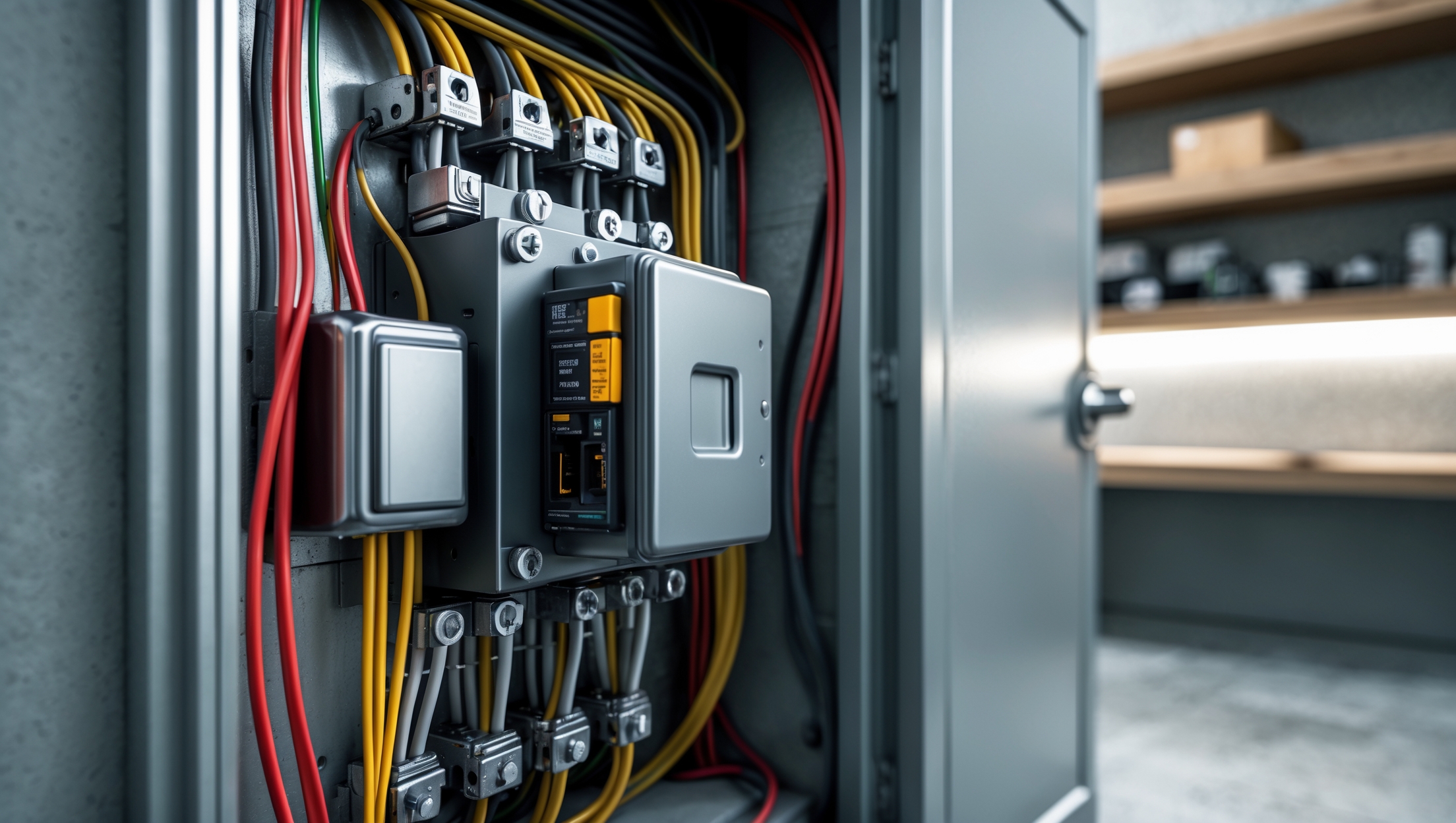
Introduction: Why Every Home Needs a Whole-House Surge Protector
Modern homes are filled with sensitive electronics—computers, smart appliances, entertainment systems, HVAC units, and more. Yet, many homeowners don’t realize how vulnerable these investments are to damaging electrical surges. Lightning strikes, utility grid switching, and even large appliances cycling on and off can send voltage spikes through your home’s wiring, leading to costly and sometimes irreparable damage. Whole-house surge protectors (WHSPs) offer comprehensive defense, intercepting surges before they reach your appliances. Unlike plug-in surge strips, WHSPs protect every circuit and outlet, providing peace of mind across your entire home.
In this detailed, step-by-step tutorial, you’ll learn how to select, install, and maintain a whole-house surge protector. We’ll cover the essential tools and safety equipment, explain electrical panel compatibility, walk you through compliance considerations, and provide practical troubleshooting tips. Whether you’re a confident DIYer or simply want to understand the process before hiring a pro, this expert guide will help you safeguard your home’s electronics from unexpected power events.
Understanding Whole-House Surge Protectors
What Is a Whole-House Surge Protector?
A whole-house surge protector is a device installed at your main electrical panel. It intercepts and diverts excessive voltage from surges—whether from external sources like lightning or internal sources like large appliances—keeping your home’s wiring and electronics safe.
Types of Surge Protectors
- Type 1: Installed between the utility pole and your main breaker, usually by an electrician during new construction or major upgrades.
- Type 2: The most common for existing homes. Mounted at the main electrical panel, they protect every circuit in the home.
- Type 3: Point-of-use protectors (like surge strips) that supplement a whole-house protector but can’t replace it.
How Surge Protectors Work
Surge protectors use metal oxide varistors (MOVs) or similar components to detect voltage spikes. When a surge occurs, the device diverts excess voltage safely to ground, preventing it from reaching your home’s wiring and electronics.
Tools & Equipment: What You’ll Need
- UL-listed whole-house surge protector (Type 2)
- Flathead and Phillips screwdrivers
- Voltage tester or multimeter
- Drill with appropriate bits
- Wire stripper/cutter
- Needle-nose pliers
- Electrical tape
- Wire nuts (if needed)
- Conduit and fittings (if required by code)
- Safety glasses and insulated gloves
- Panel knockout tool (optional)
- Flashlight or headlamp (for panel visibility)
Choosing the Right Surge Protector
- UL 1449 4th Edition listing: Ensures the device meets stringent safety standards.
- Clamping voltage: Lower is better (ideally ≤400V).
- Nominal discharge current (In): Look for at least 10kA rating.
- Maximum surge current: 50kA or higher is typical for robust protection.
- Indicator lights or alarms: Useful for monitoring device status.
- Warranty: Some manufacturers offer warranties covering connected equipment.
Compliance, Permits, and Safety Considerations
Permitting and Code Compliance
Electrical work often requires a permit, even for surge protector installation. Check with your local building department—some jurisdictions allow homeowners to perform minor electrical upgrades, while others require licensed electricians.
- Confirm your local code allows DIY installation.
- Obtain any necessary permits before starting work.
- Ensure the surge protector is UL-listed and approved for your panel model.
- Follow National Electrical Code (NEC) Article 285 requirements for surge protective devices.
Safety Checklist
- Shut off the main breaker before working inside the panel.
- Verify power is off using a voltage tester on multiple circuits.
- Wear insulated gloves and safety glasses.
- Keep the work area dry and well-lit.
- Never touch the neutral or ground bars with bare hands.
- If unsure, consult a licensed electrician.
Step-by-Step Installation Tutorial
Step 1: Preparation and Planning
- Read the surge protector’s instructions carefully.
- Locate your main electrical panel (typically in a utility room, basement, or garage).
- Clear the workspace and keep tools within reach.
- Identify two adjacent breaker slots for wiring (consult device requirements).
Step 2: Power Down Safely
- Switch off all sensitive electronics and unplug major appliances.
- Turn off the main breaker to cut power to the entire panel.
- Confirm with a voltage tester that all circuits are de-energized.
Step 3: Open the Panel and Select a Mounting Location
- Remove the panel cover using a screwdriver.
- Identify a knockout close to the breaker slots you’ll use. Avoid areas near water pipes or where clearance is tight.
- If required, use a panel knockout tool to remove the metal slug.
Step 4: Mount the Surge Protector
- Feed the device’s wires through the knockout opening.
- Secure the surge protector to the panel (some mount externally, others internally).
- Follow manufacturer torque specifications for mounting screws.
Step 5: Wire the Device
- Connect the black (hot) and red (hot) wires to a double-pole 240V breaker (or two adjacent single-pole breakers, as specified).
- Connect the white (neutral) wire to the neutral bar.
- Connect the green (ground) wire to the ground bar.
- Keep wire runs as short and straight as possible for best protection (ideally under 18 inches).
- Use wire nuts and electrical tape to secure connections, if required.
Step 6: Final Checks and Reassembly
- Double-check all connections for tightness and correct placement.
- Inspect for stray wire strands or loose hardware.
- Reinstall the panel cover, ensuring the surge protector’s indicator light or window is visible (if installed externally).
Step 7: Restore Power and Test
- Turn on the main breaker.
- Switch on the surge protector’s breaker.
- Check the device’s indicator light or status display. A green or lit indicator usually means protection is active.
- Plug in and power on sensitive electronics one by one, confirming normal operation.
Maintenance Best Practices
Regular Visual Inspections
- Check the surge protector’s indicator light monthly. If the light is off or red, replace the device.
- Inspect for signs of overheating, corrosion, or melted plastic around the device and breakers.
Testing Procedures
- Some models have a test button—activate it per manufacturer instructions.
- Verify that status indicators respond appropriately to testing.
Replacement Guidelines
- Whole-house surge protectors are sacrificial—they absorb surges and eventually wear out.
- Replace after a major lightning strike, or every 5-10 years as recommended by the manufacturer.
- Retain proof of purchase and any warranty documentation.
Troubleshooting Common Issues
Indicator Light Is Off
- Check that the breaker is switched on.
- Confirm wiring connections are secure.
- If the light remains off, the device may need replacement.
Power Loss to Circuits
- Ensure the surge protector is not wired in series with critical circuits.
- Verify breaker placement and fit.
Tripped Breakers
- If the surge protector trips a breaker, check for short circuits or installation errors.
- Consult the manufacturer’s troubleshooting guide or contact an electrician if unsure.
Cost Breakdown and Budgeting Tips
- Surge protector device: $75–$350, depending on brand and features.
- Permit fees: $25–$100 (varies by location).
- Tools and materials: Most homeowners already have basic tools; budget $20–$60 for wire, conduit, or extras.
- Professional installation (optional): $150–$400 labor.
DIY installation is cost-effective if you’re comfortable with basic electrical work and compliance. Always factor in safety and code requirements before deciding.
Additional Tips for Maximum Protection
- Supplement a whole-house surge protector with high-quality point-of-use protectors for sensitive electronics.
- Ensure your home’s grounding system is up to code; poor grounding reduces surge protection effectiveness.
- Consider adding surge protection for cable, telephone, and data lines entering the home.
- Keep a record of installation, maintenance, and any surge events for insurance purposes.
Conclusion: Peace of Mind Through Surge Protection
Investing in a whole-house surge protector is one of the most cost-effective ways to safeguard your home’s electronics and electrical system. With more devices relying on delicate circuit boards and microprocessors, a single surge event can cause thousands of dollars in damage. This step-by-step guide has demystified the installation process, from selecting the right device and securing permits to wiring and maintenance. By following these instructions, you’ll not only protect your appliances and data but also gain confidence in your home’s overall safety and resilience.
Remember, safety is paramount. If you’re unsure about any step—especially when working inside your electrical panel—don’t hesitate to consult a licensed electrician. For many homeowners, the investment in professional installation is well worth the added peace of mind. Regardless of who performs the work, regular inspections and prompt replacement after major surges will ensure your protection remains active for years to come.
In an age when we depend on electronics for daily life, whole-house surge protection is no longer a luxury—it’s a necessity. Take action today to protect your home from the unpredictable and enjoy the security that comes from a well-defended electrical system.
I’m interested in installing a whole-house surge protector myself, but I’m worried about whether my current panel is compatible. Are there any specific signs or features I should look for on my electrical panel before buying a surge protector?
Before purchasing a whole-house surge protector, check your electrical panel for available breaker spaces, as most surge protectors need a dedicated double-pole breaker. Look for the panel’s amperage rating, which should match the protector’s requirements. Also, verify that your panel isn’t outdated or showing signs of wear, like rust or burn marks. If the panel is labeled with brands, try to match your surge protector to ensure proper fit.
You mention compliance considerations in the guide. Are there specific codes or permits I need to be aware of when installing a type 2 surge protector myself? I want to make sure I’m not missing any important legal steps as a homeowner.
When installing a type 2 surge protector, you should be aware that the National Electrical Code (NEC), particularly Article 285, provides guidelines for surge protective devices. Local building codes may have additional requirements, and many areas require permits and inspection for electrical work. If you’re not a licensed electrician, some jurisdictions restrict homeowners from doing this installation themselves. It’s a good idea to check with your local permitting office before starting to ensure you’re fully compliant.
You mention that whole-house surge protectors help against voltage spikes from appliances cycling on and off. Does this mean I can skip using additional surge strips for things like my computer and TV, or is it safer to combine both?
A whole-house surge protector does a great job shielding your home’s electrical system from large, external surges, like those caused by lightning or issues on the utility line. However, it’s still wise to use surge strips for sensitive electronics like your computer and TV. These strips provide an extra layer of protection against smaller, internal surges that can happen when appliances cycle on and off inside your home.
Can you explain more about how to determine if a home’s existing electrical panel is compatible with a type 2 whole-house surge protector? Are there specific features or panel models that homeowners should look for before purchasing?
To check if your electrical panel is compatible with a type 2 whole-house surge protector, look for open breaker slots since most surge protectors need a double-pole breaker connection. Also, your panel should support the correct voltage (typically 120/240V for homes). Brands like Square D, Siemens, and Eaton usually have compatible models, but always confirm your panel’s make and model. If you’re unsure, consulting your panel’s documentation or a licensed electrician is a good idea before purchasing.
I noticed the guide talks about protecting sensitive electronics from surges caused by both lightning and large appliances. Are there specific brands or features you recommend in a whole-house surge protector for homes that have a lot of smart devices or home automation systems?
For homes with many smart devices or home automation systems, it’s wise to choose a whole-house surge protector that offers a high surge current rating (at least 40,000 amps or higher), low clamping voltage (around 400V or less), and UL 1449 certification. Brands like Siemens, Eaton, Square D, and Leviton are trusted in the industry. Look for models with LED status indicators so you can easily monitor protection at a glance.
I’m interested in the DIY approach, but I’m a little concerned about electrical code compliance. Are there specific NEC requirements or permit considerations I should research before trying to install a Type 2 surge protector myself?
You’re right to consider code compliance. According to the National Electrical Code (NEC), a Type 2 surge protector must be installed at the service panel by following manufacturer instructions and ensuring proper grounding. In most areas, electrical work like this does require a permit, and some local codes mandate a licensed electrician for panel work. Always check with your local building department before starting, as requirements can vary.
I noticed the article said whole-house surge protectors help with surges from lightning and appliances cycling. Is there a noticeable difference in the level of protection or lifespan if my home is in a region with lots of thunderstorms versus a quieter area?
Yes, homes in regions with frequent thunderstorms face more intense and frequent power surges, especially from lightning strikes. This can lead to surge protectors working harder and possibly having a shorter lifespan compared to those in quieter areas. In high-risk regions, you might need to replace the surge protector more often, and it’s wise to check its indicator lights regularly to ensure it’s still functioning properly.
You mentioned that there are Type 1 and Type 2 surge protectors, with Type 2 being more common for existing homes. Is there a significant difference in protection levels or longevity between these two types, and how do I know which one I actually need?
Type 1 surge protectors are designed to handle direct lightning strikes and are installed before your main electrical panel, often where power enters your home. Type 2 protectors are installed at the panel and protect against surges from the utility or internal sources. For most existing homes, Type 2 is sufficient and commonly used. Both types offer strong protection, but Type 1 can be more robust for areas prone to lightning. Longevity is similar, but choose based on your home’s risk level and installation point.
If my home is in an area with frequent lightning storms, are there any extra maintenance steps or features I should consider beyond the standard installation described here to make sure the surge protector continues working reliably over time?
In areas with frequent lightning storms, it’s wise to check the surge protector’s status indicator regularly and schedule annual inspections by a qualified electrician. Consider choosing a surge protector rated for higher joule capacity for extra protection. Make sure grounding is always secure, as poor grounding can reduce effectiveness. Replacing the protector after a major lightning event or if there are any signs of damage is also recommended.
You mention both Type 1 and Type 2 surge protectors, but it sounds like Type 2 is the main choice for existing homes. Is there a noticeable difference in protection level, or would most people only need a Type 2 at the panel?
Type 2 surge protectors are indeed the standard choice for most existing homes because they’re designed to be installed at your main electrical panel and protect against the majority of surges coming from either inside or outside your house. Type 1 devices are usually installed before your main panel, often when building a new home or during a major service upgrade. For typical households, a quality Type 2 protector at the panel offers ample protection against everyday surges.
Could the installation of a whole-house surge protector affect sensitive electronics like medical devices or home automation systems differently than standard appliances? Are there any extra precautions I should take if I have those types of devices?
A whole-house surge protector is designed to protect all electronics, including sensitive devices like medical equipment or home automation systems, by limiting voltage spikes. However, for extra-sensitive devices, it’s wise to use individual surge protectors or uninterruptible power supplies (UPS) at the outlet as an added layer of protection. Also, consult the manufacturer’s guidelines for your medical devices to ensure compliance with their recommendations.
Could you explain how often a whole-house surge protector needs maintenance or replacement? I want to make sure this isn’t a set-it-and-forget-it solution, especially since my business can’t risk downtime with sensitive electronics.
A whole-house surge protector usually requires minimal maintenance, but it’s wise to check its status at least once or twice a year. Most models have indicator lights showing their operational status—if the light goes out or changes color, it’s time for replacement. Generally, these devices last anywhere from 3 to 5 years, but after a major power surge or lightning strike, replacement may be needed sooner. Regularly monitoring the indicator and scheduling professional inspections can help ensure your sensitive equipment remains protected.
The article says WHSPs protect every circuit and outlet, but I’m curious how they handle surges from big appliances cycling on and off inside the house. Are there specific features I should look for to make sure my sensitive electronics are fully covered?
Whole-house surge protectors (WHSPs) are designed to clamp down on voltage spikes from both external sources and from large appliances cycling on and off. To better protect sensitive electronics, look for WHSPs with a low clamping voltage (ideally 400V or less) and a high surge current rating. Some models also include filter features for extra protection against everyday electrical noise. You can also pair a WHSP with point-of-use protectors for delicate devices.
The article mentions that lightning strikes and utility switching can cause surges. If my home experiences frequent minor power fluctuations but rarely severe storms, would a whole-house surge protector still be recommended, or would plug-in strips be enough for my situation?
Even if your area rarely has severe storms, whole-house surge protectors can still help guard against everyday surges from utility switching or issues in the power grid. Plug-in strips protect individual devices but won’t cover everything in your home. If you want broader protection for appliances and systems hardwired into your electrical panel, a whole-house protector is a solid choice in addition to plug-in strips for sensitive electronics.
You talk about the difference between Type 1 and Type 2 whole-house surge protectors. For a typical older home, would upgrading to a Type 1 make more sense, or is sticking with a Type 2 usually sufficient for most households?
For most older homes, a Type 2 surge protector is usually sufficient, since these are designed to handle surges from inside the house and from the utility service. Type 1 protectors are installed before the main breaker and offer extra protection against external surges like lightning. If your area is especially prone to lightning or frequent power grid issues, upgrading to Type 1 could add peace of mind, but for standard protection, Type 2 is generally adequate.
The article discusses both Type 1 and Type 2 whole-house surge protectors. Which type would you recommend for a small business operating out of a residential property, and are there any unique considerations for protecting equipment like POS systems or security cameras?
For a small business in a residential setting, a Type 2 surge protector is usually enough since it installs at the main electrical panel and safeguards both your home and business equipment. However, since devices like POS systems and security cameras are sensitive, consider using plug-in surge protectors at their outlets for added protection. If your property receives power directly from utility lines without a main disconnect, upgrading to a Type 1 device can offer extra security against external surges like lightning.
When installing a whole-house surge protector at the main panel, does it matter if the panel is a subpanel rather than the main service panel? Are there any code issues or extra steps to consider in that case?
If you’re installing a surge protector at a subpanel instead of the main service panel, it’s important to know that surge protection is most effective when installed at the main panel where power enters the house. If installed at a subpanel, protection is limited to circuits fed by that panel. For code compliance, ensure the subpanel has a proper ground and neutral separation, and follow manufacturer instructions. Local codes may have specific requirements, so checking with your local inspector is a good idea.
The article mentions both Type 1 and Type 2 surge protectors. How do I decide which type is the best fit for my home, and is there any significant difference in protection or cost between the two?
Type 1 surge protectors are installed before your main breaker, usually at the meter, and guard against external surges like lightning strikes. Type 2 units are installed at your main electrical panel and mainly protect against surges originating inside your home. For most homes, a Type 2 protector is sufficient and more affordable, but if you live in an area prone to lightning or want maximum protection, you can use both. Type 1 units generally cost a bit more due to their broader coverage.
Can you clarify what kind of maintenance a whole-house surge protector actually needs after installation? The article mentions maintaining the unit, so I’m wondering if this is something a homeowner can handle or if it requires professional service over time.
A whole-house surge protector generally needs only minimal maintenance after installation. Homeowners can periodically check the indicator lights on the unit to make sure it’s still functioning properly. If the indicator shows a problem or if there’s been a major power surge, the device may need to be replaced. Actual servicing or replacement should be handled by a qualified electrician, but routine visual checks can be done by the homeowner.
I get that whole-house surge protectors safeguard all my electronics, but I’m wondering about the cost. What should a typical homeowner expect to spend if they do the installation themselves versus hiring a professional electrician?
For a DIY installation, you can expect to spend between $70 and $200 for a quality whole-house surge protector. If you hire a licensed electrician, the total cost—parts plus labor—typically ranges from $300 to $600. Professional installation ensures proper setup and may be required to maintain your home’s electrical warranty or insurance coverage.
I see that the tutorial covers both selection and installation. For someone who isn’t very experienced with electrical projects, what safety risks should I be most aware of when installing a surge protector myself versus hiring a professional?
When installing a whole-house surge protector, the main safety risks include exposure to live electrical wires, improper grounding, and the potential for electrical shock or fire. Working inside your main electrical panel can be very dangerous without proper training. If you’re unfamiliar with electrical systems or feel unsure, it’s safest to hire a licensed electrician. They have the expertise and equipment to handle the work safely and ensure the installation meets code requirements.
If I’m thinking about hiring a professional instead of attempting this myself, can you give a ballpark estimate of how much installation typically costs, including the unit and labor? I want to make sure this fits in our family budget.
For a professional installation of a whole-house surge protector, including the cost of the unit and labor, you can generally expect to pay between $300 and $700. The price varies based on your home’s electrical setup and local rates. The surge protector itself usually ranges from $100 to $300, with labor making up the rest. It’s a good idea to get a few quotes from licensed electricians in your area to get a more precise estimate.
If hiring an electrician isn’t in the budget right now, how risky is it for a DIYer with basic wiring experience to install a whole-house surge protector, especially when it comes to compliance and safety regulations?
Installing a whole-house surge protector does involve working inside your main electrical panel, which can be risky if you’re not completely comfortable with electrical work. Even with basic wiring experience, there’s a real danger of electric shock or causing a fault. Compliance with local codes and ensuring proper grounding are also critical. If you decide to proceed, make sure to turn off the main power, follow the manufacturer’s instructions closely, and check your area’s code requirements. When in doubt, consulting a professional is always the safest option.
Could you clarify how often a whole-house surge protector needs to be replaced or checked for wear? I’d like to know how to maintain the system effectively after installation.
A whole-house surge protector should be visually inspected at least once a year to check for warning indicators, such as lights showing failure or damage. Most units last between 3 to 5 years, but replacement may be needed sooner if your home experiences a major surge or lightning strike. Regularly check the status lights and consult your protector’s manual for specific maintenance guidelines.
If my business experiences frequent power fluctuations, will a whole-house surge protector help prevent expensive equipment failures, or are there scenarios where I’d still need additional protection for critical devices?
A whole-house surge protector provides a strong first line of defense against large surges, like those from lightning or utility grid issues. However, for valuable or sensitive equipment, especially in a business with frequent power fluctuations, it’s wise to add point-of-use surge protectors or uninterruptible power supplies (UPS) for extra protection. These can help handle smaller surges or voltage variations that a whole-house unit might not fully address.
I’m planning on tackling this as a DIY project, but I’m a little worried about making sure everything is up to code. What are some common compliance mistakes homeowners make when installing a whole-house surge protector themselves?
Some common compliance mistakes include not turning off the main power before installation, using the wrong gauge of wire, failing to bond the surge protector properly to the panel, and neglecting to install the device as close as possible to the main breaker to minimize lead length. Also, skipping permits or inspections can create code issues. Always check your local codes and consider having your work inspected for safety.
How often do whole-house surge protectors need maintenance or replacement to stay effective, and are there any warning signs I should watch for that suggest it’s time to check or change the device?
Whole-house surge protectors typically last about 5 to 10 years, but their lifespan can vary depending on the number and severity of power surges they absorb. It’s a good idea to check the indicator light on your device regularly—if it goes off or changes color, the protector may no longer be providing protection and should be replaced. Also, after a major lightning strike or power surge, inspect the unit or consult an electrician to make sure it’s still functioning properly.
If a large appliance cycling on and off can cause surges, would adding a whole-house protector help extend the life of my HVAC and fridge? I’m wondering if that makes a noticeable difference over just using plug-in strips for our electronics.
Installing a whole-house surge protector can definitely help shield your HVAC and fridge from voltage spikes, especially those caused by large appliances cycling on and off. Unlike plug-in strips, which only protect devices plugged directly into them, a whole-house protector safeguards all appliances and systems throughout your home. This broader protection can contribute to the longevity of your HVAC and fridge by reducing stress from electrical surges.
You mentioned that lightning strikes and grid switching can cause surges—how effective are these protectors against surges that actually originate inside the home, like when large appliances cycle? Are there certain brands or features that work better for internal surges?
Whole-house surge protectors do help reduce surges caused by large appliances cycling on and off, though their main purpose is to defend against external surges. For better protection from internal surges, look for a protector with a low clamping voltage and fast response time. Some brands also offer units with enhanced filtering or complementary point-of-use surge protectors for sensitive electronics.
When it comes to DIY installation, how difficult is it really for someone with basic electrical skills? Are there any common mistakes that homeowners make during the process that I should watch out for?
For someone with basic electrical skills, installing a whole-house surge protector is manageable but does require caution, since it involves working inside your main electrical panel. Common mistakes to watch out for include not fully shutting off power before starting, using incorrect breaker sizes, poor grounding, and loose connections. Double-check all wiring, ensure a solid ground, and always follow the manufacturer’s instructions for safety.
How much time should I expect to set aside for installing a whole-house surge protector myself, assuming I have basic DIY skills but have never worked inside an electrical panel before? Are there any parts of the process that usually take longer than people think?
If you have basic DIY skills but no experience inside an electrical panel, you should plan for about 2 to 3 hours to install a whole-house surge protector. This allows time for carefully shutting off power, removing the panel cover, identifying the right breaker slots, and double-checking connections. Many people find that identifying the correct breakers and neatly routing wires can take longer than expected, so be patient and prioritize safety.
You mention compliance considerations in the installation process. Are there specific electrical codes or permits I should be aware of before I start working on my main panel, or is it usually legal for a homeowner to install one of these themselves?
Electrical codes and permit requirements vary depending on your local jurisdiction. In many areas, installing a whole-house surge protector requires an electrical permit and sometimes must be performed by a licensed electrician. It’s important to check with your local building or electrical authority before starting the installation. This ensures you meet all safety standards and legal requirements for working on your main panel.
When installing a surge protector at the main panel, do I need to shut off power to the entire house, or just the breakers connected to the panel? I’ve never worked inside an electrical panel before and want to be extra cautious about safety.
For your safety, it’s best to shut off power to the entire house at the main breaker before working inside the electrical panel. This helps ensure all circuits are de-energized. Even with individual breakers off, parts of the panel can still carry dangerous voltage. If you’re inexperienced, consider hiring a licensed electrician to handle the installation safely.
I noticed the article mentions compliance considerations during installation. Are there specific codes or permits a DIY homeowner should be aware of before attempting to install a Type 2 whole-house surge protector themselves?
Yes, installing a Type 2 whole-house surge protector often falls under local electrical codes, which can vary by region. Many areas require such work to be performed by a licensed electrician, and a permit may be needed because the installation involves your main electrical panel. Before starting, contact your local building department to check code requirements and whether a permit or inspection is necessary.
I noticed you mentioned compliance considerations during installation. Are there specific permits or inspections I should be aware of if I plan to install a type 2 surge protector myself in my home office?
When installing a type 2 whole-house surge protector, you may need to comply with local electrical codes, which often require a permit for work on the main electrical panel. In many areas, a licensed electrician must do the installation, and an inspection is required afterward. It’s a good idea to check with your local building department to confirm the exact requirements before starting.
For homeowners who want to attempt this installation themselves, what are the main safety precautions and code compliance factors to double-check before starting, especially for those living in areas prone to frequent lightning storms?
Before starting, shut off power at the main breaker and confirm it’s off with a voltage tester. Wear insulated gloves and eye protection. Make sure your surge protector is UL listed and rated for your home’s service panel. Check local electrical codes—permits or inspections may be required. In lightning-prone areas, ensure all grounding connections are secure and meet code, as a proper ground is critical for safety and function. If in doubt about any step, consult a licensed electrician.
I’m interested in installing a Type 2 surge protector, as mentioned for existing homes. Is this something a DIYer with basic electrical knowledge could realistically accomplish in an afternoon, or does it usually require professional help?
Installing a Type 2 surge protector at your main service panel does require working directly with your home’s electrical system, which can be hazardous. While someone with solid electrical knowledge and experience might complete the job in an afternoon, it’s essential to be comfortable shutting off the main power, following electrical codes, and safely connecting to breaker terminals. If you’re at all uncertain, it’s safest to hire a licensed electrician to ensure proper installation and safety.
If I already use surge strips for my TV and computer, is it really necessary to get a whole-house surge protector as well, or would that be overkill? Are there certain appliances that benefit the most from the whole-house type?
Surge strips do protect your TV and computer, but a whole-house surge protector adds another layer of defense for your entire electrical system, including appliances that can’t use surge strips, like your refrigerator, HVAC, washer, or stove. Those large appliances are more vulnerable to major surges, especially from lightning. So, while it’s not strictly necessary, a whole-house protector offers broader protection and peace of mind.
You mention that Type 1 surge protectors are typically installed during new construction or major upgrades. Is it possible to retrofit a Type 1 protector in an older home, or would that require significant changes to the existing electrical service?
Yes, you can retrofit a Type 1 surge protector in an older home; it doesn’t always require major changes. However, installation must happen at the main service panel, and your electrical system needs to have enough space and proper configuration for the device. A licensed electrician can assess your panel and make any minor modifications if necessary. Often, the process is straightforward, but some older panels may need upgrades to accommodate the protector safely.
Could you clarify if a Type 1 whole-house surge protector offers more protection than a Type 2 for an older home, or would upgrading to a Type 2 at the main panel be sufficient for most small businesses running sensitive equipment?
A Type 1 surge protector is installed before the main service panel and guards against external surges from the utility grid, providing the highest level of protection. Type 2 units, installed at the main panel, are more common and protect against internal surges. For most small businesses with sensitive equipment, a high-quality Type 2 surge protector at the main panel is typically sufficient. However, if your area is prone to frequent utility surges or lightning strikes, combining both Type 1 and Type 2 can offer layered protection.