

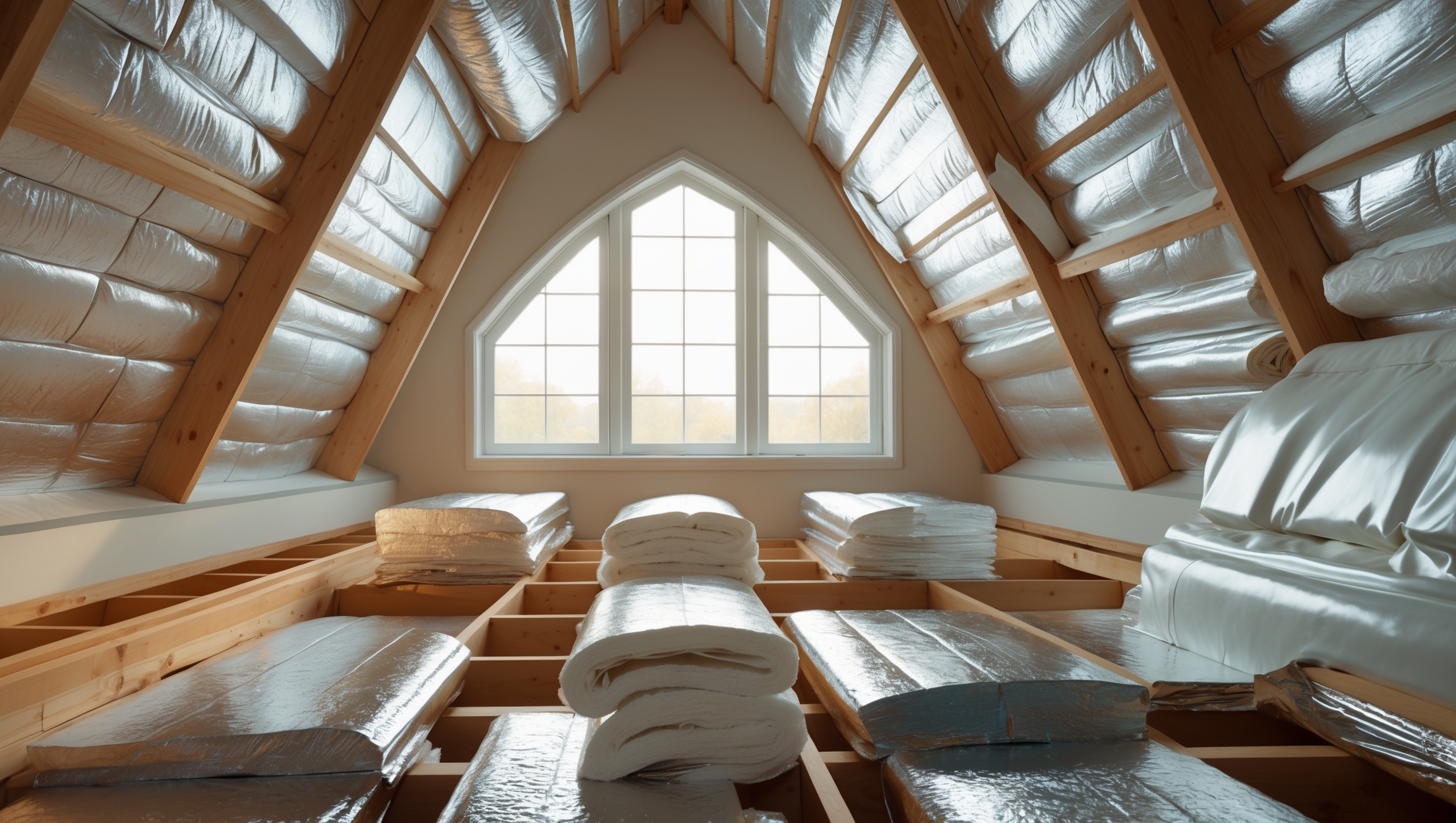
Introduction: Why Home Insulation Myths Persist
Home insulation is one of the most important—and misunderstood—elements of a comfortable and energy-efficient house. Whether you’re planning an upgrade, tackling a renovation, or moving into an older home, you’ve likely encountered conflicting advice about insulation. Some homeowners swear by a certain material, while others warn against common installation techniques. With so many myths and half-truths circulating online, in hardware stores, and even among contractors, it can be hard to separate fact from fiction.
Improper insulation choices lead to higher utility bills, uncomfortable indoor climates, and costly retrofits. Yet, many insulation myths persist because they’re based on outdated information or misinterpretations of how insulation works. In this definitive guide, we’ll debunk the most persistent myths about home insulation. Our goal is to arm you with practical, evidence-based knowledge—so you can make smart, cost-effective decisions for your home’s comfort and efficiency.
Myth 1: “The Higher the R-Value, the Better the Insulation”
Understanding R-Value and Its Limitations
R-value measures a material’s resistance to heat flow. It’s true that a higher R-value means greater insulating power—but only if the insulation is installed correctly and in the right context. Many homeowners believe simply stacking or doubling up insulation will exponentially improve performance. In reality, R-value is just one factor in your home’s overall thermal envelope.
- Different climates require different R-values. For example, attics in northern states need higher R-values than those in mild southern climates.
- Gaps, compression, and poor installation reduce effective R-value. Even the best insulation underperforms if it’s squished, damp, or full of gaps.
- Other factors matter. Air sealing, window quality, and ventilation all impact your home’s efficiency as much as insulation thickness or rating.
Best Practice:
Match your insulation R-value to your local building codes and climate zone. Prioritize professional installation or follow manufacturer instructions meticulously if you DIY. Focus on a holistic approach, including air sealing.
Myth 2: “New Homes Don’t Need Additional Insulation”
Many buyers assume that because new homes are built to code, their insulation is already optimized. Unfortunately, building codes set a minimum standard, not the best possible performance. Even brand-new homes may benefit from additional insulation, especially in attics and basements, or if you have specific comfort or energy-saving goals.
- Code minimums may not reflect best practices. Codes often lag behind current energy efficiency standards.
- Construction shortcuts happen. Insulation can be poorly installed or omitted in hidden areas, even in new builds.
- Energy costs are rising. Investing in more insulation pays off faster than ever before.
Best Practice:
Get a home energy audit after moving in. Use an infrared camera or blower door test to identify weak spots. Consider upgrading insulation in key areas, even if your home is new.
Myth 3: “Spray Foam Is Always the Best Choice”
Spray foam insulation (open- and closed-cell varieties) has won a loyal following for its air-sealing and high R-value properties. But it’s not always the best or most cost-effective choice for every application.
- Not always necessary for every area. Spray foam excels in hard-to-reach gaps and irregular spaces. For standard walls or attics, batt or blown-in insulation may suffice.
- Higher upfront cost. Spray foam is significantly more expensive than traditional options like fiberglass or cellulose.
- Potential for installation errors. Improper application can cause moisture problems, off-gassing, or even structural issues.
- Not all homes need air-barrier insulation. In some climates, breathability is important to prevent trapped moisture.
Best Practice:
Consult with a specialist to determine the right insulation for each area of your home. Use spray foam strategically—such as rim joists, crawl spaces, or around penetrations—rather than as a blanket solution.
Myth 4: “Insulation Only Matters in Winter Months”
While insulation keeps your home warm in winter, it’s equally important in the summer. Good insulation slows heat from entering during hot months, reducing air conditioning costs and keeping your home comfortable.
- Reduces heat gain as well as heat loss. Insulation acts as a thermal barrier in both directions.
- Mitigates temperature swings. Homes with consistent insulation are less prone to uncomfortable temperature fluctuations.
- Protects against moisture and mold. Insulation helps prevent condensation, which is common when cool indoor air meets hot, humid outdoor air.
Best Practice:
Evaluate insulation needs year-round. Make improvements before peak seasons—late spring for summer heat, and early fall for winter cold.
Myth 5: “You Can’t Over-Insulate a House”
It’s tempting to add as much insulation as possible, but there’s a point of diminishing returns. Too much insulation can cause problems, particularly if it interferes with your home’s ability to breathe or traps moisture.
- Vapor barriers are critical. Trapping moisture inside wall cavities can lead to rot and mold growth.
- Ventilation is essential. Over-insulating without proper ventilation can degrade indoor air quality and comfort.
- Added weight matters in some spaces. Excess insulation in attics can stress ceiling joists or compress batts, lowering their effectiveness.
Best Practice:
More is not always better. Follow recommended R-values for your region and ensure proper ventilation. Seek expert advice if you’re unsure whether to add more insulation.
Myth 6: “All Insulation Materials Are the Same”
Insulation comes in many forms—fiberglass, cellulose, mineral wool, foam board, spray foam, and more. Each has advantages and drawbacks depending on where and how it’s used.
- Fiberglass batts are affordable and widely available, but can lose effectiveness if not fitted tightly.
- Cellulose is eco-friendly and good at filling irregular spaces, but may settle over time and can absorb moisture.
- Mineral wool is fire-resistant and sound-dampening, but typically costs more.
- Foam products provide higher R-values per inch, but cost more and require professional installation.
Best Practice:
Choose insulation based on your specific needs: climate, budget, space constraints, and any special concerns like fire resistance or soundproofing.
Myth 7: “Insulation Is a One-Time Install—Set It and Forget It”
Insulation performance can degrade over time due to settling, moisture, pest activity, or physical damage. Regular inspections are crucial to ensure your insulation continues to perform at its best.
- Cellulose and loose-fill insulation can settle, reducing R-value.
- Moisture from roof leaks or plumbing can compromise any insulation type.
- Pests like rodents may nest in insulation, creating gaps and contamination.
Best Practice:
Inspect your attic, crawl spaces, and walls every 2–3 years or after major weather events. Replace or supplement insulation as needed. Address any sources of moisture or pest infestation promptly.
Myth 8: “DIY Insulation Is Always Cheaper and Just as Good”
Many homeowners successfully install insulation themselves, saving on labor costs. However, mistakes are common and can negate savings or lead to expensive repairs.
- Common DIY errors include: leaving gaps, compressing batts, blocking ventilation paths, or installing vapor barriers incorrectly.
- Specialty areas—like spray foam or dense-pack cellulose—require professional tools and expertise.
- Improper installation can void product warranties or violate building codes.
Best Practice:
DIY is an option for accessible attics and walls using batts or loose-fill. Always follow manufacturer instructions, wear protective gear, and check local codes. For complex or high-risk areas, hire a licensed pro.
Myth 9: “Insulation Works the Same Everywhere in the Home”
Different parts of your house have different insulation needs. What works in the attic may not be suitable for basement walls or crawl spaces.
- Attics benefit from bulk insulation like batts or blown-in.
- Basement walls may require rigid foam to prevent moisture intrusion.
- Crawl spaces often need insulation on walls, not floors, to control humidity.
- Exterior walls may need a combination of cavity and continuous insulation for best results.
Best Practice:
Assess each area of your home independently. Use the right insulation type and method for each zone’s unique challenges.
Myth 10: “Vapor Barriers and Insulation Are the Same Thing”
Vapor barriers and insulation serve different purposes but are often confused. Insulation slows heat transfer; vapor barriers stop moisture from migrating through walls and ceilings. Both are important, but using them incorrectly can cause moisture problems and reduce insulation effectiveness.
- Climate matters: In cold areas, vapor barriers usually go on the interior; in warm, humid areas, they go on the exterior or may not be needed at all.
- Improper placement can trap moisture inside wall cavities.
Best Practice:
Follow building code recommendations for vapor barrier placement in your climate. Never substitute vapor barriers for insulation or vice versa, and avoid double vapor barriers.
Key Steps to Making Smart Insulation Choices
1. Schedule an Energy Audit
An energy audit identifies weak spots in your home’s thermal envelope. Use infrared cameras, blower door tests, and professional assessments to target your efforts.
2. Match Insulation Types to Each Area
Select insulation products based on the location and its unique needs—attic, walls, basement, crawl space, or rim joists. Don’t assume one material fits all.
3. Prioritize Air Sealing
Gaps, cracks, and penetrations can undermine even the best insulation. Use caulk, spray foam, and weatherstripping to create a tight building envelope before adding insulation.
4. Follow Local Codes and Best Practices
Building codes exist for a reason. They protect your home from mold, fire, and energy waste. Always check requirements before starting a project.
5. Maintain and Inspect Regularly
Plan to revisit your insulation every few years. Look for signs of settling, moisture, or pest damage, and correct issues promptly.
Conclusion: Make Informed Insulation Decisions
Believing insulation myths can cost you money, comfort, and even the longevity of your home. From the misconception that “more is always better” to the idea that all materials perform the same, these persistent myths often lead homeowners astray. The truth is that insulation is a nuanced subject requiring attention to climate, location, installation technique, and ongoing maintenance.
By understanding the facts—and debunking the myths—you empower yourself to make smart, cost-effective decisions. Insulation is not just about stuffing your attic or walls with the latest material; it’s about creating a cohesive, efficient barrier that keeps your home comfortable year-round. This means considering air sealing, vapor management, ventilation, and proper installation as part of the overall solution.
Whether you’re planning a new build, upgrading an old home, or simply curious about your energy bills, take the time to research, consult with experts, and inspect your existing insulation. The payoff is lower utility bills, a healthier indoor environment, and a more resilient home. Don’t let outdated advice or hearsay dictate your next project—invest in knowledge, and your home will thank you for years to come.
You touched on how different climates require different R-values for attics, especially between northern and southern states. Could you clarify how homeowners can determine the optimal R-value for their specific region and if local building codes are always reliable in setting those standards?
To find the right attic R-value for your region, start by checking guidance from the Department of Energy, which provides recommended R-values based on climate zones. While local building codes are a good baseline, they may not always reflect the latest efficiency recommendations. It’s wise to exceed minimum code if possible for better comfort and energy savings. Consulting a local insulation professional can also help tailor the solution to your home.
Since window quality and air sealing seem to matter as much as insulation’s R-value, what would be the more cost-effective priority for an older home on a tight budget—upgrading insulation or sealing windows and gaps first?
For an older home with a limited budget, sealing windows and gaps is typically the most cost-effective first step. Air leaks can let out a lot of heat or cool air, so addressing those can improve comfort and energy efficiency right away. Once those gaps are sealed, you can plan to upgrade insulation as your budget allows.
The article talks about matching R-values to specific climates. For homeowners in states with highly variable weather, like the Midwest, is it better to aim higher with R-values or focus on other upgrades like sealing and windows first?
In areas with highly variable weather, like the Midwest, it’s helpful to prioritize air sealing and upgrading windows before increasing insulation R-values beyond recommended levels. Proper sealing and quality windows prevent drafts and energy loss, making insulation more effective overall. Once your home is well-sealed, you can consider higher R-values, but it’s often most cost-effective to address leaks and windows first.
I noticed different climates require different R-values in insulation. If I’m planning a renovation in a state with a milder climate, how do I determine what R-value is actually appropriate, and is there a risk in going too high or too low?
To determine the right R-value for your renovation in a milder climate, check your local building codes or the Department of Energy’s regional guidelines, which recommend minimum R-values by climate zone. Using insulation with too low an R-value can reduce comfort and efficiency, while excessively high R-values may add unnecessary cost with little added benefit. Choosing an R-value that meets or slightly exceeds local recommendations is typically the best balance.
You mention that poor installation can make even the best insulation underperform. As a small business owner trying to renovate my shop, how do I ensure contractors install insulation properly so I’m not wasting money on high R-value products?
To make sure your insulation is installed correctly, ask contractors about their experience and whether they’re certified for insulation work. Request references from past projects, and if possible, visit a completed job. Review the manufacturer’s installation guidelines and confirm your contractor will follow them. Finally, inspect the work before payment—look for gaps, compressed insulation, and proper sealing around edges, which are all signs of a good installation.
The article mentions that different climates need different R-values. Is there an easy way to find out the recommended R-value for attics or walls in a specific region, or is it best to consult with a local contractor every time?
You don’t always need to consult a contractor just to find recommended R-values. The Department of Energy and many local utility companies provide regional R-value guidelines based on climate zones. A quick online search for your ZIP code and ‘recommended attic R-value’ should give you reliable numbers. For unique situations or older homes, though, a local contractor can offer more tailored advice.
Based on your point about outdated insulation myths, how can homeowners on a limited budget identify which upgrades will actually have the most impact on comfort and efficiency, especially if the current insulation is old but not obviously damaged?
Homeowners with a tight budget can start by targeting areas where insulation tends to matter most, like attics and accessible crawl spaces. A professional energy audit is a cost-effective way to identify spots where heat loss is greatest. Even without an audit, looking for drafts or uneven room temperatures can help prioritize where upgrades will have the biggest effect on comfort and efficiency. Focus on adding insulation where it’s thinnest or missing, rather than replacing everything.
You mentioned that doubling up insulation doesn’t necessarily double the benefits if there are gaps or it’s compressed. How can I check if my existing insulation has these issues, especially in an older home, without tearing everything out?
You can inspect your insulation by accessing your attic or crawl spaces and looking for areas where insulation is flattened, has gaps, or doesn’t fully cover the surfaces. If you notice exposed joists or uneven coverage, those are signs of issues. A thermal camera or an infrared thermometer can also help you spot cold spots in your walls or ceilings, indicating possible gaps without major disruption.
You mention that gaps, moisture, and compression can reduce the effectiveness of insulation no matter the R-value. How can a homeowner check for these issues themselves, or should we always hire a professional for an inspection?
Homeowners can do a basic check themselves by looking for visible gaps or compressed insulation in attics or crawl spaces and feeling for drafts around walls, windows, and outlets. Signs of moisture include discoloration, mold, or a musty smell. If you spot any of these issues or aren’t sure, it’s wise to get a professional assessment for a thorough inspection and recommendations.
Since gaps and compression can make insulation much less effective, is it usually a better investment to upgrade insulation material or to focus first on improving air sealing and fixing any obvious installation problems in an older home?
In an older home, it’s generally more effective to start by improving air sealing and fixing any obvious installation issues before upgrading insulation material. Gaps, compression, and poor installation can drastically reduce the performance of even top-quality insulation. Once the existing insulation is properly installed and air leakage is minimized, upgrading the material will deliver much better results.
You mentioned that different climates need different R-values for attics. How do I figure out what’s the right R-value for where I live, and is it possible to over-insulate a space and cause other problems?
To find the right R-value for your attic, check local building codes or energy guidelines, as they recommend specific R-values based on your climate zone. The Department of Energy also provides region-specific recommendations. Over-insulating can sometimes trap moisture or restrict ventilation, leading to mold or reduced air quality, so it’s important to follow the guidelines and ensure proper ventilation in your attic space.
For homes in southern states with milder climates, what would you recommend as a practical balance between R-value and ventilation? Would upgrading insulation thickness make a noticeable difference in comfort or energy bills, or are other upgrades more impactful?
In milder southern climates, a moderate R-value that meets local building codes is usually sufficient—going much higher may not yield significant savings. Proper ventilation remains important to prevent moisture issues. Sealing air leaks and ensuring attic ventilation often have a bigger impact on comfort and energy bills than simply adding more insulation. A balanced approach works best: adequate insulation, good air sealing, and efficient ventilation.
You mentioned that poor installation can make even high R-value insulation underperform. How can a homeowner verify that insulation was installed correctly, especially in hard-to-reach places like attics or crawl spaces?
To verify insulation was properly installed, check for even coverage with no gaps, compression, or voids. In hard-to-reach areas, use a flashlight and mirror, or hire a professional for an inspection. Infrared cameras can also reveal cold spots that indicate poor installation. Always ensure vents and electrical fixtures aren’t blocked and that insulation fits snugly around obstacles.
The article mentions that doubling up insulation doesn’t always mean double the performance because of issues like gaps and compression. How can you tell if the insulation in your walls or attic is actually underperforming due to poor installation instead of just a low R-value?
To check if your insulation is underperforming due to poor installation, look for signs like uneven room temperatures, drafts, higher-than-expected energy bills, or cold spots on walls or ceilings. In the attic, inspect for visible gaps, compressed areas, or insulation that’s pulled away from joists. Thermal imaging cameras can also reveal spots where heat is escaping, helping you identify problem areas caused by installation rather than just low R-value.
I noticed the article stresses that R-value isn’t everything, especially if the insulation is compressed or installed poorly. How can a homeowner check if their existing insulation is actually performing up to its rated R-value, especially in older homes?
To assess if your insulation is performing as it should, start by inspecting for signs of compression, gaps, or areas where the insulation looks uneven or thin. In attics, the insulation should be fluffy and uniformly cover the area without being squashed. You might also notice drafts or uneven temperatures in your home, which can signal poor insulation. For a more thorough check, consider hiring a professional energy auditor to perform a thermal imaging scan or blower door test. These tools can pinpoint weak spots and help you determine if upgrades or repairs are needed.
If I’m located in the southern US, the article suggests I might not need as high an R-value as in the north. Could you explain how to figure out the right R-value for my specific climate zone and if there’s a downside to going higher than recommended?
To find the right R-value, check your local climate zone—usually zones 1–3 for the southern US—and refer to Department of Energy guidelines, which recommend lower R-values than colder regions. Using insulation with a much higher R-value than recommended can be costlier and sometimes unnecessary, as the added benefit may not justify the expense or effort in your climate.
The article mentions that different climates require different R-values for attics. Where can I find reliable recommendations for my specific region, and are there common mistakes people make when choosing the right R-value for their area?
You can find reliable R-value recommendations for your region from the U.S. Department of Energy or your local building authority. When choosing the right R-value, a common mistake is not accounting for both your climate zone and the type of insulation material. Some people also overlook local building codes, so double-check those before starting your project.
You talked about how R-value needs to be matched to your climate zone. Is there a resource or recommendation for finding the ideal R-value for specific areas, especially if I live somewhere with big seasonal temperature swings?
To find the ideal R-value for your area, check recommendations from the Department of Energy, which organizes the United States into climate zones with suggested R-values for walls, attics, and floors. If you have wide seasonal swings, it’s usually best to follow the higher end of the range for both heating and cooling efficiency. Your local building code office can also provide area-specific guidance.
If I’m in an older home and not sure how the insulation was originally installed, what’s the best way to identify hidden air leaks or compression problems without doing a full renovation? Are there affordable ways to spot and address these trouble spots?
You can check for hidden air leaks in your older home with a few simple methods. On a windy day, hold a lit incense stick or a damp hand near windows, doors, outlets, and baseboards to spot drafts. For insulation compression, look in your attic for areas where insulation looks thin or uneven. Weatherstripping, caulking, or adding more insulation in accessible areas are affordable fixes that don’t require a major renovation.
I had no idea that air sealing and window quality are just as important as insulation R-value. If I already have older windows, does it make sense to invest in better insulation first, or would upgrading windows have a bigger impact on my home’s comfort?
Upgrading your insulation can help, but older windows often let in drafts that insulation alone can’t fix. If your windows are especially drafty or single-pane, replacing or sealing them may have a more noticeable impact on comfort. Ideally, improving both will give the best results, but if you have to choose, start by addressing the biggest source of drafts or energy loss in your home.
If I’m planning a renovation on a fairly old home, what’s the best way to balance my budget with getting both the right insulation R-value and making sure things like air sealing and window quality aren’t neglected?
To balance your budget during a renovation, start by prioritizing improvements that give the most energy savings, like addressing air sealing, which often has a big impact for a modest cost. Next, focus on adding insulation to reach recommended R-values for your climate zone. If window replacement is too costly, consider weatherstripping and caulking to improve performance. This approach helps you maximize comfort and efficiency without overspending.
I’m renovating an older house and noticed some of the insulation is a bit compressed in certain spots. How much does that actually impact its performance, and should I replace squished insulation entirely or can it be fluffed up somehow?
Compressed insulation loses some of its effectiveness because it can’t trap as much air, which reduces its ability to slow heat transfer. If the compression is minor, you might gently fluff it back to its original thickness. However, if it’s badly squished or damaged, replacing that section is usually best for maintaining good insulation performance and energy efficiency.
I’m a little unsure about the part where you said different climates require different R-values. Is there an easy way for homeowners to find out what R-value is right for their specific region?
Absolutely, choosing the right R-value depends on your local climate. Homeowners can usually find recommended R-values for their area through resources like the Department of Energy or by checking with local building authorities. Many home improvement stores also provide region-specific guides. In general, colder climates need higher R-values for insulation, while milder climates require less.
You mention that doubling up insulation doesn’t necessarily double its effectiveness and that installation quality matters a lot. If I suspect my existing attic insulation was compressed or improperly installed, what are the best steps to check and fix this without replacing everything?
To check your attic insulation, first look for areas where the insulation appears thin, uneven, or tightly packed down, as these can reduce effectiveness. You can gently fluff or redistribute the insulation to restore its loft. Also, check for gaps or areas around fixtures that may need additional insulation. If you’re unsure, a professional energy audit can identify problem spots without needing a full replacement.
My house is in a warmer climate, and I always hear about high R-values being important. Based on what you explained, should I focus more on air sealing and windows rather than adding extra insulation, or does the type of insulation still matter a lot?
In warmer climates, air sealing and quality windows are indeed very important for keeping heat out and maintaining comfort. While some insulation is still necessary, you may not need extremely high R-values like in colder regions. Focus first on stopping air leaks and ensuring windows are efficient, then choose insulation appropriate for your climate—sometimes reflective or radiant barrier types work well in hot areas.
The article touches on issues like compression or dampness reducing insulation performance. If my utility bills are still high after adding insulation, what troubleshooting steps should I take to figure out if these kinds of problems are to blame?
Start by inspecting your insulation for signs of compression, gaps, or dampness—these can seriously lower its effectiveness. Check your attic and walls for wet spots or mold, and feel for cold drafts around windows, doors, and outlets. If you notice uneven temperatures or visible insulation issues, consider bringing in a professional for a thermal imaging scan. Addressing air leaks and moisture problems can make a big difference in lowering your energy bills.
If someone is on a tight budget and can’t afford to redo all their insulation, does focusing on air sealing provide a bigger efficiency boost than adding more insulation, or would you still prioritize topping up insulation first?
If you’re on a tight budget, focusing on air sealing often gives you a bigger efficiency improvement than adding more insulation. Gaps and cracks in your home let heated or cooled air escape quickly, making insulation less effective. By air sealing first, you maximize the performance of whatever insulation you already have, so it’s usually the smarter first step.
If gaps or compression can really reduce the effectiveness of insulation, what’s the best way to check if my current attic insulation is still working as intended, especially in an older home?
To check if your attic insulation is still effective, inspect for visible gaps, areas where insulation looks thin or flattened, and signs of moisture or drafts. In an older home, it’s also wise to measure the insulation depth and compare it to current recommendations. If you feel uneven temperatures or higher energy bills, those can be clues that your insulation may need attention.
The article says air sealing is as important as insulation quality. For someone on a tight budget, would you recommend prioritizing air sealing over upgrading to higher R-value insulation, or should both be done together for best results?
If you’re working with a limited budget, it’s usually more cost-effective to prioritize air sealing first. Air leaks can significantly reduce the effectiveness of any insulation, so sealing gaps and cracks helps your existing insulation perform better. Once major air leaks are addressed, you can consider upgrading insulation as your budget allows. Doing both together is ideal, but air sealing often gives you the best immediate return.
I noticed the article says different climates require different R-values. How should homeowners determine the right R-value for their region and are there specific resources or guidelines to follow for this?
Homeowners can find the recommended R-value for their region by checking guidelines from the U.S. Department of Energy, which provides climate zone maps and suggested insulation levels. It’s also helpful to consult local building codes or a professional contractor, as they can advise on regional requirements and any updates to standards based on your specific location.
You mention that doubling up on insulation doesn’t necessarily double the performance because of things like gaps or poor installation. How can a homeowner tell if their current insulation is actually installed correctly, especially in an older house?
To check if your insulation is properly installed, look for even coverage without any gaps, compression, or areas where insulation is missing—especially around pipes, wires, and corners. In older homes, uneven room temperatures or unusually high energy bills can also indicate problems. If you’re unsure, a professional energy audit or thermal imaging inspection can reveal hidden issues and help you decide if improvements are needed.
I’m planning to upgrade the insulation in my building, but I have a tight budget. If air sealing and proper installation are just as important as insulation thickness, should I prioritize professional air sealing over buying the highest R-value product available?
If you’re working with a tight budget, focusing on professional air sealing and ensuring proper installation can be more effective than simply choosing the highest R-value insulation. Air leaks can dramatically reduce the effectiveness of insulation, so sealing gaps and cracks first helps maximize comfort and efficiency. After air sealing, you can then select insulation with an appropriate R-value for your climate and budget.
Since you brought up the importance of air sealing and window quality alongside insulation, are there signs I should look for to tell if my drafty house issues are due to bad insulation versus problems with my windows or air leaks?
To figure out whether drafts are caused by poor insulation or window and air leaks, check for cold spots near windows and doors—feeling cool air or seeing moving curtains usually points to leaks. If walls or ceilings feel cold and drafts seem more general, insulation may be lacking. On windy days, run your hand along window frames and baseboards; noticeable airflow suggests air leaks. Addressing both insulation and air sealing often gives the best results.
You mentioned that different climates need different R-values. How do I figure out the recommended R-value for my specific area, and is it a problem if I go above that number?
To find the recommended R-value for your location, check guidelines from the Department of Energy or ask your local building authority, since recommendations depend on your climate zone. Going above the suggested R-value isn’t usually harmful, but after a certain point, adding more insulation gives diminishing returns and may not be worth the extra cost.
You note that different climates require different R-values for attics. Is there a resource or guideline that helps homeowners determine the ideal R-value based on their region, and how often do recommendations change with newer energy codes?
Homeowners can refer to the Department of Energy’s insulation guidelines, which provide recommended R-values by region and climate zone. These guidelines are updated periodically, usually every few years, as building codes and energy efficiency standards evolve. It’s a good idea to check with your local building department or energy office for the most current recommendations before starting any insulation project.
If we’re living in a southern state with a mild climate, how do we know what R-value is actually sufficient for our attic? Is there a guideline or chart to help avoid over-insulating and wasting money?
For southern states with mild climates, the Department of Energy recommends attic insulation of R-30 to R-49, depending on whether you have existing insulation or not. Local building codes often provide minimum R-values for your area, so it’s worth checking those too. Over-insulating isn’t usually cost-effective, so sticking to these guidelines should help you avoid unnecessary expense.
In the article, you mentioned that simply stacking or doubling up insulation doesn’t always help if it’s not installed correctly. If I already have insulation in my attic but want to improve efficiency, should I focus more on air sealing and fixing gaps before adding more insulation?
Yes, focusing on air sealing and fixing any gaps before adding more insulation is a smart approach. Even high-quality insulation won’t perform as intended if air is leaking in or out of your attic. Addressing air leaks ensures your existing and any added insulation can work more effectively, helping to improve your home’s overall energy efficiency.
You mention that attics in northern states require higher R-values, but I’m in the Midwest where weather can be unpredictable. Is there a guideline or resource for small business owners to determine the appropriate R-value for mixed climates?
For regions with mixed climates like much of the Midwest, the Department of Energy provides recommended R-values based on your specific location and whether you’re insulating an attic, wall, or floor. Most Midwest attics require R-38 to R-60, but your local building code office can give the most accurate guidance for your area. As a small business owner, checking both local codes and federal recommendations will help ensure you choose the right insulation level.
I live in the Midwest where winters get pretty cold. Based on what you said about different climates needing different R-values, how do I figure out the right R-value for my home, and are there affordable options if my attic needs an upgrade?
For Midwest winters, the Department of Energy recommends attic insulation with an R-value between R-49 and R-60. You can check your current insulation level by measuring its thickness and comparing it to insulation charts. If you need an upgrade, consider cost-effective options like blown-in cellulose or fiberglass batts, which offer good performance without being too expensive.
I see the article mentions that simply adding more insulation isn’t always effective if other factors, like air sealing, aren’t addressed. How do I know if I should prioritize sealing gaps and windows over upgrading attic insulation in an older house?
To decide whether to prioritize air sealing or adding more attic insulation, start by checking for drafts around windows, doors, and baseboards, especially in an older home. If you notice noticeable drafts, fluctuating indoor temperatures, or high energy bills, sealing those gaps may deliver quicker comfort and efficiency improvements. A professional energy audit can also help identify where heat loss is happening most, so you can focus efforts where they’ll make the biggest difference.
Can you clarify what you mean by insulation being ‘squished’ or ‘damp’ reducing its effectiveness? Are there specific installation mistakes or maintenance issues homeowners should watch out for to avoid these problems?
When insulation gets ‘squished’—for example, compressed during installation or by storing items on top of it in an attic—its air pockets shrink, which reduces its ability to trap heat. Similarly, damp insulation from leaks or condensation loses effectiveness because water transfers heat. Common mistakes include packing insulation too tightly, blocking vents, or not addressing leaks. Regularly check for water intrusion and make sure insulation is fluffy and dry to maintain its performance.
Since air sealing and window quality also impact overall efficiency, is it better to focus on upgrading insulation first, or should air leaks and old windows be addressed before spending money on new insulation materials?
It’s usually best to address air leaks and window quality before investing in new insulation. Sealing gaps and upgrading old windows can have an immediate impact on energy efficiency, often preventing drafts and heat loss. Once air leaks and window issues are resolved, improved insulation will perform even better, maximizing your home’s comfort and energy savings.
You mentioned that air sealing and ventilation are just as important as insulation. For a homeowner on a tight budget, is it more cost-effective to first address insulation upgrades, or should air sealing and upgrading windows come before adding more insulation?
For homeowners on a tight budget, air sealing is usually the most cost-effective first step. Sealing gaps, cracks, and leaks can significantly improve comfort and reduce energy loss, often at a lower cost than insulation or new windows. After addressing air leaks, you can assess insulation and consider window upgrades if your budget allows.
If I already have older insulation that’s been slightly compressed over time, is it more effective to add a new layer or replace it entirely to avoid the gaps and poor performance you mention?
If your existing insulation is just slightly compressed but still dry and free from mold or damage, adding a new layer on top (also called ‘over-insulating’) is often effective and cost-efficient. However, if you notice significant gaps, moisture, or signs of deterioration, replacing the old insulation is the better option to ensure optimal performance and avoid air leaks.
I’m moving into an older home and the contractor suggested just doubling the insulation in the attic. Based on what you wrote about R-value and other factors, should I be focusing on air sealing or window upgrades first before adding more insulation?
Given what the article says, it’s often most effective to focus on air sealing before adding more insulation, especially in older homes where gaps and leaks can waste energy. Addressing drafts around doors, windows, and the attic can have a bigger impact than upgrading windows right away. Once air leaks are sealed, adding insulation will be even more effective.
The article mentions that climate plays a big role in picking the right R-value. How do I find out what the recommended R-value is for my specific area in the Midwest, and does it change depending on which part of my house I’m insulating?
The recommended R-value depends on both your Midwest location and the part of your house you’re insulating. The U.S. Department of Energy provides R-value guidelines by region and by area (attic, walls, floors). For most Midwest states, attics typically need R-38 to R-60, while exterior walls need R-13 to R-21. Check local building codes or consult with a local insulation contractor for the most accurate requirements for your specific county and project.
If my attic insulation was compressed during installation, as mentioned in the article, is it worth replacing or adding more, or should I focus on improving air sealing first to see better energy efficiency?
If your attic insulation is compressed, it’s less effective at trapping air and insulating properly. Before adding or replacing insulation, it’s usually best to address air sealing first, since stopping air leaks can have a big impact on energy efficiency. Once air leaks are sealed, you can then add insulation as needed to reach recommended levels and get the best results.
I’m working with a pretty tight renovation budget and can’t afford to fully upgrade all areas at once. Based on what you wrote about gaps and installation quality, would it be smarter to invest in high-quality installation for a smaller area or spread cheaper insulation throughout the house?
Focusing on high-quality insulation and proper installation in a smaller, targeted area is usually more effective than spreading cheaper materials thinly. Even small gaps or poorly installed insulation can significantly reduce performance. Prioritize key areas like the attic or exterior walls, where heat loss is greatest, to get the best results for your budget.
Since air sealing, window quality, and ventilation are mentioned as being just as important as insulation, how should homeowners prioritize improvements if their budget only allows addressing one of these areas at a time?
If you need to tackle one improvement at a time, start with air sealing. Sealing gaps and cracks is usually affordable and can have an immediate impact on your home’s comfort and energy efficiency. After that, you could address insulation, then focus on upgrading windows or improving ventilation, depending on your home’s specific needs.
You mentioned that improper installation can actually reduce the effective R-value, even if you use high-rated materials. How can I tell if my existing attic insulation was installed correctly, and what should I look for if I’m checking on my own?
When checking your attic insulation, look for even coverage without gaps, compression, or missed spots. The insulation should be fluffy—not squashed—and fill the space between joists completely. Pay attention to areas around pipes, vents, and the attic hatch, as these are common problem areas. If you see exposed joists, uneven levels, or insulation packed tightly, it may not be installed correctly.
I keep hearing that higher R-value is always better, but the article mentions that installation quality and climate matter a lot. If I have a small attic in a mild climate, would going with the highest R-value I can afford actually save me that much on my energy bills?
If your attic is small and you live in a mild climate, choosing the highest R-value available might not provide significant extra savings on your energy bills. In these situations, proper installation and air sealing can be just as important as R-value. It’s often more cost-effective to install a moderate R-value correctly rather than over-invest in insulation that exceeds what your climate requires.
I live in a southern state with a milder climate, so I’m wondering how to figure out what R-value is actually necessary for my home. Are there signs that I might be over-insulating or spending more than I need to on insulation materials?
In milder southern climates, the recommended R-value is usually lower than in colder regions; local building codes or your utility provider can give you specific guidance. Signs of over-insulation can include high costs with little improvement in comfort or energy bills, or moisture issues from trapped air. It’s best to match insulation to both your climate and your home’s specific needs.
If insulation can underperform when it’s compressed or damp, how can I check if the insulation in my older home is installed correctly or has any hidden gaps? Are there signs I should be looking for before calling in a professional?
You can start by looking for uneven temperatures or cold drafts in certain rooms, which may signal gaps or compressed insulation. Check your attic and crawl spaces for any visible signs of insulation that looks flattened, damp, or missing. Also, higher-than-expected energy bills can hint at insulation issues. If you notice any of these signs, it may be time to contact a professional for a thorough inspection.
I read that air sealing and window quality matter almost as much as insulation itself. If I am on a budget, should I prioritize upgrading my insulation first, or would focusing on better windows or air sealing give me more energy savings for my money?
If you’re on a budget, air sealing is typically the most cost-effective first step for improving energy efficiency. Gaps and leaks let conditioned air escape, so sealing those areas can lead to noticeable savings. Upgrading insulation comes next for many homes. Replacing windows is often more expensive and usually offers less return on investment unless your windows are in very poor condition. Start with air sealing, then add insulation if your budget allows.
I see you mention that different climates require different R-values for attics. If I’m in a mild climate, how do I figure out the minimum R-value I really need, and is it a waste of money to go above that number?
To find the right R-value for your attic in a mild climate, check local building codes or guidelines from the Department of Energy—they usually recommend R-30 to R-49 for attics in these areas. Going significantly above the recommended minimum often doesn’t provide enough extra energy savings to justify the cost, so it’s generally not worth the extra expense.
Can you clarify what you mean by ‘proper installation’ when it comes to insulation? For example, are there particular mistakes that homeowners or contractors make most often that greatly reduce the actual R-value performance?
When we mention ‘proper installation,’ we mean that insulation materials must be fitted snugly without gaps, compression, or misalignment. Common mistakes include leaving spaces around pipes, electrical boxes, or attic hatches, compressing batts to fit, and not sealing air leaks before insulating. These errors allow heat flow and air leaks, which can significantly reduce the insulation’s effective R-value and overall performance.
If I’m renovating an older home in the Midwest, how do I determine the right R-value for different areas like walls and attics? Are there specific guidelines that take both local climate and energy codes into account?
When renovating in the Midwest, choosing the right R-value depends on both your local climate and building codes. Generally, attics in this region require R-38 to R-60, while walls usually need R-13 to R-21. Check with your city or county’s building department for current requirements, and consider the Department of Energy guidelines for your climate zone to ensure compliance and optimal energy efficiency.
The excerpt highlights how different climates require different R-values. Is there a straightforward way for homeowners to determine the optimal R-value for their region, or are there local resources that can help guide this decision?
Homeowners can usually find recommended R-values for their specific region from local building codes or through energy efficiency programs offered by utility companies. The U.S. Department of Energy also provides easy-to-read maps and guidelines based on climate zones. If you’re unsure, local contractors or your city’s building department can also give guidance tailored to your area.
If someone is moving into an older house and isn’t sure what type of insulation was used originally, what steps would you recommend to figure out whether upgrades are needed and what materials or methods actually make sense for their region?
To determine the type of insulation in an older house, start by checking accessible areas like the attic, basement, and walls (behind electrical outlets or unfinished sections). You can also look for clues in home records or inspection reports. Consider hiring an energy auditor—they can assess insulation quality and recommend whether upgrades are needed. For selecting materials or methods, factor in your region’s climate; local building codes or professionals can help you choose options that provide the best energy efficiency for your area.
Could you clarify how regional climate affects which R-value is ideal? For someone living in a borderline area between northern and southern recommendations, is it smarter to go with the higher R-value, or are there downsides to over-insulating?
Regional climate directly impacts the ideal R-value because colder regions require more insulation to retain heat, while warmer areas need less. If you live in a borderline zone, choosing the higher R-value generally offers better year-round comfort and energy savings. However, over-insulating can be a downside if it restricts ventilation or traps moisture, which could lead to mold issues. It’s usually safest to follow building codes and aim toward the higher recommendation for your area without greatly exceeding it.
You said simply adding more insulation won’t always make my home more efficient if it’s not installed right. If I’m planning to renovate an older home, what are the key steps to make sure the insulation really performs as expected?
To ensure your insulation works effectively during a renovation, start by sealing any gaps, cracks, or air leaks in walls, attics, and around windows or doors. Choose the right insulation type and R-value for each area. Make sure insulation is installed evenly without compressing or leaving gaps. Also, address any moisture issues, as damp insulation loses effectiveness. Hiring an experienced contractor familiar with older homes can help you avoid common installation mistakes.
You mention that different climates require different R-values and that other factors like air sealing and window quality play a big role. How should a homeowner prioritize upgrades if they are limited by budget—should they focus first on R-value, air sealing, or something else?
If your budget is limited, start with air sealing since it often delivers the biggest improvement in comfort and efficiency for the cost. Gaps and leaks can let a lot of heat escape, regardless of insulation levels. After air sealing, address insulation (R-value) in key areas like the attic. Upgrading windows is usually more expensive and worth considering later if your current windows are in poor shape.
Since you explained that different climates need different R-values, how do I determine if my building in a mixed climate zone is insulated appropriately, especially when juggling energy costs and comfort for customers?
To check if your building in a mixed climate zone is properly insulated, look up the recommended R-values for your specific region—these are usually provided by local building codes or national guidelines. Compare your current insulation’s R-value to these recommendations. Also, monitor your energy bills and ask for customer feedback on comfort; if costs seem high or people report discomfort, you may need to upgrade your insulation.
You said stacking insulation doesn’t always boost performance as much as people think. If we’re renovating our attic on a budget, is it more effective to focus on better air sealing and window upgrades rather than paying for extra insulation material?
Yes, focusing on air sealing can often provide a bigger improvement in comfort and energy efficiency than simply adding more insulation, especially if your attic already has a reasonable amount. Upgrading windows can also help, but air leaks are usually a larger source of heat loss. If you’re on a budget, prioritize sealing gaps, cracks, and around attic access points before investing in extra insulation material.
You mention that different climates require different R-values. Is there a straightforward way for homeowners to figure out the recommended R-value for their specific region, especially if they live in areas with variable temperatures throughout the year?
To find the recommended R-value for your region, you can refer to maps or charts provided by organizations like the Department of Energy, which break down R-values by climate zone. These resources usually consider factors like average temperatures and weather patterns. If your area has variable temperatures, choose an R-value that’s suitable for the coldest conditions you experience, as this will offer year-round efficiency.
As a small business owner on a tight budget, I’m planning to upgrade my shop’s insulation. Since different climates need different R-values, is it worth paying extra for the highest R-value available, or can I save money by choosing something more tailored to my region?
You don’t always need the highest R-value insulation—choosing an R-value appropriate for your local climate is usually more cost-effective. If you get insulation that’s too high for your region, you might pay more without seeing much extra benefit. Check your area’s recommended R-values and select insulation that meets those guidelines to balance energy savings and budget.
With so many myths out there, I’m trying to avoid costly mistakes. If my budget is limited, should I focus on upgrading insulation materials, improving air sealing, or investing in better windows to get the most energy efficiency for the money?
If you’re working with a limited budget, focusing on improving air sealing usually delivers the best return on investment for energy efficiency. Sealing gaps and leaks can significantly reduce heat loss. After addressing air leaks, consider upgrading insulation in key areas like the attic if funds allow. Replacing windows is typically more expensive and offers a slower payback, so it’s often best saved for later.
You mention that other factors like air sealing and window quality impact efficiency as much as insulation. Should I prioritize fixing drafty windows and doors before investing in more insulation, or does it depend on where I live?
Addressing drafty windows and doors is usually a smart first step, since air leaks can undermine the benefits of insulation. Sealing these gaps often yields immediate improvements in comfort and efficiency. However, your local climate matters: in extremely cold or hot regions, upgrading insulation might also be essential. Ideally, assess and address both, but start with sealing obvious drafts for the best initial impact.
You mention that doubling up insulation doesn’t always translate to better efficiency if air sealing or ventilation issues exist. If someone is renovating on a budget, should they prioritize air sealing over upgrading insulation first?
If you’re renovating on a budget, it’s usually smarter to prioritize air sealing before upgrading insulation. Sealing gaps and cracks helps prevent drafts and heat loss, making your existing insulation more effective. Once your home is properly sealed, any investment in upgraded insulation will give you even better results. This approach maximizes comfort and energy savings for the money you spend.
Besides choosing the right R-value, the article highlights factors like air sealing and window quality. For someone upgrading their insulation, should these improvements be made before, during, or after installing new insulation for the best results?
For the best results, it’s ideal to address air sealing and window improvements before or during your insulation upgrade. Sealing gaps and improving window efficiency first helps prevent drafts and air leaks, allowing your new insulation to perform more effectively. If you wait until after installing insulation, you might miss hidden leaks or make the new insulation less efficient.
If air sealing and window quality impact efficiency as much as insulation, should I prioritize upgrading those before adding more insulation? I’m trying to figure out which improvements make the most difference on a tight budget.
On a tight budget, it’s usually best to address air sealing first, as gaps and leaks can let out a lot of conditioned air, reducing the benefits of both insulation and good windows. Upgrading window quality is helpful but can be expensive. Often, basic air sealing and targeted insulation improvements together make the biggest initial difference in comfort and efficiency.
The article mentions that different climates require different R-values. How can someone determine the right R-value for their specific region, and are there resources or guidelines that homeowners can consult?
To find the right R-value for your region, start by checking recommendations from the U.S. Department of Energy, which provides R-value guidelines based on climate zones. Your local building codes often specify minimum insulation levels as well. Many insulation manufacturers also offer easy-to-use charts or online tools that suggest suitable R-values when you enter your zip code or location.
If poor installation can undermine even the best insulation, how can a DIYer like me check whether my current insulation was put in properly? Are there signs I should look for that might indicate common mistakes like gaps or dampness?
Absolutely, there are several signs you can look for to assess your insulation. Check for visible gaps, compressed or unevenly laid insulation, and areas where insulation doesn’t fully cover spaces, especially around pipes, wiring, and corners. Touch walls or ceilings on cold days—if they feel much colder than the room, it could mean poor insulation. Also look for damp spots, mold, or a musty smell, which may indicate moisture issues. If you notice any of these signs, further inspection or repairs may be needed.
I’m planning a renovation on an old house in the Midwest and have conflicting advice on whether I should go for the highest R-value possible in the walls. Are there any downsides to using insulation with a much higher R-value than recommended for my climate?
Using insulation with a much higher R-value than recommended can lead to diminishing returns. Beyond a certain point, the extra insulation doesn’t significantly improve energy efficiency but can increase material costs and potentially cause moisture issues if not installed properly. It’s usually best to follow recommendations for your specific climate, as outlined in building codes, to balance energy savings, cost, and building performance.
I’ve heard some people say that you can just keep adding layers of insulation for more comfort, but your article suggests that’s not always effective. Is there a point where adding more insulation becomes a waste, especially in a milder climate?
Yes, there is a point where adding more insulation provides little additional benefit, especially in milder climates. Once you reach the recommended insulation level for your area (measured as R-value), further layers result in only minimal energy savings. Beyond that, the cost of extra insulation often outweighs its impact on comfort or efficiency.
When dealing with an older home, how do you recommend prioritizing improvements like air sealing, new windows, or adding insulation? Should one come before the others for best results, or is a combined approach best?
When upgrading an older home, it’s usually best to start with air sealing first, as gaps and leaks can undermine the benefits of both insulation and new windows. After sealing, add insulation to improve energy efficiency. New windows tend to be more expensive and are best considered after addressing air leaks and insulation, unless your windows are in very poor condition. This order gives you the most noticeable improvement for your investment.
You point out that different climates need different R-values for optimal efficiency. Is there a straightforward way for homeowners to determine the recommended R-value for their specific region, or should we consult a professional?
Homeowners can usually find recommended R-values for their region from official sources like the U.S. Department of Energy, which provides clear maps and guidelines based on climate zones. These resources make it straightforward to check what’s best for your area. However, if your home has unique features or you want tailored advice, consulting a professional can be helpful.
You mentioned that compressing or improperly installing insulation can lower its effective R-value. How can I tell if the insulation in my existing attic has been compressed or installed incorrectly, and what are some ways to fix it if that’s the case?
You can check for compression or improper installation in your attic by looking for insulation that appears flattened, uneven, or has gaps and spaces where it should be snug against joists. Insulation should look fluffy, not packed down. If you spot these issues, you can fix them by carefully fluffing up compressed areas, adding more insulation to low spots, or repositioning loose pieces for full coverage without gaps or overlaps.
The article mentions that stacking or doubling up insulation doesn’t always lead to better results due to factors like poor installation or compression. If I’m renovating an older home with existing insulation, how can I tell if adding more is actually beneficial or if I’m just wasting money?
To determine if adding more insulation will help, first check the type and condition of your existing insulation—look for gaps, moisture, or compression. Next, measure its thickness and compare it to recommended R-values for your area. If your current insulation is in good shape but below the recommended R-value, adding more may be worthwhile. Otherwise, addressing installation quality or replacing damaged insulation could be more effective.
You note that different climates require different R-values, especially when comparing attics in northern versus southern states. Is there a recommended way for someone living in a transitional climate zone to determine the optimal R-value for their insulation upgrade?
For transitional climate zones, the best way to determine the optimal R-value is to consult the recommended guidelines from the Department of Energy, which are based on your specific ZIP code. Generally, attics in these zones benefit from R-values between R-38 and R-49, but local building codes and energy audits can provide more precise recommendations tailored to your home’s conditions.
You mention that poor installation, gaps, and compression can make even high-quality insulation underperform. Could you elaborate on the key mistakes to avoid during installation, especially if someone is trying to save money by doing parts of the job themselves?
Absolutely. Common mistakes to avoid when installing insulation yourself include not filling all gaps and voids, which leads to air leaks; compressing the insulation too tightly, which reduces effectiveness; and not installing vapor barriers where needed. Make sure insulation fits snugly without being squashed, and pay attention to corners and edges. Also, avoid blocking vents and always follow manufacturer guidelines for best results.
Given that poor installation can lower the effective R-value regardless of the material’s rating, could you clarify what common mistakes homeowners or contractors make during installation, and how one might spot or prevent these issues early on?
Common mistakes during insulation installation include leaving gaps or compressing the material, which reduces its effectiveness. Overlooking air leaks, failing to properly seal around outlets or pipes, and not installing vapor barriers where needed are also issues. You can spot problems by checking for uneven surfaces, drafts, or visible gaps. To prevent these, follow manufacturer guidelines, inspect work as it progresses, and consider a professional energy audit after installation.
The article mentions different R-values are needed depending on climate. Is there a chart or guide you recommend for determining the appropriate R-value for attics in various regions, or should homeowners always consult local building codes?
It’s always a good idea to check your local building codes, as they provide the most accurate requirements for your area. However, the U.S. Department of Energy publishes helpful charts showing recommended attic R-values by climate zone, which many homeowners find useful as a starting point. Combining these resources ensures you choose the right insulation for your specific region.
I’m trying to figure out the right R-value for my attic since I live in the Midwest. The article mentions different climates need different R-values, but is there a chart or general guideline for what’s recommended in each region?
The recommended attic R-value does depend on your region. For the Midwest, most guidelines suggest an attic R-value between R-38 and R-60. Colder parts lean toward the higher end. Local building codes or your utility company can also provide more specific recommendations based on your exact location.
I see that different climates call for different R-values. If I live in a mixed climate zone, should I use different types of insulation or R-values in different parts of my home, or is one consistent approach usually best?
In a mixed climate zone, it’s common to use different R-values for various parts of your home. For example, attics usually need higher R-values than walls or floors. You don’t necessarily need different types of insulation, but selecting the right R-value for each area helps maximize comfort and efficiency. Local building codes or an energy auditor can guide you on the best approach for your home.
If air sealing and window quality are just as important as insulation thickness, is it better to prioritize upgrading those areas first if I’m on a tight renovation budget, or should I focus on insulation itself?
If your renovation budget is limited, it’s usually more cost-effective to start with air sealing and improving window quality, as these upgrades can significantly reduce drafts and energy loss. Once those areas are addressed, you can then focus on adding or upgrading insulation for further efficiency gains. This approach often gives you the best results for your investment.
You pointed out that different climates require different R-values for attics. Is there a reliable source or rule of thumb for figuring out the right R-value for specific regions, or should we always consult a professional?
You can use general guidelines from the U.S. Department of Energy, which recommends specific R-values for different climate zones—these are a reliable starting point. For example, colder regions usually need higher R-values (like R-49 to R-60 in attics), while warmer areas may require less. If your home has unique features or you want tailored advice, consulting a professional is always a good idea.
You pointed out that air sealing, window quality, and ventilation impact efficiency as much as insulation. For someone trying to prioritize improvements on a tight budget, would you recommend focusing on insulation first, or addressing air leaks and windows before upgrading insulation?
If you’re working with a limited budget, it’s generally best to tackle air sealing first. Sealing up leaks around doors, windows, and other gaps can provide immediate improvements in comfort and energy efficiency, often at a lower cost than major insulation or window upgrades. After air leaks are addressed, you can then consider boosting insulation in key areas, like the attic, for further savings.
I get that simply doubling up on insulation doesn’t always lead to better results, but if you have older fiberglass batts already in your attic, is it ever worth just adding a new layer over them, or will that cause issues with compression or air flow?
Adding a new layer of insulation over older fiberglass batts is often worthwhile, as long as the existing insulation is dry and in reasonably good shape. Just be sure not to compress the batts with heavy material, since that reduces their effectiveness. Lay the new insulation perpendicular to the old batts, and avoid blocking any attic ventilation to maintain proper airflow.
You mention that simply doubling up insulation won’t necessarily double the effectiveness. Does that mean mixing different types of insulation (like batts with blown-in) is a bad idea, or could it actually help if done correctly? I’m trying to work with a limited budget.
Mixing different types of insulation, like batts with blown-in, can actually be effective if done properly. Each type has its strengths—batts are good for open areas, while blown-in works well for filling gaps. The key is to ensure installation is done correctly, without compressing materials or leaving gaps. This approach can be budget-friendly and boost overall performance, especially if you target areas with the right type of insulation.
If air sealing and window quality are just as important as insulation thickness, would it make sense to prioritize upgrades to windows and air sealing before spending more on higher R-value materials, especially on a tight budget?
Yes, if you have a limited budget, improving air sealing and upgrading windows often delivers significant energy savings before investing in higher R-value insulation. Gaps, cracks, and poor window quality can let conditioned air escape, reducing the effectiveness of even the best insulation. Prioritizing these upgrades ensures your insulation works more efficiently, so it’s a smart first step.
If my current insulation looks a bit old and thin but isn’t wet or noticeably damaged, should I replace it entirely or just add a new layer? I’m trying to improve comfort without breaking my renovation budget, so I wonder what’s most efficient.
If your insulation is dry and not damaged, you don’t always need to remove it. In many cases, adding a new layer of insulation on top of the existing one can boost your home’s comfort and energy efficiency without the extra cost of a full replacement. Just be sure your attic or wall has proper ventilation and no signs of mold or pests before adding more insulation.
The article mentions that different climates require different R-values for attic insulation. Is there a recommended way for homeowners to determine the ideal R-value for their specific region, or should we always follow local building codes for guidance?
The best approach is to start by checking your local building codes, since they are based on your region’s climate and set the minimum required R-value for insulation. For even better energy efficiency, you might consider exceeding those minimums. The U.S. Department of Energy also publishes region-specific R-value recommendations, which can give you a helpful reference if you’re aiming for optimal insulation.
I noticed you mention that simply doubling up insulation doesn’t always boost performance as much as people think. If I already have some insulation in my attic but want to improve it, how do I figure out if adding more is actually worth it, or if I should focus on fixing gaps and air leaks instead?
To determine if adding more insulation is worthwhile, first check your attic’s current insulation level and compare it to recommended R-values for your region. If it’s already close to the target, sealing gaps and air leaks may give you better results in comfort and efficiency. Addressing air leaks is often more cost-effective, so consider an energy audit to identify problem areas before adding more insulation.
Can you elaborate on how climate zone should influence my choice of insulation material and R-value? I run my small business out of an older home in a southern state and want to make sure I’m not overspending on unnecessary upgrades.
Climate zone plays a big role in determining how much insulation you actually need. In a southern state with milder winters, you generally require a lower R-value than in colder regions. Focus on insulating attics and sealing air leaks, but avoid over-insulating walls or floors, which may not offer much extra benefit for your climate. Choosing materials that handle heat and humidity well, like fiberglass or spray foam, can also be wise for older homes in the South.
I’m trying to figure out the right R-value for my attic since we live in the Midwest where winters are pretty cold but summers get hot too. Is there a chart or guideline for matching insulation R-values to our specific climate zone that you recommend?
To determine the right attic R-value for your Midwest home, you can use the U.S. Department of Energy’s climate zone guidelines. Most of the Midwest falls into zones 5 or 6, where attics typically need insulation rated between R-49 and R-60. Always check your local building codes as well, since recommendations can vary slightly based on exact location.
When talking about R-values, you mentioned that climate makes a difference. How do I know what R-value is right for my attic if I live in a place with both hot summers and cold winters? Is there a chart or guideline for mixed climates?
For areas with both hot summers and cold winters, most building codes and energy experts recommend attic insulation with an R-value between R-38 and R-60. The exact recommendation can depend on your specific location, so local building codes or the Department of Energy’s guidelines are helpful resources. These guidelines provide suggested R-values based on regional climate zones, so checking which zone your area falls into will help you choose the right level of insulation.
The article mentions different R-values for various climates. Could you clarify how to determine the right R-value for a commercial space if it’s located somewhere with temperature extremes? Are there any industry guidelines I should know about?
For commercial spaces in regions with temperature extremes, the recommended R-value depends on factors like building type and local energy codes. The ASHRAE 90.1 standard is commonly used in the industry to guide insulation requirements for different climate zones in the US. It’s best to consult your local building codes and consider an energy audit to tailor the R-value to your specific building and location.
Our utility bills seem high even though we added more insulation last winter. Could problems like air leaks or window issues outweigh the extra insulation, and what should be the first thing to address if we’re on a tight budget?
Yes, air leaks and inefficient windows can significantly reduce the benefits of added insulation, often causing high utility bills. If you’re on a budget, start by sealing air leaks around doors, windows, and attic access points with weatherstripping or caulk. These fixes are typically inexpensive and can make an immediate difference in your home’s energy efficiency.
In the article, you mentioned that different climates need different R-values. I live in the Midwest, and I’m not sure how to figure out the right R-value for my area. Is there a simple way to determine this without having to call in a professional?
For the Midwest, you can usually refer to insulation zone maps provided by energy organizations. Most Midwest states fall into Zones 4 or 5, which generally recommend attic insulation with an R-value between R-38 and R-60 and wall insulation of R-13 to R-21. Checking your state’s zone on one of these maps is a simple way to determine the recommended R-value for your area without needing professional help.
I noticed you highlighted air sealing and ventilation as being just as important as insulation thickness. If I’m on a tight budget, should I prioritize upgrading my insulation first, or focus on sealing leaks and improving ventilation for the best energy savings?
If you’re on a tight budget, it’s usually best to start by sealing air leaks around doors, windows, and other gaps. This step often provides immediate energy savings and improves comfort. Once leaks are addressed, consider your home’s ventilation needs to ensure healthy airflow. Upgrading insulation is important too, but air sealing typically offers faster returns for less money.
Since air sealing and window quality impact efficiency just as much as insulation, how should I prioritize upgrades if I’m on a limited budget? Should I address insulation first or start with sealing gaps and improving windows?
If your budget is limited, start with air sealing—closing gaps and cracks around doors, windows, and other areas—since this usually offers the quickest and most cost-effective improvement in energy efficiency. After sealing, focus on improving insulation in key areas like the attic. Upgrading windows tends to be more expensive and is usually best saved for later unless yours are exceptionally drafty or in poor condition.
The article says stacking or doubling up insulation doesn’t necessarily improve performance, especially if it’s installed poorly or compressed. How can you tell if your existing insulation is actually underperforming due to these issues instead of just having a low R-value?
To check if your insulation is underperforming because of poor installation or compression, look for signs like uneven temperatures in rooms, higher-than-expected energy bills, or visible gaps and flattened spots in the insulation itself. You can also inspect attic or wall insulation for areas that look compacted or don’t fully cover the space. A professional energy audit or thermal imaging can help pinpoint trouble spots beyond just measuring R-value.
I’m about to update insulation in my attic, but my contractor says air sealing can be just as important. For a small business location that also serves as my home office, how should I prioritize my budget between insulation upgrades and improving air sealing?
When deciding between insulation and air sealing, it’s usually best to address air leaks first. Proper air sealing helps prevent drafts and energy loss, making your insulation more effective. For a space that doubles as a business and home office, comfort and energy efficiency are both important. Consider allocating part of your budget to seal gaps around ducts, windows, and attic access, then upgrade insulation as needed. This combined approach can help you get the best results without overspending.
The article mentions that different climates need different R-values. How do I figure out the right R-value for my specific region? Is there a guideline or chart homeowners can use, especially when buying insulation at a local hardware store?
To determine the proper R-value for your region, check the Department of Energy’s recommended R-value chart, which is often posted in hardware stores or available through state energy websites. Many insulation packages also have region-based recommendations printed on the label. If you’re unsure, store staff can usually help you match your climate zone to the right R-value for attics, walls, and floors.
You noted that different climates require different R-values for attics and walls. If I’m planning to renovate a home located on the border of two climate zones, how can I determine the most cost-effective R-value to choose without overspending on unnecessary insulation?
When renovating near two climate zones, it’s smart to check the recommended R-values for both zones, which are published by the Department of Energy. If you’re right on the border, consider choosing the higher R-value, as it usually leads to better comfort and future energy savings. However, compare insulation costs against potential energy bill reductions to find the sweet spot—sometimes going just one R-value step higher pays off without major overspending.
I see that air sealing, window quality, and ventilation are as important as R-value for efficiency. If my insulation is older but in good condition, would improving air sealing give a better return on investment before replacing insulation?
Improving air sealing often delivers a noticeable boost in home efficiency, especially if your existing insulation is still in good shape. Addressing leaks around windows, doors, and other gaps helps prevent drafts and energy loss, which can sometimes offer a better return on investment than replacing insulation alone. Prioritizing air sealing is a practical first step before considering insulation upgrades.
The article mentions that different regions need different R-values, especially for attics. How do you figure out the ideal R-value for your area, and are there resources or calculators you recommend for homeowners who want to get it right?
To determine the ideal R-value for your area, check the climate zone maps provided by the U.S. Department of Energy. These maps categorize regions and recommend specific R-values for attics, walls, and floors. Many state energy offices also offer online tools or calculators tailored to local codes. You can start by noting your zip code, then look up the recommended insulation levels for your location based on those resources.
Since air sealing and ventilation impact efficiency as much as insulation, is it better to invest in higher-quality insulation or to focus on improving air sealing and windows first if someone has a limited budget?
If your budget is limited, it’s usually most effective to focus on air sealing and improving your windows before investing in higher-grade insulation. Unsealed gaps and leaky windows let conditioned air escape, undermining even the best insulation. Once the main leaks are addressed and windows are efficient, upgrading insulation will have a bigger impact on comfort and energy savings.
You pointed out that air sealing and ventilation affect efficiency as much as insulation itself. Is it best to address air leaks before upgrading insulation, or can both be tackled at the same time for the best results?
It’s usually most effective to address major air leaks before or during insulation upgrades. Sealing air leaks first helps ensure your new insulation performs at its best, since uncontrolled airflow can undermine its effectiveness. However, many contractors handle both sealing and insulating together as part of a comprehensive upgrade, which can save time and simplify the process. Either approach works, as long as air leaks aren’t left untreated.
Since R-value isn’t the only factor, and things like air sealing and window quality also matter, what order would you recommend tackling these upgrades in if I’m on a limited budget? Where would I get the most value first?
If you have a limited budget, start by addressing air sealing, since gaps and leaks can cause significant energy loss regardless of insulation levels. Next, improve attic insulation, as heat loss through the roof is common. After that, consider upgrading old or drafty windows. By tackling air leaks and attic insulation first, you’ll often see the greatest impact on comfort and energy savings.
If R-value requirements vary so much by climate, how can I find trustworthy guidance for my specific region? Are there official resources or calculators that factor in local weather and construction type?
To get accurate R-value recommendations for your area, check the guidelines from the U.S. Department of Energy and your local building codes office. They often provide zone-specific charts and calculators that consider climate, local weather, and home construction type. Your state or municipal energy office can also offer regionally tailored advice to ensure your insulation meets both comfort and code requirements.
I live in a southern state with mild winters and am trying to figure out the most cost-effective way to insulate my attic. Should I focus more on air sealing and ventilation instead of just increasing the R-value, as the article suggests?
Since you live in a southern state with mild winters, prioritizing air sealing and proper attic ventilation can actually be more cost-effective than simply adding more insulation. Sealing gaps and ensuring good airflow helps control moisture and keeps your attic cooler in summer, which can lower cooling costs. Once air leaks are addressed, you can assess if your current insulation meets the recommended R-value for your region and add more only if needed.
Since air sealing and window quality matter as much as insulation according to the article, which should I prioritize first if my budget is limited? Would investing in better windows offer more immediate benefits than upgrading my insulation?
If your budget is limited, it’s usually best to prioritize air sealing first. Stopping drafts and sealing leaks can have an immediate impact on comfort and energy bills, often at a lower cost than new windows or insulation upgrades. Window replacement can be expensive and may not deliver as much improvement as addressing leaks and insulation, unless your current windows are in very poor condition.
If a homeowner is in a mild southern climate, is investing in a higher R-value always unnecessary, or could there be circumstances where it makes sense, like to boost comfort or future-proof for higher energy costs? I’m wondering how to weigh the upfront cost against long-term benefits.
In a mild southern climate, higher R-values aren’t always essential for energy savings, but there are still situations where they can make sense. For example, if you want to enhance indoor comfort, reduce outside noise, or prepare for possible future increases in energy costs, a higher R-value may offer long-term benefits. Comparing the added upfront cost to your expected energy usage, comfort preferences, and how long you plan to stay in your home can help you decide if the investment is worth it.
You mention that simply doubling up insulation doesn’t guarantee better performance because of installation issues and other factors like air sealing. How can I tell if my existing insulation is actually working effectively, especially in an older home?
To check if your insulation is effective, look for signs like uneven indoor temperatures, drafts, or high energy bills—all can indicate issues. In older homes, inspecting the attic and walls for gaps, settling, or moisture problems is important. An energy audit by a professional can pinpoint weak spots and test air sealing, providing clear guidance on improvements.
You mention that northern and southern states need different R-values for attics. If I live in a state with big seasonal swings, should I aim for the highest R-value recommended or is there a point where it’s just not worth the extra expense?
If you live in an area with big seasonal swings, it’s best to follow the upper range of recommended R-values for your climate zone, but going far beyond that usually doesn’t offer significant additional benefits compared to the extra cost. Most insulation experts agree that after a certain point, the gains in comfort and energy savings level off. Aim for the top of the recommended range, but you don’t need to overspend for insulation well above that.
Can you clarify how important air sealing is compared to increasing insulation thickness? If I have an older home, should I prioritize fixing leaks around windows and doors before adding more insulation to the attic?
Air sealing is often just as important, if not more so, than adding extra insulation—especially in older homes. Gaps and leaks around windows, doors, and other openings can let a lot of heat escape, making insulation less effective. It’s generally best to address these leaks first, ensuring your home’s envelope is tight, before increasing attic insulation for maximum energy savings.
The article mentions different climates need different R-values for attics—do you have any tips for homeowners in borderline zones who are unsure which R-value to target? Is it worth going above local code minimums if budget allows?
If you live in a borderline climate zone, it’s wise to aim for the higher end of the recommended R-value range to account for occasional cold snaps or heat waves. Exceeding local code minimums can improve comfort and energy savings over time, so if your budget permits, adding extra insulation is usually worthwhile for long-term benefits.
The article mentions that northern and southern states need different R-values for attic insulation. How can I find out the recommended R-value for my specific region, and is it worth going slightly above those recommendations for better efficiency in an older home?
To find the recommended R-value for your area, you can check resources from the Department of Energy or ask a local insulation contractor, as recommendations vary by climate zone. In older homes, going a bit above the minimum R-value can improve energy efficiency and comfort, especially if your attic was previously under-insulated. Just be sure not to block ventilation or cause moisture issues.
Based on your explanation, it seems that improper installation can undermine even top-tier insulation. For small business owners upgrading older properties, what are the key signs of poor installation to look out for before making additional insulation investments?
You’re right—poor installation can really impact insulation performance. Key signs to watch for include uneven or compressed insulation, visible gaps around pipes, electrical outlets, or at the tops of walls, drafty spots, and inconsistent indoor temperatures. Also, check for moisture or mold, which could mean insulation isn’t properly sealed. Addressing these issues first will help you get the most out of any future insulation upgrades.
Since air sealing and ventilation are also critical to overall efficiency, would you recommend addressing these areas before upgrading insulation, or should all improvements be done at the same time for best results?
Addressing air sealing before upgrading insulation is generally the most effective approach. Sealing gaps prevents air leaks, allowing insulation to perform at its best. Ventilation improvements can be considered alongside or after these steps to maintain healthy indoor air quality. If possible, coordinating all improvements together ensures optimal efficiency, but starting with air sealing is often the best first move.
Since the article points out that different climates require different R-values, could you provide more detailed guidance on how someone in a mixed climate zone should prioritize their insulation choices? Should we focus more on R-value, installation quality, or air sealing in that situation?
In a mixed climate zone, it’s important to balance all three factors: R-value, installation quality, and air sealing. Start by ensuring your insulation meets or slightly exceeds the recommended R-value for your region. However, even the best insulation won’t perform well if it’s poorly installed, so pay close attention to proper fitting and coverage. Air sealing is equally critical, as it prevents drafts and energy loss. Ideally, address air leaks first, then add quality insulation with the right R-value, making sure it’s installed carefully throughout your home.
The article talks about how doubling up insulation doesn’t always mean you’ll get double the benefit because of things like poor installation or gaps. How can you tell if your existing insulation is actually underperforming because of these issues, especially in an older home?
To check if your insulation is underperforming, look for common signs like uneven temperatures between rooms, drafts, or high energy bills. In older homes, you can also inspect for visible gaps, compressed or damp insulation, and places where insulation is missing. A professional home energy audit can use tools like thermal cameras to find hidden problem spots and recommend solutions.
Since you mention that factors like air sealing and window quality are just as important as insulation, what’s the recommended order of operations for someone renovating an older home on a limited budget?
For an older home with a tight budget, it’s usually most cost-effective to start with air sealing—focus on sealing gaps around doors, windows, and attic hatches to prevent drafts. Next, improve window quality if they’re in very poor condition or use weatherstripping. After that, add or upgrade insulation in attics and walls. This order maximizes energy savings without overspending upfront.
Since air sealing and ventilation are as important as insulation itself, are there specific signs homeowners should look for that indicate their current setup isn’t optimal, and what’s typically more cost-effective to address first if on a limited budget?
Homeowners should watch for drafts, uneven room temperatures, high energy bills, or condensation and mold—these often signal issues with air sealing or insulation. If you’re on a budget, it’s generally more cost-effective to tackle air sealing first, since stopping air leaks can deliver immediate comfort and efficiency improvements, often at a lower upfront cost than upgrading insulation or ventilation.
If air sealing and ventilation are just as important as insulation, should I be prioritizing those upgrades before adding more insulation? I have an older home and I’m concerned about spending money where it will make the most difference.
For older homes, it’s usually wise to address air sealing first, since leaks can significantly reduce the effectiveness of any insulation you add. Proper ventilation is also key to maintaining air quality and preventing moisture issues. Once air leaks are sealed and ventilation is assessed, then additional insulation can deliver better results for your investment. This approach often leads to noticeable comfort and energy savings.
Since you mention factors like air sealing and window quality being as important as insulation itself, should I focus on improving those first before upgrading my insulation if I’m on a limited budget? What’s usually the most cost-effective place to start for old homes?
If you’re on a tight budget, improving air sealing is usually the most cost-effective first step for older homes. Sealing gaps around doors, windows, and in the attic can reduce drafts and energy loss quickly. Upgrading window quality can be costly, so start with sealing and weatherstripping before considering window replacements or insulation upgrades. This approach often gives noticeable improvements without major expenses.
If I already have insulation but suspect there are gaps or it might be compressed in places, what’s the best way for a homeowner to check for these issues? Do I need a professional assessment, or are there DIY methods you recommend?
You can start by inspecting your attic and crawl spaces for visible gaps, thin spots, or areas where the insulation looks flattened. Look for uneven coverage or exposed joists. Using an infrared thermometer or thermal camera (many are available for rent) can also help you spot temperature differences that indicate missing or compressed insulation. While these DIY checks can be helpful, a professional can provide a more thorough assessment if you want complete peace of mind.
I live in a southern state with mild winters, and I hear different advice about recommended R-values for attics. Is it ever worth upgrading to a really high R-value here, or am I better off spending on something else like better windows?
In southern states with mild winters, extremely high attic R-values often provide limited extra benefit compared to the cost. Attic insulation is important, but after reaching the recommended R-value for your area (usually R-30 to R-38), the returns diminish. If your insulation meets these levels, upgrading windows or improving air sealing might give you better comfort and energy savings.
If poor installation can compromise even the best insulation, what practical steps can a homeowner take to ensure their insulation is properly installed? Are there warning signs we can look for that indicate gaps, compression, or moisture problems after installation?
To ensure proper insulation installation, hire qualified professionals with good reviews and always request a walkthrough after the job is done. Warning signs of issues include uneven temperatures in rooms, unusually high energy bills, drafts, or visible gaps in insulation. Check for any damp or musty smells, which may signal moisture problems. After installation, inspect accessible areas or use a thermal camera to spot cold spots and address them promptly.
The article says factors like air sealing and ventilation matter as much as insulation quality. If I’m on a tight budget, would it make more sense to prioritize upgrading insulation, or should I focus on addressing air leaks and ventilation first for better overall efficiency?
If you’re working with a limited budget, it’s generally best to tackle air leaks and ensure proper ventilation before upgrading insulation. Sealing gaps and improving airflow can deliver immediate energy savings and improve comfort, sometimes even more significantly than new insulation alone. Once you’ve addressed those issues, any insulation upgrades will be more effective.
The article points out that different climates need different R-values. Is there a recommended resource or tool you suggest for figuring out the right R-value for attics or walls in specific US regions?
To determine the right R-value for your attic or walls, the U.S. Department of Energy offers detailed insulation recommendations based on your zip code or state. Their guidelines help you match your home’s location and climate with the appropriate R-value range, making it easier to plan insulation upgrades that meet efficiency standards in your specific region.
Since you explained that different climates need different R-values, what should small business owners in older commercial buildings consider if they’re located in regions with fluctuating temperatures? Is there a practical way to balance energy efficiency without over-insulating and blowing the renovation budget?
For older commercial buildings in areas with fluctuating temperatures, it’s wise to focus on targeted insulation improvements—like upgrading attic and wall insulation, sealing gaps, and ensuring windows and doors are well-fitted. Assess your building’s current insulation and consult local energy codes or a professional to find an R-value that fits your climate and budget. Avoid over-insulating by addressing the most vulnerable areas first, which often yields the best cost-to-benefit results.
I’m renovating an older home in a southern state and keep seeing conflicting advice about recommended R-values. Can you clarify what R-value range is actually appropriate for areas with mild winters, or should I be prioritizing something else altogether during the renovation?
For homes in southern states with milder winters, the recommended R-value for attic insulation is typically R-30 to R-49, and for walls, R-13 to R-15 is common. More isn’t always better—focus on sealing air leaks and ensuring proper moisture control, which can be just as important as the R-value. Local building codes and energy-efficiency goals can help fine-tune your choices.
I’m planning to add insulation to my attic in a northern state, but I’m confused about how much the installation quality actually affects R-value. Can you give examples of what mistakes to watch out for so I don’t accidentally reduce the effectiveness?
Installation quality plays a huge role in achieving the expected R-value. Common mistakes include compressing the insulation, leaving gaps or voids, and not covering the entire attic floor. For example, if insulation is squished to fit under wires or beams, its effectiveness drops. Also, missing spots around pipes or corners can create cold spots. Make sure insulation is laid out evenly, without gaps or compression, to maintain its full R-value.
I live in the Midwest with pretty cold winters, so I’m wondering how to know what R-value I should actually aim for without overdoing it and wasting money on unnecessary insulation. Are there guidelines for balancing R-value with air sealing and other factors you mentioned?
For the Midwest, most building codes recommend attic insulation with an R-value of R-49 to R-60, and wall insulation of R-13 to R-21. It’s important not just to add more insulation, but also to focus on air sealing—gaps, cracks, and leaks can undermine high R-values. Balancing both ensures efficient energy use without overspending. Consider an energy audit for personalized recommendations.
The article points out that different climates need different R-values. How can I figure out the recommended R-value for my region if my business is in a mixed climate area? Is there an easy tool or guideline for this?
To determine the recommended R-value for your mixed climate region, check the insulation guidelines from the U.S. Department of Energy or your local building codes, which often provide R-value ranges by climate zone. Many online insulation calculators allow you to enter your zip code or city to get tailored recommendations. This approach ensures you choose the right insulation level to suit your area’s specific temperature swings.
If stacking more insulation doesn’t always improve performance due to issues like compression or gaps, what’s the best way to tell if my existing insulation is actually working as intended, especially in an older home?
To check if your insulation is working in an older home, look for signs like uneven indoor temperatures, drafts, or unusually high energy bills. You can also inspect the insulation directly for gaps, settling, or moisture damage. For a more thorough assessment, consider a professional energy audit with thermal imaging, which can reveal insulation weak spots behind walls and ceilings.
The article says poor installation, like compression or gaps, can cause insulation to underperform. How can a homeowner actually check for these issues without tearing everything apart? Are there signs or simple ways to spot these kinds of installation problems?
You can look for signs of poor insulation installation by checking for uneven temperatures in different rooms, drafts near walls or ceilings, and unusually high energy bills. In accessible areas like attics or basements, look for insulation that appears compressed, uneven, or pulled away from rafters and joists. You might also notice cold spots on walls in winter or hot spots in summer. A thermal camera, which some hardware stores rent out, can help you spot temperature differences that indicate gaps or thin spots.
The excerpt states that air sealing and window quality can impact efficiency as much as insulation itself. If someone is on a budget, would investing in higher quality windows or better air sealing offer a bigger return than adding more insulation?
If you’re on a budget, improving air sealing usually offers a bigger return than upgrading windows or adding more insulation. Sealing gaps around doors, windows, and in your attic can make a noticeable difference in comfort and energy costs. Quality windows help, but they’re a bigger investment. Prioritize air sealing, then address insulation or window upgrades as your budget allows.
I’ve heard people say just adding more insulation is always better, but your article suggests there’s a point where that isn’t true. Is there a budget-friendly way to tell when adding more insulation won’t make a real difference in energy savings for my home?
You’re right—adding more insulation has diminishing returns after a certain point. A budget-friendly way to gauge this is to check your local recommended R-values, then compare them to your current insulation levels. If you’re already close to or above those recommendations, adding more may not result in significant energy savings. An inexpensive energy audit or using an infrared thermometer to spot areas of heat loss can also help you decide if more insulation is worthwhile.
The article talks about how different climates need different R-values. If my business is located in a state with hot summers and cold winters, how do I balance the need for insulation that works in both extremes? Are there insulation materials better suited for this kind of climate variation?
In regions with both hot summers and cold winters, it’s important to choose insulation with a higher R-value, as this helps keep heat out during summer and retain warmth in winter. Materials like spray foam, fiberglass batts, or cellulose are often recommended because they perform well across temperature extremes. You should also pay attention to proper installation and air sealing, since gaps can reduce effectiveness in any season.
You said that different climates require different R-values. How do I figure out the ideal R-value for my region, and are there any resources or charts that homeowners can use for reference?
To determine the right R-value for your area, check the climate zone map provided by the U.S. Department of Energy. This map divides the country into zones and recommends R-values for attics, walls, and floors based on your region’s climate. Many home improvement stores and local energy providers also offer reference charts and guidelines tailored to your location.
If other factors like air sealing and ventilation matter as much as insulation thickness, what would be a more cost-effective first step for someone on a tight budget: improving insulation, or addressing things like leaks and window quality?
For those on a tight budget, addressing air leaks and window quality often gives you the most immediate and cost-effective improvements. Sealing gaps, weather-stripping doors and windows, and fixing obvious drafts can significantly reduce energy loss. Upgrading insulation is also important but usually costs more upfront, so starting with air sealing makes sense if funds are limited.
With air sealing and ventilation being as important as the insulation’s R-value, how do I figure out if my current setup is balanced? If I want to improve energy efficiency on a limited budget, should I start by upgrading insulation, sealing air leaks, or replacing windows first?
To check if your home’s insulation, air sealing, and ventilation are balanced, look for drafty spots, uneven temperatures, and signs of moisture or mold. On a limited budget, start by sealing air leaks around doors, windows, and attics—this usually gives the biggest energy savings for the least cost. Upgrading insulation comes next, while window replacement is typically less cost-effective unless your windows are in poor condition.
You mention that stacking or doubling up insulation doesn’t always boost performance due to things like compression or gaps. If I already have older fiberglass batts in my attic, how can I tell if adding more insulation will actually help, or if I need to address other issues first?
To determine if adding more insulation will help, first check the condition of your existing fiberglass batts. Look for signs of compression, damage, or gaps between pieces. If the batts are matted down or don’t fully cover the attic floor, you may need to replace or properly reposition them before adding more insulation. Also, inspect for air leaks and moisture issues, as these should be fixed beforehand—otherwise, extra insulation might not be as effective.
It says different climates need different R-values, but how do you figure out the right R-value for your specific area? Are there official resources or guidelines that homeowners should look at before upgrading their insulation?
To determine the right R-value for your area, check the recommendations from the U.S. Department of Energy or your local building codes, as they provide official guidelines based on climate zones. You can usually find R-value maps and charts online that show the recommended levels for walls, attics, and floors in different regions. Consulting a local insulation contractor can also help ensure you meet the requirements for your home’s location.
You said that R-value requirements can be different depending on the climate. If I live in a milder region, does that mean I could save money by choosing a lower R-value, or would that compromise comfort or efficiency in unexpected ways?
Living in a milder climate often means your home doesn’t need as high an R-value as homes in harsher climates, so you might save money by choosing insulation with a lower R-value. However, it’s important not to go too low, as insufficient insulation can still affect comfort and allow energy loss. Check local building codes for minimum requirements and consider your personal comfort preferences before deciding.
The article says stacking insulation doesn’t always yield better results and recommends matching R-values to climate. Could you provide guidance or resources for figuring out the recommended R-values for attics and walls in different parts of the U.S.?
You’re right—insulation needs vary by region, and more isn’t always better. The U.S. Department of Energy provides recommended R-values based on climate zones. Generally, attic R-values range from R-30 in warmer southern areas to R-60 in colder northern regions. For walls, recommendations range from R-13 to R-21. Checking your local building codes or contacting your state’s energy office can give you the most accurate guidance for your specific location.
Besides upgrading insulation, you touched on air sealing and ventilation impacting efficiency. If I have a limited budget, how should I prioritize between adding more insulation, improving air sealing, or upgrading windows first to see the most noticeable difference in comfort and utility bills?
If your budget is limited, it’s generally most effective to start with air sealing. Addressing gaps and leaks around doors, windows, and attic penetrations helps prevent heat loss and drafts, offering immediate improvements in comfort and energy efficiency. Once major leaks are sealed, focus on upgrading insulation, especially in the attic. Window replacements usually have a longer payback period, so consider them last unless your windows are severely drafty or damaged.
I’m renovating an older home in the Midwest and am honestly confused about the right R-value for my attic. Since the article says climate really matters, how do I figure out what R-value is actually appropriate for my area? Is there a reliable source for this?
You’re right that climate plays a big role in choosing the right R-value. For the Midwest, attics generally need a higher R-value due to cold winters. The U.S. Department of Energy is a reliable source—they recommend R49 to R60 for attics in your region. You can check your state’s specific recommendations through their resources or talk to your local building department for guidance.
I noticed the article says other factors like window quality and ventilation are just as important as insulation. If I only have a limited budget, is it smarter to focus on upgrading insulation first, or should I look into improving air sealing and windows before that?
If your budget is limited, improving air sealing is often the most cost-effective first step. Stopping drafts around windows, doors, and other gaps keeps your home’s temperature stable. After air sealing, upgrading insulation usually provides the next biggest benefit. Window upgrades can be expensive and are typically most worthwhile if your current windows are in poor condition. Prioritize air sealing and insulation before investing in new windows unless your windows are damaged or very inefficient.
Does the type of insulation material matter as much as its R-value, especially in older homes? I’ve heard some materials handle moisture or compression better—should that influence what I choose for an attic retrofit in a humid area?
Yes, the type of insulation material does matter, especially in older homes and humid climates. While R-value measures resistance to heat flow, materials like fiberglass, cellulose, and spray foam each handle moisture and compression differently. In humid areas, it’s wise to choose materials that resist moisture and don’t lose their insulating power if compressed, such as closed-cell spray foam or certain rigid foam boards. This helps prevent mold and maintains performance over time in your attic retrofit.
The article mentions that different climates require different R-values. How do I determine the ideal R-value for my specific region, and are there resources or professionals I should consult to make sure I’m choosing the right type?
To find the ideal R-value for your region, check maps or guidelines provided by organizations like the Department of Energy, which break down recommended R-values by climate zones. You can also consult local building codes, as these often specify minimum insulation requirements. For tailored advice, consider reaching out to a local insulation contractor or energy auditor who understands your area’s climate and housing needs.
You mentioned that compression and gaps can reduce a material’s effective R-value. Is there a way for a beginner like me to spot or avoid these installation mistakes, especially if I go the DIY route?
Absolutely, spotting and avoiding compression and gaps is manageable for beginners. When installing insulation, make sure the material fits snugly without being squished—compressed insulation loses effectiveness. Also, check for visible gaps around edges, pipes, and electrical boxes. Take your time and measure carefully before cutting pieces. Using insulation supports or wires can help keep batts in place without compressing them.
I live in a southern state with pretty mild winters, so I’m wondering if it’s really worth investing in insulation with a higher R-value, or if my money would be better spent improving air sealing or windows like you mentioned?
In a southern climate with mild winters, putting your budget toward better air sealing and upgrading windows can often give you more noticeable comfort and energy savings than splurging on super high R-value insulation. Standard insulation usually does the job, but stopping drafts and leaks is especially important in warm climates to keep cool air in and energy bills down.
You talked about air sealing, window quality, and ventilation also playing a big role in efficiency. If my home has older windows and maybe some drafts, should I focus on upgrading those before adding more insulation, or is there a practical order to tackle these improvements for the best results?
For the best energy efficiency, it’s generally most effective to start with air sealing to address drafts and gaps around windows, doors, and other openings. Next, consider upgrading or repairing older, leaky windows if your budget allows. Once drafts are minimized, adding insulation will be more effective because the conditioned air will stay inside your home. So, prioritize air sealing and window improvements before increasing insulation.
Since improper installation can really decrease the effectiveness of insulation, what signs should I look for after the job is done to make sure I’m not losing efficiency? Are there budget-friendly ways to spot air leaks or compression issues without hiring a specialist right away?
After insulation is installed, look for gaps, uneven coverage, or areas where insulation is compressed or missing. On a budget, try the hand test: on a cold or windy day, move your hand around windows, doors, outlets, and attic hatches to feel for drafts. You can also use a small candle or incense stick to watch for smoke movement, which indicates air leaks. Addressing these spots with weatherstripping or caulk can help until you decide on professional help.
I’ve heard that air sealing and ventilation are just as important as R-value for energy efficiency. If someone is working with a limited budget, should they prioritize upgrading insulation, air sealing, or window quality first for the best results?
If your budget is limited, air sealing is usually the most cost-effective first step for improving energy efficiency. It prevents drafts and heat loss, making any insulation you add more effective. Upgrading insulation comes next, especially in attics and walls. Window upgrades are valuable but often costlier, so they’re typically third unless your windows are in very poor condition.
I noticed you state that different climates require different R-values. How should someone go about determining the right R-value for their specific region, especially if local recommendations seem inconsistent?
To determine the right R-value for your region, start by checking the official recommendations from the U.S. Department of Energy or your country’s energy authority, as they usually factor in climate and typical weather patterns. If local advice is inconsistent, prioritize national guidelines, then consult a reputable local insulation contractor who understands your area’s specific needs. This combination should help you make an informed decision.
The section about choosing the right R-value for different climates caught my attention. Is there a recommended way to figure out the ideal R-value for attic insulation here in the Midwest, or should I just go with what the hardware store recommends?
For the Midwest, it’s best to follow the Department of Energy’s guidelines, which typically suggest an attic R-value between R-38 and R-60 due to the colder winters. Hardware store recommendations can be a good starting point, but checking local building codes or consulting with an insulation professional can help ensure you meet both efficiency and compliance standards for your specific location.
I see the article says air sealing and window quality matter as much as insulation type. If I’m on a limited budget, is it smarter to upgrade insulation first, or invest in sealing leaks and improving my windows?
If your budget is tight, it’s usually more cost-effective to start with air sealing. Plugging leaks around doors, windows, and other gaps will typically give you a noticeable boost in comfort and energy savings. Upgrading windows is often expensive, so focus on sealing and basic insulation improvements first before considering major window replacements.
In the article, you note that climate should influence which R-value to choose. If my business is located in a region with very hot summers and mild winters, should I be prioritizing R-value differently for the attic versus the walls?
If your business is in an area with hot summers and mild winters, you’ll want to prioritize higher R-value insulation in the attic more than in the walls. The attic is where most heat enters, so boosting insulation there helps keep indoor spaces cooler and reduces cooling costs. While walls matter too, the attic generally offers more significant energy savings in hot climates.
You noted that different climates require different R-values in attic insulation. Is there a recommended resource or guideline for determining the right R-value for a specific region, especially if I’m planning to upgrade an older home?
To determine the right R-value for attic insulation in your area, the U.S. Department of Energy provides clear regional recommendations. Typically, your region’s climate zone will dictate the ideal R-value range. Local building codes and your utility company can also offer guidance specific to older homes, so it’s helpful to consult those sources before upgrading.
You mention that simply adding more insulation or doubling up doesn’t always improve performance if it’s not installed correctly. How can I tell if the insulation in my attic is compressed or has gaps that might be reducing its effectiveness?
To check your attic insulation, look for areas where the material looks flattened, thinner than other spots, or uneven. Insulation should appear fluffy and cover the entire attic floor without spaces between batts or rolls. Gaps around pipes, lighting fixtures, or the attic hatch are also signs of poor coverage. If you’re not sure, a professional energy audit can help identify these issues and recommend solutions.
If my shop is in a historic building with older insulation, how should I prioritize between upgrading insulation, air sealing, or replacing windows to get the most noticeable improvement in energy efficiency?
In a historic building, it’s usually best to focus on air sealing first, as it prevents drafts and heat loss more effectively than upgrading insulation or replacing windows. After sealing air leaks, consider adding or upgrading insulation, especially in attics or accessible areas. Window replacement is often the most expensive with the least immediate impact, so leave that as a last priority unless your windows are severely damaged.
If different climates require different R-values, is there a quick way to figure out what’s right for a home in the Midwest, or do I need a professional energy audit to get that information?
You don’t necessarily need a professional energy audit just to get the recommended R-value for your area. The U.S. Department of Energy provides regional guidelines, and for the Midwest, attic insulation R-values usually range from R-38 to R-60. You can check local building codes or utility company resources for specifics, but these general recommendations are a solid starting point.
You mentioned that different climates require different R-values and that R-value is just one part of the efficiency equation. How should a business owner prioritize insulation upgrades versus air sealing or window improvements if the budget is limited?
If you have a limited budget, it’s generally most effective to start with air sealing, since leaks can quickly undermine insulation and window efficiency. After sealing gaps and cracks, focus on adding or upgrading insulation, especially in attics and walls. Window improvements tend to be more costly and typically offer lower energy savings per dollar spent, so consider them last unless your windows are in poor condition.
Can you clarify what you mean about installation mistakes leading to poor performance even with high R-value insulation? I worry that my attic insulation might have been compressed during a previous renovation—how can I check if it’s still effective?
Even the best insulation won’t perform well if it’s installed incorrectly—issues like gaps, missed spots, or compression can reduce its effectiveness. If your attic insulation was compressed during a renovation, it may not provide its rated R-value anymore. To check, inspect the insulation for areas that look flattened or uneven. Insulation should be fluffy, filling the cavity fully without being squished. If you notice significant compression or thin spots, it might be time to add or replace material for optimal performance.
I noticed you mentioned that simply stacking more insulation doesn’t necessarily improve performance, especially if it’s poorly installed or compressed. How can I tell if the insulation in my attic was installed correctly, and what signs should I look for that might show it’s underperforming?
To check if your attic insulation is properly installed, look for even coverage without gaps or areas where insulation is missing. The material should be fluffy rather than compressed, and it shouldn’t be blocking any vents. Signs of underperformance include uneven temperatures in your home, higher energy bills, drafts, and visible moisture or mold in the attic. If you notice these issues, it may be worth having a professional inspection.
With so many types of insulation available, how do I determine the right R-value for my climate zone? Are there recommended resources or professionals I should consult to make sure I don’t over- or under-insulate different parts of my home?
To find the right R-value for your climate zone, check local building codes or the Department of Energy’s climate zone map, which shows recommended R-values by region. It’s also wise to consult a certified insulation contractor or local energy auditor—they can assess your home’s specific needs and help you avoid over- or under-insulating different areas.
I was surprised to read that doubling up insulation doesn’t always double the effectiveness. If I already have some insulation in my attic but want to improve it, how do I know if adding more will actually make a difference or if other issues like air leaks are the bigger problem?
You’re right—adding more insulation gives diminishing returns after a certain point. To know if adding more will help, first check the current insulation depth and your region’s recommended R-value. But before adding extra, it’s important to address potential air leaks, as these often cause more energy loss than insufficient insulation. Sealing gaps around vents, wiring, and attic hatches can be just as impactful. Consider having an energy audit done to identify the best improvements for your home.
You mentioned that improper installation can really reduce insulation performance. How can I check if the insulation in my older house has gaps or compression issues, and what fixes should I tackle first to actually see a difference in my utility bills?
To check for gaps or compression in your insulation, start by inspecting your attic and walls for uneven or thin spots, visible gaps, or insulation that looks flattened. Pay close attention to corners, around pipes, and near electrical outlets—these are common trouble areas. If you find problems, sealing gaps and adding insulation where it’s sparse will make the quickest impact on comfort and utility bills. Prioritize areas with the largest visible gaps or where drafts are most noticeable.
I’m planning to add insulation in my attic, but I’m a little confused about R-values after reading about different climate needs. How do I know what R-value is best for my region, and should I prioritize that over fixing gaps and sealing air leaks first?
To determine the right R-value for your attic, check recommended levels for your climate zone—colder regions need higher R-values, while milder areas need less. However, it’s just as crucial to fix gaps and seal air leaks before adding insulation. Air leaks can undermine even the best insulation, so start with sealing, then add insulation at the appropriate R-value for your region.
If my current insulation isn’t performing well—say, my heating and cooling bills are still high—how do I figure out if the problem is gaps, incorrect R-value, or something else like air leaks or poor ventilation?
To pinpoint the issue, start by visually inspecting your insulation for gaps, thin spots, or areas where it looks compressed or missing. Next, check the insulation’s R-value and compare it to recommendations for your region. If insulation appears adequate, consider whether drafts or hot/cold spots suggest air leaks around windows, doors, or ducts. Poor ventilation often causes moisture or musty odors. A professional energy audit can help identify the exact cause and recommend solutions.
The section about climate-appropriate R-values got me thinking—how do I figure out what R-value range is best for my location, especially if the building codes aren’t clear? Is there a resource or rule of thumb you’d recommend for small business owners upgrading older properties?
To determine the best R-value for your area, you can use the climate zone map from the Department of Energy, which suggests recommended R-values based on your region. As a rule of thumb, colder climates benefit from higher R-values (R-49 or more in attics), while warmer zones can use lower values. If codes are unclear, consulting local energy efficiency programs or a qualified insulation contractor can also help tailor recommendations for your business.
Since air sealing and ventilation are just as important as insulation, what’s a practical first step for homeowners who worry about drafty rooms but aren’t ready to completely redo their insulation right away?
If you’re concerned about drafty rooms but not ready to overhaul your insulation, a great first step is to check for obvious gaps around windows, doors, and electrical outlets. Use weatherstripping or caulk to seal these areas. This simple measure can noticeably reduce drafts and energy loss, and it doesn’t require a major renovation or expert tools.
Could you clarify how much air sealing actually impacts energy savings compared to upgrading attic insulation? I have an older home and am trying to figure out if focusing on air leaks around windows and doors might be more cost effective than adding more insulation with a higher R-value.
Air sealing can significantly impact energy savings, especially in older homes where drafts are common. Sealing leaks around windows, doors, and other gaps often provides immediate benefits by preventing heated or cooled air from escaping. In many cases, addressing air leaks is more cost effective and offers a faster return on investment than simply adding more attic insulation. However, for best results, a combination of both air sealing and sufficient insulation is recommended.
You brought up that air sealing and ventilation are just as important as insulation quality. For someone on a tight budget, would it be more cost-effective to prioritize upgrading insulation, improving air seals, or replacing windows first to maximize efficiency?
If you’re working with a tight budget, improving air sealing is usually the most cost-effective first step. Sealing gaps around doors, windows, and in your attic or basement helps prevent drafts and heat loss, often at a relatively low cost. Upgrading insulation should come next, as it further reduces energy loss. Full window replacement is usually the most expensive option and often brings less immediate benefit unless your windows are in very poor condition.
Could you clarify how to determine the right R-value for different regions, especially in transitional zones where the climate can vary a lot? I want to avoid over- or under-insulating when upgrading my attic.
To find the right R-value for your attic in transitional climate zones, start by checking the local building codes or energy guidelines, as they often specify recommended R-values for your area. The Department of Energy also publishes region-based R-value maps. In transitional zones, it’s usually best to use the higher recommendation within your range, since insulation helps with both heating and cooling. Avoid going far above recommendations, as extra insulation often yields diminishing returns.
I noticed you mentioned that simply stacking or doubling up insulation doesn’t necessarily improve its performance. If I already have older insulation in my attic, is it better to replace it completely or just add additional layers on top? What impact would that have on energy efficiency?
If your existing attic insulation is in good condition—meaning it’s dry, free of mold, and not compressed—you can usually add new insulation on top to improve energy efficiency. However, if the old insulation is damaged, wet, or moldy, it’s best to remove and replace it. Adding layers works when the material remains uncompacted, as over-compression can reduce effectiveness. Always check the current condition before deciding.
You note that higher R-values aren’t always better and the climate plays a role in what’s needed. How can homeowners determine the appropriate R-value for their region, and are there any resources or tools you recommend for making that calculation?
Homeowners can find the recommended R-values for their region by checking guidelines from the U.S. Department of Energy, which breaks down insulation needs by climate zone. Many local utility companies or government energy offices also provide region-specific advice. Additionally, online tools and calculators are available—just enter your zip code or state, and they’ll suggest appropriate R-values for walls, attics, and floors based on local climate.
Besides upgrading insulation, you mentioned that air sealing and window quality are just as important for efficiency. For someone on a tight budget, which one usually gives the biggest improvement in comfort and energy savings: adding insulation, sealing air leaks, or upgrading windows?
If you’re working with a tight budget, sealing air leaks is usually the most cost-effective first step. Air sealing can noticeably improve comfort and reduce drafts, and it often delivers significant energy savings for a relatively low cost. Adding insulation can also help, but it tends to cost more. Upgrading windows is typically the most expensive and usually comes last unless your windows are severely damaged.
I live in the Midwest and I’m planning a renovation. Should I prioritize air sealing and upgrading windows at the same time as adding insulation, or is it more cost-effective to do one before the others for better results?
It’s often most effective to start with air sealing before adding insulation. Sealing gaps and leaks in your home helps prevent drafts and energy loss, making your new insulation work better. Upgrading windows can be done later if your budget is tight, but if your current windows are very old or leaky, including them in your renovation could boost comfort and efficiency even more.
If gaps and poor installation can undermine even high R-value insulation, what’s the best way for a homeowner like me to check for these problems without hiring a pro right away? Are there clear warning signs to look for?
You can check for insulation gaps and poor installation by looking for uneven temperatures in different rooms, especially drafts near windows, doors, or outlets. Cold spots on walls or ceilings during winter, or unusually high energy bills, can also signal problems. At night, shine a flashlight along suspected areas—if light passes through gaps or cracks, insulation might be missing or poorly installed.
I’m curious about how to balance R-value recommendations when you live in an area with both hot summers and cold winters. Should I prioritize higher R-values for attics or walls, or is there a sweet spot for mixed climates?
In areas with both hot summers and cold winters, it’s generally best to prioritize higher R-values in your attic since most heat gain and loss occurs there. Walls are also important, but increasing attic insulation usually offers the greatest benefit for energy efficiency and comfort. Local building codes often suggest a balanced approach, so checking their recommendations for mixed climates can help you find the ideal R-value for your home.
You mention that different climates require specific R-values for optimal performance. Is there a recommended way for homeowners to determine the ideal R-value for their region, or should we always consult a professional before making insulation upgrades?
Homeowners can find recommended R-values for their region by checking guidelines from the U.S. Department of Energy or their local building codes, which are often available online. These resources provide clear recommendations based on your climate zone. However, if your home has unique features or existing issues, consulting a professional for tailored advice is a good idea.
If someone discovers that their current insulation is compressed or has gaps, is it better to replace it entirely or can it be supplemented to restore its effectiveness, especially for those on a tight budget?
If your insulation is compressed or has gaps, you don’t always need a full replacement. On a tight budget, you can often supplement existing insulation by adding new material over or beside the old, filling gaps and restoring effectiveness. However, if the insulation is severely damaged, wet, or moldy, replacement is best. Assess the condition first, and supplement if the main issue is just compression or minor gaps.
The article talks about the importance of air sealing in addition to insulation. I’m on a tight budget—should I prioritize improving air sealing around doors and windows before spending money on increasing attic insulation, especially if my current insulation isn’t terrible?
If your current attic insulation is adequate, focusing on air sealing gaps around doors and windows can offer a noticeable improvement in comfort and energy efficiency, often for a lower cost. Air leaks can undermine the effectiveness of insulation, so sealing them first is usually a smart and budget-friendly step before considering additional insulation.
Could you give more detail on how homeowners can figure out the right R-value for their specific region or state? The article mentions different climates need different R-values, but I’m unsure where to find the recommendations.
To determine the right R-value for your home, start by identifying your climate zone, which is usually based on your state or region. Building codes and guidelines in the U.S. often reference recommendations from the Department of Energy. You can usually find these recommendations on your state’s energy office website or by checking with your local building authority. They’ll provide suggested R-values for attics, walls, and floors based on your area’s needs.
I’m in the process of renovating an older home in a hot, humid climate, and I noticed you mentioned that R-value isn’t the only thing to consider. How do I figure out the right R-value for my area, and are there other key factors I should prioritize besides just adding more insulation?
To determine the right R-value for your area, check the local building codes and recommendations from resources like the Department of Energy, which provide climate-specific guidelines. In hot, humid climates, it’s also important to focus on moisture control, air sealing, and proper ventilation. Using vapor barriers and ensuring good airflow can prevent mold and improve comfort. Balancing insulation with these factors is key to an efficient and healthy home.
I’m planning to upgrade insulation in my older home, but I’m worried about possible gaps and poor installation you mention. What are some common signs that insulation isn’t performing as it should, even if the right R-value is used?
Some signs that insulation isn’t performing well include uneven temperatures between rooms, drafts even when windows and doors are closed, higher-than-expected energy bills, and walls or ceilings that feel cold to the touch in winter. You might also notice ice dams on your roof during snowy weather. These issues can happen even with correct R-value if there are gaps, compression, or poor installation. Having a professional perform a thermal scan can help pinpoint these problem areas.
I noticed the article says that factors like air sealing and window quality impact efficiency as much as insulation thickness. For a homeowner on a tight budget, would you prioritize upgrading insulation itself, or focus first on improving air sealing and windows?
If you’re on a tight budget, it’s usually most effective to focus on improving air sealing first. Sealing gaps and cracks can prevent drafts and significant heat loss with minimal cost. Once air leaks are addressed, you can consider upgrading insulation or windows as your budget allows. Often, simple air sealing improvements deliver noticeable comfort and energy savings right away.
Can you elaborate on how to balance R-value recommendations for attics in northern states versus southern ones? If you live in a transitional climate, is it better to go higher or just stick with the minimum code requirement for insulation?
For attics, northern states typically need higher R-values (around R-49 to R-60) due to colder winters, while southern areas can use lower values (often R-30 to R-38). In transitional climates, choosing an R-value slightly above the minimum code can provide better year-round comfort and energy savings. Going above code is often cost-effective, but there’s a point of diminishing returns, so you don’t need to go extremely high.
The article pointed out how air sealing, window quality, and ventilation all play big roles in energy efficiency along with insulation. If I can only afford to tackle one upgrade this year, which of these would give me the best return on investment for my shop?
If you’re choosing just one upgrade, air sealing usually offers the best return on investment. It prevents drafts and stops conditioned air from escaping, which can significantly lower energy bills. Focusing on sealing gaps, cracks, and openings around doors, windows, and the building envelope will make your shop more comfortable and efficient, often at a lower cost than full insulation or new windows.
Does it ever make sense to double up on insulation layers, or will that just lead to problems with moisture or compression? I’m trying to upgrade my insulation on a budget and don’t want to make a costly mistake.
Doubling up on insulation layers can boost energy efficiency, but it’s important to do it right. If you’re using batt or blanket insulation, avoid compressing it, as that can reduce effectiveness. Also, make sure the layers don’t trap moisture—use a proper vapor barrier and ensure good ventilation. If you’re unsure, consider consulting an expert for your specific situation to prevent moisture issues and get the best results on your budget.
I live in a warmer southern climate, so I’m curious about how to determine the right R-value for my attic. Are there specific guidelines by region, or should I rely more on other efficiency upgrades like air sealing and ventilation?
For warmer southern climates, recommended attic R-values are generally lower than in colder regions—often R-30 to R-49, depending on your exact location. Regional guidelines from the Department of Energy can help you choose the right level. While insulation is important, combining it with proper air sealing and ventilation will give you the best energy efficiency and indoor comfort.
The article says that simply increasing insulation thickness isn’t always the answer, especially if there are air leaks or poor installation. Are there tools or methods you recommend for homeowners to identify and fix these common problem areas before investing in more insulation?
Absolutely, before adding more insulation, it’s important to address air leaks and ensure correct installation. Homeowners can use tools like smoke pencils, incense sticks, or thermal cameras to detect drafts around windows, doors, and attics. Conducting a professional energy audit is also highly effective—they use blower doors and infrared imaging to pinpoint leaks. Sealing gaps with caulk or weatherstripping can fix most problem areas, making existing insulation much more effective.
I see you mention that doubling up insulation doesn’t always mean better performance if it’s not installed right. How can I tell if my current attic insulation was installed properly, and what signs should I look for that it might be underperforming?
To assess if your attic insulation is properly installed, check for even, gap-free coverage across the entire attic floor, especially around corners and edges. Look out for signs like uneven temperatures in rooms below the attic, high energy bills, visible gaps or compressed insulation, and any water stains or mold. If you notice any of these, your insulation may be underperforming and might need attention.
Can you clarify how climate zones play into choosing the right insulation? We live in the Midwest where winters can get pretty cold, and I often hear conflicting advice on what R-value is actually recommended for attics here. Is there a simple way to figure out what’s ideal for our area?
Climate zones are crucial because they determine how much insulation (measured in R-value) you’ll need to keep your home comfortable and energy efficient. In the Midwest, which is generally Climate Zone 5 or 6, the Department of Energy recommends attic insulation between R-49 and R-60. The easiest way to find your ideal R-value is to check your county’s zone and match it to the recommended range for attics. This helps balance energy costs and comfort during those cold winters.
You mentioned that different climates need different R-values. How can a small business owner figure out the ideal R-value for their building if it’s located somewhere with both hot summers and cold winters?
For a building in an area with both hot summers and cold winters, it’s important to choose an R-value that provides year-round comfort and energy efficiency. The ideal R-value depends on your specific location, so check local building codes or energy efficiency guidelines, which often list recommended R-values by climate zone. You can also contact a local insulation contractor for a professional assessment tailored to your building’s use and construction.
If I live in the southern US where the winters are pretty mild, should I be spending my money on higher R-value insulation or would investing in better air sealing and windows be more effective for comfort and energy savings, based on what you mentioned?
In the southern US, where winters are mild, focusing on better air sealing and high-quality windows usually provides more comfort and energy savings than simply increasing insulation R-values. Good air sealing reduces drafts and keeps conditioned air inside, while efficient windows help manage heat gain and loss. Moderate insulation is still important, but the greatest improvements often come from addressing air leaks and window performance.
If my attic already has some insulation but possibly not enough for my climate, is it usually better to add more of the same material or replace it entirely to address issues like gaps or moisture? I want to avoid unnecessary expenses.
If your attic insulation is in generally good condition, dry, and free of mold or pest issues, you can usually add more of the same material to increase its effectiveness. This is often more cost-effective than a full replacement. However, if there are signs of moisture, mold, or major gaps, it’s best to address those problems first, which may require removing and replacing the affected insulation to prevent future issues.
I see you mention that different climates need different R-values. Is there an easy way for a busy homeowner to figure out what R-value is ideal for their region without getting overwhelmed by conflicting advice?
You can quickly find the recommended R-value for your area by checking the insulation guidelines provided by the U.S. Department of Energy or your local building authority. Most of these sources have simple charts or maps where you just match your region or zip code to the suggested R-values for attics, walls, and floors. This takes the guesswork out and keeps things straightforward.
You mention that different climates call for different R-values and that air sealing and window quality matter as much as insulation itself. How can I figure out the right combination for an older home in a mixed climate zone, especially if my budget is limited?
For an older home in a mixed climate, start by identifying your region’s recommended R-values—local building codes or energy websites provide these. Prioritize air sealing first, as it often yields the best results per dollar. Next, focus on insulating the attic and basement or crawl space. If your windows are drafty, use weather stripping or storm windows as a budget-friendly upgrade before considering full replacements.
You mention that doubling up insulation doesn’t always mean double the performance. If I’m on a tight budget, is it more worthwhile to improve my home’s air sealing and windows before buying more insulation, especially if my current insulation isn’t super compressed or damaged?
Yes, if your current insulation is still in good condition, focusing on air sealing and upgrading windows can often provide better energy savings for your budget. Air leaks and inefficient windows can cause significant heat loss, so addressing those areas first may improve comfort and efficiency more than just adding extra insulation.
Since you said factors like air sealing and window quality matter as much as insulation, should I prioritize improving those areas first if I’m on a tight budget, or is upgrading insulation still more important?
If your budget is limited, it’s usually best to start with air sealing and improving window quality, especially if you have noticeable drafts or older windows. These fixes can deliver immediate comfort and energy savings. Once the home is properly sealed, upgrading insulation will be even more effective, so you can address that next when funds allow.
If different climates require different R-values, how should I figure out the best R-value for my attic in a Midwestern state? Does it make sense to go slightly above recommendations if I plan to stay in the house long-term?
For a Midwestern state, the recommended attic R-value is usually between R-38 and R-60 due to cold winters. You can check your local building code or consult the Department of Energy’s regional guidelines for a precise number. If you’re planning to stay in your home long-term, adding insulation beyond the minimum recommendation can improve comfort and energy savings, especially with rising utility costs.
I’m curious about the part where you mention that simply adding more insulation doesn’t always mean better results. If my attic already has insulation but I still feel drafts, should I be focusing more on air sealing than adding more material?
You’re absolutely right to consider air sealing. If you’re still feeling drafts despite having insulation in your attic, it’s likely that air leaks are the main issue. Addressing gaps, cracks, and openings where air can enter or escape will often make a bigger difference than just adding more insulation. Sealing first, then ensuring insulation is at proper levels, gives the best results for comfort and energy savings.
The article mentioned that air sealing, window quality, and ventilation are just as important as R-value when it comes to home efficiency. Are there affordable steps homeowners can take to address these other factors before upgrading insulation?
Absolutely, homeowners can take several affordable steps to improve air sealing, window efficiency, and ventilation. Use weatherstripping or caulking to seal gaps around doors and windows, add draft stoppers, and use insulating window films to reduce heat loss. For ventilation, simply installing bathroom and kitchen exhaust fans or ensuring existing vents aren’t blocked can help maintain good airflow without major expense. These measures can boost home efficiency even before investing in new insulation.
You talk about different R-values being needed in various climates, especially between northern and southern states. If I live somewhere with hot summers but cold winters, how do I figure out the right R-value for my home, and is there a resource homeowners should use for this?
If you experience both hot summers and cold winters, it’s important to choose insulation with an R-value suitable for your region’s temperature extremes. The U.S. Department of Energy provides recommended R-value ranges by climate zone, which is a reliable resource for homeowners. You can also check with your local building authority, as they often specify minimum insulation standards based on your area’s conditions.
You point out that different climates require different R-values and that air sealing and ventilation might matter just as much. If I live in a mild southern climate, should I prioritize air sealing over adding more insulation, or is there a recommended balance?
In a mild southern climate, prioritizing air sealing can be very effective because it helps prevent unwanted air leaks that can undermine cooling efficiency. While having adequate insulation matters, there’s usually a point where adding more gives limited extra benefit. Experts often recommend sealing air leaks first, then ensuring your insulation meets recommended R-values for your area, and finally verifying your home has proper ventilation to maintain indoor air quality.
If the recommended R-value differs between northern and southern states, what should someone do if their home is located in an area with big temperature swings throughout the year? Is it better to aim for a higher R-value, or focus more on air sealing and windows like you mentioned?
In areas with big temperature swings, it’s a good idea to aim for an R-value at the higher end of the recommended range for your region. This ensures comfort during both hot and cold spells. At the same time, don’t overlook air sealing and quality windows—these can make a big impact on energy efficiency regardless of insulation level. Combining both approaches gives the best year-round results.
I understand that just stacking more insulation isn’t always better due to diminishing returns. For someone on a tight budget, how would you prioritize between upgrading insulation, improving air sealing, or upgrading windows to get the best efficiency results?
If you’re working with a limited budget, focus first on improving air sealing, since gaps and leaks can let out a lot of heat or cool air. Next, address insulation upgrades, especially in attics or areas with little existing material. Upgrading windows is usually more expensive and often comes after you’ve tackled sealing and insulation, unless your windows are in very poor condition.
You mentioned that different climates need different R-values. Is there a chart or a rule of thumb for picking the right R-value if I’m in a region with pretty big temperature swings throughout the year?
Yes, there are general guidelines for R-values based on climate zones in the US, often provided by the Department of Energy. For regions with large temperature swings, it’s usually best to aim for higher R-values to handle both hot and cold extremes. For example, attics in these mixed climates often require R-38 to R-60, while exterior walls need R-13 to R-21. Checking local building codes or energy guidelines will give you the most accurate range for your area.
You mention that doubling up insulation doesn’t always translate to better performance if it’s not installed correctly. How can I check whether the existing insulation in my older home is actually doing its job, or if it’s compromised by gaps or compression?
To assess your insulation, start by inspecting accessible areas like attics or crawl spaces for visible gaps, thin spots, or areas where the insulation looks compressed or uneven. Drafts or cold spots in rooms can also signal issues. You might also consider a thermal imaging inspection, which can reveal heat loss areas behind walls. If you’re unsure, a professional energy audit can give a thorough evaluation and recommendations for improvement.
The section about different climates needing different R-values made me wonder how I can figure out the optimal R-value for my region. Are there specific guidelines or resources homeowners can use to determine what R-value they should aim for in their attic or walls?
You can find recommended R-values for your area by checking guidelines from the U.S. Department of Energy or your local building codes. These resources usually offer maps or tables that match your climate zone to the suggested R-value for attics, walls, and other parts of your home. Your local insulation contractor or building department can also provide region-specific advice to help you decide.
I noticed the example about different R-values for attics in northern versus southern states. How do I figure out the ideal R-value for my specific region and home type? Are there any easy-to-use resources or official guidelines for this?
To determine the ideal R-value for your area and home type, check the official recommendations from the U.S. Department of Energy (DOE). They provide clear insulation guidelines by region and home construction style. You can find handy charts or zip code lookup tools on their website, which make it easy to see what R-value is recommended for attics, walls, and floors in your specific climate zone.
I’m planning a renovation soon and want to get this right without overspending. Can you suggest the best way to figure out what R-value is actually needed for my attic based on my location, so I don’t waste money on excessive insulation?
To determine the right R-value for your attic, first check the recommendations for your climate zone—these are based on your geographic location and local building codes. The U.S. Department of Energy provides maps and tables that show the recommended R-values by region. You can also ask your local building department for guidance. This ensures you meet efficiency standards without going overboard on insulation.
You clarified that simply adding more insulation doesn’t always lead to better results if there are gaps or compression. How can I check if my existing insulation is installed correctly, and are there warning signs of poor installation I should look for?
To check your insulation, look for areas where it looks uneven, compressed, or doesn’t fully cover the surfaces it should. Gaps, exposed joists, or visible drafts are warning signs. You might also notice rooms that are hard to keep warm or cool, or higher energy bills. If possible, carefully inspect your attic or crawlspace and consider having an energy audit done by a professional to spot hidden issues.
I’m in the southern US where winters are mild and summers get really hot, so should I prioritize a certain R-value range, or is air sealing and ventilation more important for comfort and efficiency in this kind of climate?
In the southern US with hot summers and mild winters, proper air sealing and good attic ventilation are very important to keep your home comfortable and energy efficient. However, you should also choose insulation with an R-value that matches local recommendations—typically R-30 to R-49 in attics. Sealing air leaks and ensuring adequate ventilation often have a bigger impact on comfort and cooling bills than just increasing insulation alone.
You mention that different climates require different R-values for attics, especially in northern versus southern states. Is there a simple way for someone to figure out the ideal R-value for their specific location without hiring a pro?
Absolutely, you can find recommended attic R-values based on your region using resources from the U.S. Department of Energy. They provide climate zone maps and corresponding R-value ranges for each area. All you need is your ZIP code or state to match your location with the recommended insulation level, so you won’t need a professional just for this step.
Since you emphasized air sealing and ventilation as being just as critical as insulation, should homeowners tackle those improvements first if they are on a tight budget, or does it make more sense to upgrade insulation before addressing air leaks and airflow?
If you’re on a tight budget, it’s generally more effective to address air sealing first. Sealing air leaks helps prevent conditioned air from escaping and stops drafts, which can have an immediate impact on comfort and energy bills. Once leaks are managed, you can add or upgrade insulation for even greater efficiency. Proper ventilation should also be considered to ensure healthy indoor air quality, but start with sealing gaps and cracks before moving on to insulation upgrades.
You talked about how the right R-value depends on your local climate. As a business owner in a southern state, how can I figure out what R-value is actually ideal for our region so I don’t overspend on unnecessary insulation?
To find the ideal R-value for your area, check the Department of Energy’s insulation recommendations for your specific climate zone, which is usually based on your ZIP code. In most southern states, recommended R-values are lower due to milder winters, so you likely won’t need the higher levels used up north. Local building codes and energy efficiency programs can also offer guidance tailored to your region.