

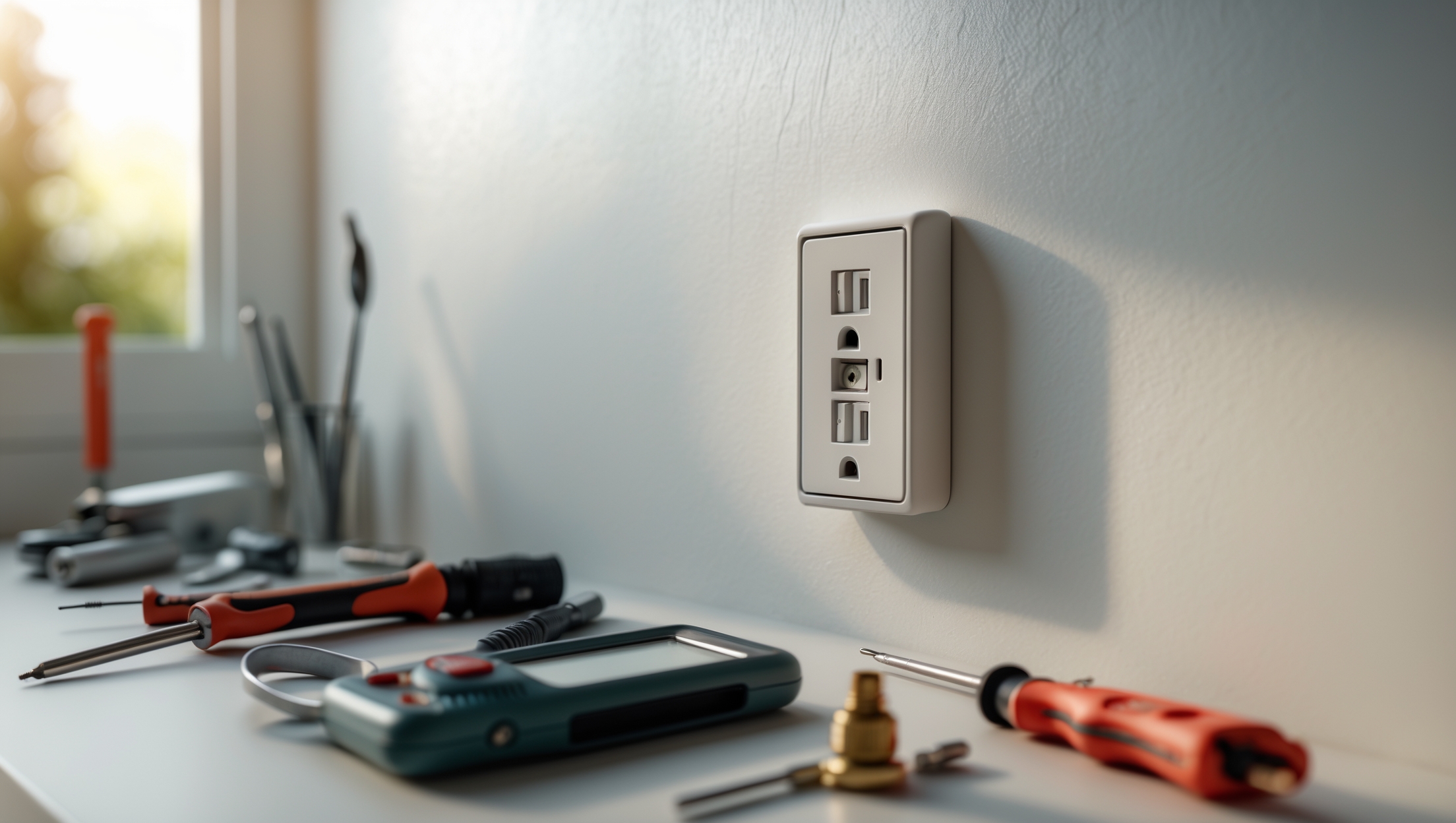
Introduction: Why Electrical Outlet Upgrades Matter More Than Ever
When planning home improvements, electrical outlets are often overlooked until a problem arises or a remodel demands attention. Yet, the humble outlet is a crucial gateway between your home’s electrical system and the devices you rely on every day. Whether you’re adding USB charging capabilities, addressing outdated wiring, or improving safety for children, upgrading outlets is one of the most impactful (and potentially hazardous) DIY tasks. Unfortunately, many homeowners underestimate the importance of following building codes, budgeting for the right components, or understanding the latest safety features. These oversights can lead to failed inspections, significant repair costs, or even electrical fires. In this comprehensive guide, we’ll walk you through the compliance essentials, cost breakdowns, and top safety upgrades for residential electrical outlets. Avoid common mistakes and empower yourself to make informed decisions that keep your household safe, efficient, and future-ready.
Common Homeowner Mistakes When Upgrading Electrical Outlets
Ignoring Local Electrical Codes and Permit Requirements
One of the most frequent errors is skipping code compliance. Each municipality has its own rules concerning outlet placement, type, and safety features. For example, kitchens, bathrooms, and outdoor areas typically require GFCI (Ground Fault Circuit Interrupter) outlets, while bedrooms may require AFCI (Arc Fault Circuit Interrupter) protection. Failing to adhere can result in failed inspections or dangerous installations.
Using the Wrong Outlet Type for the Location
- Standard Outlets: Not suitable for wet or outdoor areas.
- GFCI Outlets: Required for bathrooms, kitchens, garages, and outdoors to prevent electric shock.
- AFCI Outlets: Needed in living spaces and bedrooms to prevent arc-related fires.
- Tamper-Resistant Outlets: Now mandated in most living areas for child safety.
Choosing the wrong outlet can compromise safety and violate code.
Overloading Circuits During Upgrades
Homeowners sometimes add outlets without considering the circuit’s capacity. Each circuit has a maximum load, and exceeding it can trip breakers or cause wiring hazards. Always calculate the existing circuit’s amperage and anticipated load before making changes.
Poor Wiring Practices
- Reusing old, damaged, or undersized wiring
- Improperly connecting wires to terminals (loose, reversed, or exposed copper)
- Neglecting to use electrical boxes or faceplates
These mistakes are not only code violations but also major fire risks.
Neglecting Safety Shutoff Procedures
Working on live circuits is extremely dangerous. Always shut off the relevant breaker and use a voltage tester before beginning work. Overlooking this step is a leading cause of electrical injuries during home renovations.
Understanding Compliance: What Codes and Permits Apply?
National Electrical Code (NEC) Highlights
The NEC sets nationwide safety standards, but local amendments often apply. Key requirements include:
- GFCI Protection: Required in kitchens, bathrooms, outdoors, laundry areas, garages, crawl spaces, and unfinished basements.
- AFCI Protection: Required for all 120-volt, single-phase, 15- and 20-amp branch circuits in living areas.
- Tamper-Resistant (TR) Outlets: Mandated in most residential areas to prevent children from inserting objects.
- Spacing: Outlets must be installed so that no point along the floor line in any wall space is more than 6 feet from an outlet.
- Height: Standard outlet height is 12–18 inches from the floor; accessibility codes may require higher placement.
When Permits Are Required
Most jurisdictions require a permit for any electrical work beyond simple outlet swaps. This includes:
- Adding new outlets or circuits
- Upgrading from two-prong to three-prong outlets
- Installing GFCI or AFCI outlets where not previously present
Always check with your local building department before starting work. Unpermitted upgrades can impact insurance claims and future home sales.
Cost Breakdown: Budgeting for Outlet Upgrades
Materials
- Standard Duplex Outlets: $1–$3 each
- GFCI Outlets: $10–$25 each
- AFCI Outlets: $25–$40 each
- Tamper-Resistant Outlets: $2–$5 each
- USB-Integrated Outlets: $15–$35 each
- Weather-Resistant/Outdoor Outlets: $15–$30 each
- Faceplates and Boxes: $1–$5 each
- Wire (Romex): $0.15–$0.30 per foot
Tools (If Not Already Owned)
- Voltage Tester: $10–$20
- Wire Strippers/Cutters: $10–$25
- Screwdrivers: $10–$20 (set)
- Pliers: $10–$20
- Drill (for new boxes): $40–$100
Labor Costs
- DIY: Only material and tool costs
- Licensed Electrician: $100–$250 for first outlet, $50–$100 for each additional outlet (varies by region/complexity)
Permit Fees
- Typically $30–$150, depending on project scope and location
Contingency Budget
Add 15–20% to your budget for unexpected issues, such as discovering outdated wiring or damaged boxes behind drywall.
The Right Tools and Equipment for Safe, Code-Compliant Installation
Essential Tools List
- Non-contact voltage tester
- Wire strippers
- Insulated screwdrivers
- Needle-nose pliers
- Utility knife
- Fish tape (for pulling wires through walls)
- Electrical tape
- Level (for precise placement)
- Drill and hole saw (for new outlet boxes)
Recommended Safety Gear
- Safety glasses
- Insulated gloves
- Dust mask (when cutting drywall)
Step-by-Step Guide: Upgrading an Electrical Outlet Safely
Step 1: Plan and Obtain Permits
- Determine the type and location of each new outlet.
- Check with your local building department for permit requirements.
- Verify that your main electrical panel can accommodate added load.
Step 2: Shut Off Power and Confirm
- Turn off the appropriate breaker at your panel.
- Use a non-contact voltage tester to confirm there is no power at the outlet.
Step 3: Remove Old Outlet (if upgrading)
- Unscrew the faceplate and outlet from the box.
- Gently pull the outlet out and inspect wiring for damage.
- Take note of wire connections (photo recommended).
Step 4: Prepare and Connect Wiring
- Strip insulation as needed (about 1/2 inch).
- Connect wires to the correct terminals:
- Black (hot) to brass
- White (neutral) to silver
- Green or bare (ground) to green screw
- For GFCI/AFCI outlets, follow manufacturer’s wiring diagram carefully.
Step 5: Secure and Test
- Gently push wired outlet into the box and secure with screws.
- Attach faceplate.
- Restore power at the breaker panel.
- Use a plug-in outlet tester to verify correct wiring and proper GFCI/AFCI function.
Step 6: Clean Up and Document
- Label the breaker for future reference.
- Document outlet types and locations for insurance and resale purposes.
Modern Safety Upgrades Worth Considering
GFCI and AFCI Protection
GFCI outlets cut power within milliseconds if a ground fault is detected, protecting against shocks in wet areas. AFCI outlets sense dangerous electrical arcs and shut down power to prevent fires, especially in bedrooms and living rooms.
Tamper-Resistant (TR) Outlets
Required in most new homes, TR outlets have internal shutters that block foreign objects—reducing the risk of childhood electrical injuries.
USB-Integrated Outlets
For modern convenience, install outlets with built-in USB ports for direct device charging—no adapters needed. Ensure these are UL-listed and meet all code requirements.
Weather-Resistant and In-Use Covers
Outdoor outlets must be weather-resistant and covered with “in-use” covers that protect from rain and debris even when cords are plugged in.
Smart Outlets
Smart outlets allow for remote control, energy monitoring, and automation. Choose models certified for your home’s voltage and ensure they do not interfere with GFCI/AFCI protection where required.
Maintenance and Inspection Best Practices
Regular Testing
- Test GFCI and AFCI outlets monthly using built-in test buttons.
- Replace any outlet that fails to trip/reset properly.
Visual Inspection
- Check for discoloration, cracking, or buzzing—signs of overheating or loose wiring.
- Tighten faceplates to prevent accidental contact with wiring.
Professional Inspection
- Schedule a licensed electrician to inspect your home’s outlets every 5–10 years, especially in older homes.
- Upgrade any outlets that lack grounding or safety protection.
Debunking Common Myths About Electrical Outlet Upgrades
- Myth: Any outlet can be swapped for a new one without permits.
Fact: Adding or changing outlet types often requires a permit and inspection. - Myth: GFCI outlets protect the entire home.
Fact: GFCIs only protect downstream outlets on the same circuit; placement is critical. - Myth: Older two-prong outlets are safe if they still work.
Fact: Two-prong outlets lack grounding, presenting a significant shock and fire risk, especially for modern electronics. - Myth: Tamper-resistant outlets are unnecessary if you don’t have children.
Fact: TR outlets are required by code and protect all residents and visitors.
Conclusion: Invest in Safe, Compliant, and Future-Proof Outlet Upgrades
Upgrading electrical outlets is a deceptively complex task that demands attention to safety, compliance, and thoughtful budgeting. Cutting corners or skipping permits may seem like shortcuts but can lead to costly code violations, failed inspections, or dangerous hazards that put your home and loved ones at risk. By understanding the different outlet types, practicing proper installation techniques, and investing in modern safety features like GFCI, AFCI, and tamper-resistant outlets, you’re not only complying with current regulations but also future-proofing your home. Smart outlets and USB integration offer convenience, while weather-resistant options protect your outdoor spaces. Always plan for permit costs, unexpected repairs, and professional help where needed. Regular maintenance and testing ensure your upgrades continue to deliver safety and performance for years to come. Whether you DIY or hire a pro, the true value of electrical outlet upgrades lies in protecting your investment—and the people who call your house home. Stay informed, work safely, and make every outlet count in your next home improvement project.
You mention budgeting for the right components. Could you give a rough estimate of how much more expensive GFCI or AFCI outlets are compared to standard ones?
GFCI outlets usually cost between $15 and $25 each, while AFCI outlets range from $20 to $35 apiece. In comparison, standard outlets are typically $2 to $5 each. So, upgrading to GFCI or AFCI outlets can add $10 to $30 per outlet in material costs. Installation costs may also be higher if you hire an electrician.
You brought up budgeting for outlet upgrades, but I’m not sure what a realistic price range is for swapping standard outlets for ones with USB charging capabilities. What should I expect to pay, and are there brands that offer solid quality without breaking the bank?
For upgrading to outlets with built-in USB charging, you can expect to pay roughly $15 to $35 per outlet for good quality units, with higher-end models costing more. Installation by an electrician may add about $50 to $120 per outlet depending on your location. Brands like Leviton, TOPGREENER, and Legrand generally offer reliable options at reasonable prices, so you can upgrade without overspending.
Can you explain how to tell if I need AFCI outlets in older bedrooms or if existing outlets are okay? I’m not sure what counts as being required when it comes to upgrading safety features in an existing home.
AFCI outlets are typically required in bedrooms by current electrical codes for new construction or when circuits are significantly updated. If your home is older and you aren’t doing major electrical work, you usually aren’t required to upgrade existing outlets to AFCI. However, adding AFCI protection improves safety. If you plan renovations or add circuits, local code may require upgrades. For peace of mind, you can ask a licensed electrician to assess your setup.
We’re planning a remodel and want to add USB charging outlets while making sure we comply with codes. How do you know if a USB outlet also meets GFCI or tamper resistance requirements, or do you need to double up?
When choosing USB outlets for your remodel, look for ones that are specifically labeled as GFCI or tamper-resistant (TR) by the manufacturer. Standard USB outlets aren’t automatically GFCI or TR, so you may need to install a separate GFCI outlet on the same circuit for code compliance in required areas, or choose a combo unit that offers both USB charging and GFCI or TR features. Always check the product details and local codes to be sure.
You mentioned that tamper-resistant outlets are now mandated in most living areas for child safety. Are there any situations where they’re not required, or is this a universal code across all states?
Tamper-resistant outlets are required by the National Electrical Code for most living spaces, especially where children may be present. However, some exceptions exist, such as in areas inaccessible to children or in certain renovations of older homes. While most states follow this code, a few may have delayed adoption or local amendments, so it’s always a good idea to check with your local building department for specific requirements.
You broke down the different outlet types by location, but I’m curious—if I’m remodeling an older home that never had tamper-resistant outlets, am I required to update all outlets in living spaces, or just the ones I replace during the renovation?
If you’re remodeling and pulling permits, most areas require that all outlets in living spaces be upgraded to tamper-resistant models, not just the ones you directly replace. This is part of bringing the home up to current electrical code standards during renovations, especially when walls are opened or wiring is updated. Always check with your local building department, since requirements can vary depending on your location and the project scope.
How much should I expect to budget for upgrading all the outlets in a three-bedroom house, including the cost difference for GFCI, AFCI, and tamper-resistant features? I’m trying to decide between DIY and hiring an electrician.
For a three-bedroom house, upgrading all outlets might cost $3–$5 per standard outlet for DIY materials, while GFCI and AFCI outlets are about $15–$40 each. Tamper-resistant versions add a small premium. Hiring an electrician usually brings the total to $80–$150 per outlet, including labor and parts. DIY can save money if you’re comfortable with electrical work, but hiring a professional ensures safety and code compliance.
If my home failed an inspection because I installed the wrong type of outlet in the kitchen, what’s the typical process for correcting this? Do I just swap out the outlet, or do I need another inspection after the fix?
If your home failed inspection due to the wrong outlet in the kitchen, you’ll need to replace it with the correct, code-compliant type—usually a GFCI outlet in kitchens. After making the change, most local codes require you to schedule a re-inspection to confirm the fix. Check with your local permitting office to be sure about their specific process.
The cost breakdown for electrical outlet upgrades was touched on, but I’m trying to budget for a small project. What are the typical price differences between standard, GFCI, and tamper-resistant outlets, and are there any extra hidden costs I should plan for, like permits or inspection fees?
Standard outlets usually cost between $2 and $5 each, while GFCI outlets range from $15 to $25. Tamper-resistant outlets are generally $3 to $7 each. Labor adds $75 to $150 per outlet, depending on location and complexity. Hidden costs could include permit fees (often $50–$150) and possible inspection fees, especially if you’re upgrading multiple outlets or making code-related changes. Always check your local regulations before starting.
If I wanted to upgrade my outlets in an older home to meet current local codes, how do I find out exactly which types (like GFCI or AFCI) are required in each room? Is there a standard checklist or does it really vary a lot by municipality?
The types of outlets required—such as GFCI for kitchens and bathrooms or AFCI for bedrooms—are generally based on the National Electrical Code (NEC). However, local municipalities can adopt different versions or add their own rules. The best way to know what’s required is to contact your local building department or check their website for an official checklist. Licensed electricians in your area are also familiar with local requirements and can offer guidance.
You said that tamper-resistant outlets are now mandated in most living areas for child safety. For someone with outlets installed before this requirement, does upgrading just the outlets meet code, or would the wiring also need to be updated to pass inspection?
If your existing wiring is in safe, good condition and meets earlier electrical codes, you usually only need to replace the outlets with tamper-resistant ones to comply with the current requirement. You wouldn’t need to rewire unless the existing wiring is unsafe or fails inspection for other reasons. However, always check with your local inspector, as requirements can vary by area.
You mention that tamper-resistant outlets are now mandated in most living areas. Does upgrading to these require any changes to the existing wiring, or is it simply a matter of swapping out the outlets themselves?
Upgrading to tamper-resistant outlets usually only involves swapping out the old outlets for the new ones, as long as your existing wiring is in good condition and meets current code. No special wiring is required for tamper-resistant outlets—they install just like standard outlets. However, if you notice damaged wires or outdated connections during the upgrade, it’s a good idea to have an electrician inspect them for safety.
I understand code requires GFCI in kitchens and bathrooms, but what about areas like laundry rooms or unfinished basements? If I’m adding outlets there, do those spaces need GFCI or even AFCI protection to pass inspection?
Yes, both laundry rooms and unfinished basements generally require GFCI outlets according to current electrical code. AFCI protection is also often required for laundry areas if you’re adding new outlets or circuits. Always check your local code, as some areas may have additional requirements, but installing GFCI and AFCI protection in these spaces will help ensure you pass inspection and keep things safe.
I see that skipping code compliance can lead to failed inspections. If I’m doing a DIY upgrade and I’m unsure about my town’s permit requirements, what’s the best first step to ensure I don’t miss anything important?
If you’re unsure about your town’s permit requirements for a DIY electrical upgrade, your best first step is to contact your local building department. They can explain what permits or inspections are necessary for your project. This helps ensure your work stays compliant with local codes and avoids any costly mistakes or failed inspections down the line.
Can you give a rough estimate on how much it typically costs to upgrade a standard outlet to a tamper-resistant or GFCI outlet, including permit fees if those are required?
Upgrading a standard outlet to a tamper-resistant or GFCI outlet usually costs between $75 and $200 per outlet if you hire a licensed electrician. This range includes labor and the cost of the new outlet. Permit fees, if required in your area, can add anywhere from $30 to $100 to the total cost. It’s best to check your local regulations, as permit requirements and fees can vary.
If someone accidentally installs a standard outlet instead of a GFCI in a kitchen, what are the immediate steps to correct it and does this usually require getting a new permit or just replacing the outlet with the correct type?
If a standard outlet was installed in a kitchen where a GFCI is required, the immediate fix is to turn off the circuit breaker, replace the standard outlet with a GFCI outlet, and test it to ensure it’s working properly. Typically, you do not need a new permit just for swapping the outlet type, but local codes can vary, so it’s wise to double-check with your city’s building department.
You mentioned budgeting for the right components, but I’m not sure what a typical cost breakdown looks like when upgrading outlets for both code compliance and adding USB charging. Could you give a rough estimate of what I should expect to spend per outlet or for a whole room?
Upgrading standard outlets to code-compliant ones typically costs around $5–$10 per outlet for basic components. If you want outlets with built-in USB charging, expect to pay $20–$40 per outlet. Hiring an electrician for installation generally adds $75–$150 per outlet, depending on your location and complexity. For a standard room with 6 outlets, the total could range from $600 to $1,200 including materials and labor.
As a business owner who sometimes tackles DIY repairs, how can I be sure I’m not missing critical local code requirements for outlet upgrades? Is there a checklist or resource you recommend to confirm compliance before scheduling an inspection?
To ensure you meet local code requirements for outlet upgrades, start by contacting your city or county building department. They often provide checklists or handouts tailored to your area’s codes. National Electrical Code (NEC) guidelines are helpful, but local amendments can differ. It’s smart to ask for a pre-inspection or clarification on any gray areas before you begin your work.
If I want to upgrade the outlets in my older home to meet today’s codes, especially with GFCI and AFCI requirements, what’s the best way to figure out exactly which rooms need which type, and do I need a permit for each room?
To determine which rooms need GFCI or AFCI outlets, check the latest local electrical codes or the National Electrical Code (NEC). Generally, GFCIs are required in kitchens, bathrooms, garages, and outdoor areas, while AFCIs are needed in most living spaces and bedrooms. You usually need one electrical permit for the overall project, not a separate one for each room, but it’s a good idea to verify this with your local building department.
I noticed you mentioned that kitchens and bathrooms require GFCI outlets and bedrooms might need AFCI protection. For a DIY project, how do I know exactly which outlet type is required in each room, and is there a way to double-check my local code before starting?
To determine the correct outlet type for each room, start by checking the National Electrical Code (NEC) guidelines—generally, GFCI outlets are needed in kitchens, bathrooms, and other wet areas, while AFCI protection is required in most bedrooms. However, local codes can vary, so it’s a good idea to contact your city or county’s building department or visit their website to review any specific requirements before starting your DIY project.
The article talks about budgeting for the right components when upgrading outlets. Can you give a rough estimate of what it might cost to update a typical three-bedroom house to meet current compliance codes, including GFCI, AFCI, and tamper-resistant outlets?
Updating a three-bedroom house to current electrical codes generally costs between $1,500 and $3,500. This estimate covers upgrading to GFCI outlets in kitchens and bathrooms, installing AFCI protection in living and sleeping areas, and using tamper-resistant outlets throughout. The final amount can vary based on local labor rates, the house’s size and age, and how accessible the wiring is. It’s a good idea to get a few quotes from licensed electricians for a more precise figure.
You touched on the costs of upgrades, but how expensive is it to add USB charging outlets or convert all my outlets to tamper-resistant ones? Is it worth doing this all at once or just as I remodel each room?
Adding USB charging outlets typically costs $25–$50 per outlet for the hardware, plus $75–$150 each for professional installation. Converting to tamper-resistant outlets is less expensive, with outlets costing $2–$5 each and similar installation fees. If your wiring is up to code, both upgrades are straightforward. Doing everything at once can save on labor if multiple outlets are replaced together, but upgrading during remodels spreads out costs and disruption. Consider your budget and timeline to decide what works best for your home.
Does adding USB charging outlets to older wiring require the same GFCI or AFCI protection as regular outlets, especially in bedrooms or living spaces, or are there special considerations for these types of upgrades?
When adding USB charging outlets, the same GFCI or AFCI protection rules generally apply as with regular outlets. In bedrooms and living spaces, AFCI protection is usually required by code for new outlets, including USB types. There aren’t special exceptions just because it’s a USB outlet—safety standards remain the same. Make sure to check your local code, as some areas may have additional requirements for upgrades in older homes.
You mentioned that using the wrong type of outlet in certain locations can cause issues with inspections and safety. Can you clarify if replacing an old standard outlet with a GFCI in a bathroom requires running new wiring, or can it typically use the existing setup?
In most cases, you can replace an old standard outlet in a bathroom with a GFCI outlet using the existing wiring, as long as the wiring is in good condition and properly grounded. You usually don’t need to run new wires unless the current wiring is outdated or unsafe. If you’re unsure about grounding or the wiring’s condition, it’s best to have an electrician check it before installing the GFCI.
You mention the importance of budgeting for the right components when upgrading outlets. Do you have any guidance on typical cost differences between standard, GFCI, and AFCI outlets, especially if tamper-resistant features are also needed?
Standard outlets are usually the most affordable, often costing a few dollars each. GFCI outlets typically range from $15 to $25 per unit, while AFCI outlets can cost $25 to $40 or more. Outlets that are both GFCI or AFCI and tamper-resistant are on the higher end of these ranges. Tamper-resistant features alone usually add a dollar or two per outlet. Labor costs will be additional if you hire an electrician.
We’re planning a remodel and I’m a little confused about permit requirements for swapping out old outlets for new ones. Is a permit always needed for simple replacements, or only when changing wiring or upgrading to GFCI/AFCI outlets?
For most areas, simply replacing existing outlets with the same type usually doesn’t require a permit. However, if you’re upgrading to GFCI or AFCI outlets, or altering the wiring, a permit is often needed since these changes can impact safety codes. It’s always smart to check with your local building department, as requirements can vary based on your location.
You mentioned GFCI outlets for kitchens and bathrooms, but what about laundry rooms that are partially finished basements? Are GFCIs always required there, or are there exceptions if the outlets are farther from water sources?
GFCI outlets are generally required in laundry areas, regardless of how close the outlets are to water sources. According to the National Electrical Code, any outlet serving laundry areas—including those in partially finished basements—must have GFCI protection. There are no exceptions based on distance from water, so it’s best to install GFCIs for safety and compliance.
If I’m only trying to add USB charging ports to a couple of outlets in the living room, do I still need to worry about newer safety code requirements like tamper-resistant or AFCI outlets, or can I just swap them out myself?
If you’re just adding USB charging ports by swapping out wall outlets, you still need to follow current safety codes. In most areas, living room outlets must be tamper-resistant and on an AFCI-protected circuit, especially in newer homes or renovations. If your home is older and local codes haven’t been updated, requirements might differ, but it’s best to check before making changes. Consider hiring a licensed electrician to ensure both safety and code compliance.
You mention budgeting for the right components—are GFCI and AFCI outlets a lot more expensive than standard ones? How much should I expect to spend if I want to upgrade my whole house for both safety and code compliance?
GFCI outlets generally cost around $15–$25 each, while AFCI outlets can range from $20–$40 each. Standard outlets are usually $2–$5. If you’re upgrading your entire house, costs will depend on how many outlets you have, but for an average home, expect to spend several hundred dollars on outlets alone, plus labor if you hire an electrician. While it’s more upfront, these upgrades boost safety and help meet modern code requirements.
You mentioned budgeting for the right components when upgrading outlets. Could you provide a rough estimate on the cost difference between regular outlets, GFCIs, and tamper-resistant options for a whole-home upgrade?
For a whole-home upgrade, standard outlets usually cost around $2–$3 each. GFCI outlets are more expensive, typically $15–$25 per unit. Tamper-resistant outlets fall in between, at about $3–$5 each. Remember to factor in labor costs if you’re hiring an electrician, which can significantly increase the overall expense depending on your home’s size and the number of outlets to replace.
The article says skipping permits and the wrong outlet type can lead to failed inspections or safety issues. If I’ve already replaced some outlets myself, what steps should I take to make sure I haven’t missed any important safety or code requirements?
It’s wise to double-check your work. Consider having a licensed electrician inspect your replaced outlets for proper installation and code compliance. Review your local electrical codes to confirm you used the correct outlets and wiring. If permits were required but not obtained, you may be able to apply for them retroactively and schedule an inspection. This helps ensure both safety and compliance going forward.
When budgeting for a whole-house outlet upgrade, do you have any recommendations on how to estimate the costs for GFCI and AFCI outlets versus standard ones? Are there significant price differences homeowners should be aware of before starting?
Yes, there are notable price differences between standard, GFCI, and AFCI outlets. Standard outlets typically cost the least per unit, while GFCI outlets generally cost two to three times more, and AFCI outlets often cost even more than GFCIs. When budgeting, it’s helpful to count how many of each type you’ll need, check current prices at your local hardware store, and factor in the cost of professional installation, which can vary depending on your home’s wiring and the number of outlets being upgraded.
Could you break down the cost difference between upgrading to tamper-resistant outlets versus GFCI or AFCI outlets? I’m trying to budget for a mix of safety features throughout my house but want to prioritize areas that actually require these upgrades.
Tamper-resistant (TR) outlets are the most affordable, usually costing around $2–$4 per outlet plus installation. GFCI outlets are pricier, typically $15–$25 each, and AFCI outlets can range from $30–$50. For budgeting, prioritize GFCI in kitchens, bathrooms, garages, and outdoor locations since these are required by code for wet areas. Use AFCI protection mainly in bedrooms and living spaces. TR outlets are now standard for all locations, especially where children are present.
You mention the risk of failed inspections if local codes aren’t followed. What’s the typical process for getting outlet upgrades inspected and approved, and can I do any of the work myself as a homeowner without a permit?
When upgrading outlets, the typical process is to apply for a permit from your local building department before starting work. After installation, a licensed inspector checks that everything meets code. Homeowners can often do minor electrical work themselves, but most areas still require permits, especially for upgrades or adding outlets. It’s important to check with your local authorities for specific rules, as requirements vary and unpermitted work may lead to problems during future inspections or home sales.
You mentioned budgeting for components—can you give a rough idea of what it costs to upgrade all the outlets in an older kitchen to GFCI and tamper-resistant models, including permits? I’m trying to figure out if it’s something I can tackle myself or if I need to save up for professional help.
Upgrading all outlets in an older kitchen to GFCI and tamper-resistant models can cost between $20–$40 per outlet if you DIY, covering the outlets and basic supplies. A typical kitchen might have 6–10 outlets, so materials could run $120–$400. Hiring a licensed electrician often adds $75–$150 per outlet. Permit fees vary by location but typically range from $50–$150. DIY is possible if you’re comfortable with electrical work, but professionals ensure safety and code compliance.
The article mentions that tamper-resistant outlets are now mandated in most living areas for child safety. How much more expensive are these compared to standard outlets, and does this upgrade significantly impact the overall budget for a whole-home outlet replacement?
Tamper-resistant outlets generally cost a little more than standard outlets—typically about $1 to $2 extra per outlet. For a whole-home replacement, the added expense can add up, but it’s usually a small percentage increase compared to total material and labor costs. Most homeowners find the safety benefits for children well worth the modest upfront cost.
If I want to replace outdated outlets myself, what steps should I take to make sure I pass inspection and don’t accidentally violate any local regulations? I’m worried about missing a permit requirement.
Before starting, check with your local building department to see if a permit is required for replacing outlets—rules vary by location. Use outlets that meet current code, like tamper-resistant or GFCI where needed. Always turn off power at the breaker and double-check with a tester. Install according to manufacturer instructions and local code. If inspected, neat wiring and code-compliant hardware will help you pass.
What is a realistic estimate for upgrading to tamper-resistant and GFCI outlets throughout a typical 3-bedroom house, including permit costs? I want to budget for this but don’t know how much the compliance and safety features add to the overall expense.
For a typical 3-bedroom house, upgrading to tamper-resistant and GFCI outlets usually costs between $1,200 and $2,500. This estimate includes parts, labor, and permit fees, but can vary based on your local rates and the number of outlets. Tamper-resistant outlets cost a bit more than standard ones, and GFCIs are required in kitchens, bathrooms, and other wet areas, which increases the cost. Permits often add $100 to $300 depending on your area.
You talk about failed inspections if the wrong outlet type is used in places like kitchens or bathrooms. If I accidentally installed a standard outlet instead of a GFCI in my bathroom, what would be the safest way to fix it as a DIYer?
If you’ve installed a standard outlet in your bathroom, replacing it with a GFCI outlet is the safest fix. First, turn off power at the breaker and double-check the outlet is not live. Remove the old outlet, connect the new GFCI using the instructions provided, and label it if required. Once installed, restore power and test the GFCI to ensure it functions properly.
You talked about budgeting for the right components when upgrading outlets. Could you give a rough estimate of what I should expect to spend per outlet for GFCI, AFCI, or tamper-resistant upgrades compared to standard outlets?
For each outlet, standard replacements usually cost around $2–$5. GFCI outlets typically range from $15 to $25 each, AFCI outlets are about $25 to $35, and tamper-resistant outlets are about $5–$10 each. These prices are just for the materials; if you hire an electrician, expect labor costs per outlet as well, which can vary based on your location and project complexity.
When budgeting for outlet upgrades, what are the biggest cost factors homeowners overlook besides just the price of the outlet itself? Are there hidden expenses with permits or inspections I should plan for up front?
Homeowners often overlook costs like hiring a licensed electrician, upgrading wiring if it’s outdated, patching or repainting walls after work, and buying special outlets such as GFCI or AFCI where codes require them. Permits and inspections are frequently needed for electrical upgrades, and both can add to the overall expense, so it’s wise to ask your local building department about these requirements before starting.
The article mentions that different rooms like kitchens and bathrooms require GFCI outlets for safety. If my house was built before these codes were common, do I need to update all existing outlets in those areas to pass inspection, or is it only required during a remodel?
If your house was built before GFCI requirements became standard, updating existing outlets in kitchens and bathrooms is typically only required if you do a remodel or significant electrical work that triggers an inspection. However, some local codes may require upgrades during other types of work, so it’s wise to check with your local building department. Upgrading to GFCI outlets, even if not strictly required, is recommended for safety.
When budgeting for an outlet upgrade, how much more expensive are GFCI or AFCI outlets compared to standard ones? Are there affordable options that still meet the latest safety codes, especially if I have to replace a lot of outlets at once?
GFCI and AFCI outlets do cost more than standard outlets—typically, a standard outlet is a few dollars, while GFCIs and AFCIs range from about $15 to $40 each depending on brand and features. For larger projects, you might find multipacks or bulk deals that lower the per-unit cost. Even budget-friendly GFCI and AFCI outlets will meet safety codes if they’re certified (like UL-listed), so you don’t have to sacrifice compliance for affordability.
If I already have older outlets in my shop area that don’t have any safety upgrades, what are the immediate steps I should take to get them up to code? Is it safer to replace them all at once, or can I upgrade gradually without failing an inspection?
If your shop’s outlets lack modern safety features like GFCI or tamper resistance, it’s best to prioritize upgrading outlets in areas exposed to moisture or heavy use. Replacing all outlets at once is safest and ensures code compliance, but you can upgrade gradually—just focus on high-risk locations first. Before any inspection, confirm that every required outlet meets current code to avoid issues.
If my municipality has specific rules about outlet placement and I’m not sure which type applies where, what’s the best way to confirm compliance before I start my DIY electrical work?
Before starting your project, the safest approach is to contact your local building or code enforcement office directly. They can clarify which specific code applies to each area of your home and may provide written guidelines or answer your questions over the phone. It’s also a good idea to ask if you need a permit or if inspections are required, so you can be sure your work meets all local requirements.
I’m trying to upgrade some outlets in my living room, and I’m confused about the difference between AFCI and GFCI outlets. If the area isn’t a kitchen or bathroom, is it safe to just use the standard outlets or should I be replacing everything with AFCI types?
In living rooms and most general areas, current electrical codes often require AFCI (Arc Fault Circuit Interrupter) outlets or breakers to help prevent electrical fires caused by arc faults. GFCI outlets are mainly for wet areas like bathrooms and kitchens to protect against shock. So, for your living room upgrade, replacing standard outlets with AFCI outlets or ensuring your circuit is AFCI-protected is the safer and usually code-compliant choice.
If I’m updating outlets in my older home, how do I know whether I need to switch to tamper-resistant outlets or just GFCI/AFCI types in different rooms? Is there a checklist or common rule for which outlet types go where?
When updating outlets, use tamper-resistant outlets in all areas accessible to children, like bedrooms, living rooms, and hallways—they’re now required by code in most living spaces. GFCI outlets are needed in kitchens, bathrooms, garages, basements, and outdoors where water is present. AFCI protection is typically required in bedrooms and sometimes other living areas. For a checklist, your local electrical code or a licensed electrician can provide the most accurate guidance for your region.
If I recently upgraded outlets in my bedroom but didn’t use AFCI protection as mentioned, what are the possible consequences during a home inspection or in terms of safety? Should I get them redone before selling the house?
If you upgraded your bedroom outlets without using AFCI protection, a home inspector may flag this as a code violation, since current electrical codes require AFCI protection in bedrooms for safety reasons. This could delay the sale or require you to correct the issue. For safety and a smoother sale process, it’s a good idea to have AFCI protection installed before listing your home.
I’m considering adding USB charging outlets in my home office, but I’m not sure if those count as standard outlets or if they need extra safety features like GFCI or tamper resistance in certain rooms. Could you clarify which rules apply?
USB charging outlets are treated like standard electrical outlets for code purposes. In a home office, they generally do not require GFCI protection unless the room is also used as a laundry, bathroom, or has a sink nearby. However, tamper-resistant outlets are required by code in most areas, including home offices, to help protect children, so make sure the USB outlets you choose have this feature.
If I am replacing an old outlet in my kitchen with a new one, do I always have to use a GFCI outlet, or can I just swap it with a regular one if that’s what was there before?
When replacing an old kitchen outlet, you generally need to use a GFCI outlet, even if the previous one was not GFCI. Modern electrical codes require GFCI protection in kitchens because of the increased risk of electrical shock near water. Simply swapping in a regular outlet is not compliant unless that outlet is already protected by a GFCI device upstream in the circuit.
You mentioned budgeting for the right components when upgrading outlets. Could you give some ballpark costs for installing GFCI and tamper-resistant outlets, and are there big price differences I should be aware of before I start?
Installing GFCI outlets usually costs between $15 and $30 per outlet for the device itself, while tamper-resistant outlets typically run $2 to $5 each. If you hire an electrician, expect to pay $75 to $150 per outlet for labor, depending on your location and existing wiring. GFCIs are more expensive than standard or tamper-resistant outlets, but both provide enhanced safety. Budget accordingly if you have several outlets to upgrade, and remember labor is often the biggest cost factor.
If someone upgrades their kitchen outlets to GFCI themselves but misses out on local code requirements, what are the most common issues that come up during inspection, and are there recommended steps to fix them quickly?
During inspection, common issues when DIY-upgrading kitchen outlets to GFCI can include incorrect placement (not all required outlets are covered), improper wiring, missing labels, or not installing tamper-resistant models if required by local code. To fix these quickly, double-check local electrical codes, ensure GFCIs are installed in all required locations, verify the wiring, and use tamper-resistant outlets where needed. It’s often wise to consult a licensed electrician to review and correct any code violations before re-inspection.
If my home already has regular outlets, is it possible to just switch out the covers for tamper-resistant ones, or do I need to change the whole outlet unit to meet code for child safety?
To meet child safety code requirements, you need to replace the entire outlet with a tamper-resistant (TR) outlet, not just the cover. Tamper-resistant outlets have built-in shutters that block foreign objects, which regular outlet covers alone can’t provide. Swapping only the covers won’t bring your outlets up to current safety standards.
What is the typical cost difference between installing standard outlets versus upgrading to tamper-resistant or USB-equipped outlets in a whole-home renovation? If possible, could you break down what adds the most to the budget?
Upgrading to tamper-resistant outlets usually adds about $1–$3 per outlet compared to standard outlets, mainly due to the higher unit price. USB-equipped outlets, however, can cost $15–$30 more each, significantly affecting the total budget in a whole-home renovation. Labor costs are generally similar for all types, so the outlet hardware itself is what increases expenses most when choosing tamper-resistant or USB options.
For someone tackling outlet replacements as a DIY project, what are the first signs that the existing wiring might not be compatible with the latest safety upgrades like AFCI or GFCI outlets? Are there precautions I should take before opening up the outlets to check?
When considering AFCI or GFCI upgrades, older wiring (such as knob-and-tube or cloth-insulated wires) or the absence of a ground wire could signal incompatibility. Before opening outlets, always turn off the circuit breaker and use a voltage tester to confirm there’s no power. If you see brittle insulation, strange colors, or no ground wire, proceed cautiously and consider consulting a licensed electrician for safety.
You discuss budgeting for the right components when upgrading outlets. Could you give a ballpark estimate of how much upgrading to tamper-resistant, GFCI, or AFCI outlets might add to a standard room renovation compared to using standard outlets?
Upgrading outlets does increase costs, but usually not dramatically for a typical room renovation. Standard outlets are often $2–$3 each, while tamper-resistant outlets are around $4–$6, GFCI outlets usually cost $15–$25, and AFCI outlets can range from $25–$35 each. The exact additional expense depends on how many upgraded outlets are needed, but for a standard room, the total extra cost is often between $40 and $150, mostly due to the price difference per outlet.
If I already have standard outlets in my bedroom but want to switch to AFCI or tamper-resistant ones, do I need to rewire anything, or can I just swap out the outlets? What’s the safest way for a beginner to approach this kind of project?
If your current wiring is in good condition and grounded, you can usually swap standard outlets for tamper-resistant (TR) outlets without rewiring. For AFCI protection, you typically need to replace the circuit breaker in your panel with an AFCI breaker, rather than just the outlets. If you’re a beginner, always turn off the power at the breaker, double-check with a voltage tester, and consider consulting a licensed electrician to ensure safety and code compliance.
I see you mentioned that GFCI outlets are required in kitchens, bathrooms, and outdoors, but I’m not sure how strict inspectors are about their exact placement. Is there a specific distance from a water source that I need to follow, or does every outlet in those rooms need to be GFCI?
Inspectors generally follow the National Electrical Code, which requires GFCI protection for outlets within 6 feet of a water source in kitchens and bathrooms. However, in many cases, especially in newer codes, all outlets in these areas must be GFCI-protected, regardless of distance. It’s best to check your local code, but providing GFCI protection to all outlets in these rooms is often the safest and simplest option.
I live in an older home and I’m not sure if my bedrooms need AFCI protection under current codes. How can I find out what’s required in my area before I start replacing outlets?
To determine if AFCI protection is required for your bedrooms, check your local building codes, as requirements can vary by location. You can contact your city or county building department, or consult a licensed electrician who’s familiar with current National Electrical Code updates and local amendments. This will ensure your upgrades meet all safety and code requirements before you start any work.
I noticed the article mentions budgeting for the right components when upgrading outlets. Is there a rough estimate for how much the costs can differ between standard, GFCI, and AFCI outlets, especially for a whole-house upgrade?
Costs can vary, but for a rough idea: standard outlets usually cost $2–$5 each, GFCI outlets are around $15–$25 each, and AFCI outlets can range from $25–$50 each. For a whole-house upgrade, the total will depend on how many outlets you have and any labor charges if hiring an electrician. GFCI and AFCI upgrades are more expensive but offer greater safety.
Can you clarify how to check if my existing outlets are already up to code, especially in older homes where I am not sure what type of protection like GFCI or AFCI is installed?
To check if your outlets are up to code in an older home, start by looking for test and reset buttons on outlets, which indicate GFCI protection. AFCI outlets are less common but may be labeled or located at the breaker panel. You can also use outlet testers from a hardware store to check for GFCI and basic wiring issues, but for full peace of mind, an electrician can inspect and confirm compliance with current codes.
I noticed you mentioned that each municipality has its own rules for outlet placement and types. How can a homeowner easily find out the specific electrical code requirements for their area before starting an outlet upgrade project?
To find out local electrical code requirements, start by contacting your city or county building department—they can provide the latest regulations and answer your questions about outlet placement and types. You can also check their official website, as many municipalities publish permit guides and code summaries online. Consulting a licensed electrician familiar with your area is another good way to ensure your project meets all local codes.
I have a question about permits since the article says each municipality has its own rules. If I’m just swapping an old outlet for a similar new one (no wiring changes), do I still need to get a permit in most cases, or is that only for bigger upgrades?
For a simple swap of an old outlet with a new, identical one—and no wiring changes—most municipalities do not require a permit. Permits are more commonly needed for new circuits, significant upgrades, or changes to wiring. However, some areas have stricter rules, so it’s a good idea to check your local building department to be certain.
I noticed you mentioned that each municipality has specific rules for outlet placement and types. How can a small business owner ensure they’re meeting all local requirements before starting an upgrade, especially if the building is a bit older?
To make sure your business is following local outlet regulations, start by contacting your city or county’s building department for the latest electrical code requirements. It’s also wise to hire a licensed electrician familiar with local codes and older buildings, as they can help identify any outdated wiring or placement issues before you begin upgrades. This approach helps you avoid costly corrections later on.
When it comes to passing inspection, is it enough to just replace old outlets with new GFCI or AFCI models, or do inspectors typically look at other factors like box size and wire gauge during an outlet upgrade?
Simply swapping old outlets for GFCI or AFCI models doesn’t always guarantee passing inspection. Inspectors often check other factors like box fill capacity, wire gauge, grounding, and overall installation quality. If the box is too small or the wire gauge isn’t appropriate for the circuit, it could fail inspection. It’s a good idea to review local electrical codes and ensure all aspects of the installation meet requirements, not just the outlet type.
Is it possible to combine GFCI and USB charging features in a single outlet, and would that still meet code requirements in places like bathrooms or kitchens? Or is it safer to stick to traditional GFCI-only outlets in those areas?
You can find outlets that combine both GFCI protection and USB charging ports, and they are designed to meet code requirements for kitchens and bathrooms, as long as they are UL-listed and installed correctly. Just make sure the outlet is specifically labeled as GFCI and is approved for use in wet areas. These combo outlets are just as safe as traditional GFCI-only outlets when properly installed.
I’m trying to estimate the overall cost for upgrading outlets in our retail space, especially since some areas will need GFCI or tamper-resistant models. Do you have a rough breakdown of how much more specialized outlets and permits typically add to the budget compared to standard outlets?
Specialized outlets like GFCI units usually cost $15–$30 each, while tamper-resistant outlets are about $3–$5 each, compared to $1–$2 for standard ones. Labor costs can add $50–$100 per outlet, especially if upgrades involve rewiring. Permits and inspections vary by location but may add $100–$300 to your project. Factoring these in, specialized outlets and permits can increase your budget by 30–60% over basic replacements.
Could you explain how to determine whether a bedroom needs AFCI protection versus just a standard outlet, particularly in older homes where it’s hard to tell if the wiring supports the newer safety features?
To determine if a bedroom needs AFCI protection, check local electrical codes—most require it for bedroom outlets in newer or renovated homes. For older homes, look at your breaker panel: AFCI breakers usually have a test button. If you don’t see one, your outlets may not be protected. However, not all older wiring is compatible with AFCI devices, so consult a licensed electrician to assess your wiring and recommend safe upgrade options if needed.
Could you provide some tips on estimating the total cost for upgrading all the outlets in a house, including any hidden expenses like permit fees or unexpected wiring issues? I’m trying to set a realistic budget before starting this project.
To estimate the total cost for upgrading all outlets, start by counting every outlet and checking if any need special features like GFCI or tamper-resistance. Get quotes for materials and labor, but also budget for permit fees, which can vary by location. Factor in possible extra costs for replacing outdated wiring or fixing hidden electrical issues discovered during the upgrade. Setting aside a contingency fund—about 10-20% of your estimate—can help cover surprises.
For bedrooms that need AFCI protection, is it possible to install AFCI outlets yourself, or does it usually require making changes at the breaker panel? I’m hoping to avoid failed inspections.
You can install AFCI outlets yourself in each bedroom, as they provide local arc fault protection. However, most electrical codes in recent years require AFCI protection at the breaker, not just at the outlet. Swapping the breaker for an AFCI type is usually necessary to pass inspection, since inspectors typically prefer protection at the panel level. Always double-check your local code requirements before starting.
You mention tamper-resistant outlets are now mandated in most living areas for child safety. Are there any significant differences in cost or installation difficulty between tamper-resistant outlets and standard ones?
Tamper-resistant outlets usually cost a bit more than standard ones, often just a dollar or two extra per outlet. As for installation, there’s no real difference—both types install in the same way and don’t require special tools or extra steps. The peace of mind for child safety makes the slight price increase worthwhile.
Could you explain more about the cost differences between installing standard outlets versus GFCI or AFCI outlets? I’m trying to upgrade a few rooms and want to understand how much extra I should budget for the different safety features mentioned.
Standard outlets are generally the least expensive, often costing just a few dollars each for the parts. GFCI outlets, which protect against electrical shock, usually cost around $15 to $25 per outlet. AFCI outlets, designed to prevent fires from arc faults, tend to be similar in price to GFCI or slightly higher. Labor costs also increase a bit for GFCI and AFCI outlets because they require more careful wiring and testing, so you might want to budget an extra $20–$50 per outlet for installation, depending on your electrician’s rates.
You mention budgeting for the right components, but I’m curious how much of a price difference there is between standard outlets and those with GFCI or AFCI protection. Are there affordable options that still meet safety and code requirements for a whole-home upgrade?
Standard outlets typically cost a few dollars each, while GFCI outlets usually range from $15 to $25, and AFCI outlets can be $20 to $40 apiece. The initial investment for GFCI and AFCI is higher, but they’re essential for safety and code compliance. There are reliable, budget-friendly brands available at most hardware stores, so it’s possible to upgrade your entire home without overspending. Prioritize high-risk areas if you want to phase the upgrades.
If I upgrade outlets myself but later need to pass an inspection, what are the most common mistakes that typically cause a homeowner to fail, and are there any ways to double-check compliance before scheduling the inspection?
Some common mistakes that can lead to failing an inspection include improper wiring (such as reversed hot and neutral wires), missing or improperly installed GFCI outlets where required (like kitchens and bathrooms), lack of grounding, and using the wrong type of outlet for the location. To double-check compliance, use a plug-in outlet tester to check wiring, review local electrical codes, and ensure outlets in wet areas are GFCI-protected. It can also help to have a qualified electrician review your work before the inspection.
For homeowners trying DIY upgrades, what are the most common reasons for a failed electrical inspection when swapping out old outlets for newer safety models? Is it more about code issues or the way the installation is done?
Inspection failures usually stem from both code violations and improper installation. Common issues include using the wrong type of outlet (such as not installing GFCI or AFCI where required by code), incorrect wiring (like reversed polarity or loose connections), failing to bond grounding wires properly, and not using approved boxes or covers. Paying close attention to both local code requirements and careful, secure wiring during your DIY upgrade can help you avoid most pitfalls.
The article mentions budgeting for the right components when upgrading outlets. Do you have any advice on estimating the total cost if I want to replace standard outlets with tamper-resistant and GFCI types throughout my home?
To estimate your total cost, start by counting all the outlets you want to upgrade. Tamper-resistant outlets usually cost between $2 and $5 each, while GFCI outlets are around $15 to $25 each. Add wiring or labor costs if you’ll hire an electrician—typically $75 to $150 per hour. Multiply the number of outlets by the cost per type and add installation if needed for a solid budget estimate.
When budgeting for outlet upgrades, how much does it typically cost to upgrade to tamper-resistant or AFCI outlets compared to standard ones? I want to avoid spending extra but still pass inspection and keep things safe.
Upgrading to tamper-resistant outlets usually costs around $2–$4 per outlet, while standard outlets are about $1–$2 each. AFCI outlets are more expensive, typically $20–$40 per outlet. Labor can add $50–$100 per outlet, depending on your electrician and region. Tamper-resistant outlets are required by code in most areas and will help you pass inspection. AFCI protection may be needed in certain rooms, so check local requirements before deciding.
You mentioned that each municipality has its own outlet code requirements. What is the best way for homeowners to find out the specific electrical code and permitting rules for their area before starting a DIY outlet upgrade?
The most reliable way is to contact your local building department or municipal office directly—they can provide up-to-date information on electrical codes and permit requirements for your area. Many municipalities also post these details on their official websites. If in doubt, you can also check with a licensed local electrician who will be familiar with the specific rules and processes.
You note that tamper-resistant outlets are now required in most living areas for child safety. Are there any exceptions for older homes, or do these requirements apply retroactively if someone is simply replacing an existing outlet?
Tamper-resistant outlets are generally required by modern electrical codes for new construction and major renovations, but the rules don’t always apply retroactively to older homes. If you’re just replacing a worn-out outlet in an existing home, you usually aren’t required to upgrade to a tamper-resistant model unless local codes specifically mandate it. However, choosing a tamper-resistant outlet is still a good safety measure, especially if children are present.
You mention budgeting for different components—do GFCI outlets for kitchens and bathrooms tend to cost significantly more than standard outlets, and are there any quality brands you recommend that balance price and safety?
GFCI outlets do cost more than standard outlets—usually two to three times as much—but they add crucial safety in kitchens and bathrooms. For a good balance between price and reliability, brands like Leviton and Eaton are popular with professionals. While they’re not the cheapest options, they offer consistent performance and strong safety features, making them a smart investment.
If my home still has two-prong outlets and older wiring, what are the main safety concerns, and what steps should I take to upgrade safely and ensure I pass inspection?
Two-prong outlets and older wiring lack proper grounding, which increases the risk of electric shock and fire. To upgrade safely, consult a licensed electrician to replace two-prong outlets with grounded three-prong ones and update wiring as necessary. The electrician should also check your electrical panel and ensure all work meets current code. This approach will help you pass inspection and keep your home safer.
When budgeting for an outlet upgrade, what kind of unexpected costs might homeowners run into if their wiring turns out to be outdated or not up to current safety standards?
Homeowners can face several unexpected costs if their wiring is outdated, such as needing a complete rewiring of affected circuits, upgrading the electrical panel, or adding new grounding systems for safety. Sometimes, walls might need partial opening for access, which adds repair costs. Also, permits and inspections can increase expenses. It’s wise to have a licensed electrician inspect everything before setting your budget.
If I already have standard outlets in my kitchen and bathroom, what are the actual steps and safety precautions needed to upgrade them to GFCI without calling an electrician?
To upgrade standard outlets to GFCI yourself, first turn off power at the breaker box and test to confirm it’s off. Remove the old outlet and note the wiring. Connect the wires to the GFCI’s LINE terminals—use the LOAD terminals only if protecting other outlets. Secure the outlet, reattach the cover plate, and turn power back on to test the GFCI. Make sure you follow all safety instructions included with the GFCI and never work with live wires.
You mentioned budgeting for the right components—can you give a rough cost estimate for upgrading older outlets to GFCI and AFCI models throughout an average-sized house? I’m trying to figure out how much I should set aside for a full upgrade.
For an average-sized home with about 20 outlets, upgrading to GFCI or AFCI outlets typically costs between $20 to $50 per outlet just for the parts. If you hire a licensed electrician, labor can add $50 to $100 per outlet. Altogether, budgeting $1,400 to $3,000 for a full upgrade is a good ballpark depending on your area and the complexity of your electrical setup.
If I upgrade some outlets to GFCI and AFCI myself and pass inspection, what kind of safety testing should I perform afterwards to make sure everything actually works as intended? Are there specific testers or steps I should use?
After installing GFCI outlets, you should use a GFCI tester, which plugs into the outlet and features a test button to confirm proper trip and reset functions. For AFCI outlets, use an AFCI tester designed to simulate arc faults and verify they trip correctly. Also, check each outlet with a standard outlet tester to confirm proper wiring. Testing both the ‘test’ and ‘reset’ buttons on the devices themselves is important too. These steps will help you ensure each outlet works safely and as intended.
The article mentions budgeting for the right components, but how much should I expect the cost difference to be between a regular outlet and an AFCI or GFCI outlet if I’m doing several rooms at once? Are there any other hidden costs I should be aware of?
The cost of a standard outlet is usually around a few dollars each, while GFCI outlets typically range from $15 to $25 apiece and AFCI outlets can run $20 to $40 each. When upgrading several rooms, the price difference adds up quickly. Besides the outlets themselves, you may need to budget for new electrical boxes or wiring updates and permit fees if local codes require them. If you’re hiring an electrician, labor is another significant cost to consider.
After upgrading outlets to comply with code and adding safety features, what steps would you suggest to ensure everything passes the final inspection and avoids any costly rework?
Once you’ve finished upgrading your outlets, double-check that all wiring is correctly connected, outlets are properly grounded, and AFCI/GFCI devices are tested for correct operation. Make sure covers are securely installed, and there are no exposed wires. Review the latest local code requirements, and if possible, do a walkthrough with a licensed electrician before the final inspection. Document any changes you made, as inspectors may ask for clarification.
As a small business owner planning to remodel our customer waiting area, I’m curious how often local electrical codes get updated, especially regarding GFCI and AFCI outlets. How can I make sure I’m up to date and compliant before starting any electrical work?
Local electrical codes, including requirements for GFCI and AFCI outlets, can be updated every few years—often whenever national codes are revised, but sometimes more frequently based on local decisions. The best way to ensure compliance is to check with your local building or code enforcement office before starting work. Also, consulting a licensed electrician familiar with recent code updates in your area can help you avoid mistakes and unnecessary costs.
The article mentions that GFCI outlets are required in kitchens, bathrooms, and outdoor spaces, but how can I tell if my current outlets meet these standards if my house is a few decades old? Is there an easy way to check without hiring an electrician right away?
You can check if your outlets are GFCI by looking for ‘Test’ and ‘Reset’ buttons on the outlet face—GFCI outlets always have these buttons. If your kitchen, bathroom, or outdoor outlets lack them, they are likely not GFCI-protected. For an extra check, you can buy an inexpensive GFCI tester at most hardware stores; just plug it in to see if protection is present. This is a safe way to assess before calling an electrician.
When budgeting for an outlet upgrade, how much more should I expect to spend on tamper-resistant or AFCI outlets compared to standard ones, and are there any hidden costs involved in code compliance or inspection fees?
Tamper-resistant outlets typically cost about $1–$2 more per outlet than standard ones, while AFCI outlets can be significantly more—often $20–$40 each. In addition to material costs, you might need to budget for labor, possible electrical box upgrades, and permit or inspection fees, which vary by area. Some local codes may require upgrades to wiring or the panel, so it’s wise to check with your electrician for a complete estimate.
You mentioned budgeting for the right components during an outlet upgrade. Are GFCI and AFCI outlets significantly more expensive than standard outlets, and is the extra cost mainly in the parts or the installation?
GFCI and AFCI outlets do cost more than standard outlets—often two to five times as much for the parts themselves. Most of the extra expense comes from the outlets, not the installation, since the process to install them is usually similar to standard outlets. However, if your wiring is outdated or needs changes to meet code, that could increase labor costs too.
You touched on budgeting for the right components when upgrading outlets. Could you share a rough price range for swapping out old outlets for tamper-resistant and GFCI models, including permit or inspection fees if needed?
For swapping old outlets with tamper-resistant (TR) models, expect to pay about $2–$5 per outlet for materials, while GFCI outlets usually cost $15–$25 each. Electricians typically charge $50–$100 per outlet for labor, depending on complexity and location. Permit or inspection fees can vary by area but often range from $50 to $150 if required. Always check your local regulations before starting the project.
Could you provide a ballpark estimate for how much it might cost to upgrade standard outlets to GFCIs in a typical kitchen and bathroom? I want to make sure I budget for both the components and any permits involved.
Upgrading standard outlets to GFCIs in a typical kitchen and bathroom usually costs between $120 and $200 per outlet, including both the GFCI device (about $15–$30 each) and professional installation. Permit requirements and fees vary by location, but you might expect an additional $50–$150 if a permit is needed. It’s wise to check with your local building department and get a few electrician quotes for an accurate estimate.
I see that GFCI outlets are required for kitchens, bathrooms, and outdoor areas, but I’m not sure how to tell if my existing outlets are already GFCI or not. Is there a straightforward way for a DIYer to check this before starting upgrades?
To check if your outlets are GFCI, look for a “Test” and “Reset” button on the outlet face—these indicate it’s a GFCI outlet. If your outlet doesn’t have these buttons, it’s likely a standard outlet. For extra certainty, you can buy a simple GFCI tester from a hardware store. Plug it in and press the “Test” button; if the power cuts off, your outlet is protected by a GFCI, either at that spot or upstream on the same circuit.
If I use a GFCI outlet in a location that also requires tamper-resistant protection, do I need to buy a specific combination outlet or is it sufficient to have one or the other? The article mentioned both types but didn’t specify if they can be combined.
In locations that require both GFCI (Ground Fault Circuit Interrupter) and tamper-resistant protection, you need to use an outlet that provides both features. Many manufacturers offer combination GFCI and tamper-resistant outlets, so you should look for one labeled as both GFCI and TR. Using just one or the other would not meet code if both protections are required.
The article mentions both GFCI and AFCI outlets for different locations, but if you’re renovating an older home, is it sometimes necessary to upgrade the entire circuit wiring to accommodate these outlets, or can they be safely installed on existing wiring?
In most cases, you can install GFCI and AFCI outlets on existing wiring in an older home without needing to upgrade the entire circuit. However, it’s important to ensure the wiring is in good condition and meets basic electrical codes. If the existing wiring is damaged or ungrounded, you may need to address those issues first for safety and code compliance. Consulting a licensed electrician is always recommended during renovations.
I’m planning a remodel and I want to add USB outlets, but my house mostly has two-prong outlets and old wiring. What’s the first step to safely upgrade everything, especially since you talked about compliance and avoiding electrical fires?
The first step is to have a licensed electrician inspect your current wiring and outlets. Since you have old two-prong outlets, your wiring may lack a ground, which is important for both safety and code compliance. The electrician can advise on rewiring where needed and safely installing new, grounded outlets with USB ports. This approach helps prevent electrical hazards and ensures your remodel meets modern safety standards.
If I’m planning to add USB-enabled outlets for convenience, do those need to have the same safety features like GFCI or tamper resistance in places like kitchens or living rooms, or are there special rules for those kinds of upgrades?
USB-enabled outlets are treated like standard outlets in terms of safety requirements. In kitchens, bathrooms, laundry areas, and other spots with water nearby, you’ll need to use GFCI protection for any new outlet, including those with USB ports. Tamper-resistant outlets are also required in most living spaces, especially if children are present. There aren’t special exceptions for outlets with USB ports, so be sure to follow the usual electrical codes when upgrading.
You talked about budgeting for the right outlet components during upgrades. Do you have any tips on how to estimate the total cost if I want to add both USB charging outlets and tamper-resistant features to multiple rooms?
To estimate your total cost, first count how many outlets you want to upgrade in each room. Add the price of each USB charging outlet with tamper-resistant features—these are pricier than standard outlets, often $20–$40 each. Include costs for new faceplates, wiring materials, and labor if hiring an electrician. Multiply the per-outlet cost by your total outlets, then add a buffer for any unforeseen expenses.
I’m curious about the cost differences between installing tamper-resistant outlets versus standard ones throughout a home. Does upgrading to tamper-resistant and GFCI outlets significantly raise the overall budget, or are the costs pretty manageable for most homeowners?
Upgrading to tamper-resistant (TR) outlets usually costs a bit more per outlet—often just a few dollars extra each compared to standard ones. GFCI outlets are pricier than regular or TR outlets, especially in kitchens and bathrooms where they’re required. Overall, while costs do add up, the increase is generally manageable for most homeowners, especially considering the added safety benefits. For a whole house, the budget impact depends on the number of outlets and specific locations, but it’s not typically overwhelming.
You mentioned budgeting for the right components when upgrading outlets. Could you give an estimate of how much it usually costs to replace standard outlets with tamper-resistant or GFCI types throughout a typical house? I’m trying to plan ahead for my renovation project.
Replacing standard outlets with tamper-resistant or GFCI outlets usually costs between $15 and $40 per outlet, depending on the type and local labor rates. If you have about 20 outlets in your home, expect a total of $300 to $800 for tamper-resistant and $400 to $1,000 for GFCI outlets, including parts and professional installation. DIY installation can reduce costs, but safety and code compliance are essential.
The article talks about budgeting for upgrades, but I’m not sure what the cost difference is between standard, GFCI, and AFCI outlets. Could you provide a rough estimate for each, and are there any hidden costs I should watch out for during installation?
Standard outlets typically cost around $2–$5 each, GFCI outlets are about $15–$25, and AFCI outlets range from $20–$40 apiece. Hidden costs can include electrician labor (usually $50–$100 per hour), possible upgrades to your electrical panel, or wiring adjustments if your home’s existing setup is outdated. It’s wise to get a detailed quote from your electrician before starting the work.
The article mentions that tamper-resistant outlets are now mandatory in most living spaces for child safety. Are there any exceptions to this, or do all rooms in a house have to be updated to tamper-resistant outlets when making upgrades?
Tamper-resistant outlets are required in most living areas, including bedrooms, living rooms, and hallways, to enhance child safety. However, there are some exceptions—outlets that are out of reach, such as those for appliances behind a refrigerator or dedicated outlets for heavy equipment, may not require upgrading. Always check your local electrical codes, as details can vary by location.
When it comes to permit requirements for swapping out old outlets, are permits usually needed even if I’m just replacing a standard outlet with a new one in the same spot, or does it only apply when adding new outlets or circuits?
In most areas, simply replacing an old outlet with a new one in the same location usually does not require a permit, as long as you’re not altering wiring or adding new circuits. However, if you’re adding outlets, moving them, or upgrading to something like a GFCI in a spot where one wasn’t before, a permit is often required. It’s a good idea to check your local electrical code or ask your city’s building department to be sure.
You mention budgeting for the right components when upgrading outlets. Do you have any tips for estimating the total cost if I’m planning to add USB charging outlets and tamper-resistant outlets throughout my home?
To estimate your total cost, start by counting how many outlets you’ll be upgrading. USB charging outlets typically cost $20–$35 each, while tamper-resistant outlets are about $3–$7 each. Add costs for wall plates, which are usually $1–$3 apiece. Don’t forget to factor in electrician labor, which can range from $50–$100 per hour. Multiply each item by the quantity needed for your home to get a clear budget.
You mentioned budgeting for the right components, but I’m curious how much more expensive it gets to use tamper-resistant or USB outlets throughout an entire house compared to standard outlets. Are the safety and convenience upgrades worth the extra investment for most homeowners?
Switching to tamper-resistant or USB outlets usually costs more upfront—tamper-resistant outlets can be about $1–$2 more each, while USB outlets can be $15–$30 each versus $1 for standard types. Over an entire house, this adds up, but tamper-resistant outlets are now required by code for safety, especially with children. USB outlets add convenience for charging devices. Many homeowners find the enhanced safety and convenience worth the investment, particularly in family homes or for resale value.
When budgeting for outlet upgrades, are there any hidden costs that catch homeowners off guard, like needing to update the wiring or upgrade the panel if I switch to more advanced outlets like GFCI or USB types?
Yes, when upgrading to advanced outlets like GFCI or USB, homeowners sometimes face extra costs beyond just the outlets themselves. If your existing wiring is outdated or not up to code, you might need to update it to safely support the new outlets. In some cases, your electrical panel may also need an upgrade, especially if it can’t handle additional load or doesn’t have enough capacity. It’s wise to have a licensed electrician assess your current setup before budgeting.
For budgeting purposes, can you provide any guidance on the cost difference between standard outlets, tamper-resistant, GFCI, and AFCI types when planning for a whole-home upgrade?
Absolutely, here’s a quick cost comparison: Standard outlets are usually the least expensive. Tamper-resistant outlets cost a bit more, often just a dollar or two extra per unit. GFCI outlets are pricier, typically $10–$25 each, and AFCI outlets generally cost $20–$40 each. For a whole-home upgrade, these differences can add up, so factor in both the outlet costs and any additional installation charges from your electrician.
If I recently installed some standard outlets in my garage without realizing GFCI was required, what is the best way to correct this mistake and make sure my setup passes inspection?
Since GFCI protection is required for garage outlets, you should replace those standard outlets with GFCI outlets or install a GFCI breaker protecting the entire circuit. Make sure to test each new GFCI outlet after installation. If you’re unsure about electrical work, it’s safest to have a licensed electrician handle the upgrade to ensure your setup meets code and will pass inspection.
After reading about failed inspections and code compliance, I’m worried about getting things right. What are the first steps I should take to make sure my electrical upgrades pass inspection in my city, especially for areas like kitchens and bathrooms?
Start by checking your city’s current electrical code requirements, especially for kitchens and bathrooms where GFCI outlets are usually mandatory. It’s best to hire a licensed electrician familiar with local codes. Ask them to pull the proper permits and schedule inspections as needed. Also, make sure all outlets are correctly spaced and grounded, and never overload a circuit. These steps help ensure your upgrades will meet inspection standards.
If I’m planning to upgrade the outlets in my old house, how do I find out which local codes and permit requirements I need to follow? The article mentions that these can vary a lot by municipality, and I want to avoid any inspection issues.
To find the right codes and permit requirements for upgrading outlets in your area, contact your local building or electrical permit office. They can provide the specific regulations for your municipality, including whether you need a permit and any inspection steps required. You can also check your city or county’s official website for published code details and application forms. Taking these steps will help ensure your project meets all local requirements and passes inspection smoothly.
You touched on budgeting for the right components when upgrading outlets. Can you give a ballpark estimate of what a typical cost breakdown looks like if I want to upgrade my whole house to tamper-resistant and GFCI outlets? I’m trying to plan ahead before hiring an electrician.
Upgrading an entire house to tamper-resistant and GFCI outlets generally costs between $10 and $30 per outlet for parts, depending on quality and type. Labor fees vary by location, but electricians usually charge $75–$150 per hour. For a typical home with 20–40 outlets, the total cost often falls between $1,000 and $3,000. Getting a detailed quote from a licensed electrician will give you the most accurate estimate for your specific situation.
When it comes to passing inspections, what’s the most common mistake business owners make with outlet upgrades? I want to avoid costly rework and delays, so any advice on the approval process would be really helpful.
One of the most common mistakes business owners make is not installing the correct type of outlets for specific areas, such as failing to use GFCI outlets in kitchens or bathrooms. Another frequent issue is improper grounding or overloading circuits. To streamline the approval process, always check your local electrical codes before starting, hire a licensed electrician, and schedule inspections before walls are closed up. Clear documentation and good communication with your inspector can also help prevent delays.
When dealing with older houses that have two-prong outlets and no ground wire, what’s the safest and most code-compliant way to upgrade to modern outlets, especially in high-use areas like kitchens?
For older homes with two-prong outlets and no ground wire, the safest and most code-compliant solution is to have a licensed electrician run new wiring with a ground wire to each outlet, especially in kitchens. If rewiring isn’t immediately possible, you can replace two-prong outlets with GFCI outlets labeled ‘No Equipment Ground.’ This doesn’t provide a ground but does offer added shock protection and meets code requirements in many areas. Always follow local electrical codes and consult a professional for the safest results.
I was surprised to read that local codes require different outlet types for each room, especially GFCI in bathrooms and kitchens and AFCI in bedrooms. How do I find out exactly what my local code requires before I start replacing any outlets myself?
To find out your local electrical code requirements, contact your city or county building department. They can provide the latest regulations and answer questions about outlet types like GFCI and AFCI. You can also check your local government’s website for building code documents. If you’re unsure, consulting a licensed electrician in your area is a safe way to ensure full compliance before starting any work.
You mentioned that skipping permits can lead to failed inspections. How much extra time and cost should I expect if I have to redo an outlet installation to meet local code after a failed inspection?
If your outlet installation fails inspection due to missing permits or code violations, you may need to schedule a re-inspection—this can add anywhere from a few days to several weeks, depending on your local inspector’s availability. Costs vary, but you could face permit fees, possible fines, and expenses for correcting the work. On average, expect to spend an extra $100 to $500, plus the added time for corrections and re-inspection.
If a project like this fails the home inspection because of the wrong outlet choice or code issue, what are the typical steps or costs involved in having to fix that before passing the re-inspection?
If your project fails inspection due to the wrong outlet or a code issue, you’ll typically need to replace the incorrect outlets with the right type (such as GFCI, AFCI, or tamper-resistant ones, depending on location). Costs vary based on how many outlets need changing, but hiring an electrician usually ranges from $100 to $300 total. After corrections, schedule a re-inspection, which may incur a small fee, often between $50 and $150, depending on your local authority.
You mentioned that each municipality has its own electrical codes and permit requirements. What’s the best way to find out what rules apply if I’m planning to add USB outlets in my living room?
To find out the specific rules and permit requirements for adding USB outlets in your living room, contact your local building or electrical inspection department. They can provide up-to-date information on codes, permits, and any special regulations for your area. You can usually call, visit their website, or stop by their office to get accurate guidance.
I noticed the article mentions different safety requirements for outlets in places like kitchens and bedrooms. If I’m replacing old outlets myself, how can I be sure I’m meeting both national and local codes, especially with so many different types like GFCI and AFCI?
It’s smart to pay attention to code requirements, since kitchens and bedrooms do have different rules. Typically, kitchens need GFCI outlets, while bedrooms often require AFCI protection. To be sure you’re compliant, start by checking the National Electrical Code (NEC) for general guidance, but always contact your local building department too, since local codes may be stricter. If you’re uncertain, consulting a licensed electrician is the safest way to avoid mistakes.
I noticed you mentioned significant repair costs can result from skipping code compliance. Could you give an idea of how much more expensive it gets if you have to fix location or type mistakes after a failed inspection?
Correcting electrical outlet mistakes after a failed inspection can get pricey. For example, moving outlets to meet code can involve opening up walls, rewiring, and patching drywall, which might cost anywhere from $200 to $800 per outlet, depending on complexity. Using the wrong outlet type, like not installing GFCIs where needed, can also add labor and material costs. Fixing these issues after the fact is often double or more than what it would have cost to do it right initially.
If I’m updating outlets in my older home, how do I determine exactly which rooms require GFCI versus AFCI protection to make sure I pass inspection?
To determine which rooms need GFCI or AFCI protection, check your local electrical code or ask your inspector, as requirements can vary. Typically, GFCIs are needed in kitchens, bathrooms, garages, unfinished basements, laundry areas, and outdoor outlets. AFCIs are usually required in bedrooms, living rooms, hallways, and similar living spaces. Some areas may require both types. It’s wise to consult a licensed electrician to ensure full compliance and pass inspection.
You talk about significant repair costs if the wrong outlets are installed. What kind of budget should I expect for upgrading all the outlets in an older home, including GFCI, AFCI, and tamper-resistant types? Any tips for keeping costs down while staying safe and compliant?
Upgrading all the outlets in an older home typically ranges from $15 to $50 per outlet for parts and labor, with specialty outlets like GFCI and AFCI on the higher end. For a whole house (say, 20 outlets), expect a total of $800 to $2,000, depending on labor rates and accessibility. To manage costs, prioritize upgrading outlets in kitchens, bathrooms, and other high-risk areas first. Getting multiple quotes and grouping work to reduce labor charges can also help, but always choose a licensed electrician for safety and compliance.
If I accidentally use a standard outlet instead of a GFCI in my bathroom, what’s the safest way to fix that after the fact? Do I need to get a permit again, or can I just swap the outlet myself?
You can usually replace the standard outlet with a GFCI outlet yourself, as swapping outlets typically doesn’t require a new permit if you’re just correcting a minor mistake. Be sure to turn off the power at the breaker before starting, and follow the instructions that come with the GFCI outlet. If you’re not comfortable working with electricity, it’s always a good idea to call a licensed electrician for help.
I’m planning to do some DIY outlet upgrades in my house, and you mentioned that skipping permit requirements is a common mistake. How can I find out exactly which permits I’ll need for different types of outlet upgrades in my city?
To determine exactly which permits you need, contact your local building or permitting office—they can explain requirements for different types of outlet upgrades, like adding new outlets or upgrading to GFCI. You can also check your city government’s website for specific electrical permit information and guidelines. This helps you ensure that your DIY work stays compliant and safe.
You mentioned that skipping code compliance can lead to failed inspections or dangerous installations. How can I find out exactly what my local codes require before starting an outlet upgrade? Do I need to get permits even for small electrical changes?
To find out your local electrical code requirements, contact your city or county building department—they can provide details for your area. Most areas do require permits, even for small changes like adding or relocating outlets. Checking before starting can save you trouble with inspections and help ensure everything is done safely and legally.
If I accidentally installed standard outlets in a bathroom instead of GFCIs, what are the immediate safety risks, and do I need to get a permit to replace them with the right kind?
Installing standard outlets in a bathroom poses a significant safety risk because they don’t protect against electrical shock in wet areas. GFCI outlets are required by code in bathrooms to quickly shut off power if a ground fault is detected. You usually don’t need a permit just to swap outlets yourself, but always check your local regulations. It’s best to replace them with GFCIs as soon as possible for safety.
When budgeting for outlet upgrades, what are the biggest cost differences between GFCI, AFCI, and tamper-resistant models? Are there any brands or features that can help keep costs down while still being code-compliant?
GFCI outlets typically cost more than standard or tamper-resistant outlets, with AFCI outlets often being the most expensive. Tamper-resistant models are usually just a slight increase over standard outlets. To keep costs reasonable, look for bulk packs from reputable brands like Leviton or Eaton, which meet code requirements. Avoid no-name brands, since reliable certification is important for compliance and safety. Basic models without extra features, such as built-in USB ports, will also help manage expenses.
I’m getting ready to convert one of my bedrooms into a home office, and I see you mentioned AFCI protection is required in bedrooms for arc-related fires. Does this mean I need to replace all existing outlets with AFCI ones, or can I just add them to the new outlets I’m installing?
If you’re converting the bedroom into a home office, current electrical codes generally require AFCI protection for all outlets in that room, not just the new ones you add. You don’t necessarily need to replace every outlet with an AFCI receptacle. Instead, you can provide AFCI protection at the circuit breaker, which will cover all outlets on that circuit. If you’re unsure, consult a licensed electrician to ensure your setup meets local code requirements.
When updating outlets for both safety and convenience, is it possible to combine features like GFCI, USB charging, and tamper resistance in the same outlet? Are there any code compliance issues I should be aware of when selecting these combo outlets for different rooms?
Yes, you can find outlets that combine GFCI protection, USB charging ports, and tamper resistance in a single unit. These are especially popular for kitchens, bathrooms, and bedrooms. When selecting them, make sure the outlet is UL-listed and meets NEC (National Electrical Code) requirements for the specific room. For example, GFCI is required in kitchens, bathrooms, garages, and outdoor areas, while tamper resistance is required in most living spaces. Always check local codes, as they may have additional requirements.
If my home inspection failed because I used the wrong outlet type in one area, is it usually a quick fix or could it mean rewiring or bigger repairs? Any advice for handling a failed inspection due to outlet compliance issues?
If your home inspection failed just because of the wrong outlet type, it’s often a quick fix—usually just replacing the outlet with the correct one. However, if the wiring behind the outlet isn’t up to code or the wrong type of wiring was used, more extensive repairs might be needed. My advice: ask your inspector for specifics, correct the exact issue, and, if unsure, consult an electrician to ensure full compliance.
When budgeting for an outlet upgrade, what are the main cost differences between installing standard, GFCI, and tamper-resistant outlets? Are GFCIs significantly more expensive to both buy and have installed by a pro?
Standard outlets are the least expensive, both to buy and have installed. Tamper-resistant outlets cost a little more than standard ones, but the price difference is usually small. GFCI outlets are the most expensive type—both the units themselves and the labor for installation, since they often require extra wiring steps. Overall, GFCI outlets can cost two to three times more than standard outlets, mainly because of the built-in safety technology and more complex installation process.
When you mention each municipality having its own rules for outlet placement and type, how can a homeowner easily find out their specific local code requirements before starting an outlet upgrade project?
To find out your local code requirements for outlet placement and type, contact your city’s building department or permitting office. They can provide the exact codes or point you to the regulations you need. Some municipalities also post this information on their official websites. It’s a good idea to check before starting your project to ensure full compliance and avoid potential issues.
If someone accidentally installs the wrong type of outlet in a specific room, like using a standard outlet in a kitchen instead of a GFCI, what are the immediate steps to fix it and make sure everything passes inspection?
If a standard outlet was installed in a kitchen where a GFCI is required, you should replace the standard outlet with a properly rated GFCI outlet as soon as possible. After turning off the power at the breaker, remove the incorrect outlet and install the GFCI, following manufacturer instructions. Once installed, test the outlet’s safety functions. This correction should bring the installation up to code and help ensure it passes inspection.
If I upgrade my kitchen outlets to GFCI myself but skip getting a permit, can I still pass a home inspection when I sell, or will that cause issues down the line? Not sure how strict inspectors are about permits for these kinds of upgrades.
When selling your home, inspectors generally check that outlets are up to code and GFCI-protected in required areas like kitchens. However, lack of a permit for electrical work could cause problems, especially if your local regulations require one. Some buyers or inspectors may ask for proof of permitted work, so skipping the permit could risk delays or extra costs during the sale process. It’s a good idea to check with your local building department to see what’s required.
The article talks about the possibility of failed inspections and unexpected repair costs when outlets aren’t upgraded correctly. For budgeting purposes, could you provide a rough estimate of what common compliance mistakes might cost to fix after an inspection fails?
Common compliance mistakes, like missing GFCI outlets in kitchens and bathrooms, reversed wiring, or improper grounding, can cost anywhere from $100 to $400 per outlet to fix, depending on the issue and labor rates in your area. More complex problems, such as updating old wiring or upgrading the electrical panel, could raise costs to $1,000 or more. Getting a pre-inspection by a licensed electrician can help avoid these surprises.
If my home was built before tamper-resistant and AFCI outlets were required, what’s the safest way to start upgrading? Should I focus on areas like bedrooms and living rooms first, or prioritize kitchens and bathrooms where there’s more risk?
It’s smart to start with kitchens and bathrooms since these areas have higher risks due to water and appliances, so upgrading to GFCI and tamper-resistant outlets there first is safest. Next, focus on bedrooms and living rooms with AFCI protection. If you’re unsure about electrical work, consider hiring a licensed electrician to ensure everything meets current safety codes.
If a homeowner already upgraded outlets but failed an inspection due to code violations, what are the best next steps to get the installation corrected and approved without incurring too many extra expenses?
The best approach is to review the inspector’s report carefully to understand each specific violation. Address each issue directly—some may be minor fixes like installing the correct type of outlet or improving grounding. If you’re unsure, consult a licensed electrician for just the necessary corrections instead of a full redo. Keep all receipts and documentation to show you’ve resolved the issues when scheduling a reinspection.
Could you clarify how a homeowner would know whether their local code requires AFCI protection in living areas in addition to GFCI in kitchens and bathrooms? Are there reliable resources for checking municipality-specific requirements before starting work?
To find out if your local code requires AFCI protection in living areas, it’s best to contact your municipality’s building or electrical inspection office, as requirements can vary by city or county. Many areas base their codes on the National Electrical Code (NEC), but local amendments can apply. You can also check your municipality’s official website for published code guidelines or request clarification from a local licensed electrician familiar with area-specific rules.
You mentioned that each city has its own code requirements for outlets, especially with GFCI and AFCI in different rooms. How do I find out exactly which type I need for each area of my home before I start replacing old outlets?
To determine the correct outlet type for each area in your home, contact your local building or electrical inspection department. They can provide the specific code requirements for GFCI and AFCI protection in your city. You can also review the latest edition of the National Electrical Code, but local codes always take precedence, so it’s best to confirm with your local authorities before starting any upgrades.
If I’m planning to add USB charging outlets in some workspaces, do I need to worry about any particular code compliance issues, or are those treated the same as standard outlets under most local regulations?
When adding USB charging outlets, they’re generally treated like standard electrical outlets under most local codes, but there are a few things to keep in mind. Make sure the outlets are UL-listed and installed according to the manufacturer’s instructions. If you’re upgrading in a workspace, ensure AFCI or GFCI protection is applied where required, and if in doubt, check with your local building department for any specific requirements.
If an inspection fails due to using the wrong outlet type in a specific area, like not having GFCI in the restroom, what’s usually involved in fixing the issue? Is it a costly or time-consuming process for a small business owner?
If an inspection fails because the wrong outlet was used, such as not having a GFCI outlet in a restroom, you’ll need to replace the incorrect outlet with a GFCI model. For a small business, this is typically a straightforward fix. The cost mainly involves the price of the GFCI outlet and electrician labor, making it relatively affordable and quick—often completed within an hour by a professional.
I’m planning to upgrade outlets in an older house and want to avoid costly surprises. Can you outline what kind of budget range I should expect for adding GFCI and AFCI outlets, including permit and inspection fees if needed?
For upgrading to GFCI or AFCI outlets in an older house, expect to pay $20–$50 per outlet for materials, plus $65–$150 per hour for a licensed electrician. Whole-house AFCI breakers may increase costs. Permits and inspection fees typically range from $50–$200 depending on your area. For a typical home, the total can range from $300 to $1,000, depending on the number of outlets and local regulations.
I’m updating my old outlets during a kitchen remodel and saw that GFCI outlets are required, but how do I know if my existing wiring is compatible with these newer outlets, or will I need a more extensive electrical upgrade?
To check if your wiring is compatible with GFCI outlets, look for a grounding wire or ensure your wiring is up to current codes. Most modern homes can accommodate GFCIs, but older wiring may not have a ground, which affects installation. If you’re unsure, it’s best to have an electrician inspect your setup. You may not need a full upgrade unless your wiring is outdated or unsafe.
You mentioned that skipping code compliance can lead to failed inspections or even safety risks. If you upgrade outlets yourself and later find out you missed a local code requirement, what’s the best way to fix the issue without running into more problems with inspectors?
If you discover you missed a local code requirement after upgrading outlets, review your local electrical codes or consult with a licensed electrician to identify exactly what needs fixing. Make the necessary corrections before scheduling any future inspections, and document the changes you made. If you’re unsure, having an electrician inspect your work can help ensure everything now meets code, reducing the risk of additional issues with inspectors.
You mentioned budgeting for the right components when upgrading outlets. How much extra should I expect to spend if my house has mostly older wiring and I want to add both GFCI and tamper-resistant outlets?
If your house has older wiring, adding both GFCI and tamper-resistant outlets typically costs more than a standard replacement. Expect to pay about $20–$30 per outlet for quality GFCI/tamper-resistant models. If your wiring needs updating to support these outlets or to meet code, you might spend an additional $100–$200 per outlet for professional installation and any necessary rewiring. An electrician can give you a more precise estimate once they inspect your setup.
Can you share some tips on how to budget for upgrading outlets, especially when adding features like USB charging or tamper-resistant models? I want to improve safety without overspending but I’m not sure what a typical price range looks like.
When budgeting for outlet upgrades, start by prioritizing areas where safety is most important, like kitchens and kids’ rooms. Standard outlets typically cost $2–$5 each, tamper-resistant models $3–$8, and outlets with USB charging $15–$30. Factor in professional installation if you’re not DIY-ing, which could add $50–$100 per outlet. Upgrading a few outlets at a time can help spread out costs.