

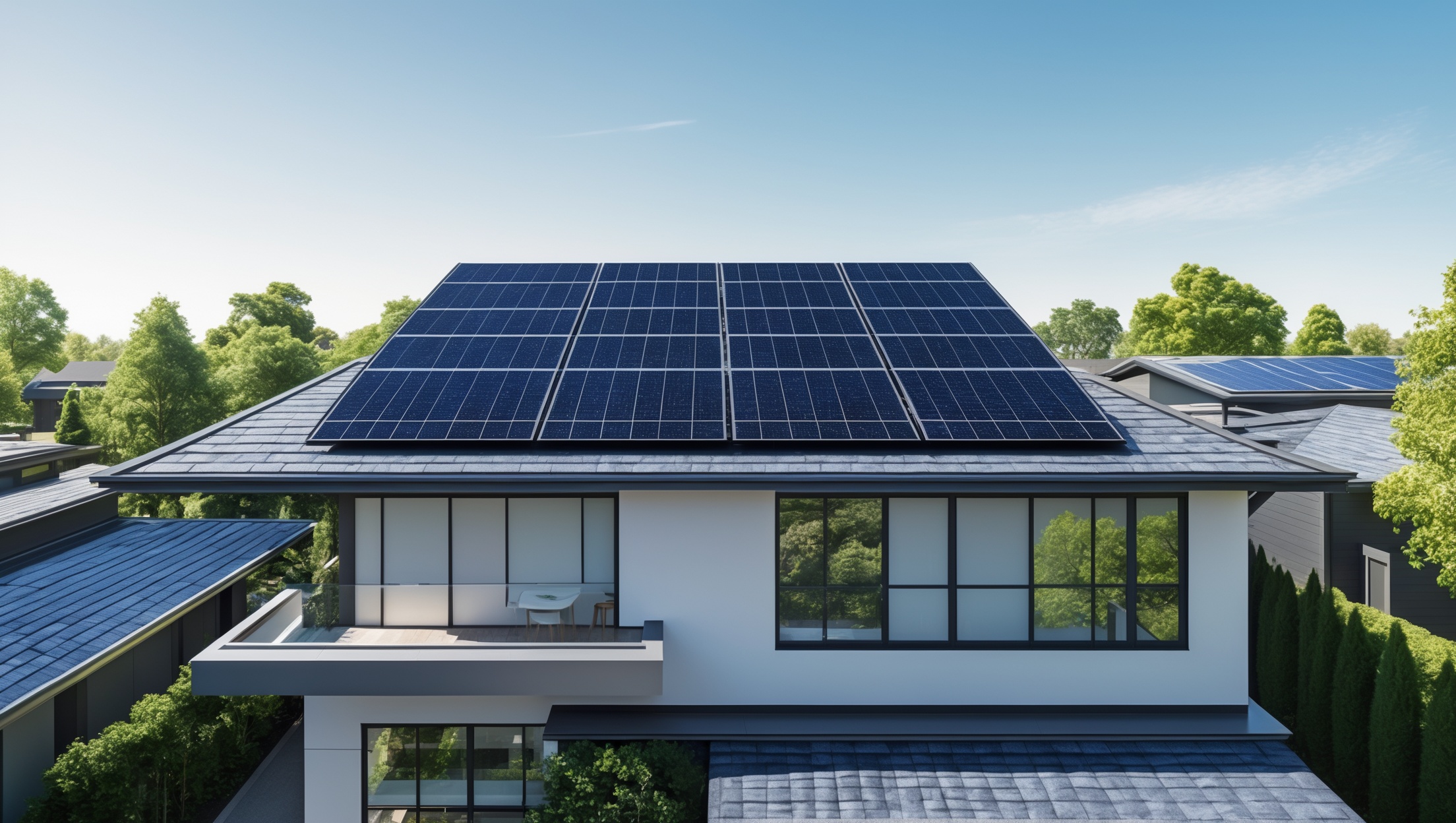
Introduction: Why Solar Panel Insurance Isn’t Optional
As residential solar installations surge across the country, more homeowners are harnessing renewable energy to reduce electricity bills and carbon footprints. However, many are unaware of the unique insurance considerations that come with solar panel systems. Unlike standard home upgrades, solar panels change your home’s risk profile and asset value—meaning your existing homeowners insurance policy may not automatically offer sufficient protection. Without proper coverage, you could face major financial setbacks from storm damage, theft, fire, or liability issues related to your system. In this guide, we’ll break down exactly what insurance essentials you need to know before, during, and after installing solar panels on your home. We’ll cover policy types, coverage gaps, claim scenarios, and practical steps for maximum protection, so you can enjoy your clean energy investment with confidence.
Understanding the Risks: What Can Go Wrong with Home Solar Installations?
Solar panel systems are robust but not invincible. To make informed insurance decisions, it’s crucial to understand the risks that homeowners face when installing rooftop or ground-mount solar arrays:
- Weather-Related Damage: Hail, windstorms, hurricanes, and heavy snow can crack or dislodge panels.
- Fire Hazards: Electrical faults, inverter malfunctions, or lightning strikes can cause fires affecting your panels and home.
- Theft and Vandalism: Solar panels and copper wiring are valuable targets for thieves and vandals, especially in less-monitored areas.
- Power Surges: Grid fluctuations or lightning can damage inverters and system electronics.
- Installation Defects: Faulty mounting, wiring, or poor workmanship can lead to leaks, roof damage, or system failures.
- Liability Risks: If a panel becomes loose and injures someone, or system wiring causes an electrical fire that spreads, you may be liable for damages.
Each of these hazards can lead to significant repair or replacement costs, as well as potential liability claims. That’s why comprehensive insurance coverage is essential from day one.
Solar Panels and Homeowners Insurance: What’s Typically Covered?
Standard Coverage
Most standard homeowners policies (HO-3 or equivalent) cover solar panels as part of the dwelling if the system is permanently attached to your roof. In these cases, perils such as fire, wind, hail, and theft are generally included up to your policy limits.
Coverage Limits and Gaps
However, there are key caveats:
- Coverage Limits: If your solar array substantially increases the value of your home, your existing policy limits may not cover a total loss. You may need to increase your dwelling coverage.
- Personal Property vs. Dwelling: Some insurers classify ground-mounted or carport-mounted solar arrays as ‘other structures’ or personal property, which often have lower coverage limits or exclusions.
- Named Perils: Certain weather events (like flood or earthquake) are typically excluded from standard policies and require separate riders.
- Deductibles: High deductibles can reduce claim payouts, especially with costly repairs.
What’s Not Covered?
- Wear and Tear: Insurance doesn’t cover gradual panel degradation or manufacturer defects (these are warranty issues).
- Poor Installation: Damage resulting from shoddy workmanship may be excluded unless you have specific endorsements.
- Flood/Earthquake: Both require separate policies or add-ons.
Additional Insurance Options for Solar Panel Protection
1. Scheduled Property Endorsement
If your insurer considers your solar system as personal property or an “other structure,” you may need to schedule it as an endorsement for full replacement value coverage.
2. Equipment Breakdown Coverage
This optional rider covers mechanical or electrical failures, including inverter breakdowns and circuitry issues not caused by external perils. It’s especially valuable for high-tech solar systems with battery storage.
3. Solar-Specific Insurance Policies
Some specialty insurers offer stand-alone solar panel insurance, covering a wide range of risks including accidental damage, theft, and loss of output due to perils.
4. Commercial Policies for Solar Leases or PPAs
If your system is leased (Power Purchase Agreement), the provider typically insures the equipment. However, clarify responsibility and ensure your homeowners policy doesn’t exclude leased equipment outright.
5. Umbrella Liability Insurance
For added liability protection, an umbrella policy can extend coverage above your standard limits—important if you host grid-tied systems or have contractors on your property.
Permitting, Compliance, and Insurance: The Overlap
Proper permitting and code compliance are not just legal requirements—they can also impact your insurance eligibility and claim outcomes. Many insurers will deny claims for losses involving unpermitted or non-code-compliant solar installations. Best practices include:
- Always use licensed, insured contractors for installation.
- Obtain all required local and utility permits before work begins.
- Ensure your system is inspected and approved by local authorities after installation.
- Keep records of permits, inspections, and as-built diagrams for your insurance file.
Some insurers may request proof of compliance or copies of permits before adding solar coverage or processing a claim.
Notifying Your Insurance Provider: Step-by-Step
Adding solar panels is considered a major home improvement. Here’s how to ensure your insurance keeps pace:
- Step 1: Contact your insurance agent before installation to discuss how solar will affect your policy.
- Step 2: Provide documentation (quotes, system specs, location on your property) for the planned installation.
- Step 3: After installation, submit final invoices and proof of completion.
- Step 4: Request a policy review to update your coverage limits and verify the system is listed as covered property.
- Step 5: Ask about endorsements or riders for full replacement value, equipment breakdown, and liability extensions.
Failing to update your insurer can result in denied claims or insufficient coverage if disaster strikes.
Solar Panel Claims Scenarios: Real-World Examples
Weather Damage Example
A homeowner in Texas experiences hail damage that shatters two rooftop panels. Their standard policy covers hail, but the claim is subject to a $2,500 wind/hail deductible. The replacement cost of $4,200 is covered, minus the deductible. If the entire array had been destroyed and policy limits were too low, the family would have paid out-of-pocket for the difference.
Theft Example
In a rural area, thieves steal several ground-mounted panels. The insurer classifies these as ‘other structures,’ which are capped at 10% of the dwelling coverage—far less than the actual loss. A scheduled property endorsement would have provided full-value replacement.
Electrical Fire Example
An inverter malfunction causes a garage fire. The insurer covers fire damage to both the home and the solar system, but only because the homeowner provided all permitting and code compliance documentation. Without it, the claim would likely have been denied.
Insurance Tips for a Safer, More Secure Solar Investment
- Document your system with photos, serial numbers, and installation paperwork for smoother claims.
- Ask your agent about exclusions specific to solar, such as windstorm or flood in your region.
- Update your home inventory to include the system’s value.
- Consider increasing coverage limits if your solar array is a significant investment.
- Review and update coverage after any major system upgrade or addition (e.g., battery banks).
- Maintain your system per manufacturer recommendations to avoid denied claims due to neglect.
- Secure your system with tamper-resistant hardware and, where feasible, surveillance to deter theft.
Frequently Asked Questions
Does installing solar panels increase my insurance premium?
It can. Adding solar increases your home’s replacement value, which may raise your premium modestly. However, the increase is usually small compared to the benefits and potential savings on your energy bills.
Will my insurer cover solar panels if they’re leased?
Usually, the leasing company insures leased panels, but always confirm in writing. Ensure your policy doesn’t exclude leased equipment from liability coverage.
Are solar batteries covered by homeowners insurance?
If permanently installed, batteries are often covered as part of the dwelling. Portable or removable batteries may be treated as personal property and subject to different limits.
What about community solar or shared systems?
If you participate in a community solar farm, you don’t own the panels on your property, and your homeowners insurance won’t cover them. Insurance is handled by the operator.
Conclusion: Future-Proofing Your Home Solar Investment
Solar panels are a forward-thinking investment that can offer decades of clean energy and substantial savings. However, the financial benefits can quickly erode if your installation isn’t properly protected by insurance. As we’ve explored, relying on basic homeowners coverage isn’t always sufficient. Coverage limits, exclusions, and the classification of your system (roof-mounted vs. ground-mounted, owned vs. leased) all influence your risk exposure. By proactively coordinating with your insurance provider, updating your policy, and considering supplemental endorsements, you’ll ensure your solar investment is shielded against the unexpected.
Don’t overlook the importance of permitting and code compliance, as they directly impact both your legal standing and your insurer’s willingness to pay claims. Documentation is your ally—photograph your system, keep records, and maintain a clear inventory. As the solar industry evolves, so too will insurance products and requirements. Regularly review your coverage, especially after upgrades or new installations, to keep pace with changes in technology and policy.
In short, securing robust insurance for your solar panels isn’t just a bureaucratic formality—it’s a critical part of responsible homeownership in the renewable energy age. With the right preparation and protection, you can enjoy the long-term rewards of solar power, knowing your investment is safe, sustainable, and fully insured.