

Introduction: Why Home Generators Matter More Than Ever
In recent years, extreme weather events, aging power grids, and a growing reliance on home technology have made backup power more crucial than ever for homeowners. Whether you work remotely, have medical equipment that requires constant electricity, or simply want peace of mind during outages, installing a home generator can be a smart investment. But before you jump in, you’ll want to understand the real costs involved, the permits and code requirements you can’t afford to skip, and how to make sure your new system remains reliable for years to come. This comprehensive guide will walk you through each step, from budgeting and choosing the right generator, to navigating local regulations and establishing a foolproof maintenance routine. By the end, you’ll have all the practical know-how you need for a successful home generator installation—without falling into common, costly traps.
Understanding Home Generator Options
Standby vs. Portable: What’s Right for You?
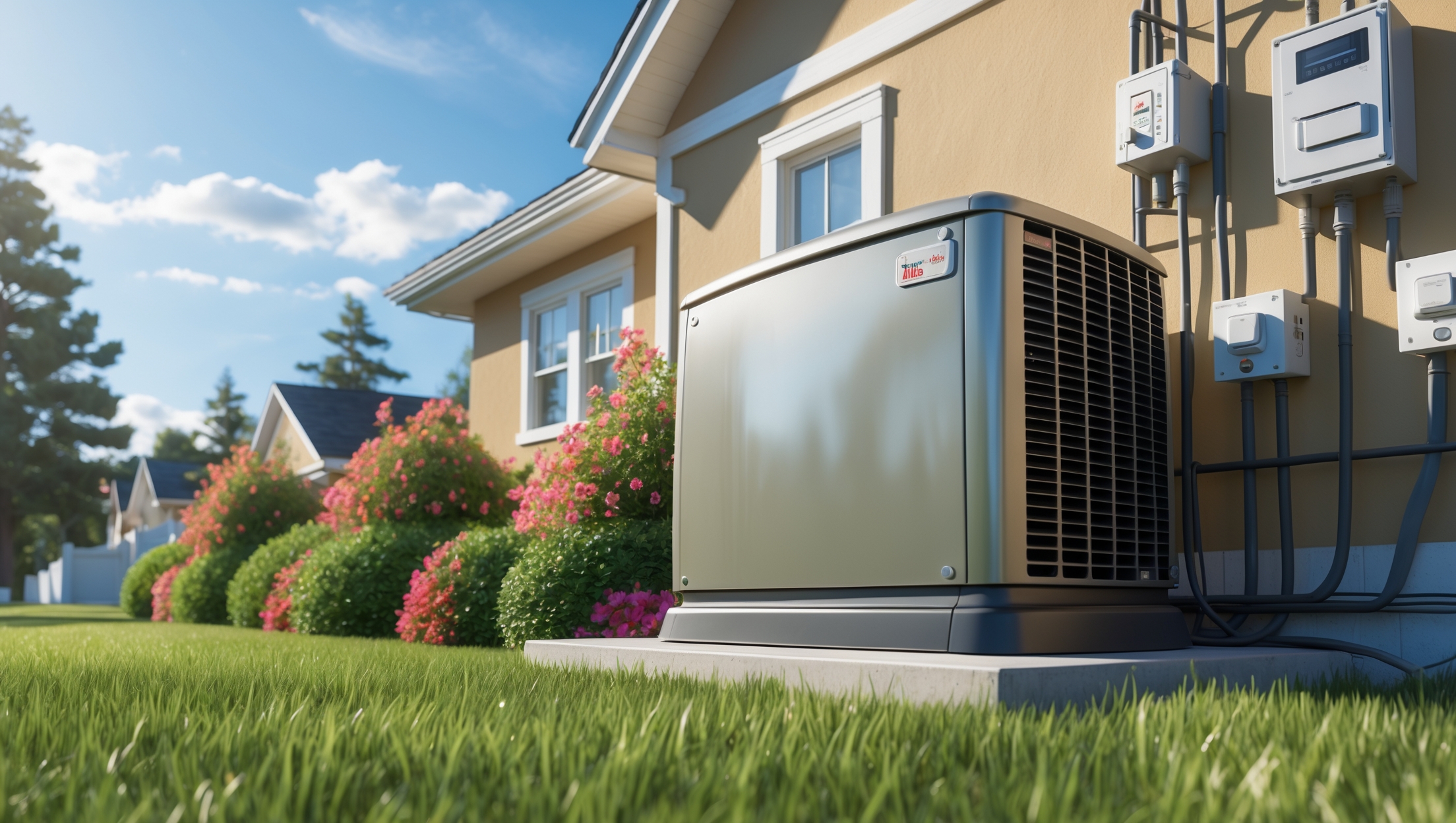
There are two main types of generators for home use: standby and portable. Standby generators are permanently installed, connected to your home’s electrical system, and automatically activate during outages. Portable generators are movable and must be manually connected, typically via extension cords or a transfer switch. Here’s how they compare:
- Standby Generators: Higher upfront cost, professional installation required, seamless operation, powers most or all of the home.
- Portable Generators: Lower initial cost, no installation needed, manual setup during outages, typically powers only select circuits or appliances.
If your goal is whole-home or automatic backup, a standby generator is the clear choice. If you only need to keep a few essentials running, a portable model may be sufficient.
Fuel Types and Their Impact on Cost and Logistics
- Natural Gas: Reliable, low maintenance, but requires a gas line hookup.
- Propane: Clean burning, stored onsite, requires regular tank refills.
- Diesel: High power output, good for large loads, but louder and requires fuel storage.
- Gasoline: Mostly for portable units; not recommended for standby due to volatility and short shelf life.
Discuss fuel options with your installer to determine availability and ongoing costs in your area.
Full Cost Breakdown: What to Expect
Generator Equipment Cost
Home generator prices vary by size and brand. Most standby generators suitable for average homes (7-22 kW) range from $2,500 to $7,500 for the generator itself. Larger homes or critical-use scenarios may require units up to $15,000 or more.
Installation Costs
- Site Preparation: $300–$1,000 for concrete pads, gravel, and landscaping adjustments.
- Electrical Work: $1,200–$3,000, including transfer switch installation and wiring.
- Fuel Line Installation: $500–$2,500, depending on fuel type and distance from supply.
- Permits and Inspections: $100–$800, depending on local requirements.
- Total Professional Installation: $3,000–$7,500 (excluding generator cost).
Ongoing and Hidden Costs
- Annual Maintenance: $200–$600 per year for inspections, oil changes, and parts.
- Fuel Costs: Variable based on fuel type and outage frequency.
- Warranty Extensions: Optional, often $300–$1,000 for extended coverage.
- Insurance Premiums: Some insurers may adjust premiums based on generator installation; check before you buy.
Permits and Compliance: What You Need to Know
Why Permits Matter
Installing a standby generator is not a DIY weekend project—at least, not if you want to stay compliant and safe. Most municipalities require permits covering electrical, fuel, and in some cases, zoning aspects of the installation. Skipping permits can result in fines, failed inspections, denied insurance claims, or even forced removal of your generator.
Typical Permitting Process
- Consult Your Local Building Department: Before purchasing, ask about required permits (often electrical and mechanical).
- Submit Detailed Plans: Provide installation diagrams, generator specifications, and site plans.
- Schedule Inspections: Inspections occur at both rough-in and final stages, covering electrical, fuel, and sometimes noise compliance.
- Obtain Approval Before Operation: Don’t run your generator until final approval is granted.
Some areas also have restrictions on generator placement, noise limits, and setback requirements from property lines, windows, and doors.
Working with Licensed Contractors
Most jurisdictions require that generator installations be performed by licensed electricians and, for fuel connections, plumbers or gas fitters. Confirm your installer is licensed, insured, and experienced with your generator brand. Reputable contractors will handle permitting for you and coordinate inspections.
Common Mistakes to Avoid
- Underestimating Load Requirements: Don’t guess what size generator you need. Have a professional conduct a load analysis to avoid overloading your system or wasting money on an oversized unit.
- Poor Site Selection: Install generators away from windows, vents, and doors to prevent carbon monoxide hazards. Ensure the unit is accessible for maintenance.
- Ignoring Local Codes: Each municipality has unique requirements. Don’t rely on generic online advice—always check with your local building department.
- DIY Installation: Beyond being dangerous, unauthorized DIY installs can void warranties and insurance coverage.
- Neglecting Maintenance: Failing to service your generator can lead to startup failures just when you need it most.
Step-by-Step: What to Expect During Installation
Site Assessment and Preparation
- Load Calculation: The installer will review your electrical panel and major appliances to size your generator accurately.
- Location Selection: They’ll choose a spot that meets all clearance, ventilation, and code requirements.
- Foundation Work: Usually a concrete or gravel pad is poured to support the generator.
Electrical and Fuel Connections
- Transfer Switch Installation: This device safely disconnects your home from the grid and routes power from the generator when needed.
- Electrical Wiring: Heavy-duty cables connect the generator and switch to your main panel.
- Fuel Line Hookup: Licensed professionals connect your generator to its fuel source—this may involve trenching for gas lines or setting up a propane tank.
Testing and Inspections
- Initial Testing: The installer will run the generator, test automatic start features, and verify load capacity.
- Municipal Inspections: Inspectors check compliance with electrical, mechanical, and fire codes before granting final approval.
Maintenance Essentials: Keeping Your Generator Reliable
Routine Tasks Every Homeowner Should Know
- Weekly Self-Tests: Most standby generators run a short self-test. Listen for unusual noises.
- Visual Inspections: Check for fuel leaks, oil puddles, or rodent damage monthly.
- Oil and Filter Changes: Typically every 100–200 hours of runtime or annually, whichever comes first.
- Battery Checks: Inspect and replace batteries as recommended by the manufacturer, usually every 2–3 years.
- Annual Professional Service: Schedule a pro to inspect wiring, test load capacity, and clean or replace spark plugs and air filters.
Maintenance Costs and Scheduling
Budget $200–$600 annually for professional maintenance, depending on generator size and local rates. Many manufacturers require documented service for warranty validity. Ask your installer about maintenance plans—they often offer discounts with installation.
Common Maintenance Mistakes
- Letting Fuel Sit Too Long: Stale fuel can gum up engines. Use fuel stabilizers for propane/gasoline systems and schedule regular tank refills.
- Ignoring Warning Lights: Modern generators display error codes—don’t dismiss them.
- Skipping Exercise Runs: If your generator doesn’t run weekly, start it manually under load at least once a month.
Insurance Essentials and Documentation
Notifying Your Insurance Provider
Some insurers offer discounts for homes with professionally installed standby generators, viewing them as a risk mitigation feature. Others may require proof of permitted installation for coverage. Notify your agent in advance, and keep copies of permits, inspection records, and maintenance logs.
Documenting Your Investment
- Keep all receipts for equipment, installation, and maintenance.
- File permits and inspection approvals with your home records.
- Maintain a digital backup of all documents for fast access during claims.
Frequently Asked Questions
How long will a standby generator last?
With proper maintenance, most units last 10–20 years or 2,000–3,000 operating hours.
Will a generator increase my home’s value?
Yes, especially in regions prone to outages. Buyers appreciate the peace of mind and may pay a premium for a professionally installed system.
Can I install a generator myself?
It’s not recommended. Electrical and fuel work must meet code, and DIY installs can void warranties and insurance coverage.
How noisy are home generators?
Modern standby generators are much quieter than portables—typically 60–70 dB at 20 feet, about as loud as a normal conversation.
Conclusion: Powering Your Home with Confidence
Installing a home backup generator is a proactive investment that can protect your household from costly, inconvenient, or even dangerous power outages. However, success depends on more than just picking a reputable brand. You must plan your budget carefully, account for both visible and hidden costs, and ensure every aspect of the installation complies with local codes and safety standards. Permits and professional help aren’t just bureaucratic hurdles—they’re your assurance that the system will work reliably and safely when you need it most.
Equally important is your commitment to ongoing maintenance. A neglected generator is little better than no generator at all—regular inspections, oil changes, and professional service visits are the keys to long-term reliability. Don’t forget to keep your paperwork in order and maintain open communication with your insurance provider for maximum peace of mind.
By following the steps and best practices outlined in this guide, you’ll avoid common pitfalls, protect your investment, and ensure your home stays comfortable and secure through every outage. A well-installed and properly maintained generator isn’t just a luxury—it’s a foundation for modern home resilience.
You mention that standby generators require professional installation and permits, but how long does the typical permitting process take, and are there common delays homeowners should be aware of before installation can actually begin?
The permitting process for standby generator installation usually takes between one and four weeks, depending on your local municipality. Common delays can occur if your application is missing required documents, if there are zoning concerns, or if your area experiences a high volume of permit requests. It’s helpful to check with your local building department early and ensure all paperwork is complete to avoid setbacks.
If my house doesn’t already have a natural gas line, how much does it usually add to the total cost and hassle of installing a standby generator? I’m trying to budget realistically before I make any decisions.
Adding a natural gas line when you don’t already have one can significantly impact your budget. Depending on your distance from the main line, installation typically ranges from $500 to $2,500 or more. This includes labor, permits, and materials. The process may require trenching or coordination with your utility provider, which can add both time and complexity. It’s a good idea to get a detailed estimate from a licensed plumber or contractor in your area before finalizing your budget.
Could you elaborate on what kind of regular maintenance is needed for a standby generator? I want to make sure I budget for ongoing costs beyond the installation itself.
Regular maintenance for a standby generator typically includes changing the oil and oil filter, replacing air and fuel filters, checking coolant levels, inspecting the battery, and testing the system under load. Most manufacturers recommend servicing at least once or twice a year, depending on usage. You should also set aside a budget for professional inspections and occasional part replacements to ensure your generator is always ready to operate.
When it comes to permits and code requirements for installing a standby generator, do these typically differ much between cities or states? I want to make sure I’m planning for the right process and costs if I move forward with a professional installation.
Permit and code requirements for standby generator installations can vary quite a bit between different cities and states. Local building codes, zoning laws, electrical standards, and even noise ordinances may all play a role. It’s a good idea to check with your local permitting office or a licensed installer in your area to get a clear understanding of what’s required and any associated costs before starting the project.
When it comes to permits and code requirements for installing a standby generator, do these vary a lot between cities or counties, and is it possible to handle some of the permitting process yourself as a homeowner, or should you always go through a licensed installer?
Permits and code requirements for standby generator installations do vary significantly between cities and counties. Some areas have strict rules or require specific inspections, while others may be more flexible. Homeowners can sometimes handle permit applications themselves, but many localities require a licensed electrician or installer, especially for electrical work. Check with your local building department to understand your area’s rules before starting, and consider consulting a professional if you’re unsure.
I see the article mentions local regulations and permits for generator installation. Can you give some real-world examples of the kinds of permits or inspections homeowners might need, and how long that approval process typically takes?
Homeowners usually need an electrical permit and, in many areas, a building permit when installing a generator. Inspectors may check wiring, placement, and proper ventilation for safety. In some regions, you might also need a gas permit if connecting to a natural gas line. The approval process can take anywhere from a few days to several weeks, depending on your local government’s workload and how quickly inspections are scheduled.
When budgeting for a home generator, are there any hidden or unexpected costs that most people overlook, like upgrades to the home’s electrical system or local code compliance beyond just the generator itself?
Yes, many homeowners overlook costs beyond the generator itself. Upgrades to your home’s electrical panel or wiring may be necessary, especially in older homes. You might also encounter fees for permitting, inspections, and site preparation (like concrete pads or landscaping changes). Local codes can require extra safety devices or grounding work. Factoring in these possibilities will give you a more accurate budget.