

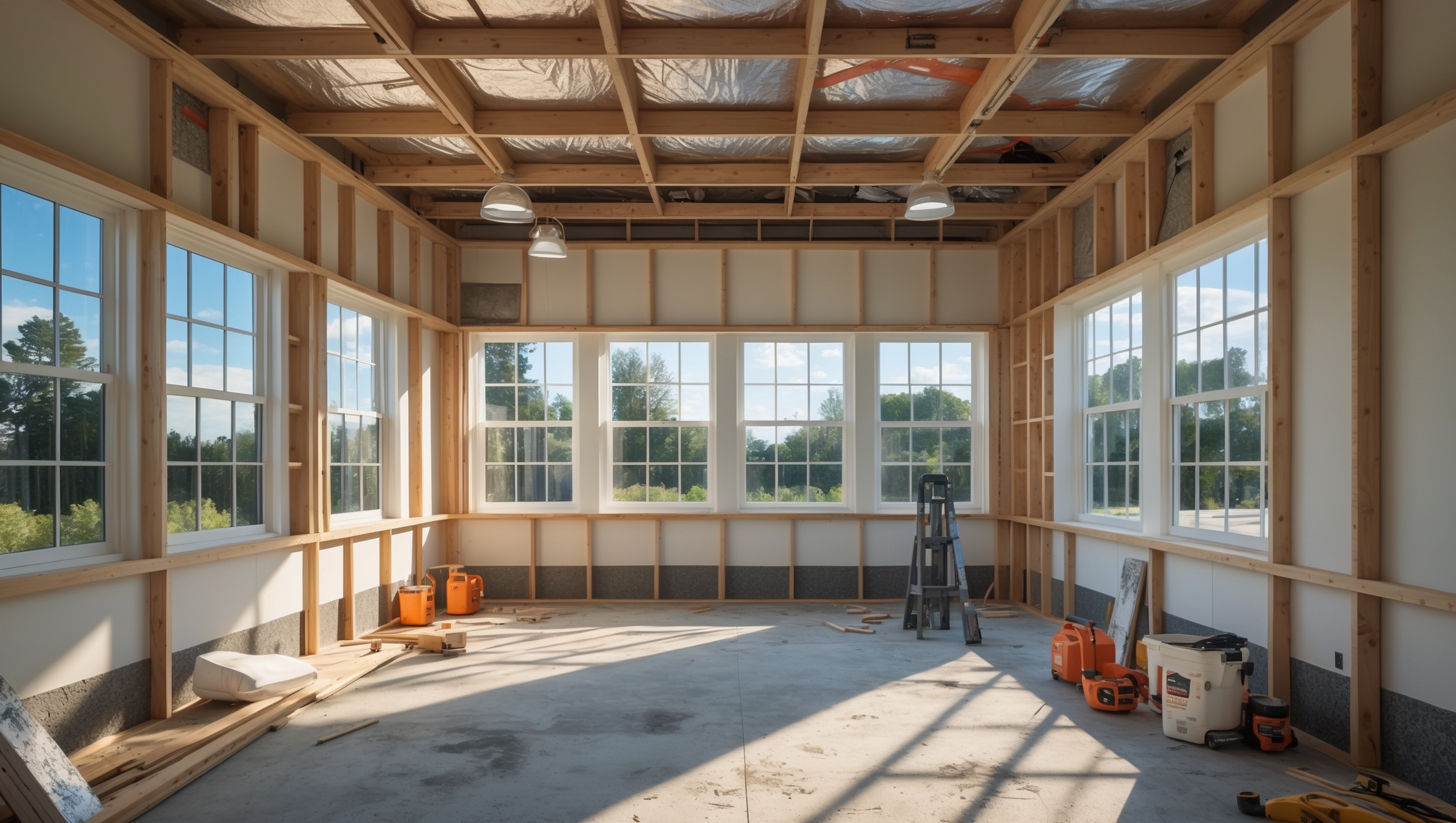
Introduction: Unlocking Potential—Why Garage Conversions Demand Compliance
Garage conversions have surged in popularity as homeowners seek creative ways to add livable space without knocking down walls or investing in costly additions. Whether you dream of a home office, guest suite, rental unit, or expanded family room, turning your underused garage into a functional area can boost property value and improve daily life. Yet, many homeowners underestimate the complexity of this project—particularly when it comes to compliance and permits. Ignoring these legalities can lead to fines, forced demolition, insurance headaches, and safety risks. This guide demystifies the process, equipping you with the knowledge to plan, permit, and execute a garage conversion that meets every code and regulation. You’ll learn how to navigate local building codes, understand zoning restrictions, protect your investment, and ensure your new space is both comfortable and legal. If you want your garage conversion to be a smooth success—and not a legal liability—start here.
Understanding Garage Conversion Compliance: What’s at Stake?
Why Compliance Matters
Garage conversions alter the use of an existing structure, which triggers a range of building, zoning, and safety regulations. Compliance ensures:
- Safety: Proper construction standards reduce fire, electrical, and structural risks.
- Legal Occupancy: A permitted conversion can be legally occupied, rented, or sold as living space.
- Insurance Validity: Most insurers require proof of code-compliant work for claims and coverage.
- Property Value: Unpermitted conversions can hurt resale value or derail sales entirely.
Key Compliance Categories
- Building Codes: Address structural integrity, fire safety, electrical/mechanical systems, and habitability.
- Zoning Regulations: Govern land use, parking, setbacks, and density.
- Energy Codes: Mandate insulation, windows, and HVAC efficiency for living spaces.
- Accessibility: Some areas require accessible design for rental or multi-family conversions.
Step 1: Assessing Feasibility—Can Your Garage Be Converted?
Initial Evaluation Checklist
- Detached vs. Attached: Detached garages may face stricter zoning and utility hookup requirements.
- Condition of the Structure: Assess the slab, framing, roof, and foundation for damage or deficiencies.
- Minimum Ceiling Height: Many codes require 7 feet or higher for habitable rooms.
- Ingress/Egress: Safe entry/exit points, including windows or doors, must be feasible.
- Utilities: Are water, sewer, gas, and electrical lines accessible or easily extended?
If you spot major red flags—structural damage, flood zone, or insufficient space—consult a qualified contractor or architect before proceeding.
Step 2: Researching Local Codes and Zoning
Where to Start
- Contact your city or county Building Department for garage conversion requirements.
- Review zoning maps and documents to check land use designations and density limits.
- Ask about special overlays (historic, wildfire, flood zones) that may impose extra rules.
Common Zoning Issues
- Parking Requirements: Most municipalities require replacement of lost garage parking with driveway or alternative spaces.
- Setbacks and Lot Coverage: Conversions must not push the garage beyond allowed yard setbacks or exceed maximum lot coverage.
- Use Restrictions: Some zones prohibit accessory dwelling units (ADUs) or limit rentals.
Step 3: The Permit Process—Documentation and Approvals
Typical Permits Needed
- Building Permit: Required for most conversions involving structural, electrical, mechanical, or plumbing changes.
- Electrical and Plumbing Permits: Separate permits for new circuits, outlets, lighting, or plumbing fixtures.
- HVAC Permit: Required for installing new heating or cooling systems.
- Zoning Approval: Confirms compliance with use and density restrictions.
- Special Permits: In historic districts, flood zones, or for ADUs, additional reviews may apply.
Permit Application Checklist
- Detailed construction plans (site plan, floor plan, elevations).
- Engineer or architect sign-off (often required for structural changes).
- Scope of work statement.
- Energy compliance documentation (if required).
- Permit application forms and fees (ask for this upfront).
Expect plan check times of 2–8 weeks depending on your jurisdiction and project complexity.
Step 4: Navigating Inspections—What to Expect
Inspection Stages
- Rough Framing: Inspectors check walls, windows, doors, and structure before insulation and drywall.
- Electrical/Plumbing Rough-In: New wiring, outlets, fixtures, and plumbing lines must be inspected before covering.
- Insulation and Energy: Insulation type and installation are checked for code compliance.
- Final Inspection: Verifies all work meets code, permits are closed, and the space is safe for occupancy.
Be present for inspections or ensure your contractor is, and address any corrections promptly to avoid delays.
Step 5: Compliance Essentials in Design and Construction
Structural Requirements
- Flooring: Garage slabs may need moisture barriers and insulation to meet code for living spaces.
- Walls: Insulation, vapor barriers, and drywall must be installed to residential standards—not just garage specs.
- Windows and Doors: Habitable rooms require adequate natural light, ventilation, and emergency egress. Window size and placement are regulated.
- Fire Separation: If attached, fire-rated drywall may be required between garage and house.
Mechanical, Electrical, and Plumbing (MEP)
- Heating and Cooling: Space must have permanent, code-approved HVAC—not just portable heaters.
- Electrical Updates: New circuits may be needed to support lighting, outlets, and appliances. GFCI protection is often required.
- Plumbing: If adding a bathroom or kitchenette, all plumbing must be to residential code, with proper venting and drainage.
Energy Efficiency and Safety
- Meet or exceed local insulation (R-value) requirements in walls, ceilings, and floors.
- Use energy-efficient windows and doors.
- Install smoke and carbon monoxide detectors as per latest code.
Step 6: Common Compliance Pitfalls and How to Avoid Them
Frequent Mistakes
- Skipping permits to “save time”—this leads to costly legal trouble and insurance voids.
- Underestimating parking replacement requirements—plan alternative parking early.
- Neglecting egress requirements—bedrooms need proper escape windows or doors.
- Poor insulation—leads to failed inspections and uncomfortable space.
- DIY electrical or plumbing without licensed professionals—risk of unsafe installation and failed inspections.
Pro Tips for a Smooth Process
- Meet with your local building official before submitting plans—they can flag issues early.
- Keep all documentation organized and accessible, including permits, inspection reports, and plans.
- If hiring contractors, verify they are licensed, insured, and experienced with conversions.
- Budget for contingencies—unexpected code upgrades (like electrical panel replacement) are common.
Step 7: Final Approvals and Documentation
Certificate of Occupancy (CO)
Once all final inspections are passed, your city or county may issue a Certificate of Occupancy. This document:
- Legally certifies the converted space as habitable and code-compliant.
- Is required for rentals, refinancing, or selling your property.
- Should be kept permanently with your property records.
Update Property Records and Insurance
- Notify your insurer of the new living space to ensure coverage.
- Update property tax records as required—expect possible reassessment.
Budgeting for Compliance: Cost Insights
Typical Permit and Compliance Costs
- Permit fees: $500–$2,500 (varies by area and project scope).
- Architect/engineer fees: $1,000–$5,000 for stamped plans.
- Inspections and plan checks: Often included in permit fee, but sometimes extra.
- Code upgrades: Older garages may require new wiring, seismic retrofits, or fire barriers.
Plan for 10–20% of your project budget to go toward permitting and code compliance. Skimping here risks far higher costs down the road.
Case Study: Legal vs. Illegal Garage Conversion
The Legal Path
Jane and Mark wanted a rental unit for extra income. They hired an architect to develop code-compliant plans, secured all permits, and addressed parking by widening their driveway. Inspections uncovered outdated wiring, but their upfront planning made corrections straightforward. The project took four months, cost $37,000, and added $150,000 in appraised value. Their new ADU was immediately rentable—and insurable.
The Unpermitted Shortcut
Sam converted his garage himself, skipping permits to “save money.” When he tried to sell, the unpermitted work was flagged. He faced $12,000 in fines, had to demolish noncompliant plumbing, and spent months retrofitting to code—delaying the sale and reducing his profit by $28,000. The lesson: shortcuts cost more in the end.
Conclusion: Invest in Compliance for a Stress-Free Garage Conversion
Converting your garage into livable space is a fantastic way to maximize your home’s potential, create rental income, or simply enjoy a more functional layout. But the path to a successful, valuable, and safe garage conversion is paved with careful attention to compliance and permitting. From understanding your local codes and zoning, to securing the right permits, passing inspections, and obtaining a Certificate of Occupancy, each step is critical to safeguarding your investment. Cutting corners or skipping legal requirements can result in costly fines, insurance denials, and even forced demolition—risks no homeowner should take.
By following best practices, consulting with local officials, and investing in professional expertise where needed, you ensure your converted space is not only beautiful and comfortable, but also legal and insurable. The upfront effort pays off in peace of mind, higher property value, and the freedom to use or rent your new space without fear. Remember: every successful garage conversion starts with compliance. Use this guide as your roadmap, ask smart questions, and don’t hesitate to seek expert help when navigating complex codes. Your dream space awaits—make it a reality the right way.
If my garage shares a wall with the main house, do I need to follow different building codes for fire safety or insulation compared to a detached garage? The article mentions both structural and fire safety standards, and I’m not sure how these apply when the garage is attached.
When your garage shares a wall with the main house, building codes often require enhanced fire safety measures for that shared wall, such as fire-rated drywall or specific insulation materials. These requirements are stricter than for detached garages, which are further from living spaces. Be sure to check with your local permitting office, as exact codes and standards can vary by location and may include additional rules for ventilation and soundproofing.
If local building codes are updated after I’ve completed my permitted garage conversion, would I have to make upgrades later on to keep the space legal, or am I grandfathered in under the codes at the time of conversion?
You are typically grandfathered in under the building codes that were in effect when your garage conversion was permitted and completed. This means you usually won’t have to upgrade your space to meet future code changes unless you do additional major renovations later or if new safety regulations are specifically made retroactive. To be sure, check with your local building department for any exceptions in your area.
The article mentions building and energy codes for garage conversions, but I’m curious about parking requirements. If my local zoning regulations require a minimum number of off-street parking spaces, how do municipalities usually handle a garage-to-living-space conversion that takes away a parking spot?
Municipalities often require that you maintain the minimum number of off-street parking spaces even after a garage conversion. If your project removes a required space, you may need to provide alternative parking elsewhere on your property, like adding a driveway space. Some areas may grant exceptions or variances, especially if on-street parking is available, but you’ll need to check with your local planning or zoning department for specific rules and possible solutions.
I’m curious about the insurance implications you mentioned. If I convert my garage without the proper permits and then later bring it up to code, will most insurers still honor coverage, or is there a risk of being denied in the future due to the original unpermitted work?
If you convert your garage without permits, most insurers consider that a risk, even if you later bring the space up to code. Some companies may refuse coverage or deny future claims related to that area because of its unpermitted past. It’s important to disclose all modifications and proof of compliance to your insurer once the space is legalized, but some risk may remain based on how the work was originally handled.
I noticed energy codes are listed as a key compliance area. What steps should a beginner take to make sure things like insulation and windows meet those standards before starting construction, especially if my garage is pretty old?
Before starting your conversion, check your local building department’s energy code requirements for insulation and windows. Schedule an inspection or consult with a local contractor to evaluate your garage’s current state. Choose energy-efficient windows and the proper insulation type and thickness specified by code. Having a plan that addresses wall, floor, and ceiling insulation up front will help ensure you meet standards and avoid costly corrections later.
The section about insurance caught my eye. If I already did some work on my garage before reading up on permits and compliance, what steps should I take to make sure my insurance still covers me, or to fix any issues with work that might not meet code?
If you’ve started or completed garage work before checking permits and compliance, it’s important to act promptly. First, contact your local building department to schedule an inspection of the work already done. They can advise if retroactive permits are possible and what corrections might be needed. Next, inform your insurance provider about the work, as undisclosed or non-compliant renovations may affect your coverage. Bringing everything up to code and updating your policy helps ensure you stay protected.
I see the article talks about zoning regulations like parking and density. If my garage conversion will eliminate our only off-street parking spot, could that stop me from getting a permit, or is there usually a workaround for situations like that?
Losing your only off-street parking space can be a major hurdle for permit approval, as many cities require at least one off-street parking spot per home. Some areas may offer exceptions or allow you to replace the lost parking with an alternative, like a new driveway or parking pad, but this varies by location. It’s best to check with your local planning department about their specific rules and possible alternatives.
I understand that building and energy codes are pretty strict for garage conversions. Do you have a ballpark idea of how long it typically takes to get all the necessary permits approved before construction can actually start? I’m trying to plan around a busy family schedule.
Permit approval times for garage conversions can vary depending on your local building department and the complexity of your project. On average, it takes anywhere from 2 to 8 weeks to get all necessary permits approved. Some areas with heavier workloads or stricter reviews might take longer, while a well-prepared application with clear plans can help speed things up. It’s wise to check directly with your local permitting office for the most accurate timeline.
You brought up insurance validity if the garage conversion isn’t up to code. Have you run into specific insurance companies asking for certain kinds of documentation or inspections after a conversion? I’d like to know what proof I should keep on hand for future claims.
Insurance companies do sometimes request proof that a garage conversion meets local building codes and permit requirements. It’s wise to keep copies of your approved building permits, inspection reports, and a certificate of occupancy if issued. Photos of the completed work and any correspondence with contractors can also be helpful. Keeping these documents organized will make any future insurance claims process smoother.
You talked about needing to meet energy codes for insulation and windows. How do I figure out what the minimum requirements are for those in my city? Is that something the building department will explain to a homeowner, or do I need to hire a professional to help with that part?
You can usually find your city’s minimum insulation and window requirements by contacting your local building department. They often have handouts or can answer questions directly for homeowners. You don’t have to hire a professional just to get this information, but if the codes seem confusing, a contractor or architect experienced in your area can help interpret and apply them correctly to your project.
You mention that unpermitted garage conversions can cause insurance and resale issues. If someone has an older conversion that was never permitted, what steps should they take to bring it up to code and get it properly documented now?
If you have an older, unpermitted garage conversion, the first step is to contact your local building department to ask about the process for retroactive permits. You’ll likely need to schedule an inspection to determine what must be brought up to current code. Be prepared to make updates such as electrical, insulation, or fire safety improvements if needed. Once your conversion meets all requirements, you can obtain the necessary permits and documentation, which will help with insurance and future resale.
Once the conversion is complete and inspected, what’s the process for updating my property records or insurance to reflect the new livable space? Are there specific documents or steps I need to be aware of to avoid future problems?
After your garage conversion passes inspection, update your property records by submitting the final permit and inspection approval to your local assessor’s office. This helps ensure your home’s official square footage reflects the new livable space. For insurance, contact your provider to update your policy, sharing documentation like the permit, inspection report, and any floor plans. Keeping these records on file will help you avoid issues with resale, refinancing, or claims in the future.
We’re planning to convert our garage into a family room, but I’m nervous about running into issues with building codes, especially for insulation and HVAC. What are the most common reasons permits get denied or inspections fail for garage conversions?
Some of the most common reasons permits get denied or inspections fail for garage conversions include insufficient insulation for energy code compliance, improper or inadequate HVAC installation, lack of proper egress windows or doors, and electrical work not meeting code. Often, plans are rejected if they don’t clearly show how the new space will meet requirements for ventilation, fire safety, and structural changes. Double-check your local building codes and work with licensed professionals to avoid these pitfalls.
Could you clarify what specific elements inspectors are usually most strict about when checking for compliance—like is it the insulation, electrical, or something else? I want to make sure I don’t overlook something that could delay my project.
Inspectors tend to be especially strict about life safety elements like electrical wiring, smoke and carbon monoxide detectors, proper egress windows or doors, and fire-rated walls between the garage and living space. Adequate insulation and ventilation are also key, as well as plumbing if you’re adding a bathroom. Double-check that everything meets code before your inspection to avoid delays.
I’m a bit confused about how zoning regulations apply if you’re converting a garage into a rental unit instead of just extra living space for family. Are there usually extra steps or restrictions for rental conversions compared to non-rental uses?
When converting a garage to a rental unit rather than just extra family space, zoning regulations are typically more strict. You may need to comply with additional requirements like minimum unit size, separate entrances, extra parking, and safety codes. Many areas also require permits specifically for rental conversions and may limit the number of rental units allowed. Always check with your local planning department before starting—rental use often involves extra steps compared to non-rental conversions.
You mention that unpermitted garage conversions can cause problems with insurance coverage. If someone already converted their garage without the proper permits, what are the realistic steps they should take to bring everything up to code and avoid coverage issues?
If the garage was converted without permits, the best course is to contact your local building department to discuss a retroactive permit or regularization process. They may require inspections, possible corrections, or upgrades to bring the conversion up to current codes. Once approved, you’ll get official documentation, which you should share with your insurance provider to ensure your coverage is valid and up to date.
You mention that zoning regulations can affect garage conversions, especially when it comes to parking and setbacks. How do cities typically handle garage conversions in areas where off-street parking is already limited? Are there workarounds if you can’t provide the required parking after converting the garage?
Cities often require homeowners to replace lost parking spaces when converting a garage, especially in areas with limited off-street parking. This might mean creating a new driveway or carport if possible. However, some cities offer waivers or reduced parking requirements for certain situations, like proximity to public transit or if the property is in a designated urban zone. It’s a good idea to check with your local planning department to see if any exceptions or flexible options apply in your area.
The article mentions that zoning regulations can impact garage conversions, especially with respect to parking and setbacks. Could you clarify how homeowners typically address situations where converting their garage removes required parking spaces? Are there common solutions local governments accept?
When a garage conversion removes required parking spaces, many local governments require homeowners to provide alternative parking, such as constructing a new driveway or carport elsewhere on the property. Some cities may allow parking in tandem on the driveway, while others offer waivers or reduced parking requirements if the property is near public transit. It’s important to check with your local planning department for accepted solutions in your area.
I’m looking into converting our garage into a guest suite, but I’m worried about insurance issues if something isn’t compliant. Can you explain what kind of proof or documentation insurers typically ask for to ensure coverage after a garage conversion?
Insurers usually want to see that your garage conversion was done according to local building codes. They may request copies of approved building permits, the final inspection sign-off or certificate of occupancy from your city, and sometimes contractor invoices showing licensed professionals did the work. Keeping all these documents on hand will help ensure your coverage isn’t affected by the conversion.
If I already converted my garage into a guest room without permits a few years ago, is there a way to bring it up to code now and get it legalized, or would I risk facing fines or having to undo the work?
You can usually bring an unpermitted garage conversion up to code by applying for retroactive permits with your local building department. An inspection will likely be required, and you may need to make updates to meet current codes. There is a risk of fines or needing to make corrections, but legalizing the space is often possible and can help avoid bigger issues if you sell or get reported.
After making sure my garage is up to energy codes and building regulations, what’s usually the next step in getting official approval? Is there a checklist or standard process for the final inspection before I can start using the space?
Once your garage meets all energy codes and building regulations, the next step is to schedule a final inspection with your local building department. Inspectors typically check electrical, plumbing, insulation, ventilation, smoke and carbon monoxide detectors, as well as overall safety. Many city websites provide a final inspection checklist—it’s a good idea to request one from your local office to make sure you’re fully prepared before the inspector arrives.
The article talks about building codes related to habitability and safety. For older homes, are there any grandfathered rules that might apply, or will I need to bring everything up to current code during the conversion?
When you convert a garage into living space, most local building departments require you to bring the converted area up to current code, even in older homes. Grandfathered rules rarely apply to new living spaces. You may need to upgrade insulation, electrical, windows, and fire safety to meet today’s standards. It’s always best to check with your local permitting office, as some requirements may vary by location.
I’m planning to use my garage as a rental unit eventually, and I’m curious about the difference in compliance requirements between just converting it into a family room versus a legal rental. Are there extra permits or inspections needed if someone will be living there full-time?
Yes, there are extra requirements if you plan to use your garage as a legal rental unit. Converting it into a family room usually has fewer compliance steps, mainly related to safety and structure. For a rental, you’ll likely need additional permits, meet stricter building codes, and pass more thorough inspections for things like fire safety, ventilation, separate utilities, and possibly parking. Always check with your local planning department for specific rules in your area.
Once the conversion is done and inspected, what paperwork should I keep on file to show compliance for future insurance claims or if I ever decide to sell? I don’t want to risk any issues down the road.
After your garage conversion is completed and inspected, hold onto several key documents: the building permit and final inspection approval, any certificates of occupancy, architectural plans, and written correspondence with your local permitting office. These records demonstrate that the work was done legally and up to code, which is important for future insurance claims or when selling your home.
I see that zoning regulations and parking requirements are key factors in garage conversions. Could you explain what typical parking requirements are, and what a homeowner can do if converting their garage would put them below the required number of off-street parking spaces?
Typical parking requirements often depend on your city or county, but many areas require a minimum number of off-street parking spaces per dwelling unit—commonly one or two spaces. If converting your garage reduces your available parking below what’s required, you might need to provide alternative off-street parking, such as a new driveway or carport. In some cases, you can apply for a variance or waiver if providing additional parking isn’t feasible, but approval depends on local regulations and circumstances.
The article mentions that unpermitted garage conversions can cause insurance headaches. If I start converting my garage and run into issues halfway through, what steps should I take to make sure my work stays compliant and covered by insurance?
If you encounter issues during your garage conversion, pause the work and contact your local building department to review the necessary permits and inspections required. Make sure all work aligns with local codes before proceeding. Notify your homeowner’s insurance provider about the conversion so your coverage remains valid. Keeping records of permits, inspections, and approved plans will help ensure compliance and avoid any insurance problems down the line.
If I want to convert my garage into a small rental unit, what are some common zoning restrictions I should look out for? The article mentions these can affect things like parking and density, but I’m not sure where most homeowners run into trouble.
When converting a garage into a rental unit, typical zoning issues include minimum lot size, property setbacks, and limits on the number of units per lot. Parking requirements are also common—many areas require adding extra parking spaces for rentals. Homeowners often run into problems with density rules (how many units are allowed), restrictions on short-term rentals, and rules about separate entrances. It’s important to review your city’s specific zoning ordinances or consult local planning officials before starting your project.
When you mention zoning regulations affecting garage conversions, do you have any tips for figuring out if my neighborhood’s zoning actually allows converting a garage to a separate rental unit? I’m in a single-family zone and the city’s website is not very clear.
To find out if your single-family zone allows garage conversions as separate rental units, try contacting your city’s planning or zoning department directly—they can clarify local rules and answer specific questions. You might also ask about Accessory Dwelling Units (ADUs), since many cities classify garage conversions this way. Reviewing local ordinances or visiting the city’s permitting office in person can also help if the website isn’t clear.