

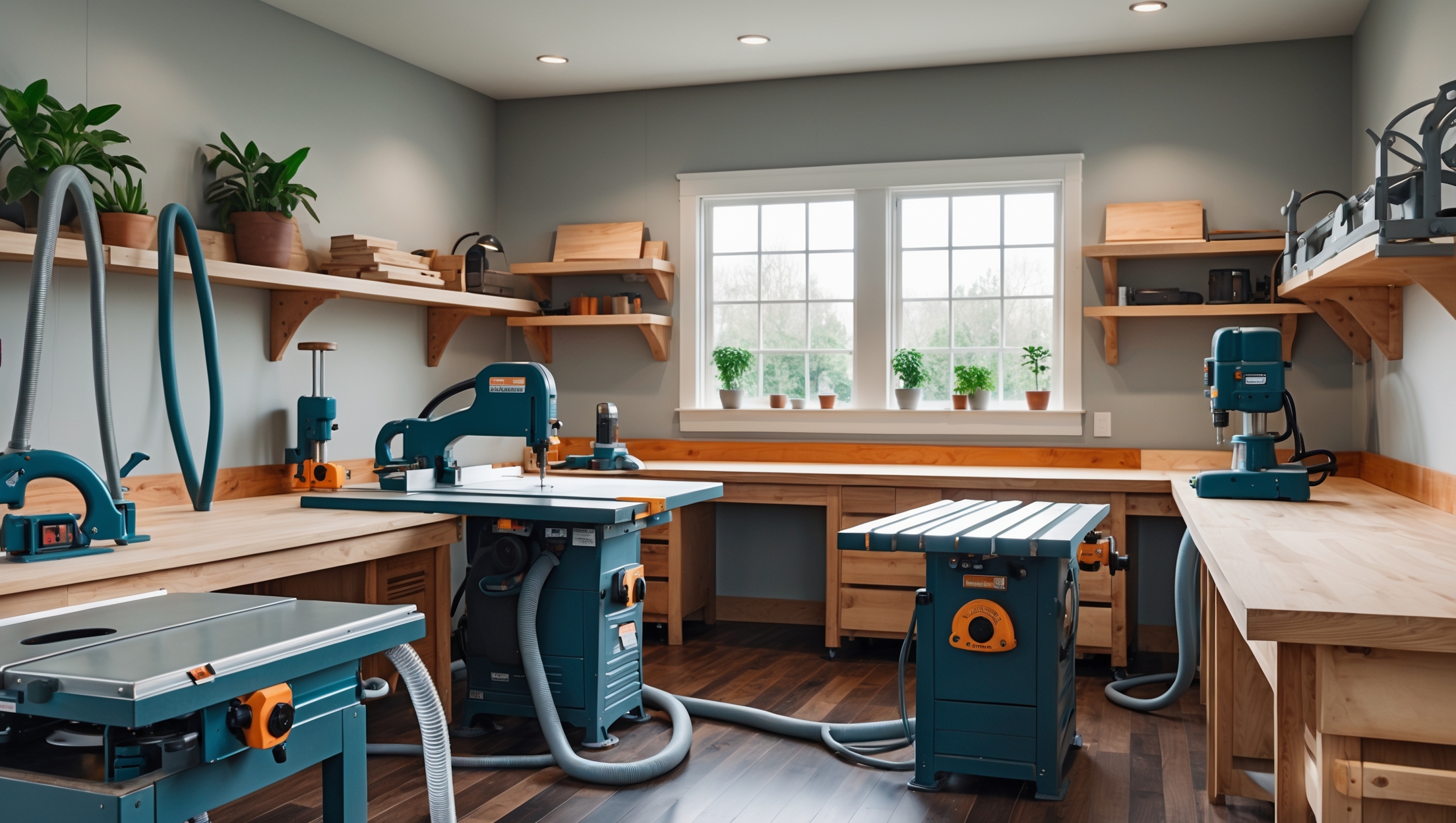
Introduction: Why Dust Collection Matters in Your Home Workshop
If you spend any time woodworking, sanding, or cutting materials in a home workshop, you know dust is an inevitable byproduct. What you might not realize is how significantly airborne dust can impact your health, tool longevity, and even home safety. Fine particles from wood, drywall, and other materials are not just a nuisance—they can aggravate allergies, trigger asthma, and, with prolonged exposure, cause serious respiratory issues. Additionally, dust accumulation can clog and damage your tools, reduce the quality of your projects, and even pose a fire hazard. That’s why a dedicated dust collection system is more than just a convenience: it’s a crucial investment in your workspace’s safety, efficiency, and compliance with local building codes. This comprehensive guide will walk you through every stage of setting up a home workshop dust collection system, from planning to installation, maintenance, and troubleshooting. Whether you’re a seasoned DIYer or just starting, this resource will help you design a system that fits your space, budget, and needs—so you can breathe easier and work smarter.
Planning Your Dust Collection System
Assess Your Workshop Layout and Needs
Every effective dust collection setup starts with a careful evaluation of your workspace. Consider the following:
- Workshop size: Measure your available floor space and ceiling height to identify where equipment can be placed.
- Primary dust sources: List all tools that generate dust—table saws, sanders, planers, routers, band saws, etc.
- Workflow patterns: Note how you move between tools and which are used most frequently.
- Ventilation: Check if your workshop has windows, vents, or an existing HVAC system that could impact airflow.
Types of Dust Collection Systems
- Shop Vacuums: Suitable for small workshops or portable setups. Limited capacity but affordable.
- Single-Stage Collectors: Use a motor and filter bag/canister. Good for medium spaces and direct connections to one tool at a time.
- Two-Stage Collectors (Cyclones): Use a cyclone chamber to separate larger debris before filtering fine dust. Higher efficiency, ideal for multiple machines.
- Whole-Shop Systems: Network of ducts and blast gates connecting several machines to a central collector. Best for larger or permanent workshops.
Budgeting for Your System
- Shop vacuums: $100–$250
- Single-stage collectors: $250–$600
- Cyclone systems: $500–$2,000+
- Ductwork and fittings: $100–$500+
- Accessories (blast gates, hoses, adapters): $50–$300
- Installation (DIY vs. professional): $0 (DIY) to $500+ (pro)
Be sure to include filters, replacement bags, and maintenance costs in your long-term budget.
Designing Your System: Airflow, Ductwork, and Tool Connections
Calculating Airflow Needs
Dust collectors are rated by their airflow capacity, measured in cubic feet per minute (CFM). Each tool typically requires 200–400 CFM for effective dust capture. Add the requirements for any tools that may be used simultaneously, then select a collector that can handle your peak demand.
Choosing Ductwork Materials
- Flexible hoses: Easy to install, ideal for short runs or tool connections, but higher airflow resistance.
- Rigid metal ducts (galvanized steel or aluminum): Best for main lines; smooth interior reduces static and improves airflow.
- PVC pipe: Affordable and easy to cut, but be aware of static electricity buildup—grounding is essential.
Layout Considerations
- Shortest, straightest runs: Minimize elbows and bends to maintain airflow.
- Tool positioning: Group dust-producing tools near each other and close to the collector when possible.
- Blast gates: Install at each tool to control suction and isolate sections of the system.
- Hose diameter: 4″ is standard for most small/medium tools; use 6″ or larger for bigger machines or main trunk lines.
Grounding for Safety
Static electricity buildup in dust collection systems, especially with PVC pipes, can create a fire or explosion hazard. To prevent this:
- Run a bare copper wire along the outside of all non-metal ductwork and connect it to a ground.
- Use metal connectors where possible.
- Check local codes for specific grounding requirements.
Step-by-Step Installation Guide
1. Unpack and Assemble Your Dust Collector
Follow the manufacturer’s instructions to assemble the collector. Securely mount it on a stable surface or wall. Check all fasteners and seals.
2. Plan and Mark Ductwork Routes
- Sketch your workshop layout and mark where ducts will run.
- Measure and cut ducts to length; factor in connectors and elbows.
- Dry-fit all pieces before final assembly to confirm alignment.
3. Install Main Duct Trunk
- Start at the collector and work outwards.
- Secure ducts to walls or ceiling joists with brackets every 4–6 feet.
- Seal joints with foil tape or appropriate sealant to prevent leaks.
4. Add Branch Lines and Tool Connections
- Use reducers or Y-fittings to connect branches to main trunk.
- Attach flexible hose from branch line to each tool’s dust port.
- Install blast gates at each branch for control.
5. Set Up Dust Collector Exhaust and Filters
- Install filter bags or canisters as directed.
- If venting outside, ensure the exhaust port is properly sealed and protected from weather and pests.
6. Ground the System
- Attach copper wire along non-metal ducts/hose and connect to electrical ground.
- Double-check connections for continuity and compliance.
7. Test the System
- Turn on the collector and check for strong suction at each tool.
- Open and close blast gates to verify airflow control.
- Inspect all joints for leaks; reseal if needed.
Compliance and Permits: What You Need to Know
Local Building Codes
Some municipalities require permits for permanent dust collection installations, especially if venting outside or modifying electrical circuits. Common regulations include:
- Proper venting to prevent fire hazards
- Electrical wiring and circuit protection for dust collector motors
- Grounding of ductwork for static discharge prevention
Check with your local building department before starting installation. DIY systems may be exempt from permit requirements if portable and not hardwired.
Air Quality Compliance
Exhausting fine dust outside can violate local air quality rules. Many areas require HEPA filtration for indoor air or prohibit venting dust outdoors. Choose a collector with a high-efficiency filter to stay compliant.
Maintenance Best Practices
Regular Tasks
- Empty collection bags/canisters: Check weekly or more often if heavily used.
- Clean or replace filters: Inspect monthly; replace or wash as recommended by the manufacturer.
- Inspect ductwork: Check for clogs, leaks, or loose connections every few months.
- Lubricate moving parts: Follow the dust collector manual for motor and bearing maintenance.
Annual Maintenance
- Deep-clean all ducts and hoses to remove buildup.
- Test static grounding and electrical connections.
- Replace worn hoses, seals, or blast gates as needed.
Troubleshooting Common Issues
Weak Suction
- Check for clogs or blockages in hoses and ducts.
- Ensure all blast gates except the one in use are closed.
- Inspect for leaks at duct joints and tool connections.
- Clean or replace filters if airflow is restricted.
Excessive Noise
- Install vibration dampeners under the collector.
- Add sound-absorbing panels to workshop walls or ceilings.
- Check for loose parts or unbalanced impellers.
Dust Leaks or Poor Filtration
- Verify filter bags/canisters are seated and sealed properly.
- Upgrade to a higher-efficiency filter if fine dust escapes.
- Seal all duct joints with foil tape or caulk.
Safety Checklist: Operating Your Dust Collection System
- Always turn off and unplug the collector before servicing or cleaning.
- Never use the system to collect hot ash, sparks, or metal shavings—these can ignite dust.
- Use only grounded outlets and avoid overloaded circuits.
- Keep combustible materials away from the collector motor and exhaust area.
- Regularly check for and clear any blockages to prevent overheating.
- Wear a dust mask or respirator when emptying bags or cleaning filters.
- Ensure proper ventilation if using solvent-based materials in the workshop.
Conclusion: Enjoying a Cleaner, Safer Workshop
Installing a dust collection system in your home workshop is one of the smartest investments you can make for your health, safety, and project quality. By controlling airborne dust, you protect your lungs, extend the life of your tools, and create a workspace where you can focus on creativity instead of cleanup. While planning and installing a system requires upfront effort and careful consideration of airflow, ductwork, and compliance, the benefits pay off every time you work. Remember to maintain your system regularly, stay on top of filter changes and bag emptying, and check for leaks or clogs to keep everything running smoothly. Most importantly, always follow safety best practices and local code requirements—an effective dust collection system not only makes your shop cleaner but also ensures you can enjoy your craft for years to come. Whether you’re building furniture, crafting gifts, or tackling home repairs, a well-designed dust collection setup will let you breathe easier and work better in your home workshop, every day.
I’m just starting out and worried about how dust might affect my health and tool life. For someone on a tight budget, what are the minimum steps I should take to set up a safe and effective dust collection system in a small space?
For a small space and limited budget, start with a quality shop vacuum and a cyclone separator to capture fine dust before it reaches the vacuum. Attach these to your most-used tools with flexible hoses. Wear a dust mask while working and keep the area well-ventilated, either by opening windows or using a fan. Clean up regularly to prevent dust buildup. These steps provide basic but effective protection for both your health and your tools.
Could you elaborate on the main differences in maintenance requirements between shop vacuums and single-stage collectors? I’m trying to decide which option is less hassle for a small space and regular use.
Shop vacuums generally require less maintenance than single-stage collectors. You’ll need to empty their smaller canisters more often and clean or replace the filter regularly, but it’s a quick process. Single-stage collectors have larger bags or bins that fill up slower, but maintaining their larger filters and checking for clogs can be more involved. For small spaces and frequent use, a shop vacuum is usually less hassle to maintain.
The article mentions that dust accumulation can even be a fire hazard in a home workshop. Are there specific types of dust collection systems or filters that are better at reducing this fire risk, and what should I look for if fire safety is one of my main concerns?
If fire safety is your priority, look for dust collection systems with spark arrestors or fire suppression features. Cyclone separators are effective at capturing larger particles, which can reduce fire risk. Choose filters rated for fine dust (like HEPA filters), and make sure the system uses metal rather than plastic ductwork, as metal is less prone to static buildup. Regularly empty collection bins to prevent excessive accumulation.
For someone just starting out with a smaller workspace, would you recommend investing in a single-stage collector over a regular shop vacuum, or is the extra cost not worth it for light woodworking?
For light woodworking in a small workspace, a quality shop vacuum is often sufficient and much more affordable than a single-stage collector. Shop vacuums are also compact and easy to move around. If you mostly use handheld tools and generate limited dust, you can start with a shop vacuum and consider upgrading later if your needs grow.
In the planning section, you mention considering the workshop’s ventilation. If my garage only has a small window for airflow, do I need to make any modifications to safely install a dust collection system, or will basic setups work for limited ventilation?
If your garage only has a small window for airflow, you should definitely consider additional ventilation, especially when using a dust collection system. While basic setups can operate in low-ventilation spaces, improving airflow helps remove fine dust particles and prevents buildup. You might want to install a small exhaust fan or use the window with a fan to boost air exchange. This will help maintain air quality and safety in your workshop.
I have a small garage that doubles as my workshop, and I’m not sure if a single-stage collector is overkill compared to a regular shop vacuum. How do you decide which is best for a limited space and mostly handheld tool use?
For a small garage workshop mostly using handheld tools, a shop vacuum is usually sufficient and saves space. Single-stage collectors are better for larger, stationary tools or higher dust volumes. If portability, noise, and storage are concerns, a good quality shop vac with a HEPA filter and a cyclone separator might be your best fit.
You mentioned that shop vacuums are good for small workshops, but I’m not sure how to decide if my tool setup justifies upgrading to a single-stage collector. Is there a rule of thumb for when it’s worth investing in the more powerful system?
A good rule of thumb is to consider upgrading to a single-stage collector if you regularly use multiple machines that generate a lot of dust, like a table saw, planer, and jointer, or if your shop is larger than about 400 square feet. If you find your shop vacuum filling quickly, losing suction, or you’re spending a lot of time cleaning up fine dust, a more powerful system is likely worth it.
I’m wondering about spacing for a small basement workshop. The article mentions measuring floor space and ceiling height, but do you have any tips for fitting dust collection equipment around laundry machines and existing storage shelves?
When working around laundry machines and storage shelves, try placing your dust collector in a corner or along a wall that’s easily accessible but out of typical pathways. Use flexible hose to connect machines, and consider mounting ducts or hoses along the ceiling to save floor space. Compact collectors or wall-mounted units can also help you fit everything in without overcrowding the area.
I noticed the article mentions considering the existing ventilation in my workshop, like windows and HVAC. If I have a small space with both a window and a vent, do I need to block those off or adjust them when running a dust collection system to avoid interfering with airflow?
You don’t need to block off your window or vent completely when using your dust collection system, but it’s a good idea to be mindful of airflow patterns. If you have the window open, it can help provide fresh air and improve ventilation, but make sure it doesn’t create drafts that reduce your dust collector’s effectiveness. Adjust the vent or window if you notice dust escaping or if airflow seems disrupted, and try to keep a balance between good ventilation and efficient dust collection.
I noticed you mention compliance with local building codes when setting up a dust collection system. In your experience, are there specific code requirements or permits to watch out for in a typical residential garage workshop?
In a typical residential garage workshop, code requirements can vary by location, but you should watch out for electrical codes—like ensuring your dust collector is properly grounded and circuits are not overloaded. Some areas may require permits if you’re installing new outlets, venting outdoors, or making structural changes. It’s always smart to check with your local building department to confirm any specific requirements before starting your setup.
In the planning section, you mention taking into account existing HVAC systems. If my workshop is in a basement that shares ventilation with the rest of the house, are there special steps I need to take to prevent fine dust from spreading into our living areas?
Since your workshop shares ventilation with the rest of your house, it’s important to prevent dust from entering the home’s living spaces. Consider sealing off any shared vents or returns in the workshop and using a high-quality air filtration system dedicated to the workspace. Adding weatherstripping to the workshop door and installing an air purifier can also help keep dust contained. Regularly check your HVAC filters and upgrade them if needed to capture finer particles.
If my workshop has an existing HVAC vent, should I be concerned about fine dust recirculating into other parts of the house, and are there extra precautions I should take to prevent this when setting up my dust system?
Yes, you should be cautious if your workshop shares an HVAC vent with the rest of your house. Fine dust can travel through the ductwork and spread to other rooms, potentially affecting air quality. To prevent this, seal off or close the vent in your workshop, use a high-efficiency dust collector with proper filtration, and consider adding an air purifier. Periodically check and replace HVAC filters more often if you notice extra dust.
I noticed that fire hazards are a concern with dust buildup. Are there specific maintenance tasks or routines you recommend to minimize this risk once the system is installed? How often do you need to clean out filters or ducts to keep things safe?
Regular maintenance is key to reducing fire hazards in a dust collection system. You should empty dust bins before they are half full and check filters every week or two, cleaning or replacing them as needed. Inspect ducts monthly for buildup or blockages, and clean them at least every 3-6 months, or more often if you do a lot of woodworking. Always turn off the system and unplug it before performing any maintenance.
I noticed the guide suggests considering both the available workshop space and the layout when planning the system. Do you have any tips for maximizing dust collection efficiency in a small workshop with limited floor space and low ceilings?
In a small workshop with low ceilings, try using wall-mounted dust collectors or running ductwork along the ceiling edges to save floor space. Opt for compact, portable units that can be moved between machines. Keep hose runs as short and straight as possible to reduce airflow loss, and use blast gates to control suction where you need it most. Position your main collector near your most-used tools for maximum efficiency.
When you’re assessing your workshop layout for dust collection, do you have any suggestions for dealing with low ceiling heights or unconventional floor plans? I’m running into issues fitting larger equipment and ductwork in a compact space, and would appreciate some ideas.
Low ceilings and unique floor plans can be tricky, but there are a few ways to work around them. Try running ductwork along the walls instead of overhead to save vertical space. Use flexible hose sections where rigid ducting won’t fit. For larger equipment, consider mobile bases so you can reposition them as needed. Wall-mounted or compact dust collectors are also great for tight workshops. Careful planning and measuring before installation will help make the most of your available space.
The article talks about planning based on tool layout and dust sources, but what about workshops that share space with other household items or kids’ play areas? Are there extra safety measures you’d recommend to prevent dust spreading beyond the workspace?
When your workshop shares space with household items or kids’ play areas, it’s wise to add extra barriers like heavy curtains, plastic sheeting, or temporary walls to contain dust. Use a shop vacuum with a HEPA filter at source points, and always clean up after each session. Air purifiers help reduce lingering particles. Make sure to store dust-producing tools away from areas where kids play, and regularly check seals around doors or openings to prevent dust from drifting into other parts of the house.
After installation, how often do you recommend checking or replacing filters in a typical home setup? I want to make sure I don’t neglect maintenance, especially since my workshop doesn’t have windows or much ventilation.
In a home workshop without much ventilation, it’s wise to check your dust collector filters every month, especially after periods of heavy use. Most filters should be replaced every 6 to 12 months, but this can vary depending on usage and the type of woodworking you do. If you notice a drop in suction or visible dust buildup, clean or replace the filters sooner.
You mention that shop vacuums are suitable for small workshops, but I’m worried about capacity and filter maintenance. How often would I realistically need to empty or replace filters if I’m woodworking a few times a week?
If you’re woodworking a few times a week in a small workshop, you might need to empty your shop vacuum’s bin after every couple of sessions, depending on the amount of debris you generate. As for filters, a good rule is to check and clean them monthly, but you may need to replace them every 2–3 months if you notice reduced suction or visible clogging, especially when working with fine dust.
When deciding between a shop vacuum and a single-stage collector for a small garage workspace, how can I tell if the added cost of a dedicated collector is really justified given my tools are mostly benchtop size? Any rules of thumb based on workshop size or typical tool use?
For mostly benchtop tools in a small garage, a good-quality shop vacuum is often sufficient, especially if your tools have small dust ports and you use them one at a time. A single-stage dust collector is generally justified when you have larger tools (like a table saw or planer), generate lots of fine dust, or work for longer periods. If your workspace is under 400 square feet and your workflow is light to moderate, a shop vac with a good filter and cyclone separator often balances cost and performance well.
You mention fire hazards related to dust buildup. Are there specific maintenance routines or troubleshooting steps you recommend to minimize fire risk once the dust collection system is up and running?
To minimize fire risk, regularly empty the dust collection bin before it gets too full, and clean or replace filters as needed. Check ducts and hoses for clogs and buildup, and inspect for any sparks or hot spots after using tools. Periodically examine electrical connections for wear, and make sure all grounding systems are intact. Scheduling a thorough system inspection every few months helps catch potential issues early.
I’m just starting out with woodworking and my budget is pretty tight. Are there specific steps or components I can prioritize first to make a noticeable difference in dust control before I invest in a full system?
Absolutely, you can start small with dust control. Begin by using a shop vacuum connected to your most-used power tools, especially those that create the most dust like sanders or table saws. Adding a simple cyclone separator to your vacuum helps keep filters cleaner. You can also use inexpensive dust masks and ensure good ventilation in your workspace. Upgrading to a larger dust collection system can come later as your needs and budget grow.
When evaluating my workshop for a dust collection setup, how do I determine if my existing HVAC vents might actually cause more dust to recirculate rather than improving airflow? Are there specific signs I should look for before integrating the system with current ventilation?
When checking your HVAC vents, look for dust buildup around vents and registers—this can signal that dust is being recirculated. Notice if air feels stuffy or if you see fine dust settling quickly after cleaning. If your HVAC system uses filters, check how often they clog. Before connecting your dust collection system, confirm that your HVAC isn’t drawing dust from workshop areas and that its return vents are well-sealed from dusty zones.
I saw that dust accumulation can pose a fire hazard. Could you elaborate on maintenance routines or early warning signs to watch for in order to minimize this risk in a home setup?
Absolutely, minimizing fire risk starts with regular maintenance. Empty dust collection bags or bins frequently and clean filters as suggested by the manufacturer. Inspect hoses and ducts for blockages or buildup, and check for any unusual odors, excessive heat, or visible sparks near equipment. Early warning signs include reduced suction, visible dust layers on surfaces, or hot spots on electrical components. Consistent cleaning and prompt attention to any of these signs will help keep your workshop safe.
You mention considering workshop size and ceiling height when planning the system. If my workshop has a low ceiling, are there certain dust collection setups or equipment you would recommend avoiding due to limited vertical space?
With a low ceiling, it’s best to avoid tall, upright dust collectors or overhead duct runs that take up valuable headroom. Consider wall-mounted dust collectors, compact units, or systems designed to fit under workbenches. Flexible hoses can help you route ductwork along walls instead of overhead. Make sure any equipment you choose can be serviced and emptied easily in your available space.
You mention that a dedicated dust collection system can help with building code compliance. Are there any specific US codes or regulations for home workshops that I should be aware of when planning my setup?
There aren’t specific national building codes just for home workshop dust collection, but general safety standards do apply. The International Residential Code (IRC) and local fire codes may have requirements for ductwork materials, electrical wiring, and venting, especially if your system vents outdoors. Also, check local ordinances, as some areas have rules about particulate emissions or noise. It’s always wise to confirm with your local building department before starting your project.
You mention that single-stage collectors are a good option after shop vacuums. How do I decide if upgrading to a single-stage system is worth the investment for a mid-sized shop with several tools, or will a robust shop vac setup handle most situations?
A robust shop vac setup can handle basic dust collection for a few tools, especially if you only run one at a time. However, for a mid-sized shop with several tools, a single-stage dust collector will offer stronger airflow and better filtration, making it more effective for collecting fine dust and servicing multiple machines. If you notice your shop vac filling up quickly or struggling to keep up, upgrading to a single-stage system is likely worth the investment for cleaner air and convenience.
For someone on a tight budget, what are the most cost-effective ways to maintain tool longevity and minimize health risks before upgrading to a full dust collection system? Are there specific filter types or setup tips you recommend as a first step?
To keep costs low but still protect your tools and health, start by using high-quality shop vacuums with HEPA or fine dust filters, which trap more particles than standard filters. Pair this with portable air purifiers and wear a good dust mask. Regularly sweep and use fans for ventilation. Attaching homemade cyclone separators to your shop vacuum can also improve dust collection efficiency before you invest in a full system.
I see you noted that shop vacuums work well for small or portable setups, but I’m not sure how to decide between that and investing in a single-stage collector for a one-car garage workshop. Is there a clear guideline for when a shop vac is no longer sufficient?
A shop vacuum is usually sufficient if you have just one or two small power tools and generate minimal dust—think handheld sanders, routers, and the like. If you’re adding larger tools such as a table saw or planer, or if you often run multiple tools, dust builds up quickly and a single-stage collector becomes a much better choice. Also, consider upgrading if you notice your shop vac clogging frequently or struggling to keep the air clear during longer projects.
The article mentions listing all primary dust sources like sanders and routers. Would it be more cost-effective to prioritize connecting only the biggest dust-producing tools first and expand later, or is it essential to create a comprehensive system from the start?
Focusing on the biggest dust-producing tools first is often a smart and cost-effective approach. This way, you can address the main sources of dust and improve air quality right away without a major upfront investment. As your needs or budget allow, you can expand the system to include other tools over time. Just ensure your system design allows for easy future additions.
If I’m just starting out and on a tight budget, is it better to go with a shop vacuum setup first, or is it worth investing in a single-stage collector right away to avoid potential health issues?
If you’re just starting out and funds are limited, a shop vacuum with a good filter is a practical way to begin managing dust. It’s definitely better than nothing and can handle small shops or portable tools. However, if you plan to work often or generate lots of fine dust, a single-stage collector offers better airflow and filtration, which can be important for protecting your lungs. You can always upgrade later as your needs and budget grow.
My basement workshop has a window and ties into the home’s HVAC, so I’m a bit concerned about dust getting into the rest of the house. Does the guide address how to prevent dust from spreading, or are there additional steps I should look into for better containment?
The guide does mention using sealed ductwork and proper filtration to capture dust at the source, which helps reduce what escapes into your home. Since your workshop connects to the home’s HVAC, it’s a good idea to seal off vents leading to the rest of the house and consider adding an air purifier or exhaust fan. Keeping the door closed and regularly cleaning filters will also improve containment.
I’m curious about maintaining compliance with local building codes as mentioned in the article. Are there particular code requirements or certifications I should be aware of when installing a dust collection system in a home workshop?
When installing a dust collection system, it’s important to check your local building codes, as requirements can vary by location. Typically, you may need to ensure proper electrical wiring, adequate ventilation, and fire safety measures. Some areas require permits or inspection for new installations, especially if you are venting outside. There aren’t universal certifications, but following manufacturer guidelines and consulting your local building department will help keep you compliant.
I have a relatively small workshop with limited floor space, so I’m trying to decide between a shop vacuum and a single-stage collector. Beyond capacity and price, are there other factors I should consider for a tight space?
For a small workshop with limited space, noise levels and mobility are important factors to consider. Shop vacuums are usually quieter and easier to move around, while single-stage collectors might need more permanent placement. Also, look at how easy it is to store hoses and accessories, as well as the footprint of each unit. Make sure to check the power requirements and whether the filter will capture the fine dust typical in woodworking.