

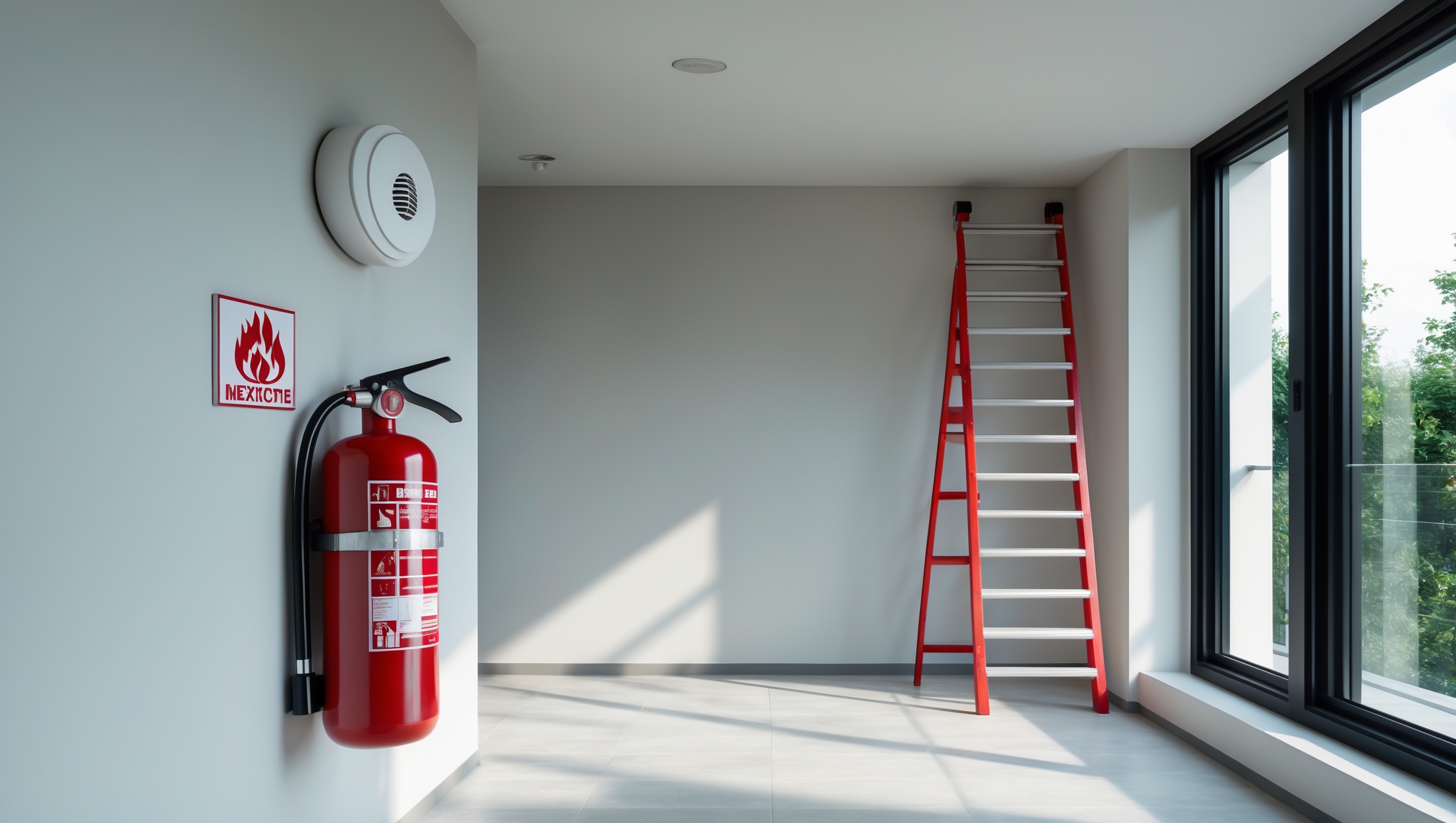
Introduction: Why Fire Safety Upgrades Matter in Every Home
Home improvement projects often focus on aesthetics, comfort, and energy efficiency. Yet, one of the most critical—and sometimes overlooked—aspects of home improvement is fire safety. According to the National Fire Protection Association, U.S. fire departments respond to an average of over 350,000 home structure fires every year. These incidents cause billions of dollars in property damage and, more importantly, thousands of injuries and hundreds of fatalities. Fire safety upgrades not only protect your loved ones and property but can also help you comply with local building codes, potentially lower insurance premiums, and add value to your home.
Whether you live in an older house lacking modern safety features or are updating a newer home, understanding fire safety improvements is essential. This guide will walk you through a comprehensive range of fire safety upgrades—from advanced smoke detectors and fire extinguishers to fire-resistant building materials and smart alert systems. We’ll break down the costs, legal compliance requirements, and provide a thorough maintenance checklist, ensuring your upgrades are effective year after year. By the end, you’ll have actionable knowledge to make informed decisions, avoid costly mistakes, and maximize your home’s fire safety.
Essential Fire Safety Upgrades for Homes
Upgrading Smoke and Carbon Monoxide Detectors
Smoke detectors are your first line of defense against residential fires. Modern detectors offer more reliability and features than older models.
- Types:
- Ionization: Best for detecting fast-flaming fires.
- Photoelectric: Responds better to smoldering fires.
- Combination Units: Include both sensor types, often with carbon monoxide (CO) detection.
- Smart Detectors: Integrate with Wi-Fi for remote alerts and system integration.
- Placement: Install on every level, inside each bedroom, and outside sleeping areas.
- Upgrade Cost:
- Standard: $15–$40 each
- Smart: $90–$130 each
Fire Extinguishers: Types, Placement, and Cost
Having the right fire extinguisher can prevent a small fire from spreading. Not all extinguishers are equal—choose based on the types of fire risks in your home:
- Types:
- Class A: Combustibles (wood, paper)
- Class B: Flammable liquids
- Class C: Electrical fires
- Multipurpose (ABC): Covers most household scenarios
- Placement: One per floor, with additional units in the kitchen, garage, and workshop.
- Upgrade Cost: $30–$80 per unit
Fire Escape Ladders for Multi-Story Homes
In two-story or taller homes, a fire escape ladder can be a lifesaver. Look for models that fit your window type and test them with your family.
- Cost: $35–$100 per ladder
- Installation: Store in or near bedrooms; no permanent installation required, but practice deploying them.
Fire-Resistant Building Materials
During renovations, consider upgrading to fire-resistant materials in key areas:
- Doors: Solid-core or fire-rated doors ($150–$400 per door)
- Drywall: Type X fire-resistant drywall ($12–$20 per 4×8 sheet)
- Insulation: Fire-resistant insulation ($0.70–$1.50 per sq. ft.)
- Roofing: Class A fire-rated roofing materials (cost varies—$150–$350 per square for asphalt shingles)
Hardwired vs. Battery-Powered Systems
For new builds or major remodels, hardwired interconnected alarms enhance reliability—if one detector sounds, all do. Battery-powered systems are easier for retrofits but require more maintenance.
- Hardwired System Installation: $50–$150 per unit (plus potential electrician fees: $100–$300 per hour)
Smart Fire Safety: Integration and Monitoring
Smart home technology is transforming fire safety. Devices can alert you to danger when you’re away and automatically notify emergency services.
- Smart Smoke/CO Detectors: $90–$130 each
- Monitored Alarm Systems: $20–$60/month for professional monitoring
- Integration: Compatible with smart speakers, apps, and home automation hubs
Cost Breakdown: Budgeting for Fire Safety Upgrades
Typical Cost Ranges by Upgrade
- Smoke/CO Detectors (per home): $100–$700
- Fire Extinguishers (minimum 3 units): $90–$240
- Fire Escape Ladders (per ladder): $35–$100
- Fire-Resistant Doors (per door): $150–$400
- Fire-Resistant Drywall Upgrade (per room): $200–$600
- Smart Home Integration: $90–$500 (device dependent)
- Professional Alarm Monitoring (annual): $240–$720
Factors Affecting Cost
- Home Size and Layout: More square footage and levels increase the number of required devices.
- Retrofit vs. New Build: Retrofitting hardwired systems is more expensive due to labor and wiring challenges.
- Product Quality: Higher-end or smart devices cost more up front but may offer better reliability and features.
- DIY vs. Professional Installation: Labor can be 25–50% of the total cost for major upgrades.
Sample Budget for a Typical Three-Bedroom, Two-Story Home
- 5 Smoke/CO Detectors (combination units): $500
- 3 Fire Extinguishers: $150
- 2 Fire Escape Ladders: $140
- 1 Fire-Rated Door (garage entry): $250
- Smart Home Integration (optional): $250
- Total Estimated Cost: $1,290 (not including professional installation)
Compliance: Meeting Codes and Legal Requirements
National and Local Codes
Fire safety upgrades must comply with national codes (such as the International Residential Code and National Fire Protection Association standards) and your local building authority. Key requirements include:
- Smoke detectors on every floor, inside/outside sleeping areas
- CO detectors in homes with fuel-burning appliances or attached garages
- Interconnected detectors in new builds or major remodels
- Fire-rated doors between garages and living spaces
Always check with your local building department before starting upgrades; requirements can vary by jurisdiction.
Permit Considerations
- Most standalone smoke detector upgrades do not require permits.
- Major electrical work (hardwiring, panel upgrades) may require permits and inspections.
- Structural changes (fire-rated doors, drywall) often require building permits.
- Professional alarm system installation may need registration with local authorities.
Document all upgrades for future home sales or insurance claims.
Insurance and Fire Safety
Upgrading fire safety features can lower your homeowner’s insurance premiums. Insurers may require proof of installation for discounts. Smart alarms and monitored systems often qualify for additional savings.
Fire Safety Maintenance: Annual Checklist
Smoke and CO Detectors
- Test all detectors monthly by pressing the test button.
- Replace batteries in battery-powered units at least annually, or as indicated by low-battery alerts.
- Clean detector grills with a vacuum or soft brush to remove dust.
- Replace detectors every 7–10 years (check manufacturer instructions).
Fire Extinguishers
- Check pressure gauges monthly to ensure the needle is in the green zone.
- Inspect for physical damage, corrosion, or leakage.
- Shake dry chemical units gently to prevent powder settling.
- Replace or professionally recharge after any use or if expired (typically every 5–15 years).
Escape Ladders and Routes
- Review escape plans with all household members twice a year.
- Practice deploying escape ladders—ensure they’re accessible and functional.
- Keep all exits and escape routes clear of obstructions.
Smart and Monitored Systems
- Check app connectivity and battery backup status monthly.
- Update firmware/software as recommended by the manufacturer.
- Test integration with other smart home devices and services.
- Review alarm logs to ensure all events are being recorded and communicated properly.
Fire-Resistant Materials and Barriers
- Inspect fire-rated doors for intact seals and undamaged surfaces.
- Visually check drywall and attic insulation for gaps or water damage.
- Examine roofing for missing or damaged shingles, especially after storms.
Advanced Upgrades: Going Beyond the Basics
Residential Sprinkler Systems
While not required in most existing homes, residential fire sprinkler systems offer unparalleled protection. They can extinguish or contain fires before the fire department arrives. Installation costs average $1.50–$5.00 per square foot, making them a larger investment but one that can save lives and property.
Fireproof Safes and Document Storage
Store critical documents, valuables, and digital backups in a certified fireproof safe. Models rated for 1–2 hours of fire protection start at $100–$500.
Automatic Gas Shutoff Valves
For homes with natural gas, automatic earthquake- or fire-activated shutoff valves reduce the risk of gas-fed fires. Professional installation is recommended; costs range from $300–$700 installed.
Conclusion: Making Fire Safety a Priority in Home Improvement
Fire safety upgrades are among the most impactful improvements you can make to your home. They protect your family, your investment, and your peace of mind. By taking a comprehensive approach—selecting and installing the right smoke and carbon monoxide detectors, maintaining fire extinguishers, adding escape ladders, using fire-resistant materials, and integrating smart technology—you dramatically reduce your risk of tragedy. Upfront costs are modest compared to the potential loss from a home fire, and many upgrades pay for themselves through insurance savings and increased property value.
Compliance with building codes and insurance requirements is not just about avoiding fines; it ensures your safety systems will work when needed. Maintenance is equally crucial—outdated or nonfunctional equipment can give a false sense of security. Make fire safety a regular part of your home improvement and maintenance routine. Review your checklist every season, involve your family in fire drills, and stay informed about advancements in fire safety technology.
Every home is unique, and your fire safety needs may differ based on layout, local risks, and lifestyle. Consult with licensed professionals for major installations, and always verify local code requirements. Investing in these upgrades today means a safer, more resilient home for years to come. Don’t wait for a close call to make fire safety a top priority—start planning your upgrades now, and sleep easier knowing you’ve taken proactive steps to protect what matters most.
I’m updating an older home and I’m not sure how strict local building codes are when it comes to smoke detector upgrades. Do you have any advice on how to check if my current detectors meet the latest compliance requirements, or who I should contact to confirm?
To check if your smoke detectors meet current compliance requirements, start by contacting your local building or fire department—they can provide the most up-to-date code details for your area. You can also review your city or county’s official website for guidelines. If needed, a licensed electrician or fire safety inspector can inspect your detectors and let you know if upgrades are needed for compliance.
You mention maintenance checklists—how often do I really need to test or replace batteries in smart detectors compared to regular ones, and are there any signs that a detector needs to be replaced entirely?
Smart detectors often have long-life batteries that can last several years, and many will send alerts when batteries are low, so you may only need to check them once or twice a year. Regular smoke detectors usually require battery checks every month and battery replacement at least once a year. Regardless of type, if a detector chirps continuously, fails a test, or is over 10 years old, it should be replaced.
The article says fire safety upgrades can lower insurance premiums. Do you have an estimate of how much homeowners can realistically save on their insurance each year after making these upgrades, like installing new detectors or using fire-resistant materials?
Homeowners often see insurance premium reductions of about 5% to 15% after making notable fire safety upgrades, such as adding smoke detectors, installing sprinkler systems, or using fire-resistant roofing. The exact savings depend on your provider and location, so it’s a good idea to check with your insurer for their specific discount policies after upgrades are completed.
The article mentions that fire safety upgrades can potentially lower homeowners insurance premiums. How do I find out if my insurance company offers these discounts, and which specific upgrades usually qualify?
To find out if your insurance company offers discounts for fire safety upgrades, contact your agent directly or review your policy documents. Ask them about discounts for items like smoke detectors, fire extinguishers, sprinkler systems, and upgraded electrical wiring. Most insurers recognize professionally installed smoke alarms and sprinkler systems as qualifying upgrades, but requirements can vary, so it’s best to confirm with your provider.
When it comes to maintaining a comprehensive set of fire safety upgrades year after year, what are some common maintenance tasks homeowners tend to overlook, especially with combination smoke and carbon monoxide detectors?
Homeowners often forget to test combination smoke and carbon monoxide detectors monthly and neglect to replace the batteries at least once a year, even in units labeled as long-life. Another overlooked task is vacuuming or dusting the detectors to keep sensors clear. Many also miss checking the expiration date—most devices need full replacement every 7–10 years for continued reliability.
When it comes to older homes, how challenging or expensive can it be to retrofit them with fire-resistant building materials compared to newer construction? Any tips for prioritizing upgrades if you’re on a tight student budget?
Retrofitting older homes with fire-resistant materials can be more challenging and expensive than working with newer construction, mainly because of possible structural limitations and the need to work around existing finishes. If you’re on a tight student budget, start by focusing on affordable, high-impact upgrades like installing smoke detectors, fire extinguishers, and fire-retardant spray on curtains and fabrics. Sealing gaps around doors and windows with fire-resistant caulking is another cost-effective improvement. Prioritize areas near heat sources and exits for the best protection.
Could you clarify if certain types of modern smoke detectors, like smart combination units, are more likely to qualify for insurance premium reductions, or is the benefit generally the same across all compliant models?
Smart combination smoke detectors, which can include features like CO detection and mobile alerts, are sometimes favored by insurers for premium reductions, especially if they are professionally monitored. However, the benefit can vary by provider. Generally, any compliant smoke detector may offer some insurance discount, but advanced models with extra safety features may increase your chances of a higher reduction. It’s best to check with your insurer for their specific requirements.
You mentioned fire-resistant building materials as an upgrade—could you provide a rough estimate of the cost difference when choosing these materials for a kitchen renovation project compared to standard options?
Choosing fire-resistant building materials for a kitchen renovation typically increases material costs by about 10% to 30% compared to standard options. For example, fire-rated drywall or cement board can cost $15–$30 more per sheet, and fire-resistant cabinetry or countertops may add several hundred dollars to the project, depending on size and quality. The total additional cost for a standard kitchen might range from $1,000 to $4,000. Labor costs usually remain similar.
For older homes, are there specific challenges or common mistakes to watch out for when installing photoelectric detectors versus ionization ones, especially in areas like basements or attics?
In older homes, wiring and insulation can be outdated, which sometimes affects detector placement and installation. Photoelectric detectors are better at catching smoldering fires, making them ideal for areas like basements with lots of stored items. Common mistakes include installing detectors too close to ducts or vents, which can disrupt their function, or not following manufacturer height recommendations, especially when ceilings are sloped or unfinished. Always check for potential wiring issues before installing, and avoid areas with excessive dust or moisture.
For older homes undergoing renovations, are there any specific challenges or code requirements to be aware of when upgrading to modern smoke and carbon monoxide detectors, especially if the existing electrical wiring isn’t up to current standards?
Yes, older homes often face challenges when upgrading to modern smoke and carbon monoxide detectors, especially if the wiring is outdated. Newer codes usually require hardwired detectors with battery backup and interconnection, which may mean rewiring or using wireless interconnected models if rewiring isn’t practical. Always check local regulations, as they may allow alternative solutions for retrofit situations, and consider having a licensed electrician assess your home before starting upgrades.
For someone on a tight budget, could you share which of the fire safety upgrades from your breakdown have the most impact for the least cost? I want to prioritize the most effective upgrades first before moving to pricier improvements.
If you’re on a budget, start with smoke alarms—they’re affordable and provide the highest impact in early fire detection. Next, invest in fire extinguishers and fire blankets for quick response. Sealing gaps around doors with weather stripping can also help contain smoke. These upgrades are cost-effective and make a big difference in safety before you consider more expensive options like sprinkler systems or fire-rated doors.
When budgeting for fire safety upgrades, how much should I expect to spend on smart smoke detectors compared to traditional combination smoke and CO units? Are there cases where local compliance requires smart features, or are traditional detectors usually enough?
Smart smoke detectors generally cost between $50 and $120 each, while traditional combination smoke and CO units average $25 to $50 each. Most local codes accept traditional detectors as long as they are properly installed and maintained. Smart features are usually optional and add convenience rather than being a compliance requirement, but always check your local regulations to be certain.
You mentioned local building codes for fire safety upgrades—how often do those codes change, and what’s the best way for a homeowner to check if their current fire safety setup is still compliant?
Local building codes for fire safety can be updated every few years, especially when new safety technologies or standards become available. The best way to check if your setup is still compliant is to contact your local building or fire department. They can provide the latest code requirements. You can also schedule a professional home safety inspection to ensure everything is up to date.
I noticed the article mentions both ionization and photoelectric smoke detectors, plus combination and smart units. How do you decide which type is best for different rooms or situations, especially if you have a mix of older and newer appliances at home?
Choosing the right smoke detector depends on the room and potential fire risks. Ionization detectors respond quickly to flaming fires, making them suitable for kitchens or areas with older appliances. Photoelectric detectors are better for smoldering fires, so they’re ideal for bedrooms and living rooms. Combination units offer broader protection, and smart detectors provide added features like mobile alerts. For the best safety, consider using a mix or installing combination or smart detectors throughout your home.
When it comes to upgrading smoke detectors, how do I know whether my current models meet the latest code requirements, or if I definitely need to replace them with smart detectors for compliance and insurance benefits?
To check if your smoke detectors meet current code, look for a manufacture date printed on the unit—many codes require replacement every 10 years. Also, check if your local regulations specify interconnected or hardwired alarms, or require smart features. Smart detectors aren’t usually mandatory for compliance, but some insurers may offer discounts if you use them. Contact your local fire department or insurance provider to confirm exact requirements and benefits.
For a first-timer doing home upgrades, how do you figure out if your house already meets local fire safety codes before starting new projects? The article mentions code compliance, but I have no idea where to start checking.
To check if your house meets local fire safety codes, start by contacting your local building or fire department. They can tell you which codes apply and may offer inspections. Review key areas like smoke alarms, fire extinguishers, and clear exits. You can also hire a certified home inspector with fire safety experience to do a thorough check before starting upgrades.
Can you give a ballpark figure for the total cost of upgrading a typical 3-bedroom house with advanced smoke detectors, CO detectors, and fire extinguishers? I’m trying to budget for these upgrades and prioritize what’s most essential first.
For a 3-bedroom house, upgrading with advanced smoke detectors, CO detectors, and fire extinguishers typically costs between $350 and $700. Advanced smoke and CO detectors usually range from $40 to $80 each, and you’ll want at least one of each per floor. Quality fire extinguishers cost $30 to $60 each; plan on at least two to three. Prioritize installing smoke detectors first, then CO detectors, and finally fire extinguishers.
Can you share more about the cost difference between smart smoke detectors that offer Wi-Fi connectivity and combination smoke and carbon monoxide units? I’m trying to decide which upgrade makes the most sense for an older home on a budget.
Wi-Fi enabled smart smoke detectors usually cost between $40 and $100 per unit. Combination smoke and carbon monoxide detectors range from $30 to $70 for basic models and up to $120 for smart versions with Wi-Fi. If your budget is tight, basic combination units offer dual protection at a lower price, while smart detectors provide added convenience and remote monitoring but at a higher upfront cost.
Could you provide a rough estimate on how much it typically costs to upgrade to smart smoke and carbon monoxide detectors throughout an average-sized home, including installation? I want to budget accurately for this kind of fire safety improvement.
Upgrading to smart smoke and carbon monoxide detectors typically costs between $50 and $120 per device. For an average-sized home needing 4–6 detectors, expect to spend $200 to $720 on devices alone. Professional installation usually adds $50–$100 per unit, bringing the total estimated cost to around $400 to $1,320. Actual costs depend on your home’s layout and the brands you choose.
I noticed you mentioned both ionization and photoelectric smoke detectors, as well as combination and smart units. For a busy family with kids, is it better to go with the combination units or invest in separate detectors for each function? How often do these smart detectors actually need maintenance or battery changes?
For a busy family, combination smoke detectors (which detect both smoke types) or smart units can simplify installation and maintenance, since you’ll have fewer devices to check. Smart detectors often send alerts to your phone and may have longer-lasting batteries, but you should still test them monthly and replace batteries as recommended—usually once a year unless you have 10-year sealed battery models. Always follow the manufacturer’s maintenance guidelines for best safety.
The section on smart smoke detectors got my attention. For someone replacing old battery-powered units with smart detectors, are there any issues with compatibility or wiring in older homes? I want the convenience of remote alerts, but I’m worried about installation challenges.
Smart smoke detectors are often designed to be compatible with a range of home setups. If your current units are battery-powered, you can usually swap them with battery-powered smart detectors, which require minimal installation. For hardwired models, you’ll need to check your home’s wiring compatibility and may need an adapter or professional help. Remote alert features typically work through Wi-Fi, so ensure you have a reliable wireless connection where the detector will be installed.
You mentioned that fire safety upgrades can sometimes reduce homeowners insurance premiums. Do insurance companies usually require proof of specific upgrades, and if so, which ones tend to make the biggest difference?
Insurance companies often do request proof of specific fire safety upgrades, such as receipts, installation certificates, or inspection reports. The upgrades that tend to make the biggest difference are hardwired smoke detectors, monitored fire alarm systems, automatic sprinkler systems, and fire-resistant roofing. These features show a proactive approach to reducing fire risk and may qualify you for premium discounts. It’s best to check with your insurer for their exact documentation requirements.
The article mentions that fire safety upgrades can sometimes help lower insurance premiums. Have you found in practice that insurers actually verify these upgrades, and if so, what documentation do they usually ask for?
Insurers often do verify fire safety upgrades before applying a discount to your premium. Typically, they may ask for documentation such as receipts or invoices for installed equipment, photos of the upgrades, or inspection reports from licensed professionals. Some insurance companies might also request proof of compliance with local fire safety regulations. It’s a good idea to check with your insurer about their specific requirements.
The article mentions a maintenance checklist for fire safety upgrades, but how often should each item be checked or replaced? For example, do smart detectors require different maintenance compared to conventional ones?
Most items on the fire safety maintenance checklist should be checked monthly, such as testing alarms and inspecting extinguisher gauges. Conventional smoke detectors typically need their batteries replaced once a year and the units replaced every 8-10 years. Smart detectors often send alerts for low batteries or faults, but it’s still a good idea to test them monthly and follow the manufacturer’s guidelines for software updates and device replacement. Always consult the device manual for specific recommendations.
The article mentions that fire safety upgrades can help with legal compliance and possibly lower insurance rates. How do I find out what specific upgrades are required by my local building codes before I start buying equipment?
To find out which fire safety upgrades are required in your area, contact your local building department or municipal office. They can provide the most up-to-date building and fire codes specific to your location. You can also ask your local fire department for guidance. Before purchasing any equipment, it’s best to get written requirements to ensure you meet all legal and insurance standards.
For older homes that may not have existing wiring for smoke detectors, what are the best options for upgrading to modern detectors, especially the smart types mentioned in the article? Are there affordable wireless solutions that still meet local building codes?
For older homes without wiring, wireless smoke detectors are a practical solution. Many modern smart detectors operate on batteries and use Wi-Fi or proprietary wireless connections, so you don’t need to run new wires. Look for models that are labeled as compliant with your local codes—UL or equivalent certification is usually required. Some affordable smart options allow interconnection between units, alerting the whole house in case of smoke. Always check with your local fire authority to ensure the products you choose meet code requirements in your area.
After installing new fire safety equipment, what are the most important items on the maintenance checklist to avoid issues down the line? Are there certain tasks that homeowners commonly overlook after upgrades?
After installing new fire safety equipment, it’s essential to regularly test smoke alarms and carbon monoxide detectors, replace their batteries as recommended, and inspect fire extinguishers to ensure they’re fully charged and accessible. Homeowners often overlook checking the expiration dates on extinguishers, cleaning detector sensors, and keeping escape routes clear of obstructions. Scheduling annual professional inspections for systems like sprinklers or alarms is also important to maintain compliance and safety.
For homeowners on a tighter budget, which fire safety upgrades from your guide would you prioritize first to get the most protection without overspending? Are there lower-cost alternatives that still meet code requirements?
If you’re on a budget, start with installing smoke alarms in every sleeping area and main living space, as these are cost-effective and often required by code. Next, keep a fire extinguisher in the kitchen, which is both affordable and practical. You can also use battery-operated alarms instead of hardwired ones if local codes allow, which saves on installation costs. Regularly check that all alarms are working and replace batteries as needed.
If I already have basic smoke detectors installed, what are the key warning signs that it’s time to upgrade to newer or smart models? Are there any compatibility issues when mixing different brands or types?
If your smoke detectors are over 10 years old, frequently give false alarms, or have trouble with battery life, it’s time to consider upgrading. Smart models offer features like app alerts and interconnectivity. When mixing brands, check if new alarms can interconnect with your existing system—many brands aren’t cross-compatible, especially with hardwired or smart features, so consistency is important for reliable performance.
The article talks about installing detectors on every level and in bedrooms, but what about for people who live in small apartments or studios? Is it overkill to have multiple detectors in a small space, or is there still a recommended minimum?
For small apartments or studios, you usually only need one smoke detector, but it should be placed outside sleeping areas or as close as possible to where you sleep. If your kitchen is open to the main living space, avoid installing it too close to cooking appliances to prevent false alarms. The key is to ensure you can hear the alarm from anywhere in your unit, especially when sleeping.
For homes that already have older smoke and CO detectors installed, what’s the best approach to upgrading—should I replace everything at once or is it reasonable to upgrade in phases to spread out the costs and ensure coverage?
It’s completely reasonable to upgrade in phases, especially if budget is a concern. Start by replacing any smoke or CO detectors that are older than 10 years or showing signs of malfunction. Prioritize high-risk areas such as bedrooms and hallways. Over the next months, continue upgrading remaining units until your whole home meets current safety standards and complies with local regulations.
For older homes that may not originally meet modern fire safety requirements, are there any common hidden costs homeowners might encounter during upgrades, such as rewiring for interconnected detectors or meeting current building codes?
Yes, older homes often face hidden costs during fire safety upgrades. Common issues include rewiring for interconnected smoke detectors, upgrading electrical panels, and repairing walls after installation. You might also need to update doors, add fire-resistant materials, or bring escape routes up to code. Sometimes, permits or additional inspections are required, which can add to your expenses.
You mentioned that fire safety upgrades can help with legal compliance and potentially lower insurance premiums. Can you explain what specific upgrades insurance companies usually look for, and if there are any that are especially important for older homes?
Insurance companies often prioritize upgrades like interconnected smoke alarms, fire extinguishers on every level, and updated electrical wiring, especially in older homes. They also value the installation of fire doors, sprinkler systems, and carbon monoxide detectors. For older houses, replacing outdated wiring and making sure exits are accessible are particularly important, as these reduce fire risk and improve both compliance and insurability.
I noticed the article mentions different types of smoke detectors like ionization and photoelectric. For a small home-based business that occasionally uses a kitchen for demos, is there a better type or combination unit to help reduce nuisance alarms but still meet safety requirements?
For kitchens or areas prone to cooking smoke, photoelectric smoke detectors are usually less likely to trigger nuisance alarms than ionization types. However, to maximize safety and coverage, a combination unit with both ionization and photoelectric sensors can be a smart choice. You can also look for detectors with a hush or silence feature, which helps manage false alarms during cooking while still ensuring compliance and protection.
You mention that compliance with local building codes is important when upgrading fire safety features. How can homeowners verify which fire safety upgrades are specifically required in their area, and are there common upgrades that often get overlooked?
To verify required fire safety upgrades, homeowners should contact their local building or fire department, as requirements can vary by city or county. They can also review local regulations on government websites or consult with a licensed contractor familiar with local codes. Commonly overlooked upgrades include installing interconnected smoke alarms, ensuring proper placement of fire extinguishers, and regular inspection of older wiring or heating systems for fire risks.
I noticed the article mentions different types of smoke detectors like ionization, photoelectric, and combination units. Is there a substantial difference in cost between these options, and does paying more for smart detectors really make a difference in terms of safety or insurance discounts?
Ionization and photoelectric smoke detectors are usually similar in price, typically ranging from $10 to $30 each. Combination units cost a bit more, often $25 to $50. Smart detectors are the most expensive, often $70 to $120. While smart detectors don’t always improve safety compared to standard ones, they add features like mobile alerts and self-testing. Insurance discounts for smart detectors vary, so it’s best to check with your provider to see if they offer any benefits.
The maintenance checklist sounds really useful, especially since most people forget about it after installation. Could you share a sample schedule or tips to help homeowners keep up with everything, like regular detector battery changes and testing?
Absolutely, a sample schedule can make things much easier. For smoke and carbon monoxide detectors, test them once a month and replace the batteries at least once a year, unless your units have sealed long-life batteries. Clean detectors every six months to remove dust. Extinguishers should be checked monthly for charge and pressure, and replaced or serviced according to manufacturer instructions. Mark these tasks on your calendar or set reminders to help keep up with regular maintenance.
For homeowners working with a limited budget, which fire safety upgrades would you prioritize first to achieve the best balance between cost and improved safety? Are there particular upgrades that typically provide the most value for the investment?
For homeowners on a limited budget, start with installing smoke alarms in every bedroom and common area—they’re affordable and crucial for early warning. Next, invest in a fire extinguisher for the kitchen and review electrical outlets for hazards. These upgrades offer the best value by significantly improving safety at a relatively low cost. Consider escape ladders for upper floors if your budget allows.
The article mentions advanced fire-resistant building materials as part of a comprehensive upgrade. Are there specific types that are most cost-effective or easiest to retrofit in older homes, particularly where local code compliance is a concern?
For older homes, fire-resistant gypsum wallboard and fire-rated caulking are two of the most cost-effective materials to retrofit. These can often be installed over existing surfaces and help meet most local codes. Fire-resistant doors and intumescent paint are also relatively easy to add without extensive renovations. Always consult your local building authority to ensure the materials you choose will satisfy compliance in your area.
Regarding the cost breakdown for fire safety upgrades, about how much should I budget if I want to replace all smoke and carbon monoxide detectors with smart Wi-Fi models throughout a two-story, three-bedroom home?
For a two-story, three-bedroom home, you’ll likely need about 6-8 detectors. Smart Wi-Fi smoke and carbon monoxide detectors typically cost between $40 and $120 each, depending on the brand and features. Factoring in installation (if you don’t DIY), your total budget could range from $300 to $900 for a full replacement throughout your home.
When considering the different types of smoke detectors mentioned—ionization, photoelectric, combination, and smart detectors—are there any specific recommendations for homes built before 1970? I’m wondering if older wiring or construction could affect which detectors work best or how they should be installed.
For homes built before 1970, it’s important to check your electrical system before choosing smoke detectors. Battery-operated or sealed lithium battery models are often safest for older wiring, as they don’t rely on house power. Smart detectors may require Wi-Fi and newer wiring, so check compatibility. Always mount detectors on ceilings or high on walls, away from drafts, and consider professional installation if you have concerns about your home’s wiring or structure.
For the maintenance checklist part, how often do you suggest testing and replacing batteries in smoke and CO detectors, and is there a best practice for keeping track of this schedule to make sure nothing slips through the cracks?
Smoke and CO detectors should be tested at least once a month to ensure they are working properly. It’s recommended to replace the batteries every six months, even if the alarms haven’t sounded. To keep track, many people set calendar reminders or mark dates on a household maintenance calendar. Some detectors also have sticker labels where you can jot down the last test and battery change.
For an older house that hasn’t been updated in decades, what are the first fire safety improvements you’d suggest from the list for making sure it meets current code? I’m worried about missing something important or accidentally doing work out of order.
For an older house, start by installing modern smoke and carbon monoxide detectors in key areas like bedrooms and hallways, as this is often the top code requirement. Next, inspect and update electrical wiring and outlets to prevent electrical fires. Replace any outdated or non-compliant circuit breakers. After those basics, check doors and windows for proper emergency egress and add fire extinguishers in accessible spots. This order addresses the most common code and safety issues first.
Could you provide more detail on fire-resistant building materials mentioned in the article? I’m considering upgrading one of my shop locations and want to know which materials are both compliant with codes and reasonably affordable for a small business budget.
Fire-resistant building materials commonly include gypsum board, fire-rated drywall, concrete, and fire-retardant-treated wood. For roofing and exterior walls, materials like fiber-cement siding, stucco, and metal panels are both code-compliant and effective. Gypsum board and fire-rated drywall are especially cost-effective for interior upgrades, while fiber-cement is a good option for exteriors. Always check your local building codes before purchasing, as requirements can vary, but these materials generally meet most small business needs and budgets.
When budgeting for fire safety upgrades, what is the approximate cost difference between installing photoelectric versus ionization detectors, and are there scenarios where one type is strongly preferred over the other based on home layout or regional codes?
Photoelectric smoke detectors usually cost a bit more than ionization detectors, generally by about $5–$15 per unit. The difference is typically not huge, but can add up if installing many units. Photoelectric detectors are preferred in areas prone to smoldering fires, like bedrooms and living rooms, while ionization types are better for detecting flaming fires, such as in kitchens. Some regions or local codes may specifically require photoelectric detectors, so it’s important to check your local regulations before purchasing.
With all the fire safety upgrades listed here, do you have any tips on how to prioritize which upgrades to do first if I’m on a tight budget? I’m especially interested in knowing which improvements make the biggest impact right away.
Start with the upgrades that provide the greatest immediate protection, such as installing smoke alarms and carbon monoxide detectors in key areas of your home. Check that you have working fire extinguishers and an accessible escape route. These steps are cost-effective and can make a big difference quickly. Larger investments like fire doors or sprinkler systems can come later as your budget allows.
I see the article mentions both ionization and photoelectric smoke detectors, plus combination units. For someone living in a two-story house built in the 1970s, is it better to upgrade all units to the combo type, or is it fine to mix and match different detectors in various rooms?
For a two-story house from the 1970s, upgrading to combination smoke detectors is often the safest and most convenient choice, as they provide both ionization and photoelectric detection in a single unit, covering a wider range of fire types. However, it’s also acceptable to mix and match as long as every area is covered—just ensure you follow local fire codes and manufacturer placement recommendations for optimal protection.
Do the fire-resistant building materials you mention require professional installation, or can most DIYers handle adding these during a renovation? If so, what skills or tools would I need to get started safely?
Some fire-resistant materials, like fire-rated drywall or certain paints, are suitable for DIY installation if you have basic carpentry or painting skills and common tools such as a saw, drill, utility knife, and paintbrushes. For more complex upgrades, like installing fire doors or fire-resistant insulation, professional installation is recommended due to code requirements and safety considerations. Always check local building codes and manufacturer instructions before starting any DIY fire safety project.
I run a small property management company, and I’m curious how often you need to replace smart smoke detectors compared to basic photoelectric or ionization models. Does their integration with other systems make maintenance more complicated or expensive in the long run?
Smart smoke detectors generally have a similar replacement timeframe to traditional photoelectric or ionization models—about every 7 to 10 years, depending on manufacturer guidelines. However, smart detectors may require more frequent battery or sensor checks, software updates, and occasional troubleshooting with their network integrations. While integration can streamline monitoring and alerts, it may increase upfront and maintenance costs and require staff to be familiar with software platforms. Regularly reviewing device status through the management app can help you stay on top of maintenance.
You mentioned advanced smoke detectors, including smart detectors with Wi-Fi integration. Are there any common issues with smart detectors, like false alarms or connectivity problems, that homeowners should be aware of before upgrading?
Smart smoke detectors offer great features, but there are a few things to consider. They can sometimes trigger false alarms from steam or cooking fumes, just like regular detectors. Connectivity problems may occur if your Wi-Fi is unstable, which could delay alerts to your phone. Make sure to place them away from kitchens and bathrooms, and regularly test both the detector and your Wi-Fi to ensure everything works reliably.
I noticed the article mentions both ionization and photoelectric smoke detectors. Is it better to have both types throughout the house or just stick to combination units? I’m trying to figure out what’s safest for my older home.
Having both ionization and photoelectric smoke detection is ideal because each type is better at sensing different kinds of fires—ionization for fast-flaming fires and photoelectric for slow, smoldering ones. Using combination units can simplify installation and ensure broad coverage, especially in an older home. This way, you won’t miss out on either detection method, making your home as safe as possible.
As someone with an older home, I’m wondering about the cost difference between simply replacing battery-operated smoke detectors and going with a full smart system. Do you have a ballpark on costs and ongoing maintenance for each option?
Replacing standard battery-operated smoke detectors typically costs around $10–$30 per unit, with minimal ongoing maintenance—just annual battery changes and testing. Upgrading to a full smart system can range from $100–$250 per device, plus possible installation fees if hardwiring is needed. Smart systems may also require app subscriptions or updates, so yearly costs could be higher, but they offer more features and remote monitoring.