

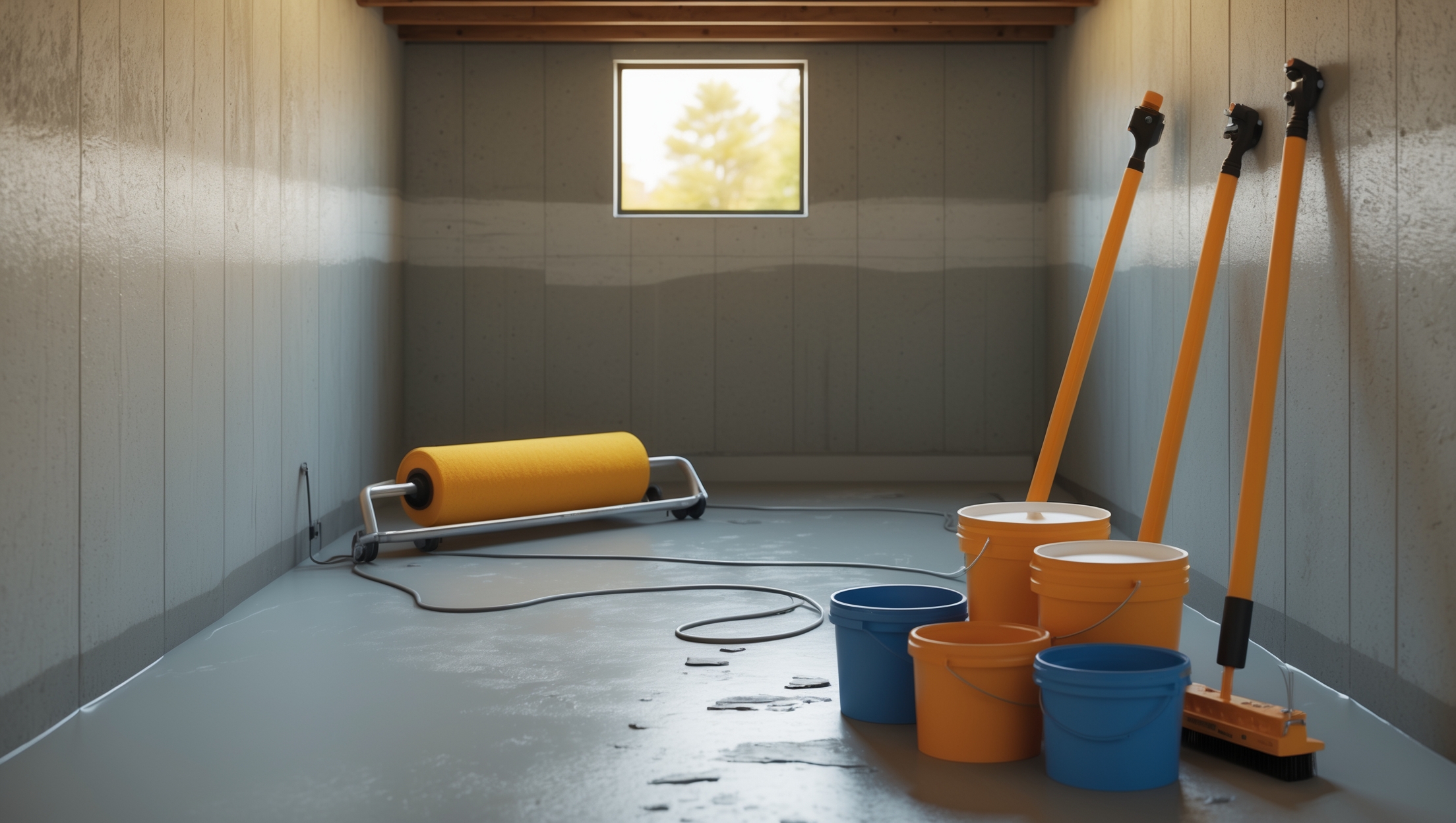
Introduction: Why Proper Basement Foundation Sealing Matters
Basement foundation sealing is a crucial yet often underestimated task in home improvement. Whether you’re battling persistent dampness, aiming to prevent costly structural repairs, or simply want to create a comfortable living space below ground, sealing your basement foundation correctly can make the difference between a dry, healthy home and ongoing moisture headaches. Yet, many homeowners—especially those new to DIY—fall into common traps that can lead to wasted money, failed waterproofing, or even safety hazards. This in-depth guide will walk you through the most frequent beginner mistakes when sealing basement foundations, offering practical advice on the right tools, accurate budgeting, and essential safety insights to ensure your project is a success. If you’re planning to tackle this project yourself, read on to avoid pitfalls and achieve a lasting, professional-grade result.
Understanding the Basics of Basement Foundation Sealing
What Is Basement Foundation Sealing?
Basement foundation sealing involves applying specialized coatings or membranes to the interior or exterior of your foundation walls and sometimes the floor, to prevent water intrusion. The goal is to create a watertight barrier that stops groundwater, surface water, and humidity from entering your basement space, thus preserving the structural integrity of your home and protecting against mold and mildew growth.
Why Homeowners Attempt DIY Sealing
- Cost savings: Professional waterproofing can be expensive.
- Immediate control: DIY means you can address issues on your timeline.
- Learning opportunity: Many homeowners want to understand their home’s systems.
Common Types of Basement Waterproofing Methods
- Interior sealants (paint-on or roll-on coatings)
- Exterior waterproofing membranes
- Crack injections (epoxy or polyurethane)
- Drainage systems (French drains, sump pumps)
Beginner Mistakes to Avoid
1. Ignoring the Source of Moisture
One of the most common mistakes is assuming that any sealant will solve the problem, without identifying where the water is coming from. Water can enter through cracks, porous concrete, unsealed joints, or even from above via poor grading or gutters. Failing to address the root cause means your sealing job might fail regardless of how well it’s applied.
- Pro Tip: Conduct a thorough inspection during a rainstorm or after heavy snow melt. Look for wet spots, efflorescence (white powdery residue), or active drips.
- Check exterior drainage, downspouts, and grading before starting interior work.
2. Skipping Surface Preparation
Applying sealant to a dirty, damp, or uneven surface is a recipe for poor adhesion and future peeling. Dust, old paint, oil, efflorescence, or algae can prevent sealant from bonding effectively to the concrete.
- Clean all surfaces with a stiff brush, vacuum, and mild detergent.
- Scrape off old paint or sealant residues with a wire brush or paint scraper.
- Allow surfaces to dry fully before application, unless the product specifies otherwise.
3. Using the Wrong Sealant or Waterproofing Product
Not all products are created equal. Interior waterproofing paint is not a substitute for a true elastomeric membrane, and some products are only designed for negative-side (interior) or positive-side (exterior) applications. Using the wrong product can result in wasted time and money.
- Read manufacturer specifications carefully.
- Consult with your local home improvement store or a waterproofing specialist for advice based on your specific foundation type and moisture issue.
4. Underestimating the Project Scope and Time
Many first-time DIYers think sealing a basement is a quick weekend job. In reality, proper preparation, application, and curing can take several days. Rushing leads to skipped steps and subpar results.
- Plan for at least 2-4 days, depending on basement size, drying times, and prep work needed.
- Don’t skip manufacturer-recommended drying or recoating intervals.
5. Inadequate Crack Repair
Simply painting over cracks will not stop water intrusion. Foundation cracks need to be properly cleaned, filled, and sealed with the right materials before any membrane or coating is applied.
- Use hydraulic cement or a specialized crack filler for active leaks.
- For hairline cracks, epoxy or polyurethane injection may be more effective.
6. Ignoring Safety Precautions
Basement sealing often involves chemicals that can emit strong fumes and require careful handling. Neglecting safety protocols can result in respiratory irritation, skin burns, or worse.
- Always wear gloves, eye protection, and a respirator rated for organic vapors.
- Ensure proper ventilation—use fans and open windows if possible.
- Keep children and pets out of the work area.
7. Skipping Permits or Code Compliance
Some municipalities require permits for certain types of waterproofing work, especially if you’re altering drainage or installing sump pumps. Skipping permits can lead to fines or complications when selling your home.
- Check with your local building department before you start.
Essential Tools and Equipment Guide
Must-Have Tools for Basement Sealing
- Stiff-bristle scrub brush and bucket
- Wet/dry vacuum
- Wire brush and paint scraper
- Caulking gun
- Putty knife and trowel
- Rollers and extension poles
- Paintbrushes (for corners and edges)
- Measuring tape and chalk line
- 5-gallon mixing bucket (for larger applications)
- Protective gloves, goggles, and respirator
- Portable fans for ventilation
- Heavy-duty drop cloths
Optional but Helpful Tools
- Moisture meter (to confirm dryness before sealing)
- Dehumidifier (to reduce ambient humidity)
- Work lights (for basements with poor lighting)
- Pressure washer (for exterior cleaning)
Material Checklist
- Primer (if required by your chosen sealant)
- Concrete patch or hydraulic cement
- Elastomeric or masonry waterproofing membrane
- Crack injection kit (for wider cracks)
- Painter’s tape (for clean edges)
Cost Breakdown and Budgeting Tips
Estimating Material Costs
- Interior sealant: $30–$70 per 5-gallon bucket (covers ~400 sq. ft.)
- Crack repair kits: $20–$80 depending on type and coverage
- Hydraulic cement: $10–$25 per tub
- Tools: $50–$150 (if you need to purchase most items; less if you already own basics)
For a typical 1,000 sq. ft. basement, expect to spend $300–$600 on materials and tools if doing the work yourself. Factor in extra for unexpected repairs or specialized products.
Budgeting for Time and Labor
- Plan for at least 20–30 hours of work, including prep, application, and cleanup.
- Don’t rush—mistakes made to “save time” often cost more to fix later.
When to Call in a Pro
- Extensive exterior excavation is often best left to professionals.
- Major structural cracks or bowing walls require a structural engineer’s input.
- If the basement has chronic flooding, a comprehensive drainage solution may be needed.
Step-by-Step Setup Tutorial: Sealing Your Basement Foundation
Step 1: Diagnose the Problem
- Identify all sources of moisture using a flashlight and moisture meter.
- Check for cracks, efflorescence, and water stains.
Step 2: Prepare the Work Area
- Remove all furniture and belongings from the basement perimeter.
- Lay down drop cloths to protect floors and adjacent surfaces.
Step 3: Clean and Prep Surfaces
- Scrub walls and floors with a stiff brush and mild detergent.
- Rinse and let dry thoroughly.
- Scrape away all loose paint or old sealant with a wire brush.
Step 4: Repair Cracks and Holes
- Clean out cracks with a vacuum and brush.
- For hairline cracks, use crack filler or epoxy injection as directed.
- For larger cracks or holes, patch with hydraulic cement and smooth with a trowel.
- Allow all repairs to cure as per product instructions.
Step 5: Apply Primer (if needed)
- Some sealants require a primer for best adhesion; check manufacturer guidelines.
- Apply with a roller or brush and let dry completely.
Step 6: Apply Waterproofing Membrane or Sealant
- Stir or mix the product thoroughly.
- Use a roller for large areas and a brush for corners and edges.
- Apply in a thick, even coat from bottom to top.
- Be sure to overlap seams and joints generously.
- Wait for the first coat to dry (consult product for drying times), then apply a second coat in the opposite direction for complete coverage.
Step 7: Inspect and Touch Up
- Once dry, inspect for thin spots or missed areas and touch up as needed.
- Remove painter’s tape and allow the area to cure before moving belongings back.
Safety Checklist for DIY Basement Sealing
- Wear gloves, eye protection, and a respirator at all times.
- Ensure proper ventilation—use fans and open windows.
- Keep chemicals away from children and pets.
- Store all sealants and solvents in a cool, locked area.
- Follow manufacturer safety guidelines for each product.
- Have a first-aid kit on hand in case of spills or contact.
Maintenance Best Practices
Inspect Regularly
- Check your basement walls and floor every spring and fall for new cracks or damp spots.
- Look for signs of efflorescence or mold, which may indicate leaks.
Address Issues Promptly
- Repair new cracks or chips as soon as they appear to prevent water infiltration.
Control Humidity
- Use a dehumidifier to maintain indoor humidity below 60% and prevent condensation.
- Ensure your sump pump (if present) is functional and test it yearly.
Maintain Exterior Drainage
- Keep gutters and downspouts clear of debris.
- Ensure landscaping slopes away from the foundation for proper drainage.
Conclusion: Achieving a Dry, Healthy Basement—The Right Way
Sealing your basement foundation is one of the best investments you can make in your home’s longevity, value, and your family’s comfort. While the process might seem straightforward, the difference between a successful DIY job and a failed one often comes down to attention to detail, proper preparation, and understanding the nuances of basement moisture. By learning from the common mistakes outlined above, you can avoid wasted effort, unnecessary expenses, and even potential health hazards. Equip yourself with the right tools, budget realistically, and always prioritize safety—both for yourself and your home. Remember, effective basement sealing is not a one-time fix; ongoing maintenance and vigilance are key to long-term success. When in doubt or faced with more serious structural issues, don’t hesitate to consult a professional. Taking the careful, informed approach now will reward you with a dry, comfortable basement and peace of mind for years to come.
If you’ve already sealed your basement but still notice some moisture, does that mean you may have made one of the mistakes listed in your guide, or are there other factors you should check before trying again?
Noticing moisture after sealing your basement could mean a mistake was made, like missing cracks or not prepping the surface well. However, it’s also possible that issues such as exterior drainage problems, high groundwater, or leaks from plumbing are contributing to the moisture. Before resealing, check for these other sources and make sure the sealing job covered all possible entry points for water.
You talk about accurate budgeting in the article, but I’m having trouble figuring out how much these sealing projects typically cost if I try to do it myself. Could you provide some ballpark estimates for tools and materials involved?
DIY basement sealing projects usually cost between $200 and $800, depending on the size of the area and the products you choose. Basic tools like brushes, rollers, caulk guns, and safety gear might run $50–$150. Waterproofing sealant can cost $30–$60 per bucket, and you may need several. If there are cracks, patching compounds and caulk add another $20–$50. These numbers can vary, but this should give you a starting point for budgeting.
When it comes to estimating a realistic budget for DIY basement sealing, what would you say are the hidden costs that tend to catch homeowners off guard? Any tips for keeping expenses down without cutting corners on safety or effectiveness?
Hidden costs often include renting or buying specialized tools, unexpected repairs to damaged concrete, or extra materials if the first application isn’t fully effective. Don’t forget safety gear and proper ventilation equipment, which are essential but easy to overlook. To keep expenses down, compare prices on supplies, use only as much product as needed, and tackle prep work yourself instead of hiring out. Always prioritize proper safety equipment to avoid costly health risks.
Could you provide more details about the main safety risks associated with applying coatings or crack injections, especially for someone who has never worked with these materials before?
When applying coatings or crack injections, the main safety risks include exposure to chemical fumes, which can irritate your lungs and eyes, and potential skin contact that may cause burns or allergic reactions. Always work in a well-ventilated area, wear protective gloves, safety glasses, and a mask, and avoid direct skin contact. Some materials are also flammable, so keep them away from open flames. Carefully follow all manufacturer instructions on the product labels.
When sealing a basement foundation, how do you know whether to use an interior sealant versus investing more in exterior waterproofing membranes? Are there situations where one method is more effective for older homes with pre-existing moisture issues?
Interior sealants are mainly used to manage minor dampness or humidity, but they don’t address water entering through exterior walls. For older homes with pre-existing moisture problems, exterior waterproofing membranes are generally more effective since they stop water before it gets through the foundation. If you notice visible leaks, mold, or ongoing wetness, investing in exterior solutions is usually the best long-term approach.
The article mentions several waterproofing methods like interior sealants, exterior membranes, crack injections, and drainage systems. How do you determine which approach is best for an older home with both visible cracks and occasional damp spots?
For an older home with visible cracks and damp spots, start by assessing the severity and source of moisture. Crack injections can address specific cracks, while interior sealants help with minor dampness. If water intrusion is more widespread, exterior membranes or improved drainage systems may be necessary. Consulting a professional is wise, as they can identify hidden issues and recommend a tailored solution based on your home’s unique condition.
If I start sealing my basement foundation and run into spots with visible mold or mildew, should I stop and address these issues first, or can I continue with the waterproofing process? The article talks about preventing mold, but I’m not sure about dealing with it mid-project.
If you find visible mold or mildew while sealing your basement foundation, it’s best to stop and address these issues before continuing. Sealing over mold can trap moisture and make the problem worse over time. Clean the affected areas thoroughly, allow them to dry, and ensure the source of moisture is addressed before resuming your waterproofing project.
You mentioned the risk of wasting money due to common beginner mistakes. Can you give a rough idea of what kind of unexpected costs might pop up during a basic DIY basement sealing job, especially for someone with no prior experience?
Unexpected costs often come from underestimating the amount of sealant needed, buying extra tools you didn’t realize were necessary, or having to redo areas that weren’t cleaned or prepped properly the first time. You might also face extra expenses if you discover hidden cracks or water issues once you start. For someone new to DIY, budgeting a little extra for mistakes or additional materials is a smart move.
You pointed out that DIY basement sealing offers cost savings, but I’m curious about what an average homeowner should realistically budget for tools and materials. Are there any hidden costs beginners should plan for to avoid going over budget?
For DIY basement sealing, most homeowners can expect to spend between $200 and $500 on tools and materials, depending on the size of the basement and the products you choose. Be sure to budget extra for items like protective gear, cleaning supplies, and possible disposal fees for old materials. Unexpected repairs, such as fixing minor cracks or water damage you discover, can also add to costs, so having a small contingency fund is wise.
If a homeowner isn’t confident about distinguishing between humidity seepage and actual groundwater intrusion, are there tools or tests you recommend before starting the sealing process to avoid picking the wrong method or material?
It’s wise to check before sealing. A simple moisture meter can help determine if walls are damp from humidity or active water intrusion. For more clarity, try taping plastic sheets to basement walls and floors; if condensation forms on the inside, it’s humidity—if it’s behind the sheet, water is entering. If you’re still unsure, a professional basement inspection can identify the source before you choose the right sealing approach.
When you mention using specialized coatings or membranes for basement foundation sealing, are there certain brands or types that work better for DIYers, especially for older homes with porous walls? How do you figure out which product is the right match for your situation?
For DIYers, especially with older, porous basement walls, look for waterproofing coatings labeled as ‘masonry waterproofer’ or ‘elastomeric membrane.’ Popular brands like Drylok and Sani-Tred are often recommended. To choose the right product, consider your wall material, the extent of moisture, and whether you need flexibility for small cracks. Reading product labels, asking at hardware stores, and matching products to your wall type will help ensure the best results.
When it comes to budgeting for basement foundation sealing, do you have any tips on estimating costs realistically, especially for a small business owner working with limited funds? I’m trying to avoid overspending on unnecessary tools or materials.
To keep costs manageable, start by measuring your basement area to estimate how much sealing material you’ll need. Focus on essential tools—often, basics like a caulking gun, brush, and protective gear are sufficient. Get quotes from multiple suppliers and consider renting tools you’ll only use once. Prioritize repairs for problem areas rather than sealing the entire space if your budget is tight.
I’m planning my first DIY basement sealing project and trying to budget accurately. Do you have any specific advice on estimating material quantities or typical price ranges for the most common tools and sealants mentioned, especially for a standard-size basement?
To estimate material quantities, first measure the total linear feet of walls and note their height. Most sealants list coverage per square foot or gallon on the label, so divide your wall area by the coverage rate to calculate how much you’ll need. For a standard 1,000–1,200 sq ft basement, expect to spend around $40–$90 per five-gallon bucket of waterproofing sealant and $15–$25 per tube of crack filler. Basic tools like brushes, rollers, caulk guns, and safety gear usually total $50–$100. Always buy a bit extra to account for waste or touch-ups.
The section on budgeting caught my attention—could you provide more insight into unexpected costs that might come up when trying to seal a basement foundation on your own as a homeowner?
Certainly! When sealing a basement foundation yourself, unexpected costs can include the need for extra sealant if coverage is underestimated, replacing damaged tools, disposing of debris, renting equipment like dehumidifiers or sump pumps, and fixing small surprises like cracks or mold you discover along the way. It’s wise to build in a buffer of around 15–20 percent above your initial budget for these types of surprises.
You talk about the importance of the right tools and safety for basement sealing, but I’m worried about dealing with potential mold or mildew during the process. Are there specific safety steps or products I should look for if I suspect my basement already has some mold?
If you suspect mold or mildew in your basement, wear protective gear like N95 masks, gloves, and goggles while cleaning. Use a commercial mold remover or a mixture of bleach and water (1 cup bleach to 1 gallon of water). Ventilate the area well and avoid dry brushing, which can release spores. If the affected area is large or mold persists, consult a professional before sealing the basement.
You mentioned that budgeting is an important part of sealing a basement foundation. Could you provide some guidance on what kind of unexpected costs first-timers should budget for, beyond just the price of tools and materials?
Unexpected costs can include hiring a professional for issues you discover mid-project, such as structural cracks or mold, which might be beyond DIY repair. You might also need to rent equipment for surface prep or drying if water is present. Don’t forget to budget for protective gear, disposal fees for old materials, and possibly extra supplies if mistakes are made during application.
When budgeting for a DIY basement foundation sealing project like this, do you have any recommendations on how to estimate the total cost, especially if you’re deciding between using interior sealants and exterior waterproofing membranes?
To estimate your total cost, first measure the area you need to seal and research the price per square foot for both interior sealants and exterior membranes. Factor in surface preparation materials, tools (like brushes or sprayers), safety gear, and any potential repair supplies. Interior sealants are usually less expensive and easier to apply, while exterior membranes often require more labor and sometimes excavation, making them costlier. Don’t forget to include a buffer for unexpected expenses.
The article mentions both crack injections and drainage systems as methods for basement waterproofing. How do I know when it’s necessary to address drainage, like installing a sump pump, instead of just using a sealant or crack injection? Are there signs I should look for before starting?
You should consider drainage solutions like a sump pump if you notice ongoing water accumulation, puddling, or dampness after heavy rain, or if water seems to be entering from the floor rather than just through wall cracks. Persistent musty odors and high humidity can also indicate a bigger drainage issue. If you’re only seeing minor, isolated cracks with no water pooling, sealants or crack injections may be enough.
I’m curious about the budgeting advice—how much extra should I plan for surprise expenses if I find structural issues or unexpected moisture damage while sealing my basement myself?
When sealing your basement, it’s smart to add about 10–20% extra to your initial budget to cover surprise expenses like structural issues or unexpected moisture damage. If your house is older or you’ve seen signs of damage, consider setting aside even more, as repairs can get pricey. This cushion will help you handle problems like hidden cracks, water intrusion, or the need for additional materials without stress.
The article mentions that professional waterproofing can get pretty expensive, but I’m not sure how much I should realistically budget for tools and materials if I take the DIY route. Are there any hidden costs or specific items beginners tend to overlook?
When tackling basement sealing yourself, you’ll typically spend $100–$400 on tools and materials for a small to medium area. Commonly overlooked costs include safety gear (gloves, goggles, masks), crack repair products, caulking guns, brushes or rollers, and a dehumidifier to control moisture during and after the project. Also, don’t forget surface prep materials like wire brushes and cleaning solutions, which can add up.
You talk about budgeting in the article, but I’m wondering what kind of unexpected costs first-timers usually miss when sealing a basement foundation themselves. Are there specific tools or materials that tend to drive up the price beyond your original plan?
Unexpected costs often come from overlooked items like high-quality sealants, extra protective gear, or specialized tools such as crack injectors or moisture meters. You might also need more cleaning supplies or patching compounds if you discover additional damage once you start. Renting equipment or making repeat trips to the hardware store can also add up, so it helps to budget a little extra for these surprises.
If I start sealing a basement and discover unexpected cracks or moisture sources partway through, what are the key safety precautions I should take before attempting any crack injection or repair work myself?
If you come across new cracks or moisture while working, make sure the area is well-ventilated to avoid inhaling fumes from sealants. Always wear protective gloves and goggles. Before injecting any crack, check for active leaks—if water is still entering, stop and address the source first. Also, be cautious of mold, which may require professional handling. If electrical wiring is nearby, ensure power is off to avoid shock hazards.
If I’ve already noticed some dampness and a musty smell in my basement, is it too late to try sealing it myself, or do I need to address possible mold or structural issues before starting the sealing process?
If you’ve noticed dampness and a musty smell, it’s important to check for mold or structural problems first. Sealing the basement before addressing these issues could trap moisture inside, making things worse. Make sure to clean up any mold and fix any cracks or leaks before applying sealant. Once everything is dry and repaired, you can proceed with sealing for best results.
When sealing a basement foundation, is it usually better to tackle just the walls, or should you always seal the floor too? How do you know what areas actually need treating to prevent moisture issues down the line?
It’s generally best to seal both the basement walls and floor, since moisture can seep through either surface. However, to determine what areas truly need sealing, look for visible cracks, damp spots, musty smells, or efflorescence (white powdery deposits) on both the walls and floor. A moisture meter can also help check for hidden dampness. Treat any area showing any of these signs to prevent future moisture problems.
I see you mentioned both interior sealants and exterior membranes as common waterproofing methods. For a basement that already has minor dampness but no visible cracks, do you recommend starting with an interior or exterior approach as a first DIY step, budget permitting?
For minor dampness without visible cracks, starting with an interior sealant is usually the most practical and budget-friendly DIY step. Interior sealants can help reduce moisture seeping through walls and are less labor-intensive than exterior membranes. Exterior solutions tend to be more costly and disruptive, so they’re typically reserved for more severe or persistent water issues.
When you mention using specialized coatings or membranes for basement foundation sealing, how can a beginner decide between interior sealants and exterior waterproofing membranes? Are there situations where one method is clearly better or more cost-effective than the other?
Choosing between interior sealants and exterior waterproofing membranes depends on your basement’s issues and budget. Interior sealants are easier and less expensive to apply, but they’re best for minor dampness and not for major leaks. Exterior membranes offer a more permanent solution against water intrusion but involve more labor and cost, as they require excavation. If water is seeping through walls or there’s consistent flooding, exterior waterproofing is usually the better investment. For minor moisture, interior solutions may be sufficient.
When budgeting for a DIY basement foundation sealing project, are there any hidden costs homeowners should be aware of, such as disposal fees or safety equipment, that aren’t obvious when just looking at the price of sealants and tools?
Yes, there can be hidden costs beyond just the sealant and basic tools. Homeowners should budget for safety equipment like respirators, gloves, and eye protection. Disposal fees may apply if you’re removing old materials or debris. You might also need cleaning supplies for prep work and possibly a dehumidifier rental to dry out the area before sealing. Considering these extras will help you avoid surprises and stay within budget.
You mentioned budgeting as a key part of planning for basement foundation sealing. Do you have any rough estimates on how much a typical first-time DIY project might cost, including tools and basic supplies, so I can set realistic expectations before starting?
For a typical first-time DIY basement foundation sealing project, you can expect to spend between $200 and $500. This covers basic supplies like sealant, brushes or rollers, cleaning materials, and safety gear. If you need tools like a crack repair kit or a dehumidifier, costs may be higher. Prices vary by area and project size, but this range should help you set a practical budget.
If I’m choosing between doing interior crack injections myself or hiring out for exterior membrane installation, what kind of safety risks should I weigh for each approach? The article mentions essential safety insights but doesn’t specify which methods are riskier for DIYers.
Interior crack injections usually carry fewer safety risks for DIYers, mainly involving protective gear against chemical exposure and proper ventilation. Exterior membrane installation, on the other hand, is more hazardous—it often requires deep excavation, which can lead to trench collapses or accidental contact with buried utilities. For most homeowners, exterior work is riskier and best handled by professionals.
When starting this DIY project, how much time should I actually set aside from start to finish for sealing a typical basement foundation? I’d like to avoid getting halfway through and realizing it’s a way bigger job than I planned.
For a typical basement foundation, you should plan on setting aside a full weekend—about 12 to 16 hours overall. This includes time for cleaning, prepping surfaces, applying sealant, and allowing for proper drying between coats. If your basement has lots of cracks or moisture issues, add a few extra hours. It’s best to have all your tools and materials ready before you start to avoid delays.
The article mentions the importance of accurate budgeting for sealing a basement. Could you provide some ballpark figures or tips for estimating how much a beginner should expect to spend on tools and materials for a typical DIY project?
For a standard DIY basement sealing project, beginners can expect to spend anywhere from $150 to $400 on basic tools and materials. This estimate typically covers items like sealant, brushes or rollers, crack repair kits, protective gear, and cleaning supplies. If you already own some tools, your costs may be lower. When budgeting, also consider extras like drop cloths and safety goggles, and always buy a little more sealant than the square footage suggests to cover any unexpected areas.
In the section on basement waterproofing methods, do you recommend starting with interior sealants before considering something involved like an exterior membrane, especially for older homes? Or should those only be used as a temporary fix while planning a more permanent solution?
Interior sealants are usually best treated as a temporary measure, particularly for older homes with ongoing water issues. They can help reduce moisture in the short term, but for lasting results, addressing the problem from the exterior—such as by installing an exterior membrane—is more effective. Interior sealants can buy you time while you plan and budget for a permanent exterior solution.
How do I know if I should try crack injections myself or if that’s something better left to a professional? The guide lists them as an option, but I’m worried about messing up the structure or missing deeper water issues.
If the cracks in your basement are small, horizontal, and not actively leaking, you may be able to try crack injection yourself using kits from hardware stores. However, if the cracks are wide, vertical, have water leaking through, or you’re unsure about the cause, it’s best to contact a professional. Professionals can assess if there are deeper structural or moisture issues that basic crack injection won’t solve.
I noticed the article talks about budgeting for tools and materials, but how much should I realistically expect to spend on a standard DIY basement sealing project? Are there certain tools I can rent instead of buy to keep costs down?
For a typical DIY basement sealing project, you can expect to spend between $200 and $600 on materials like sealant, brushes, rollers, and cleaning supplies. Larger basements or higher-end products may increase costs. To save money, consider renting pricier tools such as concrete grinders or wet vacuums from a local hardware store rather than buying them outright. This approach helps keep your budget manageable without sacrificing quality.
I’m considering sealing my basement myself, but I’m a little confused about how to tell if I need to do both interior and exterior waterproofing, or if one method is enough. Is there a way to assess which option is right for my particular basement conditions?
To decide between interior, exterior, or both waterproofing methods, start by inspecting where the moisture is entering. If you see water stains or dampness on interior walls after rain, exterior waterproofing might be needed. If you have minor seepage or condensation only, interior sealing could be enough. Consider factors like your local climate, grading around your home, and the age of your foundation. If you’re not sure, a professional assessment can help you avoid unnecessary work.
When the article mentions using specialized coatings or membranes for the foundation walls, how do I know which type—interior sealant, exterior membrane, or crack injection—makes the most sense for my situation? I want to avoid picking the wrong method and wasting materials.
Choosing the right waterproofing method depends on your specific basement issue. If you see water seeping through visible cracks, crack injection is best. For dampness or minor leaks on interior walls, an interior sealant may suffice. However, if you have frequent, heavy leaks or water entering from outside, an exterior membrane is more effective. Assess where and how water is entering before deciding.
The article mentions that beginner mistakes can lead to wasted money and failed waterproofing. Could you give more examples of those mistakes so I know what to watch out for before trying this myself?
Certainly. Some common beginner mistakes include not cleaning the foundation thoroughly before applying sealant, choosing the wrong type of waterproofing product for your specific foundation, neglecting to fill in cracks or gaps properly, and applying products in wet or humid conditions. Rushing the curing process or skipping safety precautions are also frequent errors. Taking your time and following each step carefully helps ensure effective waterproofing and prevents costly do-overs.
Regarding safety insights, what should I be aware of if I’m doing the sealing myself during business hours, especially in terms of ventilation and potential chemical exposure with interior sealants?
If you’re sealing your basement during business hours, ensure the area is well-ventilated by opening windows and using fans to direct fumes outside. Many interior sealants release strong odors and potentially harmful vapors, so consider wearing a respirator rated for chemical fumes, along with gloves and eye protection. Keep children and pets away from the area and take breaks to get fresh air. Always follow the manufacturer’s safety guidelines on the product label.
If I seal my basement foundation myself and still notice dampness or musty smells after finishing, what are some troubleshooting steps you recommend before considering professional help? Are there common spots beginners tend to miss during the sealing process?
If you still notice dampness or musty smells after sealing your basement, check for missed cracks or gaps around pipes, corners, and floor-wall joints—these are common trouble spots. Also, make sure you’ve properly sealed window frames and any utility penetrations. Review whether the sealant was applied evenly and according to manufacturer instructions. Inspect for any signs of leaks after rain, and confirm that gutters and grading outside are directing water away from the foundation. If these steps don’t resolve the issue, it may be time to consult a professional.
I’m planning to seal my own basement soon, but I’m worried about the safety risks the article hints at. What are some basic safety precautions I shouldn’t overlook, especially when dealing with coatings or crack injections for the first time?
When sealing your basement, make sure to work in a well-ventilated area, since coatings and injection materials can release strong fumes. Always wear protective gloves, safety goggles, and a mask rated for chemical fumes. Keep a first-aid kit nearby, avoid open flames, and read all product instructions before starting. Also, take your time—rushing can lead to mistakes or accidents.
When you mention specialized coatings or membranes for basement foundation sealing, how do you decide which type to use for your home? Are there certain products better suited for older homes or specific climates?
Choosing between coatings and membranes depends on your home’s age, the condition of the foundation, and your local climate. Older homes with more cracks may benefit from flexible membranes that accommodate movement. In areas with high water tables or frequent rain, thicker membranes or liquid waterproofing coatings designed for constant moisture are usually best. Always check product labels for climate suitability, and consider consulting a local professional for personalized advice.
Could you elaborate on what a realistic budget should look like for a first-time DIY basement sealing project, especially considering any unexpected expenses that beginners often overlook?
For a DIY basement sealing project, expect a realistic budget to be between $300 and $800 for a typical basement, depending on its size and condition. This should cover sealants, brushes, rollers, cleaning supplies, and basic protective gear. Beginners often overlook costs like crack repair kits, extra sealant for touch-ups, rental fees for tools they don’t own, and unexpected water damage fixes. It’s wise to set aside an extra 15-20% of your total budget for these surprises.
I’m considering sealing my own basement foundation mainly to save on costs, but I’m not sure how to accurately budget for tools and materials. What are some unexpected expenses that beginners often overlook when taking on this type of DIY project?
When budgeting for sealing your basement foundation, beginners often overlook the cost of safety gear like gloves, goggles, and respirators, which are essential when handling sealants. Disposal costs for old materials or debris, extra cleaning supplies, and small unexpected repairs to cracks or mold spots can also add up. Renting or buying tools you didn’t anticipate needing—such as a dehumidifier or specialized brushes—can affect your budget too. Planning for a 10–15% buffer is a good idea to cover these surprises.
If I accidentally seal over a crack without doing a proper injection first, what kind of problems might I run into down the road? Is it possible to fix this mistake afterward, or does it require starting over?
Sealing over a crack without injecting it first can trap moisture inside, leading to continued water leaks, mold growth, or even worsening structural damage over time. The good news is you can usually fix this issue later. You’ll need to remove the surface sealant, properly clean and inject the crack, then reseal it. It does require extra work, but you don’t have to start the entire process from scratch.
You highlighted budgeting as a common pitfall for beginners. Could you break down the typical costs involved with each method, especially for crack injections and drainage systems? I want to make sure I’m not underestimating the expenses before starting this as a DIY project.
Certainly. For crack injection, materials like epoxy or polyurethane can cost $50–$150 per small kit, with professional-grade options going higher. Additional tools (caulking gun, safety gear) might add $30–$60. For drainage systems, interior French drains typically range from $10–$20 per linear foot for materials, while sump pumps cost $100–$300 each. Don’t forget incidental costs like gravel, piping, and sealants, which can add several hundred dollars depending on your basement size.
You mentioned budgeting as a common pitfall. Could you break down a realistic price range for DIY sealing supplies, especially for a basement that’s about 900 square feet? I want to avoid underestimating the total costs before I start.
For a 900 square foot basement, you’ll likely spend between $250 and $600 on DIY sealing supplies. This includes concrete sealant, crack filler, brushes or rollers, protective gear, and cleaning materials. Products vary in price, so costs depend on the quality you choose and the condition of your basement. It’s smart to set aside a little extra in case you need more sealant or additional tools.
The article talks about avoiding moisture headaches and preventing mold, but what’s the recommended way to spot early signs of water intrusion before starting a project? Are there simple tests or checks I can do myself before committing to a full basement sealing?
You can spot early signs of water intrusion by checking for damp spots on walls or floors, musty odors, efflorescence (white, chalky residue), and peeling paint. Place a piece of foil or plastic sheet on the wall overnight; if moisture appears on the inside, water is coming through the wall. Also, inspect after heavy rain for any puddles or leaks. These simple checks can help you assess the situation before starting a full sealing project.
If I’m just starting out with basement foundation sealing, how do I figure out if I should use an interior sealant versus an exterior waterproofing membrane? The article mentions both, but I’m not sure which is better for an older home with minor leaks.
For an older home with minor leaks, consider the source of the moisture first. If water is only seeping in during heavy rain or is localized, an interior sealant can be a practical and budget-friendly fix. However, if you notice recurring dampness or visible cracks, an exterior waterproofing membrane is more thorough and long-lasting. If possible, consult a professional for an inspection—they can help confirm the best approach for your specific situation.
In the article you mention both interior sealants and exterior waterproofing membranes as common methods. Is one generally better for long-term moisture prevention, or does it depend on the type of foundation or climate?
The best method often depends on your foundation type and local climate. Exterior waterproofing membranes are generally more effective for long-term prevention because they block moisture before it reaches your foundation. However, they’re more labor-intensive and costly. Interior sealants can help in low-moisture areas or as a temporary fix but don’t address outside water sources. If you have heavy rainfall or a below-grade foundation, exterior solutions are usually recommended.
When you mention safety hazards, what are some specific things I should be careful about when applying coatings or crack injections? Are there any common mistakes that could put my health at risk during the DIY process?
When applying coatings or crack injections, be cautious about fumes from sealants, resins, or adhesives, which can cause headaches or respiratory issues if you don’t have proper ventilation. Always wear gloves, eye protection, and, if needed, a respirator. A common mistake is skipping these safety steps or working in a poorly ventilated space. Also, avoid skin contact with chemicals and be careful with sharp tools to prevent cuts or injuries.
When you’re budgeting for a DIY basement foundation sealing project, what unexpected costs tend to come up that beginners might overlook? For example, do you often need extra tools or safety equipment that aren’t obvious at first?
When budgeting for a DIY basement foundation sealing project, people often overlook costs like renting or buying specialized tools such as concrete grinders or caulking guns. Additional safety equipment, including quality respirators, gloves, and protective eyewear, is also sometimes forgotten. You might also need more sealant than you expect, as well as extra materials for patching cracks or waterproofing corners. Always set aside a little extra in your budget for these surprises.
When it comes to safety during basement sealing, what are some common hazards that beginners might overlook? For example, are there specific types of protective gear I should absolutely have when working with crack injections or roll-on coatings?
Beginners often overlook the fumes from sealants and coatings, which can be hazardous in poorly ventilated basements. Proper ventilation is crucial. When working with crack injections or roll-on coatings, you should always wear gloves, safety goggles, and a respirator mask rated for chemical fumes. Also, consider protective clothing to prevent skin contact. Never skip these items, as direct exposure can cause irritation or more serious health risks.
When budgeting for basement foundation sealing as a small business owner, what unexpected costs should I be aware of beyond the obvious materials and tools? Are there any safety expenses people often overlook during a DIY project like this?
Beyond just materials and tools, you might encounter unexpected costs like disposal fees for old materials, renting specialty equipment, or repairs for minor damage found during prep. For safety, people often forget to budget for proper ventilation gear, high-quality respirators, safety goggles, and protective suits. If your foundation has mold or asbestos, handling and disposal costs can rise quickly. Planning for these extras will help keep your project on track and safer.
Is there a recommended tool brand or must-have tool for applying the paint-on or roll-on coatings you mentioned? I want to avoid buying unnecessary equipment but also don’t want to end up with bad results because of poor tools.
For applying paint-on or roll-on coatings to basement foundations, a high-quality synthetic bristle brush and a sturdy 3/8-inch nap roller are generally recommended. Brands like Purdy and Wooster are reliable and widely used by both professionals and DIYers. You don’t need expensive specialty tools, but investing in a good brush and roller will help ensure even coverage and a smooth finish.
If I make a mistake while applying a waterproofing membrane, is it possible to fix it without starting over, or does that usually require removing the whole thing and redoing it? Any troubleshooting tips for common errors during the sealing process?
If you notice issues like bubbles, missed spots, or uneven coverage while applying the membrane, you usually don’t have to remove everything. Let the area dry, then patch any problem spots with additional membrane according to the product instructions. Always make sure surfaces are clean and dry before patching. If the mistake is major, like widespread poor adhesion, it may be best to remove and reapply in that section. Checking for full coverage and proper curing can help avoid bigger problems later.
The guide briefly mentions safety insights, but can you provide more detail on what specific safety equipment or precautions are essential when working with crack injections or waterproofing membranes? I want to make sure I’m fully prepared before starting.
When working with crack injections or waterproofing membranes, it’s essential to wear protective gloves, safety goggles, and a mask or respirator to guard against chemical fumes and skin contact. Make sure the area is well-ventilated, especially when using products that emit strong odors. Wear old clothing or coveralls and use knee pads if you’ll be kneeling for extended periods. Always follow the safety instructions on product labels and keep a first aid kit nearby.
When budgeting for sealing a basement foundation, how can you estimate the total cost if you’re not sure what issues you’ll find once you start? Does the article suggest any specific tools or methods for making a realistic budget without missing hidden expenses?
The article suggests starting with a thorough inspection of your basement using tools like moisture meters and flashlights to spot visible and hidden issues. For budgeting, it recommends creating a list of potential problems and setting aside extra funds—usually 10–20% more—to cover surprises like hidden cracks or mold. This approach helps ensure you don’t underestimate costs even if unexpected issues come up.
If my main concern is persistent dampness rather than standing water, would interior coatings be enough, or should I consider a full drainage system like a French drain? How do I decide which method is best for my situation as a small business operating out of a basement space?
If you’re dealing with persistent dampness but not standing water, interior coatings can help reduce minor moisture issues, but they might not be effective if the problem is ongoing or worsening. For a small business, it’s important to assess the source and extent of the dampness. Interior coatings work for surface moisture, while a drainage system like a French drain is better for consistent or severe moisture problems. Consider consulting a professional to evaluate your space and recommend the most cost-effective, lasting solution.
In the section about different waterproofing methods, how do you know whether you need to just use an interior sealant versus going all the way to installing an exterior membrane or drainage system? Is it possible to combine these methods or is that overkill?
Choosing between interior sealants and more extensive solutions like exterior membranes or drainage systems depends on your basement’s specific water issues. Interior sealants are best for minor dampness or condensation, but if you see water actively seeping through cracks or pooling, exterior methods are more effective. It’s actually common to combine methods for added protection, such as using an interior sealant for surface moisture and an exterior system to block larger leaks. This isn’t overkill if your basement is prone to serious water problems.
Regarding the safety insights, are there particular hazards with using crack injection materials like epoxy or polyurethane that beginners might overlook, and what protective gear would you recommend for someone starting out?
When using crack injection materials like epoxy or polyurethane, it’s easy to overlook the fumes and skin irritation they can cause. Beginners might not realize that these chemicals can be harmful if inhaled or if they come into contact with skin and eyes. I recommend wearing safety goggles, chemical-resistant gloves, a long-sleeve shirt, and a well-fitted respirator or mask rated for chemical fumes. Always work in a well-ventilated area, and follow the manufacturer’s safety guidelines closely.
The article mentions accurate budgeting for sealing a basement foundation, but I’m not sure how to estimate costs for tools and materials before I start. Are there typical price ranges or things that often end up costing more than beginners expect?
Estimating costs for sealing a basement foundation usually starts with your basement’s size and the extent of repairs needed. Basic materials like sealant, brushes, rollers, and protective gear can range from $100 to $300. Tools such as crack repair kits or sump pumps may add $50 to $500, depending on quality. Many beginners underestimate the cost of proper surface preparation, extra sealant for second coats, or unexpected repairs to damaged concrete. Setting aside a 10–20% buffer in your budget can help cover these surprises.
For someone new to basement sealing, how do you decide between using an interior sealant versus an exterior waterproofing membrane? Are there certain signs that point to which method would be more effective, or is it mostly a budget issue?
Choosing between an interior sealant and an exterior waterproofing membrane depends on the source and severity of your basement moisture. If you see water stains or dampness but no visible cracks or outside water pooling, an interior sealant can help with minor seepage. However, if water is entering through foundation walls or you notice frequent puddling during rain, an exterior membrane is more effective. Budget does play a role, as exterior solutions are costlier but offer long-term protection. Inspect where moisture is coming from to guide your choice.
You mention that professional waterproofing can be expensive, but how much should I realistically budget for a DIY basement sealing project, including both tools and materials?
For a typical DIY basement sealing project, you should expect to budget between $200 and $600. This range covers quality sealant, brushes or rollers, cleaning supplies, patching materials for cracks, and basic safety gear like gloves and masks. If you need a dehumidifier or more advanced tools, costs can go up. The exact amount will depend on your basement’s size and the extent of repairs needed.
I get why sealing is important, but I’m worried about safety risks as someone new to DIY. Besides wearing gloves and a mask, what safety precautions are most often forgotten by beginners when applying coatings or using crack injection products?
Many beginners forget to ensure proper ventilation when working with sealants or injection products, which can release strong fumes. It’s also easy to overlook protecting your eyes—safety goggles are essential, especially when mixing or applying chemicals. Make sure to keep the work area clear of tripping hazards, and always read product instructions for specific warnings. Don’t rush; taking your time helps avoid accidental spills or skin contact.
When budgeting for a DIY basement sealing project, are there any hidden costs that first-timers should anticipate, such as specialized tools or unexpected repairs? It would be helpful to understand how to estimate a realistic budget to avoid surprises midway through the project.
When budgeting for a DIY basement sealing project, consider hidden costs beyond basic materials. First-timers often overlook expenses like renting or buying specialized tools (such as concrete grinders or sealant sprayers), purchasing safety gear, and dealing with unexpected repairs—like fixing cracks or mold you find along the way. To estimate a realistic budget, add at least 10–20% for surprises, and research tool rental prices and possible repair materials in advance.
The article talks about beginner mistakes and safety insights, but what specific safety hazards should I be looking out for as a first-timer? Are there any protective measures or equipment you’d recommend to prevent common accidents while sealing a basement foundation?
As a first-timer sealing your basement foundation, be cautious of hazards like exposure to harsh chemicals (sealants or adhesives), slips on wet surfaces, and dust inhalation if sanding or prepping. Wear gloves, safety goggles, and a respirator mask to protect your skin, eyes, and lungs. Proper ventilation is crucial to avoid fume buildup. Also, make sure the area is well-lit and clear of tripping hazards to prevent falls.
I noticed budgeting is highlighted as an important aspect in the article. Are there any hidden costs or unexpected expenses that DIYers commonly overlook when planning a basement foundation sealing project?
DIYers often overlook costs like renting or buying specialized tools, purchasing extra sealant for multiple coats, and buying protective gear like masks and gloves. There can also be unexpected expenses if you find cracks or water damage that need repair before sealing. Budgeting a little extra for these possibilities can help avoid surprises during your project.
When sealing a basement foundation as a DIYer, how do you figure out whether interior sealants alone will be enough, or if you should invest in external membranes or drainage systems too? Are there warning signs that suggest the problem needs more than just a surface coating?
If you’re seeing issues like persistent dampness, mold, peeling paint, or water pooling along basement walls after rain, those are signs that interior sealants alone may not solve the problem. Interior coatings help with minor dampness but won’t stop water entering through cracks or from high external water pressure. If you notice widespread leaks, visible cracks, or water stains that reappear after sealing, it’s wise to consider external membranes or drainage systems for a lasting fix.
I’m curious about budgeting for a basement foundation sealing project. The article mentions both interior sealants and exterior membranes, but how much should a small business anticipate spending on materials and tools for each method, and what are common costs that beginners tend to overlook?
For a small business, interior sealants usually cost between $0.50 and $1 per square foot for materials, while exterior membranes can range from $2 to $4 per square foot. Tools for either method might add $100–$500, depending on what’s already available. Beginners often overlook costs like surface preparation materials, protective gear, dumpsters for debris, and unexpected repairs to damaged foundation sections. It’s wise to include a contingency of about 10–15% for surprises.
I’m planning out my budget for DIY basement sealing and wondering if the up-front cost difference between interior sealants and exterior membranes is significant. In your experience, does going with exterior waterproofing really save more money in the long run, or is interior sealing usually sufficient?
Interior sealants are usually much less expensive up front than exterior membranes, often costing hundreds instead of thousands. However, interior sealing mainly manages water that has already entered, while exterior membranes prevent it from reaching your foundation in the first place. In the long run, exterior waterproofing can save money on repairs and mold issues if you have major water problems, but for minor dampness, interior options can be sufficient and much more budget-friendly.
If I accidentally use the wrong type of coating or sealant during the process, is there a way to correct the mistake, or do I need to strip everything off and start over? Some advice on troubleshooting beginner errors would be really helpful.
If you’ve used the wrong coating or sealant, the best solution usually depends on how incompatible the product is with your basement foundation. Sometimes, you can apply a suitable product over the incorrect one if they’re compatible, but often it’s necessary to remove the wrong coating—especially if it’s already peeling or not adhering. Scraping or using a remover can help, and always clean and dry the surface before reapplying the right sealant to ensure proper adherence.
When it comes to budgeting for a DIY basement sealing project, what kind of surprise costs have beginners run into that aren’t obvious at first? I want to avoid being blindsided once I start buying tools and materials.
Some common surprise costs include buying extra sealant if you underestimate how much you need, renting tools you didn’t realize were necessary (like a dehumidifier or specialty sprayers), and spending more on safety gear than expected. Also, repairs for minor cracks or water damage you discover during prep can add up. It’s wise to budget a little extra for unexpected repairs or material needs.
If you start sealing your basement and discover cracks that seem larger than expected, at what point should you stop and call in a professional instead of continuing with DIY methods? Any tips for spotting warning signs?
If you find cracks wider than 1/4 inch, deep, or running horizontally, it’s best to pause and consult a professional. Also, if you see water actively seeping through, crumbling concrete, or any mold growth, those are signs to get expert help. Keep an eye out for uneven walls or changes to the size of cracks—these can indicate structural issues.
If my basement has some humidity but I’m not sure of the water’s entry point, should I start with interior coatings or focus on finding and fixing exterior drainage issues first? What’s the suggested order of tackling these problems for beginners?
It’s better to start by identifying and fixing any exterior drainage or grading problems before applying interior coatings. Exterior issues, like clogged gutters or poor soil slope, often cause basement humidity. Addressing these first prevents future water entry. Once the outside is properly managed, you can use interior coatings for extra protection if needed. This order gives beginners the best long-term results.
I’m curious about the budgeting aspect you touched on—do most of the typical beginner mistakes tend to raise costs later on, and if so, what are some practical ways to avoid unexpected expenses during a DIY basement sealing project?
Yes, many beginner mistakes can lead to higher costs later, like using the wrong sealant, missing cracks, or skipping surface prep, which may require redoing the work. To avoid surprise expenses, plan your project thoroughly, list all needed tools and materials, and allow a buffer in your budget for unexpected needs. Take time to research product reviews and instructions before buying or applying anything.
If I’m considering using an interior sealant versus an exterior waterproofing membrane, how do I know which method is better for my basement? Are there specific conditions where one approach works significantly better than the other?
Choosing between an interior sealant and an exterior waterproofing membrane depends on the source and severity of your basement moisture. Interior sealants work best for minor dampness or condensation, but they won’t stop water from entering through cracks. Exterior membranes are more effective for blocking significant water intrusion at its source, especially if you have recurring leaks or high groundwater. If your basement gets frequent or heavy water, the exterior approach is more reliable.
When it comes to budgeting for a DIY basement foundation sealing, what are some costs that tend to surprise beginners? Does the article cover any tips for estimating material quantities accurately so I don’t over- or under-buy?
A lot of beginners are surprised by costs like specialized safety gear, tools they don’t already own, and preparation supplies such as cleaners and patching compounds. The article does mention reading product labels and measuring your basement’s square footage carefully to estimate material needs. This helps prevent purchasing too much or too little, so you can budget more accurately and avoid extra trips to the store.
Could you explain more about the common budgeting mistakes people make when sealing their basement foundations? I want to make sure I don’t underestimate expenses, especially when it comes to tools or unexpected repairs.
A common budgeting mistake is underestimating the total cost by focusing only on sealant and ignoring the need for tools like brushes, rollers, safety gear, and cleaning products. People also forget to budget for unexpected repairs, such as fixing cracks or water damage found during prep. To avoid surprises, build in a 10–20% contingency for unforeseen issues, and make a detailed list of all supplies before starting.
I’m planning to seal my own basement foundation to save on costs, but I’m not sure how to accurately budget for all the tools and materials mentioned. Do you have any recommendations for must-have items versus things that are nice to have, especially for a small basement?
For a small basement, focus your budget on essentials like a good quality sealant, wire brush, crack filler, caulking gun, paint roller, and safety gear such as gloves and goggles. Optional items, like a dehumidifier or power washer, are helpful but not strictly necessary if you want to save money. Check your basement for specific issues, like large cracks, before buying specialty tools.
If I decide to use an epoxy or polyurethane crack injection, are there any specific safety risks I should be aware of, especially regarding ventilation or skin contact? The safety section caught my attention since I’m new to these materials.
When working with epoxy or polyurethane crack injections, it’s important to ensure good ventilation, as fumes can be harmful if inhaled in an enclosed space like a basement. Also, these materials can irritate skin, so be sure to wear gloves and long sleeves. Eye protection is also recommended since splashes can happen. Always follow the manufacturer’s safety instructions for best results.
You talk about budgeting for a DIY basement sealing project. Could you provide a rough estimate of what a typical homeowner should expect to spend on tools and materials for a standard-sized basement, and are there any hidden costs beginners often overlook?
For a standard-sized basement, you can expect to spend roughly $300 to $700 on tools and materials for a DIY sealing project. This typically covers sealant, brushes or rollers, crack filler, a wire brush, protective gear, and cleaning supplies. Hidden costs beginners often overlook include repair materials for unexpected cracks, extra cleaning agents, and disposable clothing or masks for safety. Renting specialized tools like dehumidifiers or sump pumps, if needed, can also add to the budget.
Can you clarify which tools are truly essential for sealing a basement foundation as a beginner, and which ones might be overkill or just nice to have? I want to keep my initial investment reasonable but don’t want to be underprepared.
For sealing a basement foundation as a beginner, the essential tools you’ll need are a wire brush or stiff broom for cleaning, a caulking gun, a putty knife, safety goggles, gloves, and a paint roller or brush for applying sealant. A utility knife and a bucket are also handy. Items like power washers, professional-grade sprayers, or moisture meters can be helpful but aren’t strictly necessary for most DIY projects. Focus on the basics to start, and you can always add more specialized tools if needed later.
The article talks about safety hazards with DIY sealing. What are the main safety concerns that someone might not expect, and are there certain tools or products that are riskier to use without professional experience?
Some less obvious safety concerns when sealing a basement foundation include exposure to strong chemical fumes from sealants, which can cause headaches or respiratory issues if the area isn’t well-ventilated. Certain tools like power mixers, grinders, or high-pressure sprayers can also be risky if you’re not familiar with using them, as they may cause injuries. Protective gear such as gloves, eye protection, and masks is important, especially when handling strong chemicals or using heavy equipment.
The article talks about budgeting for sealing a basement foundation. Is there a ballpark range for how much a typical DIY project costs compared to hiring a professional, especially if you need tools and materials for the first time?
For a typical DIY basement sealing, you might spend between $200 and $600, mainly on sealants, brushes or rollers, crack repair kits, and safety gear—more if you need to buy tools for the first time. Hiring a professional often ranges from $1,500 to $4,000, depending on your basement size and local rates. DIY can save money but requires careful prep and safety measures.
As someone new to DIY, I’m a bit nervous about safety when applying crack injections and other chemicals. Are there specific safety gear recommendations for beginners, or is there a safer method you’d suggest to start with while still being effective?
It’s perfectly normal to be cautious when working with crack injections and sealing chemicals. For beginners, always use safety goggles, chemical-resistant gloves, and a mask or respirator rated for fumes. Proper ventilation is also essential. If you’re concerned about handling chemicals, you can start with water-based sealants, which are generally safer and emit fewer fumes, while still providing effective protection for minor cracks.
If a homeowner starts sealing their basement foundation and discovers unexpected cracks or water seepage, what immediate steps should they take before continuing with the project? Is it possible to handle crack injections on your own safely, or is professional help generally needed?
If you find new cracks or water seepage, pause the sealing project and assess the severity. Clean and dry the area to see how extensive the problem is. Small, non-structural cracks can sometimes be filled with DIY crack injection kits if you follow safety instructions carefully. However, for larger cracks or ongoing water intrusion, it’s best to consult a professional to avoid further damage and ensure lasting repairs.