

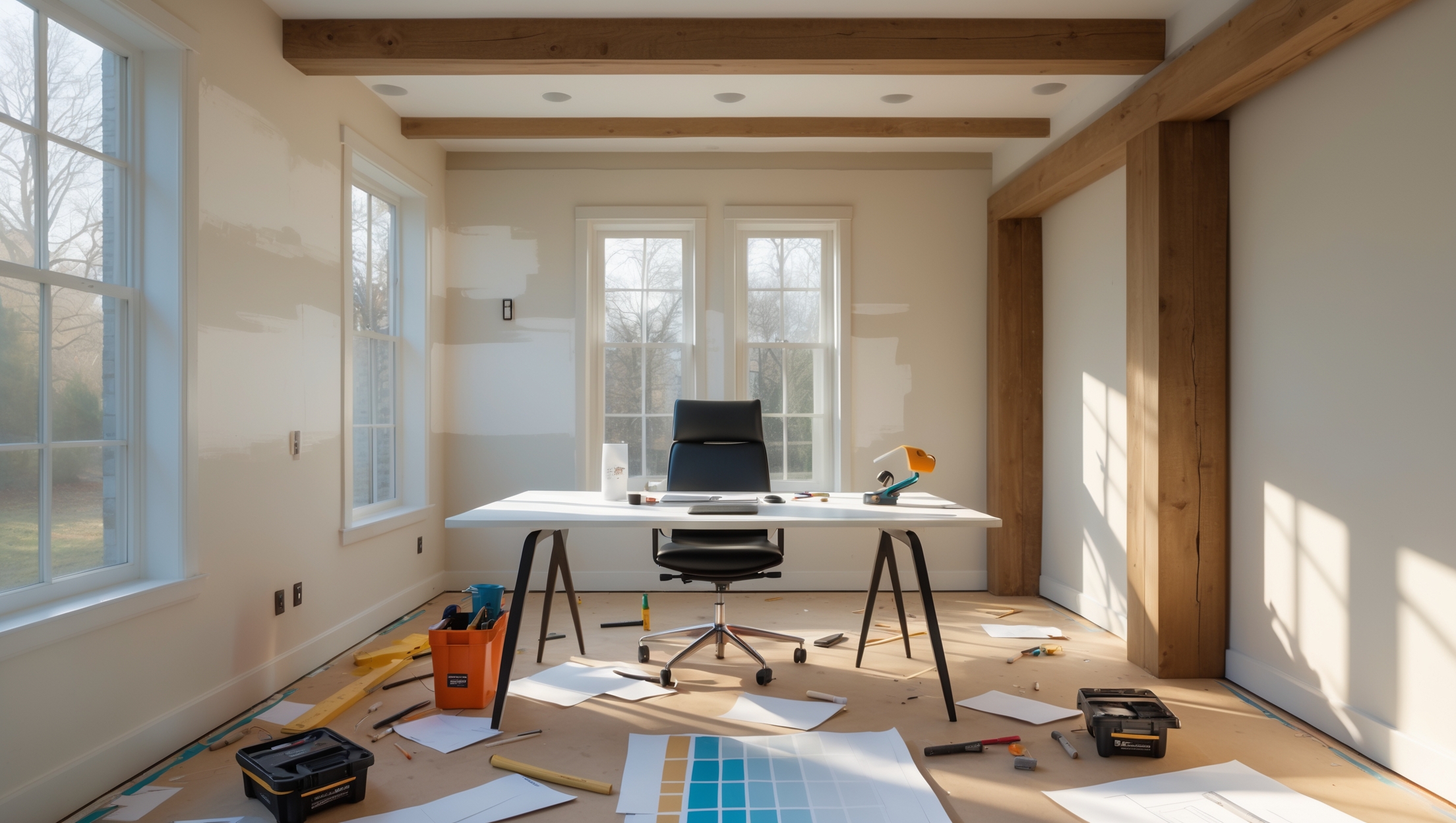
Introduction: Why Insurance Matters in Home Office Renovations
Renovating your home office is more than just a cosmetic upgrade—it’s an investment in comfort, productivity, and the value of your property. With the rise of remote work, more homeowners are transforming spare rooms or unused spaces into functional offices tailored to their needs. However, amidst the excitement of selecting ergonomic furniture and choosing paint colors, one critical aspect is often overlooked: insurance. Failing to address proper insurance coverage before, during, and after your home office renovation can lead to costly setbacks, denied claims, and unexpected liability. Whether you’re hiring contractors or tackling some DIY, ensuring your work is protected and compliant with your insurer’s requirements is essential. This comprehensive guide will walk you through the specific insurance considerations unique to home office renovations, helping you safeguard your investment, avoid common pitfalls, and ensure continuous protection throughout your project.
Understanding Your Current Homeowner’s Insurance Policy
Check Your Coverage Limits
Before beginning any renovation, review your current homeowner’s insurance policy. Many standard policies limit coverage for home offices or business property. If your existing coverage is insufficient, you could be left vulnerable if something goes wrong.
- Personal Property Limits: Standard policies may cap coverage for business equipment (computers, printers, etc.) at $2,500 or less.
- Structural Changes: Major renovations, such as knocking down walls or adding built-ins, may increase your home’s replacement cost, requiring policy adjustments.
Exclusions and Special Clauses
Some policies exclude business-related activities or may not cover losses during construction. Read your policy’s exclusions carefully and check for clauses related to renovations, home offices, or business use.
Informing Your Insurer: The First Step
Why Notification is Essential
Failing to notify your insurer about planned renovations can result in denied claims or even policy cancellation. Most insurers require you to report significant upgrades, especially when they relate to business use.
What to Tell Your Insurer
- Scope of renovation (structural, electrical, cosmetic)
- Intended use of the space
- Estimated project timeline
- Names and insurance information for contractors involved
Upgrading or Adding Coverage for Home Offices
Home-Based Business Endorsements
If you earn income from your home office, your standard homeowner’s policy may not cover business-related losses. Consider a home-based business endorsement, which increases coverage for business property and liability.
- Equipment: Computers, monitors, office furniture, and specialized electronics
- Inventory: If you store products or materials as part of your business
Commercial Insurance Policies
For larger or higher-risk home-based businesses, a commercial insurance policy may be necessary. These provide broader protection, including business interruption, liability, and higher property limits.
Insuring the Renovation Process: Builder’s Risk and Liability
Builder’s Risk Insurance
During the renovation, your property is exposed to new risks: theft of materials, fire from electrical work, or accidental damage. Builder’s risk insurance (also called course of construction insurance) covers damage to the structure, materials, and equipment during the project.
- Covers theft, vandalism, fire, certain weather events
- Lasts for the duration of the project
- Often required for major renovations
Contractor’s Insurance: What to Verify
Always hire licensed, insured contractors. Request copies of their general liability and workers’ compensation insurance certificates. Confirm that their coverage is current and adequate for the scope of work.
- General Liability: Covers damages or injuries caused by the contractor
- Workers’ Compensation: Protects you from liability if a worker is injured on your property
Additional Insured Endorsement
Request to be added as an “additional insured” on your contractor’s policy. This step gives you direct protection in case of a claim related to the renovation.
Liability Concerns Unique to Home Offices
Client Visits and Third-Party Liability
If clients or colleagues visit your home office, you face increased liability risks. Your homeowner’s policy may not cover injuries that occur during business activities. Consider increasing your liability limits or adding a business liability policy.
Slip, Trip, and Fall Hazards
Renovations often create temporary hazards: exposed wiring, tools, or debris. Maintain a safe environment and document safety measures to limit liability during and after construction.
Documenting Your Renovation for Insurance Purposes
Before-and-After Photos and Inventory
Take high-resolution photos of your home office and its contents before starting the project and once renovations are complete. Create a detailed inventory of equipment, furnishings, and improvements. This documentation streamlines future claims and proves the value of upgrades.
Keep All Receipts and Contracts
Retain invoices for materials, labor, and new equipment. Store copies of contracts with your contractor and any certificates of insurance. This paperwork may be required to support claims or policy changes.
Special Considerations: Smart Devices and High-Value Upgrades
Smart Home Technology
Modern home offices often include smart thermostats, security cameras, and automated lighting. Inform your insurer of these upgrades—some may lower premiums, while others require additional coverage.
High-Value Electronics
Specialized computers, servers, or audio-visual equipment may exceed standard coverage limits. Schedule these items separately on your policy for full protection.
After the Renovation: Reviewing and Updating Your Policy
Adjusting Coverage for Increased Value
Successful renovations typically increase your home’s replacement value. Contact your insurer to update your dwelling coverage and ensure your policy reflects all improvements.
Reassess Business Use
If your home office upgrades allow you to expand your business activities, revisit your business property and liability coverage. Needs can change as your operation grows.
Common Insurance Mistakes to Avoid
- Failing to Notify Your Insurer: Leads to denied claims or cancellation
- Assuming Contractor’s Insurance is Sufficient: Always verify and get added as additional insured
- Neglecting Documentation: Photos, inventories, and receipts are crucial for claims
- Underestimating Liability Risks: Especially important if you meet clients or employees at home
- Overlooking Policy Exclusions: Business use and renovations often require policy adjustments
Frequently Asked Questions
Will my homeowner’s insurance cover all my home office equipment?
Typically, standard policies have low limits for business property—often $2,500 or less. For full protection, consider a business property endorsement or separate policy.
Do I need to tell my insurer about minor renovations?
All significant renovations should be reported, especially if they change the use of a room or increase the home’s value. Even minor updates can affect coverage.
What if I do the renovation myself?
DIY work still requires you to notify your insurer. If friends or family help, be aware of liability risks. Your policy may exclude coverage for unlicensed work.
Conclusion: Securing Your Investment and Peace of Mind
Home office renovations represent a significant financial and personal commitment. Whether you’re optimizing your workspace for comfort, productivity, or business growth, insurance should be a central part of your planning. Overlooking key insurance considerations can have long-term consequences—from denied claims and liability lawsuits to unexpected out-of-pocket costs. By reviewing your current policy, communicating openly with your insurer, and ensuring all renovations are properly documented and covered, you’re taking essential steps to safeguard your investment. Remember to verify contractor credentials, upgrade your coverage for business equipment, and reassess your needs as your business evolves. The peace of mind that comes from knowing you’re fully protected allows you to focus on what matters most: building a productive and inspiring home office. Don’t let insurance be an afterthought—make it a proactive part of your renovation journey, and your new office will be a source of pride and security for years to come.
Are there common exclusions in homeowner’s insurance policies that specifically affect DIY renovations, or does the risk mainly increase when hiring outside contractors for a home office upgrade?
Many homeowner’s insurance policies have exclusions related to DIY renovations, especially if the work doesn’t meet building codes or leads to accidental damage. Coverage can be limited for issues caused by unlicensed work. Hiring outside contractors doesn’t eliminate risk, but insurance may require that professionals are licensed and insured themselves. It’s important to notify your insurer before starting any upgrades to ensure your coverage isn’t affected.
The article mentions that standard homeowners policies often have low limits for business equipment coverage. What are the best options for increasing coverage for things like computers and printers during and after renovations without significantly raising my insurance costs?
To increase coverage for business equipment like computers and printers without a big jump in costs, consider adding a home business endorsement or rider to your existing homeowners policy. This can boost your limits at a reasonable rate. Alternatively, look into a separate in-home business policy, which is usually affordable and tailored to business equipment. It’s smart to compare quotes and discuss your specific needs with your insurer to find the most cost-effective solution.
The article mentions that making structural changes might require adjusting my policy. At what point in the renovation process should I notify my insurer—before starting, during, or after the work is finished? I want to make sure I don’t miss any important steps.
You should notify your insurer before starting any structural changes. This lets them assess your coverage needs, advise if additional protection is required during construction, and ensure your policy includes the renovations once finished. If you wait until after, you risk gaps in coverage or claim issues. It’s best to keep your insurer informed from the planning stage onward.
If my home office renovation results in a significant increase in my home’s replacement cost, how soon should I inform my insurer to ensure there are no gaps in coverage, especially if the project is completed in phases?
You should inform your insurer as soon as the renovation work begins to affect your home’s value, even if the project is completed in phases. This way, your coverage can be updated promptly after each significant stage, helping to avoid any gaps. Waiting until the end could leave you underinsured if something happens during renovations.
If my current homeowner’s insurance only covers up to $2,500 for business equipment, what are my options for increasing coverage specifically for expensive computers and office tech added during a renovation?
To increase coverage for your expensive computers and office technology, you can ask your insurer about adding a business property endorsement or rider to your existing homeowner’s policy. Another option is to purchase a separate home office or business insurance policy, which often provides higher limits and broader protection for work equipment. Be sure to provide updated inventory and values for your new tech when discussing options.
When making structural changes like knocking down walls or adding built-ins for a home office, what’s the best way to calculate how much to adjust the replacement cost in my policy? Is there a standard formula, or should I get a professional appraisal after renovations are done?
When you make significant structural changes, the most accurate way to update your policy’s replacement cost is to get a professional appraisal after the renovations are finished. While there isn’t a universal formula, your contractor can provide cost breakdowns to share with your insurer. This helps ensure your coverage truly matches the new value and features of your home office.
I’m planning to turn a spare bedroom into a home office, but I’m concerned about the personal property limits mentioned in the article. If my equipment value goes above the typical $2,500 cap, what are my options for increasing this coverage, and should I do this before renovations start?
If your home office equipment will exceed the standard $2,500 personal property limit, you can ask your insurance provider about adding a rider or endorsement to your policy for increased coverage. It’s wise to arrange this before renovations begin, so your upgraded space and any new equipment are fully protected from the start.
You mentioned standard homeowners policies often limit coverage for business equipment to $2,500 or less. What are my options if my office equipment is worth significantly more—should I look for a separate policy or an endorsement?
If your office equipment value exceeds the typical $2,500 limit in a standard homeowners policy, you have two main options: add a business property endorsement to your current policy to increase coverage, or purchase a separate business insurance policy, such as a home office or business owners policy. An endorsement is often simpler and less expensive for modest increases, but a standalone policy may offer broader protection if your business needs are more extensive.
If I upgrade my home office with expensive equipment and built-in shelving, do I need to get extra coverage for each item, or is it better to increase my overall policy limits?
When upgrading your home office with costly equipment and built-in shelving, it’s usually more practical to increase your overall policy limits rather than adding separate coverage for each item. This approach ensures broader protection and simplifies your policy. However, for especially valuable items, you might consider scheduling them individually if they’re worth more than your standard coverage allows. It’s a good idea to discuss these updates with your insurance provider to make sure everything is covered adequately.
The article mentions standard policies might only cover up to $2,500 for business equipment. Are there specific policy add-ons or endorsements I should look for that would increase coverage for things like computers and printers used in a home office?
Yes, you can usually add a home business endorsement or an increased business property endorsement to your homeowners policy to boost coverage for home office equipment like computers and printers. Some insurers also offer a separate business property policy or a business owners policy (BOP) if your needs go beyond what endorsements provide. It’s best to discuss your specific equipment value with your insurer to make sure you have enough protection.
If I’m renovating my home office mainly by myself but plan to have a contractor help with some of the structural changes, does my homeowner’s insurance treat DIY work differently from work done by professionals when it comes to liability or coverage?
Yes, homeowner’s insurance often treats DIY work differently from work completed by licensed professionals. If you perform renovations yourself, your policy may exclude coverage for any damages or injuries resulting from your work. When a licensed contractor handles the job, their insurance may cover certain risks. It’s a good idea to inform your insurer about the renovations and ask if any policy updates or documentation are needed, especially when mixing DIY and professional work.
How does the insurance process work if I’m doing some of the renovations myself versus hiring a contractor? Are there differences in coverage or requirements during the renovation phase?
If you’re doing renovations yourself, your insurance provider may view this as a higher risk and could limit or exclude certain coverage, especially if damage occurs due to DIY work. When hiring a licensed contractor, their liability insurance often covers damage or injury during the project. It’s a good idea to inform your insurer before starting renovations, whether DIY or with a contractor, to ensure your coverage is adequate and requirements are met.
I’m planning to turn a spare bedroom into a home office and will be buying new computers and desks. Does the $2,500 personal property cap include all those electronics together, or does it apply per item? What if my equipment costs more than that in total?
The $2,500 personal property cap usually applies to all business equipment combined, not per item, when used for business in your home. If your computers and desks together exceed that amount, your standard policy may not fully cover them. You can talk to your insurer about adding a rider or endorsement to increase coverage for your home office equipment.
If I’m planning a DIY renovation that involves structural changes like installing built-ins, at what point should I notify my insurance company? Is there a typical window or minimum project size that triggers the need to update my coverage?
You should notify your insurance company before starting any renovation that involves structural changes, such as installing built-ins. There isn’t always a minimum project size; anything that alters your home’s structure or significantly increases its value warrants an update. It’s best to contact your insurer early to make sure your coverage remains adequate and there are no issues with claims during or after the project.
The article mentions that standard homeowner’s insurance may cap coverage for business equipment at around $2,500. If my home office setup is worth significantly more, should I add a special rider to my policy, or is separate business insurance a better option?
If your home office equipment exceeds the standard coverage limit, you have two main options: adding a rider (or endorsement) to your homeowner’s policy to increase the coverage for business equipment, or purchasing a separate business insurance policy. A rider is usually more affordable but may still have some restrictions. Separate business insurance provides broader protection and may be required if you have clients visiting or store large inventories. Review your specific needs and discuss both options with your insurance provider to find the best fit.
The article mentions that business equipment might only be covered up to $2,500 under a standard policy. What should I do if my office setup will include computers and gear worth a lot more than that? Are there specific types of additional coverage I should ask my insurer about?
If your home office equipment exceeds the $2,500 limit under a standard policy, you should discuss options for increasing your coverage with your insurer. Ask about adding a business property endorsement or a home-based business insurance policy, both of which can raise the coverage limit for business equipment. Make sure to provide an inventory and estimated value of your items when you speak with your agent.
If I’m doing some of the renovations myself without hiring a contractor, does that affect my insurance coverage or liability? I’m wondering if insurers treat DIY projects differently than professional work, especially if something goes wrong during the process.
Doing renovations yourself can affect your insurance coverage and liability. Many insurers expect professional work, so if damage or injuries occur during your DIY project, they may limit or deny coverage—especially if the work doesn’t meet local codes or leads to future problems. It’s important to inform your insurer before starting any major DIY renovations and check if you need extra coverage or adjustments to your policy.
The article mentions that standard homeowner policies may cap coverage for business equipment at $2,500 or less. Is it better to add a rider to your policy for higher-value office equipment, or should you look into a separate business insurance plan?
If your home office equipment exceeds the standard coverage limit, you have two main choices. Adding a rider (also called an endorsement) to your homeowner’s policy is often cost-effective for covering specific high-value items. However, if you run a larger business from home or need broader protection—such as liability or coverage for client interactions—a separate business insurance policy might be better. Consider the value of your equipment and the nature of your work to decide which option suits your needs best.
How soon before starting renovations should I notify my insurance company, and is there typically a waiting period before any new or adjusted coverage actually takes effect for the home office upgrades?
You should notify your insurance company as early as possible—ideally several weeks before starting your home office renovations. This gives them time to review your plans, assess risks, and discuss any policy adjustments. Coverage changes aren’t always instant; some insurers may require a waiting period, usually ranging from a few days to a few weeks, before new or adjusted coverage becomes active. Always confirm specific timelines with your provider to avoid any gaps in protection.
If my home office renovation includes installing built-in shelves and new wiring for better internet, how do I know if those changes will increase my home’s replacement cost enough that I need to update my homeowner’s insurance policy?
When you add built-in shelves and upgrade wiring, these improvements usually increase your home’s replacement cost, since they’d need to be rebuilt after damage. To know if you need to update your policy, estimate the cost of these upgrades and compare your current coverage with the new total replacement value. If it looks like your coverage is no longer enough, contact your insurer to discuss adjusting your policy.
You mention that standard policies often cap business equipment coverage around $2,500. If my equipment value is more than that, what specific types of extra coverage should I ask my insurer about to make sure I’m fully protected during and after renovations?
If your home office equipment is worth more than your policy’s standard limit, ask your insurer about adding a business property endorsement or rider to your homeowners policy. You could also look into a separate in-home business policy, which typically offers higher coverage limits and may cover liability specific to business activities. Be sure to clarify whether coverage applies during renovations as well as after.
If I plan to take out a wall between two rooms to expand my home office, how do I determine if my homeowner’s insurance covers this type of structural change, or do I need to purchase extra coverage before starting the renovation?
To find out if your homeowner’s insurance covers structural changes like removing a wall, review your policy’s renovation or construction clauses and contact your insurance provider directly. Many standard policies exclude major structural alterations unless you notify them in advance. You may need to purchase additional coverage, such as a renovation or builder’s risk endorsement, before starting work. Always get written confirmation from your insurer about what is and isn’t covered.
The article mentions that standard policies usually cap coverage for business equipment at $2,500 or less. If my home office setup is worth more than that, is it better to get a rider on my homeowner’s policy or a separate business insurance policy?
If your home office equipment exceeds the standard coverage cap, you have two main options. Adding a rider (or endorsement) to your homeowner’s policy can increase coverage for specific items, often at a lower cost. However, for broader protection—especially if you have expensive gear, client visits, or business liabilities—a separate business insurance policy may be more comprehensive. It’s wise to compare both options and discuss your needs with your insurance agent to ensure you’re fully protected.
The article talks about policy exclusions during renovations, especially for business use. Are there specific questions I should ask my insurer to uncover any hidden exclusions that could leave my home office unprotected while construction is happening?
When speaking with your insurer, ask if your policy specifically covers home office spaces during renovations and whether business-related equipment or liability is excluded. Be sure to clarify if temporary construction increases risks that might void coverage and whether additional endorsements are needed for business use. Also, inquire about any requirements for notifying them before starting renovations to avoid gaps in protection.
When it comes to the coverage limit for business equipment mentioned in the article, are there specific endorsements or riders homeowners should ask about to ensure adequate protection during and after the renovation process?
Yes, homeowners should ask their insurer about a ‘business property endorsement’ or ‘home business endorsement’ to increase coverage for business equipment beyond the standard homeowner’s policy limits. Some insurers also offer a specific ‘in-home business rider.’ It’s wise to discuss your equipment inventory and renovation plans with your agent to tailor the coverage both during and after renovations.
I’m curious about the business equipment coverage limit you mentioned. If my office setup costs more than the typical $2,500 cap, what are my options to make sure everything is fully protected during and after renovations?
If your office equipment exceeds the standard $2,500 coverage limit, you can ask your insurer about increasing that limit by adding a business property endorsement or rider to your policy. Some providers also offer separate business insurance policies for higher-value setups. It’s important to document your equipment’s value and let your insurer know about any changes, especially during renovations, to make sure you stay fully protected.
You mentioned some policies exclude business-related activities or losses during construction. How can I make sure my insurance actually covers any potential accidents or damages that happen while contractors are working on my office renovation?
To ensure your insurance covers accidents or damages during renovations, contact your insurer before work begins. Ask if your current policy includes coverage for business activities and construction-related risks. If not, request a policy endorsement or consider separate builder’s risk insurance. Also, check that your contractors have their own liability coverage for added protection.
I’m planning some structural changes like putting up built-in bookshelves in my office. Does this mean I need to update my replacement cost with my insurer immediately, or can that wait until the renovation is finished?
It’s best to inform your insurer about significant structural changes, like built-in bookshelves, as soon as possible—ideally before or during the renovation. This ensures your replacement cost coverage is accurate if something happens mid-project. Waiting until the renovation is finished could leave you underinsured during the process, so updating your insurer promptly is safer.
Could you clarify whether increasing coverage for business equipment in a home office typically requires a separate rider or endorsement, or do most insurers adjust the base homeowner’s policy if you inform them about the renovation?
Most insurers require a separate rider or endorsement to cover business equipment beyond the limited amount included in a standard homeowner’s policy. Simply informing your insurer about your renovation usually isn’t enough to extend full business equipment coverage. It’s best to discuss your specific needs with your insurer so they can recommend the right coverage and help you stay fully protected.
If I’m planning to do a mix of DIY and hiring contractors for my home office renovation, do I need to notify my insurer before each phase, or is one notification at the start enough to keep everything covered?
You should notify your insurer before starting your home office renovation, even if you plan to mix DIY work with hiring contractors. Generally, one detailed notification at the start—including your full renovation plans—should be enough. However, if your plans change or the scale of work increases, it’s wise to update your insurer as soon as possible to ensure you remain fully covered throughout the project.
If I’m planning on adding built-ins and rewiring for my home office, how soon before starting the renovation should I notify my insurer, and could waiting until after the work begins impact my coverage?
You should notify your insurer before starting any renovations like adding built-ins or rewiring. Letting them know in advance ensures your policy reflects the increased value and any added risks. If you wait until after work begins, you could risk gaps in coverage, or certain damages during renovation might not be covered. It’s best to contact your insurer as soon as your plans are finalized and before any work starts.
The article mentions that some policies don’t cover losses during construction. How do I find out if my policy includes this exclusion, and what steps can I take to make sure my home office renovation is protected while work is underway?
To find out if your policy excludes coverage during construction, check the exclusions section of your homeowners insurance documents or contact your insurance provider directly for clarification. If renovations aren’t covered, you can ask about purchasing a builder’s risk policy or a renovation endorsement to protect your home office during the project. Always notify your insurer before work begins to ensure you have the right coverage in place.
Could you explain more about what happens if you forget to inform your insurer before starting a home office renovation? Would that impact claims if something gets damaged mid-project, or only if there’s a major loss later on?
If you don’t inform your insurer before starting a home office renovation, it can impact your coverage both during and after the project. If damage occurs mid-project—say, an accident or theft—your insurer may deny your claim because they weren’t aware of the increased risk. This risk also applies if there’s a major loss later on, like a fire, since undisclosed renovations can affect policy terms or invalidate coverage. Always update your insurer before making significant changes.
What should I do if I already started my home office renovation before notifying my insurer? Is there a risk that claims might be denied because I didn’t inform them beforehand, or can I update my policy retroactively?
If you’ve started your renovation without first notifying your insurer, it’s important to contact them as soon as possible. Some insurers may deny claims related to unreported renovations, especially if damages occur during construction. While some providers allow you to update your policy mid-project, retroactive coverage is rarely granted. Be honest with your insurer, explain the situation, and follow their instructions to minimize any risk of denied claims.
If my homeowner’s insurance policy has a $2,500 cap on business equipment, is it possible to purchase a separate rider just for my home office gear, or do I need to increase my entire policy limit to get proper coverage?
You can usually add a separate rider (sometimes called an endorsement) to your homeowner’s insurance that specifically increases coverage for your home office equipment, without raising your overall policy limits. This is often more cost-effective than increasing the entire policy limit. Contact your insurer to ask about options for a home-based business or equipment rider tailored to your needs.
I’m planning some built-in shelving and electrical upgrades in my home office. Would notifying my insurer in advance affect my premiums right away, or does it only come into play if I file a claim after the renovations are done?
Notifying your insurer about your planned renovations, like built-in shelving and electrical upgrades, usually won’t change your premiums immediately. Instead, insurers often review and adjust premiums after the renovations are complete, based on the new value or risk. However, it’s smart to let them know before you start, as this can ensure your coverage remains valid throughout the project and avoids issues if you need to file a claim in the future.
When notifying my insurer about planned renovations that involve knocking down walls, is there a standard timeline or specific documentation I should provide to make sure any potential claims are covered during and after the remodel?
You should notify your insurer before any renovation work begins, especially if knocking down walls is involved, as it can impact your coverage. Most insurers ask for details about the scope of work, estimated costs, contractor information, and renovation plans or permits. Providing this information upfront helps ensure your policy can be properly adjusted and claims will be considered if something happens during or after the remodel.
If I’m doing most of the renovations myself but hiring a contractor for some of the work, does that change how or when I need to notify my insurer? How should I document the changes to make sure any future claims aren’t denied?
Since you’re mixing DIY work with hiring a contractor, it’s a good idea to notify your insurer before any renovations start, regardless of who does the work. This helps ensure your coverage stays valid. Keep detailed records, like receipts for materials, contractor invoices, and before-and-after photos. Document all changes room by room, so you have clear proof in case you need to file a claim in the future.
I’m a renter planning to convert a spare room into a home office. Are there any important insurance considerations or policy adjustments I should discuss with my landlord or renters insurance provider before starting renovations?
Since you’re renting, it’s important to check your renters insurance policy to ensure it covers your office equipment and any potential liability in your new workspace. You should also let your landlord know about your renovation plans, as any structural changes may require their approval. Ask your insurer if you need extra coverage for business property or if your policy excludes home office-related claims.
When you mention that standard policies may only cover up to $2,500 for business equipment, does that mean if I have multiple computers and other tech that go over that amount, I’d need to get extra coverage? What’s the process for increasing that limit?
Yes, if the total value of your business equipment at home exceeds $2,500, you would need to get extra coverage—often called a rider or endorsement—to fully protect your items. To increase the limit, contact your insurance provider, discuss your specific equipment and its value, and ask about expanding your policy. They will guide you through updating your coverage and inform you of any additional costs.
You mentioned that standard homeowner’s policies may have a $2,500 cap for business equipment. What’s the best way to increase this coverage for expensive electronics, and would that come as an endorsement or a separate business policy?
To raise coverage for high-value business electronics, you typically add an endorsement—sometimes called a rider—to your existing homeowner’s policy. This endorsement increases the limit specifically for business equipment. For very expensive or specialized electronics, or if you have a lot of client interaction or inventory, your insurer may recommend a separate home-based business policy for broader protection.
If I decide to use a contractor for the renovation, how can I verify their insurance adequately covers any mishaps that might affect my home, and should I notify my own insurer before the work starts or only if something changes structurally?
To check a contractor’s insurance, ask them for proof of both liability insurance and workers’ compensation. Confirm their policy details with their insurer directly if possible. Before any work starts, it’s wise to notify your own insurer about the upcoming renovation, as this keeps your policy up to date and can help prevent coverage issues if something goes wrong during the project.
I’m planning some significant structural changes, like adding built-ins for my home office. At what point during the renovation process should I inform my insurance company, and are there penalties for waiting until after the work is done?
You should inform your insurance company before starting any major renovation work, especially if you’re making structural changes or adding built-ins. Notifying them in advance ensures your policy reflects the increased value and potential risk. Waiting until after the renovations are finished could result in limited coverage during the project, and in some cases, insurers may penalize you or even deny claims related to unreported changes.
If I’m considering making significant structural changes to convert a spare room into a home office, at what stage of the project should I contact my insurer to discuss adjusting my policy, and are there any common pitfalls to avoid in this process?
You should contact your insurer before starting any significant structural changes. This ensures your policy covers the renovation period and any increased risks. Common pitfalls include waiting until after work begins, underestimating the value of upgrades, or not updating your coverage after completion. Always inform your insurer about the planned changes so you stay protected throughout the project.
Could you clarify how structural changes like adding built-ins might affect my homeowner’s insurance premium or eligibility, and are there common exclusions I should watch for when making these upgrades?
Adding built-ins or making other structural changes can increase your home’s replacement value, which may lead to higher premiums. Insurers might also require you to update your policy to reflect the renovations. Common exclusions to watch for include damage from poor workmanship, code violations, or unpermitted work. It’s wise to notify your insurer before starting upgrades to ensure continued eligibility and proper coverage.
The article talks about exclusions for business activities and construction periods. If I decide to do some of the renovations myself instead of hiring a contractor, does that change what I need to tell my insurance company, and could it affect my coverage if an accident happens?
Yes, doing renovations yourself can definitely impact your insurance coverage. You should inform your insurance company if you’re taking on the work personally, as policies often have exclusions or different requirements for DIY projects. If an accident happens during your own renovations and you haven’t disclosed this, your claim could be denied. It’s always best to discuss your plans with your insurer before you start.
If I’m planning to do most of my home office renovation myself but might hire an electrician for some work, do I need to let my insurance company know about both the DIY and the professional parts, or just the contracted work?
You should inform your insurance company about both the DIY renovations and any professional work, such as hiring an electrician. Insurance providers often require details about all changes to your property, regardless of who completes the work. This helps ensure your coverage remains valid and that any claims related to the renovation are not affected by undisclosed updates.
You suggest notifying the insurer prior to renovations, but what is the usual timeline for getting policy adjustments approved? Is there a risk of being temporarily uninsured during the renovation if the process takes longer than expected?
Insurance policy adjustments for home office renovations are typically reviewed within a few days to a couple of weeks, depending on the insurer and the complexity of your project. Most insurers will keep your current coverage active until the changes are approved, so you shouldn’t experience a coverage gap as long as you notify them before starting work. Always confirm your coverage status with your insurer before renovations begin.
When making structural renovations like adding built-in shelves to my home office, what’s the best way to calculate how much my replacement cost will increase so I can adjust my policy accordingly?
To estimate the increase in your replacement cost after adding built-in shelves, start by keeping track of all expenses related to the renovation, including materials, labor, and any permits. Add this total to your existing replacement cost estimate. It’s helpful to consult your insurer or a local contractor for guidance, as they can provide valuations based on current construction costs. Once you have the updated figure, share it with your insurance provider to adjust your policy.
When you say that renovations could change my home’s replacement cost, what’s the best way to calculate how much to increase my coverage? Is there a typical percentage increase for adding built-in office furniture or removing walls?
Renovations like adding built-in office furniture or removing walls can indeed affect your home’s replacement cost, but the increase varies depending on materials and the scope of work. There’s no universal percentage, since costs can range widely. The best approach is to get an updated replacement cost estimate from your insurance provider or a licensed appraiser after the renovations. They’ll consider all upgrades to help you determine the right amount for your coverage.
If my current homeowner’s policy only covers business equipment up to $2,500, what are my options if my home office setup costs more than that? Is it common for insurance companies to offer easy add-ons, or do I need a separate business insurance policy?
If your home office equipment is worth more than your policy’s $2,500 limit, you usually have two main options. Many insurers let you add a rider or endorsement to increase coverage for business equipment, which is often straightforward. However, if you run a larger business from home or see clients there, a separate business insurance policy may be recommended. Contact your insurer to discuss which option best meets your needs.
After finishing major structural changes in my home office, like adding built-ins, how soon should I notify my insurer, and what kind of documentation will they usually require for policy adjustments?
You should notify your insurer as soon as possible after completing significant structural changes like built-ins. Most insurers recommend contacting them within a few days to a week. They typically ask for documentation such as receipts, invoices, photos of the renovations, and sometimes contractor details. Providing these promptly helps ensure your policy accurately reflects the new value of your home office.
How soon before starting my home office renovation should I inform my insurer, and is there any risk of my coverage being suspended or reduced while the renovations are ongoing?
You should inform your insurer as soon as you finalize your renovation plans, ideally before any work begins. This allows your insurer to assess any potential risks and update your coverage if needed. There is a possibility that coverage could be adjusted, suspended, or certain risks excluded while renovations are ongoing, especially if you’re making major structural changes or your home is unoccupied. Always check your policy and discuss details with your insurer to avoid any gaps in protection.
Could you clarify whether homeowner’s insurance policies typically cover expensive tech equipment like computers or cameras if they’re used for both personal and business tasks, or would we need additional business coverage for that?
Homeowner’s insurance may offer limited coverage for tech equipment, but if those items are used for any kind of business activity—even partially—most standard policies might not fully cover losses or damage. To protect computers or cameras used for business, you’ll likely need to add a business property endorsement to your homeowner’s policy or purchase separate business coverage.
Could you clarify whether most insurers require notification before even minor DIY updates to a home office, or is this mainly for bigger renovations like knocking down walls or changing the layout?
Most insurers typically only require notification for major renovations, such as structural changes, knocking down walls, or altering the layout. Minor DIY updates like painting, replacing light fixtures, or adding shelves generally don’t need to be reported. However, it’s best to check your specific policy, as requirements can vary between insurers.
You mention that some policies exclude business-related activities during construction. If I’m doing both DIY and hiring contractors at different stages, should I notify my insurer each time the work changes hands, or is one notification enough?
It’s best to notify your insurer about your full renovation plan upfront, including that you’ll be doing some work yourself and hiring contractors for other parts. That way, they can advise you if any additional notifications are needed as things progress. Some insurers may want updates if the work scope or who’s doing it changes significantly, so clarify their preference when you first speak with them.
When the article talks about notifying your insurer before starting renovations, what kind of information do they usually need from me? Is it just details about the changes, or do I need to provide contractor details and renovation costs too?
Insurers typically want a clear overview of your planned renovations, including what changes you’ll make, the estimated timeline, and the total cost of the project. They may also ask for details about your contractor—such as their license and insurance—especially for major work. Providing this information helps ensure your coverage stays accurate throughout the renovation process.
You mention that some insurance policies have exclusions for business-related activities or during renovations. If I’m doing most of the renovation work myself without a contractor, could that affect my ability to file a claim if something gets damaged in the process?
If you do most of the renovation work yourself, it can definitely impact your insurance coverage. Many policies have exclusions for DIY renovations or damage caused by unlicensed work. If something is damaged during your self-performed renovations, your claim could be denied. It’s a good idea to notify your insurer beforehand, review your policy carefully, and ask if you need any special endorsements for your project.
The article mentions some policies might exclude losses during construction. How can I tell if my policy has this kind of exclusion, and what should I ask my insurer to make sure my renovation is actually covered while the work is happening?
To find out if your policy excludes losses during construction, check your policy documents for sections about renovations, construction, or exclusions. Look for wording about ‘construction-related damage’ or ‘renovation exclusions.’ When talking to your insurer, ask if your current policy covers damage or theft during renovations, whether you need extra coverage, and what documentation or notifications they require while the work is ongoing.
If I’m making mostly cosmetic changes to my home office, like new paint and furniture, do I still need to notify my insurance company or is that only for major structural renovations?
For mostly cosmetic updates like painting or getting new furniture, you generally don’t need to notify your insurance company. Notification is usually needed for major structural work, such as adding walls or changing electrical systems. However, it’s a good idea to review your coverage to ensure any new furniture or equipment is fully protected under your current policy.
The article mentions that standard homeowner’s policies might only cover business equipment up to around $2,500. If my setup will be worth more than that after renovations, what are the most cost-effective ways to increase this coverage?
If your business equipment will exceed the typical $2,500 limit, you can ask your insurer about adding a business property endorsement (sometimes called a rider) to your homeowner’s policy. This is usually more affordable than purchasing a separate business policy. Another option is an in-home business policy, which offers broader protection but may cost more. It’s best to compare both with your agent to see which fits your needs and budget.
I noticed you mentioned that business equipment might only be covered up to $2,500. If I have more expensive tech in my home office, what’s the best way to make sure everything is adequately insured during and after renovations?
To make sure your high-value tech is fully covered, contact your insurance provider and ask about adding a business property endorsement or rider to your homeowners policy. This increases the coverage limit for business equipment. Alternatively, you could look into a separate business insurance policy if you run a full-scale business from home. Keep an updated inventory, receipts, and photos of your tech for smoother claims if needed.
You mentioned that standard policies may only cover up to $2,500 for home office equipment. If my setup costs more than that, does it make sense to get a separate business property policy, or can I just raise my homeowner’s coverage? I’m not sure which is more cost-effective.
If your home office equipment exceeds the typical $2,500 coverage, you have two main options. You can ask your insurer about adding a rider or endorsement to your homeowner’s policy, which often costs less and raises your coverage limits for specific items. Alternatively, a separate business property policy offers broader protection but is usually more expensive. Comparing both options with your insurer ensures you get the right coverage for your needs and budget.
I’m planning to convert my spare bedroom into a home office and do most of the work myself. The article mentions that standard homeowner’s insurance may cap business equipment at $2,500. How do I find out if I need to purchase extra coverage for things like my computer and printer before I start the renovation?
To determine if you need extra coverage, review your current homeowner’s policy or contact your insurance provider directly. Ask them about the coverage limit for business equipment and if it applies to your home office setup. If your computer and printer exceed the standard limit, they can advise you about adding a rider or endorsement to increase protection.
You mentioned exclusions for business-related activities in some policies. Is there a specific type of rider or endorsement that homeowners should look into if they plan to see clients in their renovated home office?
Yes, homeowners who plan to see clients in their renovated home office should ask their insurer about a home business endorsement or rider. This type of coverage can extend liability protection for business-related activities that standard homeowners insurance typically excludes. It’s best to discuss your specific needs with your insurer to ensure your policy properly covers in-person client visits.
Are there specific questions I should ask my insurer about exclusions or special clauses related to DIY renovations, especially if I plan to install built-in shelves or make structural changes to my home office space?
When discussing your DIY renovations with your insurer, be sure to ask if your policy excludes coverage for damages caused by self-done work or structural changes. Check whether you need prior approval or inspections, and clarify if adding built-in shelves or altering walls might affect your coverage. Also, ask about any documentation or permits required to avoid future claim issues.
Could you clarify whether insurers typically require updates for policy limits only after the renovation is complete, or should we request adjustments as soon as we start making structural changes to our home office?
You should let your insurer know about your renovation plans before you start making structural changes. Many insurers prefer to be informed in advance so they can assess risks and recommend any necessary policy adjustments during the renovation process, not just after it’s complete. This helps ensure you have adequate coverage throughout the project and prevents issues if you need to make a claim while work is ongoing.
I’m planning to knock down a wall to expand my home office, which sounds like it could impact my home’s replacement cost. At what stage in the renovation process should I inform my insurer, and is there a risk of my premium increasing right away?
You should inform your insurer before starting any structural changes like knocking down a wall. This allows your policy to reflect the new risk and ensures your coverage stays valid during and after renovation. There could be a premium increase, but usually not until after your insurer reassesses your home’s value and risk profile post-renovation.
I handle most projects myself, but occasionally hire a contractor for bigger jobs. Am I required to notify my insurer each time, or only if structural changes are involved? I want to avoid accidentally voiding my coverage.
You typically need to notify your insurer if you’re making significant changes, especially structural ones, as these can impact your policy or coverage limits. For smaller, cosmetic updates, notification isn’t usually required. However, hiring contractors sometimes requires proof of their own insurance. To be safe, check your policy details or contact your insurer before starting any larger project, so you don’t risk any gaps in coverage.
Can you clarify if homeowner’s insurance typically covers damage that happens specifically during the renovation process, especially if I’m hiring outside contractors? I’m worried about possible accidents or property damage while the work is happening in my home office.
Homeowner’s insurance usually does not cover damage caused by renovations if you’ve hired outside contractors, especially if the damage is related to their work. Contractors should carry their own liability and workers’ compensation insurance to cover accidents and property damage during the project. It’s a good idea to check your policy details and confirm that your contractors are properly insured before renovations begin.
I noticed you mentioned that some policies exclude business activities or claims during construction. If I need to keep working from my home office while renovations happen, how can I be sure I don’t accidentally void my coverage during that time?
To avoid accidentally voiding your coverage, contact your insurance provider before renovations begin. Explain that you’ll be working from your home office during construction and ask whether your current policy covers both the renovations and your business activities. They may recommend a temporary endorsement or adjustment to ensure continuous protection. Be sure to get any changes or clarifications in writing.
Can you clarify how renovations like knocking down walls or building custom shelves in a home office might affect my home’s replacement value and how I should discuss this with my insurer to ensure I’m not underinsured?
Renovations such as knocking down walls or adding custom shelves can increase your home’s replacement value because they often enhance quality or expand usable space. To ensure you’re not underinsured, inform your insurer about the specific upgrades and provide receipts or contractor estimates. Ask your insurer to reassess your coverage limits in light of these changes, so your policy accurately reflects the new value of your home.
If my home office renovation includes hiring outside contractors, do I need extra coverage beyond my standard homeowner’s insurance, or is the contractor’s insurance usually enough to protect me?
When hiring outside contractors, it’s important to check that they have their own liability and workers’ compensation insurance, but you may still need extra coverage. Standard homeowner’s policies don’t always fully protect you if a contractor causes damage or if someone gets hurt during the renovation. Consider discussing a home renovation or builder’s risk policy with your insurer to ensure you’re fully covered.
You mentioned standard policies may only cover up to $2,500 for business equipment in a home office. Are there specific types of add-on coverage or endorsements small business owners should ask about to make sure computers and other tech are fully protected during and after a renovation?
Yes, you can ask your insurer about a business property endorsement or a home-based business endorsement. These add-ons can increase coverage limits for your computers and tech equipment beyond the standard $2,500. Also, consider coverage for equipment breakdown and protection during renovations, as some policies may exclude damage during construction. Be sure to discuss your specific equipment and renovation plans with your insurer.
If I’m planning to do some of the renovations myself and hire contractors for other parts, should I notify my insurer before I start any of these projects, or only when the work is finished and the home office is ready?
You should notify your insurer before you start any renovation work, even if you’re doing some tasks yourself and hiring contractors for others. Early notification helps make sure your policy covers any risks during the renovation, such as accidental damage or liability issues. This also gives your insurer a chance to advise you on documentation and any additional coverage you might need during the project.
If I add built-in cabinetry to my home office during a renovation, do I need to notify my insurance company right away, or can I wait until the work is finished? Is my coverage at risk while the project is still ongoing?
It’s best to notify your insurance company before or as soon as you start renovations like adding built-in cabinetry. This ensures your policy reflects the increased value and any risks during construction. Waiting until after the work is finished could leave you underinsured if something happens mid-project, so updating your insurer early helps keep your coverage intact throughout the renovation.
If I mainly use my home office equipment for side gigs and freelance work, does that usually count as ‘business property’ for insurance purposes? I’m curious how strict insurers are about this, especially when coverage caps seem so low for business gear.
If you use your home office equipment for freelance work or side gigs, most insurers will consider it ‘business property’. Homeowners policies often have much lower coverage limits for business equipment, regardless of how part-time or small-scale your work is. Insurers can be quite strict about these definitions, so it’s a good idea to discuss your setup with your provider and see if you need a business property endorsement or separate policy for adequate protection.
The article mentions that some policies might not cover losses during construction. What should I specifically ask my insurer to make sure I’m protected while renovations are actually happening?
To make sure you’re protected during your home office renovations, ask your insurer if your current policy covers damages or theft that occur specifically during construction. Also, find out if you need to add a builder’s risk endorsement or a separate renovation policy. It’s wise to check if your contractor has insurance and whether their coverage overlaps or leaves any gaps for you as the homeowner.
You talked about exclusions during construction phases. If I’m planning mostly DIY home office upgrades with occasional help from a licensed contractor, will my insurance still cover potential damage, or do I need a separate policy for those periods?
If you’re doing DIY renovations and sometimes hiring a contractor, your existing homeowner’s policy may have coverage gaps, especially during construction. Many policies exclude damage arising from renovations or unlicensed work. It’s best to inform your insurer about your plans—they might require an endorsement or a separate builder’s risk policy to ensure you’re covered throughout the project, even with contractor involvement.
If my policy doesn’t automatically cover renovations while the work is happening, is there a short-term insurance I should look into, and how far in advance should I arrange it before I start the project?
If your current policy doesn’t cover renovations in progress, you can look into a short-term builder’s risk or renovation insurance policy. These are designed specifically for home projects and can cover risks like theft, fire, or accidental damage during construction. It’s a good idea to arrange this coverage at least a week or two before your renovation begins, so you have time to review options and complete any necessary paperwork.
If my policy has exclusions for losses during construction, are there specialized policies or temporary coverages I should look into while my home office is being renovated, especially if I’m hiring multiple contractors and bringing in new equipment?
Yes, if your current policy excludes losses during construction, you should consider a builder’s risk policy or a renovation-specific insurance policy. These can cover property damage or theft during renovations. Also, check if contractors have their own liability insurance, and consider an endorsement for your new equipment. Discuss your plans with your insurer to ensure all gaps are covered for the duration of the project.
I’m remodeling a spare room into a home office, but I might use it for my side business as well. Are there specific insurance requirements or special clauses I should be looking for so I don’t run into issues with claims later?
When converting a room for home office and business use, standard homeowners insurance may not cover business equipment or liability. You should check if your policy has exclusions for business activities. It’s wise to ask your insurer about adding a home office endorsement, business property coverage, or even separate business liability insurance, especially if clients or deliveries will visit your home. This helps ensure you’re protected in case of claims related to your side business.
If my current personal property coverage only extends to $2,500 for office equipment but my setup is worth more, is it better to increase my policy limit or look for a separate business property endorsement?
If your office equipment is worth more than your current $2,500 coverage, you have two main choices. Increasing your policy limit can be simple, but some standard homeowners policies limit coverage for business property regardless of the overall limit. A separate business property endorsement or a dedicated business insurance policy is often better for full coverage, especially if you have expensive equipment or operate a business from home. It’s a good idea to speak with your insurer to see which option fully protects your setup.
If I start some minor renovations before officially notifying my insurer, could that affect any future claims, or is it mainly big projects that require notice ahead of time? I want to make sure I don’t accidentally void my coverage.
Even minor renovations can sometimes affect your insurance coverage, especially if they change the risk profile of your home or lead to accidental damage. While insurers are usually most concerned with major projects, it’s always safest to notify them before starting any renovations, no matter the size. This helps ensure you remain protected and that any future claims related to the renovations won’t be denied due to lack of notification.
When making structural changes like adding built-ins for my home office, how soon should I notify my insurance company and what kind of documentation do they typically require before and after the renovations?
You should notify your insurance company before starting any structural changes, including adding built-ins, to ensure your policy covers the renovations. They usually ask for a detailed description of the planned work, estimates or contracts from contractors, and sometimes permits. After the renovations, they may require photos, receipts, and a final invoice to update your policy and adjust your coverage if needed.
You mentioned that standard homeowner’s insurance policies might only cover up to $2,500 for business equipment in a home office. If I need to insure equipment worth more than that, what are my options and is it expensive to add extra coverage?
To cover business equipment exceeding the $2,500 limit, you typically have two options: you can add a rider or endorsement to your existing homeowner’s policy, or purchase a separate business insurance policy. Costs vary depending on the value and type of equipment, but endorsements are often affordable for moderate increases in coverage. For higher-value setups, a business policy may be better. Your insurance agent can give you specific quotes based on your situation.
I noticed you mentioned that some homeowner’s insurance policies cap business equipment coverage at $2,500 or less. If I plan to spend more and upgrade my electronics for my home office, is it possible to increase this coverage, and would it affect my premium by a lot?
Yes, you can usually increase your coverage for business equipment by adding a rider or endorsement to your homeowner’s insurance policy. This allows you to specify a higher limit that matches your upgraded electronics. While your premium will likely increase, the cost is often reasonable compared to the value of the extra protection. It’s a good idea to discuss your specific needs with your insurer to understand the exact impact on your premium.
If my policy excludes losses during construction, what are my options for temporary insurance coverage just for the renovation period? I’m trying to avoid any gaps in protection but not sure what to ask my provider about short-term solutions.
You can ask your insurance provider about a builder’s risk policy or a renovation endorsement, which are both designed to cover property during construction or renovation. These options can provide temporary coverage for the renovation period without needing a full policy change. Be sure to specify the scope and duration of your project so your provider can recommend the most appropriate short-term solution for your needs.
You mentioned that some insurance policies exclude business activities or construction-related losses. If I start my renovation as a DIY project but hire a contractor midway, should I notify my insurer both times or just once before starting?
You should notify your insurer both when you begin your DIY renovation and again if you hire a contractor midway through the project. Insurers need to know about changes in risk, and hiring a contractor may affect your coverage or prompt new requirements. Keeping them updated at each stage ensures you remain fully protected throughout the renovation.
The article mentions that standard policies may cap business equipment coverage at $2,500 or less. What’s the best way to get adequate coverage for more expensive tech or specialized equipment I use for work in my home office?
To ensure your expensive tech or specialized equipment is fully covered, consider adding a home-based business endorsement or a rider to your homeowners policy. Alternatively, you might look into a separate business insurance policy, like a business owners policy (BOP). These options can raise your coverage limits and protect your equipment in case of damage or theft.
You mentioned that most policies cap business equipment coverage at $2,500. If my setup is worth more, is it better to get a separate business policy or does an endorsement to my homeowner’s policy usually cover it?
If your business equipment value exceeds the standard $2,500 limit, you have two main options. Many insurers let you add an endorsement to your homeowner’s policy, increasing coverage for business property. This is often enough for modest upgrades and is usually less expensive. However, if you run a larger operation or need broader protection, a separate business policy may be better, as it can cover liability and loss of income as well. It’s best to compare both options with your insurer based on your specific needs.
I noticed the article mentions standard homeowner’s policies often limit coverage for business equipment to $2,500 or less. What’s the best way to get additional protection if my office tech exceeds that value?
If your office equipment exceeds the coverage limit in your homeowner’s policy, you can either purchase a scheduled personal property endorsement to increase coverage for specific items, or consider a separate home-based business policy. Both options offer higher protection limits and may even cover business liability. Contact your insurer to discuss which solution best fits your needs and the total value of your office tech.
I’m curious about how renovations that involve structural changes, like adding built-ins or knocking down walls, might impact the overall replacement cost of my home. Would most insurers require an immediate reassessment of my policy, or is this typically handled at renewal time?
Renovations involving structural changes, such as adding built-ins or removing walls, can increase your home’s replacement cost because they often add value or alter the structure. Many insurers prefer to be notified about significant upgrades right away so your coverage can be adjusted if needed, rather than waiting until your policy renewal. It’s best to contact your insurer before or during renovations to ensure your policy accurately reflects your home’s new value.
The article mentions that standard homeowner’s insurance policies might cap coverage for business equipment at around $2,500. If my office equipment is worth quite a bit more than that, what kinds of specific riders or additional coverage options should I ask my insurer about?
If your office equipment exceeds the usual policy cap, you should ask about a scheduled personal property endorsement, which allows you to list and insure specific high-value items. You might also consider a home business rider or a separate business property insurance policy, both of which can increase coverage limits for your work equipment. Your insurer can help tailor coverage based on your exact needs.
If my homeowner’s insurance policy excludes losses related to renovations or business use, what should I look for in a supplemental policy to make sure I’m covered during the construction phase? Are there affordable options specifically for home office remodels?
When your homeowner’s policy excludes renovation or business-related losses, look for a builder’s risk insurance to cover damage during construction, and a home business endorsement or separate business insurance for business use. These policies should address property damage, liability, and equipment. Some insurers offer reasonably priced add-ons or endorsements tailored for home office remodels, so compare quotes and coverage details to find an affordable fit for your needs.
You talked about how some policies might not cover losses during construction or renovations. If I start a DIY home office remodel, is there a way to ensure I’m still protected throughout the project, or do I need special insurance just for the renovation phase?
If you’re doing a DIY home office remodel, it’s wise to first contact your home insurance provider. Some standard policies may exclude coverage for damage or theft during renovations, especially if major structural work is involved. Your insurer can let you know if you need to add a renovation endorsement or get a separate builder’s risk policy while the work is underway. This way, you’ll have the right protection throughout your project.
When notifying my insurer before starting renovations, what specific details should I provide to make sure I’m fully protected, especially if my office changes will involve built-ins and upgraded wiring?
When notifying your insurer, be sure to include detailed plans of your renovation, especially mentioning the installation of built-ins and any upgrades to wiring or electrical systems. Specify the materials, estimated costs, contractors involved, and the purpose of the improvements. Also, ask if any additional coverage or endorsements are recommended to protect new investments and address increased risks.
The article mentions that some policies might have exclusions for losses during construction. If I’m planning to do most of the renovation work myself without hiring contractors, would that impact these exclusions or my eligibility for claims?
Doing the renovation work yourself can indeed affect your coverage. Many insurance policies have exclusions for losses or damages that occur during DIY renovations, just as they do for work done by contractors. Insurers may be more cautious if the work isn’t performed by a licensed professional, potentially limiting your eligibility for claims related to the renovation. It’s best to discuss your plans with your insurance provider before starting, so you understand any exclusions or additional requirements.
If my home office renovation includes structural changes like adding built-in shelves, how soon should I notify my insurer to avoid any gaps in coverage, and are there additional costs I should expect as a result?
You should notify your insurer before starting any structural changes, such as adding built-in shelves. This ensures your policy accurately reflects the current state of your home and avoids any gaps in coverage. Additional costs may include a higher premium if the renovations increase your home’s value or risk, and you might need to update your contents coverage for new features or equipment.
If we do most of the renovation work ourselves instead of hiring a contractor, does that change how we need to notify our insurer or what coverage updates might be required?
If you handle the renovations yourself, it’s still important to notify your insurer before starting any major work. DIY renovations can affect your coverage needs just like contractor-led projects, especially if the value or use of your home changes. Your insurer may want details about the scope of work and materials used to ensure your policy reflects the updated risk and value.
I’m concerned about the coverage limits for business equipment you mentioned. If my home office setup exceeds the typical $2,500 cap, is it better to add a separate business endorsement to my homeowner’s policy, or would I need a completely different type of insurance?
If your home office equipment is worth more than the standard $2,500 limit, many people start by adding a business property endorsement or rider to their homeowner’s policy, which raises the coverage limit. However, if your business activities or assets are more extensive, an in-home business policy or separate business insurance may offer broader protection. It’s smart to discuss your specific needs with your insurer to make sure your equipment and business activities are fully covered.
If I’m turning a guest room into a regular work-from-home office but not making any major structural changes, do I still need to notify my insurance company, or is that only necessary for bigger renovations?
Even if you’re just converting a guest room into a home office without structural changes, it’s still a good idea to let your insurance company know. Some policies require notification of any change in room usage, and your office equipment may need extra coverage. This way, you can make sure you’re properly protected in case of theft or damage.
You mention that standard policies often cap business equipment coverage at around $2,500. What are my options if my home office equipment is worth significantly more than that? Can I get additional coverage just for those items?
If your home office equipment is worth more than the typical $2,500 cap, you have a couple of options. You can ask your insurer about adding a rider or endorsement to your homeowners policy to increase coverage specifically for business equipment. Alternatively, you might consider a separate in-home business policy, which can provide broader protection. It’s best to discuss your exact needs with your insurance provider to ensure everything valuable is covered.
If I’m planning some structural changes to my home office, like knocking down a wall or installing built-in shelves, do I need to increase my coverage amount right away, or can I wait until the renovations are complete before updating my policy?
It’s best to update your insurance coverage before starting any structural changes. This ensures you’re protected if something goes wrong during renovations, like accidental damage or increased rebuilding costs. Waiting until after the work is done might leave you underinsured if an incident occurs mid-project, so contact your insurer ahead of time to discuss the needed adjustments.
If I notify my insurer before the renovation but then make significant changes mid-project, like switching from just furniture updates to structural changes, do I need to update them again? How often should homeowners communicate with their insurer during a renovation?
If your renovation plans change significantly, especially from minor updates to major structural changes, you should notify your insurer again right away. This helps ensure your policy still covers the new scope of work. It’s a good idea to communicate with your insurer at every major stage or change, rather than waiting until the end. Keeping them updated can prevent coverage issues during and after the renovation.
If my home office renovation involves adding built-in shelves and rewiring for extra outlets, do I need to let my insurance company know before starting, or is it fine to wait until the work is finished?
It’s best to notify your insurance company before starting your home office renovation, especially when structural changes like built-in shelves and electrical updates are involved. This ensures your coverage remains appropriate during and after the work, and it helps avoid any issues if damage occurs during the renovation. Your insurer can advise if extra coverage or documentation is needed.
If my renovation involves knocking down a wall and installing built-ins, how soon before the project starts should I contact my insurer to adjust my policy? Is there a risk of not being covered if I wait until the work is underway?
It’s best to contact your insurer as soon as you finalize your renovation plans, ideally before any work begins. This gives them time to assess any changes in risk and update your policy accordingly. If you wait until after work has started, you could risk gaps in coverage, especially if damage happens during construction. Always notify your insurer in advance to stay protected.
I noticed you mentioned that standard homeowner’s policies often cap business equipment coverage at around $2,500. If I invest in new tech for my home office as part of the renovation, should I get a special rider or would a separate business insurance policy be better?
If your new tech equipment exceeds the typical $2,500 coverage limit in your homeowner’s policy, you have two main options. Adding a special rider (an endorsement) increases the coverage for business equipment within your existing policy, which works well for modest upgrades. If you have higher-value items or clients visiting your home, a separate business insurance policy can provide broader protection. It’s wise to compare the costs and coverage details of both with your insurer before making a decision.
If my current homeowner’s insurance only covers up to $2,500 for business equipment, does that mean I need a separate policy for my computers and printers if they’re worth more? Or can I just increase my coverage limits through my existing insurer?
If your business equipment is worth more than your policy’s $2,500 limit, you usually have two options. You can ask your current insurer about increasing your limits for business property, often with an endorsement or rider. In some cases, though, you might need a separate business policy, especially if you run a full business from home. Your insurer can clarify which route fits your needs best.
I’ll be doing some of the renovation work myself and hiring contractors for certain tasks. Are there any specific insurance requirements I should keep in mind for DIY projects versus hiring professionals, especially concerning liability or informing my insurer?
When doing renovations yourself, check that your home insurance covers DIY work—some policies limit coverage if you cause accidental damage. For hired contractors, make sure they carry their own liability and workers’ compensation insurance. Always inform your insurer about both DIY and professional renovations to ensure your coverage remains valid during and after the project.
If I tell my insurer about a planned home office renovation that involves knocking down walls, will my premium go up immediately, or does that usually only happen after the project is complete and the home’s value is reassessed?
When you notify your insurer about a major renovation like knocking down walls, your premium might not change right away. In most cases, any premium adjustment occurs after the project is complete and your home’s new value and risk factors have been reassessed. However, some insurers may charge a temporary increase during construction if it increases risk, so it’s best to ask your provider about their specific process.
You mentioned that many policies cap business equipment coverage at $2,500 or less. What are my options if the value of my home office tech setup is significantly higher than that—should I add a rider or look for a separate business insurance policy?
If your home office equipment is worth more than your homeowner policy’s coverage cap, you have two main options. You can add a rider (also called an endorsement) to your existing policy to increase the coverage limit on business equipment. Alternatively, you could purchase a separate business insurance policy, which often provides broader protection tailored to business needs. Which option is best depends on the value of your equipment and whether you need coverage for business liability as well.
I’m planning to handle a lot of the renovation work myself rather than hiring contractors. Are there specific insurance exclusions or requirements I should be aware of when doing DIY work in my home office?
When handling DIY renovations, be aware that some home insurance policies may exclude or limit coverage for damages caused by non-professional work. If you make structural changes or electrical updates, your insurer might require notification or proof of compliance with local codes. It’s a good idea to inform your insurance provider about your plans to ensure you remain covered and to ask if you need extra liability protection during your renovations.
If my standard homeowner’s policy only covers up to $2,500 for business equipment, what are my options for increasing that limit during a renovation? Is there a separate endorsement or policy I should ask my insurer about?
You can usually increase your coverage for business equipment by adding a home business endorsement or rider to your current homeowner’s policy. In some cases, your insurer may recommend a separate in-home business policy, especially if you have higher-value equipment or operate a larger home office. It’s a good idea to discuss your specific needs and the value of your equipment with your insurer so they can suggest the most appropriate options for your renovation plans.
If my standard homeowner’s policy only covers up to $2,500 for business equipment but my home office upgrade will include more expensive computers and electronics, what specific steps should I take to increase that coverage before starting renovations?
To increase coverage for your upgraded home office equipment, contact your insurer and ask about adding a business property endorsement or a separate home office rider to your homeowner’s policy. You might also consider a dedicated business insurance policy if your equipment value is high. Make a detailed inventory of your new equipment with estimated values—this will help determine the right amount of additional coverage before renovations begin.
If I’m planning some structural changes like built-in shelves for my office, do I need to notify my insurance company before I start the work or can I wait until the renovations are done? I’m not sure how the timing affects my coverage.
It’s best to notify your insurance company before you begin any structural changes, including adding built-in shelves. Notifying them ahead of time ensures your coverage is up to date during the renovation. Waiting until after the work is done could leave you unprotected if any damage or issues arise during construction. Your insurer can also advise if you need extra coverage during the project.
If my current homeowner’s insurance policy only covers up to $2,500 for business equipment and my renovation will include more expensive tech, do I need a special rider or a separate business policy to be fully covered?
If your business equipment will exceed the $2,500 limit, you’ll likely need additional coverage. Most homeowner’s policies offer a special rider (sometimes called an endorsement) to increase protection for business property. If your business activities are significant or customers visit your home, your insurer might recommend a separate business policy instead. It’s best to discuss your renovation plans and equipment values directly with your insurance agent to find the right solution.
If my current homeowner’s insurance policy only covers up to $2,500 for business equipment, do I need to purchase a separate rider or a business insurance policy if my home office setup exceeds that value during renovations?
If your business equipment in your home office will exceed the $2,500 limit of your current homeowner’s insurance, you should consider adding a rider (also called an endorsement) to increase coverage. Alternatively, you could look into a separate business insurance policy, especially if you have expensive equipment or clients visiting your home. Discuss your specific needs with your insurance provider to ensure you have adequate protection during and after renovations.
If my policy excludes coverage during construction and I start a DIY project, are there temporary insurance options to cover potential losses while I’m renovating, or am I taking a big risk until the work is finished?
You are right to be cautious. If your policy excludes coverage during construction, starting DIY renovations could leave you exposed to losses from accidents or damage. Some insurers offer temporary or builder’s risk policies specifically for renovation periods. It’s a good idea to contact your insurance provider to ask about short-term coverage options before you begin, so you’re not left unprotected during the project.
After notifying my insurer about my home office renovation, do I need to update my policy again once the project is finished, especially if I added built-in shelves or changed the room’s use permanently? How does that usually work?
Yes, you should update your policy again once the renovations are complete, especially if you have made permanent changes like built-in shelves or have changed the room’s use. Insurers need accurate details about your home’s features and its use to ensure your coverage remains appropriate. Contact your provider to inform them of the finished updates, and they’ll advise if any adjustments to your policy or premium are necessary.
The article mentions that some policies exclude losses during construction. How can I find out whether my policy has this clause, and what should I do if it does to stay covered during the renovation process?
To check if your insurance policy excludes losses during construction, review your policy documents for any exclusions related to renovation, construction, or building work. If you’re unsure, call your insurance provider and ask directly. If your policy does have this clause, discuss options for temporary coverage or a builder’s risk policy to stay protected throughout your renovation.
If my standard homeowner’s policy only covers up to $2,500 for business equipment, what are my options if my home office setup is worth much more? Do I need a separate rider, or is it better to look into a business policy?
If your home office equipment exceeds your homeowner’s policy limit, you have a couple of options. You can add a rider (also called an endorsement) to your existing policy to increase coverage for business equipment. Alternatively, if your business activities or the value of your equipment are substantial, a separate in-home business policy might provide broader protection, including liability. Consider the value of your equipment and your business needs before deciding which option works best.
If my current homeowner’s insurance only covers up to $2,500 for business equipment, does upgrading my policy typically require a full home appraisal, or can I just add a rider for additional office equipment coverage?
You usually don’t need a full home appraisal just to increase coverage for business equipment. Most insurers allow you to add a rider or endorsement to your current policy for additional office equipment coverage. However, they’ll likely ask for an itemized list and values of the equipment. It’s a good idea to check with your insurance provider for their exact requirements.
If my current homeowner’s insurance policy only covers up to $2,500 for business equipment, what are the steps I should take to increase that coverage before I start renovating my home office?
To increase coverage for your business equipment, first contact your insurance provider to discuss your needs. Ask about adding a rider or endorsement to your existing homeowner’s policy that specifically covers business equipment at a higher limit. Alternatively, consider a separate business insurance policy if you expect higher-value items. Review the coverage details and costs before finalizing any changes to make sure your equipment is fully protected during and after the renovation.
I’m planning to turn a spare bedroom into a home office and I might need to knock down a non-load-bearing wall. How do I find out if my current homeowner’s insurance covers this kind of structural change, or do I need to get a special rider before starting the renovation?
To determine if your current homeowner’s insurance covers structural changes like removing a non-load-bearing wall, review your policy for renovation or construction coverage. Contact your insurer directly to confirm, as many standard policies require you to notify them before major renovations. You may need to add a rider or temporary construction coverage to protect against potential risks during the project.
If my renovation includes significant structural changes, like removing walls or adding built-ins, how soon before work starts do I need to notify my insurer, and is there a typical waiting period before any policy adjustments take effect?
You should notify your insurer as soon as you finalize plans for any major structural changes, ideally before any work begins. This gives them time to assess risks and adjust your coverage if needed. Some insurers may require a notice period—often at least a week—before policy changes or endorsements take effect, but it can vary, so check your policy or contact your insurer directly for details.
I noticed the article mentions that standard homeowner’s policies might only cover up to $2,500 for business equipment. If my home office equipment is worth more than that, is it usually possible to add a rider to increase the limit, or does that require a separate business policy?
You can usually add an endorsement or rider to your homeowner’s policy to increase coverage for home office equipment beyond the standard limit. However, if your business equipment is especially valuable or you run a larger business from home, your insurer might recommend a separate business policy. It’s best to discuss your specific needs with your insurance provider to ensure you’re fully protected.
You noted that notifying the insurer before starting renovations is essential. How far in advance should I contact my insurer, and could informing them impact my premium right away even if renovations haven’t started yet?
It’s best to contact your insurer as soon as you finalize your renovation plans—ideally a few weeks before any work begins. This gives them time to review your policy and advise on any changes needed. Your premium usually won’t change until the renovations are actually underway or completed, but some insurers may adjust premiums or terms immediately after you’re notified, so it’s wise to ask about their specific process.
You mentioned that standard homeowner’s policies may only cover up to $2,500 for business equipment. If my home office setup exceeds that, should I look into a separate business property policy or can my homeowner’s insurance be modified to increase coverage?
If your home office equipment exceeds the $2,500 limit under your standard homeowner’s policy, you have two main options. You can ask your insurer about adding a rider or endorsement to your current policy to increase business property coverage. Alternatively, you might consider a separate business property or in-home business insurance policy, especially if you have higher-value equipment or clients visiting your home. Your insurance agent can help you compare which solution best fits your needs.
I noticed the article mentioned exclusions for losses during construction. If I’m doing a mix of DIY and hiring professionals, how can I make sure I’m not missing any key steps that could cause a claim to be denied if something happens mid-renovation?
To ensure your coverage isn’t compromised during renovations, notify your insurer about your plans upfront, including details on both DIY and professional work. Ask if any specific endorsements are needed or if there are activities that void coverage. Keep records of all licensed professionals you hire and any permits obtained, and follow all safety codes. This helps avoid unintentional claim denials.
You mentioned that some policies exclude business-related activities and may not cover losses during construction. How can I find out exactly what’s excluded in my own policy? Are there common clauses or terms I should specifically look for when reading through my insurance documents?
To find out what’s excluded, review the ‘Exclusions’ and ‘Limitations’ sections of your policy. Look for terms like ‘business use,’ ‘home office,’ ‘renovations,’ or ‘construction work.’ These often outline what’s not covered. If anything is unclear, contact your insurance agent—they can clarify specific clauses and help you understand the details of your coverage.
You talked about policy exclusions for business use and renovations. If I’m doing some of the renovation myself but also hiring contractors for certain tasks, does this affect my insurance differently compared to hiring professionals to do the whole project?
Yes, doing some renovation work yourself can affect your insurance differently than hiring professionals for the entire project. Insurers may limit or exclude coverage for damage resulting from DIY renovations, especially if something goes wrong. When you hire licensed contractors, your policy is more likely to remain valid, and any contractor-caused damages might be covered by their own insurance. Always notify your insurer before starting renovations and clarify their requirements for both DIY and professional work.
If my standard homeowner’s policy only covers up to $2,500 for business equipment, what’s the best way to increase that coverage without switching insurers? Are there specific endorsements I should ask about for a home office renovation?
You can usually add an endorsement or rider to your current homeowner’s policy to increase coverage for business equipment. Ask your insurer about a business property endorsement, which is designed for home-based businesses or offices. This can boost your equipment coverage well beyond the standard $2,500 limit. Also, discuss coverage for renovation improvements, especially if you’ve made substantial upgrades to your home office space.
When it comes to increasing coverage limits for a home office upgrade, are there cost-effective policy options for people who only have a small amount of business equipment, or is a full business property rider usually necessary?
If you only have a small amount of business equipment, you might not need a full business property rider. Some insurers let you increase coverage for business items with a minor endorsement on your homeowner’s policy, which is usually more cost-effective. It’s a good idea to review your current policy and discuss these options with your agent to make sure you have just the right amount of coverage.
If I’m planning to knock down a wall and add built-ins for my home office, should I be notifying my insurer before starting the work, or is it okay to wait until the renovation is finished to update my policy?
You should notify your insurer before starting any major renovations like knocking down walls or adding built-ins. This way, they can advise if your current policy covers the work in progress or if you need extra coverage during construction. Waiting until after the renovations could put you at risk of being underinsured if something goes wrong during the project.
You mentioned that some insurance policies exclude business-related activities or may not cover losses during renovations—how can I find out exactly what my policy excludes? Would talking to my agent be enough or should I get something in writing before starting?
Speaking with your insurance agent is a good first step, as they can explain your policy’s details and answer questions. However, it’s important to request a written summary or documentation outlining your specific coverage and exclusions before starting renovations. This ensures you have clear, official information to rely on if any issues arise later.
Does notifying my insurer about planned structural changes, like installing built-in shelves or altering walls, typically cause a significant increase in my premiums, or are there ways to keep additional insurance costs down during a home office renovation?
Notifying your insurer about structural changes is important, but small updates like built-in shelves usually have a minimal effect on premiums. More significant alterations, like removing or adding walls, can increase costs, but you can often keep premiums down by using licensed contractors, adhering to building codes, and documenting improvements. Check with your insurer in advance to understand specific impacts and discuss possible ways to minimize any increase.
If I already started some minor upgrades before informing my insurer, is it too late to update my policy and be protected? Are there any steps I should take right away to make sure my changes are still covered?
It’s not too late to update your policy even if you’ve already begun minor upgrades. Contact your insurer as soon as possible to disclose the changes you’ve made. Provide details and documentation like receipts or photos. This helps your insurer assess any impact on your coverage and ensures your renovations are properly protected going forward.
You mentioned that some policies might exclude coverage for construction-related losses during a renovation. Could you clarify what kinds of incidents typically aren’t covered during the renovation phase, and how I can bridge any gaps in coverage?
During renovations, standard home insurance may exclude losses from incidents like theft of building materials, water damage due to construction work, or damage caused by contractors’ mistakes. To bridge these gaps, you can ask your insurer about a builder’s risk policy or a renovation endorsement. Also, confirm your contractor has adequate liability insurance. Notifying your insurer before starting work is important to keep your coverage effective.
The article mentions coverage limits for business equipment like computers and printers—does this mean I need a separate policy if my equipment is worth more than $2,500, or can I just increase my homeowner’s insurance?
If your business equipment exceeds your homeowner’s insurance coverage limit (often $2,500), you have two main options. You can request an endorsement or rider to increase the limit on your existing homeowner’s policy, or you can purchase a separate business insurance policy for fuller protection. Your decision may depend on your insurer’s rules and the value of your equipment, so discussing the details with your insurance agent is a good idea.
The article mentions that standard policies may only cover business equipment up to $2,500. Are there affordable add-ons or endorsements specifically for tech-heavy home offices, or would I need to consider a completely separate business insurance policy?
You usually don’t need a separate business insurance policy for a home office unless your business is quite large. Many insurers offer affordable endorsements or riders you can add to your homeowner’s policy to increase coverage for business equipment, especially for tech-heavy setups. It’s best to discuss your specific needs with your insurer, as they can often tailor coverage for higher-value tech gear at a reasonable cost.
If I’m just making cosmetic updates to my spare room, like painting and adding new lighting, do I still need to tell my insurance company, or is that only necessary for bigger renovations like knocking down walls?
For simple cosmetic changes such as painting or updating lighting, you usually don’t need to notify your insurance company. These minor updates typically don’t affect your coverage or the structure of your home. However, if you plan any electrical work beyond basic fixture changes, or if your updates increase the room’s value significantly, it’s wise to check with your insurer just to be sure.
You mention that standard policies may only cover up to $2,500 for business equipment. What are some affordable ways to increase that coverage for someone just starting out with a small home office?
If you need more coverage than your standard policy provides, you can often add a business property endorsement to your homeowners or renters insurance for a modest extra cost. Another option is an in-home business policy, which can be tailored for small operations and is usually quite affordable. These approaches let you boost your coverage without needing a full-fledged business insurance plan.
You talked about how major renovations can increase the replacement cost of a home. How soon should I notify my insurer about these changes—before the renovation starts, during, or only after everything is completed?
You should notify your insurer before the renovation work begins. This way, your policy can be updated to reflect any changes in coverage you might need during the project, such as protection for building materials or liability for contractors. It also ensures your home is properly insured for its increased value once renovations are complete.
If my home office equipment is worth more than the $2,500 limit mentioned, what’s the process for increasing my policy coverage? Does it usually require an entirely new policy, or are there add-ons that specifically cover office gear?
If your home office equipment exceeds the standard $2,500 limit, you don’t usually need a whole new policy. Most insurers offer an add-on or rider to increase coverage for business equipment. Just contact your insurance provider, let them know the value you need covered, and they can guide you through adjusting your policy. They may ask for an inventory or receipts for your equipment.
When you say to inform my insurer before starting renovations, is there a certain amount of lead time I should give them? I’m worried about starting the project and then realizing I missed a critical window to update my policy or get approval.
It’s best to contact your insurer as soon as you know the details of your planned renovations—ideally at least a couple of weeks before work begins. This allows time for them to review your policy, discuss any necessary changes, and approve coverage adjustments if needed. Your insurer can tell you if they require more notice or specific documentation.
For people who convert a space into a home office but don’t make major structural changes, does the insurance company still require notification or policy adjustments, or does that only apply to major renovations?
If you’re simply converting a space into a home office without making major structural changes, most insurance companies still recommend notifying them. Even without renovations, using your home for business purposes can affect coverage, particularly for business equipment or liability. It’s best to check with your insurer to see if your current policy needs a small adjustment or an added endorsement for home office use.
Is it possible to get temporary insurance specifically for the renovation period, especially if I’m hiring contractors for the work, or do most insurers require a permanent policy update for home office changes?
You can often get temporary insurance coverage, known as builder’s risk or renovation insurance, specifically for the renovation period. This type of policy is designed to protect your property during construction or renovation work. It’s a good idea to discuss your plans with your insurer, as requirements and options can vary. In many cases, a permanent policy update is only needed if the renovations result in lasting changes to your home office setup.
I read that some policies might exclude losses during construction or due to business use. What steps can I take early in the renovation process to avoid any denied claims if something happens while the work is in progress?
Before starting renovations, contact your insurance provider to explain your plans and confirm whether your current policy covers construction and business use. Ask if you need additional coverage, like a builder’s risk policy or a business endorsement. Make sure any contractors you hire are properly insured. Document your workspace and any valuable equipment before work begins, so you have clear records if you need to file a claim.
When notifying my insurer about planned structural changes like removing a wall for my office, is there a typical timeframe in which I need to do this before starting, and could not notifying them impact a future claim if something goes wrong during renovation?
You should notify your insurer as soon as possible before starting any structural changes, such as removing a wall. Most insurers prefer to have advance notice, ideally a few weeks beforehand, so they can review your policy and ensure you maintain coverage. Not informing them could put your future claims at risk, especially if damage occurs during renovation or if the changes make your policy invalid.
If my standard homeowner’s policy only covers $2,500 or less for business equipment, what are my options for increasing coverage specifically for items like computers and printers that I use for my home office?
If your homeowner’s policy has a low limit for business equipment, you can ask your insurer about adding a rider or endorsement to increase coverage specifically for your office items like computers and printers. Alternatively, consider a separate home office or business property policy, which can offer broader protection for your work equipment at home.
I see that structural changes might require policy adjustments. Does that mean I should notify my insurer before even small updates like built-in shelving, or only for larger renovations?
For small updates like adding built-in shelving, you usually don’t need to notify your insurer unless the change significantly affects your home’s value or structure. Larger renovations that alter walls, electrical, plumbing, or add space should definitely be reported. When in doubt, it’s always best to check with your insurer to make sure your coverage stays up to date.
I’m planning to do most of my home office renovation myself instead of hiring contractors. Does that change the type of insurance coverage I need, especially if I’m just installing furniture and doing minor upgrades rather than big structural changes?
Doing your own renovations, especially when limited to installing furniture and making minor upgrades, usually means you won’t need additional contractor insurance. However, it’s still important to check your homeowners or renters insurance to ensure it covers accidental damage or injuries during your DIY work. If you’re not making structural changes, your current policy may be enough, but it’s wise to notify your insurer about your plans to avoid any coverage issues.
If my standard homeowner’s policy excludes losses during construction, what temporary coverage options should I look into to protect my home office while renovations are underway?
If your standard homeowner’s policy excludes losses during renovations, you should consider purchasing a builder’s risk policy or a renovation endorsement. Builder’s risk insurance covers damage to your property during construction, including materials and equipment. You might also ask your contractor to provide proof of their liability and workers’ compensation insurance to help protect yourself from other risks while your home office is being renovated.
If my renovation involves some structural changes, like opening up a wall and adding built-in shelves, do I need to get my insurance adjusted before the work starts, or can I wait until after everything is done? I want to make sure I’m covered without causing any unnecessary delays.
For structural changes like opening up a wall, it’s important to notify your insurance provider before starting the renovation. This ensures your policy covers any risks during construction and that the new features, such as built-in shelves, are properly insured once completed. Delaying could leave you exposed if something happens during the work, so it’s best to update your insurance in advance.
If my standard homeowner’s policy only covers up to $2,500 for business equipment, what are my options for additional coverage specifically for higher-value office gear like computers or specialty equipment used for work?
If your homeowner’s policy limits coverage for business equipment to $2,500, you can look into adding a business property endorsement or rider to your existing policy, which increases coverage specifically for office equipment. Alternatively, you might consider a separate in-home business insurance policy. Both options can provide higher limits and may cover things like expensive computers or specialized work gear.
If my home office equipment is already close to that $2,500 standard policy cap, would it be better to get extra business property coverage or should I look into a completely separate business insurance policy for better protection?
If the value of your home office equipment is near the $2,500 cap, adding extra business property coverage to your homeowners policy can increase your protection easily and affordably. However, if you have expensive equipment, client visits, or business-related liability risks, a separate business insurance policy may offer broader coverage, including liability and higher limits. Consider your risk level and business needs before deciding.
How soon should I notify my insurer about planned home office renovations? Would waiting until construction is finished put my claim eligibility at risk if something were to happen during the remodel?
It’s important to notify your insurer before starting any home office renovations. If you wait until after the construction is finished, you might not be covered for incidents like damage or theft that occur during the remodel. Early notification ensures your policy is updated and helps avoid any issues with claim eligibility if something unexpected happens during the renovation process.
If my home office renovation involves some structural work like building shelves into the walls, how soon do I need to notify my insurance company? Is it better to let them know before any demolition starts, or can I wait until after the renovations are complete?
It’s best to notify your insurance company before any demolition or renovation starts, especially if structural changes are involved. This way, you can make sure your current policy has adequate coverage during the renovation process and avoid any issues with potential claims. Some insurers may even require advance notice or documentation, so reaching out early is always safer.
I see you mentioned that standard homeowner’s insurance policies might cap business equipment coverage at $2,500 or less. If my home office setup is worth more than that, is it better to increase my policy limits or look into a separate business insurance policy?
If your home office equipment exceeds the typical $2,500 limit, you have two main options: you can ask your insurer about adding a rider or endorsement to raise the coverage limit on your homeowner’s policy, or you can purchase a separate business insurance policy. A dedicated business policy often provides broader protection, especially if clients visit your home or you store significant inventory, but it may cost more. Compare both options based on your needs and the value of your equipment.
The article mentions that some policies exclude business-related activities or won’t cover losses during construction. Are there specific types of additional coverage or endorsements you recommend for someone doing both DIY and contracting work in a home office remodel?
Yes, you should look into a home business endorsement or a separate in-home business insurance policy, as standard homeowners policies often exclude business activities. For construction, consider a builder’s risk endorsement to cover renovations. If you’re hiring contractors, verify they have their own liability insurance. If you’re doing DIY work, check if your personal liability coverage is sufficient, and update your insurer about the renovations to make sure you remain protected.
I’m planning to do some structural changes like building in cabinetry for my home office. Does this usually increase my home’s replacement cost enough to require a policy update, or are small renovations typically covered without major changes to my insurance?
Built-in cabinetry and other structural changes can increase your home’s replacement cost, especially if the materials or workmanship are high quality. While small cosmetic updates might not require a policy change, any renovation that alters the structure is worth reporting to your insurer. This helps ensure you have enough coverage in case of a claim. Consider contacting your insurance provider with the estimated value of your renovation to see if an update is needed.
I see you mention that standard homeowner’s policies might cap business equipment coverage at $2,500 or less. If my home office setup is valued higher than that, what steps do I need to take to make sure everything is properly insured during and after renovations?
If your home office equipment is worth more than your policy’s standard limit, you should contact your insurance provider to discuss increasing your coverage. You can often add a business property endorsement or rider to your homeowner’s policy to raise the limit. In some cases, a separate business insurance policy may be necessary, especially if you have expensive equipment or conduct business activities that increase risk. Make sure to document your equipment with photos and receipts, and notify your insurer before and after renovations to ensure continuous protection.
When reviewing my policy before starting renovations, are there specific questions I should ask my insurance agent regarding structural changes, especially if I’m adding built-in shelves or removing walls for my home office setup?
Absolutely, it’s important to address these details with your agent. Ask if your current policy covers structural changes, and whether you need to update your coverage limits. Check if removing walls or adding built-ins could affect your home’s value or safety standards. Also, clarify if you need special permits or inspections for these modifications to remain fully insured.
When reviewing policy exclusions, what are some common pitfalls homeowners encounter related to business equipment or ongoing construction that could lead to denied claims during home office renovations?
Homeowners often overlook specific exclusions for business equipment, such as computers or printers, which may not be fully covered under a standard policy. Another common pitfall is assuming renovations or construction-related damage—like water leaks or structural changes—are always covered. Many policies exclude losses occurring during ongoing construction or require additional endorsements. It’s important to clarify with your insurer what is and isn’t protected before starting any renovation.
If I’m planning on doing some of the renovation work myself, like painting or installing shelves, are there specific insurance steps I should take differently compared to hiring a contractor?
If you’re doing renovation work yourself, notify your insurance provider about your plans, as DIY work can affect your coverage. Make sure your policy covers accidental damage caused by homeowners. If you hire a contractor, verify they have their own liability and workers’ compensation insurance. For DIY, be extra cautious with electrical or structural changes, as improper work might not be covered if issues arise later.
If my policy doesn’t cover losses during construction, what are some good steps to protect myself while major home office updates are ongoing? Should I be looking at a builder’s risk policy, or are there other short-term options for homeowners in this situation?
If your existing policy doesn’t cover losses during renovations, a builder’s risk policy is a solid choice—it can protect against damage to your property and materials during construction. You might also ask your contractor if they carry their own insurance, like general liability or builder’s risk. In addition, consider securing valuables and limiting access to the renovation area to reduce risks while work is ongoing.
You mentioned that some policies exclude losses during construction—are there temporary insurance options or additional policies I should consider to stay protected while major renovations are underway in my home office space?
Yes, you can get extra protection during major renovations. Many insurers offer builder’s risk insurance or a renovation endorsement to your existing homeowners policy. These options can help cover your property and materials while work is ongoing. It’s best to speak with your insurer to confirm the coverage details and find out which temporary policies suit your renovation project.
When it comes to informing your insurer before starting renovations, how much detail do they actually need? For example, if I’m only updating furniture and paint but not making structural changes, do I still need to provide them with any documentation or estimates?
If your renovations are limited to cosmetic updates like new paint and furniture, insurers usually don’t require detailed documentation or estimates, as these changes don’t affect your home’s structure or value. However, it’s wise to let your insurer know about significant purchases or upgrades, just in case they impact your contents coverage. For structural work, far more detail and paperwork would be needed.
I noticed you mentioned that standard homeowner’s insurance policies often cap business equipment coverage at around $2,500. If I plan to invest in higher-end office tech that exceeds that amount, would a rider or separate business policy be the best way to make sure everything is covered during and after renovations?
If your office tech investment will exceed the standard coverage, you have a couple of good options. Adding a rider (endorsement) to your homeowner’s policy can boost coverage for specific items, but limits may still apply. For broader protection, especially if your home office has significant business assets, a separate business insurance policy often provides more comprehensive coverage. It’s wise to discuss your specific needs with your insurer to determine the best fit for your situation.
I’m planning to do both DIY work and hire some contractors for my home office renovation. Based on your explanation of exclusions and special clauses, is there a difference in how my insurance might handle incidents that occur during DIY projects versus work done by professionals?
Yes, there is often a difference. Many insurance policies have exclusions or limitations for damages caused by DIY work, especially if building codes or safety regulations aren’t followed. Incidents involving licensed contractors might be treated differently since they usually carry their own insurance, and your policy may cover accidents caused by their work. It’s a good idea to inform your insurer about both types of renovations to understand how coverage applies and whether you need extra protection.
If my contractor accidentally damages part of my home during the renovation and my policy has exclusions for business-related activities, what steps should I take to ensure any claims won’t be denied due to these clauses?
To help avoid claim denials, notify your insurer in advance about the home office renovation and clarify the scope of work. Ask your contractor for proof of their own liability insurance, as their policy might cover accidental damage. Document the renovation process and any communication with your insurer or contractor, so you have a clear record if you need to file a claim later.
If my policy has a $2,500 limit for business equipment, what are my best options for additional coverage during renovations, particularly if I temporarily have expensive tools or materials in the space before the office is completed?
Since your policy limit is $2,500 for business equipment, you may want to consider purchasing a rider or endorsement to increase that coverage, especially while you have expensive tools or materials onsite during renovations. Another option is a separate inland marine policy, which often covers high-value items and materials in transit or temporarily stored. It’s a good idea to speak directly with your insurer to discuss these options and ensure you’re adequately covered until your office is finished.
You mentioned that standard policies often cap business equipment coverage at $2,500 or less. What’s the best way to increase those limits if my setup is more expensive, and are there affordable policy add-ons specifically for home office equipment?
To boost coverage for your home office equipment, you can typically add a rider or endorsement to your existing homeowner’s or renter’s policy. This lets you increase the coverage limit specifically for business equipment. Some insurers also offer dedicated home office or business property add-ons, which are often quite affordable compared to separate business insurance. Contact your provider to discuss which options and costs best fit your needs.
You mention some policies exclude anything related to business use or even activities during construction. Is there a specific type of rider or additional coverage I should ask my insurer about to make sure I’m fully protected while I’m renovating my home office myself?
For home office renovations, especially if you’re doing the work yourself, you might want to ask your insurer about a home business endorsement or an incidental business use rider. Also, inquire about a renovation or construction endorsement to cover any risks during the actual renovation process. Make sure to explain the nature of your business use and the renovation activities so your insurer can recommend the most suitable coverage options.
If I have a standard homeowner’s insurance policy that only covers up to $2,500 for business equipment, what are my options to increase protection for expensive computers and electronics I use in my home office?
You can increase coverage for your business equipment in a few ways. One common option is to add a rider or endorsement to your existing homeowner’s policy that specifically increases the limit for business property. Alternatively, you might consider purchasing a separate home-based business insurance policy, which can provide higher coverage for your computers and electronics. It’s best to discuss your specific needs and equipment values with your insurance agent to ensure you have adequate protection.
If I decide to do most of the office renovation myself without hiring contractors, do I still need to notify my insurer, or are there different requirements for DIY projects versus professional renovations?
Even if you handle the renovation yourself, it’s important to notify your insurer before starting any major changes. DIY projects can still impact your coverage, especially if they affect the structure, wiring, or value of your home. Some insurers may have specific requirements for DIY work, so ask about any documentation or safety standards you’ll need to meet.
You bring up exclusions for business-related activities. Could you clarify what types of losses might not be covered if an accident happens specifically during construction, and how I can make sure I’m fully protected before starting my home office renovation?
Losses during home office renovations might not be covered if they’re related to business activities, such as damage to expensive business equipment, injuries to workers (like contractors without their own insurance), or liability if a client visits and is injured. To be fully protected, check with your insurer about whether your standard policy covers business-related renovations, consider adding a home business endorsement, and make sure any contractors you hire carry their own liability and workers’ compensation insurance.
I noticed the article talks about policy exclusions during construction. If I start my renovation before notifying my insurer, could that impact my ability to file claims for damage that happens during the project, or can I update my coverage retroactively?
Starting renovations without telling your insurer can put your coverage at risk. Most policies require you to notify them before making significant changes, like renovations. If damage happens during the project and you haven’t informed your insurer, your claim might be denied. Coverage typically can’t be updated retroactively, so it’s important to contact your insurer before starting any renovation work.
If I’m planning to add built-in bookshelves and upgrade electrical wiring for my home office, would those changes affect my home’s replacement cost enough that I need to let my provider know before starting the project?
Yes, adding built-in bookshelves and upgrading electrical wiring can increase your home’s replacement cost, especially if these renovations use high-quality materials or significantly enhance the space. It’s a good idea to notify your insurance provider before starting, so your policy accurately reflects the new value and ensures full coverage in case of a claim.
You mentioned that some policies don’t cover losses during construction. Does that mean if something happens while I’m doing some DIY work, such as electrical upgrades or partial demolition, I could be denied a claim even if I told my insurer beforehand?
If your policy excludes losses during construction, you could indeed be denied a claim for damage or accidents that happen while you’re doing DIY work, even if you’ve informed your insurer. It’s essential to check your policy wording closely. Some insurers may allow coverage with prior notification, while others require a specific endorsement or may not cover renovations at all. Always confirm in writing with your insurer before starting any major DIY work.
You mentioned that policies might cap coverage for business equipment at $2,500 or less. What steps should I take if the value of my home office equipment exceeds this limit—should I seek a rider, or is a separate business policy recommended?
If your home office equipment exceeds your policy’s coverage cap, you have a couple of options. You can ask your insurer about adding a rider (also called an endorsement) to increase coverage for business equipment. Alternatively, if your business activities are significant or your equipment is especially valuable, a separate business insurance policy—such as a home-based business policy—might be more appropriate. It’s a good idea to discuss your specific situation with your insurance agent to find the best fit.
The article mentions exclusions for business-related activities and losses during construction. What steps can I take to minimize the risk of denied claims if I’m doing a combination of contractor work and DIY on my home office renovation?
To reduce the risk of denied claims, notify your insurer about your renovation plans and clarify which parts are contractor-led and which are DIY. Keep detailed documentation of all work, including receipts and photos. Ensure your contractors are licensed and insured, and check that your policy covers home office use and renovation periods. If necessary, consider adding a rider or temporary coverage for construction activities.
You mention that structural changes like knocking down walls might require policy adjustments. Is it best to inform my insurer before starting any demolition, or can I wait until the renovation is completed to update my coverage?
It’s best to inform your insurer before starting any demolition or structural changes. Notifying them in advance ensures your policy remains valid during the renovation and covers any risks that may arise. Some insurers might also have specific requirements or offer temporary coverage during the work, so early communication helps avoid potential coverage gaps.
You mentioned that standard policies often limit coverage for business equipment to $2,500 or less. What options do I have if my home office will include more expensive gear, and how do I make sure it’s fully protected?
If your home office equipment exceeds the usual $2,500 coverage limit, you can speak with your insurer about adding a business property endorsement or rider to your homeowner’s policy. Alternatively, consider a separate business insurance policy or a home-based business policy. Be sure to document your equipment with receipts and photos, and regularly update your insurer as you add new gear to make sure everything stays protected.
If my current homeowner’s insurance only covers up to $2,500 for business equipment and my home office setup goes over that limit, is it better to get a business rider or a separate business insurance policy?
If your home office equipment exceeds your homeowner’s policy limit, a business rider can usually increase coverage for a reasonable cost and is simple to add to your existing policy. However, if you have clients visiting, expensive equipment, or higher business risks, a separate business insurance policy offers broader protection. Consider your business activities and coverage needs—if they’re straightforward, a rider often suffices; for more complex needs, a standalone policy is better.
You mention standard policies usually cap business equipment coverage pretty low. If I have a couple of expensive computers and peripherals in my renovated office, should I look into extra coverage or a specific rider?
Yes, it’s a good idea to consider extra coverage for your expensive computers and peripherals. Most standard homeowners policies have low limits for business equipment—often only a few thousand dollars. You can ask your insurer about adding a rider (also called an endorsement) to increase coverage for those items, or look into a separate home office or business policy if your needs are significant.
If my renovation involves structural changes like removing a wall or building custom shelving, do I need to update my policy before construction starts, or can I wait until it’s finished? What’s the risk if I don’t notify my insurer right away?
You should update your insurance policy before starting any structural changes, like removing a wall or adding built-in shelving. By notifying your insurer ahead of time, you ensure your coverage reflects the increased value and potential risks during construction. If you wait until after the work is done, your policy may not cover damages or accidents that occur during renovation, and any claims could be denied.