

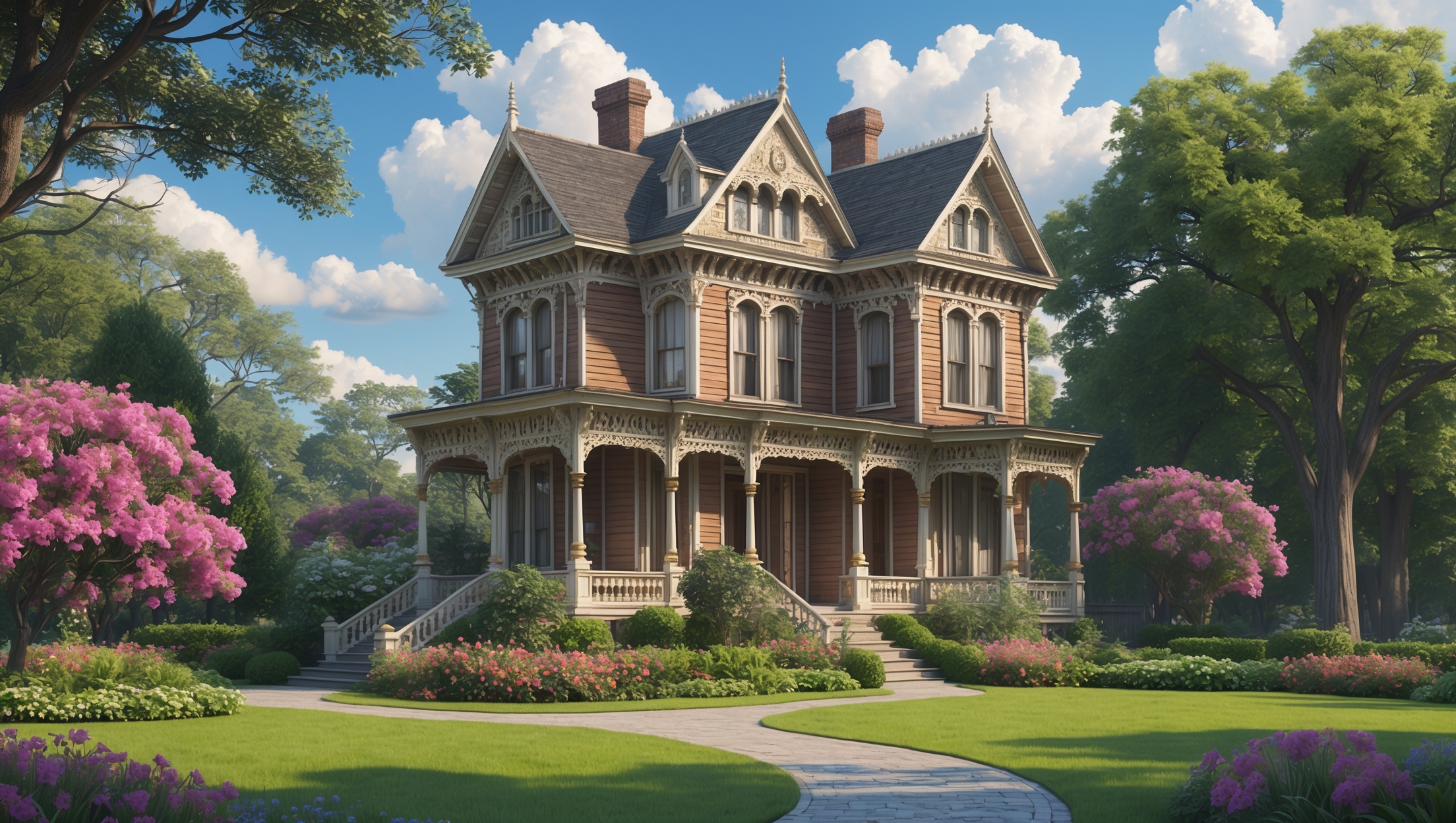
Introduction: The Unique Challenge of Insuring Historic Homes
Owning a historic home is a labor of love. These cherished properties, often brimming with character and craftsmanship, offer a tangible connection to the past. However, insuring a historic house isn’t as straightforward as protecting a modern home. The nuances of age, construction materials, and preservation requirements introduce complexities that standard homeowners’ policies may not address. Many historic homeowners mistakenly assume their regular insurance is sufficient—only to face devastating shortfalls after a loss. This guide demystifies the process, highlights essential coverages, and details common pitfalls to avoid, ensuring your treasured property is truly protected.
Understanding What Makes a Home ‘Historic’ for Insurance Purposes
Defining Historic Homes
The term “historic home” typically refers to properties listed on local, state, or national historic registers—most notably, the National Register of Historic Places. Additionally, homes located in officially designated historic districts may also be subject to special rules, even if not individually listed. These designations are critical in the eyes of insurers because they can impact repair requirements, material sourcing, and compliance with preservation ordinances.
Impact on Insurance Coverage
Historic status can dramatically affect insurance needs. For example, you may be legally required to restore damaged features with authentic materials or original design details. Standard policies, which often cover “like kind and quality” repairs, may fall short of these obligations. Recognizing your home’s legal status and the implications for restoration is the first step toward proper coverage.
Unique Risks and Coverage Needs for Historic Homes
Replacement Cost vs. Market Value
Market value reflects what someone would pay for your home today, while replacement cost is what it would take to rebuild or restore the property with similar materials and workmanship. For historic homes, replacement cost is almost always higher due to:
- Specialty materials (e.g., slate roofs, hand-milled trim, antique glass)
- Skilled labor requirements (craftspeople familiar with historic restoration)
- Unique architectural details not found in modern homes
Insist on a policy based on replacement cost, not market value or actual cash value, to avoid being underinsured after a major loss.
Ordinance or Law Coverage
Local preservation ordinances may require you to rebuild or repair using original methods and materials. Ordinance or law coverage helps pay the extra costs associated with meeting these requirements. Without it, you could face large out-of-pocket expenses if you’re forced to upgrade wiring, plumbing, or materials to comply with current codes and historic guidelines.
Matching Features and Materials
Unlike newer homes, a historic home’s value is largely tied to its period features. If a section of custom woodwork, stained glass, or decorative plaster is damaged, standard policies might only pay for replacement with modern equivalents. Specialty coverage ensures that repairs will match the original in style, quality, and materials.
Extended Replacement Cost or Guaranteed Replacement Cost
Given the unpredictability of restoration costs, consider extended or guaranteed replacement cost endorsements. These provisions increase your policy limits by a set percentage (often 25–50%) or guarantee full replacement, even if costs exceed your stated limits.
Common Pitfalls in Insuring Historic Homes
Assuming Standard Homeowners Insurance is Sufficient
Many owners discover too late that standard policies won’t cover the full cost to restore custom features or comply with historic codes. Always review your policy’s fine print and ask your agent specifically about historic home coverage.
Underestimating Restoration Costs
Historic restoration is expensive—sometimes two or three times the cost of modern construction. Failing to update your policy after renovations or relying on outdated appraisals can leave you dangerously underinsured.
Neglecting Documentation and Inventory
Insurers often require thorough documentation of your home’s features and contents. Without detailed photographs, descriptions, and receipts, you may struggle to prove the value of lost or damaged items. Make a habit of updating your inventory after any restoration or improvement project.
Overlooking Exclusions for Water, Earthquake, or Flood Damage
Many historic homes are in areas prone to flooding or earthquakes. Standard policies usually exclude these perils, so supplemental flood or earthquake insurance may be necessary. Discuss your location’s risks with your agent and fill any gaps.
Essential Insurance Coverage Types for Historic Homes
- Dwelling Coverage (Replacement Cost): Covers the cost to restore or rebuild your home with like kind and quality materials.
- Personal Property Coverage: Insures your possessions, including antiques and period furnishings. Some high-value items may require separate endorsements or a personal articles floater.
- Liability Protection: Covers injuries or property damage to others on your property. This is especially important if your historic home is open for tours or events.
- Loss of Use (Additional Living Expenses): Pays for temporary housing and expenses if your home is uninhabitable after a covered loss.
- Ordinance or Law Endorsement: Pays extra costs needed to comply with current codes or historic preservation rules.
- Flood and Earthquake Insurance: Separate policies often required for these risks.
- Extended or Guaranteed Replacement Cost Endorsement: Provides extra coverage in case restoration costs exceed your policy limit.
How to Accurately Insure a Historic Home: Step-by-Step
1. Seek an Agent with Historic Home Expertise
Not all insurance agents are familiar with the unique needs of historic properties. Look for those with experience in vintage or landmark homes. Specialty insurers like Chubb, PURE, and Cincinnati Insurance offer products tailored to historic residences.
2. Get a Professional Appraisal
An accurate, up-to-date appraisal is vital for determining replacement cost. Hire an appraiser who specializes in historic homes. The report should detail construction methods, unique features, and accurate restoration costs, factoring in regional labor and material rates.
3. Document Your Home Thoroughly
- Take high-resolution photos of all exterior and interior features.
- Record details of custom millwork, period hardware, fireplaces, and unique architectural elements.
- Keep receipts and provenance for antiques, fixtures, and specialty installations.
- Store digital backups in a secure location or cloud storage.
4. Review and Update Your Policy Annually
Historic homes often undergo ongoing restoration or upgrades. Each change can affect your insurance needs. Schedule annual reviews with your agent and update your coverage after any significant renovation.
5. Understand Local Preservation Requirements
Contact your local historic commission or review your property’s deed for restrictions. Share these with your agent to ensure your policy accounts for any unique obligations or requirements.
Case Study: The Cost of Inadequate Coverage
Consider the experience of the Wainwright family, owners of a 1910 Craftsman home in a registered historic district. After a kitchen fire, their standard policy would only pay for modern cabinetry and sheetrock. However, the historic commission required custom-milled oak cabinets, hand-glazed tile, and restoration of original plaster. The extra cost exceeded $85,000—none of which was covered. Only after this ordeal did they secure a specialized historic home policy with ordinance and matching materials coverage, ensuring future claims would be handled properly.
Tips for Lowering Insurance Costs on Historic Homes
- Upgrade Wiring and Plumbing: Modernizing these systems can reduce the risk of fire or leaks, lowering your premiums.
- Install Security and Fire Detection: Monitored alarms, fire suppression systems, and security cameras may earn discounts.
- Bundle Policies: Insure your home and other assets (auto, umbrella, valuables) with the same carrier for possible savings.
- Increase Deductibles: Opting for a higher deductible can lower annual costs, but be sure you can afford the out-of-pocket expense in a claim.
- Maintain the Property: Well-maintained homes are less risky in the eyes of insurers and may qualify for preferential rates.
Frequently Asked Questions About Insuring Historic Homes
Will insuring a historic home always cost more?
Not always, but often. The need for specialty materials and skilled labor can drive up replacement cost. However, risk factors—like updated wiring, security systems, and proximity to fire hydrants—can help mitigate higher premiums.
Can I insure a historic home that’s a bed and breakfast or used for events?
Yes, but you’ll need a commercial policy or additional endorsements. Inform your insurer about any business use, as standard personal policies may not cover related claims.
What if my home is in a historic district but not individually listed?
District regulations can still affect repair and restoration requirements. Discuss these with your agent to ensure adequate ordinance or law coverage.
Conclusion: Protecting Your Heritage for Future Generations
Insuring a historic home is more than a bureaucratic necessity—it’s an investment in the preservation of your property’s legacy. Standard homeowner’s insurance policies are rarely adequate for the unique demands of restoration, code compliance, and authentic material replacement. By understanding your home’s legal status, securing an expert appraisal, thoroughly documenting your property, and choosing the right insurance products, you can shield yourself from devastating financial loss. Remember that coverage needs evolve with each restoration project, local ordinance change, or shift in the insurance market. Schedule annual reviews, stay informed about preservation requirements, and partner with an agent who values historic properties as much as you do. With the right insurance in place, you can enjoy your home’s timeless beauty with peace of mind—confident that its story will continue for generations to come.
Can you explain the main differences in premiums or total costs between insuring a modern versus a historic home? I’m worried about budget surprises if I upgrade to a property in a designated historic area.
Insuring a historic home is usually more expensive than insuring a modern one. This is because older or historic homes often require specialized materials and skilled labor for repairs, which raises replacement costs. Insurers may also have stricter requirements for coverage. Expect premiums for historic homes to be 20–50% higher on average, but the actual amount depends on factors like the home’s condition, location, and value. It’s a good idea to get quotes from insurers who specialize in historic properties for a precise estimate before making your decision.
What steps should I take to make sure my regular homeowners insurance isn’t leaving a gap for the special restoration requirements you mentioned? Is there a particular endorsement or policy I need to ask my agent about specifically?
To make sure your homeowners insurance covers the special restoration needs of a historic home, ask your agent about a guaranteed or extended replacement cost endorsement, which helps cover the cost of restoring original features with similar materials. Also, mention any unique architectural details or custom work, so these are included in your policy. It’s wise to request a professional appraisal to document your home’s historic features for the insurer.
If my historic home is in a designated district but not individually listed on the National Register, do I still have to follow the same insurance requirements regarding materials and restoration after a loss?
If your home is in a designated historic district but not individually listed on the National Register, insurance requirements often depend on local regulations and your policy. Many insurers and local historic commissions will expect you to use historically appropriate materials for repairs, but the rules can be less strict than for individually listed homes. It’s best to check both your local guidelines and your insurer’s conditions to understand what will be required after a loss.
If my historic home is in a local historic district but not listed on a national register, do insurers treat my coverage differently? I’m not sure how much the designation impacts the type of repairs I can get covered.
Insurers usually focus more on the unique materials and restoration requirements of historic homes rather than whether your home is nationally listed or just in a local district. However, being in a local historic district can still mean you have to follow certain repair guidelines, which can increase repair costs. Let your insurer know about any restrictions so your policy can reflect the true cost of potential repairs.
You mentioned that standard policies might only cover repairs with ‘like kind and quality’ rather than authentic restoration. Are there specific endorsements or policy types I should ask for to make sure original details are actually covered?
Yes, you should ask your insurer about endorsements specifically designed for historic homes, such as a Historic Home Endorsement or Guaranteed Replacement Cost coverage. These options can help ensure that repairs use original materials and techniques rather than just modern equivalents. Be sure to discuss your home’s unique features with your agent so your policy reflects the level of restoration you want.
If my historic home is in a designated district but not individually listed on the National Register, how do insurance companies typically determine what restoration standards I’m legally required to follow after a loss?
Insurance companies usually look at local ordinances and zoning laws that apply to your historic district rather than just the National Register status. They may ask for documentation from your city or county’s historic preservation office to confirm what restoration standards you’re required to follow. If your district has specific guidelines, those will typically dictate the restoration process after a covered loss.
If my historic home is in a designated district but not individually listed on a register, do I still need special insurance? How can I find out what coverage requirements apply based on local or state rules?
Even if your home isn’t individually listed but is located within a designated historic district, insurers may still require special coverage because of restoration costs and local guidelines. You can check with your local historic preservation office or building department to learn about specific requirements. Also, talk to insurance agents experienced with historic properties in your area—they’re familiar with state and local rules and can guide you on the appropriate policies.
How do insurance premiums typically compare for historic homes versus modern homes, especially if my house has rare materials that would be expensive to restore? I’m trying to plan ahead for the extra costs.
Insurance premiums for historic homes are generally higher than for modern homes, mainly because rare or custom materials are more expensive to replace and restoration work often requires specialized craftsmanship. Insurers factor in these costs, along with the age and unique features of the home. If your house has rare materials, expect premiums to reflect the higher potential restoration expenses. It’s wise to discuss your home’s specifics with your insurance agent to get a more accurate estimate and ensure you have proper coverage.
You point out that standard homeowners’ policies might not be enough for properties on historic registers. What steps would you recommend for someone who just bought a historic home to make sure they are adequately protected against potential pitfalls?
After purchasing a historic home, start by having a professional appraisal done to determine its true replacement cost, including unique features. Next, consult insurance agents who specialize in historic properties to explore policies that cover restoration to original standards, not just basic repairs. Ask about ordinance or law coverage, which addresses the cost of bringing the home up to current codes. Regularly update your policy as renovations or restorations are completed to ensure your coverage stays accurate.
I’m worried about the cost difference between insuring for replacement cost versus market value on an old property with unique features. Are there ways to estimate potential premiums or control these costs without underinsuring my historic home?
Insuring for replacement cost is usually more expensive than market value, especially for historic homes with unique details, since restoration costs can be high. You can request premium estimates from insurers by providing detailed information about your property’s features and materials. To help control costs, consider higher deductibles, bundling policies, or installing security and safety upgrades. It’s important not to reduce coverage below actual replacement needs, as this could leave you underinsured.
Can you explain how insurance companies actually determine whether a home is officially ‘historic’ for coverage purposes? I’m not sure if being in a historic district is enough, or if it has to be on a special register.
Insurance companies usually look for official recognition to classify a home as ‘historic.’ Being located in a historic district can help, but most carriers require the property to be individually listed on a local, state, or national historic register. They may ask for documentation or certificates proving this status, so it’s best to check your home’s designation with local authorities before seeking coverage.
If my historic home is located in a designated historic district but not individually listed on a register, will insurance companies treat it any differently in terms of restoration requirements or available policies?
Insurance companies often focus on the age, unique features, and construction materials of your home rather than its official historic register status. However, being in a designated historic district can still impact your policy, as local regulations may require restoration with original materials or methods, which can affect coverage options and costs. It’s wise to discuss your specific location and any local restoration requirements with your insurer to ensure proper coverage.
If my historic home is in a designated historic district but isn’t individually listed, does that still affect what kind of materials I’d be required to use for repairs under my insurance policy? I’m a little confused about how the designation impacts coverage specifics.
Being in a designated historic district often means there are local regulations about what materials must be used for repairs, even if your home isn’t individually listed. Your insurance policy may need to cover the cost of using historically appropriate materials if local ordinances require it. It’s a good idea to review your policy for ordinance or law coverage and check with your local preservation office to understand any specific requirements.
If my historic home is only located within a designated historic district but not individually listed on any register, do insurance companies treat it differently when it comes to replacement cost coverage?
Insurance companies generally consider whether your home has specific historic designations or unique features rather than just its location within a historic district. If your home isn’t individually listed, some insurers may not apply stricter requirements or higher replacement costs compared to officially registered historic landmarks. However, if your home still has distinctive materials or architectural details, coverage considerations might still be affected. It’s best to discuss your home’s specifics with your insurer to understand exactly how they view its replacement cost.
If my historic home is located within a designated historic district but not individually listed on any register, how do insurance requirements differ? Will insurers treat it the same as a home that’s on the National Register of Historic Places?
Insurers usually focus on your home’s age, construction materials, and any local preservation requirements rather than its registry status. While being in a historic district may mean certain building codes or restoration rules apply, most insurers will not treat it exactly the same as a home individually listed on the National Register. Coverage needs can still be complex, so it’s a good idea to discuss specific district rules with your insurer to ensure appropriate protection.
Can you explain how the claims process usually works if a historically significant feature is damaged? Is there typically a delay while sourcing authentic materials or getting approval from preservation authorities, and how should homeowners plan for these potential holdups?
When a historically significant feature is damaged, the claims process often involves extra steps. Insurers may need expert evaluations and, in many cases, approval from local preservation authorities before repairs begin. Sourcing authentic materials can take time, causing delays. Homeowners should plan for a longer restoration period, keep thorough documentation of their home’s unique features, and maintain open communication with both their insurer and preservation bodies to help minimize hold-ups.
Can you go into more detail about restoration requirements when a historic home is damaged? I live in a historic district and have heard stories about people running into issues when they submit claims because they have to follow strict preservation ordinances. How do you make sure your policy actually covers those scenarios?
When insuring a historic home, it’s important to understand that local preservation ordinances may require you to restore the property using original materials and techniques, which can be costly. Standard policies often won’t cover these extra expenses. To ensure you’re protected, look for a policy that specifically includes ‘ordinance or law’ coverage and restoration cost coverage for historic materials. Always review your policy details with an agent familiar with historic properties, and provide them with documentation about your home’s status and local restoration requirements.
If my historic home is in a district rather than individually listed on the National Register, how does that affect what insurance will actually cover in terms of required repairs and materials? I’m not sure if insurers look at districts differently or if it’s the same as a listed property.
Insurers generally focus more on your home’s construction, age, and preservation requirements than whether it’s individually listed or part of a historic district. However, being in a designated district can still affect insurance because local rules may require you to use specific materials or repair methods. It’s important to tell your insurer about any historic district regulations, as these can influence coverage and the cost of repairs after a claim.
The article mentions that standard policies don’t always cover the authentic materials needed for restoration. Is there a specific type of insurance policy I should be asking for to ensure those unique features would actually be replaced?
You should look into a specialized policy called ‘historic home insurance’ or ask about ‘guaranteed replacement cost’ coverage. These types of policies are designed to cover restoration using authentic materials, and they account for the unique features of historic properties. Be sure to discuss your home’s specific characteristics with your insurance agent to confirm those features are fully covered.
Could you explain how insurance companies typically assess the replacement cost for a historic house, especially when original materials are hard to find or custom work is needed? I’m wondering about the timeline and process after a claim—does getting approval for authentic restoration cause major delays?
Insurance companies usually determine the replacement cost for a historic home by consulting with appraisers and contractors who specialize in historic properties. They consider the cost of sourcing rare materials and custom craftsmanship. When you file a claim, the process can take longer than with a modern home, especially if authentic restoration is requested. Approval for using original materials often requires extra documentation and coordination, which can lead to delays, sometimes several weeks or even months depending on complexity and availability.
I’m a bit confused about the distinction between market value and replacement cost for historic homes. How do insurers determine the replacement cost when unique materials or craftsmanship are involved, and does this usually make premiums much higher?
Market value is what your home could sell for today, while replacement cost is the amount needed to rebuild it as it was, using similar materials and craftsmanship. For historic homes, insurers often consult with specialists to estimate the cost of replicating unique features, which can be quite high. This typically results in higher premiums because authentic restoration is much more expensive than standard construction.
If my historic home is in a district but not individually registered, does that still mean I have to comply with authentic materials and detailed restoration after a loss, or do standard homeowners’ policies sometimes apply in these cases?
If your historic home is located within a designated historic district, even if it’s not individually registered, you may still be subject to district guidelines for materials and restoration. Insurance requirements typically depend on local preservation rules rather than just the policy itself. Standard homeowners’ policies might not cover the extra costs of authentic materials, so it’s wise to confirm both local regulations and your policy coverage with your agent to avoid surprises after a loss.
If my historic home is in a designated historic district but not individually listed on any register, do I still need to buy special insurance or can a standard homeowners policy be enough? I’m not sure where that line is drawn.
Even if your home isn’t individually listed but is in a historic district, you may still face unique risks and restoration requirements that standard homeowners insurance might not fully cover. It’s worth talking to insurers about historic home endorsements or specialized policies to ensure you’re protected for materials, craftsmanship, and any restoration standards your district enforces.
If my historic home isn’t officially listed on the National Register but is part of a local historic district, do I still need special insurance coverage? I’m trying to figure out exactly how these designation rules affect what kind of policy I should look for.
Even if your home isn’t on the National Register but falls within a local historic district, you may still face regulations that affect repairs and restorations. Insurers often consider local historic designations when determining coverage needs, so it’s wise to look for a policy that covers the specialized materials and restoration costs required by your district’s rules. Check with your local preservation authority and share their requirements with your insurance agent to find the right fit.
What are some common pitfalls homeowners run into when they assume their regular homeowners insurance will cover all restoration requirements for historic features? Are there specific policy endorsements you recommend to avoid these shortfalls?
Homeowners often assume standard insurance will fully cover historic features, but many policies only pay for modern materials and methods, not authentic restoration. This can mean out-of-pocket costs for items like antique woodwork or specialty glass. To avoid these gaps, ask your agent about endorsements such as guaranteed replacement cost, ordinance or law coverage, and specific historic restoration riders. These can help ensure repairs match the home’s original character and craftsmanship.
How does the process work if my local laws require me to restore my home with original materials after a loss? Do I need to get prior approval from my insurer, and could this significantly increase my insurance premiums?
If your local laws require using original materials to restore your historic home, your insurer typically needs to know this upfront to ensure your policy includes ordinance or law coverage. This coverage helps pay the extra costs of meeting those legal requirements. Getting prior approval from your insurer and fully disclosing your home’s status is important, and yes, premiums can be higher since restoration with original materials is often more expensive.
I’m worried regular homeowners insurance won’t cover the cost to restore original features if something happens. Are there specific types of policies I should look for that address the legal restoration requirements mentioned in historic districts?
You’re right to be cautious—standard homeowners insurance often doesn’t fully cover the restoration of historic features. Look for a specialized historic home insurance policy or an endorsement called ‘guaranteed replacement cost’ that covers authentic materials and craftsmanship. It’s also worth confirming with your agent that the policy meets any local historic district requirements for restoration, so you’re not caught off guard if you need to rebuild or repair.
If my historic home is in a designated district but not individually listed on any register, how might the insurance requirements or restoration rules differ compared to a home actually on the National Register of Historic Places?
If your home is in a designated historic district but not individually listed, insurance requirements may be less strict, and you might have more flexibility with restoration, compared to homes on the National Register. However, local district guidelines could still impose certain restrictions, especially on exterior changes. Homes on the National Register often face stricter restoration standards and may qualify for specific insurance programs or grants. Always check your local preservation commission’s rules and discuss options with your insurer.
If my house is in a historic district but isn’t individually listed on any register, do I still need special insurance, or would a standard homeowner policy usually be enough to meet local requirements?
Living in a historic district can sometimes bring extra insurance considerations, even if your home isn’t individually listed. Local requirements vary, but often a standard homeowner policy is enough. However, check with your local historic district commission—some have specific rules for repairs or restorations that could affect insurance needs. It’s a good idea to discuss your situation with an insurance agent familiar with historic homes in your area.
I’m wondering if there are any specific questions I should ask my insurance agent about sourcing authentic materials for repairs, since the article mentions standard policies might not cover those costs fully. How can I make sure I’m not underinsured?
When talking with your insurance agent, ask if your policy includes coverage for sourcing authentic or historically accurate materials in case repairs are needed. Check if there’s an ‘ordinance or law’ endorsement, which can help with costs related to historic standards. Also, request a detailed replacement cost assessment for your home, and clarify if the coverage limits are adequate to fully restore original features. This will help ensure you’re not underinsured.
I’m new to dealing with historic homes and the article mentions that some insurance policies might only cover repairs with ‘like kind and quality’ instead of authentic materials. How do I make sure my policy actually covers the original features if something gets damaged?
To ensure your policy covers repairing original features with authentic materials, speak directly with your insurance agent and ask for a historic or restoration endorsement. Request that your coverage specifies replacement with original or historically accurate materials, not just similar modern ones. Always get this in writing and review the policy documents carefully to confirm the exact terms.
How do insurance companies estimate the replacement cost for a historic house with unique or discontinued construction materials? Should I be working with specialized contractors to get accurate valuations for my policy?
Insurance companies often use specialized appraisers or cost estimators who factor in the unique features and materials of a historic home, including any discontinued elements. It’s wise to involve contractors who have experience with historic restoration, as they can provide detailed estimates for authentic repairs or replacements. Sharing these assessments with your insurer helps ensure your policy reflects the true replacement cost of your home.
I’m curious about the implications of required authentic material restoration after a loss. Are there insurance products that specifically cover these sometimes expensive requirements, or is supplemental coverage always necessary for historic homes?
Some insurers offer specialized historic home insurance policies that do include coverage for authentic material restoration after a loss, but not all standard homeowners policies do. In many cases, you might need to add supplemental endorsements specifically for restoration using original materials. It’s important to review policy details carefully and discuss options with insurers experienced in historic properties to ensure you’re fully covered for these unique requirements.
If my historic home is in a designated district but not individually listed on any register, do I still face the same insurance challenges when it comes to restoration requirements and coverage gaps?
Even if your home isn’t individually listed but is within a designated historic district, you could still face similar insurance challenges. Local ordinances may require you to restore your home to specific standards after damage, which can raise costs. Insurers often view these requirements as increasing risk, so coverage gaps or higher premiums are possible. It’s important to check with your insurer about ordinance or law coverage for your policy.
What steps should I take if I find out my standard homeowners policy isn’t covering things required by preservation ordinances? Are there certain types of policies or providers you recommend for historic homes?
If your standard homeowners policy doesn’t meet preservation ordinance requirements, start by reviewing your policy with your insurance agent to identify gaps. Request information about ordinance or law coverage, which can help cover the extra costs. You might also consider specialized historic home insurance offered by providers familiar with older properties. Insurers experienced with historic homes can offer tailored coverage to meet unique preservation needs.
I’m curious about the budgeting aspect—are there typical ballpark increases in premium costs when you switch from a standard policy to one that covers authentic materials and historic restoration?
When upgrading to a policy that covers authentic materials and historic restoration, you can often expect your premium to increase by 20% to 50% compared to a standard homeowners policy. The exact jump depends on your home’s age, location, and the materials involved, but specialized coverage always costs more due to higher restoration expenses.
If my historic home is in a designated historic district but isn’t individually listed on the National Register, will the insurance requirements and potential coverage shortfalls be any different than if it were officially registered? I’m a bit confused about how these distinctions actually affect what kind of policy I need.
The main difference usually comes from any local regulations tied to the historic district, not whether your home is individually listed on the National Register. Insurance providers often focus more on local preservation rules, which could impact repair costs and coverage needs. Either way, you should look for a policy that covers restoration using historically appropriate materials, since both scenarios may require it. It’s smart to discuss your home’s status with your agent to make sure your coverage accounts for local restoration requirements.
You mention that standard policies might only cover repairs with ‘like kind and quality’ materials, but historic districts sometimes require authentic restoration. Is there a specific type of policy or add-on that guarantees original material replacement, and how much more does that typically cost?
To ensure your historic home can be restored with original materials, look for a ‘historic replacement cost’ endorsement or rider on your policy. This add-on specifically covers the expense of authentic materials and craftsmanship required by historic districts. The extra cost varies, but it’s usually 10-25% more than standard coverage, depending on your home’s age, features, and location. Your insurance agent can provide a detailed quote based on your property.
If my historic home is located within a local historic district but not listed on any national register, will insurers treat it differently when it comes to coverage requirements or restoration limitations? Are there specific questions I should be asking agents to make sure I’m adequately protected?
Insurers often focus on the unique features, age, and materials of your home rather than just its listing status. Being in a local historic district can mean stricter restoration rules, so insurance coverage may need to account for those requirements. Be sure to ask agents if your policy covers required historic restoration standards, specialized materials, and code upgrade costs. Confirm whether your policy includes extended replacement cost and ordinance or law coverage.
If my house is in a historic district but not individually listed on a register, would insurance requirements and costs still be affected as much, or is it mostly properties with formal historic status that face those extra steps and expenses?
Living in a historic district can still influence your insurance, even if your home isn’t individually listed on a historic register. Insurers may consider local preservation guidelines and requirements that often apply to all homes within the district. This could impact rebuilding costs and coverage needs, though usually not as significantly as for properties with formal historic status. It’s worth discussing your specific situation with your insurance agent to understand any unique requirements or costs.
If my historic home suffers partial damage, what steps would I need to take to ensure that repairs are both insurance-compliant and in line with local preservation rules? Would my standard policy typically support this process, or do I need something additional?
To repair partial damage to a historic home, first contact your insurer promptly to start the claims process and document all damage. Before repairs, check with your local preservation office for required guidelines and permits. Standard policies may not fully cover the unique materials or restoration standards needed for historic homes, so you may need additional or specialized historic home coverage to ensure compliance and sufficient reimbursement.
Could you clarify how insurers typically determine the cost to restore historic features with authentic materials? For example, if my home is listed on a local historic register, do I need to provide documented appraisals or estimates to my insurance provider upfront?
Insurers generally calculate restoration costs for historic features by considering the need for authentic materials and specialized craftsmanship. They may request documentation, such as appraisals, contractor estimates, or records of original materials, to accurately assess the replacement value. If your home is on a historic register, it helps to provide these documents upfront, as it ensures your policy reflects the true cost of restoring your property to its historical standard.
I’m worried about the cost difference between insuring for market value versus true replacement cost using authentic materials on an old house. Are there affordable policy options that still meet the historic preservation standards required by local ordinances?
Insuring a historic home to meet local preservation standards often means opting for replacement cost coverage with authentic materials, which can be more expensive than market value policies. However, some insurers offer specialized historic home policies that balance affordability with required coverage. It’s worth comparing quotes from insurers experienced with historic properties, as they may offer flexible deductibles, partial restoration options, or endorsements that help manage costs while remaining compliant with local ordinances.
The article talks about standard policies covering ‘like kind and quality’ repairs, but what happens if authentic materials for an old feature are no longer available? Do insurers substitute with modern equivalents, or is there a different process for historic homes?
If authentic materials for a historic home feature aren’t available, most insurers will usually substitute with the closest modern equivalent in terms of function and appearance. Some specialized historic home policies may go further, covering custom reproduction or restoration using similar methods, but this isn’t standard. It’s wise to discuss these specifics with your insurer or seek a policy designed for historic properties if exact restoration matters to you.
Our house has some original fixtures and woodwork, but we’ve done a few modern upgrades. If there’s a loss, does insurance usually cover restoring just the historic portions, or does it get complicated trying to figure out what counts as original versus modern?
Insurance for historic homes often gets detailed about what’s considered original versus modern. Typically, policies aim to restore the historic features, but modern upgrades may be covered differently. After a loss, insurers usually assess which parts are original based on records or photos. It can get a bit complex, so it’s helpful to keep documentation of your home’s historic elements and any changes you’ve made. Talking with your insurer about how your specific policy handles this can clarify how restoration would work.
I know my regular homeowner’s insurance may not fully cover restoration using original design details. Are there specific coverage add-ons or endorsements I should be asking about when updating my policy for a historic home?
You’re right—standard policies often won’t cover the full cost of restoring original features in a historic home. Ask your insurer about a ‘historic home endorsement’ or ‘guaranteed replacement cost’ coverage. Also consider ordinance or law coverage, which helps with costs if building codes require certain updates during restoration. These additions can help ensure authentic restoration is financially possible.
You mention that many homeowners assume regular insurance is enough but face shortfalls during claims. Are there any early warning signs or policy details I should review to catch these gaps before an issue arises?
Absolutely, it’s smart to review your policy closely. Look for exclusions or low sub-limits related to historic features, like original woodwork or custom windows. Check if your policy covers rebuilding with similar materials or craftsmanship. If your insurer offers ‘replacement cost’ or ‘guaranteed replacement cost’ coverage, see if historic elements are included. It’s also wise to ask your agent about specific rider options for unique architectural features.
I’m worried about the cost difference between insuring my historic house for replacement cost versus its market value. How much more expensive are these specialized policies, and are there ways to make sure my premium stays manageable while still meeting legal restoration requirements?
Insuring a historic home for replacement cost is typically more expensive than insuring it for market value, since replacement cost covers the expense to restore your home with original materials and craftsmanship. The price difference can be significant, depending on your home’s features and location. To help manage premiums, consider raising your deductible, installing safety upgrades like modern wiring or fire alarms, and checking for available discounts. It’s also wise to work with an agent experienced in historic properties to ensure you meet any legal restoration requirements without overpaying.
If my historic home is in a designated district but not individually listed on the National Register, what specific insurance challenges should I be aware of regarding restoration requirements?
Since your home is in a designated historic district, even if it’s not individually listed on the National Register, you may still face restoration requirements dictated by local preservation boards or district guidelines. This can mean higher repair costs, as materials and methods must often match the original style. Make sure your insurance policy covers ordinance or law endorsements, which help pay for these mandatory, and sometimes expensive, restoration requirements.
What are some common budgeting surprises that owners of historic homes run into with insurance, especially when they find out too late that restoration costs are higher than standard repairs? Do most policies let you choose higher replacement cost coverage upfront?
Owners of historic homes are often surprised by how much more expensive it is to restore original features, such as woodwork or custom windows, after damage. Standard insurance may only cover modern materials, leaving a large gap. While many insurers do offer extended or guaranteed replacement cost coverage that better matches true restoration costs, you usually need to request and pay for these options upfront. Reviewing your policy details with an agent and documenting your home’s unique features can help you avoid underinsuring.
I noticed you mentioned that standard policies may not cover using authentic materials when repairing a historic home. Are there specialized insurance policies that cover these extra costs, and how much more expensive are they compared to regular homeowners’ insurance?
Yes, there are specialized insurance policies called historic or high-value home insurance that can cover the use of authentic materials for repairs. These policies are tailored to historic homes and generally allow for restoration using original or similar materials. The cost is usually higher than standard homeowners’ insurance—often 10% to 50% more—depending on the home’s age, features, and location. It’s a good idea to request quotes from insurers familiar with historic properties to compare your options.
If my historic home is in a designated district but not individually listed on the National Register, how much does that affect the insurance requirements and costs? Do insurers treat those situations very differently?
If your historic home is within a designated district but not individually listed on the National Register, insurers usually still recognize its historic value, but requirements and costs may not be as high as for individually listed homes. You’ll likely need specialized coverage for features like unique architecture and older materials. Insurers may ask about restoration guidelines in your district. Costs and requirements can vary, but often aren’t drastically different unless local regulations add extra restoration obligations. It’s a good idea to compare offers and clarify preservation rules with your insurer.
If my historic home is only in a designated historic district and not individually listed on the National Register, do I still need to worry about special repair requirements affecting my insurance policy?
Even if your home isn’t individually listed on the National Register, being in a historic district often means local preservation rules apply. These requirements can affect how repairs are handled after a claim, sometimes mandating specific materials or construction methods. It’s important to review your insurance policy for ordinance or law coverage and talk to your agent about any local restrictions that could impact repair costs.
You mention that standard policies cover repairs with ‘like kind and quality’ but might not meet authentic material requirements. Are there insurance providers who specialize in these historic restorations, and do their premiums tend to be significantly higher than regular homeowners insurance?
Yes, some insurance companies specialize in historic home policies and offer coverage that can help restore your property with authentic materials and craftsmanship. These specialized policies often involve a higher premium than standard homeowners insurance because of the increased costs of sourcing materials and skilled labor. It’s a good idea to compare providers and request detailed quotes so you understand exactly what’s covered and how much more it may cost.
Could you explain how coverage needs change if I plan to make updates or renovations to my historic home that aren’t strictly for preservation? Are there specific insurance endorsements or riders necessary to cover modern upgrades while still complying with historic restoration requirements?
When updating or renovating a historic home—especially with modern upgrades—your insurance needs may shift. Standard policies might not fully cover new materials, systems, or features that aren’t original to the home. Ask your insurer about endorsements like building ordinance or law coverage, which helps with the higher costs of meeting both modern codes and historic guidelines. Also, discuss renovation or course-of-construction coverage to protect against damage during the work, ensuring both new and historic elements remain properly insured.
For a historic home that’s part of a registered historic district but not individually listed, do insurance companies usually require stricter restoration standards after a claim, or is there some flexibility compared to fully registered properties?
Insurance companies often base their restoration requirements on local regulations for the historic district rather than whether the property is individually listed. While there can be some flexibility, insurers usually expect you to comply with the district’s preservation standards after a claim. These standards may be less strict than for individually listed homes, but you’ll still need to follow the guidelines set by your local historic board.
The article mentions that standard policies often don’t cover the restoration of original features with authentic materials. Are there types of policies or insurers that specialize in covering the extra costs for sourcing period-appropriate materials, and how much does that usually add to the premium?
Yes, some insurers offer specialized historic or high-value home insurance policies that include coverage for restoring original features using period-appropriate materials. These policies are often called ‘guaranteed replacement cost’ or ‘historic restoration’ policies. The additional premium varies but can range from 10% to 30% more than a standard policy, depending on your home’s details and location. It’s a good idea to consult with an insurance broker who has experience with historic properties to find the right fit.
I noticed the article mentions that standard policies might only cover repairs with ‘like kind and quality’ materials, which could fall short of historic restoration requirements. How can I be sure my policy will cover the full cost of using authentic materials if my historic home is damaged?
To ensure your policy covers authentic materials for historic restoration, ask your insurer specifically about endorsements or riders for historic homes. These add-ons can help bridge the gap between standard coverage and the unique requirements of historic properties. Always request written confirmation that your policy includes coverage for original or period-appropriate materials in case of damage.
The article mentions that standard policies may cover ‘like kind and quality’ repairs, but these might not meet preservation ordinances. Can you recommend any specific types of insurance endorsements or policy riders I should ask about to make sure restoration uses authentic materials?
To ensure your historic home is restored using authentic materials, you should ask your insurer about an ordinance or law endorsement and a historic restoration rider. These options help cover additional costs if local preservation rules require specialized materials or techniques. Be sure to clarify with your agent that the policy specifically addresses historic or custom craftsmanship rather than just standard replacement.
If I’m just starting the process of insuring my old house, what steps should I take to confirm its legal status and make sure my policy accounts for any preservation requirements? I want to avoid any surprise shortfalls if something happens.
To start, verify your home’s historic status by checking with your local or state historic preservation office or registry. Gather any documents showing landmark designation or preservation easements. Share these with your insurance agent so they understand any restoration requirements or restrictions. Ask about policy options that cover historic materials and specialized workmanship, and review coverage limits to ensure they’ll handle authentic repairs if needed.
You mentioned that standard policies might not cover restoration with authentic materials for historic homes. Do most insurers offer riders or endorsements for this, or is it necessary to go through a specialty insurance provider? How much extra should I budget for that kind of coverage?
Many standard insurers do not automatically include coverage for restoring historic features with authentic materials, but some offer optional riders or endorsements for this purpose. However, if your home is particularly unique or valuable, a specialty insurer may be necessary. The additional cost can vary widely—expect to budget anywhere from 10% to 25% more than a standard policy, depending on your home’s value and specific needs. It’s best to compare options and get detailed quotes from both standard and specialty providers.
The article mentions that standard homeowners’ policies might fall short due to the need for authentic restoration materials. Is it possible to add endorsements to a regular policy to address these gaps, or do you typically have to find a specialty insurer for historic properties?
You can sometimes add endorsements to a standard homeowners policy that help cover the higher costs of authentic materials and restoration for historic homes. However, these endorsements might not fully address all the unique restoration needs. Many owners of historic properties end up turning to specialty insurers who offer more comprehensive coverage tailored specifically for historic homes.
If my historic home is in a designated district but not on the National Register, do I still need specialized insurance coverage, or would a typical homeowners policy be sufficient?
Even if your historic home isn’t on the National Register but is in a designated historic district, you may still need specialized insurance. Many standard homeowners policies don’t cover the unique materials or restoration costs required for historic properties. It’s wise to review your policy and consider historic home coverage to ensure repairs or rebuilding meet local preservation requirements.
If my historic home is in a registered district but not individually listed, will insurance companies still treat it differently and require authentic materials for repairs? I want to avoid surprises if I ever need to file a claim.
Insurance companies often consider the status of the home and its location. Even if your home isn’t individually listed, being in a registered historic district can still affect your policy. Many insurers may require you to use authentic or historically appropriate materials for repairs to comply with district guidelines. It’s a good idea to confirm this requirement with your insurer now, so you understand what’s expected before any claims arise.
If my historic home is in a designated district but not individually listed on a register, do insurance companies still require me to restore with authentic materials after damage, or do the rules change in that situation?
Insurance requirements often depend on both your policy and local regulations rather than just your home’s individual listing status. If your home is within a designated historic district, many insurers and local ordinances may still require you to restore with authentic or historically appropriate materials, even if the house itself isn’t individually registered. It’s a good idea to review your policy and check with your local preservation office to understand the specific rules that apply in your area.
I own a historic home in a designated district but it’s not individually listed on the National Register. Does that change the kind of insurance requirements or restoration rules I might face, especially after a major loss?
Being in a designated historic district usually means you’re subject to local preservation rules, even if your home isn’t individually listed on the National Register. Insurance requirements might be guided by local ordinances, which can require restoring the home to historic standards after a loss. It’s important to review your policy for ordinance or law coverage and talk to your local preservation office to understand specific rules.
You mentioned that restoration with authentic materials can be much more expensive than standard repairs. Are there specific insurers that specialize in historic home policies, and do they generally cost a lot more than regular homeowners insurance? I’m just starting to budget for this.
Yes, some insurers do specialize in historic home policies, such as Chubb, PURE, and Cincinnati Insurance. These companies often understand the unique restoration requirements and can cover the extra costs associated with authentic materials. Premiums for historic home insurance are usually higher than standard homeowners insurance, mainly because of the specialized repair and restoration needs. When budgeting, expect costs to vary based on your home’s age, condition, location, and the level of coverage you select.
I’m worried about budget—does insuring a historic home for its full replacement cost usually mean much higher premiums compared to a regular market value policy? Any tips for keeping the costs manageable while meeting all those legal requirements?
Insuring a historic home for full replacement cost often does mean higher premiums, since restoration uses specialized materials and skilled labor. However, you can manage costs by shopping around with insurers experienced in historic properties, raising your deductible, and bundling policies. Also, ask about discounts for security upgrades or fire prevention systems. Be sure your coverage still meets any local preservation or legal requirements before making changes.
Restoring with authentic materials sounds expensive. Are there any insurance options that help with the extra cost, or programs that subsidize these requirements for historic homeowners?
Yes, some insurance policies offer a “historic replacement cost” or “restoration cost” endorsement, which covers the higher expense of using authentic materials required for historic homes. Additionally, certain local or state programs, as well as historic preservation grants, may help subsidize restoration costs, though availability depends on your location. It’s a good idea to check with your insurer about these policy options and explore grants through local preservation societies or state historic offices.
Could you clarify how replacement cost for a historic home is calculated differently from a standard home? I’m trying to figure out how much more I might need to budget for adequate coverage, especially with specialized materials involved.
Replacement cost for a historic home usually considers the expense of using original or similar materials and craftsmanship, which can be much higher than standard construction. Insurers may need to factor in sourcing rare materials, custom woodwork, or specialized masonry. This means your coverage should reflect these extra costs, so you may need to budget for a substantially higher insured value compared to a standard home. It’s wise to get an expert appraisal to help determine the true replacement cost.
If my historic house is in a designated district but not individually listed on the historic register, will insurers treat it the same way when it comes to coverage requirements? I’m not totally clear on how much the designation impacts my policy options.
Insurers generally consider both individually listed historic homes and those within designated historic districts as having special requirements, especially regarding repairs and materials. While being in a historic district may not always trigger the strictest rules, many insurers will still account for local preservation standards. This means your coverage options and costs could be affected due to restoration requirements, even if your home isn’t individually listed. It’s best to discuss your specific situation with your insurer to understand their criteria.
You mention that standard homeowners’ insurance might not cover the cost to restore features with authentic materials. Are there specific types of policies or endorsements homeowners should look for that address these stricter preservation requirements?
Yes, homeowners seeking to protect the authentic features of their historic homes should consider a specialized historic or high-value home insurance policy. Additionally, look for endorsements such as ‘ordinance or law’ coverage, which helps pay for restoration using original materials and methods required by preservation guidelines. Consulting with insurers experienced in historic properties can help tailor coverage to meet these unique needs.
What steps should I take to confirm whether my current policy actually covers the costs of restoring original design details if damage occurs?
To confirm if your current policy covers the costs of restoring original design details, start by reviewing your policy documents for terms like ‘historic restoration,’ ‘replacement cost,’ or ‘like kind and quality.’ If the coverage wording is unclear, contact your insurance agent directly and ask whether restoration of original features is fully covered or if only standard repairs are included. You may also want to request a policy review or written confirmation from your insurer.
I didn’t realize standard homeowners’ policies might not fully cover historic restoration. What’s the best way to figure out if my current insurance is actually enough, and what first steps should I take if I need to upgrade my coverage?
To check if your policy is sufficient, review your coverage details and look for exclusions or limits related to historic features or restoration costs. Contact your insurance agent and ask specifically about historic home coverage, including whether full replacement costs for original materials are covered. If upgrades are needed, consider seeking insurers who specialize in historic properties or request to add a special endorsement to your policy. Keeping an updated inventory and documentation of your home’s features will also be helpful.
Can you elaborate on how insurers typically verify whether a home is considered ‘historic’ for insurance purposes? For example, do they require official registration documents, or will being in a historic district be enough even if the property isn’t individually listed?
Insurers usually look for official documentation to confirm a home’s historic status. This can include proof of individual listing on national, state, or local historic registers. Simply being located in a historic district often isn’t enough unless your property itself is designated as historic. Some insurers may also ask for supporting documents from preservation authorities or your local municipality.
If my historic home is in a designated historic district but isn’t individually listed on any register, how will that affect the type of insurance coverage or special restoration requirements I might face?
Being in a designated historic district usually means you’ll have to follow certain local guidelines for repairs or restorations, even if your home isn’t individually listed. Insurance companies may still require you to carry special coverage, like ordinance or law coverage, to help cover costs that come from having to restore your home in line with district rules. It’s a good idea to check local preservation requirements and speak with insurers familiar with historic districts.
What are the most common pitfalls homeowners run into when trying to prove compliance with preservation ordinances after a claim? Any advice on what kind of documentation or prep work I should do ahead of time to avoid disputes with the insurance company?
A common pitfall is lacking thorough documentation that shows your home’s compliance with local preservation ordinances. After a claim, insurers might question if repairs or restorations meet historic standards. To avoid disputes, keep detailed records: photographs of the property’s condition, copies of permits, correspondence with preservation boards, and contractor invoices that specify compliance work. Regularly update this file, especially after any changes or repairs. This preparation can make the claims process smoother and help prove compliance if questions arise.
I’m concerned about the cost difference between market value and the real expense of restoring a historic home. Are there any tips for estimating what the replacement cost would be before talking to insurance companies?
Estimating the replacement cost of a historic home can be tricky since restoration often requires specialized materials and workmanship. You might start by consulting a contractor experienced in historic restorations for a detailed estimate. Also, review local building codes and any historic preservation requirements, as these can affect costs. Having a current appraisal that focuses on reconstruction value, not just market value, can give you a solid starting point before discussing coverage with insurers.
If a historic home is in a designated district but not individually listed on the National Register of Historic Places, how much does that typically affect insurance requirements or premiums? Are insurance companies more flexible in those cases when it comes to repair materials and restoration standards?
Being in a historic district without individual National Register listing usually means insurance requirements are less strict than for individually registered homes. Premiums might still be slightly higher than for standard homes, but insurers can be more flexible about repair materials and restoration standards. However, requirements can vary by insurer and local preservation rules, so it’s important to discuss specifics with your agent.
If my historic home is in a designated historic district but not individually listed on the National Register of Historic Places, would the insurance requirements still be as strict when it comes to materials and restoration after a loss?
If your home is within a designated historic district, insurance requirements for materials and restoration can still be strict, even if your house isn’t individually listed on the National Register. Local historic district regulations often mandate that repairs and restorations maintain the original appearance and use approved materials. Your insurer will usually consider these regulations when issuing a policy, so it’s important to discuss local requirements with both your insurance agent and your local preservation office.
If my historic home is located within a designated historic district but is not individually listed on the National Register, would insurance requirements for restoration materials and design still typically apply, or does that level of protection only kick in for homes with individual listings?
Insurance requirements for restoration materials and design can still apply to homes within a designated historic district, even if they’re not individually listed on the National Register. Local historic district guidelines often set standards for restoration, which insurers may use to determine coverage. It’s important to check with both your local preservation office and your insurer to understand the specific requirements that apply to your home.
If my historic home is only located in a designated district but isn’t on the National Register itself, are the insurance requirements typically as strict when it comes to restoration materials and methods?
Insurance requirements for homes in historic districts can still be quite strict, even if your house isn’t individually listed on the National Register. Many insurers consider local district guidelines when assessing restoration materials and methods. In some cases, these local rules can be just as demanding as national requirements, especially regarding preserving historic character. It’s best to review your district’s specific regulations and discuss them with your insurer to understand what coverage is necessary.
Our historic house is in a designated district but isn’t individually listed on the National Register. Do insurance companies treat these situations differently in terms of coverage requirements and restoration costs, or do the same rules generally apply?
Insurance companies often consider both individual listing and district designation, but their requirements can vary. Usually, being in a historic district still brings certain restoration standards if you file a claim, even if your house isn’t individually listed. Some insurers may ask for specific coverage types or higher limits due to stricter local guidelines. It’s wise to clarify with your agent how your district status affects your policy and restoration obligations.
I’m in the process of buying a house that’s in a historic district but not individually listed on a register. Does that mean I still need special insurance coverage, or can I stick with a standard homeowners policy?
Even if your house isn’t individually listed but is located in a historic district, some insurers may require or recommend extra coverage to account for unique features, restoration costs, or local regulations. Standard homeowners policies might not cover the higher costs of repairs with historic materials or methods, so it’s wise to discuss your specific situation with insurers experienced in historic properties.
You mention that restoration might require authentic materials. How do I find out what those restoration requirements actually are before choosing an insurance policy? Is that information usually easy to get?
Restoration requirements for historic homes are typically determined by local historic preservation boards or your municipality. Before choosing an insurance policy, contact your local planning or historic preservation office to request guidelines specific to your property. They can tell you what materials or methods are required for compliant restorations. This information is usually available, but how easy it is to access depends on your area—some places have clear websites, while others might require a phone call or in-person visit.
I have an old Victorian home that is part of a historic district but not on any national register. Would the insurance challenges and requirements mentioned in the article still apply to me, or is there a difference in coverage based on how a home is designated as historic?
Even if your Victorian home is not on a national register, being in a historic district can still mean extra insurance considerations. Many insurers focus more on the age, unique features, and local preservation rules rather than just national designation. You may still face challenges like higher repair costs, specialized restoration needs, and specific local requirements, so the article’s advice is relevant to your situation.
You mention that historic homes often have to be restored with authentic materials due to preservation requirements. Could you elaborate on how insurers assess and verify the authenticity of materials used during a claim, and whether homeowners are expected to source these themselves?
Insurers typically work closely with preservation experts, contractors, and sometimes historical societies to assess the authenticity of materials used in repairs. During a claim, you may be asked to provide documentation, such as receipts or certificates, proving the materials’ origin. While some insurers have approved vendors or contractors familiar with historic restoration, homeowners are often responsible for sourcing materials, especially if strict preservation guidelines apply. It’s a good idea to discuss these specifics with your insurer before any claim arises.
If my historic home is only located within a designated historic district but not individually listed on a national or state register, would the insurance challenges and policy requirements described here still apply? Are insurers likely to treat these two situations differently?
Yes, many of the insurance challenges and requirements discussed in the article can still apply to homes within a designated historic district, even if your home isn’t individually listed on a national or state register. Insurers may view both situations as higher risk due to repair costs and preservation rules, but sometimes individual listings trigger stricter requirements or higher premiums. It’s common for insurers to ask about both district status and individual listing, so it’s important to clarify your home’s designation when seeking coverage.
If my historic home is in a local historic district but not on the National Register, will insurance companies treat it differently when it comes to coverage and restoration requirements?
Insurance companies often focus more on your home’s age, construction, and materials than on its National Register status. Local historic district regulations may still affect restoration requirements after a loss, and insurers may factor those rules into your coverage. It’s important to discuss local preservation rules with your agent so your policy reflects any special restoration standards that could apply to your home.
If a historic home has been partially modernized but still retains protected architectural elements, are there insurance approaches that accommodate both the need for authentic restoration and modern repairs, or would splitting coverage be necessary?
Many insurers offer policies specifically tailored for historic homes that have been modernized. These policies can usually be customized to cover both authentic restoration of protected elements and standard repairs or replacements for modern features. It’s generally not necessary to split coverage, but make sure to clearly document which parts of the home are historic and which are modern when discussing your needs with your insurer.
If my home is located in a designated historic district but isn’t individually listed on any official register, does that still mean I have to follow special repair regulations for insurance purposes? I’m not sure how strict the rules get in that case.
If your home is in a designated historic district, you may still need to follow certain guidelines for repairs, even if it’s not individually listed. Local historic districts often have regulations about exterior changes or repairs to maintain the area’s character. For insurance, this means repairs may need to meet these standards, which can affect costs and coverage. Check with your local historic preservation office and discuss these requirements with your insurer to be sure.
If my historic home is located in a designated historic district but isn’t individually listed on the National Register, do the same insurance coverage requirements and restoration rules apply? I want to make sure I’m not overlooking anything before choosing a policy.
Insurance coverage needs for homes in historic districts can differ from those for individually listed properties, but many insurers and local regulations still hold district properties to restoration standards. It’s important to check with your local preservation commission and your insurer about any special requirements or restrictions that might apply due to your district status. This helps ensure your policy adequately covers potential restoration costs and complies with local guidelines.
Could you clarify how insurance companies typically determine the true ‘replacement cost’ for a historic home, especially when original materials or craftsmanship are hard to source? I worry about getting stuck with a payout that doesn’t actually allow a faithful restoration.
Insurance companies usually estimate replacement cost for historic homes by consulting specialized appraisers who account for unique features, materials, and craftsmanship. If original materials are rare or costly, your policy should reflect these higher replacement expenses. It’s important to discuss these details with your insurer and perhaps request an agreed-value policy or specific endorsements to ensure adequate coverage for authentic restoration.
Can you elaborate on how insurers typically determine the appropriate replacement cost for historic homes, especially when sourcing authentic materials or craftsmanship is required by preservation ordinances?
Insurers usually assess historic home replacement costs through detailed appraisals that factor in unique architectural features, specialized craftsmanship, and the need for period-appropriate materials. When preservation ordinances require authentic restoration, insurers may consult experts or use historic building cost estimators to calculate the higher costs of sourcing rare materials and skilled artisans. This often results in a replacement cost policy that reflects these elevated expenses, rather than relying on standard construction estimates.
How do I find out if my home’s restoration after damage would have to comply with strict preservation ordinances, and if so, what’s the first step to make sure my current insurance actually covers those requirements?
To find out if your home is subject to strict preservation ordinances, contact your local historic preservation office or city planning department. They can confirm if your property is covered by any regulations. Once you know, review your current insurance policy for ‘ordinance or law’ coverage, and discuss your needs with your agent to ensure you’re protected for upgrades or repairs required by those ordinances.
I’m curious about how insurance handles a mix of historic and modern updates. If a home in a historic district has some original features but also recent renovations, how does that affect the replacement cost coverage and what parts are subject to those stricter preservation requirements?
When a historic home has both original features and modern updates, your insurer typically considers both in the replacement cost calculation. Original, historically significant elements may require specialty materials or techniques, so coverage for those parts is often higher and subject to local preservation rules. Recent renovations, if not deemed historic, are usually insured at standard rebuilding costs. Preservation requirements usually apply only to protected historic features, not to newer additions or remodels.
Are there specific insurance companies that specialize in historic home coverage, or should I just look for add-ons with regular homeowners insurance? I’m new to this and want to avoid the common pitfalls you mentioned.
There are insurance companies that specialize in historic or older homes, and they often offer more tailored coverage, such as guaranteed replacement cost and restoration expertise. While some standard insurers offer historic home add-ons, working with a specialist can help you avoid common pitfalls like underinsuring unique features. It’s wise to compare both options, but be sure any policy covers restoration using original materials and craftsmanship.
If my historic home suffers damage and restoration costs exceed the market value due to sourcing rare materials, do most insurance policies cover the full replacement cost, or would I likely be left with a gap? Wondering how this typically plays out in real situations.
Most standard insurance policies for historic homes cover the market value or actual cash value, which may not be enough if restoration costs are high due to rare materials. To avoid a coverage gap, it’s important to look for a policy with guaranteed or extended replacement cost coverage. In real situations, homeowners without this specific coverage often find themselves responsible for significant out-of-pocket expenses when restoration costs exceed the home’s market value.
What steps would you recommend for a homeowner who just purchased a property in a historic district and wants to avoid the common pitfalls you mentioned? Is it better to work with an insurance agent who specializes in historic homes right from the start?
If you’ve just bought a home in a historic district, start by getting a detailed assessment of your property’s unique features and any local preservation requirements. Gather documentation and photographs for reference. It’s definitely wise to work with an insurance agent who specializes in historic homes—they’ll better understand restoration costs and policy options specific to your situation. This helps you avoid coverage gaps and ensures you’re meeting both insurance and historic district guidelines.
If my historic home is located in a designated historic district but is not individually listed on the National Register, do most insurers still require me to use original materials for repairs, or does that depend on local ordinances?
Whether you need to use original materials for repairs often depends more on your local historic district ordinances than on your insurance company’s specific requirements. Many insurers will defer to what the local regulations mandate for exterior repairs. If your district requires original or period-appropriate materials, your insurance policy may reflect that. It’s a good idea to check both your local regulations and your individual policy details.
You highlight that standard policies might not cover all restoration needs for historic homes. What are some common pitfalls homeowners experience when filing a claim after damage, especially in terms of getting coverage for authentic restoration materials?
Homeowners often find that standard insurance only covers modern materials and methods, so claims for authentic restoration materials can be denied or only partially covered. Common pitfalls include not having documentation of the home’s original features, lacking a specific historic endorsement, and underestimating restoration costs. It’s crucial to review your policy details and consider specialized coverage to ensure authentic materials and craftsmanship are included.
You mention the legal requirement to restore damaged features with authentic materials. Are there specific policy endorsements or riders I should look for that cover these restoration needs, or do I need a completely separate type of insurance?
You should look for a ‘historic restoration endorsement’ or ‘ordinance or law coverage’ in your homeowner’s policy. These policy add-ons help cover the extra costs of restoring damaged historic features with authentic materials, as required by law. You usually don’t need a separate insurance policy, but always check with your agent to confirm your coverage matches your home’s unique needs.
Could you explain a bit more about how insurance companies determine whether a home qualifies as ‘historic’ for coverage purposes? For example, would a house in a historic district but not individually listed count, or do restrictions vary by insurer?
Insurance companies often have their own criteria for what counts as a ‘historic’ home. Some will insure any house located within a recognized historic district, while others may require the property to be individually listed on local, state, or national registers. The age of the home, architectural significance, and any preservation restrictions can also play a role. It’s a good idea to check with potential insurers to see how they define ‘historic’ and what documentation they might require.
How do insurers typically verify whether a home is officially considered ‘historic’ for insurance purposes? If my property is in a historic district but not individually listed, will that change the kind of coverage I need or what restoration requirements might apply?
Insurers usually check if a home is recognized as historic by local, state, or national registers or if the property falls within a designated historic district. If your property is in a historic district but not individually listed, it might still be subject to some local restoration guidelines, but insurance requirements can vary. Be sure to ask your insurer if district status affects your policy, as rules and restoration standards can depend on local ordinances.
What is the process for confirming my home’s legal historic status for insurance purposes, and should I notify my insurer proactively if my property becomes listed or falls within a new historic district?
To confirm your home’s legal historic status for insurance, you typically need official documentation, such as a listing on a local, state, or national historic register. It’s important to notify your insurer proactively if your property gains historic status or becomes part of a historic district, as this can affect coverage options, required endorsements, and claim processes.
I’m worried about the difference between market value and replacement cost when it comes to insuring my older home. How do I estimate the true replacement cost if original materials are expensive or hard to find? Are there specialists who can help with this before I buy insurance?
You’re right to focus on replacement cost, especially for historic homes where materials and craftsmanship can be costly. To estimate true replacement cost, consider hiring a professional appraiser or a contractor experienced with historic properties—they can assess what it would cost to rebuild using similar materials and techniques. Many insurance companies also work with specialists who can provide this evaluation before you finalize your coverage.
I noticed you mentioned that standard homeowners insurance might not cover restoration with original design details. Is it possible to add a rider or an endorsement to a regular policy for this, or do you need a completely different type of insurance for historic properties?
You can sometimes add a rider or endorsement to a standard homeowners policy to cover restoration with original design details, but this depends on your insurer and the specifics of your home. In many cases, though, insurers may require a specialized historic home policy for more comprehensive coverage. It’s important to discuss your needs with your agent so you’re certain restoration costs with authentic materials and designs are fully covered.
If my historic home is located in a designated historic district but isn’t individually listed on any register, will insurance companies still require me to restore with authentic materials after a claim, or does that only apply to homes officially on registers?
Insurance companies often base restoration requirements on local regulations rather than whether your home is individually listed on a register. If your historic district has ordinances about using authentic materials, insurers may require compliance after a claim. It’s a good idea to review both your local preservation guidelines and your policy’s language, then confirm with your agent to see what will be required in your specific situation.
If my historic home is only located within a designated historic district but isn’t individually listed on any register, does that change the kinds of insurance coverage requirements or restrictions I should expect from insurers?
Being located within a designated historic district, even if your home isn’t individually listed, can still affect your insurance. Insurers might consider local preservation rules or architectural guidelines that could impact repair costs or requirements after a loss. You may not face the same strict requirements as individually registered homes, but it’s wise to check with your insurer about any specific endorsements or higher rebuilding costs due to district guidelines.
I’m curious how insurers determine the replacement cost for a historic house, especially when it comes to sourcing authentic materials. Does this process lead to much higher premiums compared to standard homeowners insurance?
Insurers usually calculate the replacement cost for historic homes by considering the expense of sourcing authentic or custom materials and hiring skilled craftsmen. Since these costs are higher than standard construction, the premiums for historic homes are often significantly greater than those for standard homeowners insurance. This reflects both the specialized repairs and the value of preserving historical features.
If a historic home isn’t individually listed but is located within a historic district, how much can those local preservation rules affect what insurance will actually pay for after a loss? Have you seen policies specifically address differences between district homes and those on the National Register?
Local preservation rules can significantly influence insurance payouts for homes in historic districts, especially regarding requirements to restore specific architectural details or use approved materials after a loss. While some insurance policies address these nuances, it’s not always standard—they may exclude or limit coverage for mandated restoration costs. Policies for individually listed homes sometimes have more explicit endorsements, but it’s important to review your policy carefully and discuss with your agent to ensure your specific local requirements are covered.
Can you explain how the replacement cost for a historic home is calculated compared to a regular home? I’m unsure if our current insurer is including the costs of sourcing authentic materials or meeting preservation guidelines.
Replacement cost for a historic home is typically higher than for a standard home because it factors in the expense of sourcing authentic materials and skilled craftsmanship to match the original style. Insurers should also consider any legal or preservation guidelines that could impact repairs. It’s a good idea to review your policy details or ask your insurer if these specific costs are included in your coverage calculation.
Could you clarify how insurance companies determine whether a home qualifies as ‘historic’ for policy purposes if it’s not listed on the National Register but is in a designated historic district? I’m trying to figure out what documentation I might need before shopping for insurance.
Insurance companies may consider a home ‘historic’ if it’s located within a locally designated historic district, even if it’s not on the National Register. To help your case, gather documentation such as city or county historic district maps, a letter or certification from your local historic preservation office, and any relevant property records. Presenting this information upfront will make it much easier for insurers to assess your home’s status.
When budgeting for insurance on a historic house, how much more expensive is it typically to get coverage that accounts for authentic material restoration and preservation requirements, compared to insuring a modern home of similar market value?
Insuring a historic home with coverage for authentic material restoration and preservation usually costs 20% to 30% more than insuring a modern home of similar value. This is because restoration requires specialized materials, skilled craftsmen, and compliance with historic preservation guidelines, all of which increase claim costs. However, the specific premium difference can vary based on your home’s features, local regulations, and insurer policies, so getting detailed quotes is recommended.
If my historic home is only within a designated district but not individually listed on any historic register, will insurers still require me to restore damage with authentic materials, or does that only apply when the house itself is registered? I’m trying to understand my obligations if I ever have to file a claim.
Insurers often look at both local regulations and your home’s official designation. If your home is within a historic district, even if it’s not individually listed, you may still face requirements to restore damage using authentic materials, especially if local ordinances mandate it. Your insurance policy might reflect these obligations, so review local rules and discuss specifics with your insurer to understand exactly what would be required when filing a claim.
If my historic home is damaged and needs repairs with hard-to-find materials, does that mean I should expect higher premiums or out-of-pocket costs compared to a similar-sized modern home? How do insurers usually handle these budget differences?
Yes, insuring a historic home often comes with higher premiums or out-of-pocket costs compared to a modern home. This is because repairs may require specialized labor and rare materials to maintain historical accuracy, which increases costs. Insurers typically assess these risks and price the policy accordingly. Some may offer specific coverage for restoration, but it’s important to review your policy in detail and discuss restoration cost coverage with your insurer.
If my house is in a designated historic district but not individually listed on any register, would the special insurance requirements still apply to me, or do those mostly affect homes on the National Register of Historic Places?
Living in a designated historic district can still mean there are insurance considerations, even if your home isn’t individually listed. Local preservation rules might affect how repairs or rebuilding must be done, which can impact coverage needs and costs. While some strict requirements do focus on homes on the National Register, district rules can also require specialized policies—it’s wise to check with your insurer and local historic commission to be sure.
If a historic home suffers damage and the local preservation ordinance mandates using specific materials for repairs, how do insurers typically handle the increased costs? Are there specialized policies that cover these requirements without significant out-of-pocket expenses for the homeowner?
Insurers often limit their payout to the cost of standard materials, which can leave homeowners responsible for extra costs if preservation laws require specific, more expensive materials. However, some specialized historic home policies or endorsements, sometimes called ordinance or law coverage, can help cover these additional expenses. It’s a good idea to ask insurers about policy options that address local ordinance requirements to avoid hefty out-of-pocket costs.
Does insuring a historic home for replacement cost instead of market value usually make the premium much higher? I am trying to figure out how to balance proper coverage with my budget.
Insuring a historic home for replacement cost often does lead to a higher premium compared to market value, because replacement coverage factors in the expense of restoring unique architectural details and materials. Market value may be lower, but it might not fully cover rebuilding if there’s a loss. To balance coverage with your budget, you could adjust policy limits, look for specialized insurers, or increase your deductible to lower the premium.
Could you clarify what kinds of documentation or proof insurers usually ask for to confirm my home’s historic status for coverage purposes? I want to make sure I’m prepared before starting the insurance process.
Insurers typically ask for documents such as your home’s official historic designation certificate, records from your local or state historic registry, or documentation from the National Register of Historic Places. They may also request photos of your home’s exterior and interior, detailed descriptions of original architectural features, and any renovation records. Having these ready will help streamline the insurance process.
You mention that standard policies may only cover ‘like kind and quality’ repairs, which might not be enough for a historic property. What additional coverage options are available specifically for historic homes, and do they significantly increase the annual premium compared to regular homeowners’ insurance?
For historic homes, you can look into endorsements like guaranteed replacement cost coverage and ordinance or law coverage. These options help ensure repairs use authentic materials and comply with historic codes. While premiums are often higher—sometimes 10 to 30 percent more than standard policies—the added protection is valuable if you want to preserve original features and maintain compliance with preservation requirements.
If my historic home is only located within a designated historic district and not individually listed, will insurance companies treat my restoration obligations differently, or do I still face the same potential pitfalls around coverage shortfalls?
Insurance companies often focus on local laws and regulations rather than just whether your home is individually listed or simply within a historic district. If your district enforces restoration standards, insurers may expect you to restore with specific materials or techniques after a loss, which can increase costs and lead to coverage shortfalls unless you have the right endorsements. It’s important to discuss your home’s location and local requirements with your insurer to make sure your policy matches your true obligations.
You pointed out that being part of a historic district might trigger unique insurance requirements, even if the house itself isn’t individually listed. How can I find out exactly what those requirements are in my area, and do insurance agents usually have that local knowledge or should I do my own research first?
To find out the insurance requirements for homes in a historic district, start by contacting your local historic preservation office or city planning department—they can explain any specific regulations. While some insurance agents are familiar with local rules, it’s wise to get this information yourself first and then confirm with agents who regularly work in your area. This way, you’ll be well-prepared when discussing your coverage needs.
If my historic house is in a designated district but not individually listed, are there still special insurance requirements or risks I need to plan for compared to houses that are actually on the National Register of Historic Places?
Even if your home is in a designated historic district but not individually listed, insurers may still view it as having special requirements or risks. Restoration costs, unique materials, and local preservation rules can affect coverage. You may need higher limits for repairs and should confirm your policy covers rebuilding to historic standards. Requirements often depend on local ordinances rather than just national registry status.
I’m concerned about the potential cost difference between market value and full replacement using original materials. Is there a way to estimate or budget for that extra insurance premium before I actually apply for coverage?
You can get a rough estimate by contacting insurance agents who specialize in historic homes and requesting ballpark quotes for both market value and full replacement cost using original materials. Many agents can provide preliminary premium ranges based on your home’s details, such as age, materials, and square footage. Consulting with a historic restoration contractor can also help you gauge potential rebuilding costs, which will influence your insurance premium.
One concern I have is managing the cost when sourcing rare or historic materials for repairs, especially since replacement costs can be much higher for these homes. Do you have advice on estimating those costs accurately upfront to avoid being underinsured?
To estimate costs accurately, consider hiring a contractor or appraiser with experience in historic homes to assess the value of rare materials and craftsmanship needed for repairs. Share their detailed report with your insurer, and ask about extended replacement cost or guaranteed replacement cost policies, which can better cover unexpected expenses. Regularly review and update your policy as market values for materials change.
The article mentions that repair requirements for historic homes can mandate the use of authentic materials or original designs. How do insurance providers typically determine what counts as “authentic,” and is it possible to negotiate coverage for more affordable restoration options if exact materials are very rare or expensive?
Insurance providers usually refer to local historic preservation guidelines or consult with specialists to define what qualifies as authentic materials or designs. If exact materials are rare or costly, it’s sometimes possible to negotiate with your insurer for more practical restoration options. This often involves getting approval from your local preservation authority and submitting alternative materials for review. Be sure to discuss these concerns with your agent before finalizing your policy.
I’m curious about budgeting for historic home insurance—are there typical premium ranges homeowners can expect, and do most policies offer flexible coverage options to address the unique restoration needs you described?
Premiums for historic home insurance can vary widely, but they’re generally higher than standard homeowners insurance—often ranging from 20% to 50% more, depending on factors like location, age, and construction materials. Many insurers do offer flexible coverage options, such as endorsements for restoration using original materials or coverage for outbuildings and unique architectural features. It’s a good idea to discuss your specific restoration needs with your agent, so your policy fits your home’s requirements.
Can you clarify how insurance companies determine the replacement cost for a historic home, especially when original materials or craftsmanship are hard to source or unusually expensive?
Insurance companies usually calculate the replacement cost of a historic home by assessing what it would take to rebuild the property using similar materials and craftsmanship. If the original materials are rare or the work requires specialized artisans, insurers often consult historic building experts and use cost databases for restoration. This means the replacement cost can be higher than standard homes, reflecting the difficulty and expense of sourcing authentic materials and skilled labor.
What should I look for in an insurance policy if my city requires me to use authentic materials for any repairs? Are there specific coverages or endorsements I should request to avoid trouble if I ever have to file a claim?
If your city requires authentic materials for repairs, look for a policy that offers ‘ordinance or law’ coverage, which helps cover extra costs to meet historic codes. Ask about options for ‘guaranteed replacement cost’ or ‘restoration cost’ coverage, ensuring materials and craftsmanship match the original. Be sure the policy covers the full cost of authentic materials, not just standard replacements, and clarify any exclusions with your agent.
If my historic home is in a designated district but not individually listed on a register, how do insurance requirements change? Should I expect stricter rules for repairs, or does it mostly depend on local ordinances rather than my policy?
Your insurance requirements are often shaped more by local ordinances than by whether your home is individually listed or simply in a designated district. Being in a historic district usually means stricter rules for repairs and renovations, but these rules come from local preservation boards, not your insurance company. Still, insurers may ask about these restrictions to assess repair costs, so it’s smart to clarify both local regulations and your policy details.
The article mentions that standard homeowners’ policies may not be enough for historic homes due to legal requirements like using authentic materials during restoration. What specific types of additional coverage should I look for to make sure my policy actually meets these preservation rules?
To ensure your policy meets preservation rules for historic homes, look for endorsements such as ordinance or law coverage, which pays for upgrades needed to comply with historic building codes. Also, consider a guaranteed replacement cost policy, which covers the use of authentic materials for restoration. Review your policy with an agent familiar with historic properties to confirm these coverages are included.
I’m trying to budget for insurance, but I’m not sure how to estimate the replacement cost for my 1880s house. Are there specialists or tools you recommend to get a realistic figure that accounts for the original materials and craftsmanship?
Estimating replacement cost for a historic home can be tricky, since standard calculators often don’t account for original materials or craftsmanship. It’s best to contact an insurance agent who specializes in historic properties—they often work with professional appraisers experienced in older homes. These experts can evaluate your house’s unique features and give you a more accurate figure for insurance purposes.
I’m worried about the cost difference between insuring my historic home for market value versus replacement cost, especially since authentic materials are expensive. How do I estimate what my insurance premium might be with all these preservation requirements?
Estimating your premium starts with a professional appraisal to determine the true replacement cost, including the use of authentic materials and special craftsmanship. Share these details with your insurance agent, along with a list of any preservation requirements, to get a tailored quote. Premiums for replacement cost policies are often higher than for market value, but they better protect your investment. Comparing quotes from insurers experienced with historic homes can also help you find the best rate.
If standard homeowners’ insurance usually isn’t enough for a historic property, what’s the most important coverage to look for first when shopping for supplemental insurance? I’m worried about unexpected costs after a loss.
When insuring a historic home, the most important supplemental coverage to look for is guaranteed or extended replacement cost. This ensures that your insurer will cover the full cost to restore your home to its original condition, even if it exceeds your policy limit, which is crucial for historic materials and craftsmanship that can be expensive to replicate.
If my historic home is in a district but not individually listed on any local or national register, do insurers still consider it historic when determining coverage requirements and costs? How can I find out if I need extra riders or endorsements for those preservation rules?
Insurers often use their own criteria to define a home as historic, which can include its age, architectural features, or location in a historic district—even if it’s not individually listed. It’s a good idea to ask your insurance agent specifically how they classify your property. To determine if you need extra coverage for preservation restrictions, review your district’s preservation guidelines and discuss them with your agent to see if a rider or endorsement is necessary.
If my historic home is located in a district but isn’t individually listed on the National Register, how do insurers usually handle those restoration requirements? Do they still expect me to use authentic materials if I have a claim, or would standard repairs suffice?
Insurers generally look at local preservation laws and your policy details when your home is in a historic district but not individually listed on the National Register. If your district requires restoration with authentic materials, your insurer might expect you to follow those guidelines. Otherwise, standard repairs could be allowed. Check your local ordinances and talk to your insurer to confirm exactly what your policy covers in these situations.
I’m curious about replacement cost coverage for older homes—how do insurers typically assess the amount it would take to authentically restore historic features, especially if original materials are hard to source or very expensive? Is there a way to make sure the coverage amount isn’t underestimated?
Insurers usually determine replacement cost for historic homes by assessing the cost to restore original features using similar materials and craftsmanship, even if they’re rare or expensive. They often work with specialized appraisers or restoration experts for accurate estimates. To avoid underinsurance, it’s wise to get a professional appraisal of your home’s unique features and update it regularly. Also, discuss any special materials or architectural details with your insurer to ensure they’re fully considered in your policy.
If my historic home is only located within a designated historic district but isn’t individually listed on any register, do insurance requirements and coverage options still change significantly compared to a modern home?
Living in a historic district can still affect your insurance, even if your home isn’t individually listed. Insurers might require special coverage for materials or architectural features common in historic areas, and local regulations could impact rebuilding costs. Coverage options and premiums may differ from those for modern homes, so it’s wise to discuss your home’s features and location with your insurer to ensure adequate protection.
I noticed the article mentions that insurance policies might require using authentic materials for repairs in historic homes. How do insurance companies usually verify that the chosen materials meet these historic standards, and could this delay or complicate the claims process after a loss?
Insurance companies typically verify the use of authentic materials by reviewing repair estimates, invoices, and contractor documentation. Sometimes, they may require approval from historic preservation authorities or an inspection by an expert. This extra scrutiny can sometimes lengthen the claims process, especially if sourcing the right materials takes time or if additional documentation is needed. It’s a good idea to communicate early with your insurer about requirements so you can prepare for any potential delays.
You mention that standard policies often cover ‘like kind and quality’ but may not be enough for restoring historic features. Are there special endorsements or types of policies I should specifically look for when talking to insurance providers?
Yes, there are special endorsements and policies designed for historic homes. Ask your insurance provider about a ‘historic replacement cost’ endorsement or a policy specifically for historic or older homes. These options can help ensure original architectural details and materials are properly restored after a loss, rather than replaced with standard modern equivalents.
You mention that standard homeowners’ policies might fall short for historic houses. For someone shopping around, what specific types of additional coverage should we ask about to make sure we’re fully protected given the preservation requirements?
When insuring a historic home, ask insurers about guaranteed replacement cost coverage, which helps cover the actual cost to restore your home using similar materials and craftsmanship. Also inquire about ordinance or law coverage, which pays for upgrades required by current building codes during repairs. Some insurers offer special endorsements for historic properties, so request details about those as well. These coverages ensure you can meet preservation standards if you ever need to repair or rebuild.
You mentioned historic homes often have to be restored with original materials after damage. Does that mean insurance premiums are always higher for these properties, and are there ways to keep costs manageable while still meeting legal requirements?
Insurance premiums for historic homes do tend to be higher because restoration with original materials typically costs more. However, you can help manage costs by increasing deductibles, maintaining good home safety features, and shopping around for specialized insurers. Some providers also offer discounts if you’ve completed approved renovations or safety upgrades. It’s important to strike a balance between meeting legal requirements and finding the right coverage for your budget.
If a historic home is located within a designated district but isn’t individually listed on any register, does that still affect the insurance coverage requirements, especially when it comes to restoring features after damage?
Being in a designated historic district can still impact your insurance coverage, even if your home isn’t individually listed. Insurers may require you to restore architectural features to district standards after damage, which can raise costs. It’s important to discuss with your insurance provider about ordinance or law coverage to ensure restoration expenses are adequately covered, reflecting local guidelines that may apply within the district.
The article mentions that standard policies may only cover ‘like kind and quality’ repairs. How can I tell if my current homeowners insurance would actually pay for authentic materials or if I need a completely separate historic home policy?
To find out if your current homeowners insurance covers authentic materials, check the ‘dwelling coverage’ section of your policy for terms like ‘replacement cost’ versus ‘like kind and quality.’ If it only mentions restoring with similar modern materials, you likely need a historic home policy. You can also call your insurer for clarification or request a policy review to see if upgrades or endorsements for historic features are available.
If my historic home is in a designated district but not individually listed on the National Register, will insurers still require me to use authentic materials for repairs, or does that depend on local regulations?
Whether you’ll need to use authentic materials for repairs usually depends more on your local historic district regulations than on the insurance company itself. Insurers might ask about these requirements, but typically, if your district enforces rules about authentic materials, your policy may need to reflect that. It’s a good idea to check with your local historic preservation office and confirm with your insurer how these rules could impact your coverage.
How can I estimate what the replacement cost would actually be for my older house, especially since the article mentions it’s different from market value and might involve unique materials or restoration work?
To estimate replacement cost for your older home, you’ll want to consider the current costs of labor, specialized craftspeople, and materials that match the original features. A professional appraisal or a contractor experienced in historic restorations can provide a detailed estimate. Insurers often have tools for this too, but make sure they account for unique architectural details, not just square footage.
Could you explain how insurance premiums for historic homes compare to those for modern houses? I’m worried about the budget impact if we have to upgrade our policy to cover compliance with historic preservation rules.
Insurance premiums for historic homes are generally higher than for modern houses. This is because repairs or rebuilding often require specialized materials and craftsmanship to meet preservation standards, which increases costs. If your policy needs to cover code compliance or historic regulations, those extra protections will add to your premium. It’s a good idea to discuss specific coverage options with your insurer so you can balance protection with your budget.
Could you clarify how insurers determine the replacement cost for a historic home, especially when sourcing authentic materials or skilled craftsmen is required? I’m wondering if there’s a standard process or if it varies widely by insurance company.
Insurers typically assess the replacement cost of a historic home by considering the unique materials and craftsmanship required to restore it to its original state. This process often involves specialized appraisers and contractors who estimate costs for authentic materials and skilled labor. While the general approach is similar, specific methods and how thoroughly companies account for these factors can vary significantly between insurers. It’s a good idea to discuss these details with potential providers and ensure your policy includes adequate coverage for historic restoration.
If standard homeowners policies often come up short for historic properties, what are the first steps I should take to evaluate whether my existing coverage is truly sufficient, especially if I’m unsure about my home’s precise historic designation or local regulations?
Start by reviewing your current policy documents to see what types of coverage and exclusions are listed, especially regarding older construction and unique historic features. Next, contact your insurance agent to discuss whether your home’s age, materials, or any special characteristics are fully covered. It’s also wise to check with your local historic preservation office to clarify your home’s designation and any relevant regulations—this will help determine if specialized coverage is needed.
If standard homeowners insurance usually covers ‘like kind and quality’ but my city requires authentic restoration materials, what specific coverage should I be asking my agent about to make sure I’m not left with unexpected costs after a loss?
You should ask your agent about ‘ordinance or law’ coverage and a policy that specifically includes coverage for historic or authentic materials. This ensures your insurance will help pay for compliance with city restoration rules, such as using original materials and techniques, rather than just modern equivalents. Confirm that your policy limits are high enough to cover these potentially higher costs.
Could you elaborate on how preservation ordinances in historic districts actually impact insurance premiums or claim approvals? I want to budget accurately, but it’s hard to tell what extra costs these special rules might bring.
Preservation ordinances often require that repairs or rebuilding within historic districts meet specific standards, such as using original materials or approved restoration methods. This can make repairs more costly and sometimes slower, which insurers factor into both premiums and claim approvals. You might see higher premiums or stricter coverage limits, and claims could take longer to process if detailed approvals are needed. It’s wise to discuss your district’s exact rules with your insurer to budget accurately for any extra costs.
I’m curious how insurance companies figure out the actual replacement cost for a historic home, especially with all the unique materials and design details required. Is this something they evaluate during inspection, or do owners need to get independent estimates?
Insurance companies usually determine the replacement cost of a historic home during a detailed inspection, which takes into account unique materials and architectural details. However, because these homes often require specialized craftsmanship, owners are often encouraged to get independent estimates or appraisals. This extra step can help ensure your coverage reflects true rebuilding costs, not just standard construction rates.
If my historic house is only located within a designated historic district but isn’t individually listed, does that usually increase my insurance premiums or affect specific coverages differently than if the home were officially registered?
Being located within a historic district can sometimes affect your insurance, but usually not as much as being individually listed on a historic register. Insurers may look at neighborhood restrictions or local preservation requirements, which can impact costs or available coverage, but the impact is generally less significant than for officially registered historic homes. It’s a good idea to check with your insurance provider about any local regulations that might influence your policy.
I’m concerned about the cost aspect—how much more expensive is it typically to insure a historic home that has to be restored with authentic materials compared to a standard home insurance policy?
Insuring a historic home usually costs more than a standard home insurance policy, often ranging from 20% to 50% higher. This is mainly because restoring with authentic materials and skilled craftsmanship drives up both labor and materials costs. The exact increase depends on your home’s age, local building codes, and the specific restoration requirements, so it’s wise to get several quotes from insurers familiar with historic properties.
If my house is in a designated historic district but not individually on the National Register, will I still face the same challenges with insurance coverage, especially when it comes to material requirements for repairs?
Yes, you may still encounter similar insurance challenges even if your home is only in a designated historic district and not individually listed on the National Register. Local historic district regulations can also require the use of specific materials and methods for repairs, which often drives up costs and affects coverage. It’s important to review your policy with your insurer and make sure it accounts for these local requirements.
Could you elaborate on how being in a designated historic district, as opposed to being individually listed on the National Register, might influence the types of insurance coverage or restoration requirements a homeowner faces?
Being in a designated historic district usually means your home is subject to local preservation guidelines, which can affect how repairs or restorations are carried out—often requiring materials or designs that match the area’s character. This can impact your insurance by increasing potential restoration costs, so it’s wise to consider policies that cover these higher expenses. If your home is individually listed on the National Register, you may face fewer local restrictions but might be eligible for certain grants or tax incentives. Always check both local and federal requirements when choosing insurance coverage.
If my historic home is part of a local historic district but isn’t on the National Register, will insurance requirements or coverage limitations be different compared to a nationally recognized property?
Insurance companies usually focus more on the age, construction materials, and restoration costs of your home rather than its registry status. Being in a local historic district typically means you may face local preservation requirements, which could affect repair costs, but it doesn’t automatically change insurance requirements compared to a property on the National Register. However, some insurers may ask about local ordinances or restrictions, so it’s wise to discuss these with your agent to ensure you have needed coverage for mandated repairs or restorations.
I’m worried about having to restore my old house with authentic materials if there’s damage. How do insurers determine what qualifies as ‘authentic,’ and does that make coverage a lot more expensive?
Insurers often rely on expert assessments and historical records to define what counts as ‘authentic’ materials for restoration. They look at the original construction methods and materials used in your home. Because sourcing these can be labor-intensive and costly, coverage for authentic restoration is typically more expensive than standard policies. It’s a good idea to discuss specific requirements with your insurer and review your policy for any limits or exclusions.
You mentioned that standard policies might only cover ‘like kind and quality’ repairs, which could fall short if authentic materials are required. How much more expensive does the insurance usually get when you need specialized coverage for those restoration requirements?
Specialized insurance that covers authentic materials and historic restoration can cost anywhere from 20% to 100% more than a standard policy, depending on the home’s age, features, and location. The increase reflects the higher expense of sourcing period-appropriate materials and skilled craftsmen. It’s best to get quotes from insurers with experience in historic properties to get a precise idea for your situation.
Can you explain more about how replacement cost is determined for historic homes, especially when unique or hard-to-find materials are involved? I am worried about potential gaps if certain craftsmanship techniques are no longer available.
Replacement cost for historic homes is determined by estimating what it would take to rebuild the home with like-kind materials and craftsmanship. Insurers often consult specialists or historical contractors to assess unique features, custom work, and rare materials. If some craftsmanship or materials are no longer available, policies may have limits or exclusions. To avoid gaps, ask your insurer about ‘guaranteed replacement cost’ or endorsements that cover custom work and restoration with comparable alternatives.
If a historic home is located in a district with preservation ordinances but is not individually listed on a historic register, would insurance companies still apply the same strict material and restoration requirements when determining coverage?
Insurance companies often consider local preservation ordinances when setting coverage terms, even if a home isn’t individually listed on a historic register. If your district enforces strict restoration or material requirements, insurers may factor those into your policy, requiring authentic materials or specialized work in the event of a claim. It’s a good idea to review your local ordinances and discuss them with your insurer to ensure your coverage matches any unique restoration guidelines.
I noticed the article mentions that standard policies might only cover repairs with ‘like kind and quality’ materials. Are there specific insurance products designed to cover the extra cost of using original or historically accurate materials, and how much more expensive are they typically?
Yes, there are specialized insurance products called historic or restoration endorsements that can be added to your policy. These endorsements specifically cover the extra costs involved in repairing with original or historically accurate materials. The price varies widely based on factors like the home’s age, location, and features, but premiums are often 10–25% higher than standard policies. It’s a good idea to discuss your home’s details with an insurance agent familiar with historic properties for a more accurate estimate.
For homeowners on a budget, what are some practical steps to make sure you’re not underinsured, especially since standard policies often fall short when it comes to restoring original details? Is getting a specialized historic home appraisal a good starting point?
Getting a specialized historic home appraisal is an excellent first step, as it helps determine the true cost to restore original features. To stay within your budget, review your policy for gaps in coverage, ask your agent about riders for historic features, and increase your deductible to lower premiums. Regularly update your coverage as restoration costs change, and prioritize insuring unique architectural details most at risk.
What kind of policy upgrades or endorsements should I specifically ask about to make sure I’m not left underinsured if I ever need to restore historic details after damage? I’m worried a standard policy won’t be enough.
For historic homes, it’s important to ask your insurer about endorsements like ordinance or law coverage, which pays for reconstruction to meet current codes, and guaranteed or extended replacement cost coverage. Also, seek a historic property endorsement that covers specialized materials and craftsmanship. These upgrades help ensure you can restore authentic details and avoid gaps in protection that standard policies often have.
If my historic home is located in a designated historic district but isn’t individually listed on any register, do insurance requirements and coverage options differ compared to homes that are officially registered? I’m not sure how much the district rules actually impact policy terms.
Being in a designated historic district can still affect your insurance, even if your home isn’t individually listed. Insurers often consider local preservation rules or architectural guidelines that might limit renovations or repairs. This can impact both coverage options and the cost of your policy, since restoring a historic home to district standards may be more expensive. It’s a good idea to review your local district regulations and discuss them with your insurance provider to ensure your coverage matches potential requirements.
The article mentions that standard homeowners’ policies may only cover repairs with ‘like kind and quality’ materials rather than authentic materials required for historic status. What can I do if my insurer won’t offer coverage that meets local preservation ordinances?
If your insurer won’t provide coverage that meets your local preservation ordinances, you could look into specialized historic home insurance policies, which are designed to cover authentic materials and restoration methods. You might also try working with an independent insurance agent who has experience with historic properties. Gathering detailed documentation about your home’s requirements can help during negotiations with insurers or when exploring different providers.
Could you explain a bit more about how standard homeowners’ policies might fall short for historic properties, especially in terms of material sourcing and complying with preservation ordinances?
Standard homeowners’ policies often cover only the cost to repair or replace with modern materials, which can be a problem for historic homes that require original or custom materials. These policies usually don’t account for the higher expenses of sourcing period-specific materials. Additionally, many historic homes must follow local preservation ordinances, which can require specialized repairs or restoration methods. Standard policies may not cover the extra costs to comply with these regulations, leaving homeowners responsible for significant out-of-pocket expenses.
You mention that historic homes sometimes have to use authentic materials for repairs. Does this usually mean my insurance premiums will be higher, and how do I estimate how much extra coverage or budget I might actually need for these restoration requirements?
Because historic homes often require authentic or period-specific materials for repairs, insurance premiums are typically higher compared to standard homes. To estimate how much extra coverage or budget you might need, consult a contractor experienced in historic restorations for repair cost estimates and share these with your insurance agent. They can help you determine the appropriate coverage limits to ensure potential restoration costs are fully covered.
What are some practical first steps for a homeowner who realizes their current policy might not cover restoration with authentic materials, as mentioned in your article? Should I contact my current insurer or look for specialized providers right away?
If you suspect your current policy doesn’t cover restoration with authentic materials, start by reviewing your policy documents to confirm what’s included. Next, contact your current insurer to discuss your concerns and ask about endorsements or riders for historic materials. If they can’t offer adequate coverage, it’s wise to reach out to specialized insurance providers who focus on historic homes. Comparing options will help you find the best fit for your needs.
I’m curious how much more expensive it typically is to insure a historic home that requires authentic material restoration compared to a modern home with standard coverage. Are there ways to help manage those extra costs?
Insuring a historic home that requires authentic material restoration can often cost 20–50% more than insuring a modern home, since replacement with original materials and skilled craftsmanship is pricier. To help manage these higher premiums, consider raising your deductible, bundling policies, or working with insurers who specialize in historic properties. Regular maintenance and updated safety features can also sometimes reduce your rates.
For homeowners who recently discovered their property has historic status, what are the immediate steps you recommend they take to ensure their insurance coverage aligns with these unique restoration requirements?
If you’ve just learned your home has historic status, contact your insurance provider right away and inform them of the update. Request a policy review to confirm it covers restoration using original materials and methods, which can be more expensive. You may need to get a new appraisal that reflects the property’s true replacement cost and historic features, and discuss adding specialized endorsements to cover unique restoration needs.
If my home is in a historic district but not individually listed on a register, are there still specific insurance coverages I should look for to make sure I’m meeting preservation requirements?
Even if your home isn’t individually listed but is in a historic district, you may still face requirements about materials and restoration methods after a loss. Look for coverage that includes ordinance or law protection, which helps with costs tied to meeting local preservation codes. Also, consider a policy that insures your home to its full replacement value using historically appropriate materials, not just standard replacements.
I noticed the article mentions that historic homes may need to be restored with authentic materials or original details after a loss. How do insurance companies determine what is considered ‘authentic’ enough, and do they provide any guidance during the claims process to help homeowners navigate these requirements?
Insurance companies usually rely on historical records, architectural plans, or expert assessments to define what counts as authentic materials or details. During the claims process, many insurers will work with preservation specialists or consultants to help determine restoration standards. They often guide homeowners by connecting them with qualified contractors and providing advice on sourcing appropriate materials to meet both insurance and historic preservation requirements.
What are some common mistakes homeowners make when estimating the replacement cost for a historic home versus its market value? How can I be sure I’m calculating the right amount for proper coverage?
Homeowners often mistake market value for replacement cost, but market value reflects what someone would pay for the home, while replacement cost is what it would take to rebuild with similar materials and craftsmanship. For historic homes, specialized materials and unique features can make replacement much higher than market value. To get the right amount, consult with insurance agents familiar with historic properties and consider hiring a professional appraiser who understands restoration work.
If standard homeowner policies might not cover all restoration costs for a historic home, what are the best ways to estimate the true replacement cost, especially for unique features? Are there specialists or resources you recommend before choosing a policy to avoid budget surprises?
To accurately estimate your historic home’s replacement cost, especially for unique features, it’s wise to hire a professional appraiser with experience in historic properties. Preservation architects or specialized contractors can also assess restoration costs for original details. Some insurance companies offer consultations with experts in historic home valuation. Getting a detailed, itemized estimate will help you avoid surprises and choose the right policy coverage.
I’m worried about the cost difference between standard repairs and the authentic restoration methods mentioned. Are there affordable insurance options that still meet the strict preservation guidelines required for historic properties?
Authentic restoration for historic homes often costs more than standard repairs, but some specialized insurers do offer policies tailored to historic properties. These policies are designed to meet preservation standards and may include options to offset higher restoration costs. You might find more affordable coverage by comparing quotes from different companies that focus on historic homes or by selecting a policy with flexible deductibles. It’s also worth asking if certain preventative measures can lower premiums.
If my historic home is only located within a designated historic district and not individually listed, how much difference does that make for my insurance requirements and options? Do insurers treat these situations differently, or are the same coverage concerns involved?
Insurers usually focus on the home’s age, construction materials, and unique features rather than just whether it’s individually listed or in a historic district. However, some insurance companies may ask for extra documentation or follow special guidelines if your home is officially listed. In general, coverage concerns like replacement costs, code upgrades, and preservation requirements are important in both cases, but being individually listed may sometimes mean stricter standards or higher premiums.
If my historic home is in a district but not individually listed on the National Register, do insurers still treat it the same way regarding restoration requirements and coverage? I’m a little confused about how these designations actually impact my policy.
Insurers usually look at both your home’s location in a historic district and whether it’s individually listed when deciding on coverage and restoration requirements. Even if your home isn’t individually listed, being in a designated historic district can mean similar restoration standards apply. This often requires using historically accurate materials and methods after a loss, which may impact your policy limits, requirements, and premiums. It’s a good idea to discuss these details with your insurer to understand how your specific designation affects your coverage.
I’m just starting the process of getting insurance for an older house that’s not officially historic yet but might qualify soon. Would it be better to get specialized historic home coverage now, or should I wait until the designation is finalized to avoid possible complications or higher premiums?
If your house isn’t officially historic yet, you may be able to start with a standard or high-value home insurance policy for now, which could be more affordable and simpler to arrange. Once your home receives its historic designation, you can revisit your coverage and consider switching to a specialized historic home policy to address unique restoration needs. This approach helps avoid unnecessary costs or complications before the designation is finalized.
If a historic home has already undergone some modern updates, like electrical or plumbing, does that affect the kind of coverage you need or reduce any typical coverage pitfalls for older properties?
Modern updates such as new electrical or plumbing can make a historic home easier and less expensive to insure, since these improvements reduce risks like fire or water damage. Insurers may offer better rates or fewer exclusions for homes with updated systems, but it’s still important to ensure your policy covers unique historic features and any specialized restoration needs.
If my home is in a historic district but not individually listed on a register, do insurance companies treat coverage needs any differently than for a non-historic property, or are there still special requirements I should be aware of?
Even if your home isn’t individually listed but is located in a historic district, insurance companies may still view it differently from standard properties. Many carriers consider local guidelines, potential restoration requirements, and higher reconstruction costs due to historic features. You might face special requirements or need coverage for authentic materials and compliance with preservation standards, so it’s wise to discuss these details with your insurer.
You mentioned that standard homeowners’ policies might not cover the cost of restoring original features with authentic materials. Are there specific types of coverage or riders I should ask about to make sure those extra restoration costs are included?
Yes, for historic homes, you should ask your insurer about an ‘ordinance or law’ endorsement and a ‘restoration rider.’ These options can help cover extra costs for restoring original features with authentic materials if your home is damaged. Also, consider guaranteed replacement cost coverage, which helps ensure you can rebuild to the home’s original specifications even if costs exceed standard policy limits.
I noticed you mentioned that standard policies might only cover ‘like kind and quality’ repairs, which might not meet preservation rules. How can I be sure my insurance will actually cover the true cost of restoring original features if my home gets damaged?
To ensure your insurance covers the full restoration of original features, look for a historic home insurance policy that specifically includes guaranteed or extended replacement cost coverage. Also, discuss with your agent about endorsements for historic or custom restoration. Provide detailed documentation and photos of your home’s unique features so your policy can reflect the true restoration needs if you ever file a claim.
I own a home in a designated historic district but it’s not individually listed on any register. Based on what you said about local and state designations, do I still need to get specialized insurance even if my home isn’t officially on the National Register of Historic Places?
Even if your home isn’t individually listed on the National Register, being in a designated historic district often means you’re still subject to local preservation guidelines that can impact repairs or rebuilding. Specialized historic home insurance is usually recommended in these cases to ensure coverage for unique restoration requirements and higher repair costs. It’s wise to check with your local preservation office and discuss these details with an insurance agent familiar with historic properties in your area.
What are the first steps a business owner should take to ensure their historic property is fully protected? Should I reach out to a regular insurance agent, or are there specialists for historic homes that I should consult with?
For a historic property, start by documenting your building’s features and any restorations you’ve done. Then, seek out insurance agents or brokers who specialize in historic properties, as they understand the unique risks and coverage needs better than standard agents. These specialists can help you find policies that account for restoration costs, materials, and compliance with preservation guidelines—important aspects often missed by regular insurance policies.
How does insuring a historic home affect the cost compared to a modern home, especially when it comes to meeting legal requirements for restoration? I’m trying to figure out what kind of budget difference I should expect before buying a property in a historic district.
Insuring a historic home usually costs more than insuring a modern home. This is mainly because restoring historic features often requires specialized materials and skilled labor to meet legal preservation requirements, which drives up repair costs. You might also need higher coverage limits to comply with local regulations. On average, expect premiums to be 20–50% higher, but the exact increase depends on the home’s age, materials, and location. It’s wise to get several insurance quotes before finalizing your budget.
As someone whose Victorian house is part of a local historic district but not individually listed, how do I confirm exactly which preservation requirements could affect my insurance coverage?
To find out which preservation requirements apply to your Victorian house, contact your local historic district commission or planning department. They can clarify specific regulations for properties in your district, such as limitations on renovations or materials. Let your insurance agent know these rules so your policy covers any mandated repairs or rebuilding standards.
After reading about standard policies not covering all the restoration requirements, what should be my first step if I want to review my current homeowner’s insurance to check if it actually meets historic home needs? Is there a specific type of agent I should look for?
Your first step should be to review your current policy documents and look for any exclusions or limits related to historic home features or restoration. After that, consider contacting an insurance agent who specializes in historic or older homes. These agents understand the unique needs involved and can help you identify any gaps in your coverage and suggest policies tailored for historic properties.
If a historic home is only located in a historic district but isn’t individually registered, does that change which specific insurance coverages or endorsements you need, or do the same restoration rules and risks generally apply?
Being in a historic district usually means your home might be subject to certain local guidelines, even if it’s not individually registered. While insurance companies often focus on the age and unique features of the home itself, some restoration requirements might still apply due to district regulations. It’s wise to discuss with your insurer whether extra endorsements, like ordinance or law coverage, are recommended to address potential restoration standards unique to your area.
I noticed the difference between replacement cost and market value can really impact coverage for historic homes. If I’m on a budget and can’t afford the highest premiums, is there a way to balance proper coverage with affordability, or are there insurance options specifically designed to help first-time buyers like me?
Balancing good coverage with affordability is possible, even for historic homes. You might consider policies that offer extended or partial replacement cost coverage rather than full guaranteed replacement. Some insurers do offer tailored plans for first-time buyers or those with budget constraints, which may include higher deductibles or certain coverage limits to lower premiums. It helps to work with an agent experienced in historic properties, as they can help you find practical compromises without leaving major gaps.
You mentioned that standard policies might not cover restoring details with authentic materials. Are there specific policy riders or endorsements I should look for to make sure unique features like old woodwork or stained glass are fully covered?
Yes, to ensure features like original woodwork or stained glass are fully covered, you should ask about a historic home endorsement or a restoration cost rider. These add-ons specifically cover the higher costs of restoring or replacing unique features with authentic materials. It’s also wise to provide your insurer with documentation and appraisals of these details, so their value is clearly included in your policy.
If someone discovers after a loss that their standard policy doesn’t cover authentic restoration as required by historic guidelines, what immediate steps should they take to avoid jeopardizing compliance or reimbursement? Is it possible to amend coverage retroactively in such cases?
If someone finds out after a loss that their policy doesn’t cover authentic restoration, they should notify their insurer of the historic requirements right away and document all guideline-related needs. They should also consult a claims adjuster and local preservation authorities. Unfortunately, insurance coverage can’t usually be amended retroactively, but clear records and communication might help negotiate with the insurer or seek other assistance programs for historic properties.
If my historic home is in a designated historic district but not individually listed on any register, does that still mean I have to follow strict restoration requirements for insurance claims? How do I find out exactly what rules apply to my property?
Being in a designated historic district often means there are specific guidelines for exterior changes, even if your home isn’t individually listed. Insurance claims for damage might require you to restore according to these local standards. To find out exactly what rules apply, contact your local historic preservation office or planning department—they can explain district regulations and any restoration requirements that may affect your insurance claims.
What happens if you own a historic home in a designated district, but it’s not individually listed—do most insurers treat these differently when it comes to coverage requirements or restoration costs, or is the distinction mainly important for regulatory compliance rather than insurance terms?
Most insurers focus primarily on the home’s construction, age, and unique features rather than its status as part of a historic district versus being individually listed. The distinction usually affects regulatory compliance, such as local restoration rules, more than insurance terms. However, some policies may still ask about historic designations, so it’s wise to clarify your home’s specific status with your agent to ensure proper coverage.
I’m curious about the cost implications—does choosing replacement cost coverage for a historic home, especially with the need for authentic materials, significantly increase premiums compared to a standard policy for a non-historic house?
Yes, opting for replacement cost coverage on a historic home usually increases your premiums compared to a standard policy for a non-historic house. This is mainly because restoring historic features with authentic materials and specialized craftsmanship is more expensive. Insurers factor in these higher potential costs, so the coverage tailored for historic homes generally comes at a higher price than for newer or less unique properties.
If my historic home is in a designated district but not individually listed on a register, how do I figure out what specific insurance requirements or coverage gaps might apply in my case?
If your home is in a designated historic district but not individually listed, you’ll still need to check if local ordinances or preservation rules impose special insurance considerations, especially for materials and restoration standards. Review your current policy for exclusions related to historic features, and ask your agent if you need coverage for ordinance or law upgrades. It’s also wise to consult your local preservation or planning office to clarify any district-specific requirements.
If my historic house is listed in a designated district but not individually on a register, are there specific policy riders or endorsements I should ask about to ensure compliance with preservation ordinances during repairs? I want to avoid any gaps in coverage.
Since your historic home is in a designated district, it’s important to discuss ordinance or law coverage with your insurer. This endorsement helps cover extra costs to comply with local preservation requirements during repairs. Also, ask about building code upgrade coverage and any limitations on using historically accurate materials. Let your agent know about any local ordinances, so your policy addresses potential gaps related to restoration or rebuilding.
You mention needing to restore damaged features with authentic materials for homes with historic status. Does this usually mean higher premiums, and are there insurers that specialize in this kind of detailed restoration coverage?
Yes, insuring historic homes often means higher premiums because restoring features with authentic materials is more expensive and requires specialized work. Some insurance companies do offer policies tailored for historic properties, focusing on coverage for authentic restoration and unique architectural elements. It’s a good idea to seek out insurers with experience in historic home coverage and compare their offerings to find the best fit for your needs.
You mention that standard policies might not cover the true restoration costs for historic homes. Are there specialized insurance products or endorsements specifically designed for properties with historic designations, and how can owners ensure these are included in their coverage?
Yes, there are specialized insurance products and endorsements tailored for historic homes, often called historic or high-value home policies. These can include guaranteed or extended replacement cost coverage that accounts for the authentic materials and craftsmanship needed in restoration. To ensure your policy includes this, discuss your home’s historic designation with your agent and request endorsements specific to restoration costs, preservation expenses, and ordinance or law coverage.
If my historic home is located in a designated district but isn’t individually listed on the National Register, would I still need to get special coverage for authentic materials, or would a standard policy be enough?
If your historic home is within a designated district, many insurers may still require special coverage for authentic or original materials, even if your property isn’t individually listed on the National Register. Standard policies often don’t fully cover the cost of restoring original features. It’s a good idea to discuss your home’s details with your insurance agent to make sure you have the right protection for historic materials.
If a historic home is only located within a designated historic district but isn’t individually listed on any registers, how do insurance coverage requirements typically differ compared to homes that are officially listed on the National Register of Historic Places?
When a home is in a designated historic district but not individually listed on the National Register, insurance requirements are usually less strict. Insurers may not require specialized coverage unless the district imposes restoration standards. In contrast, homes officially listed on the National Register often face stricter insurance conditions and higher premiums, since restoration rules can be more demanding to preserve historical integrity. Always check local regulations and discuss specific requirements with your insurer.
Can you explain how insurers actually calculate the replacement cost for a historic home, especially when original materials are hard to find or super expensive? I’m worried about getting underinsured if standard policies won’t cover authentic restoration.
Insurers typically estimate replacement cost for historic homes by considering the materials, craftsmanship, and architectural details needed to restore the property to its original state. They may consult with contractors or specialists familiar with historic restoration, factoring in the higher cost of rare materials and skilled labor. It’s important to ask about a specialized historic home policy or guaranteed replacement cost coverage, which can better ensure authentic restoration is covered. Providing detailed records and appraisals of your home’s unique features can also help your insurer calculate a more accurate replacement value.
Could you clarify how insurance companies determine the specific restoration standards after a loss? For example, are they generally obligated to follow the local preservation ordinances when sourcing materials or reconstructing architectural details, or is that something I would need to arrange separately?
Insurance companies typically follow the terms of your policy and any applicable local laws when managing restoration after a loss. If your local preservation ordinances require specific materials or construction methods, insurers are usually obligated to comply, provided your policy includes ordinance or law coverage. However, if your policy lacks this coverage, you may be responsible for extra costs to meet those standards. It’s wise to check your policy details and discuss with your insurer to ensure you’re fully protected.
I’m curious about sourcing authentic materials for repairs—if my insurer only covers ‘like kind and quality,’ how can I make sure I have a policy that actually covers the cost of historically accurate restoration?
To ensure your policy covers historically accurate restoration, you’ll want to ask your insurer about ‘restoration coverage’ or policies specifically tailored for historic homes. Some insurers offer endorsements that pay for authentic materials and craftsmanship. Review your policy wording with your agent and consider getting an appraisal indicating the unique features of your home, so your coverage reflects the real cost of authentic restoration.
I’m concerned about the potential cost difference between market value and true replacement cost for our 1870s house, especially with sourcing authentic materials. Are there specialized insurers who can give more accurate estimates, or is it something I should discuss with a local contractor first?
For historic homes like yours, specialized insurers often have more experience accurately estimating replacement costs, considering the need for authentic materials and restoration techniques. It’s a good idea to reach out to insurance providers who specialize in historic properties. However, consulting with a local contractor who has worked on similar homes can also provide valuable insights and help you verify any estimates you receive, so doing both is often best.
Can you clarify whether insurance providers usually require documentation or proof of historic designation before offering specialized coverage? I’m curious how the process works if my home is in a historic district but not individually listed on any registers.
Insurance providers generally do ask for documentation to confirm a home’s historic status before offering specialized historic home coverage. If your home is located within a recognized historic district, insurers may accept proof such as official district maps, local government records, or property tax documents showing this status, even if your house isn’t individually listed. It’s best to check with your insurer about which forms of documentation they accept for district properties.