

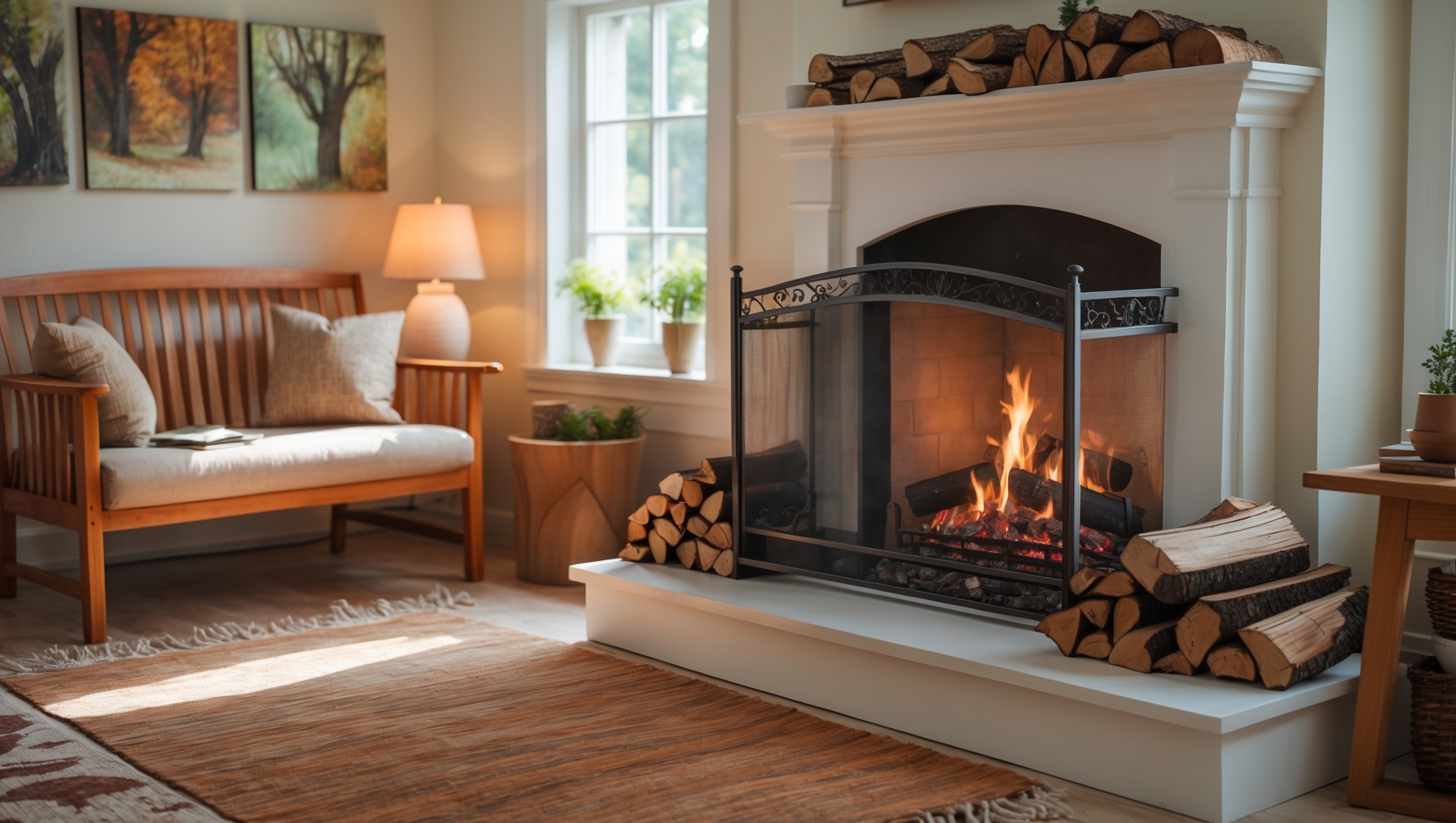
Introduction: Why Fireplace Safety and Maintenance Matter
Fireplaces have been at the heart of the home for centuries, offering warmth, ambiance, and a focal point for gatherings in the colder months. Whether you have a classic wood-burning hearth or a modern gas insert, ensuring your fireplace is safe and well-maintained is essential—not just for comfort, but for the safety of everyone in your home. According to the National Fire Protection Association (NFPA), heating equipment is a leading cause of home fire deaths, with fireplaces and chimneys accounting for a significant portion of these incidents each year. Many of these fires are preventable with routine care, hazard awareness, and adherence to local codes and regulations.
Unfortunately, homeowners often overlook important steps in fireplace maintenance, or are unsure about compliance requirements, especially as seasons change. The result can be increased risk of chimney fires, carbon monoxide poisoning, or costly structural damage. This guide provides a comprehensive look at fireplace safety, offering a detailed seasonal maintenance checklist, an overview of common hazards and how to avoid them, and practical compliance tips so you can enjoy a worry-free fire season. Whether you’re a new homeowner or a seasoned DIYer, these expert insights will help you keep your home cozy and secure all year round.
Understanding Fireplace Types and Their Unique Maintenance Needs
Wood-Burning Fireplaces
Wood-burning fireplaces are traditional, charming, and highly effective, but they require diligent maintenance. Burning wood creates creosote, a flammable byproduct that accumulates in the chimney and must be removed regularly. Wood selection, storage, and burning practices also impact safety and efficiency.
Gas Fireplaces
Gas fireplaces offer convenience and cleaner operation but present different safety challenges, such as gas leaks and venting issues. Components like pilot lights, thermocouples, and vents need regular inspection for safe performance.
Electric Fireplaces
Electric fireplaces are low-maintenance and safe from combustion-related hazards, but still require periodic checks of electrical connections, cords, and overall unit condition.
Seasonal Fireplace Maintenance Checklist
Spring and Summer: Post-Heating Season Care
- Clean Out Ashes and Debris: Once the heating season ends, remove all ashes from the firebox. Use a metal container with a tight lid for ash disposal. Ashes can stay hot for days—never dispose of them in plastic or cardboard containers.
- Inspect the Firebox and Damper: Look for cracks, loose bricks, or signs of wear. Check that the damper opens, closes, and seals properly to prevent drafts and pests.
- Schedule Chimney Sweep: Early spring is an ideal time to book a certified chimney sweep. Annual cleaning removes creosote, nests, and blockages.
- Check Chimney Cap and Crown: Ensure the cap is secure and free of debris. Inspect for cracks in the crown that could allow water intrusion.
- Examine Exterior Masonry and Flashing: Look for damaged bricks, mortar, or flashing around the chimney. Address moisture issues promptly to prevent costly repairs.
Fall: Pre-Season Preparation
- Repeat Interior and Exterior Inspections: Check for any deterioration that occurred over the summer.
- Test Smoke and Carbon Monoxide Detectors: Replace batteries and verify proper operation in rooms with fireplaces.
- Stock Safe Fuel: For wood-burning fireplaces, ensure you have dry, seasoned hardwood stored away from the home. For gas units, confirm gas line integrity and schedule a professional inspection if needed.
- Review Fire Extinguisher Access: Ensure you have an ABC-rated extinguisher nearby and that all family members know how to use it.
- Review and Update Emergency Plans: Practice escape routes and fire drills, especially with children.
Winter: In-Use Monitoring
- Maintain Safe Clearance: Keep flammable materials (furniture, décor, holiday decorations) at least three feet from the fireplace at all times.
- Observe for Smoke or Odors: If you notice smoke backing up into the room or unusual odors, stop using the fireplace and investigate immediately.
- Clean Glass Doors and Screens: Use fireplace glass cleaner to remove soot buildup and ensure clear visibility.
- Monitor for Creosote Odors: A strong, tar-like smell indicates creosote buildup and a need for cleaning.
Common Fireplace Hazards and How to Prevent Them
Creosote Buildup
Creosote is a highly flammable residue from burning wood. Even a thin layer can ignite and cause a chimney fire. The best prevention is burning only seasoned hardwood, avoiding smoldering fires, and scheduling annual professional cleanings.
Chimney Blockages
Nests, leaves, and other debris can block chimneys and cause smoke to enter the home, or even carbon monoxide poisoning. Ensure your chimney has a secure cap, and have it checked regularly for obstructions, especially before heating season.
Cracked Masonry and Liner Damage
Cracks in the firebox, flue, or chimney liner allow heat and gases to escape into the home structure, posing fire and health hazards. Annual inspections catch these issues early, and repairs should be made by certified professionals only.
Improper Fuel Use
Never burn treated wood, trash, or plastics in your fireplace. These materials release toxic fumes and contribute to dangerous residue in your chimney.
Carbon Monoxide Poisoning
Fireplaces that are improperly vented or have blocked flues can leak carbon monoxide, a colorless, odorless gas that is deadly in high concentrations. Install CO detectors and never ignore symptoms like dizziness, headaches, or nausea when using your fireplace.
Compliance and Permitting: What Homeowners Need to Know
Building Codes and Local Regulations
Most cities and counties have strict codes regarding fireplace installation and maintenance. This includes chimney height requirements, clearances, and permitted fuel types. Always consult local building departments before making modifications or installing new units.
Permits for New Installations or Major Repairs
Installing a new fireplace or conducting major repairs often requires a permit and inspection. Unpermitted work can lead to insurance issues and liability if a fire occurs. Keep records of all permits and inspections for future reference and insurance claims.
National Fire Protection Association (NFPA) Standards
The NFPA sets national standards for fireplace and chimney safety (NFPA 211). Compliance with these standards is not only best practice—it may be required by your insurer or local authorities.
Insurance Considerations
Inform your insurance company about any fireplace upgrades or repairs. Some policies require proof of annual chimney maintenance or restrict certain fireplace types. Failure to comply can result in denied claims after a fire incident.
Essential Fireplace Tools and Equipment Guide
- Sturdy Fireplace Tools: Poker, tongs, shovel, and brush—preferably stored on a metal stand for easy access.
- Fireplace Screen or Glass Door: Prevents sparks from escaping and keeps children and pets safe.
- Chimney Brush and Rods: For DIYers, sized to your chimney dimensions, though professional sweeps are recommended for full cleanings.
- Moisture Meter: Ensures firewood is properly seasoned (below 20% moisture content) for safe burning.
- Firewood Rack: Keeps wood dry and off the ground, discouraging pests and rot.
- Smoke and Carbon Monoxide Detectors: Essential safety devices for every room with a fireplace.
Step-by-Step: How to Safely Start and Extinguish a Fire
Starting a Fire
- Open the Damper: Always ensure the damper is fully open before lighting a fire.
- Build the Fire: Place crumpled newspaper or fire starters on the grate, add small kindling, then a few larger logs. Arrange to allow air flow.
- Light Safely: Use a long fireplace match or lighter. Never use flammable liquids.
- Monitor the Fire: Never leave a fire unattended. Add wood as needed, but avoid overloading.
Extinguishing a Fire
- Let Fire Burn Down: Allow embers to burn out completely if possible. Spread embers with the poker to cool faster.
- Close the Damper: Only after all embers are out and the firebox is cool to the touch, close the damper to prevent heat loss.
- Dispose of Ashes Safely: Use a metal shovel and store ashes in a metal container outdoors, away from the house and combustible materials.
Fireplace Safety Checklist: Before, During, and After Use
- Confirm damper is open before lighting a fire.
- Keep combustibles at least three feet away from the hearth.
- Never leave fires unattended—especially with children or pets nearby.
- Use only dry, seasoned wood or approved gas/electric settings.
- Regularly test smoke and CO detectors.
- Keep a fire extinguisher accessible and know how to use it.
- Wait 24 hours before disposing of ashes.
- Schedule annual professional inspections and cleanings.
When to Call a Professional
Some maintenance tasks can be DIY, but certain issues require a certified chimney sweep or fireplace technician:
- Visible cracks or damage to masonry, liner, or firebox.
- Persistent smoke or odors during fireplace use.
- Signs of animal nesting or blockages in the chimney.
- Gas fireplace malfunctions, such as pilot light issues or strange odors.
- Major upgrades, installations, or repairs requiring permits.
Conclusion: Creating a Cozy, Safe Home—Year After Year
Fireplaces are a cherished feature in many homes, blending comfort, style, and tradition. But with these benefits comes the responsibility to maintain, inspect, and use your fireplace safely. As we’ve explored, most fireplace hazards are preventable with routine seasonal care, proper equipment, and compliance with local codes and insurance requirements. Following a detailed maintenance routine not only prevents fires and structural damage, but also improves air quality and extends the life of your fireplace and chimney system.
Don’t let small oversights put your home and loved ones at risk. Make annual inspections, regular cleanings, and adherence to safety checklists a non-negotiable part of your home care routine. Stay informed about local regulations and never hesitate to call in a professional for complex issues or repairs. Your proactive approach ensures that your fireplace remains a source of warmth and joy for years to come—without worry. With just a bit of effort each season, you’ll enjoy peace of mind and countless cozy evenings gathered around a safe, well-maintained hearth.
For someone considering both wood-burning and gas fireplaces, could you give more details about the maintenance costs and time commitment for each type? I want to know what I’m getting into before making a decision.
Wood-burning fireplaces generally require more maintenance and higher ongoing costs. You’ll need to have the chimney inspected and cleaned yearly to prevent creosote buildup, regularly remove ash, and buy or chop firewood. Gas fireplaces are lower maintenance, mainly needing an annual inspection to check burners, connections, and vents, with much less day-to-day cleaning. Overall, wood-burning options typically cost more in both time and money to maintain compared to gas fireplaces.
The article mentions routine care and adherence to local codes for fireplace safety. Could you clarify what steps homeowners should take to verify they are in compliance with the most current local fireplace and chimney regulations, especially for older homes?
To ensure compliance with local fireplace and chimney regulations, homeowners should first contact their city or county building department for the latest rules. It’s a good idea to schedule an inspection by a certified chimney professional, especially for older homes, as they are familiar with local codes and safety standards. Keep records of any inspections or upgrades. Also, ask about permits or specific requirements for your area, such as approved materials, smoke detectors, or clearances.
You mention the importance of adhering to local codes and regulations for fireplace safety. Could you clarify how often homeowners should check for updates to these codes, and whether local fire departments typically offer resources on compliance?
It’s wise for homeowners to review local fireplace safety codes at least once a year, ideally before the heating season starts. Building or fire codes can change, especially after safety incidents or new regulations. Most local fire departments do offer free resources, guidance, or even on-site inspections to help residents stay compliant. Contacting your fire department is a great way to stay updated and get specific advice for your area.
With young kids in the house, I’m extra cautious about carbon monoxide around our gas fireplace. Besides regular vent checks, are there specific detectors or extra steps you recommend for better safety, especially in older homes?
For homes with young children and older structures, installing both a carbon monoxide detector and a combustible gas detector near your gas fireplace is highly recommended. Make sure detectors are installed at child-safe heights, tested regularly, and have fresh batteries. Consider models with digital displays and alarms. In addition, keep the fireplace area clear of toys and ensure that all vents and flues are unobstructed for proper airflow.
I noticed you mentioned that homeowners often overlook important fireplace maintenance steps as the seasons change. Are there specific tasks that should always be done in the fall versus the spring, or is the checklist pretty similar regardless of the season?
Some fireplace maintenance tasks are more important in certain seasons. In the fall, focus on cleaning the chimney, checking for blockages, and examining seals to prepare for winter use. In the spring, it’s best to remove ash, inspect for moisture damage, and close the damper to prevent drafts and pests. While some steps overlap, tailoring tasks to the season helps keep your fireplace safe and efficient.
The maintenance checklist sounds helpful, but I got a little lost on what the ‘compliance tips’ might involve. What kinds of codes or regulations should I be checking for in the US, and is there a typical place to find local requirements?
Compliance tips refer to following local and national fire safety codes, building codes, and insurance requirements to ensure your fireplace is safe and legal to use. In the US, these might include regulations from the National Fire Protection Association (NFPA), state building codes, and local fire department rules. For local requirements, your city or county building department is a good place to start—they can provide specific codes and guidance for your area.
I just bought a house with a gas fireplace, and I’m not sure what parts I need to check every season. Can you provide a little more detail on which components are most likely to cause problems if they’re not maintained properly?
For a gas fireplace, focus on checking the gas lines for leaks, inspecting the burner for blockages, and cleaning the glass doors to prevent residue buildup. The ignition system and pilot light should work smoothly, so test them regularly. Also, look at the vent or chimney for any blockages or debris. Ignoring these parts can lead to gas leaks, poor airflow, or trouble starting your fireplace.
You mentioned that gas fireplaces have unique safety challenges like gas leaks and venting issues. As someone new to DIY home maintenance, what are the warning signs to watch for before using my gas fireplace for the season?
Before using your gas fireplace, check for the smell of gas, which can indicate a leak. Look for soot buildup around the fireplace or on the glass, as this may signal venting problems. Make sure the pilot light is burning blue, not yellow or orange. Also, listen for unusual noises when you turn it on. If you notice any of these signs, don’t use the fireplace until it’s checked by a professional.
Can you provide more details on what should be included in a seasonal fireplace maintenance checklist for businesses, not just homes? I want to make sure my café stays safe and follows all required regulations year-round.
For a business like your café, a seasonal fireplace maintenance checklist should include: professional inspections by certified technicians, testing and cleaning all ventilation systems, ensuring fire extinguishers and alarms are functional and accessible, checking clearances around the fireplace for combustibles, reviewing and updating staff safety training, verifying compliance with local fire codes, and keeping maintenance records for inspections. Make sure your chimney caps, dampers, and hearths are also regularly checked for safety and cleanliness.
For someone new to fireplace ownership, what are the most commonly overlooked steps in the seasonal maintenance checklist? It would help to know which specific areas are most often missed so I can prioritize them in my own routine.
Many new fireplace owners often overlook cleaning the chimney flue, checking for creosote buildup, and inspecting the chimney cap for debris or animal nests. Another common area people miss is examining the firebox for damaged bricks or mortar. It’s also easy to forget to test smoke and carbon monoxide detectors near the fireplace. Focusing on these steps will help you keep your fireplace safe and efficient.
I’m living off-campus and thinking about using our old fireplace this winter, but I’m worried about compliance with local fire codes. How can I find out what regulations or inspections are required for fireplaces in a college rental?
To make sure your fireplace use is compliant, start by checking with your city or county’s building or fire department—they can tell you the specific codes and inspection requirements for rental properties. It’s also a good idea to ask your landlord if the fireplace has been inspected recently and if it’s approved for use. Some areas may require annual inspections or permits, especially in rentals, so double-check before using it.
Our fireplace hasn’t been used since last winter. Before we light the first fire of the season, is there a quick checklist or routine I should run through to make sure everything is safe, especially if I don’t have time for a full inspection right away?
Absolutely, here’s a quick safety routine: Clear out any old ashes, open the damper fully, check for blockages like bird nests or debris, and look for cracks or loose bricks in the firebox. Make sure your smoke and carbon monoxide detectors are working. Keep combustibles away from the hearth. If anything looks off or you smell gas, hold off on using the fireplace until a professional can inspect it.
You mention that fireplace and chimney fires are often preventable with routine care. For new business owners who might not have much experience, what specific signs should we watch for that indicate a potential hazard developing, like with creosote buildup or gas leaks?
For wood-burning fireplaces, look for dark, tar-like buildup (creosote) on the inner walls of the chimney, reduced draft, or a strong smoky odor—these all signal a need for cleaning. For gas fireplaces, be alert to unusual smells (like rotten eggs), pilot light issues, or soot buildup. In both cases, any cracks, crumbling mortar, or unfamiliar noises also warrant a professional inspection.
I’m just getting started with fireplace maintenance in my first home and I have a wood-burning fireplace. The article mentions creosote buildup as a major hazard. How often should I actually get my chimney cleaned, and are there signs I can watch for between professional cleanings?
For a wood-burning fireplace, the chimney should be professionally cleaned at least once a year, ideally before the start of the heating season. Between cleanings, watch for signs like reduced draft, a strong smoky odor even when not in use, or dark, flakey buildup inside the chimney. If you notice any of these, schedule a cleaning sooner.
I’m curious about compliance tips for fireplaces. How can I find out what specific local codes or regulations I should be following for fireplace maintenance in my area, and do these rules change depending on whether the fireplace is wood-burning or gas?
Local codes and regulations for fireplace maintenance can vary by city, county, or state, and they often differ for wood-burning and gas fireplaces. The best way to find the specific rules for your area is to contact your local building or fire department. They can provide details on inspection schedules, approved materials, and any restrictions. Also, consider checking with your homeowner’s association if applicable, as they may have additional guidelines.
The article mentions that many homeowners overlook compliance requirements when seasons change. Are there any quick maintenance or inspection steps I should prioritize moving from summer to fall to avoid safety issues or code violations?
As fall approaches, focus on cleaning out any debris from the fireplace and chimney, checking that the damper opens and closes properly, and inspecting for cracks or loose bricks. Make sure smoke and carbon monoxide detectors near the fireplace are working and replace batteries if needed. Also, review local codes for any seasonal inspection or maintenance requirements to stay compliant.
If someone mostly uses their fireplace in the colder months but lets it sit unused all summer, do you recommend having the fireplace and chimney checked twice a year or is an annual inspection typically enough?
For fireplaces that are mainly used during the colder months and sit unused during summer, an annual inspection is generally sufficient for most households. Scheduling an inspection before the heating season ensures it’s safe and ready to use. However, if you notice any unusual odors, animal activity, or debris, consider having it checked again before your next regular inspection.
You mentioned the importance of following local codes for fireplace safety, but I’m confused about where to find those requirements. Are there certain regulations I should be aware of if I’m in a city versus a rural area, especially for gas fireplaces?
Fireplace regulations can vary significantly between cities and rural areas—urban areas often have stricter rules, especially concerning emissions, venting, and installation for gas fireplaces. For the most accurate info, check with your local building department or fire marshal. They can provide specific codes and permitting requirements for your location. Also, your gas fireplace manufacturer may outline some standards, but always confirm with local authorities to ensure compliance.
When it comes to compliance tips for fireplace safety, are there specific regulations that differ between wood-burning hearths and gas inserts, or is the maintenance checklist generally the same regardless of type?
There are some important differences in regulations and compliance for wood-burning hearths versus gas inserts. Wood-burning fireplaces often have stricter rules regarding chimney inspections, creosote buildup, and air quality standards. Gas inserts, on the other hand, must comply with gas line safety codes, venting requirements, and carbon monoxide detection. While some maintenance tasks like regular inspections apply to both, it’s essential to follow the specific guidelines for your fireplace type to stay compliant and safe.
Regarding gas fireplaces, you mentioned hazards like gas leaks and venting problems. If I notice an unusual odor or trouble with the pilot light, what should my first step be before calling a professional? Is it safe to try troubleshooting anything on my own?
If you notice an unusual odor or have trouble with the pilot light, your first priority should be safety. Turn off the gas supply to the fireplace and ventilate the area by opening windows. Avoid using electrical switches or open flames nearby. Do not attempt to fix gas issues yourself—wait outside and call a professional to inspect the fireplace, as gas leaks can be very dangerous.
I just bought a house with an old wood-burning fireplace and I’m not sure where to start with the seasonal maintenance checklist. Could you give more details on what specific tasks I should prioritize before using it for the first time this winter?
Before using your old wood-burning fireplace, start by having the chimney professionally inspected and cleaned to remove any creosote buildup or blockages. Check for cracks in the masonry, loose bricks, or damaged dampers. Make sure the chimney cap is secure and free of debris. Test that the smoke alarms and carbon monoxide detectors near the fireplace are working properly. Finally, use only seasoned, dry firewood to help prevent excess soot and smoke.
You mention compliance with local codes and regulations for fireplace safety. How can I find out what specific rules apply in my area, and are there any permits I need to get before doing DIY maintenance on my gas fireplace?
To find out which rules apply to your area, contact your local building or fire department—they can provide details about fireplace codes and required safety standards. If you’re planning DIY maintenance on your gas fireplace, many areas require a permit for anything beyond simple cleaning or inspections. Always check before starting work, as regulations can vary widely, and getting the correct permit helps ensure safety and compliance.
You mentioned that many homeowners overlook steps in fireplace maintenance, which can lead to carbon monoxide issues. What are some warning signs I should watch for if something’s wrong, and what should I do immediately if I suspect a problem?
Some warning signs of a fireplace problem include smoke backing up into the room, a persistent burning smell even when not in use, excessive soot buildup around the fireplace, and headaches or dizziness indoors, which can indicate carbon monoxide. If you suspect an issue, stop using the fireplace right away, ventilate the area, and contact a certified chimney professional to inspect and address the problem as soon as possible. Using a carbon monoxide detector near your fireplace is also a smart precaution.
If my local fire codes are different from what’s mentioned in your checklist, how can I make sure we’re staying compliant? Is there a particular department or resource you recommend contacting for up-to-date fireplace regulations?
Fireplace codes can vary by location, so it’s always best to check directly with your local fire department or your city’s building code office. They can provide the most accurate and current regulations for your area. You might also find relevant information on your municipality’s official website, especially under housing or fire safety sections.
I’m curious about seasonal maintenance—are there specific tasks or checks that should be prioritized in early fall versus right before winter, or is the checklist the same regardless of timing?
There are a few tasks that are best done in early fall, such as scheduling a professional chimney inspection and cleaning, checking for blockages like nests, and inspecting the damper and flue. Right before winter, it’s smart to double-check that the fireplace area is clear of debris, ensure smoke and carbon monoxide detectors have fresh batteries, and stock up on dry firewood. The core checklist stays the same, but these timing tips can help you stay ahead of issues.
You mentioned gas fireplaces come with safety concerns like leaks and venting issues. What are some early warning signs of a gas problem, and are there budget-friendly tools or alarms recommended for monitoring gas leaks or carbon monoxide?
Early warning signs of gas fireplace problems can include a sulfur or rotten egg odor, unusual pilot light behavior, or soot buildup around the fireplace. For safety, consider installing a carbon monoxide detector and a natural gas detector nearby. Both are widely available and can be quite affordable, offering an extra layer of protection for your home and family.
Could you explain what some of the local compliance requirements might look like for gas fireplaces? I am especially concerned about venting regulations and how to check if my setup is in line with current codes.
Local compliance requirements for gas fireplaces often include proper venting to prevent carbon monoxide buildup, the use of approved vent materials, and minimum clearance distances from combustibles. You should check if your vent system is certified for your fireplace model and inspect for any blockages or leaks. Local codes may also require a professional inspection or permit for installation. It’s a good idea to contact your local building department for the most up-to-date regulations and to schedule an annual inspection by a qualified technician to ensure everything meets current standards.
Regarding gas fireplaces, you brought up issues like pilot lights and thermocouples needing regular inspection. Can DIY homeowners do this maintenance safely themselves, or is it usually best left to professionals?
Homeowners can handle basic maintenance tasks for gas fireplaces, such as cleaning the glass and checking for obvious debris. However, inspecting and servicing components like the pilot light and thermocouple involve working with gas lines and ignition systems, which can pose safety risks. For these tasks, it’s generally safer and more reliable to have a certified professional perform the inspection and maintenance to ensure everything operates correctly and safely.
If someone is a new homeowner and not super handy, are there any basic seasonal maintenance steps from your checklist that you would definitely not recommend doing yourself for safety reasons?
Yes, there are some tasks best left to professionals for safety. For example, chimney cleaning and inspections should be handled by certified sweeps to check for creosote buildup or blockages. If you suspect a gas leak or need to repair or install gas lines, always call a licensed technician. Anything involving electrical connections for fireplace blowers or inserts is also safer in expert hands.
Could you clarify how often a wood-burning fireplace chimney should be professionally inspected and cleaned to minimize creosote buildup, especially if it’s used heavily during winter? I want to make sure I’m not missing any seasonal maintenance.
For a wood-burning fireplace that’s used heavily in winter, it’s best to have the chimney professionally inspected and cleaned at least once a year, ideally before the heating season begins. If you use it daily or burn a lot of wood, a mid-season checkup or cleaning might also be wise. Keeping up with this schedule helps minimize creosote buildup and reduces the risk of chimney fires.
When it comes to the seasonal maintenance checklist, are there any tasks that a homeowner can safely handle themselves, or is it generally better to hire a certified professional for most of the inspection and cleaning steps?
Homeowners can handle some basic fireplace maintenance tasks themselves, like cleaning the hearth, removing old ashes, checking that the damper opens and closes properly, and ensuring flammable materials are kept clear. However, for tasks like chimney inspections, deeper cleaning, or checking for structural damage, it’s safer and more thorough to hire a certified professional at least once a year to ensure everything meets safety standards.
Could you explain more about how to tell when creosote buildup in a wood-burning fireplace has reached a dangerous level? I’m not sure what signs to look for before calling a chimney sweep.
Creosote can look shiny, tar-like, or flaky and black inside your chimney. If you notice deposits thicker than a quarter inch or a strong, smoky odor even when the fireplace isn’t in use, that usually signals it’s time to call a chimney sweep. Also, if fires seem harder to start or smoke backs up into the room, it’s a warning sign of excess buildup.
I have a gas fireplace and I’m curious—what are some early warning signs of venting issues or potential gas leaks? Do you recommend regular inspections, and if so, should they be done at the start or end of the season?
For a gas fireplace, early warning signs of venting issues include unusual odors, soot buildup around the fireplace, condensation on windows, or difficulty igniting the flame. Signs of a potential gas leak include a sulfur or rotten egg smell or hissing sounds near the unit. Regular inspections are highly recommended—ideally both at the start and end of the heating season—to catch problems early and ensure safe operation.
Can you clarify if the seasonal checklist you mention is different for gas and wood-burning fireplaces, or is there a universal list most homeowners should follow? I’m trying to budget time and supplies for both types in our house.
The seasonal checklist in the article covers general safety and maintenance tasks that apply to both gas and wood-burning fireplaces, like checking the chimney, ensuring proper ventilation, and testing smoke detectors. However, there are a few specific items unique to each type. For wood-burning fireplaces, cleaning out ash and inspecting for creosote is important. For gas fireplaces, focus on checking the gas lines and pilot light. Plan for a shared list, but set aside a little extra time for the unique steps each fireplace type requires.
For wood-burning fireplaces, how often should I schedule a professional chimney cleaning if I mainly use it on weekends during the winter? Does the amount of creosote build-up vary a lot based on wood type or frequency of use?
If you use your wood-burning fireplace mostly on weekends during winter, it’s usually recommended to have your chimney professionally cleaned at least once a year. However, creosote build-up can vary significantly depending on how often you use the fireplace and the type of wood you burn—softer woods and unseasoned wood produce more creosote. Even with moderate use, annual inspections help ensure safety.
I know the article mentions seasonal maintenance checklists, but as a parent with young kids, are there specific safety precautions or routines to keep in mind for homes with small children around a wood-burning fireplace?
Absolutely, for homes with young children, it’s best to add a few extra precautions. Install a sturdy safety gate or screen around the fireplace to keep little ones at a safe distance. Always keep fireplace tools and matches out of reach. Remind children that the fireplace is off-limits, even when it isn’t in use, as some surfaces can stay hot. Also, regularly check for loose debris or sharp edges around the hearth area.
I noticed you mentioned different maintenance needs for gas versus wood fireplaces. Are there any cost differences homeowners should expect when scheduling annual inspections or repairs for each type?
Yes, there are usually some cost differences between maintaining gas and wood fireplaces. Annual inspections for gas fireplaces tend to be less expensive, often because they require less cleaning; you might expect to pay around $75–$125. Wood-burning fireplaces typically involve more labor-intensive cleaning (like chimney sweeping) and inspections, which can run from $125–$250 or more. Repairs can also vary—wood fireplaces might need masonry or flue work, while gas fireplaces could require component replacements. It’s a good idea to get quotes from local professionals for the most accurate pricing.
With the seasonal checklist you described, do you have any advice on budgeting for professional inspections or repairs, especially for someone who is new to homeownership and unsure what typical costs look like?
Budgeting for fireplace inspections and repairs is smart, especially as a new homeowner. Annual inspections often cost between $100 and $300, depending on your area and fireplace type. If repairs are needed, costs can vary widely—minor fixes may be under $200, while major repairs could exceed $1,000. To plan ahead, set aside a small amount each month so you’re prepared. Always request quotes from several certified professionals to compare pricing and services.
I see you mentioned that wood-burning fireplaces need regular removal of creosote to prevent chimney fires. Can you give more details on how often this cleaning should happen, especially for businesses that use their fireplaces more frequently than a typical home?
For businesses that use wood-burning fireplaces more often than a typical home, chimney cleaning should be done more frequently—ideally every three months or after every 80 fires, whichever comes first. Heavy usage leads to faster creosote buildup, which increases the risk of chimney fires. It’s also wise to schedule a professional inspection at least twice a year to ensure safe operation and compliance with local fire safety regulations.
You mention that creosote buildup in wood-burning fireplaces is a major hazard and should be removed regularly. How often should a chimney be professionally inspected or cleaned during the winter if the fireplace is used several times a week?
If you use your wood-burning fireplace several times a week during winter, it’s recommended to have your chimney professionally inspected and cleaned at least once a year, preferably before the heating season begins. However, with frequent use, a mid-season check or cleaning is also wise to prevent dangerous creosote buildup. Always monitor for signs like strong odors or reduced draft, which may indicate it’s time for an extra cleaning.
The checklist talks about compliance with local codes and regulations. If I’m renting a house with a fireplace, who’s usually responsible for making sure it’s up to code—the landlord or the tenant?
In most cases, the landlord is responsible for ensuring that the fireplace meets local codes and safety regulations, since it’s part of the property’s structure. However, tenants are usually expected to use the fireplace safely and report any issues or needed repairs. It’s a good idea to review your lease agreement for any specific clauses about fireplace maintenance and compliance.
The article talks about compliance tips with local codes. If I recently switched from wood-burning to a gas insert, do I need to get a new inspection or permit, and are there extra steps to make sure everything’s up to code?
If you’ve switched from a wood-burning fireplace to a gas insert, most local codes require a new inspection and a permit for the conversion. It’s important to confirm with your local building department, as requirements can vary. Also, ensure the gas line installation and venting meet code, and have a certified technician check for proper operation and safety measures.
You talked about adhering to local codes and regulations for fireplace safety. Where can homeowners usually find those requirements, and are there specific compliance tips for people who have both wood and gas fireplaces in the same home?
Homeowners can usually find local fireplace codes and requirements by checking with their city or county building department, or by consulting their local fire marshal’s office. For homes with both wood and gas fireplaces, make sure to follow the specific installation and venting guidelines for each type. Also, arrange for separate annual inspections and cleanings, since each fireplace has unique maintenance needs.
With busy schedules, it’s easy for us to forget seasonal maintenance. Is there a quick checklist or reminder system you recommend, so we don’t miss important safety steps or local code updates as the seasons change?
To help stay on top of fireplace maintenance, try setting up recurring calendar reminders on your phone or computer for tasks at the start of each season. You can also print out a simple checklist and keep it near your fireplace tools. For code updates, sign up for local fire department newsletters or alerts, as they often share changes and tips relevant to your area.
What should I look for to tell if my gas fireplace might be leaking or having venting issues, especially since you mention these can be pretty different from the risks with wood-burning fireplaces?
With gas fireplaces, signs of leaks or venting problems include a persistent rotten egg or sulfur smell (which may indicate a gas leak), soot buildup on glass or logs, condensation on windows nearby, pilot lights that frequently go out, or difficulty igniting the fireplace. You should also watch for unusual noises or changes in flame color. If you notice any of these, turn off the fireplace and contact a professional immediately.
If a homeowner discovers damage to the chimney or venting system during a routine inspection, what are the recommended next steps to address compliance with local regulations? Should a professional always be consulted, or are some minor issues manageable as DIY fixes?
If you notice any damage to your chimney or venting system, it’s best to consult a certified professional, even for issues that may seem minor. Local regulations often require repairs to meet specific safety standards, and improper DIY fixes could violate codes or create hazards. A professional can assess the situation, ensure compliance, and make sure your fireplace operates safely.
You talk about local codes and compliance, which makes me wonder—what are the most common mistakes homeowners make when trying to follow those regulations? Are there simple ways to double-check if our fireplace setup actually meets the requirements?
Homeowners often overlook having the correct clearances from combustible materials, using unapproved venting systems, or failing to install proper spark arrestors as required by local codes. To double-check compliance, review your city or county’s fireplace regulations, schedule a professional inspection, and keep records of past maintenance. Many local fire departments also offer safety checks or guidance to help ensure your setup is up to code.
For someone new to fireplace ownership, how do you know when creosote buildup in a wood-burning fireplace has reached a level that requires professional cleaning, and are there any signs that are easy for a beginner to spot safely?
A good indicator that creosote buildup needs attention is when you notice a thick, black or shiny tar-like coating inside the chimney or on the damper. If this layer is more than 1/8 inch thick, it’s time to call a professional. Other warning signs include strong, smoky odors even when the fireplace isn’t in use or trouble starting and maintaining a fire. Always check when the fireplace is completely cool and use a flashlight for safety.
I’m curious how local codes and regulations for fireplace safety might differ if I upgrade from a wood-burning fireplace to a modern gas insert. Are there specific permits or inspections required for gas fireplace installations?
When upgrading from a wood-burning fireplace to a gas insert, local building codes often have different requirements. Most areas will require a permit for the installation, and you’ll likely need an inspection after the work is completed to ensure it meets safety standards. Gas fireplaces must be installed according to both manufacturer instructions and local gas codes, which can include requirements for venting, clearances, and gas line connections. It’s best to consult your local building department for specifics before starting the upgrade.
Could you clarify what specific compliance codes or regulations I should be checking on for fireplaces in the US? I’m not sure if the rules are different by state, and I want to make sure I’m not missing anything important before fire season.
Fireplace codes and regulations in the US do vary by state and even by city or county. You should check your local building codes, state fire codes, and any HOA guidelines if applicable. The National Fire Protection Association (NFPA) also sets widely recognized standards, such as NFPA 211 for chimneys and fireplaces. It’s a good idea to contact your local fire department or building inspector for the most accurate and up-to-date requirements for your area.
I noticed you mention adherence to local codes and regulations as a key part of fireplace safety. How can homeowners find out what specific rules apply to fireplaces and chimneys in their area, especially if they live in an older house?
To find out which fireplace and chimney rules apply in your area, contact your local building department or fire marshal—they oversee safety codes and should have up-to-date requirements. For older houses, ask if there are grandfathered provisions or if upgrades are needed to meet current standards. Professional chimney sweeps are also familiar with local codes and can offer guidance during an inspection.
With kids and pets in the house, I’m worried about possible carbon monoxide leaks from our gas fireplace. What are the easiest ways to detect a problem before it becomes dangerous, and does the seasonal checklist cover anything specific for this?
Installing a carbon monoxide detector near your gas fireplace is the easiest and most effective way to catch leaks early. The seasonal checklist in the article does recommend testing these detectors regularly, along with inspecting the fireplace venting and ensuring there are no blockages or leaks. Keeping up with these steps helps keep your home safe for kids and pets.
Could you provide more information on how often a gas fireplace should be inspected for things like venting issues and pilot light function? I want to make sure I’m following the right schedule for safety but am unsure if it differs from wood-burning fireplaces.
Gas fireplaces should be professionally inspected at least once a year, just like wood-burning fireplaces. This yearly check covers venting, pilot light function, gas lines, and overall safety. While gas units often have fewer issues with creosote, they can still develop vent blockages or gas leaks, so the annual inspection is important. Always follow your manufacturer’s guidelines for maintenance between inspections.
With heating equipment causing so many house fires according to the NFPA, what are some budget-friendly steps I can take each season to cut down risks, particularly if I can’t afford a professional chimney sweep every year?
To boost fireplace safety on a budget, start by regularly removing ash buildup and checking for creosote with a flashlight—if you notice a thick, tar-like layer, limit use until professionally cleaned. Burn only seasoned hardwood and avoid overloading the fire. Install and test smoke and carbon monoxide detectors. Use a sturdy fireplace screen and keep flammable items at least three feet away. Each season, check the damper for proper operation and look at the chimney exterior for visible cracks or debris. These DIY steps can help reduce hazards between professional cleanings.
As someone new to fireplace ownership, I’m interested in the compliance aspect you mentioned. What are some common local code requirements homeowners might overlook when maintaining or upgrading their fireplaces, and is there an easy way to find out what applies in my area before starting DIY maintenance?
Homeowners often overlook code requirements like proper clearance between the fireplace and combustible materials, correct venting or chimney height, and the use of approved materials for repairs. Smoke and carbon monoxide detectors nearby are also frequently required. The best way to check what applies in your area is to contact your local building department or fire marshal before starting any work, as codes can vary widely between regions.
The article mentions creosote buildup as a major risk for wood-burning fireplaces. How can I tell if there’s too much creosote in my chimney, and is this something a business owner can check themselves, or should it always be left to a professional?
Creosote buildup often appears as a black, tar-like or flaky substance inside the chimney. While you can use a flashlight to check for visible deposits, assessing the amount and type of creosote can be tricky and risky for untrained individuals. For safety and compliance, it’s best to have a professional inspect and clean the chimney, especially for businesses where fire codes are strict.
You mentioned adherence to local codes and regulations for fireplace safety. How can a homeowner find out the specific fireplace compliance requirements for their area, and are there common differences between states or municipalities in the US?
To find specific fireplace compliance requirements, homeowners should contact their local building department or fire marshal, as these offices can provide the most accurate, up-to-date codes. Requirements often vary by state, county, or city, and differences may include venting standards, clearances, permitted fuel types, and inspection schedules. Always verify local rules before making any fireplace changes or installations.
You mention that gas fireplaces have specific maintenance needs, like checking pilot lights and vents. How often should these components be inspected or serviced by a professional versus a homeowner doing it themselves?
Homeowners can check gas fireplace pilot lights and vents visually every month for obvious issues like debris or unusual smells. However, a professional should inspect and service these components at least once a year to thoroughly clean, test, and ensure everything is operating safely. Annual professional servicing is important for catching problems that might not be visible to homeowners.
You mention the importance of removing creosote buildup from wood-burning fireplaces to prevent chimney fires. How frequently should homeowners schedule professional chimney cleanings, and does this vary depending on how often the fireplace is used throughout the season?
Homeowners are generally advised to schedule professional chimney cleanings at least once a year, ideally before the start of the heating season. However, if you use your wood-burning fireplace frequently—several times a week during winter—it’s wise to have it inspected and possibly cleaned more often. Light or occasional use may only require the standard annual cleaning.
You mention adherence to local codes and regulations for fireplace safety. How can homeowners find out if their current fireplace setup is compliant, and are there common code violations people should be aware of when updating or installing a unit?
Homeowners should start by contacting their local building or fire department to ask about current codes and whether inspections are required for fireplaces. Hiring a certified chimney or fireplace professional for an inspection is also a good way to check compliance. Common code violations include insufficient clearance to combustible materials, improper venting, and lack of proper hearth extension. Always confirm any updates or installations meet both manufacturer instructions and local regulations.
The checklist you referenced seems useful, but I am not sure if compliance codes differ for older buildings. Could you clarify what specific local codes or annual inspections small business owners like me should be aware of when maintaining historic fireplaces?
Compliance codes for fireplaces can indeed differ for older or historic buildings. Small business owners should check with local fire departments or building code offices, as historic properties may be subject to special regulations or exemptions. Annual inspections by certified chimney professionals are often required to ensure safety and catch issues early. Also, confirm whether your area mandates carbon monoxide detectors near fireplaces. It’s best to document all inspections and any repairs for compliance purposes.
For those of us with older homes that have original wood-burning fireplaces, what are some practical ways to check if the chimney and flue still meet modern safety codes before using them each season?
Start by visually inspecting your chimney for any obvious cracks, loose bricks, or signs of creosote buildup. Inside, check the flue for blockages and ensure the damper opens and closes smoothly. It’s important to schedule a professional chimney inspection and cleaning annually, as certified inspectors can test for structural issues and verify your setup meets current codes. They may also recommend upgrades like chimney caps or lining replacements if needed.
I’m curious about what local compliance codes typically cover when it comes to fireplace maintenance. Is there an easy way for homeowners to confirm they’re meeting all safety regulations before the colder season starts?
Local compliance codes for fireplaces usually address safe venting, chimney clearance, regular cleaning, smoke detector placement, and proper installation of dampers and screens. To confirm you’re meeting these regulations, check with your city’s building or fire department for a fireplace safety checklist or inspection guidelines. Scheduling a certified chimney inspection before each heating season is also a reliable way to ensure compliance and safety.
The article mentions seasonal maintenance for fireplaces—are there specific tasks that should be done at the start versus the end of the heating season, especially for gas inserts?
Yes, there are tasks best done at both the start and end of the heating season for gas fireplace inserts. At the start, check for gas leaks, clean glass doors, inspect the pilot light and thermocouple, and clear away any dust or debris. At the end of the season, turn off the pilot light if your model allows, clean the unit again, and inspect for any signs of wear so you can address issues before next year.
I’m curious about the best frequency for professional chimney inspections, especially since the article talks about creosote buildup and carbon monoxide risks. Is once a year enough, or do you recommend more often for busy fireplaces?
For most households, having a professional chimney inspection once a year is considered sufficient and is recommended by safety experts. However, if you use your fireplace very frequently—daily or for long periods during the season—it’s wise to consider inspections twice a year. Heavy use can cause creosote to accumulate more quickly, increasing risks like chimney fires and carbon monoxide exposure. Regular sweeping and inspections help keep your fireplace safe and efficient.
I noticed you mention that gas fireplaces have different safety challenges compared to wood-burning ones. Are there specific warning signs I should watch out for to catch gas leaks or venting issues early?
Absolutely, gas fireplaces do have unique warning signs. Watch for a rotten egg or sulfur smell, which can indicate a gas leak. For venting issues, look for soot buildup around the fireplace, excess condensation on windows, or pilot lights that frequently go out. If you notice any of these, stop using the fireplace and contact a professional immediately for inspection and repair.
For small business owners who use their fireplaces daily in waiting areas or lobbies, how often should we schedule professional chimney cleanings to minimize creosote risk, beyond the general seasonal checklist you mention?
For businesses using fireplaces daily, it’s wise to schedule professional chimney cleanings at least twice a year, rather than just once at the start of the season. Heavy, consistent use increases creosote buildup, so more frequent inspections and cleanings—every six months or even quarterly during peak usage—can help ensure safety and maintain compliance with fire codes.
Is there a recommended frequency for professional chimney inspections if we use our wood-burning fireplace almost daily in the winter? Also, how do I know if creosote buildup is serious enough to need immediate cleaning?
If your wood-burning fireplace is used almost every day during the winter, a professional chimney inspection is recommended at least once a year, ideally before the heating season begins. For creosote buildup, look for a thick, tar-like layer inside the chimney—if it’s 1/8 inch or more, or if you notice strong odors or reduced draft, it’s time for immediate cleaning. Regular inspections help catch these issues early.
You mentioned that gas fireplaces have different safety challenges compared to wood-burning ones, like potential gas leaks. How can a DIYer detect a small leak early, and is there a recommended schedule for checking the venting or pilot light components?
To spot a small gas leak early, you can use a soapy water solution—apply it to gas connections and watch for bubbles while the gas is on (but the fireplace is unlit). If you notice any bubbles, turn off the gas and call a professional. For safety, inspect the venting and pilot light at least twice a year: once before the heating season begins and again mid-season. Always follow manufacturer guidance and never ignore unusual odors or pilot light issues.
When it comes to gas fireplaces, you mentioned checking things like the pilot light and thermocouple. Are there signs I should watch for that might indicate a serious gas leak, and if so, what are the first steps I should take before calling for help?
Yes, with gas fireplaces, signs of a serious gas leak can include a strong sulfur or rotten egg smell, hissing sounds near the unit, or visible damage to gas lines. If you notice any of these, turn off the gas supply immediately if it’s safe to do so, ventilate the area by opening windows and doors, evacuate everyone from the home, and avoid using electrical switches. Once you’re safely outside, call emergency services or your gas provider for immediate help.
Could you clarify what the most common compliance codes are for fireplaces in older commercial buildings? I run a small business out of a historic property and I want to make sure I’m not missing any unique local requirements for seasonal maintenance or inspections.
For older commercial buildings, the most common fireplace compliance codes focus on chimney clearance, firebox condition, damper operation, use of approved materials, and regular professional inspections. Historic properties may have unique requirements depending on your city or state, such as preservation guidelines or stricter inspection schedules. It’s important to check with your local fire department or building authority for any supplemental codes that may apply to historic properties, as these can vary significantly.
If my gas fireplace hasn’t been used since last winter, what are the key things I should check or clean before turning it on this season, and is it really necessary to bring in a professional every year?
Before using your gas fireplace after a long break, check for dust or debris in and around the logs and burner, make sure the vent is clear, and inspect for any unusual odors or signs of gas leaks. Clean the glass and check that the pilot light and ignition work properly. While some tasks you can do yourself, annual professional inspections are recommended to catch hidden issues and keep things safe.
As a business owner with a cozy waiting area and a gas fireplace, how often should I schedule professional inspections, and are there specific compliance codes I should be aware of for commercial spaces rather than residential?
For a commercial space like your waiting area, it’s recommended to have your gas fireplace professionally inspected at least once a year, or more often if heavily used. Commercial codes can differ from residential ones, so be sure to check your local fire and building codes, as well as the National Fire Protection Association (NFPA) standards. Local authorities may also require specific safety features such as signage, clearances, and accessible shut-off valves.
Your checklist sounds thorough, but as a busy parent, I am wondering which fireplace maintenance tasks are totally fine to handle myself and which really need a certified pro, especially when it comes to compliance with local regulations.
You can safely handle basic tasks like clearing out ash, cleaning the fireplace exterior, checking the damper, and testing smoke and carbon monoxide detectors. However, anything involving the chimney—such as sweeping it, inspecting for cracks, or ensuring proper venting—should be left to a certified professional. This is important not only for safety but also because local codes often require professional inspection for compliance.
As a small business owner who manages a few rental properties, I’m wondering how often I should schedule professional chimney sweeps for wood-burning fireplaces to stay compliant with local safety codes. Is once a year enough, or should it be more frequent if the fireplaces are used heavily?
For wood-burning fireplaces in rental properties, an annual professional chimney sweep is generally recommended to meet most local safety codes. However, if your tenants use the fireplaces often, especially during the colder months, consider scheduling inspections and cleanings twice a year. Heavy use can lead to quicker buildup of creosote and soot, increasing fire risk, so more frequent maintenance helps ensure safety and compliance.
I noticed you mentioned both wood and gas fireplaces have unique maintenance needs. Could you explain how the yearly maintenance costs compare between the two, especially for small business properties?
Yearly maintenance for wood fireplaces tends to be higher than for gas fireplaces, especially in small business properties. Wood fireplaces require annual chimney sweeping, ash removal, and checks for creosote buildup, which usually costs more due to the labor involved. Gas fireplaces generally just need an annual inspection and servicing of gas lines and components, which is often quicker and less expensive. You can expect wood fireplace upkeep to cost noticeably more per year.
Could you clarify how often homeowners should have a wood-burning fireplace professionally inspected and cleaned, especially if it’s used frequently throughout the winter? The article mentions creosote buildup as a hazard, and I want to make sure I’m following best practices.
Homeowners who use their wood-burning fireplaces regularly, especially throughout the winter, should have them professionally inspected and cleaned at least once a year. If the fireplace is used heavily, consider scheduling inspections more often, such as twice per season. This helps prevent excessive creosote buildup, which is a significant fire hazard. Staying on this schedule ensures your fireplace remains safe and efficient.
The article mentioned that gas fireplaces have unique maintenance needs like monitoring pilot lights and vents. If we notice the pilot light going out frequently, what are the first troubleshooting steps we should try before calling a professional?
If your gas fireplace’s pilot light keeps going out, start by checking that the gas supply valve is fully open and the area around the pilot is clean. Dust or debris can disrupt the flame, so gently clean the pilot assembly if needed. Also, ensure there are no drafts near the fireplace, as they can blow out the flame. If these steps don’t help, it’s best to call a professional to inspect for more serious issues like a faulty thermocouple.
You talk about seasonal checklists for fireplace safety, but what are the most critical things to check as winter is ending? Are there unique hazards that come up during spring or summer that I should watch out for if I don’t use my fireplace then?
As winter ends, it’s important to clean out ashes, check for creosote buildup, and inspect the chimney for any damage caused by winter weather. In spring and summer, unused fireplaces can attract animals or accumulate moisture, so make sure the damper is closed and consider a chimney cap to prevent debris and pests from entering. Also, keep the area around your fireplace clear and dry to avoid mold or mildew.
With so many tips on maintenance and compliance, is there a straightforward seasonal checklist you recommend that busy parents can stick on the fridge or calendar to make sure nothing important gets missed?
Absolutely, a simple seasonal checklist can be a huge help for busy parents. You can break it down by season: In fall, schedule a professional chimney inspection and cleaning, check smoke and carbon monoxide detectors, and stock up on safe firewood. In winter, clear the hearth area, keep flammable items away, and regularly remove ash. Each spring, inspect for any damage and clean out the fireplace, and in summer, close the damper and check for animal nests. Keeping this list visible will make it easy to stay on track.
The article mentions seasonal maintenance checklists. Do these checklists differ depending on if you have a gas versus a wood-burning fireplace, or is most of the routine care similar between the two?
The checklists do differ based on whether you have a gas or wood-burning fireplace. While both need regular inspections and cleaning, wood-burning fireplaces require more frequent chimney cleaning to remove creosote and ash, and checking for blockages. Gas fireplaces, on the other hand, need checks for gas leaks, pilot light operation, and venting systems. Both types benefit from annual professional inspections, but their specific maintenance tasks do vary.
For compliance with local codes, are there specific certifications or inspections I should be aware of as a business owner, or does it mainly apply to residential properties? I want to make sure I’m covered before winter.
As a business owner, you typically need to comply with more rigorous fire and building codes than residential properties. This often includes annual inspections by certified professionals and maintaining up-to-date documentation of those inspections. Look for certifications like NFPA compliance and check with your local fire marshal for specific requirements in your area. Ensuring your fireplace system is professionally inspected and certified each year will help keep your business both safe and compliant.
When following the seasonal maintenance checklist, are there certain tasks that can be handled easily by a homeowner, or do you suggest hiring professionals for most of the steps? I’m trying to balance safety with staying on budget.
Many seasonal fireplace maintenance tasks can be handled by homeowners, such as clearing out old ashes, checking for visible cracks, cleaning the hearth area, and testing smoke and carbon monoxide detectors. However, annual chimney inspections and deep cleanings, especially for wood-burning fireplaces, should be left to certified professionals. This approach helps you stay safe while managing costs, as you can handle basic upkeep yourself and call in experts for more technical or hazardous tasks.
For someone new to fireplace maintenance, can you suggest what to budget annually for essential upkeep and inspections? Are there significant cost differences between maintaining a wood-burning versus a gas fireplace?
For annual fireplace upkeep, budget around $150 to $300 for a professional inspection and cleaning. Wood-burning fireplaces typically cost more to maintain due to chimney cleaning, ash removal, and creosote buildup. Gas fireplaces generally require less frequent cleaning and simpler inspections, so their yearly maintenance usually falls at the lower end of the range. It’s wise to set aside a little extra for unexpected repairs, especially with wood-burning models.
You mentioned local codes and regulations—are there specific compliance steps for gas fireplaces versus wood-burning ones, or do they generally follow the same rules? I want to be sure I’m not overlooking something based on my type of fireplace.
Gas fireplaces and wood-burning fireplaces often have different compliance requirements. For gas fireplaces, codes usually focus on proper venting, gas line installation, and regular checks for leaks. Wood-burning fireplaces have rules about chimney maintenance, clearances from combustibles, and sometimes restrictions on fuel types. It’s important to check your local regulations for each type, as following the specific guidelines for your fireplace helps ensure both safety and compliance.
You mention adherence to local codes and regulations as part of fireplace safety. Are there common compliance issues that homeowners overlook, especially when transitioning from wood-burning to gas fireplaces?
Homeowners often overlook permits and inspections when switching from wood-burning to gas fireplaces. Common issues include improper venting, failing to cap or line old chimneys, and not using certified gas appliances. It’s also easy to miss requirements for carbon monoxide detectors. Always check whether a licensed technician is required for installation, and consult your local building office for specific code updates.
The article mentions that gas fireplaces present different safety challenges compared to wood-burning ones. Can you explain what routine maintenance tasks I should handle myself for a gas fireplace, and when it’s necessary to call in a professional?
For a gas fireplace, you can handle routine tasks like dusting the exterior, cleaning the glass with a fireplace-safe cleaner, and checking that vents are clear. Inspect for unusual soot buildup or odors. However, annual professional servicing is important for checking gas lines, ignition systems, and carbon monoxide risks, as well as ensuring no gas leaks or faulty components. Call a professional if you notice pilot light problems, persistent odors, or changes in flame color.
It sounds like compliance with local codes is really important, but I am renting my home and the fireplace hasn’t been used in years. How should I approach maintenance and safety in this situation, especially if I’m not sure when it was last inspected?
Since you’re renting and unsure about the fireplace’s condition, let your landlord know you’d like it professionally inspected before use. This helps ensure it meets safety standards and complies with local codes. Avoid using the fireplace until you get confirmation it’s safe, and ask for documentation of the latest inspection or cleaning for your records.
You mentioned that gas fireplaces require checks on components like pilot lights and thermocouples. Are there any warning signs I should watch for that might indicate a gas leak or venting problem before it becomes serious?
Yes, there are several warning signs to watch for with gas fireplaces. If you notice a rotten egg or sulfur smell, that may indicate a gas leak and you should leave the area immediately and contact your gas company. Soot buildup around the fireplace, difficulty lighting the pilot, yellow or flickering flames instead of steady blue, or condensation on windows can signal venting issues. Unusual noises or persistent headaches and nausea indoors could also be signs of a problem. If you notice any of these, stop using the fireplace and have it inspected by a professional.
With so many different compliance rules and local codes, how can homeowners find out exactly what regulations apply to their specific type of fireplace? Is there a reliable resource or office we should contact before using or updating our fireplace?
To find out which regulations and codes apply to your fireplace, it’s best to contact your local building department or fire marshal’s office. They can provide up-to-date, area-specific information on fireplace codes and compliance. Additionally, a certified chimney or fireplace professional in your area can offer guidance on meeting local requirements before you use or update your fireplace.
What are some cost-effective steps a college student renting an off-campus house can take to make sure the fireplace is safe to use, especially if it hasn’t been used for a while?
As a renter, you can start by visually inspecting the fireplace for any debris, animal nests, or damage. Ask your landlord when it was last professionally cleaned—if it’s been over a year, request a chimney sweep visit. Always use a sturdy screen to prevent sparks, and keep flammable items away from the area. Use only seasoned, dry wood and never burn trash. Finally, check that the smoke and carbon monoxide detectors nearby have working batteries.
I noticed the article mentioned gas fireplaces have different safety challenges compared to wood-burning ones. Are there any specific maintenance steps for gas fireplaces that homeowners commonly overlook, especially regarding venting or pilot light operation?
Homeowners often overlook checking the venting system in gas fireplaces, which can lead to dangerous carbon monoxide buildup if blocked or damaged. It’s important to make sure the vent is clear of debris and corrosion. Another commonly missed step is inspecting and cleaning the pilot light and thermocouple to ensure reliable ignition and safe operation. Scheduling an annual professional inspection can help catch these issues early.
The article mentions that creosote buildup in wood-burning fireplaces is a major hazard. How often should a typical homeowner in the US schedule chimney cleaning to stay within local code requirements? Are there any signs to watch for between professional cleanings?
A typical homeowner in the US should have their chimney professionally cleaned and inspected at least once a year, which is the standard recommended by the National Fire Protection Association and often required by local codes. Between cleanings, watch for signs like strong odors, black soot or oily stains around the fireplace, reduced draft, or visible creosote deposits inside the chimney. If you notice any of these, schedule a cleaning sooner.
When it comes to following local codes and regulations for fireplace safety, where’s the best place for a DIYer to find out exactly what applies in their city or state? Are there certain maintenance steps that tend to be required everywhere, or does it vary a lot?
To find the exact fireplace codes for your area, start by checking your city or county building department’s website, or give them a call—they can point you to the right regulations. Some basics, like annual chimney inspections, using proper materials, and installing smoke and carbon monoxide detectors, are widely recommended, but specific rules (like clearance distances or venting requirements) can vary. It’s always safest to confirm local requirements before doing any DIY fireplace work.
You mention adherence to local codes and regulations as an important part of fireplace safety. How can a homeowner figure out what specific compliance requirements apply in their area, especially if they’ve just moved into an older house with an existing fireplace?
To find out the specific compliance requirements for your fireplace, start by contacting your local building or fire department. They can provide details on codes and regulations for your area. If your home is older, consider having a certified chimney sweep or inspector assess your fireplace for safety and code compliance. Homeowner associations, if you have one, may also have guidelines worth checking.
Can you explain more about the types of local codes and regulations homeowners need to follow for fireplace safety? I’m moving into an older house and want to make sure I’m compliant but not sure where to start.
Local codes for fireplace safety can cover areas like chimney height, clearance from combustibles, venting requirements, use of specific materials, and installation of smoke and carbon monoxide detectors. In older homes, updates may be needed to meet current standards. It’s best to contact your city or county building department for specific regulations and consider having a certified professional inspect your fireplace to ensure it meets local compliance.
You mention compliance with local codes and regulations—where can homeowners typically find these requirements, and are there any common misunderstandings about what’s required for fireplace inspections or upgrades?
Homeowners can usually find fireplace codes and regulations through their local building department, city or county website, or by contacting their fire marshal. Many people assume an annual inspection is just a suggestion, but in many places it’s actually required, especially before selling a home or after making upgrades. Another common misunderstanding is thinking that all fireplaces meet code if they’re functioning—updates or repairs often need to follow current standards, not just original installation guidelines.
For someone considering switching from a wood-burning fireplace to a gas insert, could you outline which type is usually less expensive to maintain in the long run based on the safety and compliance tips you’ve provided?
A gas insert is generally less expensive to maintain over time compared to a wood-burning fireplace. Gas units require less frequent cleaning, produce fewer creosote deposits, and have simpler chimney requirements, reducing the need for regular sweeping and inspections. Wood fireplaces need more upkeep for ash removal, chimney cleaning, and compliance checks to prevent fire hazards. Gas inserts usually only need annual professional servicing, making their long-term maintenance more cost-effective.
I know the article mentions creosote buildup in wood-burning fireplaces as a major hazard. How often should I schedule a professional chimney cleaning if I’m using my fireplace regularly through the winter?
If you’re using your wood-burning fireplace regularly throughout the winter, it’s recommended to schedule a professional chimney cleaning at least once a year, ideally before the heating season begins. Heavy use or burning unseasoned wood may require more frequent cleanings, so keep an eye out for signs of buildup like strong odors or reduced airflow.
I see that gas fireplaces have different maintenance needs than wood-burning ones. Is there a general guideline for how to check for gas leaks or venting problems at home, or should I always call a professional for those issues?
For gas fireplaces, it’s best to let a certified technician handle gas leak and venting inspections, as they have the right equipment and training. At home, you can check for obvious issues like unusual odors (a sulfur or rotten egg smell), sooty buildup, or signs of poor flame quality, but avoid tampering with gas lines or vent connections yourself. Regular professional inspections are the safest option.
With young kids in the house, I’d like to understand what the most significant hazards are besides fire risk. Does the safety checklist in your article cover carbon monoxide concerns for both wood and gas fireplaces?
Beyond the obvious fire risk, fireplaces can pose dangers like carbon monoxide exposure, burns from hot surfaces or embers, and even accidental ingestion of small fireplace tools or debris by children. The checklist in the article does include carbon monoxide concerns for both wood and gas fireplaces, recommending regular inspection of vents, chimneys, and detectors to help keep your home safe for kids.
I noticed you talked about different hazards depending on whether you have a wood-burning or gas fireplace. Are there certain maintenance tasks that overlap between both types, or does each require a completely separate checklist?
Some maintenance tasks do overlap for both wood-burning and gas fireplaces. For example, both types need regular chimney inspections, checking for obstructions or buildup, and ensuring that the flue or vent is clear. It’s also important to test smoke and carbon monoxide detectors regardless of fireplace type. However, cleaning methods and some specific checks will differ, so following the separate guidelines for each type is still essential.
With younger kids in the house, I get worried about carbon monoxide risks. The article mentions carbon monoxide poisoning as a hazard—are there specific maintenance steps or products that help detect or prevent this that you’d recommend for families?
Absolutely, carbon monoxide (CO) safety is very important, especially with young children around. To help prevent CO buildup, make sure your fireplace and chimney are professionally inspected and cleaned at least once a year. Always use seasoned wood, and keep vents and dampers clear. Installing carbon monoxide detectors on every level of your home—especially near sleeping areas—is highly recommended. Test detectors monthly and replace their batteries as needed. These steps offer extra peace of mind for families.
Could you explain a bit more about how local codes and regulations might differ for gas versus wood-burning fireplaces? I’m renting a place with a gas insert and want to make sure I’m doing everything right.
Local codes and regulations often have different requirements for gas and wood-burning fireplaces. Gas fireplaces usually need annual inspections for gas leaks, proper venting, and functioning carbon monoxide detectors. In contrast, wood-burning fireplaces often require regular chimney cleaning and clearance from combustible materials. Since you’re renting with a gas insert, check your lease for maintenance responsibilities and ensure detectors are working. You might also want to verify with your local authorities if there are any specific rules for renters regarding gas fireplace usage and safety.
You mention that gas fireplaces have specific components like pilot lights and thermocouples that need regular inspection. How often should these be checked or serviced, and are there warning signs homeowners should look for before calling a professional?
It’s recommended to have gas fireplaces, including the pilot light and thermocouple, professionally checked at least once a year, ideally before the heating season. Warning signs that need attention include difficulty lighting the pilot, the pilot light going out frequently, unusual odors, or soot buildup. If you notice any of these issues or irregular flame colors, it’s best to call a professional for a thorough inspection.
For gas fireplaces, you mentioned checking components like the pilot light and thermocouple regularly. Are there any warning signs or smells I should watch for that might mean something’s gone wrong with these parts?
Yes, if your gas fireplace’s pilot light keeps going out or won’t stay lit, this could point to an issue with the pilot light or thermocouple. You should also watch for a smell like rotten eggs or sulfur, which can indicate a gas leak—turn off the gas supply and contact a professional right away if you notice this. Unusual noises, visible soot buildup, or difficulty starting the fireplace can also signal component problems.
For homeowners who aren’t sure what local codes require for fireplace maintenance, are there certain nationwide standards to follow, or does it mostly depend on the municipality? Any tips for easily checking compliance without hiring an expert?
Fireplace maintenance codes can vary widely depending on your city, county, or state, so most requirements will be set by your local municipality rather than nationwide standards. However, the National Fire Protection Association (NFPA) recommends an annual inspection and cleaning. To check compliance yourself, review your city or county website for home safety or fire codes, and make sure you’re following NFPA 211 guidelines for chimney and venting. Local fire departments often provide guidance or inspection checklists you can use without hiring a professional.
Can you clarify what the seasonal checklist would look like specifically for a small business that uses a wood-burning fireplace in its waiting area? Are there any different compliance requirements for a commercial space compared to a home?
For a small business with a wood-burning fireplace, the seasonal checklist includes: professional chimney inspection and cleaning, checking for cracks or blockages, ensuring the damper works properly, clearing the area around the fireplace, and stocking only seasoned wood. Commercial spaces must often follow stricter local fire codes than homes, such as installing commercial-grade extinguishers, clear evacuation signage, and sometimes automatic fire suppression. Always check with your local fire authority for specific compliance rules for businesses.
I noticed the article mentions that people are often unsure about compliance requirements as seasons change. Can you clarify what some of the most common local codes or regulations are that homeowners should be aware of when using or maintaining their fireplaces?
Homeowners should typically be aware of requirements like regular chimney inspections, proper clearance from combustible materials, and installing smoke and carbon monoxide detectors nearby. Many areas also have rules about using only seasoned wood, annual cleaning, and specific venting standards. It’s important to check with your local fire department or building authority, as codes can vary depending on your city or county.
About compliance requirements—how do I find out what local codes or regulations I need to follow before making any DIY changes to my fireplace setup? Are there common rules most places in the US have?
To find out your local fireplace codes or regulations, start by contacting your city or county building department—they can provide specific requirements for your area. Most places in the US require proper chimney clearance, use of approved materials, and smoke/CO detectors nearby. Permits may be needed for significant changes. Always check before starting DIY work to avoid safety or legal issues.
You mentioned compliance with local codes and regulations. Can you give some examples of what kinds of fireplace or chimney requirements usually come up in home inspections, especially for older houses?
Home inspections often look for things like proper chimney height, presence of a chimney cap, intact masonry or liner, and working dampers. Inspectors also check for clearances from combustible materials, working smoke and carbon monoxide detectors, and compliance with venting requirements. Older homes may need updates if the chimney has cracks, missing flue liners, or improper hearth extensions, since codes have changed over time.
Are there any budget-friendly ways to make sure my fireplace and chimney meet local compliance codes, or do I really need to hire a certified inspector every year to stay safe?
You don’t always need to hire a certified inspector every year unless your local regulations specifically require it. Many areas allow homeowners to perform basic checks themselves, such as clearing out ash, checking for blockages, and looking for signs of damage. However, an annual professional inspection is the safest way to ensure full compliance and catch issues early, especially if you use your fireplace often.
Could you clarify how often a wood-burning fireplace should be professionally inspected or cleaned throughout the year, especially in areas with heavy seasonal use? The article mentions creosote buildup as a major hazard, and I want to make sure I’m on the right schedule.
For wood-burning fireplaces, especially in areas with heavy seasonal use, it’s recommended to have a professional inspection and cleaning at least once a year—ideally before the start of the burning season. If you use your fireplace very frequently, you may need to clean it more often, such as midway through the season, to reduce creosote buildup and ensure safety.
The article mentions that wood-burning fireplaces require regular removal of creosote from the chimney. Is there a recommended frequency for professional chimney cleanings, or does it depend more on how often the fireplace is used?
The recommended frequency for professional chimney cleanings does depend on how often you use your wood-burning fireplace. As a general rule, the chimney should be inspected and cleaned at least once a year. However, if you use your fireplace frequently, you may need cleanings more often to prevent creosote buildup and ensure safe operation.
Your seasonal checklist sounds comprehensive, but do you have advice on budget-friendly ways to handle routine fireplace maintenance, especially for someone new to homeownership who might not want to invest in professional services right away?
Absolutely, you can manage routine fireplace maintenance on a budget. Regularly remove ashes, check for soot buildup, and inspect for obvious cracks or damage using a flashlight. You can use a stiff-bristled brush to clean the firebox yourself and a vacuum for debris. For chimney maintenance, basic chimney cleaning kits are available at hardware stores and can be more cost-effective than hiring a pro. Just be sure to follow all safety guidelines and never skip annual inspections, even if you do most tasks yourself.
For someone new to fireplace maintenance, can you explain how often you should schedule professional chimney cleanings versus what can be safely handled as DIY throughout the year, especially when dealing with creosote buildup in wood-burning fireplaces?
For wood-burning fireplaces, it’s recommended to have a professional chimney cleaning at least once a year, especially before the heating season begins. Professionals are trained to remove dangerous creosote buildup, which can be a serious fire hazard. As a homeowner, you can handle tasks like removing ashes, cleaning the firebox, and checking for obvious blockages or debris monthly, but creosote removal should be left to experts.
Your seasonal checklist sounds helpful, but as a parent with a busy schedule, I’d love to know which safety tasks are truly essential versus optional. Is there a way to prioritize maintenance so I can focus on the biggest hazards first?
Absolutely, prioritizing can help you stay safe without feeling overwhelmed. Focus first on essentials: have your chimney professionally inspected and cleaned annually, install and regularly test smoke and carbon monoxide detectors, and keep flammable objects away from the hearth. These steps address the biggest risks. Optional tasks like deep cleaning the mantel or cosmetic repairs can wait until you have more time.
If I’m living on a student budget and can’t hire a professional every season, are there specific maintenance tasks from your checklist that I can safely perform myself to reduce risks like chimney fires or carbon monoxide leaks?
Absolutely, there are several important maintenance tasks you can do yourself to help keep your fireplace safe. You can regularly remove ashes from the firebox, inspect the area for soot buildup, and check that your chimney cap is intact and free of debris. Also, make sure your smoke and carbon monoxide detectors are working and replace their batteries as needed. For deeper cleaning and inspections, especially inside the chimney, it’s still a good idea to call a professional when you’re able.
I’m trying to follow your seasonal maintenance checklist, but I’m unsure how often I should have my wood-burning fireplace and chimney professionally cleaned versus what I can safely tackle myself. Are there any specific warning signs that mean I shouldn’t DIY this part?
Professional cleaning for wood-burning fireplaces and chimneys is typically recommended at least once a year, usually before the start of the heating season. You can safely handle basic tasks like removing ash and checking for obvious debris, but if you notice heavy creosote buildup, cracks in the flue, persistent smoky odors, or nests and blockages, it’s best to leave the cleaning to a certified chimney sweep. These signs indicate more serious issues that require expert attention.
I’m curious about the compliance tips you mentioned, especially for older homes with wood-burning fireplaces. Are there certain local codes or inspections that homeowners should specifically look out for when updating or maintaining these older fireplaces?
For older homes with wood-burning fireplaces, it’s important to check your local building codes, as requirements can vary by area. Many regions require annual inspections by certified chimney professionals, proper clearances from combustibles, and updated dampers or spark arrestors. Some areas may also require retrofitting older fireplaces to meet current emissions standards or installing carbon monoxide detectors. Contact your local building department for the most accurate and specific requirements before making any updates.
You mention that creosote buildup is a serious hazard for wood-burning fireplaces. Is there a recommended frequency for chimney cleaning each year, or does it depend on how often we use the fireplace in the winter?
Chimney cleaning frequency does depend on how much you use your wood-burning fireplace. As a general guideline, it’s recommended to have your chimney inspected and cleaned at least once a year. If you use your fireplace heavily throughout the winter, consider more frequent cleanings—perhaps twice a season—to prevent creosote buildup and ensure safe operation.
I noticed you mentioned that wood-burning fireplaces create creosote which needs to be cleaned out regularly. How often should this cleaning actually be done to stay safe, and is this something a homeowner can tackle themselves or is it better to hire a professional?
To keep your wood-burning fireplace safe, it’s generally recommended to have the chimney and fireplace cleaned at least once a year, ideally before the heating season begins. While there are DIY kits available, creosote buildup can be tricky and dangerous to remove fully, so hiring a certified professional is usually safer and more thorough.
The article mentions following local codes and regulations for fireplace safety. How do homeowners typically find out what their local compliance requirements are, especially for older homes that might not meet current standards?
To find out local compliance requirements, homeowners can contact their city or county building department. These offices provide information on relevant codes and any updates that affect older homes. It’s also helpful to consult a certified chimney sweep or fireplace inspector, as they often know which regulations apply locally and can advise on bringing older fireplaces up to code.
You mentioned compliance with local codes and regulations, but how can homeowners find out exactly what their local fireplace regulations are? Is there a general process or office to contact, or does it really vary by city?
Local fireplace regulations can vary quite a bit depending on your city or county. The best approach is to contact your local building or fire department—they can provide specific code requirements for fireplaces in your area. Sometimes, your city or county website will also have this information available. If you live in a homeowners’ association, check their guidelines too, as they may have additional rules.
I see you cover local codes and regulations, but is there a nationwide certification or checklist to follow when doing fireplace maintenance, or does it really vary a lot from one region to another in the US?
There isn’t a single nationwide certification required for fireplace maintenance, but the National Fire Protection Association (NFPA) provides widely recognized standards, specifically NFPA 211 for chimneys, fireplaces, and vents. Many professionals also follow guidelines from the Chimney Safety Institute of America (CSIA). However, local codes and regulations can differ, so it’s always best to check both national guidelines and your local requirements.
The article mentions that chimney fires are often caused by creosote buildup in wood-burning fireplaces. How often should I have my chimney inspected or cleaned to minimize this risk, especially if I use my fireplace a few times a week during winter?
If you use your wood-burning fireplace a few times a week during winter, it’s best to have your chimney inspected and cleaned at least once a year, ideally before the heating season begins. Regular annual inspections help catch creosote buildup and other issues early, reducing the risk of chimney fires and ensuring safe operation throughout winter.
You noted that many fireplace-related fires are preventable with routine care, but I’m unsure about compliance requirements. Are there specific local codes or permits I should check for before doing any DIY maintenance or repairs on my fireplace in the US?
Yes, before doing any DIY maintenance or repairs on your fireplace, you should always check your local building codes and fire regulations. Requirements can vary by city or county, and some areas may require permits or inspections, especially for major repairs or alterations. Contact your local building department or fire marshal to confirm what’s needed in your area. This helps ensure your work is safe and compliant.
You mentioned local codes and compliance for fireplace maintenance. Is there a good way for a beginner like me to find out which specific regulations apply in my area, or should I just stick to the NFPA guidelines mentioned here?
NFPA guidelines provide an excellent starting point, but local codes can sometimes be more specific or have additional requirements. To find regulations for your area, you can contact your local building or fire department—they’re usually very helpful and can tell you about specific fireplace codes or permits. It’s a good idea to follow both NFPA standards and any local rules for the best safety and compliance.
You mentioned creosote buildup as a major hazard for wood-burning fireplaces. How can I tell if my chimney has too much creosote, and is this something I can check myself or should I always hire a professional?
Creosote often looks like a dark, tar-like residue on the inner walls of your chimney. You can check for buildup by shining a flashlight up the flue and scraping the surface with a fireplace poker; if you find a layer thicker than 1/8 inch, cleaning is needed. While a basic inspection is possible yourself, it’s safest to have a certified chimney sweep do a thorough check and cleaning to ensure proper removal and safety.
Could you clarify what specific compliance tips homeowners should be aware of when switching from a wood-burning fireplace to a gas insert? I want to make sure I follow all local codes and don’t overlook any critical notifications or permits.
When converting from a wood-burning fireplace to a gas insert, make sure you obtain the necessary permits from your local building department before starting work. Hire a licensed professional to handle the installation, as gas fittings must meet code requirements. Notify your homeowner’s insurance about the change, and ensure the gas insert model is approved for use in your area. Lastly, schedule a final inspection with local authorities to confirm compliance with all safety and building codes.
The article mentions the importance of following local codes for fireplace safety. How do I figure out what my town’s specific compliance requirements are if I’ve just bought a home with an older wood-burning fireplace?
To find your town’s fireplace compliance requirements, start by contacting your local building or fire department—they can provide regulations specific to your area. You might also check your town’s website for building codes. If you’re unsure about the condition of your older wood-burning fireplace, consider having a certified chimney inspector review it to ensure it meets local safety standards.
Could you expand a bit on compliance with local codes for fireplaces? For someone new to owning a fireplace, what’s the first step to making sure we’re meeting all the necessary safety regulations for our area?
To ensure your fireplace complies with local codes, the first step is to contact your city or county building department. They can provide information on required permits, approved installation methods, and inspection processes. You’ll also want to check if there are any restrictions on fuel types or chimney heights. Working with a certified fireplace technician familiar with local codes can help ensure your fireplace meets all necessary safety regulations.
As someone with a gas fireplace, I’m curious about what specific signs of venting issues I should watch out for between regular maintenance visits. Are there common indicators that might suggest something’s wrong before it becomes a bigger problem?
With a gas fireplace, you should watch for signs like unusual odors (especially a sulfur or rotten egg smell), soot buildup around the fireplace or on glass doors, difficulty igniting the unit, pilot light frequently going out, and visible yellow or flickering flames rather than steady blue ones. If you notice condensation on windows nearby or hear hissing sounds, those can also indicate venting or gas leaks. If any of these occur, it’s important to turn off your fireplace and contact a professional right away.
I know the article mentions creosote buildup in wood-burning fireplaces, but how often should I actually schedule a chimney cleaning during the winter if we use our fireplace several times a week?
If you’re using your wood-burning fireplace several times a week throughout the winter, it’s recommended to have your chimney inspected and cleaned at least once during the season, and possibly more if you notice heavy buildup. Regular inspections help prevent excessive creosote accumulation, which is a serious fire hazard. Always keep an eye out for signs like reduced draft or a strong smoky odor.
You mention that wood selection and storage can affect the safety and efficiency of a wood-burning fireplace. Are there specific types of wood you recommend avoiding or storing differently to reduce creosote buildup?
To reduce creosote buildup, it’s best to avoid burning softwoods like pine, fir, or spruce, as they produce more resin and contribute to faster creosote accumulation. Instead, use well-seasoned hardwoods such as oak, maple, or birch. Always store firewood off the ground and covered in a dry, ventilated area to ensure it stays dry and burns efficiently, further minimizing creosote formation.
For homeowners who use both wood-burning and gas fireplaces in the same home, do you recommend different seasonal maintenance routines, or is there an efficient way to integrate both into a single checklist without missing any key safety steps?
You can definitely create an integrated checklist that covers both wood-burning and gas fireplaces. Some steps, like checking for chimney obstructions and testing carbon monoxide detectors, apply to both. Just be sure to include specific tasks for each, such as cleaning out ash for wood fireplaces and inspecting gas lines and pilot lights for gas units. By combining overlapping tasks and adding unique ones where needed, you’ll ensure thorough maintenance without missing key steps.
Could you clarify how often the NFPA recommends having a professional chimney sweep inspect and clean a wood-burning fireplace? I want to make sure I’m not overlooking any seasonal maintenance that could reduce the risk of chimney fires.
The NFPA (National Fire Protection Association) recommends that chimneys, fireplaces, and vents be inspected at least once a year by a qualified professional. This annual inspection helps identify any buildup, blockages, or structural issues that could increase the risk of chimney fires. Even if you don’t use your fireplace often, yearly inspections are still important to ensure everything remains safe and in good condition.
The article highlights the importance of adhering to local codes and regulations for fireplace safety. Could you clarify the best way for a business owner to find out what local codes apply to fireplaces in commercial spaces versus residential ones?
To find out which local codes apply to fireplaces in commercial spaces versus residential ones, contact your city or county building department—they can provide the most accurate, up-to-date regulations. You can also consult with a licensed contractor or fire safety inspector familiar with your area’s codes. Commercial requirements are often stricter, so verifying directly with authorities is essential.
I’m a bit confused about compliance requirements for fireplaces—are there national codes homeowners should follow, or do they vary a lot depending on your local area? How can someone new to homeownership find out exactly what applies to their specific fireplace type?
Compliance requirements for fireplaces do vary quite a bit by location. While there are some national standards, such as those from the National Fire Protection Association (NFPA), most specific codes and regulations are set by your local city or county. New homeowners should contact their local building department or fire marshal to learn which codes apply to their fireplace type and make sure all guidelines are met.
I’m curious about gas fireplaces—are there any particular venting issues or warning signs that homeowners should watch out for, especially as temperatures fluctuate between seasons? The article mentions venting problems as a hazard, but I’d love a little more detail on what to look for.
For gas fireplaces, it’s important to watch for soot buildup around the vent or glass, unusual odors (like a sulfur or rotten egg smell), condensation or moisture around the vent, and difficulty igniting the fireplace. These can signal venting issues, especially when temperature changes might affect airflow. Also, if you hear unusual noises or notice the flame is burning yellow instead of blue, it’s best to have a professional inspect the system.
When following the seasonal maintenance checklist, are there specific signs I should watch for that indicate creosote buildup in a wood-burning fireplace besides just visible residue? How often do most homeowners in the US actually need to schedule professional chimney sweeps?
Besides visible residue, signs of creosote buildup include strong, smoky odors coming from the fireplace when it’s not in use, reduced draft or difficulty starting a fire, and more frequent or darker smoke while burning. Most US homeowners with regular fireplace use schedule professional chimney sweeps once a year, typically before the heating season. However, if you use your fireplace heavily, more frequent cleanings may be needed for safety.
The article mentions both creosote buildup in wood-burning fireplaces and venting concerns with gas fireplaces. How can I tell which type of hazard is more likely in my home if I have an older property with both systems installed?
Since your home has both wood-burning and gas fireplaces, check which one you use most often. Creosote buildup is a risk when regularly burning wood, so if your wood fireplace sees more use, that’s a bigger concern. For gas fireplaces, look for signs like soot around the vent, strange odors, or trouble igniting. If both are used, it’s wise to have each system professionally inspected annually to identify and address specific hazards.
I’m a first-time homeowner and a bit overwhelmed by the idea of chimney fires from creosote buildup in a wood-burning fireplace. How often do you actually need to have the chimney inspected and cleaned to minimize this risk, especially if you use the fireplace just occasionally in winter?
For occasional winter use of your wood-burning fireplace, it’s generally recommended to have your chimney professionally inspected and cleaned at least once a year. Even with light use, creosote can still accumulate and pose a fire risk. An annual inspection helps catch any buildup or other issues early, ensuring safe operation each season.
We burn wood in our fireplace every winter, but I’m never quite sure how often we actually need to have the chimney cleaned to avoid creosote buildup. Is there a recommended frequency or does it really depend on how often we use it?
You should have your chimney inspected and cleaned at least once a year, even if you don’t use it heavily. If you burn wood frequently throughout the winter, an annual cleaning is especially important to prevent creosote buildup and fire hazards. The exact frequency can depend on how much you use the fireplace, but yearly maintenance is the general recommendation for safety.
You mention that creosote buildup is a big hazard for wood-burning fireplaces, but is there an easy way for a homeowner to tell when it’s time to schedule a professional chimney cleaning versus handling some maintenance themselves?
A good rule of thumb is to have your chimney professionally cleaned if you notice a dark, shiny, or tar-like substance inside—this is creosote, and it’s very flammable. If you see a buildup thicker than 1/8 inch or smell strong smoke odors even when the fireplace is off, it’s time to call a professional. For lighter, powdery soot, you can do some light cleaning yourself, but deeper cleaning and inspection should be left to pros for safety.
I’m new to owning a home with a fireplace and a bit confused about local code compliance. Is there a resource or checklist you’d recommend to make sure I’m following the right regulations, especially if I want to do some routine maintenance myself?
Local building codes for fireplaces can vary, so it’s a good idea to contact your city or county building department for specific regulations. For routine maintenance, the article’s seasonal checklist covers essentials like chimney inspections, cleaning ashes, and checking smoke detectors. If you’re doing the work yourself, just be sure any repairs or modifications meet local codes—these offices often have homeowner guides or checklists available upon request.
With young kids in the house, I worry about both fire risks and air quality. Does your seasonal checklist include steps for reducing carbon monoxide buildup, especially for wood-burning fireplaces?
Yes, the seasonal checklist covers steps to reduce carbon monoxide risks, especially for wood-burning fireplaces. It includes recommendations like having your chimney inspected and cleaned regularly, ensuring your fireplace damper is open before lighting a fire, and installing carbon monoxide detectors nearby. These measures help keep your indoor air safer for children and everyone in your home.
When it comes to wood selection and storage for wood-burning fireplaces, are there particular types of wood or storage methods that can significantly reduce creosote buildup or make maintenance easier throughout the season?
Hardwoods like oak, maple, or hickory are ideal for wood-burning fireplaces because they burn hotter and produce less creosote than softwoods. Make sure your firewood is seasoned—dried for at least 6-12 months—to lower moisture content, which also helps reduce creosote. Store wood off the ground and covered, but allow airflow to keep it dry. Following these practices should make maintaining your fireplace much easier through the season.
I see the article covers both wood-burning and gas fireplaces. For a small business operating out of an older building, are there specific codes or regulations that apply differently to commercial properties compared to residential ones when it comes to fireplace maintenance?
Yes, commercial properties like small businesses often need to follow stricter fire and building codes compared to homes. Local regulations may require more frequent inspections, specific ventilation standards, and approved safety equipment for fireplaces. It’s a good idea to check with your local fire marshal or building authority to ensure your fireplace complies with all commercial codes, which can differ from residential guidelines.
I noticed the article mentions creosote buildup as a major concern for wood-burning fireplaces. How often should a typical homeowner have their chimney professionally cleaned, and are there signs to look out for between inspections?
Homeowners with wood-burning fireplaces should have their chimneys professionally cleaned at least once a year, usually before the heating season begins. Between inspections, watch for signs like a strong smoky odor when the fireplace isn’t in use, black soot or tar deposits around the damper or flue, and reduced draft or visible smoke entering your home. These can all indicate creosote buildup that requires attention.
I’m a bit confused about the compliance part you mentioned. How can I find out what local fireplace codes or regulations I need to follow for my area before starting DIY maintenance?
To find out the local fireplace codes and regulations in your area, start by contacting your city or county building department—they can provide specific requirements for fireplace safety and maintenance. You can also check their official website for downloadable guidelines. If you live in a community with a homeowners’ association, they might have additional rules to follow. This way, you can be sure any DIY work you do meets local compliance standards.
You talk about seasonal maintenance checklists, but could you give an idea of what maintenance tasks absolutely have to be done before the first fire of the season? I’m on a tight budget and want to prioritize the most important steps.
Before lighting your first fire of the season, prioritize having your chimney inspected and cleaned to remove creosote buildup, check that your smoke and carbon monoxide detectors work, and ensure the damper operates properly. Also, clear the area around the fireplace of flammable items and check for any visible cracks or damage. These steps target the most critical safety concerns while keeping costs in check.
You mention compliance with local codes. For someone who just bought an older home, what’s the best way to find out if the fireplace and chimney are up to current safety standards or if they need upgrades?
To determine if your fireplace and chimney meet current safety standards, schedule a professional inspection with a certified chimney sweep or fireplace inspector. They’ll evaluate your system according to local building codes and identify any needed upgrades. You can also contact your local building department to ask about specific requirements in your area.
Could you clarify how often the NFPA recommends having a professional inspect or clean a wood-burning fireplace during the heating season? I want to ensure I am following the best schedule for safety, especially regarding creosote buildup.
The NFPA recommends that wood-burning fireplaces be inspected and cleaned by a qualified professional at least once a year. This annual inspection and cleaning helps prevent creosote buildup, which is a leading cause of chimney fires. If you use your fireplace very frequently, especially during the heating season, you may want to schedule more frequent cleanings to ensure maximum safety.
Does your seasonal maintenance checklist cover what kinds of wood are safest to burn in a fireplace, or should I look for guidelines elsewhere to avoid too much creosote buildup?
The seasonal checklist mainly covers inspection, cleaning, and hazard prevention but does not go into detail about the types of wood best for burning. For minimizing creosote buildup, hardwoods like oak or maple are safer choices than softwoods. You may want to consult specific wood-burning guidelines or local fire safety recommendations for more detailed advice.
You mention that homeowners often overlook important steps in fireplace maintenance. What would you say are the most commonly missed tasks for wood-burning fireplaces in particular, and are there cost-effective ways to stay compliant with local codes?
Homeowners often skip regular chimney cleaning and forget to inspect the chimney cap and damper for blockages or damage. Checking for creosote buildup is another critical step that gets missed. To stay compliant with local codes affordably, consider scheduling yearly inspections with a certified professional and using chimney cleaning logs between visits. Keeping detailed maintenance records can also help prove compliance if needed.
Could you explain more about compliance requirements? I’m renting a house off-campus with an older fireplace, and I’m not sure what kinds of inspections or paperwork are needed before using it in winter.
When renting off-campus, compliance usually means ensuring the fireplace meets local fire codes and safety standards. Landlords are often responsible for annual professional inspections and cleanings, and should provide proof of recent servicing. You might need documentation showing the fireplace is safe to use. Before lighting any fires, check with your landlord about the last inspection and ask for a copy of the inspection report or cleaning receipt.
For small business owners with older properties, what are some practical ways to ensure we’re up to code with fireplace regulations, especially if we’re not sure when the last professional inspection was done?
For older properties, it’s a good idea to start with a professional fireplace inspection to assess current condition and code compliance. Keep any records you find and schedule annual inspections moving forward. Check local building and fire codes for specific requirements in your area, as commercial properties often have stricter rules. Also, train staff on safe fireplace operation and keep chimneys and vents clean to minimize hazards.
I’m curious about compliance—are there specific local codes businesses with gas fireplaces need to watch for, or do most regulations focus on residential properties? Any tips for checking if our setup meets current fire safety requirements?
Businesses with gas fireplaces often face stricter codes than residential properties, including requirements for regular inspections, proper ventilation, and safety signage. Local fire departments or building code offices can provide details on commercial regulations in your area. To check compliance, review your local codes, schedule professional inspections, and keep documentation of maintenance and any upgrades made to your fireplace system.
I’m a first-time homeowner and a little confused about how often I should actually clean the chimney if I mostly use my wood-burning fireplace only on weekends during winter. Does the NFPA or any local code set a number for this?
The NFPA recommends having your chimney inspected at least once a year, regardless of how often you use your fireplace. Even if you only burn wood on weekends in winter, creosote and debris can build up over time. Some local codes may be stricter, but annual inspection and cleaning if necessary is the general standard. Your local fire department can confirm any additional local requirements.
I have a wood-burning fireplace and keep hearing about the dangers of creosote buildup. How often should I actually have my chimney cleaned, and is this something I can reasonably do myself, or do I really need to hire a professional?
For a wood-burning fireplace, it’s generally recommended to have your chimney inspected and cleaned at least once a year, especially if you use it regularly. Creosote buildup is highly flammable and can cause chimney fires. While basic cleaning kits exist, thoroughly and safely removing all creosote is challenging without professional tools and expertise. For best results and safety, hiring a certified chimney sweep is strongly advised.
You mention that gas fireplaces have their own safety challenges like venting and gas leaks. How often should a gas fireplace and its components be professionally inspected compared to a wood-burning one?
Gas fireplaces should typically be professionally inspected at least once a year, just like wood-burning fireplaces. Annual inspections help ensure that venting systems are clear, gas connections are secure, and there are no leaks or buildup. Even though they tend to produce less soot, gas fireplaces have unique risks that regular maintenance and inspection can address efficiently.
What are some warning signs that my gas fireplace might have a venting issue or a gas leak, and are there simple troubleshooting steps I can take before calling a technician?
Look out for soot buildup around the fireplace, an unusual odor (like sulfur or rotten eggs), pilot lights that won’t stay lit, or a yellow or flickering flame rather than a steady blue one. For troubleshooting, check that the vent is open and clear of obstructions, and ensure the gas shut-off valve is fully open. If you suspect a gas leak, turn off the gas supply immediately and ventilate the area before contacting a technician. Safety is always the top priority.
Could you clarify what the article recommends for wood selection and storage to reduce creosote buildup? I burn a lot of wood in winter, but I am never sure if I’m picking the right type or storing it properly.
The article suggests choosing well-seasoned hardwoods like oak, maple, or ash, as they burn hotter and produce less creosote than softwoods or green (wet) wood. For storage, it recommends stacking wood off the ground in a dry, well-ventilated area, ideally covered on top but with open sides to allow airflow. This helps the wood dry out fully before burning, which further reduces creosote buildup.
I noticed you mentioned that many fireplace fires are preventable with routine care and compliance. As a small business owner with a couple of rental properties, what are the most common compliance violations you see, and are there any specific checklists for landlords to follow?
Some of the most common compliance violations for fireplaces in rental properties include missing or faulty smoke and carbon monoxide detectors, blocked chimneys, lack of annual inspections, and using non-compliant materials or screens. As a landlord, it’s helpful to have a checklist that covers annual chimney cleaning, regular inspection of fireboxes and dampers, checking detectors, and providing tenants with fireplace safety instructions. Local fire codes may also require documentation of inspections and repairs, so keeping records is important for compliance.
Your checklist covers seasonal maintenance, but are there any low-cost DIY steps a business owner can take between professional inspections to minimize the risk of carbon monoxide leaks from a gas fireplace?
Absolutely, there are several simple steps you can take between inspections to help minimize carbon monoxide risks. Regularly check that the fireplace’s exterior vents and air intake are clear of debris or blockages. Clean the glass front and surrounding area to spot any buildup or residue. Ensure the pilot light burns steadily and has a blue flame. Also, test your carbon monoxide detectors monthly and replace their batteries as needed. These quick checks can make a real difference in safety.
I’m a new homeowner and a bit overwhelmed by all the seasonal maintenance tips. Is there a checklist or some steps I can prioritize if I only have time to do the basics before winter starts?
Absolutely, focusing on the basics is a smart start. Before winter, prioritize having your chimney inspected and cleaned, clear out any debris from around the fireplace, check that your smoke and carbon monoxide detectors work, and store firewood safely away from the house. These steps will cover the main safety concerns and set you up for a safer winter season.
Could you clarify how often homeowners should schedule professional chimney inspections for both wood-burning and gas fireplaces? The article touches on routine care but I would appreciate a recommended timeline for each fireplace type.
For wood-burning fireplaces, it’s best to have a professional chimney inspection at least once a year, ideally before the start of the heating season. Gas fireplaces generally require less frequent inspections, but a yearly check is still recommended to ensure proper venting and to catch any blockages or issues early. This approach helps keep both types safe and efficient.
I didn’t realize gas fireplaces could have such different safety concerns compared to wood-burning ones. Can you explain what regular checks should be done on the gas fireplace components like pilot lights or thermocouples, and how often they need attention during the colder months?
Gas fireplaces do have unique components that need regular attention. During the colder months, check the pilot light weekly to ensure it stays lit and burns blue, not yellow. Inspect the thermocouple monthly for signs of soot or corrosion and gently clean if needed. Also, verify that vents are clear and the glass front is secure. Scheduling a professional inspection annually is also highly recommended for safety.
If someone discovers minor cracks in the chimney or fireplace structure during a seasonal inspection, is this something a homeowner can repair themselves safely, or should it always be handled by a professional right away?
If you find minor cracks in your chimney or fireplace, it’s best to have a professional evaluate them. Small cracks can sometimes signal deeper issues that aren’t always visible. Attempting to repair them yourself might not address underlying problems and could compromise safety. Having a certified chimney professional inspect and repair the damage ensures your fireplace remains safe and up to code.
You talked about compliance tips for fireplace safety. If local codes are different from the general guidelines mentioned here, should I always prioritize local regulations, or is there a standard checklist that’s safe to follow everywhere?
You should always prioritize local regulations over general guidelines, since local codes are designed for your specific area’s safety and legal requirements. While standard checklists are helpful for general maintenance, they may not cover everything your local authorities require. It’s best to use the checklist as a starting point but confirm with your local fire department or building authority for any unique rules or updates.
For homeowners on a budget who still want to follow your seasonal maintenance checklist, which tasks would you prioritize as absolutely essential for safety, and which could be done less frequently without major risk?
For homeowners watching their budget, the most essential fireplace safety tasks are inspecting and cleaning the chimney and firebox, checking for blockages, and testing smoke and carbon monoxide detectors every season. Less critical tasks, like deep-cleaning the hearth or polishing fireplace doors, can be done less often without compromising safety. Prioritize anything related to preventing fires or carbon monoxide buildup.
I live off campus in a house with a gas fireplace, and I’m worried about possible gas leaks and venting problems. What are the first signs something might be wrong, and are there DIY checks college students can safely do before calling a technician?
Common early signs of gas leaks or venting issues in a gas fireplace include the smell of rotten eggs, unusual hissing sounds near the fireplace, soot buildup, or condensation on windows. Safely, you can check that the pilot light burns blue (not yellow or orange), ensure the glass door seals tightly, and confirm the vent is unobstructed. Never try to repair gas lines yourself—if you suspect a leak, ventilate the area and call a technician immediately.
I noticed the article mentioned creosote buildup in wood-burning fireplaces as a major hazard. How often should you have your chimney professionally cleaned to avoid this, and does it depend on how frequently you use your fireplace?
Chimney cleaning frequency does depend on how often you use your wood-burning fireplace. As a general guideline, it’s recommended to have your chimney professionally inspected and cleaned at least once a year, typically before the heating season. If you use your fireplace very frequently, or burn a lot of wood, you might need cleanings more often—sometimes after every cord of wood burned. Regular checkups help prevent creosote buildup and keep your fireplace safe.
When you talk about compliance tips, do you mean there are specific local codes I need to check for my area? I’m in the US and I’m not sure where to even start looking for those regulations as a first-time homeowner.
Yes, compliance tips often refer to local building codes and fire safety regulations, which can vary depending on your city or state. As a first-time homeowner in the US, a good starting point is your local city or county building department. They can provide information on required permits, chimney inspections, and fireplace installation standards. You can also check with your local fire department for specific safety guidelines relevant to your area.
I noticed you mentioned that creosote buildup in wood-burning fireplaces is a serious hazard. Could you clarify how often a small business, like my café, should schedule professional chimney cleanings during the colder months when we use the fireplace daily?
For a café using a wood-burning fireplace daily in the colder months, it’s recommended to schedule professional chimney cleanings at least once every season, or after every 80 to 100 fires. If usage is especially heavy, consider inspections and potential cleanings every 4 to 6 weeks to prevent hazardous creosote buildup and ensure the safety of your staff and customers.
When it comes to following local codes and regulations for fireplace safety, where should homeowners start looking for the specific requirements in their area? Are there common mistakes people make with compliance, and what are the consequences if something is overlooked?
To find local codes and regulations for fireplace safety, homeowners should start by checking with their city or county building department, local fire marshal, or housing authority. Sometimes, homeowners overlook necessary permits or fail to schedule required inspections, which are common mistakes. Missing these steps can lead to fines, denied insurance claims, or even increased fire risk if something isn’t properly installed or maintained.
I’m interested in the compliance part you mentioned. Are there specific local codes or certifications I should check for when having my gas fireplace serviced or installed?
When having your gas fireplace serviced or installed, it’s important to check if your contractor follows local building codes and obtains the required permits. Gas fireplace installation often requires compliance with codes set by your city or county, and technicians should be certified, such as by the National Fireplace Institute or local gas safety authorities. Contact your local building department to confirm specific requirements in your area.
You mentioned local codes and regulations related to fireplace safety. For someone who just moved into an older home, what is the best way to find out which requirements apply to my fireplace and chimney setup?
To determine which safety codes and regulations apply to your fireplace and chimney, contact your local building or fire department—they can provide the specific requirements for your area. It’s also a good idea to have a certified fireplace or chimney inspector assess your setup, as they are familiar with local codes and can point out any updates or repairs you may need.
If someone is moving into a home with an older fireplace and isn’t sure when the last maintenance was done, what are the first steps you recommend for ensuring everything is safe and up to code before using it?
If you’re moving into a home with an older fireplace and don’t know its maintenance history, start by having a certified chimney sweep or fireplace professional inspect and clean it. They can check for blockages, creosote buildup, cracks, and any code violations. Ask them to verify that the damper, flue, and firebox are all in good condition and that any necessary repairs are made before you use the fireplace.
I noticed you talked about local codes and regulations for fireplace safety. Is there a standard way to find out exactly what our local compliance requirements are, or does it vary a lot by city? I don’t want to accidentally overlook something important.
Local fireplace safety codes and regulations can vary widely depending on your city or county, so it’s important to check specifically with your local building department or fire marshal’s office. They can provide the most up-to-date and relevant requirements for your area. You can usually find their contact information on your local government website or by calling city hall directly.
I have both a wood-burning fireplace in the living room and a gas insert in the basement. Is there a recommended maintenance schedule for each type, or can I get both serviced at the same time to streamline things?
You can often have both your wood-burning fireplace and gas insert serviced during the same appointment if your technician is trained for both types. For safety, it’s recommended to have each inspected and cleaned annually, ideally before the start of the heating season. This ensures both systems operate efficiently and safely throughout the year.
About compliance with local codes—are permits typically required if I want to switch from a wood-burning fireplace to a gas insert, or are there less involved safety steps homeowners can take before making that upgrade?
Switching from a wood-burning fireplace to a gas insert almost always requires permits, as it involves changes to your home’s gas lines and ventilation. Local codes usually mandate inspections for safety. Before making the upgrade, homeowners can check the chimney condition, clear out any creosote, and review manufacturer guidelines for the gas insert. Still, you should contact your local building department to confirm the exact requirements in your area.
The article mentions that creosote buildup in wood-burning fireplaces is a major fire hazard. Can you clarify how often the chimney should be professionally inspected and cleaned, particularly if the fireplace is used heavily during winter?
If you use your wood-burning fireplace frequently during the winter, it’s best to have your chimney professionally inspected and cleaned at least once a year. For very heavy use, a mid-season check might also be wise. Regular inspections help catch creosote buildup early and reduce fire risk, ensuring your fireplace stays safe throughout the colder months.
Can you clarify which types of maintenance are legally required and which are just best practices to follow? For example, is annual chimney cleaning just recommended, or is it mandated by code in most areas?
Annual chimney cleaning is generally considered a best practice for safety, but it’s not mandated by code in most areas. Legally required maintenance usually focuses on ensuring your fireplace and chimney meet local building codes, have proper clearances, and are free from hazards like blockages. However, some municipalities or insurance policies may require professional inspections or cleanings, so it’s wise to check local regulations and your policy terms to be sure.
If I have a gas fireplace but we also use the old wood-burning one occasionally, how should I balance maintenance? Are there specific safety hazards unique to homes with both types that I should watch out for?
With both gas and wood-burning fireplaces, maintenance should be done for each system separately. Schedule annual inspections for both types. Gas fireplaces need checks for leaks and proper venting, while wood-burning ones require regular chimney cleaning to prevent creosote buildup. A unique hazard in homes with both is the risk of accidentally using the wrong fuel, so always double-check before lighting a fire. Also, ensure carbon monoxide and smoke detectors are working in rooms with either fireplace.
I’m a little confused about compliance tips—are there specific local codes for fireplace maintenance that homeowners should be aware of, or is it usually just general safety practices? Where would I even find out what my local requirements are?
Local codes for fireplace maintenance can vary by city or county, so homeowners should check with their local building or fire department to find out specific requirements. While general safety practices apply everywhere, some areas have regulations about chimney inspections, clearances, or the types of fuels allowed. You can usually find local codes on your municipality’s official website or by calling the local permitting office.
My house came with a gas fireplace, and the article talks about checking things like pilot lights and thermocouples. Are these tasks something a DIYer can safely do, or should I hire a professional for the yearly maintenance?
While some basic checks, like visually inspecting for dust or debris, can be done by most homeowners, tasks such as inspecting the pilot light, testing the thermocouple, and cleaning inside the gas fireplace are best handled by a professional. This ensures safety and proper function, as gas appliances can be hazardous if not serviced correctly. For yearly maintenance, it’s wise to schedule a qualified technician.
Could you elaborate a bit more on what local codes or regulations I should be aware of when maintaining or upgrading a fireplace? I find it overwhelming to sort through what’s required versus just recommended, especially as rules might differ from one state or city to another.
Absolutely, it can be confusing since local codes often vary widely. Generally, most areas require fireplaces to meet building and fire safety codes, which cover things like chimney height, venting, clearances from combustibles, and approved materials. Before any upgrade, contact your local building department—they can clarify what is mandatory and what’s simply best practice. Also, some locations require inspections or permits for alterations, so double-check these requirements for your city or county.
Could you explain more about what exactly counts as proper wood selection and storage for wood-burning fireplaces? I’m not sure if I can just use lumber scraps from my workshop, or if I need to buy specific logs to avoid safety issues.
For wood-burning fireplaces, only burn seasoned hardwoods like oak, maple, or birch. The wood should be dried for at least 6-12 months to lower moisture content, which helps prevent creosote buildup and excessive smoke. Never burn treated or painted lumber, plywood, or workshop scraps, as these can release harmful chemicals and damage your fireplace. Store firewood off the ground, covered but well-ventilated, to keep it dry and ready for use.
You noted that many homeowners miss important fireplace maintenance, increasing risks like carbon monoxide poisoning. Are there any early signs or warning symptoms I should watch out for in my business property, especially before the peak heating season?
Yes, several early signs can indicate potential fireplace hazards in your business property. Watch for soot buildup around the fireplace or on walls, unusual odors (especially a burning or chemical smell), persistent smoke inside rather than venting outside, and difficulty starting a fire. Employees or visitors experiencing frequent headaches, nausea, or dizziness could also signal carbon monoxide buildup. Addressing these signs promptly and scheduling a professional inspection before peak season can help keep your property safe.
You mentioned adherence to local codes and regulations for fireplace safety. As a busy parent, what are the most important compliance steps that I should prioritize at the start of each heating season to avoid missing anything critical?
At the start of each heating season, focus on these key steps: Schedule a professional inspection and cleaning of your fireplace and chimney, install or test smoke and carbon monoxide detectors nearby, and check that your fireplace has a proper screen or door. Also, make sure your fire extinguisher is accessible and in good working order. These basics help you meet safety codes and protect your family.
If I mostly use my gas fireplace, are there any obvious signs of venting issues or gas leaks that a beginner like me could spot without professional tools? I’m a bit worried about missing something important during my seasonal checks.
With a gas fireplace, look out for lingering gas smells (like rotten eggs), soot buildup around the vent, unusual pilot light color (yellow instead of blue), or condensation on windows nearby. You might also hear a hissing sound if there’s a leak. If you notice any of these signs, turn off the fireplace and contact a professional right away. Always make sure your carbon monoxide detector is working, since this gas is odorless.
You mention that wood-burning fireplaces need creosote removal and that gas fireplaces have their own unique maintenance needs. Is there an estimated yearly cost difference between properly maintaining these two types, especially if I hire professionals?
Wood-burning fireplaces usually cost more to maintain because they require professional chimney sweeping to remove creosote, which can run $100–$300 per year. Gas fireplaces generally need an annual inspection and cleaning, costing about $75–$150. The difference in yearly maintenance costs often ranges from $50 to $200 more for wood-burning fireplaces, depending on your location and the exact services performed.
For a seasonal checklist, what would be the most critical maintenance steps to prioritize right before winter starts if I only have time or budget to do a few things?
If you’re short on time or budget, focus on having your chimney professionally inspected and cleaned to remove creosote buildup, which is a major fire risk. Also, check that your smoke and carbon monoxide detectors are working properly, and ensure the fireplace damper opens and closes fully. These steps address the most serious safety concerns before winter.
Could you clarify what signs indicate that creosote buildup in a wood-burning fireplace has reached a dangerous level, and whether a visual inspection by homeowners is enough before calling a professional?
Signs of dangerous creosote buildup include thick, shiny black deposits inside the chimney, strong unpleasant odors, and reduced airflow or smoky fires. If you notice flaky or tar-like residue more than 1/8 inch thick, that’s a clear warning. While a visual inspection can reveal obvious buildup, it doesn’t always show hidden hazards deeper in the chimney, so it’s wise to call a professional for a thorough check and cleaning once a year or if you suspect buildup.
When it comes to hiring a professional for chimney cleaning, is there a recommended frequency based on how often we use the fireplace, or is once per year enough even if we don’t use it that much?
The general recommendation is to have your chimney inspected and cleaned at least once a year, regardless of how often you use your fireplace. Even with infrequent use, debris, animal nests, or creosote buildup can still occur. If you use your fireplace heavily, consider more frequent cleanings. Always consult with a certified professional to determine what’s best for your situation.
In the section about wood-burning fireplaces, you mentioned the dangers of creosote buildup. How often should a chimney be professionally cleaned to prevent this, and does the frequency change depending on how often the fireplace is used?
Chimneys for wood-burning fireplaces should be professionally cleaned at least once a year, even if the fireplace isn’t used heavily. However, if you use your fireplace frequently—say, several times a week during the colder months—it’s a good idea to have it inspected and possibly cleaned more often, such as every six months. Regular cleaning reduces the risk of creosote buildup, which can be a significant fire hazard.
I’m a new homeowner with a gas fireplace and I’m not sure how often I need to schedule professional inspections. Are there different guidelines compared to wood-burning fireplaces?
With a gas fireplace, it’s recommended to have a professional inspection and servicing at least once a year, similar to wood-burning fireplaces. However, gas fireplaces tend to have fewer creosote buildup concerns, so maintenance focuses on checking gas lines, burners, vents, and safety controls. Always follow the manufacturer’s guidance for your specific model, and remember that regular visual checks for unusual odors or pilot light issues are helpful in between annual inspections.
You mentioned that wood selection and storage can affect fireplace safety and efficiency. Are there particular types of wood you recommend avoiding or specific storage practices that can significantly reduce creosote buildup?
It’s best to avoid burning softwoods like pine or spruce, as they contain more sap and resin, which can lead to faster creosote buildup in your chimney. Instead, use well-seasoned hardwoods such as oak, maple, or hickory. For storage, keep firewood stacked off the ground in a dry, covered area with good airflow, allowing wood to season for at least 6-12 months. Proper storage and wood choice will greatly reduce creosote accumulation and improve fireplace safety.