

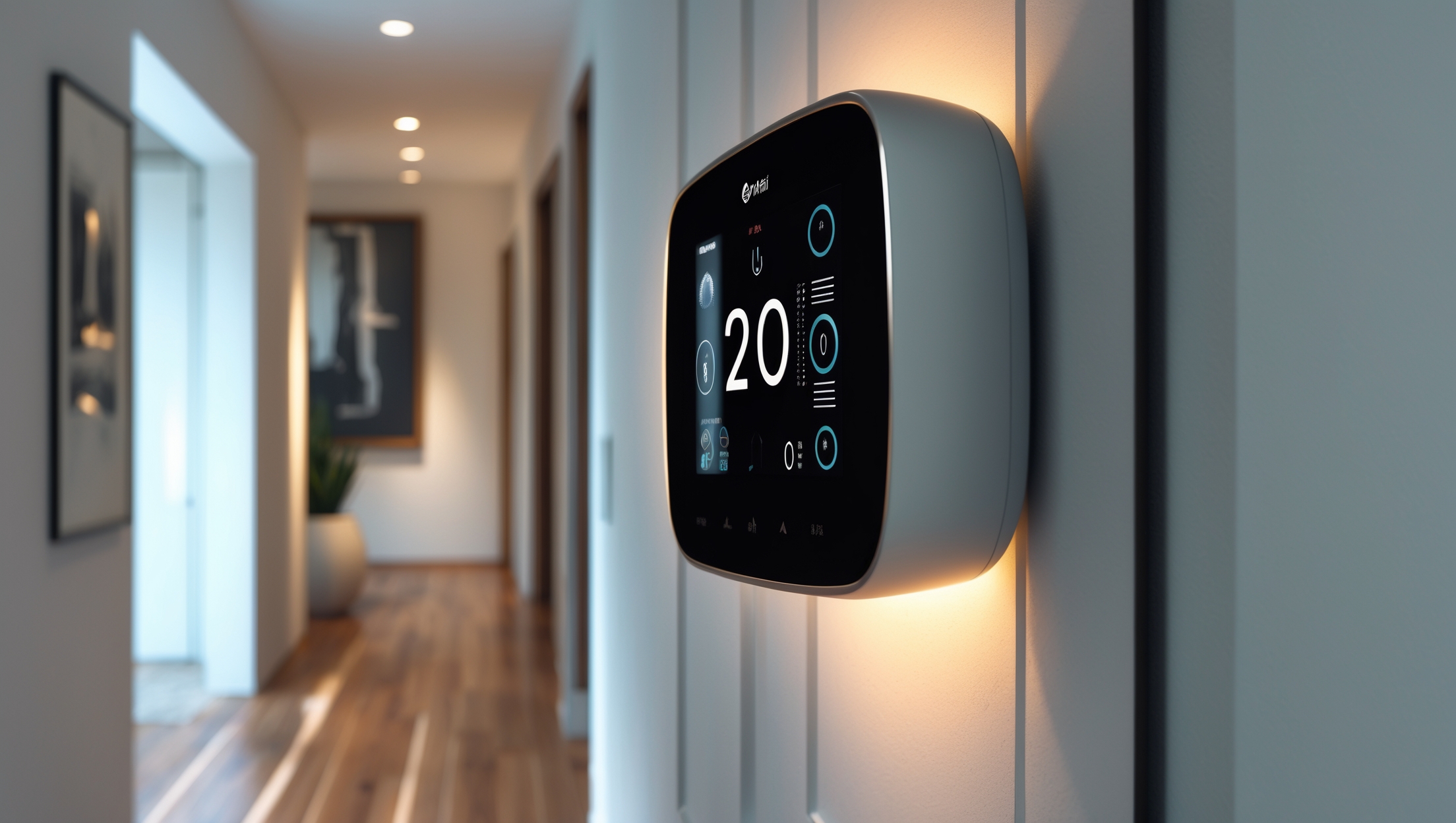
Introduction: Why Install a Smart Thermostat?
Smart thermostats have rapidly become one of the most valuable upgrades for homeowners seeking comfort, energy efficiency, and modern control over their living environment. Unlike traditional thermostats, smart thermostats offer programmable schedules, remote access via mobile apps, energy usage reports, and seamless integration with other smart home systems. Whether you’re aiming to reduce utility bills or simply want to adjust your home’s temperature from your phone, installing a smart thermostat can be a transformative improvement.
However, making the switch isn’t just about picking a device and mounting it on the wall. There are critical considerations: choosing a compatible model, understanding wiring requirements, setting a realistic budget, ensuring safety during installation, and following local electrical codes. This in-depth guide walks you through the process step-by-step. We’ll cover everything from pre-purchase planning and budgeting, to the essential tools and safety checks, to detailed installation instructions and initial setup. By the end, you’ll have the confidence to tackle this upgrade yourself or know when it’s time to call in a professional.
Understanding Smart Thermostat Benefits
Energy Efficiency
Smart thermostats can significantly reduce your energy consumption by learning your schedule, optimizing temperature settings, and adjusting automatically when you’re away. According to Energy Star, homeowners can save up to $180 annually on heating and cooling costs by making the switch.
Remote Control and Automation
Most smart thermostats allow you to control your home’s climate from anywhere with a smartphone or voice assistant. Features like geofencing can detect when you leave or approach your home, adjusting temperatures accordingly for maximum comfort and savings.
Data and Insights
Smart thermostats provide detailed energy usage reports, helping you spot trends and opportunities for further savings. Some even offer maintenance reminders, such as when it’s time to replace your HVAC filter.
Pre-Installation Considerations
Compatibility Check
Not all smart thermostats are compatible with every HVAC system. Before buying, determine what type of heating and cooling system you have (single-stage, multi-stage, heat pump, etc.), and check if it requires a C-wire (common wire) for power. Most modern systems are compatible, but older homes may need an adapter or professional rewiring.
Choosing the Right Model
- Features: Do you want voice control, learning algorithms, energy reports, or integration with other smart devices?
- Budget: Prices range from $70 to $300+, depending on features and brand.
- Brand Ecosystem: Consider compatibility with your existing smart home setup (Google Assistant, Amazon Alexa, Apple HomeKit, etc.).
Location Matters
Your thermostat should be installed on an interior wall, away from direct sunlight, drafts, doors, windows, and heat sources. The ideal height is about 5 feet above the floor for accurate temperature readings.
Budget Breakdown: What to Expect
Device Cost
- Entry-level models: $70–$120 (basic scheduling, app control)
- Mid-range models: $120–$200 (energy reports, geofencing, voice control)
- Premium models: $200–$300+ (learning capabilities, advanced sensors, extensive integrations)
Installation Costs
- DIY Installation: Typically free if you already own standard tools.
- Professional Installation: $100–$250, especially if wiring upgrades (like adding a C-wire) are required.
Additional Expenses
- C-wire Adapter: $15–$30 if your system lacks a C-wire.
- Optional Accessories: Wall plates, trim kits ($10–$30).
Potential Savings
Most homeowners recoup the upfront cost within 1–2 years via reduced energy bills, making smart thermostats a financially savvy investment.
Tools and Equipment Checklist
- Smart thermostat kit (including wall plate, screws, and wiring labels)
- Screwdriver set (Phillips and flat-head)
- Drill with bits (if new holes are needed)
- Wire stripper/cutter
- Voltage tester
- Level
- Smartphone or tablet (for configuration)
- Optional: Needle-nose pliers, wall anchors
Safety Essentials Before You Begin
- Power Off: Always turn off power to your HVAC system at the breaker before starting. Confirm with a voltage tester.
- Label Wires: Use the included stickers or take a photo to remember which wire goes where.
- Read the Manual: Each smart thermostat may have unique installation nuances.
- Check Local Codes: Some municipalities require permits for HVAC electrical work. Always verify before proceeding.
- Don’t Force Wires: If wiring is brittle or connections seem insecure, consult a licensed electrician.
Step-by-Step Smart Thermostat Installation
1. Remove the Old Thermostat
- Turn off power at the circuit breaker to your heating/cooling system.
- Remove the thermostat cover and take a clear photo of the wiring for reference.
- Label each wire according to its terminal (e.g., R, W, Y, G, C).
- Unscrew and gently pull the old thermostat away from the wall.
2. Assess and Prepare Wiring
- Check for a C-wire (usually blue or black). If missing, review the smart thermostat’s manual for solutions (like a power extender kit or C-wire adapter).
- Straighten and trim wire ends if needed for secure connections.
3. Install the Smart Thermostat Base
- Use a level to ensure the base is straight.
- Mark screw holes and use a drill if necessary. Insert wall anchors if mounting into drywall.
- Pull wires through the base plate, then secure the base to the wall.
4. Connect the Wires
- Insert each labeled wire into the corresponding terminal. Ensure a snug fit—loose connections can cause system malfunctions.
- Double-check connections before proceeding.
5. Mount the Thermostat
- Align the thermostat body with the base and snap or screw it into place according to the manufacturer’s instructions.
6. Restore Power and Configure
- Turn the breaker back on.
- The thermostat should power up. Follow on-screen prompts or app instructions to connect to Wi-Fi, set up your schedule, and integrate with smart home systems.
Initial Setup and Optimization
Wi-Fi and App Integration
Download the manufacturer’s app and connect the thermostat to your home Wi-Fi. This unlocks features like remote control, energy reports, and firmware updates.
Programming Schedules
Set up daily and weekly schedules according to your family’s routine. Most smart thermostats offer intuitive drag-and-drop interfaces for easy customization.
Smart Home Integration
Link your thermostat with voice assistants (Google Assistant, Amazon Alexa, Apple HomeKit) for hands-free control. Explore automation routines, like lowering the temperature when you leave home.
Firmware Updates
Enable automatic updates to ensure your thermostat receives the latest features and security patches.
Maintenance and Troubleshooting Best Practices
- Dust Regularly: Wipe the thermostat with a soft cloth to prevent dust buildup on sensors.
- Monitor Battery Levels: Some models use backup batteries; replace as needed to avoid power interruptions.
- Review Energy Reports: Use insights from your thermostat’s app to fine-tune schedules and save more energy.
- Check for Connectivity Issues: If the thermostat loses Wi-Fi connection, restart your router or refer to the manufacturer’s troubleshooting guide.
- Seasonal Adjustments: Revisit your heating/cooling schedules as seasons change for optimal comfort.
- Professional Servicing: If you experience persistent issues (no power, inaccurate readings, HVAC malfunctions), consult a licensed HVAC technician.
Compliance and Warranty Considerations
Permitting and Codes
While most municipalities don’t require a permit for simple thermostat swaps, installing new wiring or making HVAC modifications may trigger code requirements. Always check with your local building department before starting.
Manufacturer’s Warranty
Register your smart thermostat online to activate the warranty. Improper installation can void coverage, so follow the manual precisely or hire a certified installer if in doubt.
Insurance Implications
Most home insurance policies aren’t affected by a thermostat upgrade, but if the installation results in electrical damage or fire due to negligence, you could be liable. Always prioritize safety and compliance.
Smart Thermostat Myths Debunked
- Myth: “Smart thermostats only work in new homes.”
Fact: Most are compatible with existing HVAC systems; older homes may just need a C-wire adapter. - Myth: “They’re too complicated for DIY installation.”
Fact: With proper preparation and by following instructions, most homeowners can complete the installation in under an hour. - Myth: “Manual adjustment is more efficient.”
Fact: Automated schedules and learning features actually optimize energy use better than manual tweaks.
When to Call a Professional
- You’re unsure about the wiring or don’t have a C-wire and aren’t comfortable installing an adapter.
- Your HVAC system is complex or uses high-voltage wiring (common in electric baseboard systems).
- The system doesn’t power up after installation, or you notice error messages you can’t resolve.
- You’re not comfortable with electrical work or local codes require licensed installation.
When in doubt, a one-time installation fee is a small investment compared to the potential risks of improper wiring.
Conclusion: Enjoying the Benefits of a Smarter Home
Upgrading to a smart thermostat is one of the most impactful ways to modernize your home, enhance comfort, and make a meaningful dent in your energy expenses. With a clear understanding of compatibility, budgeting, and installation steps, most homeowners can confidently tackle this project with basic tools and a little preparation. Remember, safety is paramount—never rush wiring tasks, and don’t hesitate to call in a pro if you hit a snag.
Once installed, take full advantage of your new device’s features: customize schedules around your lifestyle, enable smart home integrations, and monitor energy usage to maximize savings. Over time, you’ll notice not just lower bills, but a more responsive and enjoyable living environment. As smart home technology continues to evolve, a smart thermostat is a foundational upgrade that positions your home for future innovations—whether that’s integrating with other devices or taking advantage of new energy-saving features as they roll out.
By following the detailed steps and practical advice in this guide, you’ll ensure a smooth, safe, and satisfying installation experience—one that will pay dividends in comfort, convenience, and cost savings for years to come.
Could you provide some advice on how to accurately budget for a smart thermostat upgrade? Besides the cost of the thermostat itself, are there common hidden expenses, like additional wiring or professional help, that homeowners should plan for?
When budgeting for a smart thermostat upgrade, remember to include more than just the price of the thermostat. You may need to purchase extra wiring, especially if your current system lacks a C-wire, which many smart thermostats require. Some homeowners also need to pay for professional installation if they’re uncomfortable with electrical work. In some cases, minor drywall or paint touch-ups may be needed after installation. It’s wise to set aside a little extra for these possible expenses.
The article mentions budgeting for installation—do you have any ballpark figures on how much homeowners should expect to spend if they decide to hire a professional instead of doing it themselves?
Homeowners typically spend between $100 and $250 for professional smart thermostat installation, depending on your location and the complexity of your existing wiring. Some electricians may charge a flat rate, while others bill hourly. It’s also worth considering that some smart thermostat manufacturers partner with installers who may offer package deals, so shop around for the best option.
The article talks about budgeting for both the device and any extra tools. Can you give an idea of what unexpected costs might come up during a typical DIY smart thermostat installation, like needing adapters or extra wiring?
During a DIY smart thermostat installation, unexpected costs can include purchasing a C-wire adapter if your existing system doesn’t have a common wire, which many smart thermostats require. You might also need extra wiring, wire nuts, or a new wall plate if your new thermostat doesn’t cover holes from the old one. Occasionally, upgrading your HVAC system’s compatibility or buying special tools like voltage testers can add to the budget.
Since smart thermostats work differently than traditional ones, is there a recommended way to check if my current wiring is compatible before I buy? Are there certain older HVAC systems that usually aren’t compatible, or do most models work with older setups?
You can check your current thermostat’s wiring by carefully removing the cover and noting the labeled wires connected to each terminal (like R, W, Y, G, C). Most smart thermostats need a C-wire (common wire), which some older systems lack. Generally, very old or high-voltage systems (like some baseboard heaters or millivolt systems) aren’t compatible with most smart thermostats. Manufacturers often provide online compatibility checkers—using these with your wiring details is a good next step before buying.
You mention budgeting as an important step before installation. Could you give a ballpark estimate for the total cost, including hidden expenses like tools or adapter kits that first-time installers might overlook?
For a smart thermostat installation, you can expect to spend $100 to $250 for the device itself. Additional costs might include adapter kits ($15–$40 if your wiring isn’t compatible), a screwdriver set or drill ($10–$30 if you don’t have these tools), and possibly wire labels ($5). Altogether, budgeting around $150 to $325 covers most scenarios for first-time installers, including those hidden extras.
The article mentions needing to follow local electrical codes during installation. Could you clarify how a homeowner can find out what specific codes might apply in their area before starting the project?
To find out which electrical codes apply in your area, start by checking your city or county government’s website, as they often post local building and electrical regulations. You can also call your local building department for guidance. In many places, the National Electrical Code (NEC) is followed, sometimes with local amendments. If you’re unsure, it’s a good idea to consult a licensed electrician to ensure compliance.
If I install the thermostat myself and run into an issue where the system won’t power on afterward, what troubleshooting steps do you recommend before calling in a professional?
If your system won’t power on after installing the thermostat, start by double-checking that all wiring connections are secure and correctly matched to the terminals. Make sure the circuit breaker for your HVAC system hasn’t tripped. Check if your furnace or air handler’s door is fully closed, as some systems have a safety switch. Also, verify that the thermostat’s batteries (if used) are fresh and properly installed. If these steps don’t resolve the issue, it may be time to consult a professional.
After installation, are there recommended first steps or calibration tips to make sure the smart thermostat is actually saving on energy bills right away, or does it need a learning period before adjustments make an impact?
After you install your smart thermostat, it’s helpful to set your preferred schedules and temperature ranges right away for maximum savings. Some models do benefit from a short learning period to fine-tune their efficiency, but you can still start saving by enabling energy-saving modes and reviewing recommended settings in the app. Regularly check and adjust based on your comfort and usage patterns for the best results.
I noticed you mentioned that wiring requirements are a key consideration with smart thermostats. If my current thermostat only has two wires, will I need extra wiring to make a smart thermostat work, or are there certain models that are designed for older systems?
If your current thermostat only has two wires, many smart thermostats will need a third wire, usually called a C-wire, for power. However, some models are designed for older systems and can work without a C-wire, often by including an adapter or using batteries. Before buying, check the manufacturer’s compatibility details or look for models labeled as suitable for two-wire setups.
You talked about smart thermostats learning your schedule for energy efficiency. Is there a difference in how well different brands or models actually figure out your habits, or are they all about the same in terms of smart features?
Different brands and models of smart thermostats do vary in how effectively they learn your habits and schedules. Some, like the Nest Learning Thermostat, use advanced algorithms and sensors to adapt quickly, while others might rely more on manual input or have fewer learning features. Higher-end models usually offer more precise scheduling and adaptive learning, so it can help to compare specific features and reviews if automatic learning is important to you.
If I run into problems during the installation or setup phase, such as the thermostat not powering on or connecting to Wi-Fi, does your guide offer troubleshooting advice or should I be ready to call in a professional at that point?
The guide does include troubleshooting tips for common issues like the thermostat not powering on or having Wi-Fi connection problems. You’ll find step-by-step advice to help diagnose and fix these issues yourself. However, if you encounter persistent problems or are uncomfortable with any of the steps, it’s a good idea to consult a professional for assistance.
The article mentions following local electrical codes when installing a smart thermostat. Can you specify what kinds of code requirements I should be aware of or where I might find out if permits are needed for a DIY installation?
Local electrical code requirements can include proper wiring methods, ensuring a dedicated circuit for your thermostat, and using approved junction boxes. You might also need to follow rules about wire labeling and securing connections. To find specific requirements or permit needs, check your city or county building department’s website or contact them directly. In some areas, permits are required even for low-voltage thermostat installations, so it’s best to confirm before starting.
The step-by-step guide talks about following local electrical codes for safety during installation. Is there a straightforward way for someone installing their first smart thermostat to check these codes, or should I always consult a professional?
Local electrical codes can vary by location, and they may not always be easy to find or interpret if you’re new to electrical work. For a first-time installation, it’s best to check your city or county building department’s website or give them a call for guidelines. If you’re unsure or feel uncomfortable, consulting a licensed electrician is the safest option to ensure compliance and avoid potential hazards.
When budgeting for a smart thermostat installation, what costs should I expect beyond just buying the device? Are there common hidden expenses like tools, adapters, or changes to the wiring that I should factor in as a small business owner upgrading my workspace?
Beyond the cost of the smart thermostat itself, you may need to budget for additional items like a C-wire adapter if your current system lacks a common wire, basic installation tools, mounting hardware, and possibly faceplate covers for a clean look. If your wiring is outdated or incompatible, you might need professional help, which adds labor costs. Also, setting up smart features could require Wi-Fi upgrades or integration with other systems, so be sure to consider those potential expenses.
Could you clarify what specific safety checks should be done before starting the installation process, especially regarding electrical wiring and turning off power? Are there any risks if you have an older HVAC system?
Before starting the installation, always turn off power to your HVAC system at the circuit breaker to avoid electric shock. Use a voltage tester to confirm no power is running to the thermostat wires. Check that all wiring is properly labeled before disconnecting anything. With older HVAC systems, risks include incompatible wiring or outdated components, so double-check compatibility and consider consulting a professional if your system has unusual wiring or lacks a C-wire.
When it comes to integrating the smart thermostat with other smart home systems, are there certain brands or models that work better together? I want to avoid buying something only to find out it won’t communicate with my other devices.
Compatibility is definitely important when integrating a smart thermostat with your existing smart home setup. Brands like Google Nest, ecobee, and Honeywell often work well with popular systems such as Google Home, Amazon Alexa, and Apple HomeKit. Before buying, check the product specifications for supported platforms and communication protocols like Wi-Fi, Zigbee, or Z-Wave. Also, consider if your current hub or app supports the thermostat model you’re interested in to ensure smooth integration.
You mentioned budgeting for the installation—aside from the cost of the thermostat itself, are there any hidden expenses I should expect, like unexpected tools, adapters, or possible electrician fees if I hit a snag?
Yes, besides the thermostat’s price, there can be extra costs. Sometimes you might need a C-wire adapter if your wiring isn’t compatible. You may also need basic tools like a voltage tester or drill. If your home’s wiring is older or complicated, hiring an electrician could add to the expense. It’s smart to budget a little extra for these possibilities.
When it comes to wiring requirements for different smart thermostat models, what should I look for if I have an older HVAC system? I want to avoid buying a thermostat that isn’t compatible, so any specific indicators or tips would be helpful.
For older HVAC systems, the main thing to check is whether there’s a C-wire (common wire), which many smart thermostats require for power. Some models can work without a C-wire or offer adapters, but not all do. Before purchasing, check your system’s wiring behind the thermostat and consult the thermostat’s compatibility guide. Look for models advertised as compatible with older systems or those that include a C-wire adapter in the box.
If I run into issues with my wiring or am unsure about following local electrical codes during installation, what are the signs I should stop and call a professional, and are there common mistakes DIYers make during this step?
If you notice confusing wiring, unexpected wire colors, loose or frayed wires, or if you’re unsure about shutting off the correct circuit breaker, it’s best to stop and call a professional. Common DIY mistakes include mislabeling wires when removing the old thermostat, skipping breaker shutdown, or incorrectly connecting wires, which can damage your HVAC system or create safety hazards. When in doubt, professional help ensures your installation is safe and compliant.
For someone with an older home, how can I figure out if my wiring is compatible with the newer smart thermostats before I buy one? The article mentions checking compatibility, but I’m not sure where to start.
To check if your older home’s wiring is compatible with a smart thermostat, remove your current thermostat’s cover and look for labeled wires, especially a ‘C’ (common) wire, which many smart thermostats require. Take a photo of the wiring for reference. Compare your setup with compatibility information on the smart thermostat packaging or manufacturer website. If unsure, consult a professional or use a compatibility checker offered by many thermostat brands.
The article mentions following local electrical codes when installing a smart thermostat. How can I easily find out what specific codes or permits might apply in my area before I start the installation?
To find out which electrical codes or permits apply in your area, start by checking your city or county government’s website for information on home electrical work. You can also call your local building or permitting office and ask about requirements for thermostat installations. If you’re part of a homeowners association, they may have additional guidelines. This way, you can be sure your installation meets local regulations before you begin.
I noticed the budgeting section was mentioned—could you give a ballpark estimate of installation costs if I decide to hire a professional instead of doing a DIY setup?
Hiring a professional to install a smart thermostat typically costs between $100 and $250, depending on your location, the complexity of your current wiring, and whether any upgrades are needed. Some installers may also charge a service call fee. It’s a good idea to get a few quotes from local HVAC or electrical professionals to compare prices.
The article mentions following local electrical codes during installation. How can I find out what specific codes or permits apply in my area before I start the project myself?
To find out which electrical codes or permits apply in your area, contact your local building department or city hall before starting the installation. They can tell you if a permit is required and provide details on relevant electrical codes. You can also check their official website for guidelines specific to your region. This helps ensure your installation is safe and compliant.
The guide covers budgeting, but I’m wondering what unexpected costs might pop up during installation. For example, if you discover outdated wiring or need an adapter, should you factor that into your initial budget?
Absolutely, it’s a good idea to include a buffer in your budget for unexpected costs. Common surprises include outdated wiring that may require updating, the need for a C-wire adapter if your system doesn’t have one, or even hiring an electrician if DIY installation isn’t possible. Factoring in an extra 10–20% over your base budget can help cover these possibilities and ensure you’re prepared.
I like the idea of the thermostat using geofencing and learning my schedule. Is there a way to disable those features if I just want to use it like a regular programmable thermostat sometimes?
Yes, most smart thermostats let you turn off geofencing and schedule-learning features. You can usually do this right from the thermostat’s app or settings menu. Once they’re disabled, you can use manual scheduling just like with a traditional programmable thermostat. If you need help finding the exact steps for your model, let me know which one you have.
How do I know if my current wiring setup at home is actually compatible with a smart thermostat before I buy one? The article mentions understanding wiring requirements, but I am not sure what to look for or which wires are essential.
To check compatibility, remove your current thermostat cover and look for labeled wires. Most smart thermostats need a C-wire (common wire) for power. Look for terminals marked C, R, Rc, Rh, W, or Y. If you see a C-wire, you’re likely compatible. If not, some models offer adapters, but installation might be trickier. Take a photo of your wiring and compare it with the requirements listed in the smart thermostat’s manual before purchasing.
I like the idea of controlling temperatures remotely and using geofencing features. Are those automation options available on most smart thermostats, or do only certain brands/models have them?
Remote temperature control is a standard feature on most smart thermostats, so you’ll find it widely available across many brands. Geofencing, which lets your thermostat adjust settings based on your phone’s location, is a bit less universal but is offered by popular brands like Ecobee, Nest, and Honeywell. Always check the feature list for the specific model you’re considering to be sure it supports both.
Could you give more details on what kind of safety checks or precautions should be taken before starting the installation process, especially for someone who isn’t experienced with electrical work? For example, are there situations where calling a professional would be better from the start?
Before starting, always turn off power to your thermostat at the circuit breaker and double-check with a voltage tester to ensure the wires are not live. Take clear photos of your old thermostat’s wiring for reference. Avoid proceeding if wires are frayed or if you notice unusual colors or labels not matching your new thermostat’s instructions. If your system involves high-voltage (usually labeled 110V or 240V), unclear wiring, or you feel unsure at any point, it’s safest to call a licensed electrician or HVAC professional.
I’m interested in the energy usage reports these thermostats provide. Are there any that make it especially easy to track our family’s usage on a weekly or monthly basis, or are those reports pretty standard across all brands?
Many smart thermostats do offer energy usage reports, but the detail and presentation can vary by brand. For example, Nest provides monthly Home Reports with easy-to-read graphs, while Ecobee offers more granular, week-by-week breakdowns within its app. Some brands focus on clear visuals and helpful tips, while others keep reports basic. If tracking your family’s usage is a priority, Ecobee and Nest are both known for user-friendly, detailed reporting features.
The article talks about budgeting for a smart thermostat installation. Besides the thermostat itself, what other costs should I prepare for? Do I need to budget for new wiring or tools if my house has an older HVAC system?
In addition to the cost of the thermostat, you may need to budget for new wiring, especially if your older HVAC system doesn’t have a C-wire (common wire) required by most smart thermostats. You might also need basic tools like screwdrivers, wire strippers, and a drill. If you’re not comfortable with electrical work, hiring a professional installer could add to your costs. It’s a good idea to account for these potential extras when planning your budget.
I’m interested in the remote access features described. Are there certain brands or models that stand out for seamless integration with voice assistants and existing smart home devices, or is compatibility generally standard across smart thermostats these days?
Compatibility can vary between brands. While most leading smart thermostats now support remote access and work with popular voice assistants like Alexa, Google Assistant, and Apple HomeKit, some models are better known for seamless integration. The Google Nest, ecobee, and Honeywell T9 are often highlighted for their strong smart home compatibility. It’s still a good idea to confirm the specific devices and platforms you want to use before purchasing, as some features or integrations may require additional hubs or setup steps.
Could you explain more about what homeowners should look for regarding wiring compatibility before purchasing a smart thermostat? I noticed you mentioned understanding wiring requirements, but I’m not sure how to determine if my existing system will support a new device.
Before buying a smart thermostat, check if your current system has a C-wire (common wire), as many smart thermostats require this for constant power. Remove your old thermostat’s cover and look for a wire connected to the terminal labeled ‘C.’ Also, note the labels of all connected wires, like R, W, Y, and G, and compare them to the compatibility lists provided by thermostat manufacturers. If you’re unsure, take a photo of your wiring setup and ask the thermostat brand’s support team or a licensed installer for guidance.
I’m trying to figure out a realistic budget for this project. Besides the cost of the smart thermostat itself, what other expenses should I account for, such as tools or possible professional installation if I run into issues?
In addition to the smart thermostat’s price, you should consider the cost of tools like a screwdriver, drill, voltage tester, and possibly wire labels. If your wiring is complex or you’re unsure about installation, hiring a professional can add $100 to $250 depending on your area. Also factor in small expenses like wall plates or extra wires if needed. Planning for these extras will help you set a realistic budget.
Could you elaborate on what specific wiring requirements I should be checking before buying a smart thermostat? I know some older homes don’t have a C-wire and I want to avoid running into issues halfway through installation.
Before purchasing a smart thermostat, check if your current thermostat setup includes a C-wire (common wire), as most smart models require it for continuous power. Remove your existing thermostat cover and look for a wire labeled ‘C’ connected to the terminal. If your system lacks a C-wire, consider models that work without one or look into power extender kits. Also, verify compatibility with your heating and cooling system type—some thermostats don’t support high-voltage or millivolt systems found in older homes.
If I follow the step-by-step guide and run into issues during the initial setup, are there common mistakes to watch out for or specific troubleshooting steps you recommend before calling in a professional?
Some common issues during smart thermostat setup include connecting wires to the wrong terminals, not turning off power before starting, or missing a C-wire. Double-check your wiring against the guide, make sure your HVAC system is compatible, and restart your thermostat if it doesn’t power up. If the display stays blank or you see error messages, check the circuit breaker and wiring connections again. If problems persist after these steps, consider reaching out to a professional.
I noticed the guide discusses remote access and integration with other smart home devices. Are there certain brands or models that work better for homes with multiple systems like security cameras or automated lighting, or is compatibility pretty standard across the board?
Compatibility can vary quite a bit among smart thermostat brands. Some, like Google Nest and Ecobee, are well-known for integrating smoothly with a wide range of smart home systems, including security cameras and lighting. Others may only work with specific platforms. It’s a good idea to check that your chosen thermostat supports the same ecosystem as your existing devices, such as Apple HomeKit, Amazon Alexa, or Google Home, to ensure everything works seamlessly together.
Could you clarify how to determine if an existing HVAC system is fully compatible with most smart thermostats, especially regarding wiring requirements or the presence of a C-wire?
To check if your HVAC system is compatible with smart thermostats, first remove your current thermostat cover and look for a wire labeled ‘C’ (common wire). Most smart thermostats need this C-wire for power. Also, note how many wires you have and their labels (such as R, W, Y, G). If you don’t see a C-wire, some thermostats offer adapters or workarounds, but having a C-wire is ideal for reliable operation.
Since safety and local electrical codes are highlighted in the guide, are there specific regulations homeowners should be aware of in certain states when replacing a traditional thermostat with a smart model? Any recommended resources to double-check code compliance before starting?
Electrical regulations around thermostat installation can differ by state and even by city. Some areas require a licensed electrician for any wiring work, while others allow homeowners to perform the installation themselves. It’s wise to check with your local building department for specific rules. The National Electrical Code (NEC) is a good general reference, but your local codes take priority. Utility company websites and your municipality’s building office are reliable resources to confirm compliance before starting your project.
You mentioned budgeting as an important consideration. Aside from the cost of the thermostat itself, what other expenses should I factor in, such as tools, materials, or potential professional installation fees?
In addition to the thermostat cost, you might need to budget for a few extra items. These can include tools like a screwdriver set, a voltage tester, or wire labels if you don’t already own them. Materials such as mounting plates or wire connectors may also be necessary depending on your existing setup. If you decide to hire a professional, installation fees can vary widely based on complexity, but it’s good to get a few quotes before deciding.
You mentioned budgeting for the installation—what’s a realistic estimate for a DIY project versus hiring a professional, including possible unexpected costs like new wiring or adjustments for older HVAC systems?
For a DIY smart thermostat installation, you can typically expect to spend around $100 to $300, depending on the thermostat model and any tools or materials you may need. Hiring a professional usually ranges from $200 to $500, but costs can rise if your home needs new wiring or modifications for older HVAC systems—unexpected expenses like these might add $50 to $200. It’s smart to set aside a small contingency fund for surprises.
You talk about essential safety checks during installation. What are the most common mistakes people make that lead to safety issues, and how can I avoid them if I’m trying to do this as a first-time DIYer?
Some of the most common mistakes that can cause safety issues include forgetting to turn off the power at the circuit breaker, mislabeling or mismatching wires, and not securing wire connections properly. Always double-check that power is off before touching any wires, label each wire as you disconnect them, and use the correct tools. If you’re unsure about any step, it’s safest to consult a professional.
Does the installation process you describe require shutting off power at any specific point, and are there particular electrical safety checks I should do before starting if my home’s wiring is older?
Yes, the installation process does require shutting off power to your thermostat at the circuit breaker before starting any work. This helps prevent accidental shocks. For older wiring, it’s important to check for damaged insulation, loose connections, or any exposed wires. If you notice anything unusual or are unsure about your wiring, it’s a good idea to have a licensed electrician inspect it before proceeding.
You mentioned budgeting for this upgrade—can you break down what exactly should be included in a realistic budget besides the cost of the thermostat itself? Are there often any surprise costs that pop up during DIY installation?
Besides the price of the thermostat, your budget should cover items like a new C-wire adapter if your system doesn’t have one, basic tools (screwdrivers, drill), mounting hardware, and possibly a trim plate. You might also need wire labels or electrical tape. Unexpected costs can include needing to hire an electrician if wiring is incompatible or discovering that your HVAC system needs repairs or upgrades to support the thermostat.
The article notes that smart thermostats integrate with other smart home systems. If my business already uses building automation for lighting and security, are there particular compatibility issues I should watch out for before choosing a thermostat model?
When integrating a smart thermostat with existing building automation systems for lighting and security, check that the thermostat supports the same communication protocols as your current setup, such as Zigbee, Z-Wave, or Wi-Fi. Also, look for platform compatibility with your building management software. Reviewing manufacturer documentation or consulting with your automation provider can help avoid compatibility issues and ensure a smooth installation.
You mention that it’s important to follow local electrical codes during the installation process. Could you clarify how a homeowner can find out which specific codes apply to their area and whether permits are usually required when replacing a regular thermostat with a smart one?
To find out which electrical codes apply, check with your city or county’s building or electrical inspection department—they can provide details on local requirements. Many areas consider thermostat replacement a minor project that doesn’t need a permit, but rules vary, so it’s best to confirm directly with your local authority. This ensures your installation is both safe and compliant.
You talked about budgeting for smart thermostat installation. Could you give some advice on how to factor in possible hidden costs, like needing new wiring or hiring an electrician, especially for businesses with older HVAC systems?
When budgeting for a smart thermostat in a business with an older HVAC system, it’s wise to set aside extra funds for unplanned expenses. Older wiring may not be compatible, so you might need new wires or adapters. Hiring a licensed electrician is sometimes necessary for safe installation, which can increase costs. Get a professional assessment before purchase to identify potential upgrades and build a 15–25% contingency into your budget for these hidden costs.
I saw that budgeting is covered in your guide, but could you give some insight into the typical price range for a full installation, including the cost of hiring a professional if the wiring is more complex than expected?
A full smart thermostat installation can typically cost between $150 and $400 for the device itself, depending on the model. If your wiring is complex and you hire a professional, installation fees usually range from $100 to $300. So, altogether, you might expect to spend anywhere from $250 to $700 for the full process, including both the thermostat and professional installation.
Could you elaborate on what specific wiring requirements I should be aware of before selecting a smart thermostat? I am concerned about compatibility with older homes that might not have updated electrical systems.
Before choosing a smart thermostat, check if your existing system has a C-wire (common wire), as many smart thermostats require it to provide continuous power. Older homes often lack this wire, which could limit compatibility. It’s also important to determine whether your system is low voltage (typically 24V, common for most homes) or high voltage (120V or more, found in some baseboard heaters). If you don’t have a C-wire, some thermostats offer adapter kits, or you may need professional installation.
If I want my smart thermostat to integrate smoothly with other smart home devices already in place, are there certain brands or features I should look out for to make sure everything works together?
For smooth integration with your existing smart home devices, check if the smart thermostat supports common platforms like Amazon Alexa, Google Assistant, or Apple HomeKit, depending on what you already use. Brands such as Ecobee and Nest are known for broad compatibility. Make sure your chosen thermostat and your other devices can connect through the same ecosystem or app to ensure everything works seamlessly together.
I’m a little confused about how to figure out if my current wiring is actually compatible with smart thermostats. Can you explain what to look for in my wiring before buying a specific model, especially if my house is older?
To check if your wiring is compatible, start by turning off power to your thermostat and removing its cover. Look for labeled wires—common labels are R, W, Y, G, and especially C (common wire). Many smart thermostats require a C wire for power, which older homes often lack. If you don’t see a C wire, check if there are any unused wires tucked behind. Some models offer solutions like power extenders if you’re missing the C wire. Always double-check the thermostat’s compatibility guide before buying.
Can you clarify what local electrical codes need to be checked when installing a smart thermostat? I want to make sure I handle the wiring correctly and avoid any violations before starting the project.
When installing a smart thermostat, local electrical codes often require that any work on wiring follows specific safety standards. This usually means turning off the power at the breaker, using the correct gauge wire, ensuring secure connections, and sometimes specific labeling or color codes for wires. You may also need to install a C-wire (common wire) for many smart thermostats. It’s wise to check with your local building department, as codes can vary by area, and permits may be needed for electrical work. If in doubt, consulting a licensed electrician is always a safe option.
I noticed the guide mentions following local electrical codes during installation. Could you clarify if there are specific codes or permits I should be aware of here in the US before starting, especially if I’m replacing an older thermostat myself?
In the US, replacing an existing thermostat usually falls under basic home maintenance and often doesn’t require a permit. However, it’s important to ensure your installation follows the National Electrical Code (NEC), especially regarding wiring connections and safety shutoff. Some cities or states may have additional requirements, so it’s a good idea to check with your local building department for any specific codes or permits needed before you begin.
I’m curious how accurate the budgeting advice in the guide is for an older home with outdated wiring. Do you have any tips for estimating additional costs if I end up needing an electrician to make my setup compatible?
For older homes with outdated wiring, the budgeting advice in the guide covers general scenarios, but costs can be higher if you need professional help. Electricians may charge extra for installing a C-wire or updating incompatible setups. I recommend getting a quote from a licensed electrician after an on-site assessment. Factor in both labor and any materials needed, and consider adding a 15-30% contingency to your estimated budget for unexpected issues common in older homes.
When figuring out the budget for a smart thermostat, does the initial cost usually include things like professional installation, or should I expect that as an extra expense? I’m trying to plan for all potential costs upfront.
The initial cost listed for smart thermostats usually covers just the device itself, not professional installation. If you don’t feel comfortable installing it yourself, you should budget extra for a professional installer. Installation fees can vary based on your location and system complexity, so it’s wise to get a quote in advance. Also, check if your home needs any wiring updates, as that could add to the total cost.
The guide talks about remote control and automation, but are there smart thermostats that work well even if my Wi-Fi sometimes cuts out or is unreliable? I’m curious what features would still work offline if I lose internet connection.
Yes, many smart thermostats can still control your home’s temperature and maintain basic schedules even if your Wi-Fi goes down. Manual adjustments using the device’s touchscreen or buttons will continue to work. However, features like remote control through your phone, voice assistant integration, or receiving updates will need an active internet connection. For maximum offline reliability, look for models that store schedules locally rather than relying only on the cloud.
When evaluating wiring requirements for different smart thermostat models, are there common challenging scenarios homeowners should be aware of, such as older homes with unconventional wiring setups? Any tips on what to look for before purchase to avoid compatibility issues?
Yes, older homes often have unique wiring challenges, such as missing common (C) wires or incompatible voltage systems. Before buying a smart thermostat, check your current thermostat wiring setup and look for a labeled C-wire. Make sure the model you choose is compatible with your home’s system (low voltage vs. high voltage). If your wiring is unclear or you’re missing a C-wire, consider models that offer power adapters or consult an electrician to avoid installation issues.
When considering wiring requirements for smart thermostats, what tips do you have for someone with an older HVAC system that might not have a C-wire? Does your guide cover alternative solutions like power extenders or using a professional in those cases?
If your older HVAC system doesn’t have a C-wire, don’t worry—our guide does touch on alternative solutions. You can use a power extender kit (often included with many smart thermostats) or consider professional installation if wiring seems complex. Some thermostats also offer battery-powered or adapter options. Always turn off power before working with wires, and if you’re unsure, consulting an expert is the safest choice.
The article says you can save up to $180 annually by switching to a smart thermostat. Is that estimate based on average usage, or does it depend on the size and insulation of your home?
The $180 annual savings estimate is based on average usage in a typical household, but actual savings can vary. Factors like the size of your home, how well it’s insulated, your local climate, and your heating and cooling habits all play a role in the final amount you save with a smart thermostat.
Could you elaborate on what homeowners should look for when determining if their current HVAC system is compatible with a smart thermostat? Are there specific wiring requirements or older systems that might pose issues?
When checking if your HVAC system is compatible with a smart thermostat, look for a C-wire (common wire) in your existing thermostat wiring, as most smart thermostats require it for power. Older systems, especially those before the 1980s or certain high-voltage (line-voltage) setups, may not be compatible. Also, confirm if your system is low-voltage (24V), as most smart thermostats are designed for these, not high-voltage systems. If you’re unsure, consult your system’s manual or a professional installer.
If I decide to do the installation myself, how much time should I realistically set aside for the whole process, including setup and any troubleshooting that might come up the first day?
You should plan to set aside about 2 to 3 hours for the entire installation, including setup and initial troubleshooting. If your wiring is straightforward and you follow the steps carefully, it can be quicker—around an hour or so. However, unexpected issues like incompatible wiring or Wi-Fi connection problems can add extra time. Setting aside a full afternoon ensures you won’t feel rushed.
You mentioned following local electrical codes for safety during installation. For a small business property, are there any extra safety steps or permits required compared to a regular home install?
For a small business property, there may be additional safety requirements or permits beyond what’s needed for a home install. Commercial codes can be stricter, often requiring a licensed electrician for installation, and you might need to get an electrical permit from your local municipality. It’s wise to check with your local building department and follow any business-specific safety procedures or inspections.
You highlighted budgeting as an important step. For someone doing this for the first time, are there any surprise costs that tend to come up during installation besides the thermostat and basic tools?
Yes, there can be a few unexpected costs. Many older homes lack a C-wire needed by most smart thermostats, so you might need to buy an adapter or hire an electrician. Sometimes, upgrading your HVAC or getting extra wiring accessories is necessary. Also, if you run into compatibility issues with your current system, professional help or parts could add to your expenses.
If I’m not very experienced with DIY projects, are there particular safety checks or steps from your guide that I should really not skip during installation?
Absolutely, there are a few steps you should never skip, especially if you’re new to DIY. Always turn off power to your HVAC system at the circuit breaker before starting any work to avoid electrical shock. Double-check wiring labels and use the appropriate tools to prevent mistakes. If your guide suggests confirming voltage with a tester or consulting your thermostat’s compatibility, make sure to do so. If anything feels unclear or unsafe, it’s best to call a professional.
I really like the idea of using geofencing and energy usage reports. Are there certain smart thermostat models that are particularly good at these features, or do most of them on the market now support that level of automation and reporting?
Many newer smart thermostats do offer geofencing and detailed energy usage reports, but the quality and depth of these features can vary. Popular models like the Google Nest Learning Thermostat and the ecobee SmartThermostat are especially known for strong geofencing and robust reporting capabilities. It’s a good idea to check product specs and user reviews, as some basic or budget models might have limited automation or less detailed reports.
You mentioned following local electrical codes during installation. Are there particular safety codes or permit requirements that homeowners should be aware of when replacing a standard thermostat with a smart one in the US?
When replacing a standard thermostat with a smart one in most parts of the US, a permit is usually not required since you’re working with low-voltage wiring. However, it’s important to ensure the power is turned off at the breaker before starting. Always use wiring that matches code, and double-check connections. Local codes may vary, so it’s wise to check with your city or county building department for any specific requirements in your area.
I see the article mentions following local electrical codes during installation. How can I find out what specific codes apply in my area before I start, and are there any common mistakes that homeowners make when dealing with these codes?
To find out which electrical codes apply, contact your local building department or check their website—they can provide the latest requirements for your area. Common mistakes homeowners make include not turning off the power at the breaker, using the wrong wire gauge, or failing to secure permits when required. Double-checking these details helps ensure a safe and code-compliant installation.
If I follow all the safety checks and install the smart thermostat myself, are there common issues people run into afterwards, like with app connectivity or integration with other smart home devices? What should I watch out for?
After a DIY smart thermostat installation, some common issues include trouble connecting the thermostat to your home’s Wi-Fi, difficulty syncing with the mobile app, and problems integrating with other smart home devices. Make sure your Wi-Fi signal is strong where the thermostat is installed, and that your app and devices are updated. Double-check compatibility with your other smart devices, and look out for any wiring errors or settings in the thermostat app that might need adjustment.
If my HVAC system is a bit older, are there specific compatibility issues I should watch out for before buying a smart thermostat? I want to make sure I choose a model that will actually work with my setup.
With older HVAC systems, compatibility is definitely something to keep in mind. Check if your current setup has a C-wire (common wire), as many smart thermostats require one for power. Also, determine if your system is low voltage (most smart thermostats support 24V systems) or line voltage, as this affects which models will work. Reviewing your system’s wiring and consulting the thermostat’s compatibility guide before purchasing can help you avoid surprises.
The article talks about budgeting for installation, but are there any hidden or unexpected costs I should watch out for, like needing a C-wire adapter or professional help for unusual wiring setups?
Yes, there can be some unexpected costs when installing a smart thermostat. A common one is needing a C-wire adapter if your current setup doesn’t provide enough power, which can add to your budget. Also, if your wiring is unusual or incompatible, you might need to hire a professional. Sometimes, older homes may require extra materials or electrical work, so it’s wise to check your wiring before purchasing the thermostat.
I noticed you mentioned following local electrical codes during installation. How do I figure out what the specific codes are in my area before I start, and are permits usually required for this kind of DIY thermostat upgrade?
To find your local electrical codes, you can check your city or county website or contact your local building department. They can tell you about any specific rules and whether a permit is needed for installing a thermostat. In many places, simple thermostat upgrades don’t require a permit, but rules can vary, so it’s best to confirm before you start.
I’m wondering how to figure out if my home’s existing wiring can support a smart thermostat before I even buy one. Are there certain signs to look for or should I call an electrician to check compatibility?
Before buying a smart thermostat, check if your current thermostat has a C-wire (common wire), as most smart models need it for constant power. Remove your thermostat cover and look for a wire labeled ‘C’ among the connections. If you don’t see one, or if the wiring seems unclear or outdated, it’s wise to call an electrician to assess compatibility and safety.
I noticed the article mentions following local electrical codes during installation. Is there a simple way for a beginner to figure out what those codes are, or should I reach out to a professional before starting the project?
Local electrical codes can sometimes be complex and vary by area, which makes them tricky to look up and interpret for beginners. While you might find some information online or through your city’s website, getting clear, reliable details isn’t always straightforward. If you’re unsure or if this is your first installation, it’s safest to consult a licensed electrician or your local building authority before starting. This helps ensure your installation is both safe and up to code.
I’m trying to estimate how much I should budget for a smart thermostat installation, including any extra costs for tools or wiring. Are there typical price ranges homeowners should expect beyond just the cost of the device itself?
Beyond the price of the smart thermostat, homeowners typically spend an additional $100 to $300 for professional installation, depending on complexity. If extra wiring or a C-wire adapter is needed, that may add $20 to $60 for parts. Basic tools like screwdrivers or a voltage tester can cost $10 to $30 if you don’t already have them. Altogether, budgeting an extra $150 to $400 above the device’s price is a good estimate for most situations.
If I follow all the safety and installation steps but my smart thermostat still doesn’t power on after wiring, what are the most common troubleshooting steps, and at what point should I call a licensed electrician?
If your smart thermostat isn’t powering on, double-check that the circuit breaker is on and that all wires are firmly connected to the correct terminals, especially the common (C) wire. Try resetting the thermostat by removing it from the base and reattaching it. If these steps don’t work, or if you notice loose wiring, a tripped breaker that won’t reset, or are unsure about electrical connections, it’s best to call a licensed electrician for safety.
If I already have a programmable thermostat, will switching to a smart thermostat still save me close to the $180 annually that Energy Star mentions, or is that mainly for people with older, manual thermostats?
The $180 annual savings estimate from Energy Star is based on switching from a manual thermostat, so if you’re already using a programmable thermostat and set it properly, your additional savings from a smart thermostat may be smaller. However, smart thermostats can still help you save more by automatically adjusting for your schedule and offering remote control, so you might see some extra efficiency gains, just not as dramatic as the full $180.
I noticed you mentioned setting a realistic budget for installing a smart thermostat. Could you provide a rough breakdown of potential costs, including any unexpected expenses that might come up during a DIY installation versus hiring a professional?
Certainly! The cost of a DIY smart thermostat installation typically ranges from $100 to $300 for the device itself. You might spend an extra $10–$30 on tools or materials, plus possible wiring adapters if your system is older. Unexpected expenses could include repairing incompatible wiring or upgrading your HVAC system. Hiring a professional usually costs $100–$250 for labor, but this often ensures compatibility and saves you troubleshooting time if issues arise.
When you mention budgeting for a smart thermostat installation, what are the main cost factors I should consider besides the upfront price of the device itself? For example, are there unexpected expenses with wiring or compatibility I should be aware of before starting?
Beyond the cost of the smart thermostat itself, consider potential expenses like professional installation if you’re not comfortable doing it yourself, upgrades to wiring (especially if your home lacks a C-wire), or purchasing an add-on power adapter. Also, check if your HVAC system is compatible—adapting older systems may require extra parts or labor. Don’t forget possible permit fees or the cost of patching drywall if modifications are needed.
Is there a rough estimate for how much I should budget for both the device and tools, assuming I want to do a safe, proper installation without professional help? I’d like to know upfront before diving in.
For a typical DIY smart thermostat installation, you can expect the thermostat itself to cost anywhere from $100 to $250, depending on the features and brand you choose. For basic tools like a screwdriver set, voltage tester, wire labels, and possibly a drill, budget around $30 to $50 if you don’t already own them. Altogether, planning for a total budget of $130 to $300 should cover both the device and essential tools for a safe, proper installation.
You mentioned setting a realistic budget for smart thermostat installation. Do most homeowners need to budget for extra parts or professional help if their current wiring doesn’t match up, or can most people handle it themselves with basic tools?
If your home’s wiring matches the smart thermostat’s requirements, most people can install it themselves with basic tools. However, older homes sometimes lack a C-wire or have incompatible wiring, which can require extra parts like adapters or even professional help. It’s wise to budget for possible extras or assistance, especially if your wiring setup is older or different from what’s shown in the thermostat instructions.
You talk about programmable schedules and energy usage reports. Can you explain how complicated the initial setup process is for customizing schedules and accessing those reports if I’m not very tech-savvy?
Customizing schedules and accessing energy reports on most smart thermostats is designed to be user-friendly, even if you’re not tech-savvy. During setup, you’ll typically be guided through simple prompts on the thermostat screen or app to set your preferred temperature times. Accessing energy reports usually involves just tapping a ‘Reports’ or ‘Usage’ section in the app. If you get stuck, most models include step-by-step instructions, and some even offer video tutorials. The process is straightforward and shouldn’t take more than 20–30 minutes.
You mention following local electrical codes for safety during installation. As someone who’s never done electrical work before, how do I find out what codes apply in my area, and are there any specific risks I should watch out for when removing the old thermostat?
To find out which electrical codes apply in your area, you can contact your local building department or check their website, as most have guidelines for homeowners. When removing your old thermostat, always switch off power at the circuit breaker first to avoid electric shock. Be cautious of exposed wires and take note of how the old wires are connected, ideally by labeling them or taking a photo for reference.
You mention energy savings of up to $180 a year with smart thermostats. Does that estimate apply to all climates in the US, or is it mainly for places with extreme temperatures? I live in a milder area and am wondering if the savings would still make the upgrade worthwhile.
The $180 annual savings figure is an average and tends to be higher in areas with extreme temperatures where heating and cooling costs are significant. In milder climates, your savings might be lower since your HVAC system runs less often. However, a smart thermostat can still help you reduce energy use by optimizing when and how your system operates, so it can still be a worthwhile upgrade.
Does installing a smart thermostat usually require any special wiring changes if my current setup is just a basic, non-programmable thermostat? I’m a bit concerned about compatibility and making sure I don’t run into wiring issues I can’t handle myself.
Many smart thermostats require a C-wire (common wire) for power, which basic non-programmable thermostats often lack. Before installing, check your existing wiring for a C-wire or see if your chosen thermostat offers workarounds, like a power extender kit. If you’re unsure about handling wiring changes or compatibility, consider consulting an electrician to ensure a safe and smooth installation.
You talked about budgeting for the installation. Besides the actual thermostat, what are some unexpected costs students might want to be prepared for? Are there any installation tools or additional wires that usually aren’t included in the package?
When budgeting, students should consider costs for additional wiring, especially if their system doesn’t have a common (C) wire, which is often needed for smart thermostats. You might also need a power drill, wire stripper, or wall anchors, which aren’t typically included in the thermostat package. In some cases, minor drywall repair supplies may be useful if the old thermostat was a different size.
I’m curious about the local electrical codes you referenced. Are there specific code requirements or inspections that homeowners in the US should be aware of when installing a smart thermostat themselves?
When installing a smart thermostat in the US, homeowners should be aware that local electrical codes may require all wiring connections to be up to code, including using the correct gauge and securing connections in junction boxes. Some areas also require permits or inspections for any electrical work, even for low-voltage devices like thermostats. It’s a good idea to check with your local building department to confirm specific requirements before you start your installation.
If my home’s HVAC system is a bit outdated, are there compatibility checks or extra steps I should take before choosing a smart thermostat to avoid wiring or setup issues?
Before picking a smart thermostat for an older HVAC system, check your system type (like whether it’s low-voltage or high-voltage) and see if you have a C-wire, as many smart thermostats require one. Review your current wiring and consult the compatibility lists provided by thermostat manufacturers. If you’re unsure, consider having a professional assess your setup to avoid wiring or setup problems.
I saw that smart thermostats can integrate with other smart home systems. Does this mean I need to already have a certain brand of smart devices for compatibility, or are most models pretty flexible no matter what I have at home?
Most smart thermostats are designed to be compatible with a wide range of smart home systems, not just a specific brand. However, some features may work best when devices are from the same ecosystem, like Google Home, Amazon Alexa, or Apple HomeKit. Before buying, check the thermostat’s compatibility list to make sure it will work smoothly with your current setup.
You mention following local electrical codes during installation—how can a homeowner check if any permits are needed in their area, or if DIY work might void their HVAC warranty? I’d like to avoid any compliance issues down the line.
To check if permits are required, contact your local building or permitting office—they can tell you what’s needed for thermostat installation in your area. For warranty concerns, review your HVAC system’s warranty documents or call the manufacturer to ask if DIY work could void coverage. Taking these steps before starting helps ensure you stay compliant and keep your warranty intact.
I saw you referred to budgeting for the upgrade—does your guide include advice on estimating hidden or unexpected costs, like needing a new C-wire or electrical box modifications?
Yes, the guide covers common hidden or unexpected costs you might encounter when installing a smart thermostat. It discusses possible expenses like adding a new C-wire, upgrading your electrical box, or hiring a professional if your wiring is outdated. There are also tips on how to assess your current setup in advance, so you can budget more accurately before you start the project.
When budgeting for a smart thermostat, does the guide recommend including costs for tools and wiring adapters, or is it usually just the price of the thermostat itself? I’d like to get a realistic idea of the full out-of-pocket expense before starting.
The guide recommends budgeting for more than just the thermostat itself. It suggests considering the cost of any necessary tools, wiring adapters, or additional equipment that might be needed for installation. This way, you can prepare for the full out-of-pocket expense and avoid unexpected costs once you start the project.
With all the benefits like remote access and energy reports, I’m curious how difficult the initial programming and setup are after physical installation. Are there steps where beginners tend to get stuck, or things to watch out for during the setup process?
The initial programming and setup after installing a smart thermostat are usually straightforward thanks to guided apps, but beginners sometimes get tripped up connecting the device to Wi-Fi or integrating with other smart home systems. Make sure you have your Wi-Fi password ready, follow the app prompts, and double-check compatibility with your HVAC system. If you hit a snag, most brands offer detailed troubleshooting help in their manuals or apps.
I’m curious about the step-by-step budgeting part of the installation process. Do you have any suggestions for estimating costs beyond just the thermostat itself, like wiring tools or possible professional fees if I run into issues with local electrical codes?
When budgeting for a smart thermostat installation, it’s wise to include extra costs like wiring adapters, screwdrivers, voltage testers, and possibly a new C-wire kit if your setup needs it. Set aside funds for materials—around $20–$50 for basic tools. If you’re unsure about electrical codes or wiring, consider the cost of hiring a licensed electrician, which can range from $100 to $300 depending on complexity and local rates.
You mentioned making sure the smart thermostat is compatible before buying, but I’m not sure how to tell if my home’s current wiring will work. Are there specific types of wiring or older systems that people should watch out for before starting installation?
Absolutely, checking compatibility is important. Most smart thermostats work with low-voltage (24V) systems, which usually have thin, colored wires labeled with letters like R, W, Y, G, and C. If your system uses thick wires connected by wire nuts or controls electric baseboard heaters, it’s likely a high-voltage system and may not be compatible. Older homes might also lack a C (common) wire, which some smart thermostats require. If you’re unsure, take a photo of your wiring and check it against the thermostat manufacturer’s guidelines before buying.
I’m curious about the remote access features. Once the smart thermostat is installed, are there specific apps you need to download, and do they work with both iPhones and Android devices? Or does it depend on the thermostat brand?
The specific app you’ll need for remote access depends on the brand of smart thermostat you install. Most major brands, like Nest, ecobee, or Honeywell, have their own dedicated apps, which are usually available for both iPhones and Android devices. Before purchasing, it’s a good idea to check app compatibility with your phone’s operating system to ensure smooth remote control.
I saw that smart thermostats can provide energy usage reports and help with savings. How long does it usually take to notice a difference in utility bills after switching from a traditional thermostat, and are the savings consistent year-round?
You can typically notice a difference in your utility bills within the first one to two billing cycles after installing a smart thermostat, especially if you use its energy-saving features. However, the amount saved may not be exactly the same each month. Savings often vary with seasonal changes—higher during months when heating or cooling is used more, and lower during milder weather.
Could you provide more information on how to identify whether my current home wiring is compatible with most smart thermostats? I’m particularly concerned about older homes and want to understand what to look for before purchasing a device.
To check if your home’s wiring is compatible with most smart thermostats, start by removing your current thermostat faceplate and looking for the wires connected to the terminals. Most smart thermostats require a C-wire (common wire) for power. In older homes, this wire may be missing. Look for labeled wires such as R, W, Y, G, and especially C. If you don’t see a C-wire, you may need to use an adapter or consult an electrician. Always turn off power before inspecting wiring.
After installing a smart thermostat and setting up schedules, how soon did you start noticing significant energy savings? Is there any learning curve before the thermostat optimizes itself, or do most people see results right away?
You’ll typically start noticing some energy savings within the first billing cycle after installing and scheduling your smart thermostat, especially if your old system wasn’t programmed efficiently. Most smart thermostats do have a short learning period—usually a week or two—where they analyze your routines and adjust for better optimization. The more consistently you use the scheduling and adjust settings, the quicker and more noticeable the savings become.
If my current thermostat doesn’t have a C-wire, how challenging is it to add one myself and is that usually something you’d recommend a homeowner attempt or should I hire an electrician for that step?
Adding a C-wire can range from simple to quite complex, depending on your HVAC setup and comfort level with electrical work. If your wiring is accessible and you feel confident, some smart thermostat kits include adapters or instructions to add a C-wire. However, if you’re unsure or your system is hard to access, hiring an electrician is safer and helps avoid possible damage to your HVAC system.
I see you mention geofencing as a feature some smart thermostats have. Are there specific brands or models that work best with this technology, especially if multiple people in the household have smartphones?
Geofencing is a handy feature for households with multiple smartphones, as it can adjust your thermostat settings based on everyone’s location. Brands like Ecobee and Nest are well-known for their reliable geofencing capabilities and allow multiple users to be linked to the same account. Honeywell’s smart thermostats also offer multi-user geofencing. Make sure everyone in the household installs the app and enables location permissions for the best results.
You mention following local electrical codes during installation—could you elaborate on what specific codes or regulations a homeowner should be aware of before starting this project?
Before installing a smart thermostat, homeowners should check their area’s electrical code regarding low-voltage wiring, especially for HVAC systems. Common regulations include turning off power at the breaker, using approved wire connectors, ensuring proper wire labeling, and avoiding exposed wiring. Some jurisdictions may require permits or inspections for new installations. It’s best to consult your local building department or a licensed electrician to clarify the specific requirements in your area.
I’m on a tight budget and saw the section about setting a realistic budget for the project. Are there any hidden costs besides the thermostat itself, like tools or compatibility adapters, that a first-timer should plan for?
Yes, there can be a few extra costs beyond just buying the thermostat. You might need basic tools like a screwdriver, drill, or wire labels if you don’t already have them. Some older heating or cooling systems require compatibility adapters or a C-wire adapter, which can add to the cost. Double-check your current thermostat wiring to see if extra hardware is needed before starting.
I noticed you talked about budgeting for the thermostat itself, but are there any additional costs I should expect, like needing special tools or unexpected parts during the installation process for older homes?
Yes, there can be extra costs beyond just the thermostat, especially in older homes. You might need special tools like a voltage tester or a drill. Sometimes, older wiring may require an adapter, a C-wire kit, or electrical upgrades. It’s wise to budget a bit extra for unexpected parts or minor professional help if wiring isn’t compatible.
I’m curious about the wiring requirements mentioned here. If my house is older and I’m not sure about the existing wiring, how can I determine if it’s compatible with most smart thermostats, or will I likely need to do an electrical upgrade first?
If your house is older, the main wiring concern is often the presence of a C-wire (common wire), which many smart thermostats need for power. Remove your current thermostat cover and look for a wire labeled ‘C’ or consult your system’s wiring diagram. If you don’t see a C-wire, you might need an adapter or professional installation to upgrade your wiring before installing a smart thermostat.
I saw you mentioned budgeting for the installation. Could you give a rough estimate of not just the device cost, but also the typical extra expenses for tools, wiring adapters, or professional help if I hit a snag during setup?
For a smart thermostat, the device itself usually ranges from $100 to $250. If you need extra tools like screwdrivers, a drill, or a voltage tester, budget around $20 to $50 more. Wiring adapters, if required, might add another $15 to $30. Should you need professional installation help, costs typically run from $100 to $200 depending on your location and setup complexity.
You mentioned following local electrical codes for safety during installation. If someone isn’t sure about those codes, what are the best resources or steps to double-check they’re doing it legally and safely?
If you’re unsure about local electrical codes, it’s a good idea to check with your city or county’s building department—they often have guidelines or can answer specific questions. You can also consult your utility provider or look for official resources online from your local government. If in doubt, hiring a licensed electrician ensures compliance and safety.
Could you elaborate a bit more on how to determine if my current HVAC system is compatible with popular smart thermostat models? I have a heat pump setup and I’m worried about wiring issues cropping up during installation.
To check compatibility, first identify your thermostat wiring by removing the cover and noting the labeled wires—specifically look for labels like O/B, AUX, or EM, which are common in heat pump systems. Most smart thermostats list compatible wiring on their websites or in manuals. Double-check if you have a C wire (common wire), as many smart models require one for power. If you’re unsure, take a clear photo of your wiring and consult the smart thermostat brand’s compatibility tool or support team before purchasing.
You mentioned following local electrical codes during installation. Is there a way to easily check if my DIY installation meets those codes, or should I get a professional to inspect it afterwards just to be safe?
Local electrical codes can vary, and they often include details that can be easy to miss if you’re not familiar with them. While some municipalities provide online guides or checklists, these may not cover every specific requirement in your area. Having a licensed professional inspect your installation after you’re done is the safest way to ensure everything is up to code and working correctly, especially if you aren’t familiar with electrical standards.
If I set up my smart thermostat and notice my heating or cooling system isn’t responding correctly, what troubleshooting steps would you recommend before calling a professional? Are there specific settings or wiring checks to try first?
If your system isn’t responding after installing the smart thermostat, first double-check that all wires are securely connected to the correct terminals based on your thermostat’s instructions. Make sure your HVAC system’s power switch or breaker is on. Also, check that you selected the right system type in the thermostat settings, such as heat or cool. If the thermostat has batteries, ensure they’re fresh. Often, a simple wiring adjustment or setting correction fixes the issue before you need a professional.
I noticed you mentioned following local electrical codes during installation. How can someone find out what codes apply in their area, and are there major differences between states when it comes to installing smart thermostats?
To find out which electrical codes apply in your area, you can check your local government or municipality website, or contact your city or county building department. Major codes like the National Electrical Code (NEC) are often followed throughout the US, but states and even cities can have their own additional rules. Some areas require permits or inspections for thermostat installation, while others don’t, so it’s important to verify before starting your project.
If a smart thermostat is installed and the heating or cooling system doesn’t seem to respond right away, what are some initial troubleshooting steps a non-technical business owner could try before calling in an HVAC professional?
If your heating or cooling system isn’t responding after installing the smart thermostat, try these steps: First, double-check that the thermostat is snapped in securely and powered on. Make sure the system’s circuit breaker hasn’t tripped. Confirm that the thermostat’s settings are correct and that it’s set to heat or cool as needed. Also, check for any error messages on the thermostat display. Sometimes, it can take a few minutes for the system to respond after adjusting settings.
I noticed the article references local electrical codes during installation. Is there a particular step where I need to be especially careful to follow these codes, or do you have any tips for homeowners to ensure they don’t accidentally violate them?
Pay extra attention when you’re wiring the thermostat and connecting it to your home’s electrical system—this is where most code violations can happen. Be sure to turn off power at the circuit breaker before starting, use only approved wire connectors, and double-check that your wiring matches local code requirements. If you’re unsure, contacting your local building department or a licensed electrician is always a good idea.
You talked about following local electrical codes and ensuring safety during installation. For a student renter, do you have any advice on getting landlord approval or tips for installing a smart thermostat without making permanent changes?
If you’re renting, it’s important to ask your landlord for permission before installing a smart thermostat, since it may require changes like rewiring or removing the old thermostat. Explain the benefits, such as energy savings, and offer to switch everything back when you move out. Look for models that don’t require drilling or permanent modifications—some smart thermostats are designed to be renter-friendly and easy to remove.
If my current HVAC system is a bit older, will I likely run into compatibility issues when replacing the old thermostat with a smart one? The guide talks about wiring requirements—can you clarify what common problems might come up during installation in older buildings?
With older HVAC systems, compatibility issues can sometimes arise when installing a smart thermostat. The most common problem is the lack of a C-wire, which many smart thermostats need for power. Older wiring may also have different color codes or fewer wires overall. You might also encounter incompatible voltage types or outdated control boards. It’s a good idea to check your system’s wiring and see if there’s a C-wire, or consider using an adapter if needed. Always turn off power before handling wires and consult your smart thermostat’s compatibility guide.
After the initial setup, how long does it typically take for the smart thermostat to learn your habits and start optimizing energy use automatically? Is there anything users can do to speed up or improve this learning process?
Most smart thermostats take about one to two weeks to learn your routines and start optimizing energy use efficiently. To help speed up this process, make sure to manually adjust the temperature as you go about your daily schedule, so the thermostat can quickly recognize your preferences. Consistently using the companion app to set schedules and providing feedback—such as confirming away modes or adjusting settings—also helps the thermostat adapt more accurately.
You mention the importance of ensuring compatibility between your HVAC system and the smart thermostat before installation. Are there common models or types of HVAC systems that usually face compatibility issues with newer smart thermostats?
Yes, some HVAC systems tend to have compatibility issues with smart thermostats. High-voltage (line voltage) systems, such as electric baseboard heaters, often don’t work with most smart thermostats designed for low-voltage systems. Older systems without a C-wire (common wire) can also pose challenges, as many smart thermostats need this wire for power. It’s best to check your system type and wiring before purchasing a smart thermostat.
When you talk about ensuring safety and following local electrical codes during installation, are there any common mistakes that first-timers make that I should watch out for? Also, is it usually necessary to shut off power at the main breaker or just at the thermostat circuit?
A frequent mistake is not fully shutting off power—it’s safest to turn off power at the main breaker, not just the thermostat circuit, since older homes might have mislabeled panels. Another common error is miswiring the thermostat, which can damage your HVAC system. Always double-check wire labels and secure connections. Finally, skipping the step of checking local electrical codes or permits can lead to issues later, so be sure to look those up before you start.
You mentioned budgeting for the installation—are there any hidden costs besides the thermostat itself and maybe some basic tools? I want to avoid being surprised by extra expenses once I get started.
Besides the thermostat and basic tools, you might face some extra costs depending on your home’s wiring and setup. Common hidden expenses include purchasing a C-wire adapter if your existing wiring doesn’t support the new thermostat, hiring an electrician if electrical work is needed, or needing wall repair materials if the new device doesn’t cover old holes. Checking your wiring before buying can help minimize surprises.
I’m curious about the safety checks during installation you mentioned. Are there specific electrical codes or common mistakes to watch out for, especially in older homes with non-standard wiring setups?
When installing a smart thermostat, especially in older homes, it’s important to turn off power at the breaker before starting any work. Watch for non-standard wiring, such as missing common (C) wires or mislabeled wires. Adhering to local electrical codes is essential—these can vary, but generally require secure wire connections, proper insulation, and correct labeling. If you see cloth-wrapped or brittle wires, or if colors don’t match standard thermostat diagrams, it’s safest to consult a licensed electrician.
After installation, does the initial setup with the app and integrating with voice assistants take a lot of time, or is it usually pretty straightforward? I’m new to smart home devices and want to know if there’s a steep learning curve.
Setting up the smart thermostat with the app and connecting it to voice assistants is usually a straightforward process. Most apps guide you step by step—from connecting to WiFi to pairing with voice assistants like Alexa or Google Assistant. For someone new to smart home devices, it might take about 15 to 30 minutes, and instructions are typically clear and user-friendly, so there’s no steep learning curve.
If I follow all the safety checks and still run into issues after installation—like the thermostat not powering on—what troubleshooting steps would you recommend before I consider calling a professional?
If your smart thermostat isn’t powering on after installation, first double-check that the circuit breaker is on and that the thermostat is properly seated on its base. Make sure the wiring connections are secure and matched to the correct terminals. If your system requires a C-wire (common wire) for power, ensure it’s connected. You can also try restarting your HVAC system. If none of these steps help, it may be time to consult a professional.
You mention budgeting as a key step and reference potential energy savings. Could you give more detail on the typical upfront costs for both the device itself and any installation tools or materials a small business owner like me should plan for?
For a small business, smart thermostat devices typically range from $100 to $300 each, depending on features and brand. If you’re installing multiple units, multiply accordingly. Installation tools and materials—such as screwdrivers, voltage testers, wire labels, and mounting hardware—might add another $20 to $50 if you don’t already have them. If you hire a professional, expect installation fees between $100 and $250 per unit. Factoring everything in, budget about $250 to $600 per thermostat for a complete DIY installation, or $350 to $750 with professional help.
Does installing a smart thermostat require turning off the power to the whole house, or just to the HVAC system? I’m worried about safety since I’ve never worked with electrical wiring before.
You only need to turn off the power to your HVAC system, not the entire house. Locate your circuit breaker panel and switch off the breaker labeled for your furnace or air conditioning unit. This ensures you won’t have live wires at the thermostat. If you’re new to electrical work, double-check that the system is truly off, and don’t hesitate to contact a professional if you feel unsure.
If I’m renting my home, are there specific safety or installation concerns I should be aware of before installing a smart thermostat, especially if I might have to remove it later? I don’t want to violate any lease terms or damage the wiring.
If you’re renting, check your lease and get your landlord’s approval before installing a smart thermostat. Some leases restrict electrical modifications. Use the existing wiring without altering or damaging it, and keep all original parts so you can reinstall the old thermostat when you move out. Avoid cutting walls or making permanent changes. Document the process for easy reversal at the end of your lease.
If a smart thermostat provides energy usage reports, do you have any advice on how to use that data to make further adjustments for savings, and are there particular features you’d recommend looking for when choosing a model for a small office?
Energy usage reports from your smart thermostat can highlight patterns, like peak hours or rooms that use more heating or cooling. You can use this information to adjust schedules, lower temperatures when the office is empty, or seal drafty areas. For a small office, look for features like remote access, occupancy sensors, and detailed reporting. Models that support multiple zones or have learning capabilities can also help optimize comfort and savings.
You mentioned energy savings of up to $180 per year—does that estimate depend on a particular brand or model, or is it fairly consistent across most smart thermostats?
The $180 per year energy savings is a general estimate based on average usage and may vary depending on your home, climate, and habits. While most reputable smart thermostats offer similar savings potential, actual results can differ slightly by brand and model due to features like adaptive learning, remote sensors, and scheduling options. Choosing a model that fits your lifestyle will help maximize your savings.
When you mention following local electrical codes during installation, does that mean I need a permit or should I check with my city before starting? I want to avoid any trouble down the line if I do this myself.
Yes, it’s a good idea to check with your city or local building department before starting your smart thermostat installation. Some areas require a permit for electrical work, even for DIY projects, while others don’t. Verifying the requirements ensures your installation is both legal and safe, and helps you avoid issues if you ever sell your home.
You mentioned the importance of following local electrical codes during smart thermostat installation. How would I find out what specific codes apply in my area, and do you recommend calling an inspector before starting?
To find out which electrical codes apply in your area, you can contact your local building or permitting office—they’re usually the best resource for current regulations. Some areas also publish codes online. It’s a good idea to reach out to your local inspector or permitting authority before starting, especially if you’re unsure or if permits are required for electrical work in your location.
What specific safety checks should I do before starting the installation process? I’m comfortable turning off power at the breaker, but are there other safety steps first-timers often overlook when working with thermostat wiring?
Before you start, double-check that the power is off by using a non-contact voltage tester on the thermostat wires—sometimes circuits are mislabeled. Take a clear photo of the existing wiring for reference in case you need to reinstall it later. Also, make sure your hands are dry and that the workspace is free from water or dampness. Avoid letting any bare wires touch each other or metal surfaces to prevent accidental shorts.
I saw that smart thermostats can help save up to $180 a year according to Energy Star, but how long does it usually take to recoup the cost of the device and installation? Are there certain brands that offer better value for college students on a tight budget?
The payback period for a smart thermostat typically ranges from 1 to 3 years, depending on your energy usage and the cost of the device plus installation. For college students on a budget, brands like Wyze and Amazon offer reliable, affordable models that often retail well under $100 and still provide good energy-saving features.
You mention budgeting for the installation process—could you give a rough idea of potential extra costs, like new wiring or adapters, that homeowners might encounter beyond just the price of the thermostat itself?
Beyond the thermostat’s price, homeowners might face extra costs such as $50–$200 for new wiring if your current setup lacks a C-wire, and $15–$40 for a compatible wall plate or adapter. Professional installation could add $100–$250, depending on complexity. Unexpected electrical issues or upgrading to a newer HVAC system may also increase your budget, so it’s wise to allow for some flexibility.
The article mentions potential savings of up to $180 a year from switching to a smart thermostat. Do those savings typically offset the upfront cost pretty quickly, or should I expect it to take several years before I break even?
Most smart thermostats cost between $100 and $250, so if you save around $180 per year as mentioned, you could recoup your investment in one to two years. After that, the savings go straight to your pocket. The exact timeframe can vary based on your home’s energy use and the specific model, but most users do see the upfront cost paid off fairly quickly.
I have a pretty packed schedule and was wondering how much time I should realistically set aside to install a smart thermostat, considering the wiring checks and setup you mentioned in the guide.
For most installations, you should plan to set aside about 1 to 2 hours. This includes turning off the power, checking your existing wiring, mounting the thermostat, connecting wires, and then going through the setup process. If your wiring is straightforward and you’re comfortable with basic tools, you might finish faster. Allow a bit of extra time if this is your first installation or if your current system is complex.
I’m interested in the energy reports these thermostats offer. Are there particular brands or models that give more detailed insights, especially for tracking energy usage over time?
Several smart thermostat brands offer detailed energy reports, but models from ecobee and Nest are especially known for their in-depth insights. Ecobee provides monthly and daily usage breakdowns, plus tips to optimize efficiency. Nest’s Energy History shows daily and hourly data, letting you see how adjustments affect usage over time. Both let you track patterns, but ecobee’s reporting is a bit more granular if you want detailed analytics.
You mention budgeting as part of the installation process. Could you give a ballpark range for the total cost, including possible extra tools or materials, and maybe how much I’d save if I did some steps myself versus hiring a pro?
For most smart thermostat installations, the total cost typically falls between $120 and $350. This includes the thermostat itself, basic tools, and any extra materials like wire adapters or mounting plates. If you hire a professional, expect to add $100 to $200 for labor. By handling the installation yourself, you can save that labor cost, but make sure you’re comfortable with electrical work and your home’s wiring setup before proceeding.
The step-by-step guide sounds useful, but how long does the installation usually take for someone who has never worked with wiring before? I want to make sure I set aside enough time and don’t rush the safety checks you talked about.
For someone new to wiring, installing a smart thermostat typically takes about 2 to 3 hours. This includes time to carefully follow each step, double-check wiring connections, and complete important safety checks. It’s smart not to rush—give yourself extra time in case you need to consult the manual or troubleshoot any issues along the way.
You talk about budgeting for a smart thermostat upgrade. Can you break down some of the hidden costs people might not anticipate, like extra wiring or compatibility issues with older HVAC systems?
Certainly! Hidden costs can include hiring a professional if your wiring is outdated or if you lack a C-wire (common wire) for power. Some older HVAC systems may require an additional adapter or relay, which adds to the total price. Also, trim plates or mounting hardware might be needed if your new thermostat is smaller than your old one. It’s wise to check compatibility with your HVAC system before purchasing to avoid unexpected expenses.
I understand the potential energy savings, but I’m worried about the upfront costs and possible hidden expenses. Could you break down the average total budget a business like mine should set aside, including installation and any extra wiring or smart home integration fees?
For a business, the average budget for smart thermostat installation typically ranges from $350 to $800 per unit. This includes the price of the thermostat ($120–$300), professional installation ($100–$250), and potential extra fees if new wiring or C-wire adapters are needed ($50–$150). If you plan to integrate with existing smart building systems, allow an extra $50–$200 for setup. Always confirm with installers to avoid surprise charges.
Since the guide says energy savings can reach up to $180 a year with a smart thermostat, does that depend on the brand or model, or do most of them offer similar savings? Are there specific features I should prioritize to maximize those savings?
The potential savings of up to $180 a year do depend somewhat on the brand and model, but most Energy Star certified smart thermostats deliver similar results when used correctly. To maximize savings, look for features like learning capabilities, advanced scheduling, occupancy sensors, and geofencing. Compatibility with your HVAC system and remote access via smartphone apps are also useful for optimizing energy use.
Once the smart thermostat is installed, how long does it usually take for the system to start learning my schedule and optimizing energy use? Are there any common mistakes to avoid during the initial setup phase that could affect its performance?
Most smart thermostats start learning your schedule within a few days and can optimize energy use effectively within one to two weeks, depending on your routines. During the initial setup, be sure to correctly enter your typical schedule, select the right heating and cooling modes, and connect the device to Wi-Fi. Skipping firmware updates or placing the thermostat in a drafty or direct sunlight location can also affect its performance.
You mention integrating the smart thermostat with other smart home systems. Do all models easily connect to platforms like Alexa or Google Home, or is compatibility something that needs special attention during the pre-purchase planning?
Compatibility is definitely something to check before buying a smart thermostat. Not all models work seamlessly with platforms like Alexa or Google Home. Manufacturers usually list which systems their products support, so it’s wise to review these details in the specifications. This ensures you’ll be able to control your new thermostat using your preferred smart home assistant.
You talk about the energy savings and features like geofencing and remote control. Does the initial setup for these advanced features require any complicated steps, or is it generally straightforward for someone who isn’t super tech-savvy?
Setting up features like geofencing and remote control is generally straightforward, even if you’re not very tech-savvy. Most smart thermostat apps guide you through each step with clear instructions. You’ll usually need to download the app, create an account, and enable permissions like location services for geofencing. If you’re comfortable using a smartphone, you should be able to complete the setup without much trouble.
The budgeting section was helpful, but can you give an idea of the average total cost if I hire a professional versus doing it myself? I want to make sure I’m weighing the savings against my lack of electrical experience.
Hiring a professional to install a smart thermostat typically costs between $150 and $300, which usually includes both the device and labor. Doing it yourself might just require buying the thermostat, generally $100 to $250, depending on the model. So, DIY could save you $100–$200, but professional installation reduces risks if you’re not comfortable with electrical work.
How do smart thermostats integrate with existing smart home systems, especially if you have a mix of brands already? Are there compatibility checks or setup steps you would recommend to avoid issues during installation?
Smart thermostats can usually integrate with various smart home systems, but compatibility can vary by brand. Before buying, check if your thermostat supports common platforms like Alexa, Google Home, or Apple HomeKit. During setup, use the manufacturer’s app to connect the thermostat to your Wi-Fi and link it with your preferred smart hub or assistants. Always update firmware before integration and review your smart home ecosystem for any device conflicts or required permissions.
The guide emphasizes the importance of choosing a compatible model and understanding wiring before starting. If my house is older and I’m not sure about the wiring, how do I check compatibility before I buy, and what should I look out for?
To check compatibility in an older home, start by turning off power to your thermostat and carefully removing its cover to inspect the wires. Look for labels like C, R, W, Y, and G on the wires and terminal blocks. Many smart thermostats need a C (common) wire; if yours doesn’t have one, you may need an adapter or professional help. Take a clear photo of the wiring and compare it with compatibility guides from thermostat manufacturers before making a purchase.
I’m interested in the energy usage reports feature described here. How detailed are these reports usually, and do they break down consumption by day or only give general trends? I want to know how useful the data would be for tracking my savings.
The level of detail in energy usage reports varies by smart thermostat model, but most modern devices provide daily and weekly breakdowns of your heating or cooling activity. You can usually see how much energy was used each day, spot trends over time, and sometimes even compare usage to similar homes. This makes it quite practical for tracking your savings and identifying ways to adjust your habits for greater efficiency.
Could you clarify what specific safety checks are recommended before starting the installation? I want to make sure I’m not missing any critical steps, especially regarding turning off power or handling wiring.
Before starting your smart thermostat installation, first turn off power to your HVAC system at the circuit breaker to avoid electrical shocks. Double-check that the system is off by adjusting your existing thermostat and confirming nothing turns on. Use a voltage tester to ensure no current is running through the wires. Always handle wiring with dry hands and avoid touching bare wires. Label each wire as you disconnect it to prevent mix-ups. These steps will help ensure your installation is safe and straightforward.
When it comes to choosing a compatible smart thermostat model, how do I know if my HVAC system will actually work with the new device? Are there some older heating or cooling setups that just won’t support smart features?
To check if your HVAC system is compatible with a smart thermostat, start by looking at the wiring behind your current thermostat and noting the wire labels. Most smart thermostats provide compatibility check tools on their websites where you enter this information. Certain older systems, like high-voltage (120V/240V) baseboard heaters or some proprietary systems, may not be supported. If you have an older or unusual setup, you might need an adapter or a specific model designed for those systems.
If my current thermostat has only two wires and the guide suggests checking wiring requirements, what are my options for compatibility with smart thermostats, or is additional wiring usually needed for these systems?
Most smart thermostats require a common wire (C-wire) for power, but if your current setup has only two wires, you have a few options. You can look for smart thermostats designed specifically for two-wire systems, use an adapter or power extender kit (if compatible), or hire an electrician to run a new wire to provide power. Double-check the smart thermostat’s requirements before purchasing to ensure compatibility.
The budgeting section sounds useful—could you clarify what a typical total cost looks like, including possible hidden expenses like tools or upgrades for older HVAC systems?
A typical smart thermostat installation can cost between $100 and $350 for the device itself. Professional installation adds $100 to $250. If your HVAC system is older, you may need a C-wire adapter or wiring upgrades, which can add $20 to $60 for parts, plus extra labor. Tool costs are usually minimal if you have basic screwdrivers and a drill, but hiring a pro might be simpler if your current setup is outdated.
You talked about budgeting for the installation. Could you give a rough estimate of the cost difference between doing it yourself versus hiring a professional, including any hidden fees that might come up?
Installing a smart thermostat yourself usually costs just the price of the device, typically between $100 and $300. Hiring a professional can add $100 to $250 for labor. Hidden fees may include charges for upgrading wiring, installing a C-wire, or service call minimums, which can add another $50 to $150 depending on your home’s setup. DIY is cheaper if you’re comfortable with basic wiring, but professional installation can help avoid surprises.
Can you elaborate a bit more on budgeting? Besides the thermostat unit itself, are there any hidden costs I should anticipate, like extra tools, adapters, or changes to my HVAC system during installation?
Certainly! When budgeting for a smart thermostat, beyond the unit price, you may need to account for a few extras. Some installations require a C-wire adapter if your system doesn’t already have one. You might also need basic tools such as a screwdriver or drill, and wall plates if your new thermostat is smaller than the old one. In rare cases, older HVAC systems might need minor wiring updates by a professional, which can add to the overall cost.
You mentioned following local electrical codes during installation. How can a homeowner find out what those codes are, and is a permit usually required for something like swapping out a thermostat?
To find out your local electrical codes, you can contact your city or county building department, or check their website for home improvement guidelines. Many areas have their codes listed online or can answer questions over the phone. Whether a permit is needed to replace a thermostat varies by location, but it’s often not required for simple swaps. Still, it’s wise to confirm with your local authority to be sure.
I understand that smart thermostats can integrate with other smart home systems, but are there certain features or brands I should look out for to make sure everything works together smoothly, especially if I already use voice assistants?
To ensure smooth integration with your existing smart home system and voice assistants, look for smart thermostats that specifically support platforms like Amazon Alexa, Google Assistant, or Apple HomeKit, depending on what you already use. Some popular brands with broad compatibility are Nest, Ecobee, and Honeywell. Also, check for features like multi-platform support, clear compatibility labels, and routines or automation options for the best experience.
The article mentions energy savings of up to $180 a year. Does this amount depend on the type of heating and cooling system I have, or do most people see similar savings regardless of their setup?
The actual energy savings from a smart thermostat can vary depending on your specific heating and cooling system, how efficiently it’s running, and your usage habits. For example, people with older, less efficient systems or inconsistent schedules may see higher savings, while those with newer, more efficient systems might see a bit less. The $180 estimate is an average, so individual results can differ.
You mentioned safety checks and following local electrical codes during installation. Can you clarify what specific safety steps I shouldn’t skip as a DIYer, and is there a recommended way to find out about my local code requirements before starting?
Absolutely, here are key safety steps not to skip: always turn off power to your thermostat at the circuit breaker, use a voltage tester to confirm wires are not live, and label wires before disconnecting the old thermostat. Avoid touching exposed wires. For local electrical codes, you can usually find information on your city or county’s building department website, or by calling their office directly. They can advise whether permits or inspections are needed for your installation.
The article mentions saving up to $180 a year with a smart thermostat. Do those savings typically cover the cost of the device and installation within the first year, or should I expect a longer payback period?
Most smart thermostats cost between $100 to $250, and professional installation can add another $100 to $200. With estimated annual savings of up to $180, many people cover the basic device cost within a year, especially if they self-install. If you pay for professional installation, the payback period could extend to around two years, depending on your exact costs.
You mention smart thermostats integrate with other smart home systems. Are there particular brands or models that work best if I already use Alexa and some smart plugs around my house, or can most thermostats be set up to work with different brands?
If you already use Alexa and smart plugs, you’ll want a thermostat that’s compatible with Amazon Alexa for easy voice control and integration. Popular choices like the Google Nest Thermostat, ecobee SmartThermostat, and Honeywell Home models all work well with Alexa. Most major brands support multiple smart home systems, but always double-check compatibility on the product details to make sure it fits your setup.
You mentioned budgeting for the project, but what is a typical all-in cost for both the device and installation if I decide to hire a professional instead of doing it myself? I want to get a clear sense for my business expense planning.
For a professional smart thermostat installation, you can generally expect to pay between $250 and $500 in total. This estimate includes the cost of the device, which usually ranges from $100 to $300 depending on the brand and features, plus professional installation fees that are typically $100 to $200. These numbers give you a realistic range for business expense planning.
You discussed setting a realistic budget for installing a smart thermostat. Can you break down what costs I should expect, like buying the device versus any possible extra wiring or tools I might need?
When budgeting for a smart thermostat, expect the main cost to be the device itself, which usually ranges from $100 to $300 depending on features. Additional expenses may include extra wiring if your current setup isn’t compatible, which could require an adapter or professional help—often adding $50 to $200. You might also need basic tools like a screwdriver or drill, but many installations need just simple hand tools you may already own.
Your guide mentions energy usage reports as a major benefit. Are there specific brands or models that offer the most detailed insights, or do most smart thermostats provide similar levels of data tracking?
Not all smart thermostats offer the same level of detail in their energy usage reports. Models like the Google Nest Learning Thermostat and ecobee SmartThermostat are known for providing comprehensive insights, including daily and monthly usage breakdowns and suggestions for energy savings. Some basic models may only show limited data, so if detailed tracking is important to you, it’s best to check the specific features of each brand before buying.
I’m curious if any smart thermostats work better with older HVAC systems, or if certain models are more likely to need professional installation due to wiring complexity. Can you recommend how to figure out which is best for an older house?
For older HVAC systems, compatibility often depends on your existing wiring. Many older homes lack a C-wire, which some smart thermostats need. Models like the Nest Thermostat E or ecobee3 Lite are often praised for their adaptability and may include adapters for simpler installation. To figure out the best option, check your current thermostat’s wiring and compare it to the requirements listed by each smart thermostat. If the wiring looks complicated or you don’t see a C-wire, consulting a professional for installation is a safe bet.
You mention that smart thermostats offer energy usage reports and insights. Are there big differences between brands when it comes to the detail or usefulness of these reports, or do most devices provide similar data?
There are notable differences between brands in the type and detail of energy usage reports provided by smart thermostats. Some brands offer highly detailed, easy-to-read breakdowns, including historical usage, cost estimates, and personalized suggestions. Others may provide more basic summaries or fewer insights. If detailed reporting is important to you, it’s a good idea to compare examples of the reports from different brands before making a choice.
When choosing a compatible smart thermostat model, do I need to be concerned about the type of wiring already present in my house, or are there universal options that work with most systems?
You should definitely check the type of wiring in your home before choosing a smart thermostat. Some models require a C-wire (common wire) for power, while older homes might not have one. Although there are a few universal thermostats that can work with many systems or have adapters, confirming compatibility with your existing wiring and HVAC setup is important to avoid installation issues.
Your budgeting section caught my eye—could you provide a ballpark figure for how much a typical small business might expect to spend on both the device and potential installation costs? I’m trying to plan out expenses for upgrading our office.
For a small business, a smart thermostat typically costs between $100 and $300, depending on the brand and features. Professional installation can add another $100 to $250, especially if your current system requires wiring updates. So, you might expect a total investment of around $200 to $550 per thermostat, with possible discounts if installing multiple units at once.
If my current thermostat setup is pretty old and might not have a common wire, does your guide cover what steps I should take or recommend specific models that work with older wiring?
The guide does address situations where your existing thermostat may lack a common wire (C-wire). It explains how to identify if you have one and offers solutions, such as using a power extender kit or choosing smart thermostats designed to work without a C-wire. While it gives examples of compatible models, it also recommends checking each manufacturer’s compatibility list for your specific wiring setup.
When setting a realistic budget for installing a smart thermostat, do the costs often extend beyond the device itself? For example, are there common additional expenses like wiring adapters or professional installation that homeowners should plan for?
Yes, setting a budget for a smart thermostat should include more than just the device cost. Homeowners often need to buy wiring adapters, especially if their HVAC system lacks a C-wire. Professional installation may also be necessary if you’re uncomfortable with electrical work or have a complex setup. It’s wise to budget for these extra expenses to avoid surprises.
I’m curious about the wiring requirements you mentioned. My current thermostat only has two wires, so would that be compatible with most smart thermostat models, or do I need to call an electrician for extra wiring before starting installation?
Most smart thermostats require a C-wire (common wire) for power, which many older two-wire setups don’t have. If your system only has two wires, it may not be directly compatible with many smart models. Some smart thermostats offer workarounds or include a power adapter, but in many cases, additional wiring is needed. Consulting an electrician to add a C-wire would ensure safe and proper installation.
I’m interested in installing a smart thermostat but I’m not sure how to confirm if my current wiring is compatible. Can you explain what wiring requirements I should look for before buying, and whether most older homes in the US need extra equipment for installation?
To check compatibility, look for a C-wire (common wire) in your current thermostat wiring, as most smart thermostats need one for constant power. Typically, you’ll find multiple wires labeled with letters like R, W, Y, G, and C. If your setup is missing a C-wire, many older US homes may need an adapter or a professional to add one. Before buying, remove your old thermostat’s cover and take a photo of the wiring to compare with the smart thermostat’s requirements.