

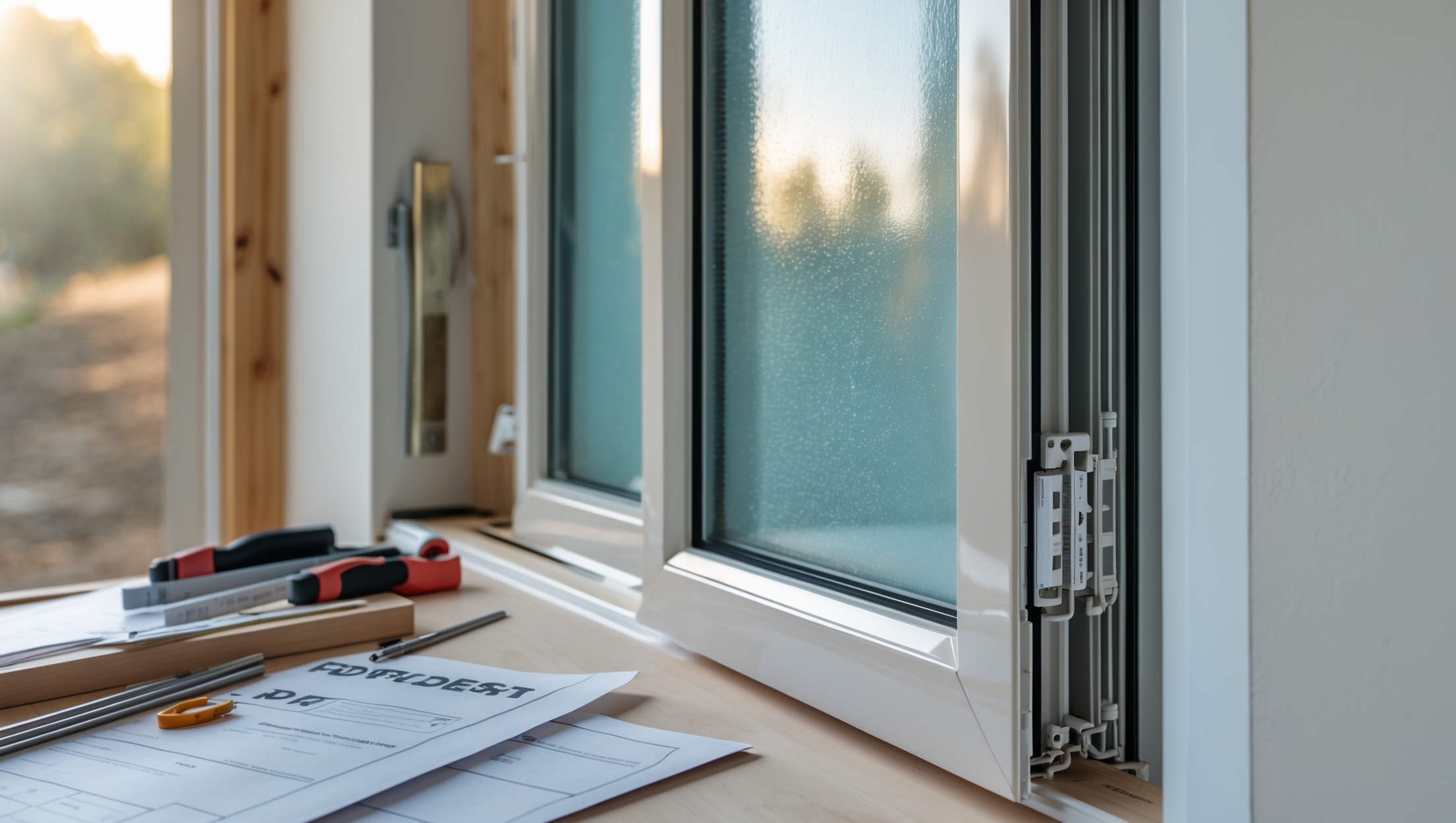
Introduction
Window replacement is one of the most rewarding home improvement projects, offering a trifecta of benefits: improved energy efficiency, enhanced curb appeal, and increased property value. However, many homeowners underestimate the complexity behind replacing windows, particularly when it comes to legal compliance. Overlooking building codes, permit requirements, and inspection protocols can lead to costly fines, project delays, or even forced removal of new installations. Navigating this regulatory landscape is critical—not just for peace of mind, but for the safety and longevity of your home. In this comprehensive guide, we’ll walk you through everything you need to know about window replacement compliance. Whether you’re tackling a single window or planning a whole-home upgrade, you’ll learn how to meet local building codes, secure the right permits, and pass inspections with confidence. By understanding these essentials, you’ll avoid common pitfalls and ensure your investment stands the test of time.
Why Compliance Matters in Window Replacement
Protecting Your Investment
Compliance ensures your new windows are legally installed, safe, and in line with local regulations. Failure to comply can result in:
- Fines or penalties from local authorities
- Delays in future home sales due to code violations
- Insurance issues if damage occurs and work is unpermitted
- Mandatory removal or rework if installations are non-compliant
Ensuring Safety and Efficiency
Building codes are designed to protect occupants from hazards such as fire, structural failure, and energy loss. Compliant windows help maintain structural integrity, proper egress routes, and optimal insulation, keeping your family safe and your energy bills in check.
Understanding Building Codes for Window Replacement
Key Code Considerations
- Egress Requirements: Bedrooms and basements typically require windows that can be used as emergency exits. Codes dictate minimum opening sizes and sill heights.
- Tempered Glass: Windows near doors, in bathrooms, or close to the floor often must use tempered safety glass to prevent injury if broken.
- U-Factor and SHGC: Many regions, especially those with energy codes like the International Energy Conservation Code (IECC), require windows to meet minimum energy efficiency standards. U-factor measures insulation; SHGC (Solar Heat Gain Coefficient) measures sunlight transmission.
- Installation Methods: Codes may specify flashing, insulation, and fastening practices to ensure weatherproofing and structural stability.
- Historic Districts: If your home is in a historic area, additional guidelines may govern window style, material, and appearance.
Finding Your Local Codes
Local building departments interpret and enforce building codes. Start by contacting your city or county building office, or searching their website for window replacement guidelines. Some states and municipalities have adopted unique amendments, so always verify your jurisdiction’s requirements rather than relying solely on manufacturer recommendations or online forums.
Permits: When and Why You Need Them
When Is a Permit Required?
Most cities and towns require a permit for window replacement, especially if:
- You’re altering the size or shape of openings
- Structural changes are involved (e.g., cutting new openings or expanding existing ones)
- The home is in a designated historic district
- You’re replacing windows in multi-family dwellings or rental properties
If you’re simply swapping out old windows for new ones of identical size and type, some jurisdictions waive the permit requirement, but don’t assume—always check with your local authority.
How to Apply for a Window Replacement Permit
- Contact Your Building Department: Visit their office or website to access permit forms and instructions.
- Prepare Documentation: You may need to provide window specifications, drawings or photos of the existing conditions, and details about the installer (DIY or contractor).
- Pay Fees: Permit fees vary by location and project scope. Typical residential window permits range from $50–$200, but can be higher for complex jobs.
- Submit and Await Approval: Processing can take anywhere from a few days to several weeks, depending on workload and project complexity.
DIY vs. Contractor Permits
If you hire a licensed contractor, they usually handle the permitting process. If you’re DIY-ing, you’ll be responsible for obtaining and closing the permit yourself. Unpermitted work—even if expertly done—remains illegal.
What to Expect During Inspections
Types of Inspections
- Rough Inspection: Before interior finishes are applied, the inspector checks flashing, weatherproofing, and structural aspects.
- Final Inspection: After completion, the inspector verifies code compliance, proper operation, and safety features.
How to Prepare for a Window Inspection
- Have all permit paperwork, product specs, and manufacturer instructions on hand
- Ensure windows are operable (open/close smoothly, lock properly)
- Check that all safety glazing is labeled and installed where required
- Leave flashing, insulation, and fasteners visible if the inspection is pre-drywall
- Clean the work area for easy access
Common Reasons for Inspection Failure
- Sills installed too high or openings too small for emergency egress
- Missing or incorrect flashing, leading to potential leaks
- Unlabeled or non-tempered glass where safety glass is required
- Inadequate insulation or improper sealing
- Unauthorized changes to exterior appearance in regulated districts
Energy Efficiency and Compliance
Meeting Energy Codes
Many states and municipalities enforce energy codes that affect window replacement. The IECC and local adaptations typically set maximum U-factors (e.g., 0.30–0.35) and SHGC limits, especially important in regions with extreme climates. Some areas require window products to carry ENERGY STAR labels or equivalent ratings.
Documenting Compliance
- Keep copies of window performance labels (attached to frames or packaging)
- Save receipts and product literature for inspections or future home sales
- Consider requesting a window schedule from your supplier listing all relevant ratings
Special Scenarios: Historic Homes and HOA Rules
Historic Preservation Regulations
Replacing windows in a designated historic home or district often requires additional approvals. Guidelines may dictate materials (e.g., wood vs. vinyl), pane configuration, color, and sightlines. Some authorities require custom windows to match original profiles. Fines for non-compliance are steep, and unapproved work may need to be removed.
Homeowners Association (HOA) Rules
HOAs frequently enforce their own standards regarding window styles, colors, and exterior appearance. Obtain written approval before ordering or installing windows, even if you have a municipal permit. Violating HOA rules can result in legal disputes or forced changes at your expense.
Choosing the Right Professional for Compliant Installation
Licensing and Certification
Hire a contractor with a valid license and insurance. Ask about certifications such as EPA Lead-Safe certification (for homes built before 1978) and manufacturer-specific training. A reputable pro will understand local codes and handle permits and inspections efficiently.
Questions to Ask Potential Installers
- How do you ensure compliance with current building codes?
- Will you handle all permitting and inspection scheduling?
- What is your process for documenting energy code compliance?
- Do you have experience with historic or HOA-regulated properties?
Window Replacement Compliance Checklist
- Research local building codes and permit requirements
- Obtain necessary HOA or historic district approvals
- Select windows that meet energy efficiency and safety standards
- Hire a licensed, insured contractor or prepare for DIY permitting
- Submit permit applications with all required documentation
- Schedule and pass all required inspections
- Retain records for future reference or resale
Frequently Asked Questions About Window Replacement Compliance
Can I replace my own windows without a permit?
In some cases, yes—if the replacement is like-for-like and non-structural. However, always confirm with your local building department. Unpermitted work can cause major headaches later.
What if my existing window openings are not up to current code?
Generally, you’re not required to upgrade to current code unless you enlarge the opening or make structural changes. However, if you do, the new work must comply fully.
How do I know if my windows require tempered glass?
Building codes require tempered glass in locations where impact risk is high, such as next to doors, in bathrooms, or near floors. Consult your local codes or ask your supplier for guidance.
What documentation should I keep?
Retain permits, inspection reports, window labels, and receipts. These are invaluable for resale, insurance claims, and future renovations.
Conclusion
Window replacement is far more than a cosmetic upgrade—it’s a regulated home improvement that demands careful attention to building codes, permitting, and inspection protocols. Taking shortcuts or overlooking local requirements can transform a straightforward project into an expensive ordeal. By proactively understanding and respecting compliance measures, you protect your investment, ensure the safety and comfort of your home, and pave the way for smooth future transactions. Always start with thorough research: consult your local building department, clarify permit needs, and choose professionals who prioritize code compliance. If you live in a historic district or HOA-regulated community, seek approval before proceeding. Equip yourself with all necessary documentation and be present for inspections to promptly address any issues. Ultimately, the time and effort you invest in compliance pay dividends in project quality, peace of mind, and lasting value. With the right preparation and attention to detail, your window replacement will enhance your home’s performance and appeal—legally and safely—for years to come.
If I’m replacing a window in a bedroom, how do I know if it meets the specific egress requirements you mentioned? Are there standard minimum sizes nationwide, or do these vary by local code?
Egress requirements for bedroom windows often follow the International Residential Code, which sets minimum opening size, height, and width for safety. However, local building codes can differ, so it’s important to check with your city or county building department for their exact standards. They can confirm the required dimensions and any regional modifications before you finalize your window choice.
You talked about insurance issues if I replace my windows without permits. If I just replace old windows with the same size and style, do I still need a permit, or does that only apply if I’m changing the window size or location?
Even if you’re replacing your windows with the same size and style, most local building codes still require a permit for window replacement. This is because the work can affect structural integrity, safety, and energy efficiency. Skipping the permit, even for like-for-like replacements, could lead to insurance problems or issues when selling your home. It’s best to check with your local permitting office to confirm what’s needed in your area.
For homeowners who are on a budget, are there ways to streamline the permitting process or minimize costs related to compliance without cutting corners on legal requirements?
Absolutely, there are ways to keep costs down while staying compliant. Start by checking if your city offers online permit applications or consolidated permits, which can save both time and fees. Some areas have reduced fees for simple window replacements, especially if you’re not altering the window size or structure. Also, handle the paperwork yourself instead of hiring a third party, and consider scheduling inspections efficiently to avoid extra trips and costs.
If I’m just replacing an old window with a new one of the exact same size and style, do I still need to get new permits and schedule inspections, or are there exceptions for simple replacement projects like that?
Even if you’re replacing a window with one of the same size and style, most local building codes still require you to get a permit and schedule inspections. Some areas may have exceptions for simple, like-for-like replacements, but this varies. It’s best to check with your local building department before starting, so you can be sure you’re in compliance and avoid any fines or delays.
I noticed the article mentioned permit requirements can differ depending on whether you replace just the glass or the entire window unit. In your experience, how strict are most local jurisdictions about this—do you usually need a permit for a simple sash replacement?
Most local jurisdictions tend to be more lenient when it comes to simple sash replacements, especially if you’re not altering the frame or structural opening. Generally, permits are required for full window unit replacements because those can affect the building’s structure or energy compliance. However, some areas might still require a permit for sash replacements, so it’s always best to check with your local building department before starting.
If I’m just replacing existing window sashes but keeping the frames, do I still need to worry about permits and inspections, or does that only apply when altering the rough opening?
If you’re only replacing the sashes and leaving the window frames and rough opening untouched, most areas don’t require permits or inspections for that kind of work. Permits and inspections are typically necessary when you’re altering the structure, like changing the size of the opening or modifying framing. Still, it’s a good idea to check with your local building department, as local rules can vary.
Since you mentioned insurance issues with unpermitted window replacements, can skipping permits actually cause a claim to be denied if there’s future damage? I want to be sure I’m not risking coverage on my home.
Yes, skipping permits for window replacement can lead to denied insurance claims if damage occurs later. Insurance companies often require proof that all work met local building codes and was properly permitted. If you can’t show the required permits and inspections, your insurer might refuse to cover related repairs or damages. It’s safest to follow all permitting steps to protect your coverage.
You mention fines and insurance problems if work is unpermitted. How strict are local authorities about permits for window replacements, and has anyone actually had to remove brand-new windows due to missed compliance?
Local authorities can be quite strict about window replacement permits, especially in areas with tight building codes or historic districts. There have been cases where homeowners were required to remove and replace new windows because the installation didn’t meet code or skipped the permit process. The chances of enforcement often depend on neighborhood complaints, inspections during home sales, or insurance reviews, but it does happen and can be costly to resolve.
I’m planning to replace the windows in my basement and saw that egress requirements are mentioned in the article. How do I find out the specific minimum opening size and sill height for my local codes before I start the project?
To find the exact minimum opening size and sill height for basement window egress in your area, contact your local building department or visit their website. They can provide your city or county’s adopted codes and any amendments. These details are often part of the local building or residential code. It’s a good idea to ask for the specific measurements and any relevant diagrams before you begin your window replacement project.
If I’m just replacing old windows with new ones of the same size and style, do I still need to pull permits and schedule inspections, or are there exceptions for simple replacements like this?
Even if you’re swapping old windows for new ones of the same size and style, most local building codes still require permits and inspections. This helps ensure the installation meets safety, energy, and egress standards. However, some areas may offer exceptions for simple replacements, so it’s best to check with your local building department for their specific rules.
If my home was built decades ago and doesn’t meet modern egress requirements for bedroom windows, do I have to comply with the latest codes when replacing the windows, or are there exceptions for older properties?
When replacing windows in an older home, you may be required to bring bedroom windows up to current egress codes, especially if the replacement involves altering the frame or opening size. Some jurisdictions offer exceptions for existing conditions, but many require compliance for safety reasons. It’s best to check with your local building department to see if any grandfathering provisions apply to your property.
You mentioned that non-compliant window installations can delay a home sale. Could you clarify how inspectors check for compliance during the selling process, and what common issues they find with replaced windows?
During a home sale, inspectors usually check if replaced windows have the right permits, match local building codes, and meet safety requirements like proper egress in bedrooms or tempered glass where needed. Common issues they find include windows installed without permits, improper flashing leading to leaks, and windows that aren’t energy code compliant. These problems can cause delays because they often need correction before the sale can move forward.
I’m considering a whole-home window upgrade, and compliance sounds pretty complex. Are there common mistakes that homeowners make during the permitting process that could lead to delays or extra costs later on?
Yes, there are a few common pitfalls to watch out for during the permitting process. Homeowners sometimes skip checking with their local code office before starting, use unlicensed contractors, or fail to provide detailed plans. Missing required documentation or misinterpreting code requirements can also cause delays or extra inspection fees. Taking time to clarify requirements up front and keeping thorough records can help you avoid unnecessary setbacks.
You mentioned that improper window replacements can affect my homeowner’s insurance. Could you clarify how unpermitted window work might complicate a future claim if there’s ever damage, even if the windows seem to function fine?
If you replace windows without the proper permits, your insurance company may view the work as unauthorized or not up to code, even if the windows appear to work well. In the event of a claim—say, for storm or break-in damage—the insurer could deny coverage for repairs related to those windows, citing non-compliance. This could leave you responsible for the full cost of repairs or replacements.
My main concern is being able to sell my house down the line without running into code violations from a previous window replacement. Besides permits and inspections, are there other compliance steps I should be aware of?
Beyond permits and inspections, it’s essential to ensure your new windows meet your local building codes for safety, energy efficiency, and egress requirements, especially for bedrooms. Keep all documentation from the installation, including receipts and warranty info. If your home is in a historic district or an HOA, verify any additional approvals needed. This thorough record-keeping can help prevent issues during a future sale.
Could you clarify how egress requirements might differ between replacing windows in a basement versus a bedroom? I want to make sure I’m meeting the specific code size and sill height minimums for both situations.
Egress requirements for replacement windows can differ depending on the room’s location. In bedrooms, the window must meet minimum opening sizes and maximum sill heights, usually a minimum opening of around 5.7 square feet and a sill height no more than 44 inches above the floor. For basements, the minimum opening area is often the same, but the sill height is especially important because if the window is below grade, you may need a window well that meets specific dimensions for safe exit. Always check your local code, as these numbers can vary.
If I’m only replacing the glass or sash and not the entire window frame, do I still need to apply for permits and have an inspection, or does that only apply to full window replacements?
If you’re just replacing the glass or sash and leaving the original window frame in place, most local codes consider this a repair rather than a full replacement. In many areas, repairs like these do not require permits or inspections. However, requirements can vary, so it’s always a good idea to double-check with your local building department to be sure.
I see that energy efficiency and egress codes play a big role in window replacement compliance. Are there particular features or certifications I should look for when choosing new windows to make sure they meet these code requirements?
Absolutely, when selecting new windows, look for features like double or triple glazing, low-E coatings, and proper insulation ratings to meet energy efficiency codes. For egress, make sure the window’s size and opening mechanism meet minimum escape requirements. Certifications such as ENERGY STAR and NFRC labels are strong indicators that a window meets or exceeds standard code requirements in both areas.
I had no idea insurance could be an issue if I skip permits for window replacement. Can you clarify what kind of insurance problems homeowners might run into if they go ahead without proper compliance?
If you replace windows without the required permits, your homeowner’s insurance could deny claims related to those windows. For example, if water damage or an accident occurs because of improper installation, the insurer might refuse coverage. Non-compliance can also make it harder to sell your home, since issues may come up during inspections or appraisals.
If I’m looking to replace just one window in my home, is the permitting process as involved as it would be for a full-home window upgrade, or are there different requirements for minor replacements?
When replacing just one window, the permitting process is often simpler than for a full-home window replacement, but requirements can still vary by location. Some areas may allow minor replacements without a permit, while others will require one regardless of the number of windows. It’s always best to check with your local building department to confirm what’s needed for your specific project.
Can you clarify how strict egress requirements are for basement window replacements? I’m not sure if the minimum opening size applies if I’m just updating the windows but not changing the frames.
Egress requirements for basement windows are usually quite strict, even for replacements. If your basement serves as a sleeping area or bedroom, the new windows must meet current egress standards, which specify minimum opening sizes for emergency escape and rescue. Typically, even if you’re only updating the sashes and not altering the frames, local codes may still require compliance. It’s best to check with your local building department to confirm what applies in your situation.
I know building codes about egress windows are important, especially for bedrooms and basements. If my current basement window doesn’t meet the latest egress standards, does replacing it require me to enlarge the opening, or can I just switch out the window itself for a compliant one?
If your current basement window opening doesn’t meet today’s egress requirements, simply swapping the window won’t be enough—you’ll need to enlarge the opening to comply with code. Building codes require specific dimensions for egress windows to ensure safe exit in emergencies, so your replacement project would need to address both the window and the opening itself.
The article mentions that failing to secure the right permits for window replacement can cause issues with insurance if damage happens later. If I discover previous window work was done without permits, what’s the best way to resolve that now?
If you find that previous window replacement was done without the required permits, it’s best to contact your local building department. They may ask you to apply for a retroactive or after-the-fact permit. An inspection will likely be needed to ensure the work meets current codes. If any issues are found, you may need to make corrections. This process can help you stay compliant and avoid potential insurance or resale problems in the future.
When you mention possible fines or mandatory removals for non-compliance, how often do local authorities actually enforce these penalties, and what triggers a site inspection after replacement is done?
Enforcement of fines or mandatory removals depends on your local jurisdiction, but many authorities do act if they receive complaints from neighbors or notice visible violations. Random inspections are rare; usually, an inspection is triggered if the required permit wasn’t pulled, or if someone reports unpermitted work. It’s safest to assume inspections can happen and penalties are possible, so following proper permitting and inspection procedures is the best course.
You mentioned that non-compliant windows can cause insurance issues if there’s ever damage. Does this mean my homeowner’s insurance could actually deny a claim if I replace windows myself without going through inspections?
Yes, it is possible that your homeowner’s insurance could deny a claim if you replace windows yourself without following required inspections or meeting local codes. Insurance companies often require that any major home improvements, like window replacements, comply with local building codes and permit processes. If a claim is related to faulty installation or non-compliance, they might use this as a reason to limit or deny coverage. Always check your policy and consider following all official procedures to avoid problems.
You mentioned that failing to pull the right permit for window replacement could lead to having to remove the new windows. How do I figure out exactly what permits I need for my area, and who do I contact if my city’s website is confusing?
To determine the exact permits required, start by calling or visiting your local building department—they can clarify which permits and inspections apply to window replacements in your area. If your city’s website isn’t clear, speaking directly with a permit officer or building inspector is the best way to avoid mistakes and ensure compliance with local codes.
Can you clarify what kind of inspections usually happen during window replacement? I’m concerned about possible delays—how long does the inspection process typically take, and what are inspectors most likely to check for?
During window replacement, inspectors typically check that the new windows meet local building codes for safety, energy efficiency, and proper installation. They often look for correct sizing, secure fastening, proper flashing, and that egress requirements are met in bedrooms. The inspection itself is usually scheduled after installation and can take anywhere from 15 to 40 minutes per visit. Delays are rare if you schedule promptly, but can happen if corrections are needed or the inspector’s schedule is full.
You highlight the risks of unpermitted work, like fines and insurance issues. Could you elaborate on the steps a homeowner should take if they discover previous window replacements were done without proper permits or inspections?
If you discover that previous window replacements were done without permits or inspections, start by checking with your local building department to see if retroactive permits are possible. You may need to schedule an inspection to ensure the windows meet current codes. If issues are found, you might be required to make corrections. Be sure to keep detailed records of all communications and repairs for future reference, especially if you plan to sell your home.
Can you clarify what inspections usually involve for window replacement projects? I’m curious if inspectors look mostly at egress and safety, or if they also check for things like energy efficiency and insulation quality.
During window replacement inspections, officials typically focus on several key areas. Egress and safety features are a priority—inspectors check that bedroom windows meet size and accessibility requirements for emergency exits. They also verify that the installation complies with local building codes, which can include looking at energy efficiency ratings and insulation quality, especially if your area has strict energy codes. So, both safety and energy-related aspects are usually part of the inspection process.
If a window installation fails the inspection, what are some common reasons for that, and do you have suggestions for how to address these issues quickly without delaying the rest of the project too much?
Common reasons a window installation might fail inspection include improper flashing, gaps or poor sealing, incorrect sizing, or not meeting egress requirements. To address these quickly, review the inspector’s notes, correct the specific issues—such as resealing or reinstalling the window—then schedule a re-inspection as soon as possible. Keeping materials and tools on hand for quick fixes can also help minimize project delays.
I’m planning to replace a few old windows myself and I’m a bit confused about the permitting part. For a simple like-for-like replacement in a single-family home, do I always need to get a permit, or are there exceptions based on the type of window or the age of the house?
Whether you need a permit for like-for-like window replacement can depend on your local building codes. In many areas, permits are required even if you’re just swapping an old window for a new one of the same size and style. However, some cities make exceptions for purely maintenance work. The age of your house usually doesn’t change the permit requirement, but if your home is historic, special rules may apply. It’s safest to check directly with your local building department to confirm their permit rules before starting your project.
If I’m just replacing windows with the same size and style in my house, do I still need to meet the current egress and energy efficiency codes, or are there exceptions for direct replacements?
Even if you’re replacing your windows with the same size and style, most local codes require that the new windows meet current egress and energy efficiency standards. There are generally no exceptions for direct replacements. It’s important to confirm with your local building department, as requirements can vary, but assume you’ll need to comply with updated codes in most cases.
You mention inspection protocols for window replacement—at what stage of the project does the inspection usually happen, and what are inspectors most commonly looking for during their visit?
The inspection for window replacement typically takes place after the new windows are installed but before any interior or exterior trim work is completely finished. Inspectors are usually looking to verify that the installation meets local building codes, especially regarding structural integrity, proper flashing, energy efficiency, and egress requirements for safety. They also check for correct materials and secure installation to prevent leaks or drafts.
If I’m just replacing old windows with new ones in the same size and spot, do I still need to get permits and go through inspections? Or does that only apply if I’m changing the window dimensions or making structural changes?
Even if you’re just replacing old windows with new ones of the same size and in the same spot, most local building codes still require you to get a permit and sometimes an inspection. This is to ensure the new windows meet current safety and energy standards. Changing dimensions or making structural changes almost always requires permits, but basic replacements usually do as well. It’s always best to check with your local building department to be sure.
If I’m only replacing the glass panes and not the full window frames, do I still need to get permits or pass inspections, or does that count as a repair rather than a full replacement under most building codes?
If you’re just replacing the glass panes and leaving the existing window frames in place, this is often considered a repair rather than a full replacement. In many areas, this type of repair does not require permits or inspections. However, local building codes can vary, so it’s wise to check with your city or county building department to confirm their specific requirements.
Do local building codes tend to differ significantly between municipalities when it comes to window replacement, especially for historic homes? I’m curious if special exemptions or additional permits are generally needed in those cases.
Local building codes can vary quite a bit between municipalities, especially for historic homes. Many areas have unique preservation guidelines for these properties, which often require additional permits or review by historical commissions before replacing windows. Sometimes, special exemptions are available, but the process is usually stricter than for standard homes. It’s always best to check with your local building department to find out the exact requirements for your area.
You discussed the risks of not having the right permits for window replacement. Do you know if homeowners are able to handle the permitting process themselves, or is it usually required to go through a licensed contractor to avoid issues with inspections?
Homeowners are often allowed to handle the permitting process themselves, but this depends on your local building department’s rules. Some areas require a licensed contractor to apply for permits, while others permit homeowners to do it if the work is on their own residence. Regardless, the work must meet code and pass inspection, so if you’re comfortable navigating local regulations and completing paperwork, you can often do it yourself. Double-check with your local permitting office to be sure.
If I’m replacing all the windows in my house and a few of the existing openings don’t meet current egress code, does that mean I have to enlarge those window openings, or are there exceptions for older homes during replacements?
When replacing all windows, most building codes require that bedrooms have at least one window meeting current egress standards for safety, even in older homes. However, some local jurisdictions may allow exceptions or ‘grandfather’ existing openings if you’re not altering the wall structure. It’s best to check with your local building department—they can clarify if you must enlarge those openings or if your home qualifies for an exception during replacement.
I’m getting ready to replace several windows in my older home and I’m a bit confused about how to handle bedroom egress requirements. Are the minimum opening sizes usually the same across states, or do I need to check my local codes specifically before ordering new windows?
Minimum egress window opening sizes often follow general guidelines, such as those in the International Residential Code, but local requirements can vary by state or even by city. Before ordering new windows for bedrooms, it’s important to check with your local building department to confirm specific measurements and requirements for your area. This ensures your new windows will be compliant and safe.
You mentioned fines and insurance issues if work is unpermitted. How can I find out what specific permits and inspections my local area requires before I start my window replacement to avoid these problems?
To find out exactly which permits and inspections you need for window replacement, start by contacting your local building or permitting office; they can give you detailed requirements for your area. Many municipalities also list permit guidelines on their official websites. It’s also wise to ask whether inspections are needed at different stages of the project. This way, you’ll avoid fines or insurance complications.
You mention fines and potential issues with home insurance if window replacements aren’t compliant. If I’m updating windows in an older home that may not currently meet modern code, will I be required to upgrade everything to new standards, or can I keep some elements as they are?
When replacing windows in an older home, most codes require that the new windows themselves meet current standards, but you usually aren’t required to bring unrelated parts of your home fully up to modern code. However, if your project reveals unsafe conditions or structural issues, some upgrades might be necessary. It’s best to check with your local permitting office to understand exactly what’s required for your situation.
You talk about egress requirements for bedrooms and basements. How can I find out if my current windows already meet these standards, or if the new ones I’m considering will be compliant? Is there a checklist or measurement guide I should use before buying?
To check if your windows meet egress standards, you’ll need to verify dimensions like minimum width, height, opening area, and sill height, which codes usually specify. Local building departments often provide a checklist or guide, so contacting them is a good step. When shopping for new windows, ask manufacturers for egress certifications or exact measurements to compare directly with your code requirements.
If I hire a contractor for window replacement, am I still responsible for making sure everything is up to code and the right permits are pulled, or is that handled entirely by the installer? I’m worried about who faces the fines if something gets missed.
When you hire a contractor, they’re usually responsible for securing the necessary permits and ensuring the work meets local codes. However, as the homeowner, you can still be held liable if something isn’t compliant. It’s wise to confirm with your contractor that they’ll handle permits and inspections, and to get this in writing. Double-checking with your local building department can also help protect you from potential fines.
If I’m replacing windows in a couple of bedrooms, how do I know if the new ones meet the specific egress requirements you mentioned? Are there typical measurements or features I should look for, or does it vary by local building codes?
Egress requirements do vary by local building codes, but there are some common standards. Typically, bedroom windows used for egress must have an opening at least 20 inches wide, 24 inches high, and a total opening area of at least 5.7 square feet. The window must also be no more than 44 inches from the floor. However, always confirm with your local building department since requirements can differ by area.
Can you clarify if energy efficiency standards for window replacements apply equally whether I’m swapping in the same size window or enlarging the opening? Wondering if this affects the permit process or inspection requirements.
Energy efficiency standards apply to all window replacements, whether you’re installing a new window of the same size or enlarging the opening. However, enlarging the opening may trigger additional permit and inspection requirements, since structural changes are involved. Either way, ensure the new windows meet current energy codes, and check with your local building department for any extra steps needed for enlarged openings.
I noticed the article mentions fines and even having to remove new windows if they aren’t compliant. For someone replacing just a couple of windows in an older house, how can I check if specific egress and insulation codes have changed since the home was built?
To check if egress and insulation codes have changed since your home was built, contact your local building department—they can provide the latest requirements for window replacements. They may also have guidelines specific to older homes. Additionally, ask about any updates to emergency exit sizes and required window insulation values, as these often change over time. This will help ensure your project is fully compliant.
I’m trying to budget for this project—are permit costs and code compliance fees usually included by the installer, or should I expect those as separate out-of-pocket expenses when replacing windows in my home?
Permit costs and code compliance fees can vary depending on the installer and your local regulations. Some installers include these fees in their quotes, while others require you to handle permits separately and pay those costs out-of-pocket. It’s best to ask your installer specifically what is covered in their estimate to avoid any surprises during your project.
The article mentions that non-compliance can cause delays in future home sales. If I replaced my windows a few years ago without permits, what steps should I take now to ensure everything is up to code?
If you replaced your windows without permits, it’s a good idea to contact your local building department. They can advise if you need to apply for retroactive permits or schedule an inspection of the work. If anything doesn’t meet current codes, you may need to make updates. Keeping records of any approvals or inspections will help avoid future issues when selling your home.
If I’m just replacing a few existing windows with the same size and style, do I still need to get a permit, or does that only apply if I’m changing the window size or type? I want to make sure I don’t run into issues with inspections.
Even if you’re replacing windows with the same size and style, many local building codes still require a permit. The rules can vary depending on where you live, so it’s important to check with your city or county building department before starting. This helps you avoid any issues during inspections and ensures your project stays compliant.
Can you clarify how I would find out the specific window egress requirements for bedrooms in my area? The article mentions local building codes but I’m not sure where to start or who to contact to get those details.
To find the specific window egress requirements for bedrooms in your area, start by contacting your local building department or city hall—they oversee building codes and permits. You can usually call or visit their website to request information about egress standards for bedrooms. If you live in a homeowners association, they may also have guidelines. Local licensed contractors are another helpful resource, as they are familiar with area-specific codes.
If someone discovers during installation that their new windows don’t meet a local code, is it possible to bring the project back into compliance without starting over, or does it usually require a full replacement?
If the new windows don’t meet local code during installation, it’s sometimes possible to fix the issue without a full replacement. Solutions might include adding safety glazing, improving insulation, or making framing adjustments to satisfy code requirements. However, if the windows themselves fundamentally can’t comply, replacement may be necessary. It’s best to consult your local building inspector to see what corrections are acceptable for your specific situation.
If a homeowner unknowingly installs non-compliant windows and faces fines or is required to remove them, what steps should they take next? Are there any avenues for appeal or bringing those windows up to code without a full replacement?
If a homeowner installs non-compliant windows and faces penalties, the first step is to contact the local building department to understand the specific violations and possible remedies. In many cases, you can apply for a retroactive permit and schedule an inspection. Sometimes, upgrades or modifications—such as adding safety glazing or additional locks—can bring the windows into compliance without full replacement. Ask about any appeal processes or alternatives before taking further action.
When it comes to securing permits for window replacement, how much lead time should homeowners typically expect for approval, especially in municipalities with strict inspection protocols? Any tips to speed up the process?
Homeowners should generally allow 1 to 3 weeks for permit approval, though it can take longer in areas with more rigorous inspection requirements. To help speed things up, make sure your application is complete and includes all required documents, such as detailed window specs and property plans. Contact your local permitting office beforehand to confirm their exact requirements, which can help prevent delays due to missing information.
Could you clarify how homeowners can verify which specific window egress requirements apply to their particular municipality? Is this information usually available online, or does it require contacting local building departments directly?
Homeowners can often start by checking their municipality’s official website, where building codes and egress requirements are sometimes posted. However, because local regulations can vary and online information may not always be complete or up to date, it’s wise to contact your local building department directly. Speaking with an inspector or code official ensures you have the most accurate and current requirements for your area.
How much time should I typically expect for the permit and inspection process when replacing windows in a single-family home? I’m trying to plan my project timeline but I’m worried about potential delays related to code compliance.
For a single-family home, the permit approval process for window replacement usually takes anywhere from a few days to a couple of weeks, depending on your local building department’s workload. After installation, inspections are often scheduled within a week, but can sometimes take longer if inspectors are busy. To avoid delays, submit complete paperwork, respond promptly to requests for more information, and book inspections as early as possible.
When it comes to scheduling inspections, do they generally happen before, during, or after the window installation? I’m trying to figure out how to plan the timing so my contractor and inspector aren’t waiting on each other unnecessarily.
Inspections for window replacement projects are typically scheduled after the installation is complete but before final finishes like trim or painting. This allows the inspector to verify that the windows meet code requirements and have been installed correctly. It’s a good idea to coordinate with your contractor to ensure the project is ready for inspection so neither party is left waiting.
If I replace my windows without getting the proper permits and then try to sell my house later, how do inspectors usually catch unpermitted work? Is it just during the sale process, or can it come up sooner?
Inspectors often notice unpermitted window replacements during the sale process, especially when a buyer or their agent requests a thorough inspection. Signs like mismatched windows, incomplete finishes, or recent upgrades can prompt questions. However, city officials or insurance adjusters might also spot unpermitted work during unrelated property visits or repairs, which could lead to fines or required corrections even before you sell.
Could skipping the inspection step actually cause problems when I try to sell my home in the future, even if the new windows look professionally installed and seem secure?
Yes, skipping the inspection can cause issues when selling your home. Even if your windows look well installed, buyers or their agents often ask for permit and inspection records to ensure the work meets local codes. Missing inspections might delay the sale, lower your home’s value, or force you to get the work re-inspected and approved before closing.
I noticed the section about egress requirements for bedrooms and basements. What happens if my current window openings are smaller than the minimum code? Does replacing them mean I have to enlarge the opening, or are there exceptions for older homes?
If your current bedroom or basement windows are smaller than the minimum egress size required by current code, replacing them typically means you must bring the opening up to code—especially if the window is the only legal egress. Most building departments require compliance during replacement, not just when building a new home. Some areas may grant exceptions for historic homes, but this is rare and usually must be approved by the local building authority. It’s best to check with your city or county permitting office for your specific situation.
You mention that non-compliant window installations can cause issues during home sales or with insurance. Are there certain features or code violations that tend to cause problems more often than others when it’s time to resell?
Yes, some window installation issues are more likely to cause problems during resale. Common code violations include improper egress windows in bedrooms, inadequate tempered glass in required locations like near doors or in bathrooms, and poor installation affecting energy efficiency or weatherproofing. Missing permits or lack of inspection records can also raise red flags for buyers and insurers. Addressing these specific features and having proper documentation can help prevent complications when selling your home.
If I’m only replacing a few windows rather than doing a full-house upgrade, are the permit requirements and inspections any different? I want to make sure I don’t run into issues or unnecessary costs by overlooking something for a smaller project.
Whether you’re replacing just a few windows or the entire house, most local building codes require permits and inspections for any window replacement that affects the structure, size, or egress of the openings. However, some jurisdictions may have exemptions or streamlined processes for smaller projects. It’s best to check with your local permitting office—sometimes, minor replacements are subject to less stringent requirements, but confirming before you start will help you avoid extra costs or delays.
You mentioned fines and mandatory removal if installations are non-compliant. How do most homeowners figure out if their planned window replacements actually meet the local building codes before starting the project?
Most homeowners check with their local building department before starting any window replacement. You can usually call or visit your city or county office to ask about specific codes and required permits. Many homeowners also ask their contractor for guidance, as reputable contractors are familiar with local regulations and can help ensure everything is compliant before work begins.
You mentioned egress requirements for bedrooms and basements. How strict are inspectors about the exact measurements and sill heights? What happens if my old window openings are just a little under the minimum size?
Inspectors are typically very strict about egress window requirements, especially for bedrooms and basements, since these codes are about safety and emergency escape. Even if your old openings are only slightly under the minimum size or sill height, they usually won’t pass inspection. In most cases, you would need to modify the opening to meet code, even for small differences.
I’m a little confused about egress requirements for basement windows. If I’m just swapping out old windows for new ones of the same size, do I still need to meet the latest minimum opening sizes, or does that only apply if I change the window dimensions?
Egress requirements typically apply when you enlarge a window opening or create a new one, but if you’re only replacing old windows with new ones of the exact same size and not altering the frame or opening, many codes allow you to keep the existing dimensions. However, some local codes may still require upgrades to meet current egress standards, so it’s best to double-check with your local building department to be sure.
I’m planning to do some of the installation work myself to save on costs. Based on what you mention about permits and inspections, are there extra steps I should expect if I’m not hiring a licensed contractor for the window replacement?
If you’re installing the windows yourself, you’ll likely need to obtain the permit personally, since many areas require homeowners to do so if no licensed contractor is involved. The inspection requirements remain the same, but some local codes may have additional checks for DIY projects to ensure safety and code compliance. It’s important to check with your local building department before starting.
When navigating window replacement codes, how do requirements typically differ between replacing a window in a bedroom versus a living room in terms of egress and sill height? I want to make sure I understand the potential extra steps before starting the project.
When replacing a window in a bedroom, building codes usually require the window to meet specific egress requirements for emergency escape—this means a minimum opening size and a sill height typically no higher than 44 inches from the floor. Living room windows generally don’t have these egress requirements. So, extra steps for bedroom windows may include ensuring the replacement meets size and sill height standards for safety and code compliance.
How long does the typical permit and inspection process take for a straightforward window replacement project? I’m trying to plan my timeline and want to avoid unexpected delays caused by missing any steps.
For a straightforward window replacement, the permit process usually takes between a few days to two weeks, depending on your local building department’s workload. Once you’ve received the permit and completed the installation, scheduling an inspection often adds another few days. To avoid delays, submit all required documents up front and contact your local office to confirm current processing times.
If I’m planning to replace windows in just one bedroom, do I still need to meet all the same egress requirements, or are there exceptions for partial projects? I want to make sure I’m not missing any details before starting.
Yes, even if you’re only replacing windows in one bedroom, egress requirements still apply. Any window replacement in a sleeping room must meet current egress codes to ensure safe emergency exits. There usually aren’t exceptions based on the number of rooms involved. Before starting, check your local building codes and confirm if a permit or inspection is required for your project.
You talked about meeting egress requirements for bedrooms and basements. If my current bedroom windows are smaller than the code minimum, do I have to make the openings bigger when replacing them, or can I just put in new windows of the same size?
If your current bedroom windows are smaller than the code minimum for egress, most building codes require that you meet the current egress standards when replacing them. This usually means you’ll need to enlarge the window openings to comply with minimum size requirements for emergency escape and rescue. It’s a good idea to check with your local building department for any exceptions or specific guidance.
Can you clarify how the inspection process works after getting a permit for window replacement? I am wondering what inspectors usually look for and what might cause a failed inspection.
After you get a permit for window replacement, an inspector will visit your property to ensure the work meets local building codes. They’ll check if the new windows are installed securely, operate correctly, and satisfy requirements for energy efficiency, egress, and safety glazing where applicable. Common reasons for failed inspections include improper installation, missing safety features like tempered glass where needed, or windows not matching the permit plans. If issues are found, you’ll typically have a chance to fix them before a re-inspection.
If I want to replace only a couple of windows myself instead of hiring a contractor, what steps do I need to take to make sure I don’t miss any permit or inspection requirements mentioned here?
First, contact your local building department to confirm if a permit is needed for your specific window replacement project, as rules vary by location. Submit any required permit application and ensure your new windows meet current building codes, especially for egress and energy efficiency. After installation, schedule any necessary inspections as stipulated by your permit. Keep all paperwork for your records.
I’m curious about the inspection process for window replacements. Are there common reasons why a new window installation might fail inspection, and how can I make sure I avoid those mistakes?
Common reasons for window installation failing inspection include improper flashing or sealing, incorrect sizing, using non-compliant glass, and not meeting egress requirements in bedrooms. To avoid these issues, always follow local building codes, use properly rated materials, and ensure the installation is weather-tight. Hiring a licensed contractor familiar with code requirements and scheduling a pre-inspection walk-through can also help prevent problems during the official inspection.
Can you clarify if inspections are required for every window replacement job, or only for certain types, like enlarging openings or changing window style? I’m trying to figure out how much extra time to plan for my project.
Inspections are not always required for every window replacement. If you’re just swapping out windows of the same size and style, many areas do not require an inspection. However, if your project involves enlarging window openings, changing the window style, or altering structural elements, inspections are typically needed. To plan your timeline accurately, check your local building department’s rules for your specific scope of work.
I’m planning to replace basement windows in a rental property—how strict are the egress requirements for basement bedrooms, and are there exceptions if the rooms were built before certain codes were enacted?
Egress requirements for basement bedrooms are typically very strict, especially in rental properties, as they’re key for occupant safety. Most building codes require that basement bedrooms have windows large enough for emergency escape, regardless of when the room was built. However, some areas may grant exceptions or allow ‘grandfathering’ for older rooms, but this depends on your local code enforcement. It’s best to check with your local building department before starting the project.
The article mentions that unpermitted window replacements can cause issues with insurance coverage if damage occurs. Can you explain how insurance companies verify if windows were installed with proper permits, and what documentation homeowners should keep in case of a claim?
Insurance companies may verify permit status during a claim by requesting documentation, such as approved permits, inspection reports, or receipts from licensed contractors. They can also check with local building departments to confirm permits were issued. Homeowners should keep copies of all permits, inspection approvals, and contractor invoices related to the window replacement, as these documents provide proof that the work was done legally and up to code.
Getting the right permits sounds important, but I’m not clear on how inspections work during the window replacement process. Does every project automatically require an inspection, or does it depend on the type of window or scope of the work involved?
Whether or not an inspection is required depends on your local building codes and the details of your window replacement project. Many areas do require an inspection, especially if the replacement affects structural elements, energy efficiency, or safety features. For simple, like-for-like window swaps, some jurisdictions may waive inspections. It’s best to check with your local permit office to find out exactly what applies to your project.
If I’m only replacing a few windows in my house and not the entire set, do I still need to pull permits and schedule inspections, or does that only apply to full-home window replacements?
Even if you’re just replacing a few windows, most local building codes require you to obtain permits and sometimes schedule inspections, regardless of whether it’s a partial or full-home replacement. The main concern is safety and code compliance for each window replaced. It’s best to check with your local building department, as requirements can vary by area and project scope.
When replacing windows in bedrooms, how do you determine if the new units actually meet the minimum egress requirements? Are there standard measurements, or does it vary by city or state?
To determine if your new bedroom windows meet egress requirements, you’ll usually need to check local building codes, but there are common standards. Most codes require a clear opening at least 20 inches wide, 24 inches high, and a minimum net clear opening of 5.7 square feet. The windowsill should not be more than 44 inches above the floor. However, some cities or states may have their own variations, so always verify with your local building department before purchasing or installing new units.
The section about egress requirements caught my attention. Are there different code requirements for basement window replacements versus bedroom windows, or are the minimum opening sizes and sill heights generally the same across the board?
Basement windows typically have stricter egress requirements than above-grade bedroom windows, especially when they’re the only means of escape. While minimum opening sizes are often similar, basements often require lower sill heights to allow easy exit. Always check your local building codes, as there can be variations, but in most places, basements must meet specific guidelines due to their location below ground.
What happens if a previous owner replaced windows without pulling the necessary permits? I’m worried this might affect my ability to sell the house in the future or create problems with my insurance.
If the previous owner replaced windows without the required permits, you could run into issues during a future sale, as home inspectors or buyers might flag unpermitted work. This can delay closing or require retroactive permits and inspections. Insurance claims related to the windows might also be denied if work was done without permits. It’s wise to check with your local building department about options for regularizing the windows, such as applying for retroactive permits or having inspections done now.
When it comes to securing permits for window replacement, do requirements usually differ if I’m just replacing existing windows versus creating new window openings? Would both scenarios need full inspections, or is one generally simpler to get approved?
Permit requirements typically vary depending on the scope of your window project. If you’re just replacing existing windows within the same openings, the process is often simpler and may only require basic inspections or sometimes none at all, depending on local codes. However, creating new window openings usually involves more complex permits and full inspections, since structural changes and safety codes must be reviewed. Always check with your local building department for the exact requirements.
If my house was built before current codes were in place, do I need to upgrade all my windows to meet new egress and insulation requirements, or can I just replace them like-for-like without running into compliance issues?
If you’re replacing windows in a home built before current codes, you generally need to follow today’s egress and insulation requirements if the work constitutes a full window replacement (frame and all). However, simple like-for-like sash replacements might not trigger these updates. Local regulations vary, so it’s important to check with your building department to confirm what applies in your area before starting the project.
When planning for a whole-home window replacement, how should a homeowner estimate the permit costs and inspection timelines? Are there typical ranges, or does it vary wildly by municipality?
Permit costs and inspection timelines can vary significantly depending on your municipality. Some areas have set fees, while others base them on the project size or home value. Generally, permit fees for window replacement can range from $50 to several hundred dollars. Inspection timelines also differ but often take anywhere from a few days to a couple of weeks. It’s best to contact your local building department for the most accurate estimates for your area.
I’m trying to budget for my window replacement project, but I’m unsure how much permits and inspections typically add to the overall cost. Are there standard fees I should expect, or does it vary a lot by city?
Permit and inspection fees for window replacement can vary quite a bit depending on your city or county regulations. Some areas might charge a flat fee, while others base it on project value or number of windows. On average, you might pay anywhere from $50 to $300 for permits and inspections, but it’s best to check with your local building department for precise figures in your area.
Could you explain how the inspection process typically works for window replacements? For example, do inspectors only check after the installation, or is there a rough-in inspection needed before finishing around the new window?
For window replacements, inspections usually happen after the installation is complete. Inspectors typically check that the new windows meet code for things like energy efficiency, safety glazing, and egress requirements. There usually isn’t a rough-in inspection like with plumbing or electrical work. However, some localities may want to see the window framing before you finish the interior trim, especially if you modify the opening size. It’s best to ask your local building department about any special requirements.
If I want to replace several windows in my house but do the work in stages instead of all at once, do I need to apply for separate permits for each phase, or is it possible to get a single permit that covers the whole project?
You can usually get a single permit that covers the entire window replacement project, even if you’re doing the work in stages. When you apply for the permit, just specify all the windows you plan to replace. However, check with your local permitting office; some areas may have limits on how long a permit is valid or may require inspections after each phase. Clarifying your timeline with them will help ensure compliance.
The article mentions fines or even having to remove non-compliant windows. If I replace windows myself without pulling a permit, how likely is it that local authorities will find out, and what typically triggers an inspection?
Local authorities often discover unpermitted window replacements when someone files a complaint, during routine neighborhood inspections, or if you later sell your home and a buyer requests a permit history. Contractors working nearby might also notice and report work done without a permit. While not every project is caught right away, the risk increases over time, especially during property sales or insurance claims.
What kind of inspections should I expect during the window replacement process, and is it common for DIY homeowners to need a final inspection to sign off on the work before selling the house?
During window replacement, you can expect an inspection that checks for proper installation, energy efficiency, and adherence to safety codes like egress requirements. It’s standard for building inspectors to ensure the new windows meet local codes. For DIY homeowners, most areas do require a final inspection before the work is officially approved, especially if you plan to sell the house. This final sign-off helps demonstrate compliance to future buyers and avoids potential issues during the sale process.
You mentioned possible fines and even having to remove windows if I don’t follow local codes. How do I make sure I’m not missing any hidden requirements before I start the replacement, especially when it comes to permits and inspections?
To avoid missing any hidden requirements, contact your local building department before starting your window replacement. Ask about specific permits, inspection steps, and any documentation you’ll need. Codes can vary by area, including rules on energy efficiency or emergency egress. Taking notes during your call and requesting written guidelines from the department can ensure you’re fully covered.
If I replace windows in my house without getting a permit first, how likely is it that I’ll actually face fines or be required to remove them later? Does this depend on whether my project gets reported, or is there always some sort of inspection after the fact?
The likelihood of facing fines or being required to remove unpermitted windows usually depends on whether your project is reported to the local authorities. Many areas don’t conduct random inspections after window replacements, but issues can arise if neighbors report the work or if you try to sell your home and permit records are checked. It’s always safer to get the proper permits to avoid unexpected complications down the line.
I’m planning to replace multiple windows at once to help with energy efficiency, but I’m worried about delays if an inspection finds something non-compliant. What steps can I take early on to make sure everything passes inspection smoothly and I can avoid costly project hold-ups?
To avoid delays, start by reviewing your local building codes and permit requirements for window replacements. Choose windows that meet energy efficiency standards like ENERGY STAR. Work with a licensed contractor familiar with local regulations. Ask for a pre-installation inspection if available, and document everything. Before scheduling your official inspection, double-check that all installation details align with code, such as egress size and tempered glass where required. This preparation minimizes the chance of surprises during official inspection.
If I’m replacing windows in an older house that probably doesn’t meet current egress requirements, do the new windows I install have to comply with the latest size and sill height codes, or are there exceptions for existing structures?
When replacing windows in an older home, most building codes require new windows in sleeping rooms to meet current egress requirements for size and sill height, even if the original windows didn’t. However, some local codes may offer exceptions or alternate compliance paths for historic homes or certain renovations. It’s important to check with your local building department, as enforcement and allowances can vary depending on your location and specific situation.
You mention issues with insurance if damage occurs and the work was unpermitted. Could you clarify how homeowners typically prove to their insurance provider that the window replacement was compliant and properly permitted, especially if selling the home years later?
Homeowners usually need to keep copies of the building permits and final inspection approvals from their local permitting office. These documents serve as official proof that the window replacement was done in compliance with local codes. When selling a home or filing an insurance claim, presenting these records helps demonstrate that the work was properly permitted and inspected, reducing the risk of insurance issues or complications during the sale.
If I’m replacing old windows myself, what are some common mistakes people make that end up causing inspection failures? I want to avoid delays or having to redo any installations.
Some frequent mistakes that lead to inspection failures include not using windows that meet egress or energy code requirements, improper flashing or sealing that causes leaks, failing to insulate gaps properly, and not securing windows per manufacturer instructions. Also, forgetting to get permits or schedule required inspections is common. Double-check all measurements, follow code-compliant installation steps, and keep documentation handy to avoid delays or rework.
I’m planning to upgrade all the windows in my house for better energy efficiency. Does compliance with building codes usually increase the overall cost of the project, and are there common budget surprises I should watch out for during inspections?
Compliance with building codes can add to your project’s cost, mainly due to permit fees, required materials, and possible updates to framing or safety features that codes mandate. Common budget surprises include the discovery of hidden damage like rot or outdated wiring around old windows, which inspections may flag for correction. Planning a contingency fund, typically 10–15% of your budget, can help manage these unexpected expenses.
When it comes to meeting egress requirements for basement windows, how strict are local inspectors in practice? Are they likely to measure exact opening sizes and sill heights, or is there sometimes room for interpretation?
Local inspectors are usually quite strict about egress requirements, especially for basement windows, since these regulations are tied directly to safety and emergency escape. Inspectors will typically measure the window opening size and sill height to ensure they meet code. There is little room for interpretation—if your window doesn’t meet the minimum size or height, it likely won’t pass inspection.
What should I budget for permits and inspections when replacing several windows in an older home? I’m concerned about hidden costs, especially since my area is known for stricter building codes.
Permit and inspection fees can vary widely depending on your local regulations, but for older homes in areas with strict codes, you should generally budget anywhere from $200 to $800 for permits and inspections. Some cities may charge more, especially if structural changes are involved. Also, be prepared for possible additional costs if inspectors require you to address unforeseen code issues common in older properties.
What is usually involved in a window inspection as part of the permit process? Are there common issues that cause homeowners to fail inspection, and is there anything I should do to prepare before scheduling one?
During a window inspection for a permit, inspectors typically check if the new windows meet safety, energy efficiency, and egress requirements. Common issues that cause failures include improper installation, missing safety glazing near doors, or windows that are too small for emergency exits. To prepare, make sure the installation matches the approved plans, all safety codes are met, and documentation is available for the inspector. Double-check measurements and proper sealing to avoid common setbacks.
Does compliance with window egress requirements vary between states or even between cities? I’m worried about buying windows that won’t meet the local codes when doing a basement renovation.
Yes, window egress requirements can vary significantly between states and even from one city to another. Local building codes often have specific rules for window size, height, and opening mechanisms, especially for basement renovations. Before purchasing windows, it’s a good idea to check with your local building department or a licensed contractor to make sure your choices will meet all applicable codes.
You mentioned potential fines for non-compliance. Can you give a ballpark idea of how much those fines tend to be if someone installs new windows without the right permits? I want to make sure I really budget for everything upfront.
Fines for installing windows without the necessary permits can vary widely depending on your city or county, but they often range from $200 to $1,000 for a first offense. In some cases, repeat violations or serious non-compliance could result in even higher penalties or legal action. It’s a smart move to factor these potential costs into your budget, just in case.
How much time should I budget into my window replacement project just for permits and inspections? I’m trying to avoid any delays—are there ways to streamline this part of the process, or is the timeline mostly out of my hands?
Permit approval and inspection times can vary widely depending on your local building department, but it’s common to budget anywhere from 1 to 4 weeks for permits and an additional few days for inspections. To speed things up, submit all paperwork accurately, respond quickly to any requests from the city, and schedule inspections as soon as you’re eligible. Sometimes, hiring a contractor with experience in your area can help navigate this process more efficiently.
I’m about to replace several windows in my home. How do I know if my bedrooms need specific egress windows, and what are the consequences if I choose windows that don’t meet those requirements?
For bedrooms, building codes usually require egress windows to allow for emergency escape and rescue. You can check your local building code or ask your permit office to find the exact size and opening requirements for bedroom windows. If you install windows that don’t meet egress standards, you may fail inspection, be required to replace them, or face safety risks and issues with resale.
I’m getting ready to replace the windows in my basement, and I saw you mention egress requirements. How do I find out the specific minimum opening size and sill height for my area? Are those usually part of local building codes or should I check with a different authority?
The minimum opening size and sill height for basement window egress are usually specified in your local building codes, often based on national standards like the International Residential Code. However, some areas have their own amendments. The best way to get accurate requirements is to contact your local building department directly—they can provide the exact measurements and details for your area. Always double-check with them before starting your project.
For someone in the middle of a whole-home window upgrade, what steps should they take to ensure each window meets local egress and energy efficiency requirements before scheduling the inspection?
Before your inspection, double-check that all bedroom windows meet egress codes for size and operability—these typically require a minimum opening area, height, and width. Confirm that every window’s U-factor and SHGC ratings comply with your area’s energy codes, which you can find on product stickers or manufacturer documentation. It’s smart to have compliance paperwork ready and review your permit details to verify all requirements. This preparation helps ensure a smooth inspection process.
If I’m just replacing old windows with new ones of the exact same size and style, do I still need to get permits and inspections? Or are there exceptions in most local codes for like-for-like replacements?
Even if you’re replacing windows with ones of the same size and style, most local codes still require a permit and inspection. This ensures the new windows meet current safety, energy efficiency, and egress standards. Some areas may have minor exceptions for exact replacements, but it’s important to check with your local building department before starting the project.
You mentioned that insurance could be impacted if damage occurs and the work wasn’t permitted. How can I verify if my current windows were installed with the right permits before I start replacing them?
To verify if your current windows were installed with the proper permits, contact your local building department and request records for your property. Provide your address and ask for documentation of past window permits. You can also check with your homeowner’s association if applicable, or look through any paperwork from previous renovations. Having these details will help ensure your replacement project stays compliant.
You mentioned fines and even potentially having to remove newly installed windows if they don’t meet code. Are there certain common inspection issues that homeowners run into, like egress sizing or improper insulation, and what’s the best way to avoid them before the inspection?
Yes, common inspection issues with window replacements include improper egress window sizing, insufficient insulation around the frame, and incorrect tempered glass in required areas. To avoid these problems, always check your local code requirements before starting the project, choose windows that meet those standards, and work with a licensed installer familiar with local rules. Asking your installer to walk you through how each requirement is being met can also help ensure a smooth inspection.
You mention possible insurance issues if work is unpermitted. If someone unknowingly replaced windows without the right permits, what would be the recommended steps to bring everything up to code after the fact? Does this usually mean re-doing the whole project or just getting a retroactive inspection?
If windows were replaced without proper permits, the best approach is to contact your local building department as soon as possible. Usually, they’ll guide you through applying for retroactive permits and arranging an inspection. Often, you won’t need to redo the entire project unless the work doesn’t meet code. If the installation is up to standard, an inspection may be enough. Be prepared to provide details or documentation about the work done.
Could you clarify how local building codes might differ regarding egress requirements for basement versus bedroom window replacements? I want to make sure I’m not missing a detail that could lead to issues during inspection.
Local building codes often set different egress requirements for basement windows compared to bedroom windows. Basements used as sleeping areas usually require larger egress windows for safe emergency exits, often with minimum height, width, and sill height standards. Bedrooms above ground might have less stringent size or accessibility requirements. Always check your municipality’s specific code, as details like well depth or ladder requirements for basement egress can vary and are common inspection points.
Are permit requirements and code guidelines typically different if I’m just replacing existing windows with the same size and style, versus changing to a larger opening or new type of window? I’m trying to budget both time and costs before starting my project.
Yes, permit requirements and code guidelines often differ depending on the scope of your window replacement. If you’re replacing windows with the same size and style, the process is usually simpler—some areas might not require a permit at all. Expanding the opening or changing the window type, however, typically triggers additional reviews, permits, and code compliance checks, which can add time and costs to your project. It’s best to check with your local building department for exact requirements.
When it comes to the egress requirements for bedrooms and basements, how do I find out what the minimum opening sizes or sill heights are for my specific city? Is this something I can look up online or do I need to call my local building department?
You can often find your city’s egress requirements online by searching for your local building codes or checking your city or county’s official website. Look for sections on residential window egress or emergency exits. However, because codes can change or have local variations, it’s always a good idea to confirm details with your local building department directly. They can provide the most accurate and up-to-date information for your area.
How do compliance costs, like permits and inspections, typically affect the overall window replacement budget? I’m trying to avoid unexpected expenses and delays, so any tips on estimating these costs in advance would really help.
Compliance costs such as permits and inspections can add anywhere from a few hundred to over a thousand dollars to your window replacement budget, depending on your local regulations. To avoid surprises, contact your city or county permitting office for current fees and ask your contractor to include permit and inspection costs in their initial quote. Also, factor in possible delays for inspection scheduling when planning your timeline.
Could you clarify if the egress requirements for bedroom windows apply even when replacing existing windows with the same size, or do the codes only come into play if I’m enlarging the window opening?
Egress requirements for bedroom windows typically apply whenever windows are replaced, even if you’re keeping the same size, especially if local codes have changed since the original installation. Some areas may allow like-for-like replacements, but many require that the replacement meet current egress standards. It’s best to check with your local building department to see how they interpret the code for window replacements in bedrooms.
You mentioned fines and insurance issues if the window work isn’t permitted. How can a homeowner find out exactly which local building codes apply to their property before starting a project?
To determine which local building codes apply, start by contacting your city or county building department—they can provide the exact regulations for window replacements in your area. You can also ask if there are any handouts or guidelines available. It’s a good idea to confirm whether your homeowners association has additional requirements, as these can vary as well.
Does the process of getting permits and passing inspections usually add a lot of time to a window replacement project, or can it be done pretty quickly? I’m trying to plan around a tight schedule.
The time needed for permits and inspections can vary by location. In some areas, the permit can be approved within a few days, but in others it may take a week or more. Inspections are usually scheduled right after installation and could add a day or two. Generally, if you start the permit process early and check local timelines, it shouldn’t add significant delays, but it’s smart to allow some buffer in your schedule just in case.